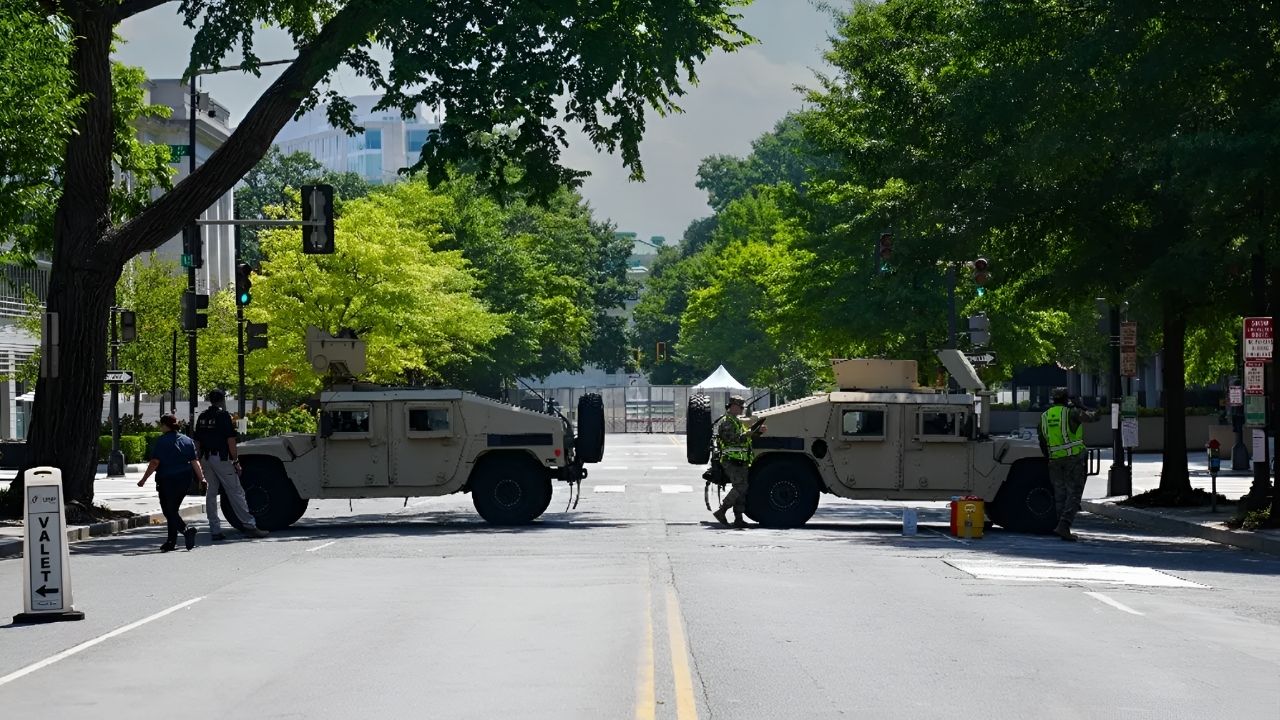
Ukrainian President Volodymyr Zelenskyy delivered an urgent message to NATO on November 9, 2025, warning that Russian President Vladimir Putin might attack NATO members while still embroiled in the war in Ukraine. “He can do both at the same time,” he said, signaling a fundamental shift in security calculations.
This stark warning contradicts decades of Western doctrine. NATO’s assumptions about Putin’s strategy are now in question, with military experts reassessing defense requirements across the alliance.
Russia’s Drone Dominance vs NATO’s Lagging Defenses
Russia manufactures thousands of drone units monthly, vastly outpacing NATO’s production capacity. NATO Secretary-General Mark Rutte has warned that Russia could launch an operation against a NATO member within five years, prompting calls for a dramatic overhaul of air defense capabilities.
Russian drones are constantly evolving to evade Western systems, while NATO training exercises still treat them as secondary concerns. This technological gap represents the alliance’s most urgent vulnerability.
A New Security Reality

In response to escalating threats, European nations have implemented increased airport screenings, border checks, and civil defense protocols. The Baltic and Nordic countries are reinforcing defenses, including withdrawal from anti-personnel mine treaties—an unprecedented policy reversal.
Insurance premiums are rising and home security installations surging. European citizens are preparing for contingencies once considered obsolete since the Cold War’s end.
Defense and Tech Industry Response

European and American defense contractors are dramatically ramping up production of air defense systems, missiles, and drone countermeasures. Despite increased NATO defense budgets, adoption remains uneven across member states.
Cybersecurity firms report surging demand from critical infrastructure sectors—energy, finance, and telecommunications. Stock markets are rallying on defense sector gains, signaling substantial economic restructuring ahead.
Europe’s Shift Toward Self-Reliance

Europe is prioritizing energy independence through heavy investment in renewable energy and domestic power production. This transformation, once driven by climate commitments, now serves as a national security imperative.
Telecommunications companies are rerouting undersea cables away from Russian-controlled waters, while infrastructure reinforcements against sabotage span the continent. These investments will reshape Europe’s energy landscape for decades.
NATO Supply Chains in Flux

European manufacturers are relocating operations from Eastern Europe to safer regions, accepting higher costs to mitigate geopolitical risk. NATO allies are diversifying defense procurement to reduce dependency on single suppliers for critical materials.
Revised trade routes circumvent potential Russian interference, though these security measures are expected to increase consumer prices across Europe.
Life at the Borders

Residents in Poland, Estonia, and Lithuania face daily uncertainty as conflict remains possible. Farmers are installing surveillance systems and evacuation plans for livestock, while business owners weigh relocation decisions.
Schools near borders now conduct civil defense drills. This transition from decades of post-Cold War stability to active preparation represents a generational shift in border communities.
EU and NATO on High Alert
The European Union is preparing its twentieth sanctions package while NATO has launched the Critical Undersea Infrastructure Coordination Cell and Baltic Sentry Mission to counter hybrid threats. Russian diplomats are being expelled from European capitals.
These coordinated actions signal a comprehensive strategic realignment, moving from reactive defense postures to proactive threat management.
The Shift in European Budgets
The largest defense spending surge in Europe since the Cold War has redirected billions from social and infrastructure programs in Germany, Poland, and the Baltic states. This rearmament drive is increasing government debt and potentially raising interest rates.
Public services and infrastructure projects face delays as military investments dominate budget allocations across the continent.
Civil Defense Becomes Mainstream

Civil defense enrollment has surged, particularly in border regions. Home bunker and emergency shelter construction has accelerated in Poland and the Baltics, while urban planners now incorporate air raid shelters into new developments.
Families are stockpiling emergency supplies, reflecting normalized preparedness for conflict scenarios previously relegated to historical study.
A Growing Tension

Accelerating military spending has raised concerns among environmental groups, as drone and missile production consume substantial resources and complicate climate goals. Public health experts warn of mental health impacts from prolonged security anxiety.
Policymakers and activists increasingly debate the balance between immediate security needs and long-term environmental commitments.
European Media Reflects Growing Alarm

European media coverage has shifted from skepticism about Russian capabilities to focused analysis of hybrid warfare tactics. Public opinion in NATO countries now views Russia as the most immediate threat.
Educational systems are revisiting Cold War-era security frameworks, reintroducing concepts of deterrence and geopolitical strategy previously considered obsolete.
Winners and Losers in the European Economy

Defense contractors and cybersecurity firms report surging stock valuations. Conversely, border region tourism is declining, property values remain volatile, and political risk insurance demand has intensified.
Real estate in safer, inland areas appreciates as investors increasingly favor defense stocks over tourism and hospitality sectors.
Preparing for Volatile Times

Financial advisors recommend portfolio diversification toward defense and infrastructure stocks while avoiding tourism exposure. Families should establish emergency reserves of at least three months’ expenses and maintain essential supplies.
Border region homeowners must ensure insurance policies account for political risk and infrastructure damage, while monitoring evolving economic and security developments.
What Comes Next?

Zelenskyy’s November warning has definitively ended assumptions that Russia would prioritize Ukraine over NATO territories. The critical question is whether NATO can modernize defenses quickly enough to address multifaceted Russian capabilities.
The alliance’s cohesion, defense integration, and strategic foresight will determine success in managing this unprecedented threat environment. NATO’s decisions in the coming years will reshape European security for generations.