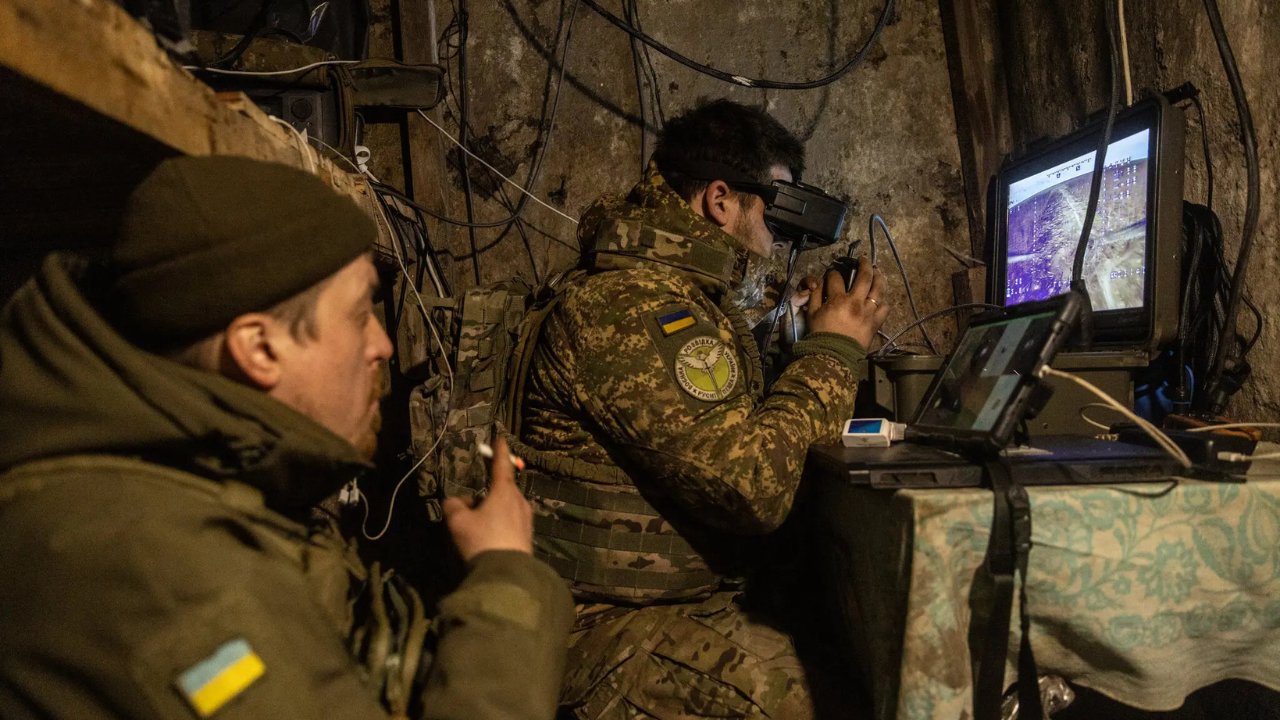
Recent intelligence broadcasts from Ukraine’s Main Directorate of Intelligence reveal a disturbing evolution in the tactics employed by Russian forces. Audio intercepted reveals Russian officers explicitly instructing troops to use the bodies of fallen comrades as navigation markers.
This shocking practice underscores a strategic desperation and highlights the staggering human cost of the conflict. As entire platoons are reported dead, this shift raises critical questions regarding the trajectory of the war. Understanding the implications of such tactics is essential as they redefine the access points on the battlefield and the morale of both sides involved in this prolonged conflict.
Brutality of Battlefield Communications
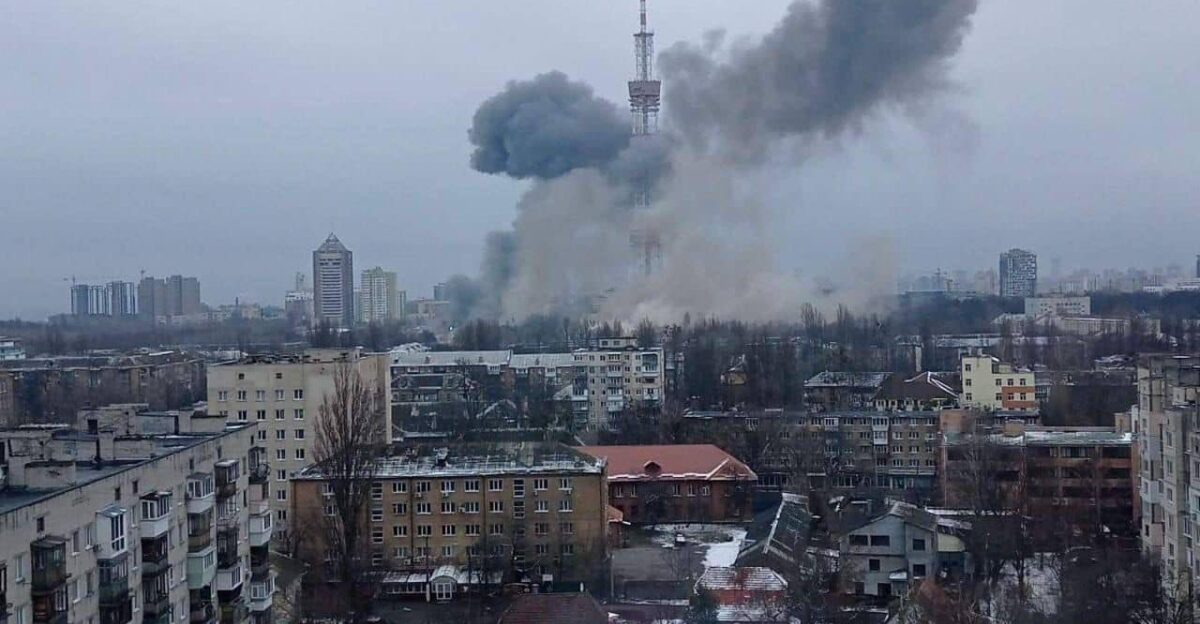
The latest intercepts made public provide a stark glimpse into the current state of Russian military operations. A senior officer commands troops to “reach the first one” amid a landscape littered with their fallen comrades. This dehumanizing directive not only exemplifies the brutality of warfare but also hints at the disintegration of command structures within the Russian military.
Concerns arise about how such extreme measures reflect a broader sense of desperation. As soldiers grapple with grim orders, one must consider the psychological toll on those fighting and the implications on the operational efficiency of Russian forces.
The Evolution of Warfare
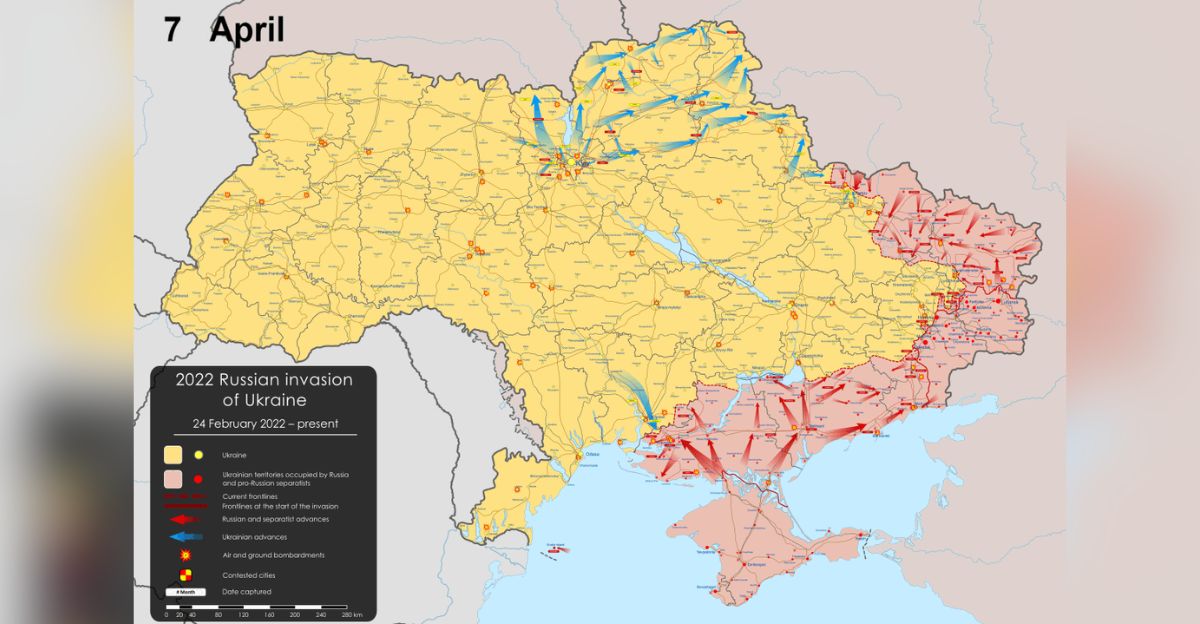
Since the full-scale invasion of Ukraine in 2022, the conflict has shifted dramatically from rapid initial gains to a grueling war of attrition. Ukrainian resistance has considerably stalled Russian advances, with their territorial gains now less than 1% despite staggering losses.
The battlefield has evolved into one characterized by relentless combat, marking a significant shift in war strategy. Understanding this transition is vital for grasping the complexities at play and the ongoing challenges faced by both combatants as they adapt to a new, brutal reality marked by heavy casualties and strategic missteps.
A Grim Toll of Casualties
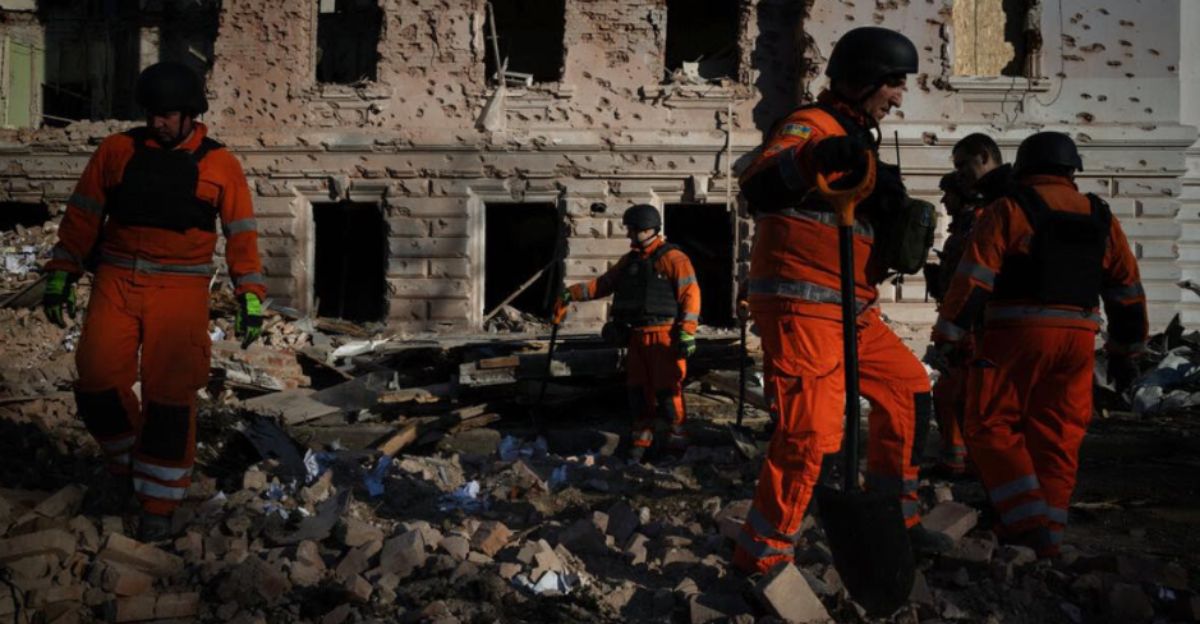
The scale of Russian casualties has reached unprecedented levels, with recent reports from the UK Ministry of Defence indicating over 332,000 losses in 2025 alone. Cumulatively, since 2022, Russian losses have surpassed 1.1 million, igniting discussions on the sustainability of their military strategy.
Daily casualty figures have spiked, at times exceeding 1,000, echoing the reality of fierce and unrelenting combat. This grim tally not only surpasses any post-WWII conflict for Russia but also poses grave concerns about the long-term viability of their war efforts and the human cost associated with them.
Disturbing Directives from Command
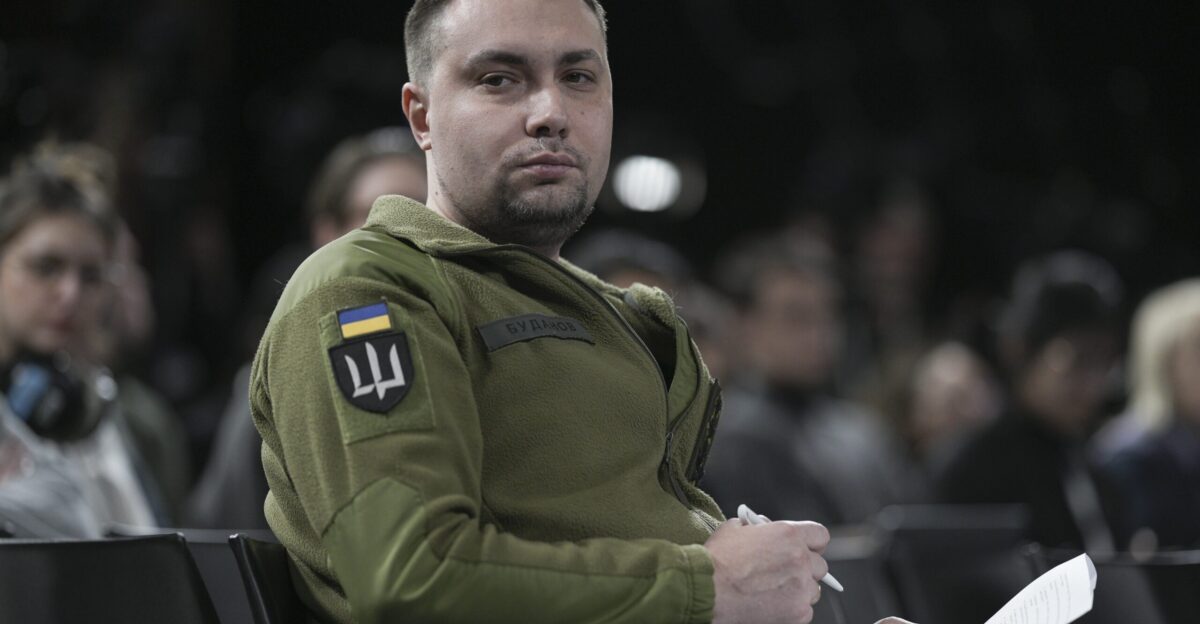
Ukrainian intelligence has released shocking evidence highlighting a significant new low in the conduct of war: orders revealing Russian officers instructing soldiers to navigate using their fallen companions as waypoints. One officer’s haunting declaration, “Well, our whole platoon is lying there, so we need to reach the first one,” encapsulates the tragic depths of desperation faced by these troops.
This chilling communication serves as a poignant reminder of the unprecedented brutality and moral decay that often accompany sustained conflict, effectively illustrating the harsh realities that define the current state of warfare in Ukraine.
The Humanitarian Crisis Escalates
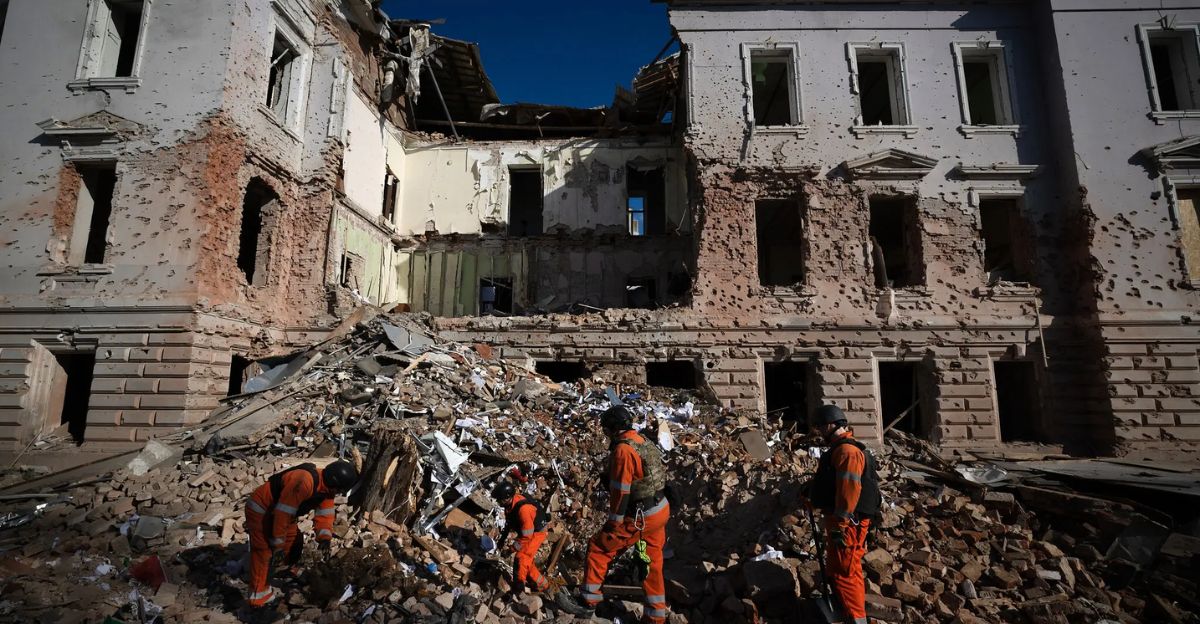
In the wake of these revelations, the humanitarian crisis in eastern Ukraine intensifies as local populations face escalating dangers. Reports emerge of entire battalions annihilated in combat, with casualties left unburied, contributing to heightened fears of potential war crimes.
The growing number of displaced civilians compounds the strain on communities already shattered by ongoing violence. With psychological trauma on the rise, the situation calls for urgent humanitarian responses to address the escalating crises and support both civilians and soldiers grappling with the aftermath of their experiences in the conflict.
Voices from the Frontlines
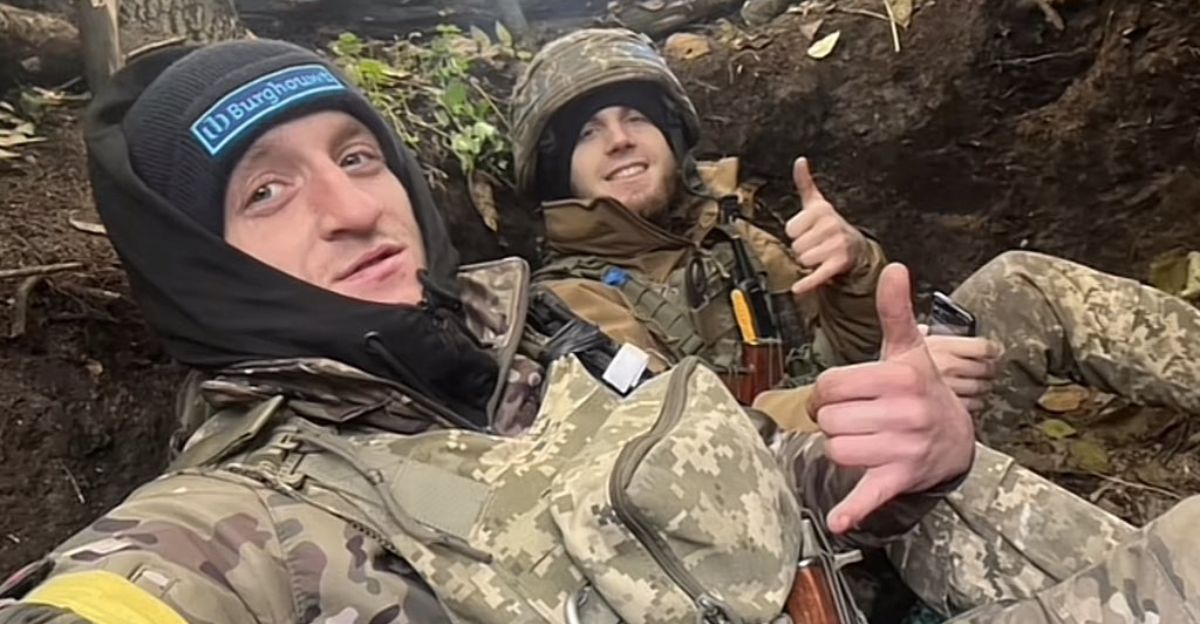
Frontline soldiers describe the current situation as “unprecedented” and “chilling.” One Ukrainian intelligence officer disclosed to reporters that these intercepted orders were among the most disturbing encountered during the ongoing conflict. The morale of Russian troops reportedly suffers significantly as they face overwhelming losses compounded by dire orders from their superiors.
With lives on both sides shattered, the toll of the war extends beyond numerical casualties, creating an emotional landscape fraught with trauma that will reverberate long after hostilities cease.
The Mercenary Factor
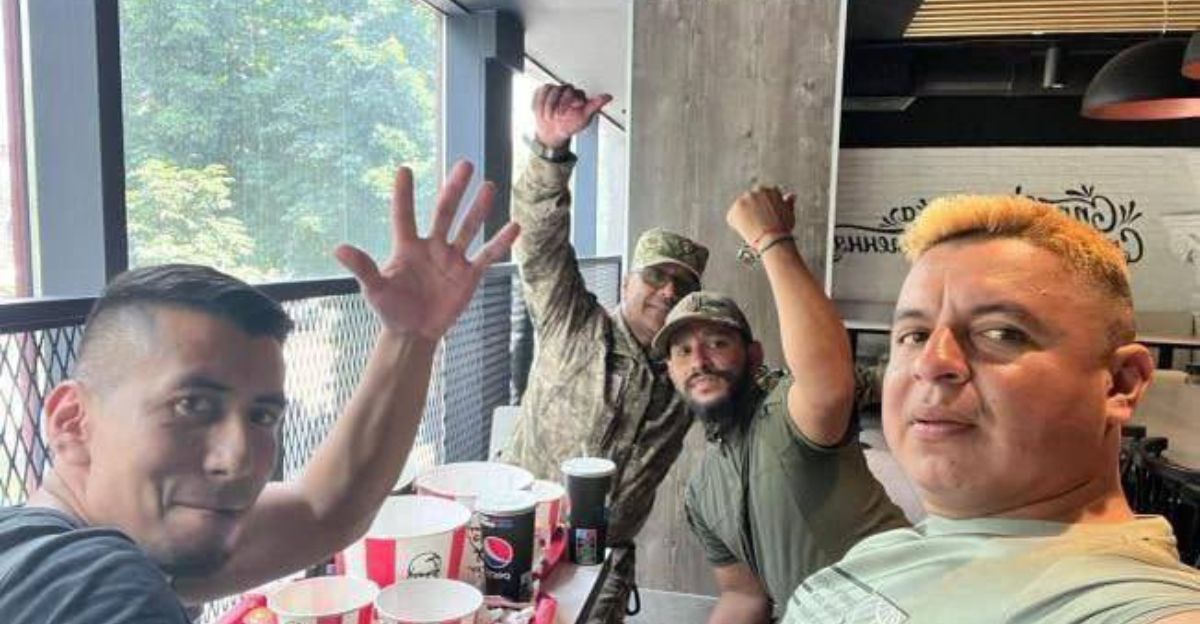
Further complicating the battlefield dynamics is the presence of Colombian mercenaries fighting for Russia. Ukrainian intelligence has uncovered evidence of commanders ordering the execution of Ukrainian civilians, dramatically increasing the conflict’s brutality. This involvement raises ethical concerns regarding accountability and the legal ramifications of foreign fighters in warfare.
As various global actors inject their agendas into the conflict, the nature of engagement becomes both convoluted and devastatingly complex, exacerbating the already harrowing situation in eastern Ukraine while deepening the ethical questions surrounding military intervention.
Assessing Casualty Reports
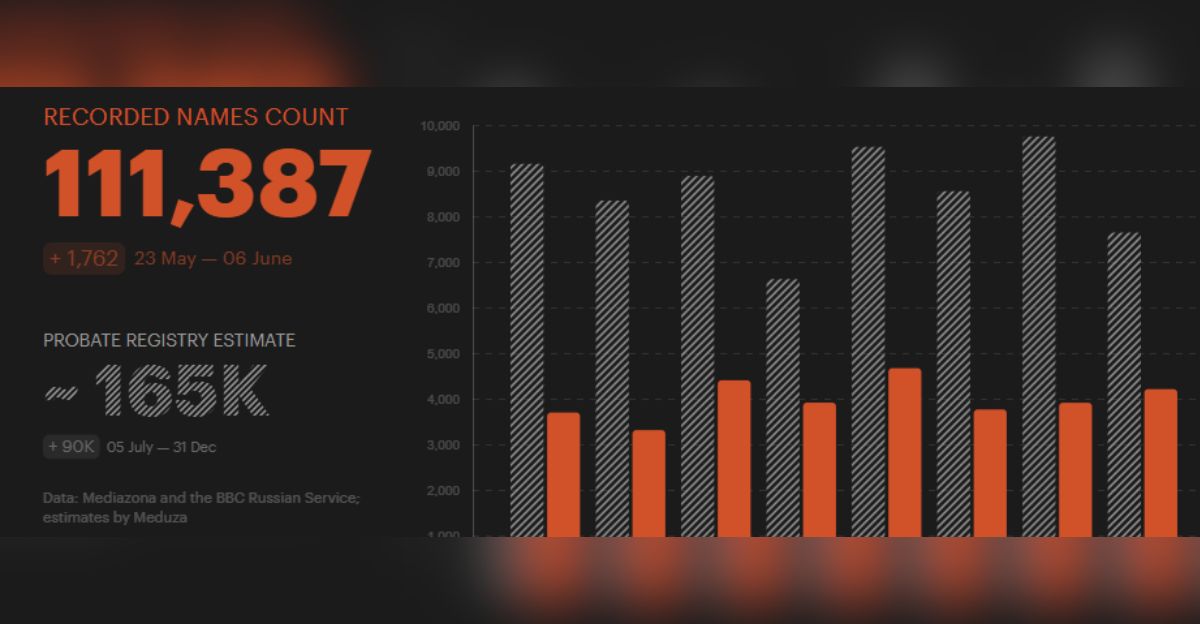
Recent estimates of Russian casualties from ongoing operations range between 18,000 and 36,000, with some reports taking a higher count for impact, citing figures around 40,000. These numbers, corroborated by both Ukrainian and Western intelligence sources, highlight the staggering scale of losses and the attritional warfare characterizing the conflict.
Although exact figures remain elusive, the sheer magnitude of these casualties underscores severe implications for the Russian military’s ability to sustain its operations while coping with the toll such losses inflict on troop morale and overall military effectiveness.
Violating Humanitarian Law
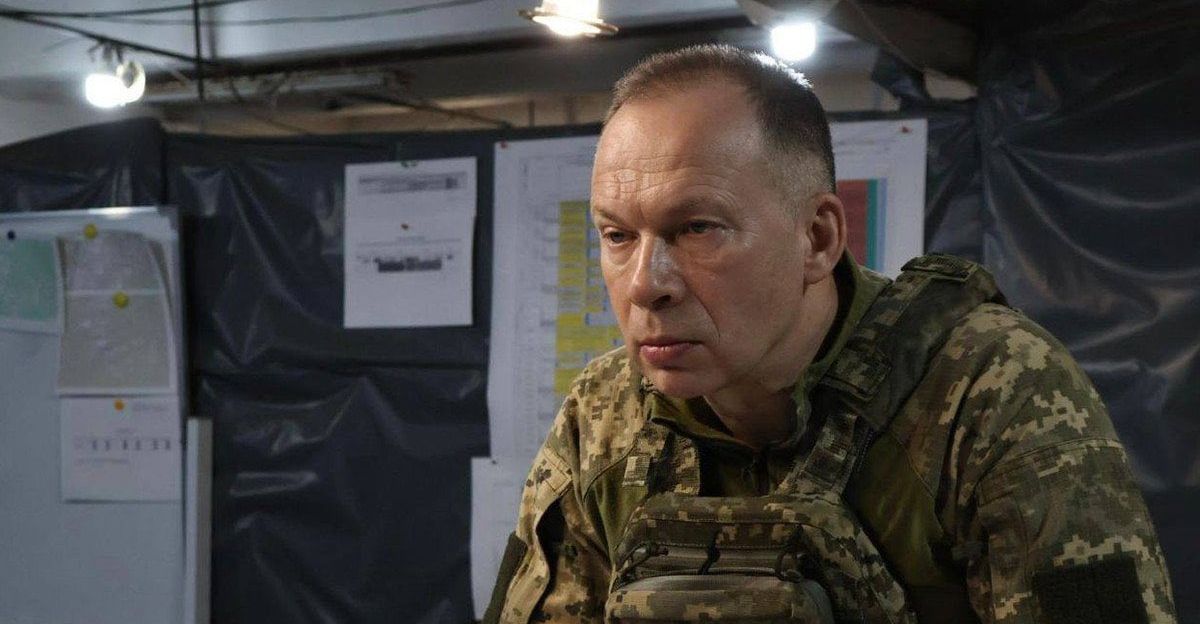
The use of fallen soldiers as navigation markers not only reflects tactical decisions but signals a breakdown in military discipline, respect, and adherence to the laws of warfare. Such practices raise significant questions regarding violations of international humanitarian law, potentially categorizing them as war crimes.
The psychological repercussions on survivors and combatants on both sides are profound, entrapping them in cycles of trauma and retribution that will last beyond the conflict itself. As this war progresses, understanding these illegal acts becomes crucial for ensuring accountability and reconsidering the implications of military engagement.
Internal Dissent and the Russian Forces
Amid rising casualty counts and controversial military directives, dissent is reportedly rising within the ranks of Russian troops. Many soldiers express dismay over the brutal tactics employed by their commanders.
One Russian soldier, anonymously quoted by sources, lamented the moral degradation of using fallen comrades for navigation, highlighting the psychological weight soldiers must carry internally. This internal conflict complicates operational effectiveness and raises significant concerns about unit cohesion and command loyalty as morale falters amid a seemingly endless cycle of destruction.
The Role of Technology in Warfare
As the conflict approaches its third year, the role of technology in modern warfare cannot be overlooked. Advanced weapon systems, drones, and cyber capabilities have reshaped the battlefield. Both Ukrainian and Russian forces utilize technology to gain strategic advantages, often resulting in rapid changes in tactics.
This emphasis on technological warfare necessitates continuous adaptations in military approaches, ultimately influencing the responsibilities of commanders and their decision-making processes during the chaos of battle. As these technologies evolve, so too will the consequences for troops engaged in such unforgiving combat scenarios.
The Psychological Impact on Civilians
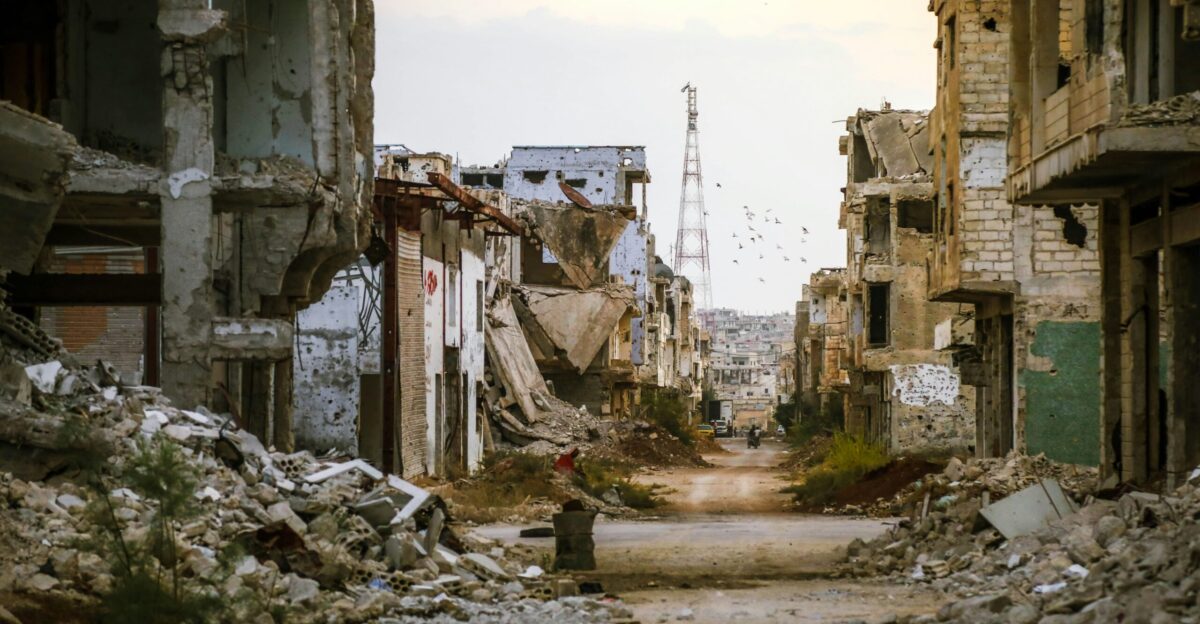
The relentless violence and devastating toll of the war extend beyond soldiers, significantly impacting civilians caught in the crossfire. Reports from local communities describe a rise in anxiety, depression, and post-traumatic stress disorder as residents witness the atrocities of war.
Humanitarian organizations are faced with the challenge of addressing mental health needs while simultaneously providing physical aid. A local psychologist shared, “The trauma lives with us even when the fighting stops; healing will take generations.” Such statements highlight the profound and lasting effects that warfare has on everyday lives.
Looking Ahead: The Future of the Conflict
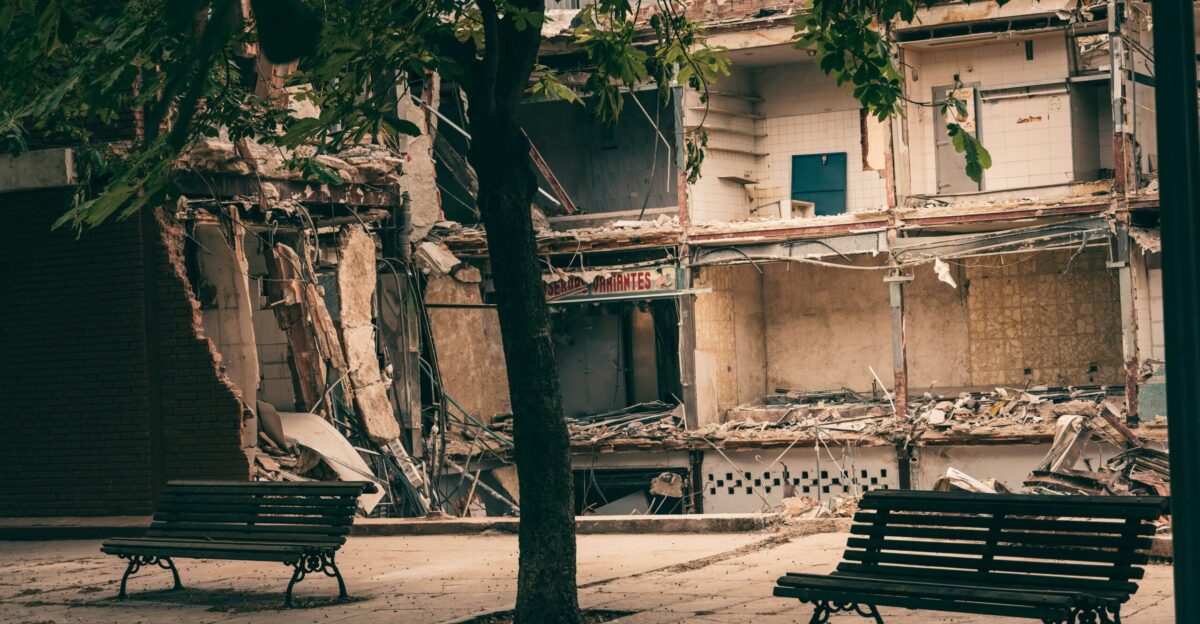
As the war continues to escalate with no clear resolution in sight, questions loom regarding its future trajectory. Analysts emphasize the importance of pursuing diplomatic solutions while acknowledging the entrenched positions of both sides.
The lessons learned from the current tactics employed by Russia must be critically assessed for potential ramifications on international norms surrounding warfare. Continued monitoring of casualties and military strategies will be vital in understanding how this conflict shapes global security and diplomatic relations in the years to come.
A Call for Reflection
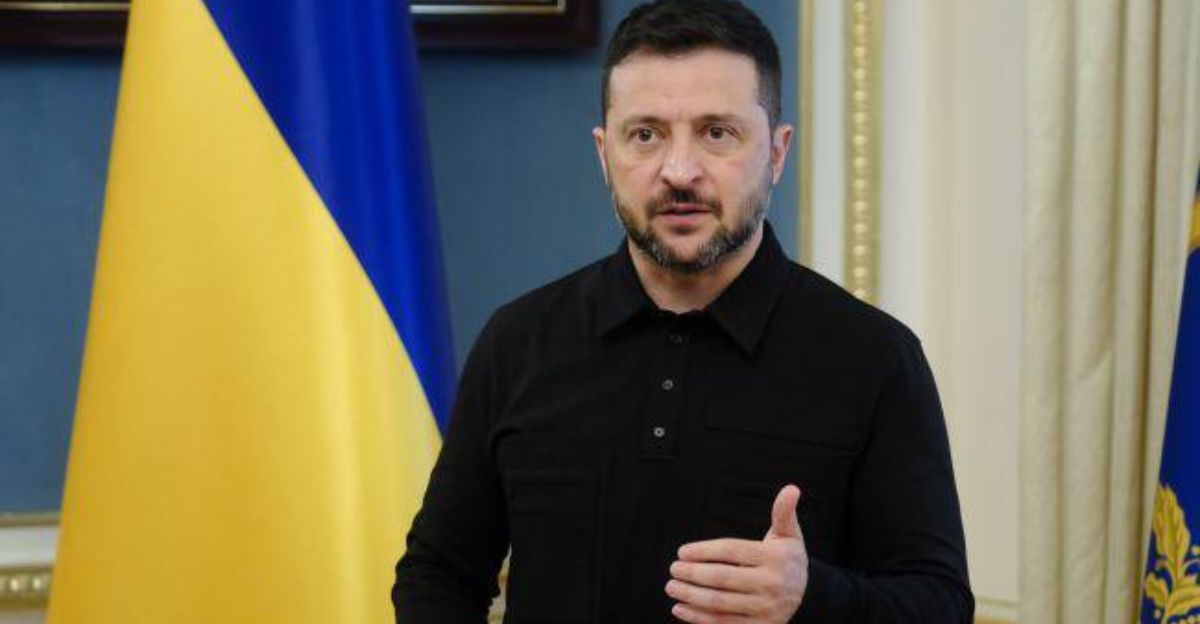
In light of the shocking revelations about military tactics and the staggering loss of life, it becomes imperative to advocate for greater accountability and adherence to international humanitarian laws. The psychological wounds inflicted on both soldiers and civilians will necessitate long-term support and healing efforts.
As the conflict rages on, societies must engage in dialogues about the human costs of war, the value of life, and the urgent need for peace. Collective reflection on the implications of warfare can pave the way for more empathetic approaches to conflict resolution in the future.