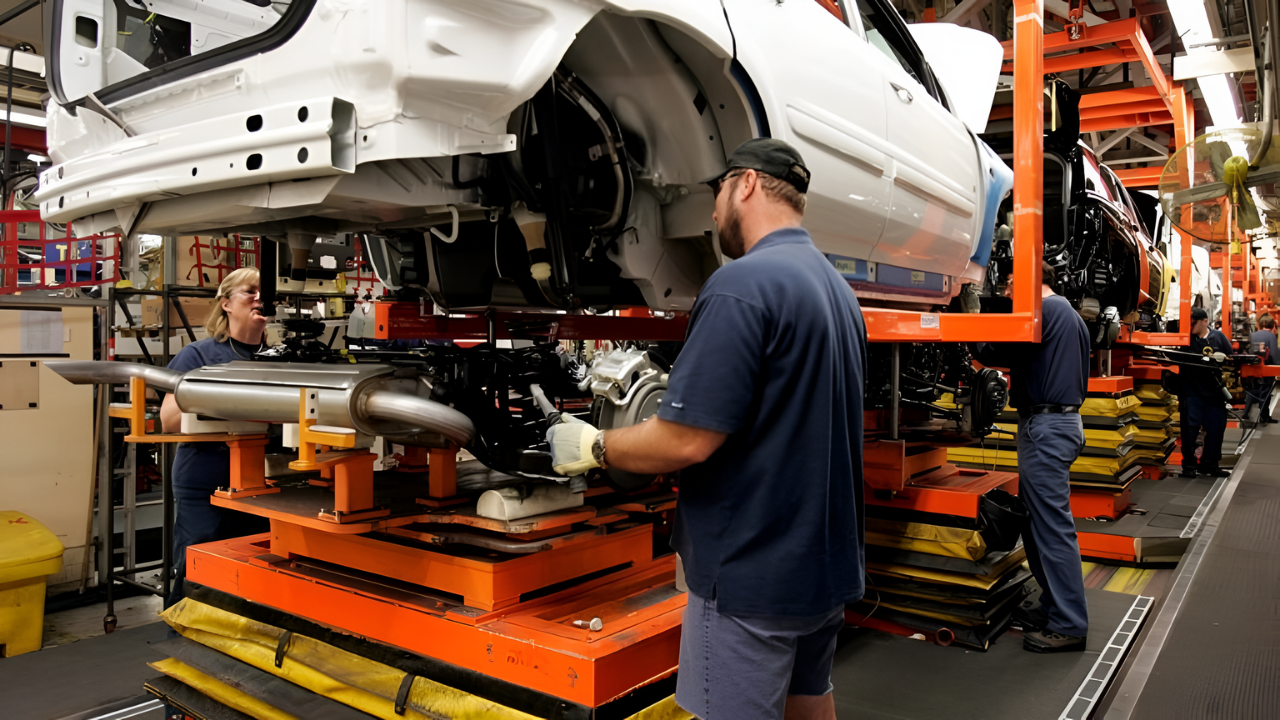
GM is taking apart its Chinese supplier network. The automaker quietly initiated this shift in late 2024 and accelerated it this year.
For decades, auto companies relied on China for parts. Now GM is pulling away. Industry experts refer to this as “the biggest supply chain shift in automotive history.”
Most people are unaware of this happening—yet.
Tariff Escalation
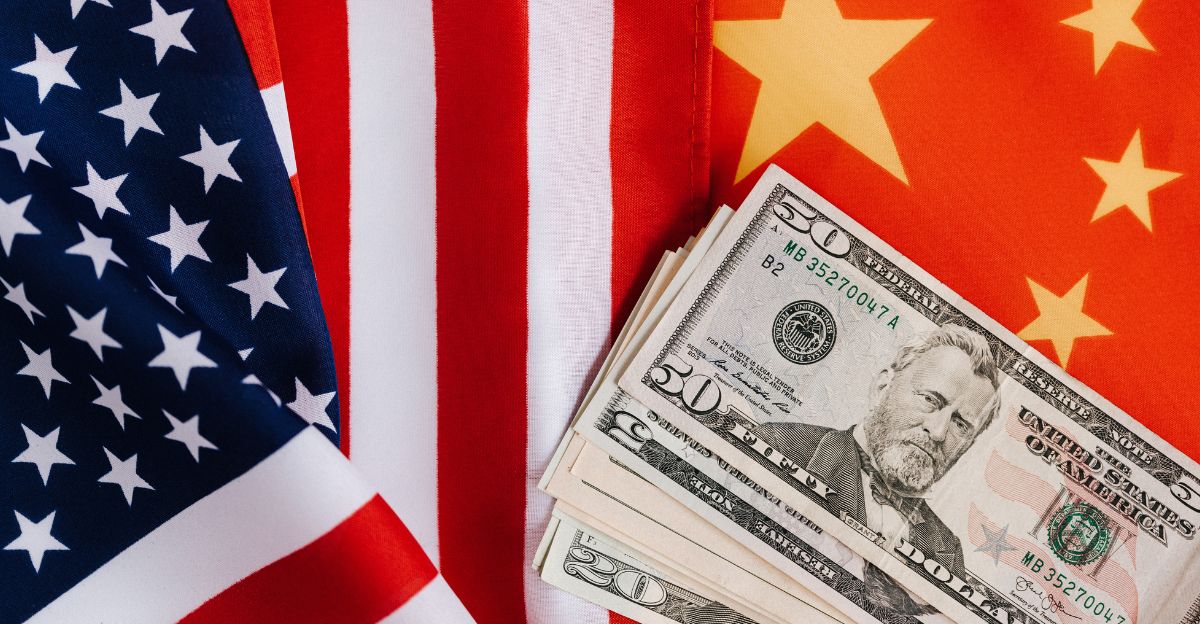
Trump’s trade war triggered GM’s move. In early 2025, his administration imposed 25% tariffs on imported vehicles and parts.
China fought back by blocking rare-earth material exports in April and October. Auto companies faced a choice: find new suppliers, or lose access to Chinese parts.
China turned supply chains into weapons. For GM, that meant action.
Decades of Globalization Unwind

For 40 years, car companies chased cheap production. They relocated to China for the manufacturing of lighting, electronics, tools, and hardware. Suppliers built factories and hired workers.
Those relationships lasted 20+ years. China’s cost advantage ruled the industry. Now GM reverses course. Geopolitical risk beats low cost. The playbook that worked for decades no longer applies.
Supply Chain Fragility Exposed

One incident showed GM executives why change matters.
In April 2025, China halted semiconductor shipments from Dutch company Nexperia. The disruption threatened GM production worldwide.
Shilpan Amin, GM’s purchasing chief, understood the lesson: “We must stop chasing the lowest price.” Reliability and resilience matter more now.
One geopolitical dispute exposed decades of supply-chain weakness.
GM’s 2027 Deadline

GM issued a hard order: suppliers must exit China by 2027. That’s less than two years.
The directive covers everything—lighting, electronics, rare materials, every part for North American vehicles.
CEO Mary Barra confirmed in October that the company has spent years planning this shift. Now GM executes. The deadline isn’t flexible. Suppliers scramble to comply.
Mexican and U.S. Suppliers Face Opportunity

Chinese suppliers exit. Mexican and U.S. suppliers fill the gap.
But Mexico’s auto sector is already stretched. U.S. factories need upgrades and time. GM might need hundreds of new facilities.
The next 24 months matter most. U.S. suppliers will hire workers. But China-dependent regions will lose jobs. The geographic shift creates winners and losers.
Supplier Scramble: The Pressure

One supplier said it plainly: “It’s a big effort. Suppliers are scrambling.” Tier-1 and Tier-2 suppliers face a brutal timeline.
They must find new materials, negotiate contracts, test parts, and ramp production—all while delivering to GM today.
Failure means losing the customer. Success means billions in new investment. One executive called the deadline “ambitious to the point of absurdity.”
Competitor Silence

Ford, Stellantis, and other automakers watch. Will they copy GM?
If the 2027 deadline works, competitors will follow. If GM fails and parts run short, other companies gain leverage. Industry experts anticipate competitor announcements within the next six months.
For now, silence reigns. Everyone waits to learn from GM’s gamble before committing their own supply chains.
Cost Escalation: Who Pays?

New suppliers outside China cost more. Industry estimates suggest a 10-20% increase in parts. For a $30,000 vehicle, that translates to $3,000-$6,000 in additional costs.
These bills are passed on to consumers through higher prices. Automakers could absorb some costs, but profits are tight from EV investments and tariffs. Someone pays.
The bill is passed on to buyers, automakers, or suppliers.
The EV Collapse
GM’s EV business already contracts. In October 2025, GM announced 1,750 permanent layoffs at Factory Zero in Detroit.
Another 1,670 workers faced temporary layoffs at battery plants. The Ultium program paused. EV credit policy changes triggered these cuts, not the exit from China.
However, the pattern matters: GM sheds U.S. jobs even before supply-chain chaos sets in. The trade war arrives during the decline.
Dealer Anxiety Builds

GM dealers worry. They need steady vehicle supplies to meet customer demand.
A 24-month supply reconfiguration creates questions: Will parts arrive? Will production halt? Private dealer surveys show concern about inventory reliability.
Some dealers ask GM for guarantees. One franchisee group requested briefings from corporate purchasing. Anxiety isn’t public yet. But it grows.
Mary Barra’s Bet

GM CEO Mary Barra frames the shift as a strategy, not a crisis response. “We’ve spent years planning supply chain resilience,” she said in October.
This suggests planning began before tariffs. The trade war accelerated the timeline, but didn’t create the need. Barra’s reputation depends on execution.
Success makes her visionary. Failure demands accountability from the board.
New Supplier Networks Form

GM purchasing teams court Mexican suppliers in Guanajuato and Monterrey. U.S. suppliers in Michigan, Ohio, and Texas are expanding their capacity.
Interestingly, some Chinese suppliers have opened offices in Mexico and Taiwan to maintain their relationships. The ecosystem adapts. But these new suppliers lack proven track records.
Quality failures, delivery delays, or cost overruns can quickly cascade through production.
Expert Debate: Will It Work?

Industry experts split. Some praise GM’s boldness—supply diversification reduces long-term geopolitical risk. Others warn that the timeline is reckless.
One expert said: “You cannot rebuild supplier relationships, test parts, and ramp production in 24 months without penalties.” The SEC should pressure GM to disclose financial risks to shareholders.
Wall Street doesn’t yet grasp the balance-sheet exposure.
Open Questions Define the Decade

By 2027, will GM succeed? Will the new supply network hold under stress, will consumers pay higher prices? Will competitors follow, or will GM stand alone at a disadvantage?
These questions will shape the auto industry’s next decade. The trade war prompted the move. GM’s execution determines if this strategy is genius or a costly mistake.
The stakes matter for everyone.
Sources:
Reuters, November 12, 2025
Inbound Logistics, November 12, 2025
New York Times, October 29, 2025
WSWS, October 30, 2025
News Dealershipguy, November 13, 2025