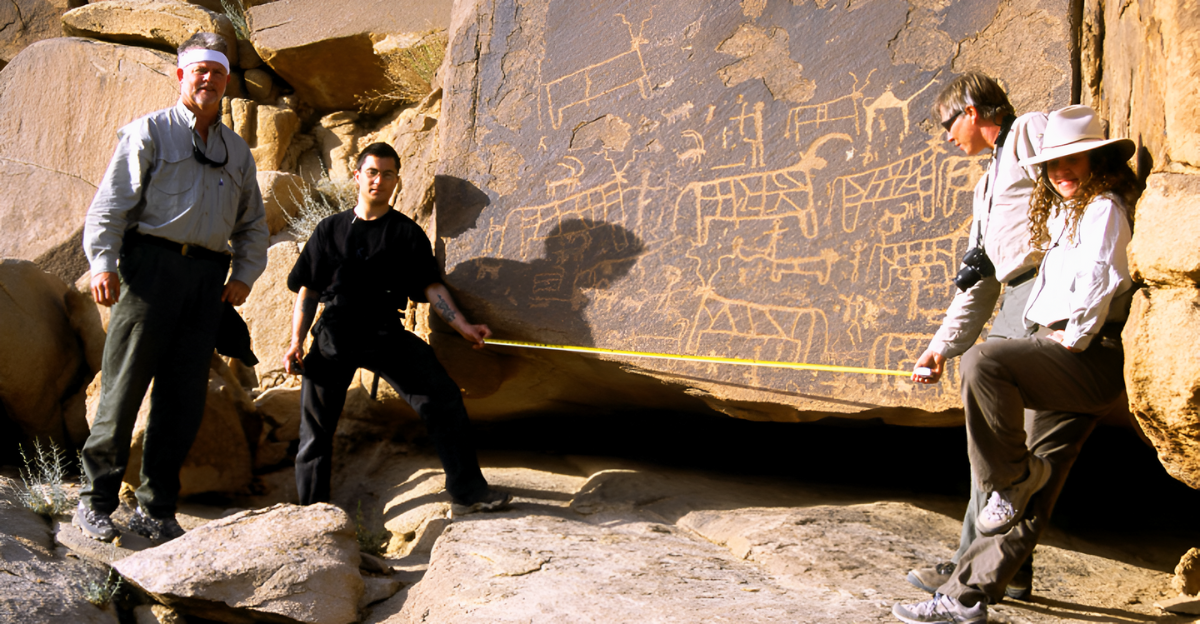
A YouTube documentary claiming Mount Sinai is actually located in Saudi Arabia, not Egypt, has attracted over 1.6 million viewers since its 2018 release. The 25-minute film “Finding the Mountain of Moses” presents what supporters describe as compelling evidence for the biblical mountain’s true location at Jabal al-Lawz in northwest Saudi Arabia. Social media platforms from TikTok to Christian networks have amplified the controversial theory, generating millions of additional views and igniting passionate debates across religious communities worldwide, the Christian Post reported.
Saudi Arabia Sees Record Tourism Surge Amid Religious Interest
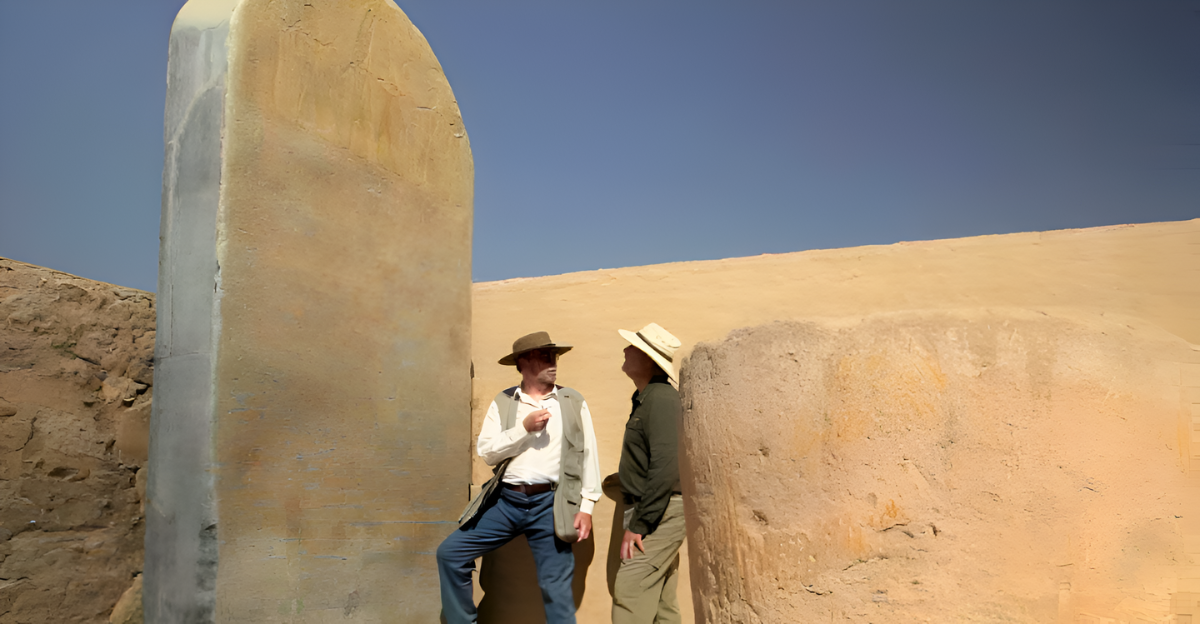
Saudi Arabia welcomed a record 116 million tourists in 2024, with Christianity representing the largest segment at 34.63% of religious tourism, according to industry research from Grandview Research. Since the kingdom opened previously restricted border areas in 2019, specialized tour companies have been marketing expeditions to the disputed archaeological site. Christian tour operators tell Arab News they’re experiencing unprecedented demand for visits to what they promote as the “real Mount Sinai,” with some trips booking solid months ahead.
Traditional Egyptian Site Claims 1,600-Year History
Egypt’s Jebel Musa has been officially designated Mount Sinai since the 4th century, when Byzantine emperor Justinian I constructed St. Catherine’s Monastery at its base. Wikipedia sources indicate this identification began during the early Christian monastic movement, with Helena, mother of Constantine, establishing the first chapel there in 330 AD. The monastery continues operating today after over 1,400 years, housing the world’s second-largest collection of ancient manuscripts.
Scholars Admit Biblical Mountain Location Remains an Unsolved Mystery
Despite centuries of intensive investigation, biblical Mount Sinai has never achieved scholarly consensus for its archaeological identification. Biblical Archaeology Review notes that researchers have proposed approximately 20 different locations, with most mainstream archaeologists still favoring the Egyptian site. The persistent absence of definitive archaeological evidence at any proposed location has left many scholars questioning whether the exact historical location can ever be conclusively determined.
Controversial Saudi Mountain Reveals Distinctive Physical Features
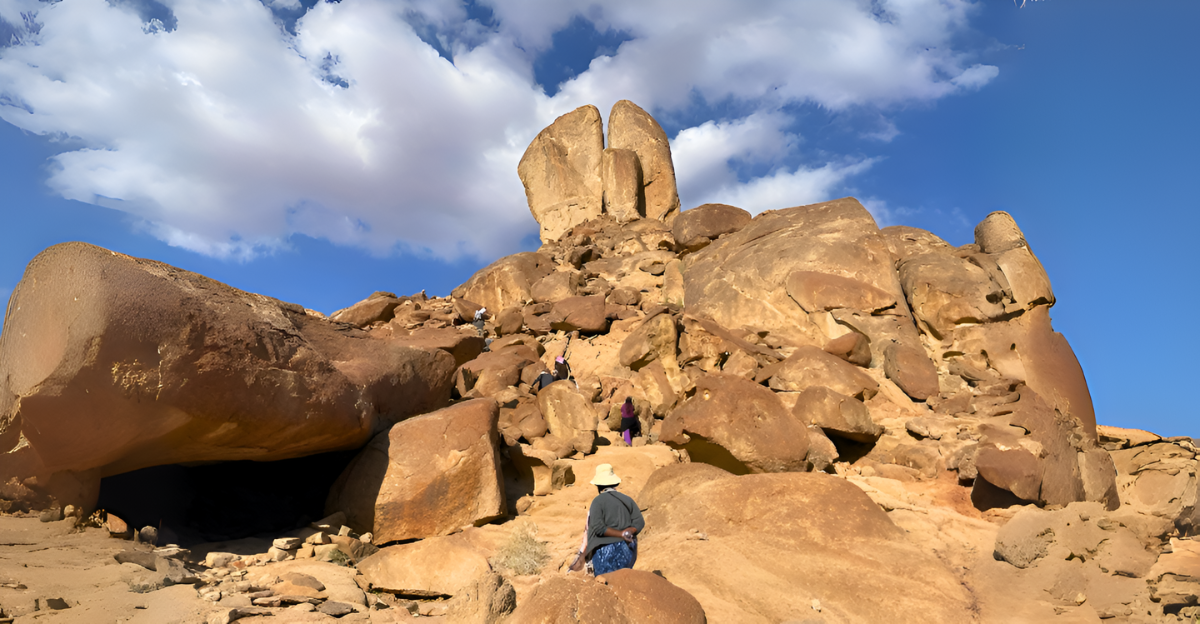
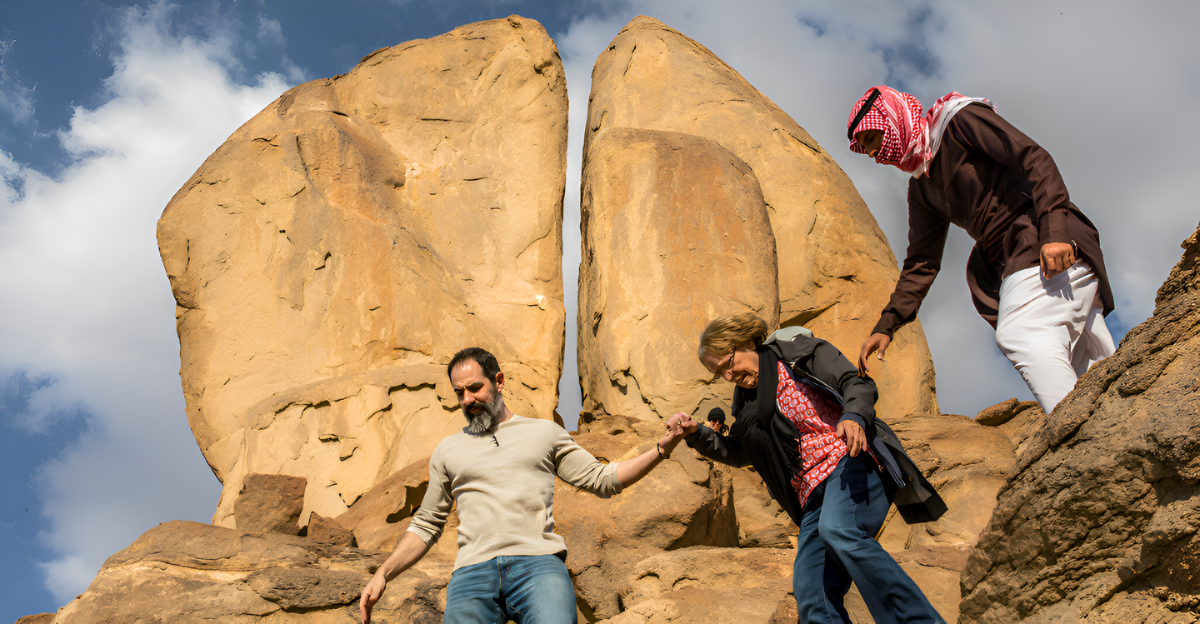
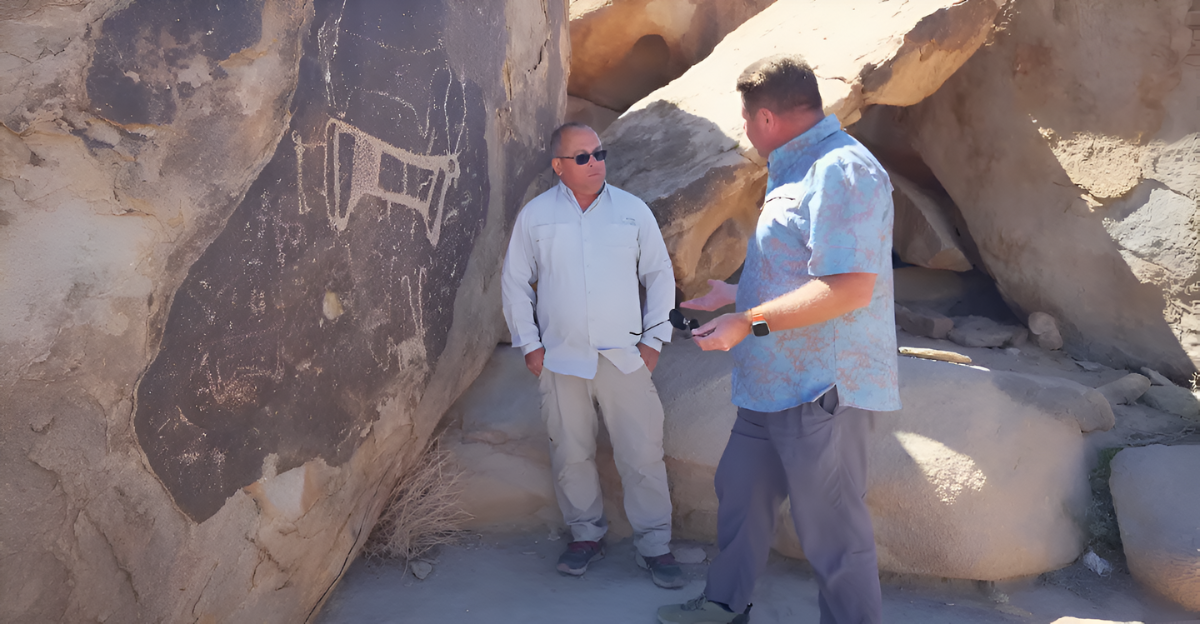
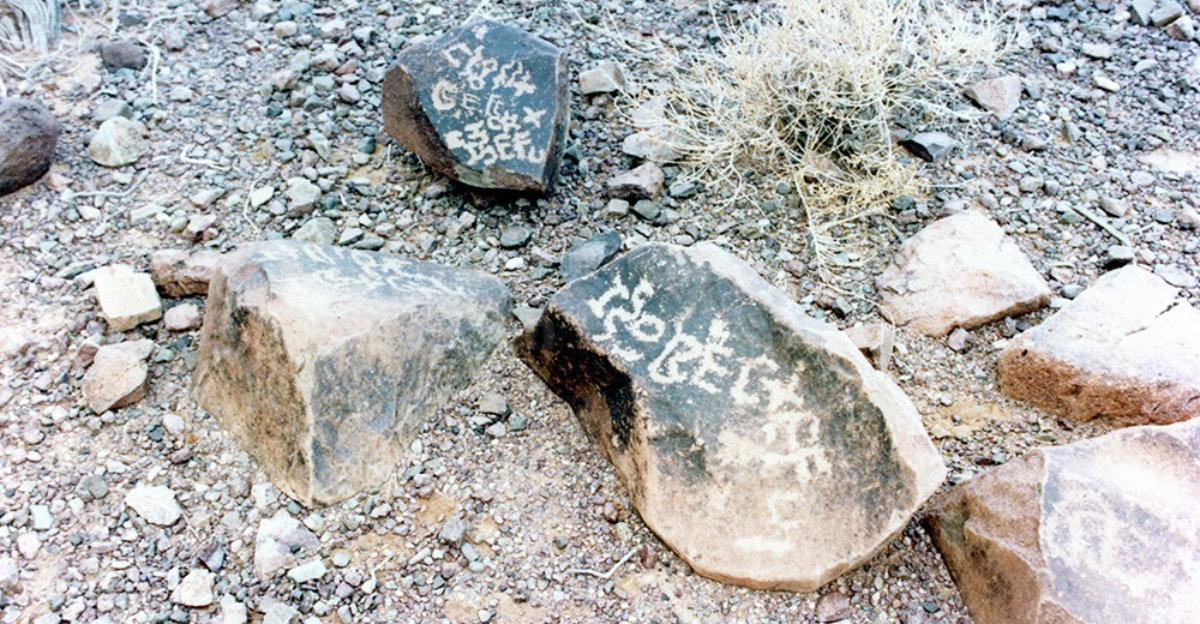
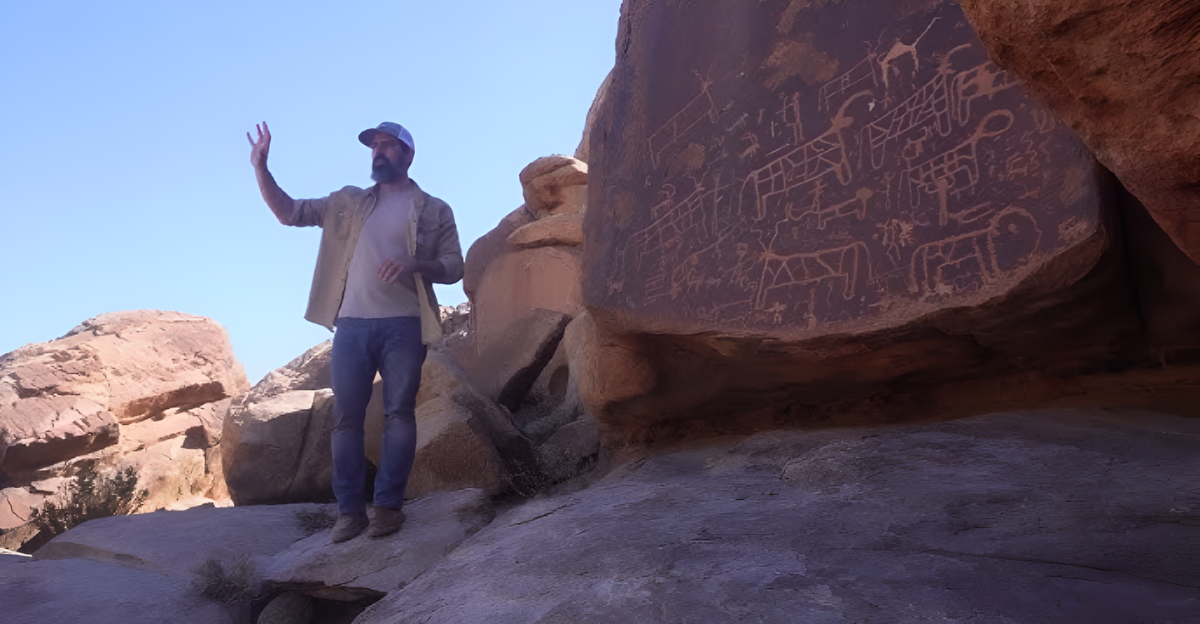
The alternative theory centers on Jabal al-Lawz, a 2,549-meter mountain range located in Saudi Arabia’s Tabuk Province within the planned NEOM development area. Saudipedia describes supporters pointing to a distinctively blackened summit, a massive 12-meter split rock formation, ancient petroglyphs depicting cattle worship, and stone remnants they claim represent a 12-pillar altar. However, Patterns of Evidence reported that professional archaeologists note these features lack scientific dating or proper excavation to verify their claimed biblical connection.
Northwest Saudi Arabia Transforms from Military Zone to Tourist Destination
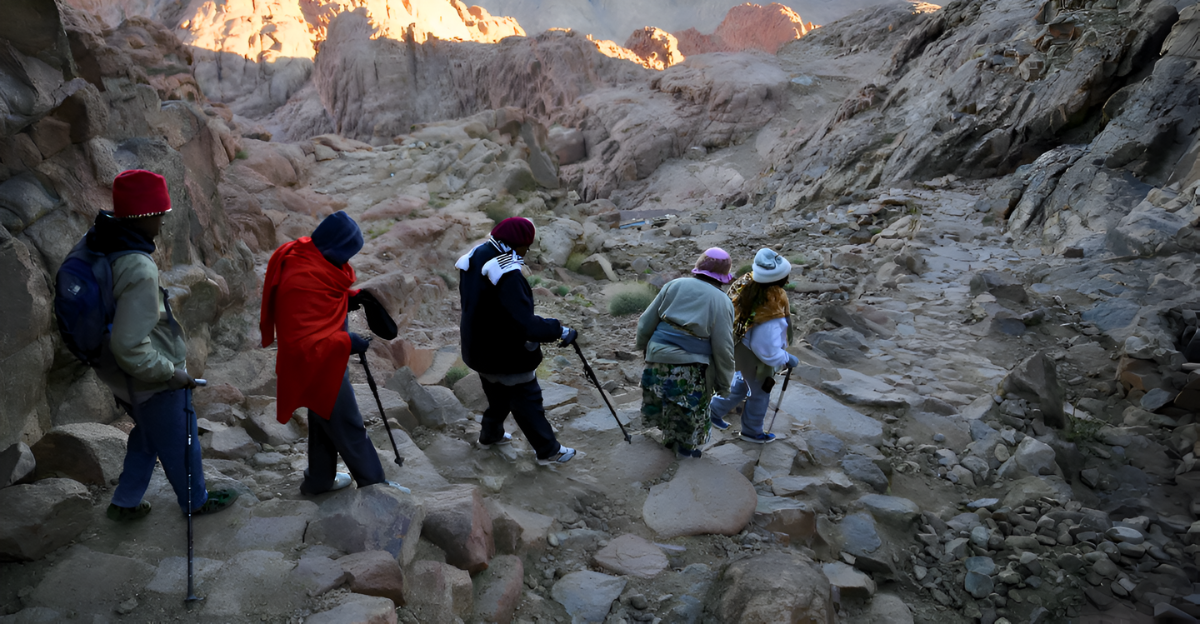
Northwest Saudi Arabia has dramatically transformed from restricted military territory to an emerging tourism hotspot. Equal Times reported that the area now accommodates hiking expeditions, archaeological tours, and seasonal winter sports activities on the snow-covered peaks. However, local Bedouin communities, particularly the ancient Huwaitat tribe, which have historically served as guardians of the mountain, now face potential displacement due to massive development projects.
Christian Pilgrims Describe Profound Spiritual Experiences
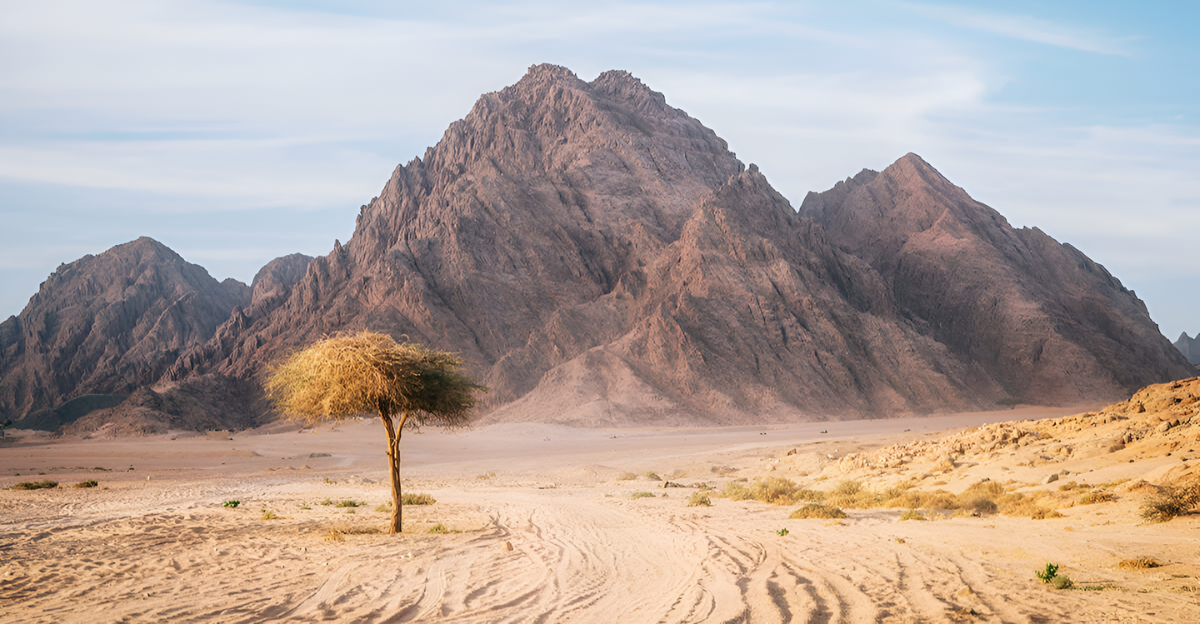
Documentary filmmaker Ryan Mauro captured local Saudi guides telling visiting Americans, “Did you know Moses was here? Let me show you where he and his people were.” According to the YouTube documentary Finding the Mountain of Moses, Christian tourists frequently describe experiencing deep spiritual connections while visiting the Split Rock formation and climbing the blackened peak. Many tour participants photograph themselves standing inside the massive rock cleft they believe Moses struck to provide water for the Israelites.
Biblical Archaeologists Launch Fierce Academic Opposition
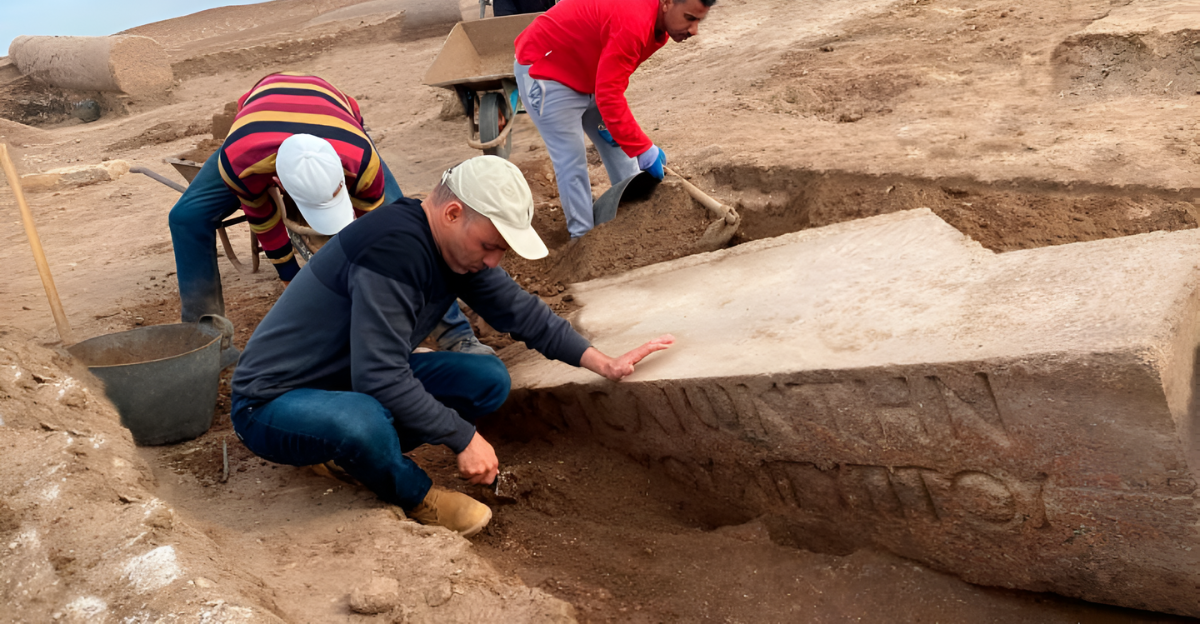
Professional biblical archaeologists have strongly resisted the Saudi theory, with the Associates for Biblical Research stating there is “no credible historical, geographical, archaeological or Biblical evidence” supporting the claims. In the Bible and Spade journal, Gordon Franz emphasized that Saudi archaeologists who surveyed the area found the bovine petroglyphs dated to the Neolithic period, considerably earlier than the Exodus. The theory remains firmly rejected by mainstream academic institutions worldwide.
Geographic Distance Creates Major Biblical Timeline Problem
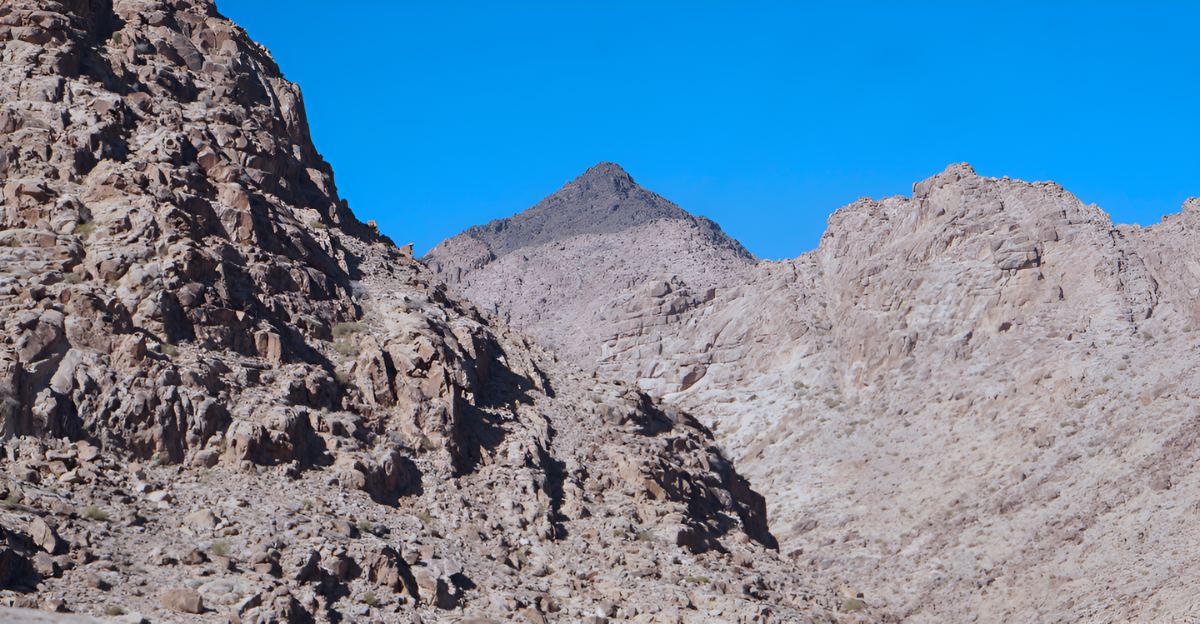
Biblical text clearly states that the journey from Mount Sinai to Kadesh Barnea required 11 travel days, limiting the mountain’s location to approximately 60 miles from that established site. Biblical Archaeology researchers point out that Jabal al-Lawz sits roughly 150 miles from the most probable location of Kadesh Barnea, making the described journey impossible within the scriptural timeframe. This geographic inconsistency represents what scholars consider the theory’s most significant and insurmountable challenge.
Archaeological Evidence Contradicts Biblical Timeline Claims
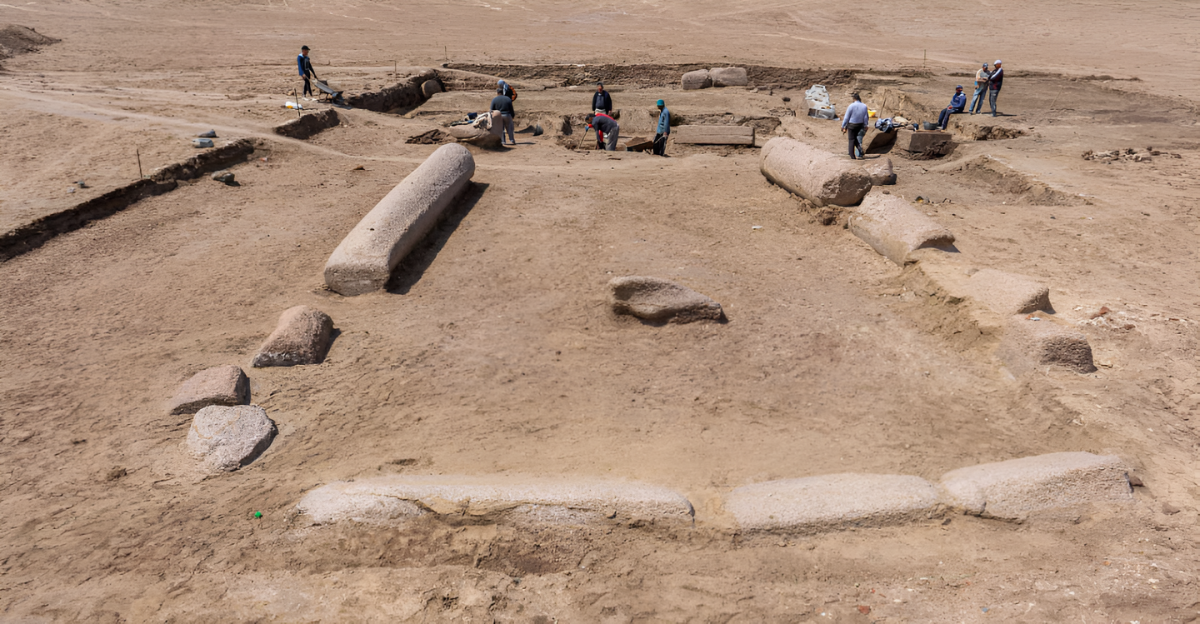
Saudi archaeologist research documented by Associates for Biblical Research reveals the so-called “altar of Moses” contains pottery that is “purely, and only, Nabatean” dating to roughly 300 BC to 300 AD. The claimed “Cave of Moses” has been identified as a first-century AD Nabatean tomb based on paleographic analysis of inscriptions. A Saudi archaeologist who completed doctoral research on regional petroglyphs confirmed the bovine rock art predates the Exodus by millennia, directly contradicting supporters’ claims.
Indigenous Tribe Faces Forced Displacement and Government Crackdown
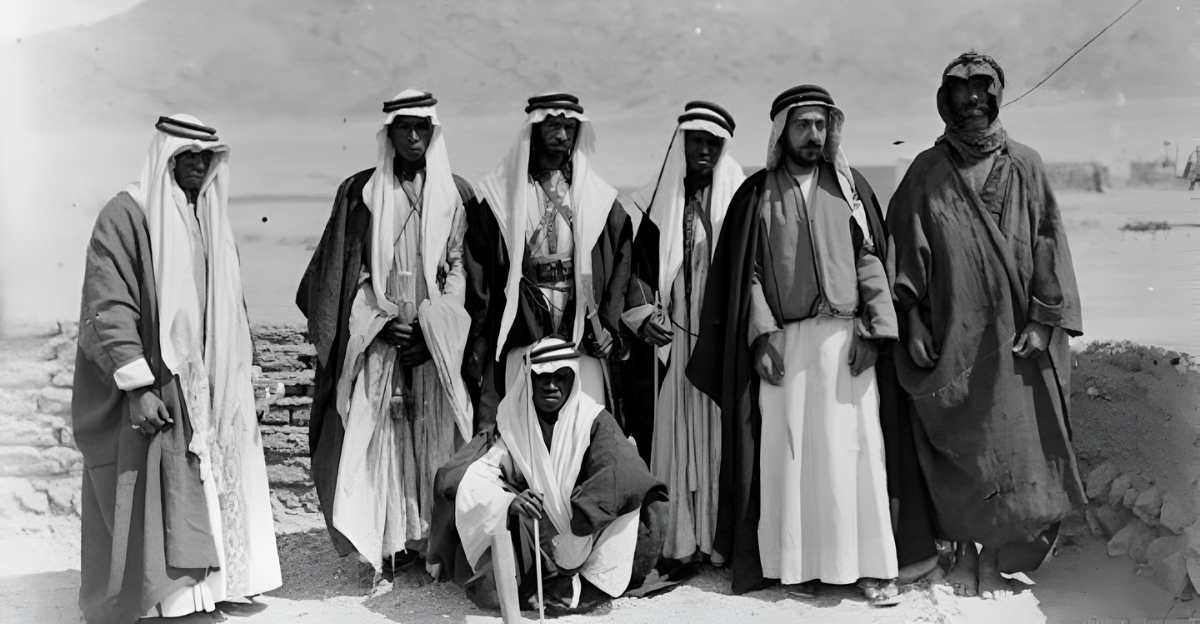
The Huwaitat tribe, longtime residents of the disputed area, confronts forced eviction to make way for the NEOM project. Equal Times documented that Saudi courts have imposed death sentences on three tribal members for organizing resistance to displacement, while others received prison terms ranging from 27 to 50 years. Human rights groups estimate approximately 20,000 tribal members may ultimately face displacement, with 150 people already arrested for opposing the development.
Crown Prince Links Development to Economic Transformation Plan

Crown Prince Mohammed bin Salman has positioned NEOM as a cornerstone of Saudi Arabia’s Vision 2030 economic diversification strategy. Equal Times reported that the project timeline has shifted from its original 2030 completion target to 2050 due to construction complications. Industry observers suggest that opening the Mount Sinai site to Christian tourism serves dual strategic purposes: promoting religious tourism while potentially legitimizing the area’s controversial development.
Claims Lack Peer-Reviewed Scientific Validation
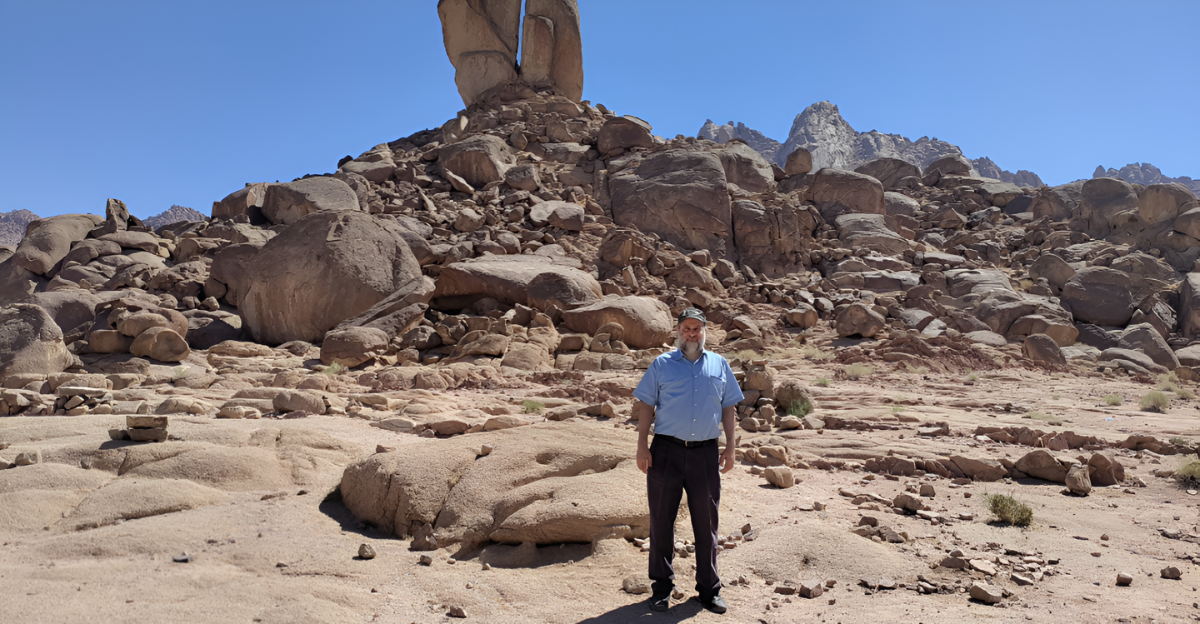
Despite decades of promotion, no peer-reviewed archaeological studies have validated the Saudi Mount Sinai theory in established academic journals. Associates for Biblical Research noted that proponents have published no scientific evidence meeting archaeological standards, relying instead on visual similarities and anecdotal observations. Professional archaeologists emphasize that extraordinary historical claims require systematic excavation, carbon dating, and rigorous scientific methodology currently absent from the Saudi site.
Archaeological Expert Acknowledges Evidence Limitations
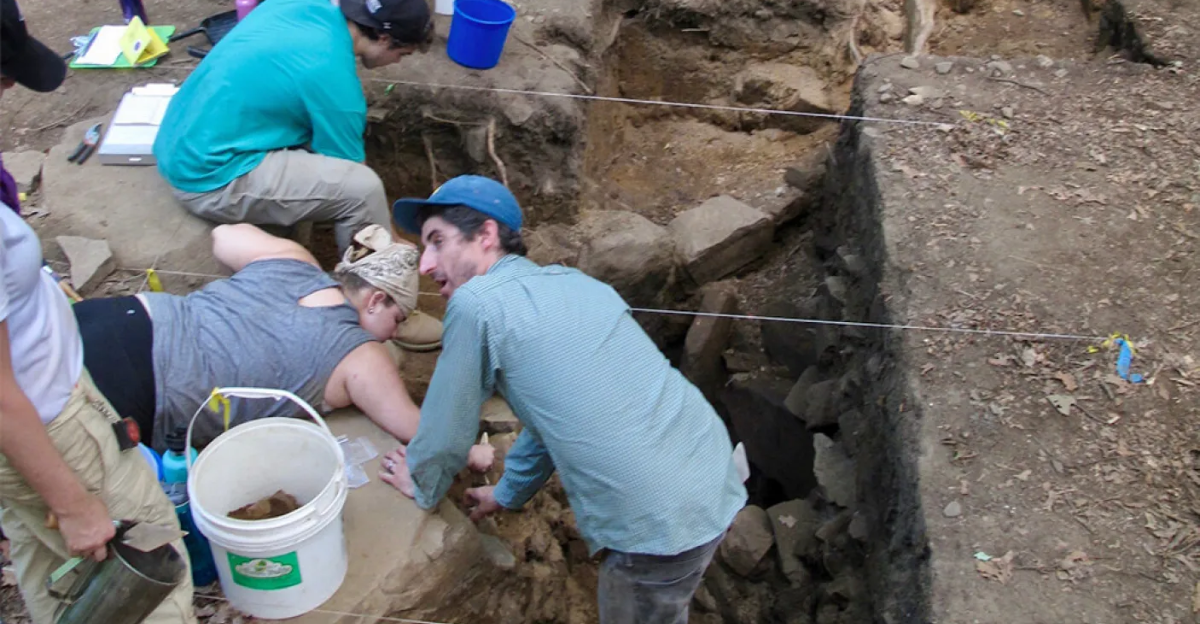
Steve Rudd, an archaeological researcher who supports the Saudi location theory, admitted in a documented interview that “no known archaeology for Mount Sinai” exists at any proposed site, the Armstrong Institute reported. Biblical scholars consistently emphasize that extraordinary historical claims require extraordinary evidence, highlighting the continued absence of datable artifacts and proper scientific excavation at the controversial location. Current promotional efforts rely primarily on circumstantial visual evidence rather than established scientific methodology.
Development Timeline Creates Urgency for Scientific Investigation
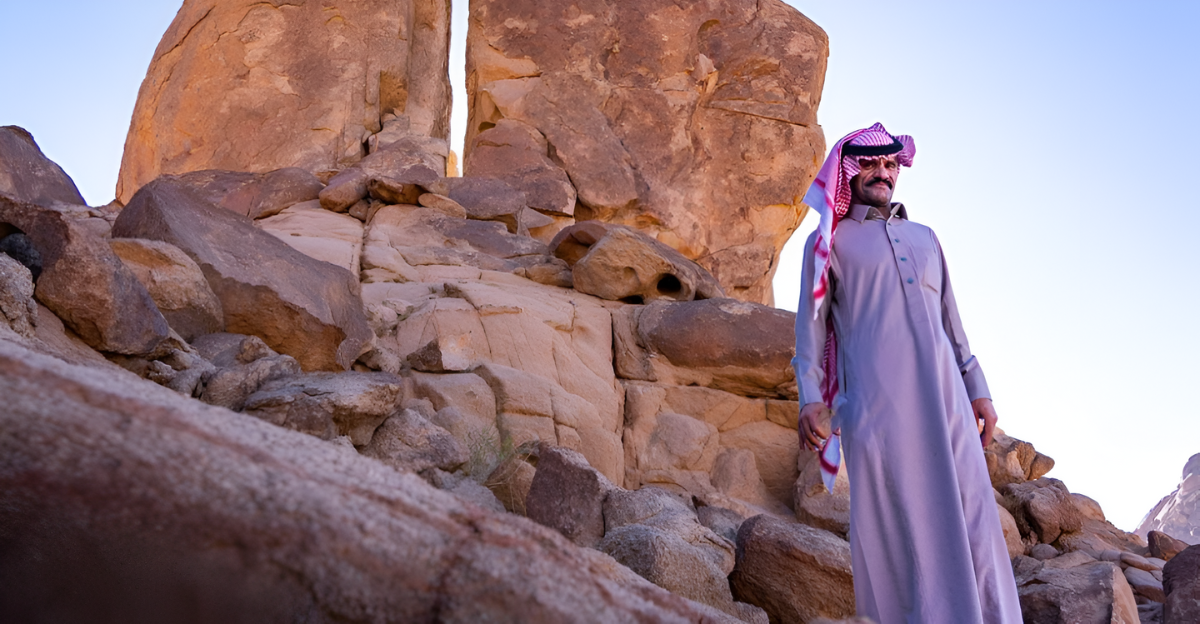
As Saudi Arabia accelerates regional development and tourism numbers continue growing, the opportunity for proper archaeological investigation may rapidly disappear. Premier Christian News noted that the convergence of religious beliefs, tourism economics, and urban development creates unprecedented challenges for historical preservation efforts. However, academic archaeologists stress that without proper scientific excavation and peer review, the site’s historical claims remain unsubstantiated speculation.
Regional Security Concerns Complicate Research Efforts
Islamist groups have characterized the Mount Sinai research as part of a “Jewish-U.S. plot to conquer Saudi Arabia,” creating genuine security risks for researchers and tourists, Israel365 News reported. Some conspiracy theories even connect the NEOM project itself to alleged Israeli involvement in fulfilling apocalyptic prophecies. These volatile political dimensions significantly complicate both tourism development initiatives and legitimate scholarly research in this sensitive border region.
Religious Tourism Emerges as Major Economic Growth Sector
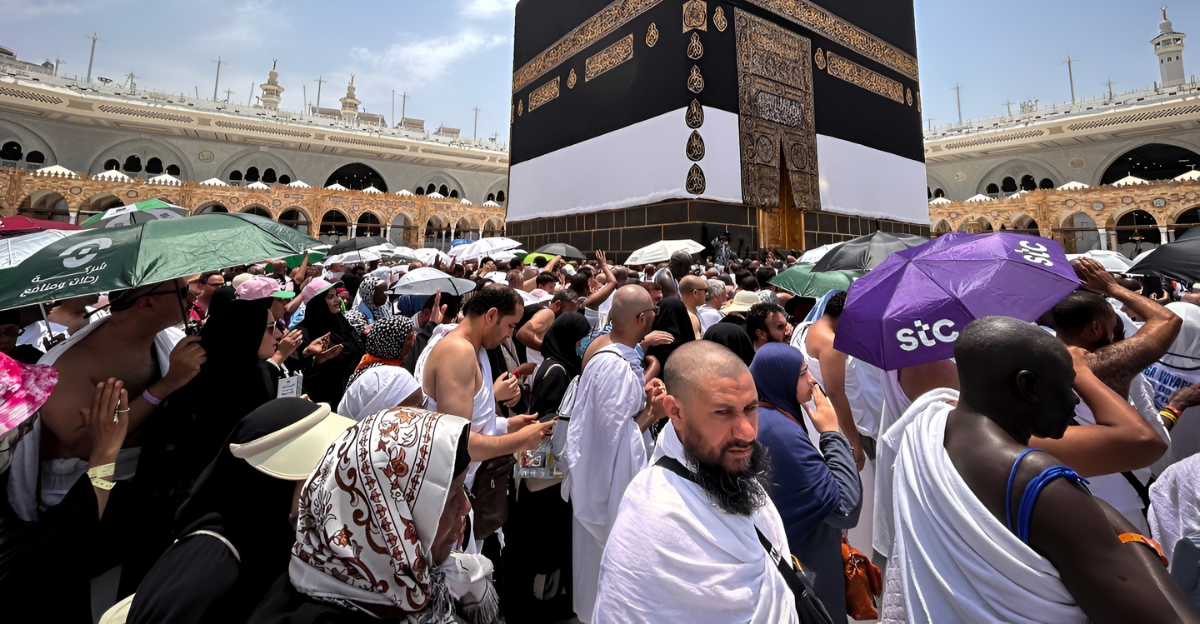
According to Grandview Research, Saudi Arabia’s religious tourism industry generated $30.9 billion in revenue during 2024, with government targets reaching $81.7 billion by 2030 through a projected 17.9% annual growth rate. Salaam Gateway reported the kingdom welcomed 18.5 million pilgrims in 2024, primarily for traditional Hajj and Umrah ceremonies, but Christian tourism represents a promising emerging market segment. Mount Sinai tourism could diversify religious offerings beyond conventional Islamic pilgrimage destinations.
Academic Standards Expose Theory’s Scientific Shortcomings
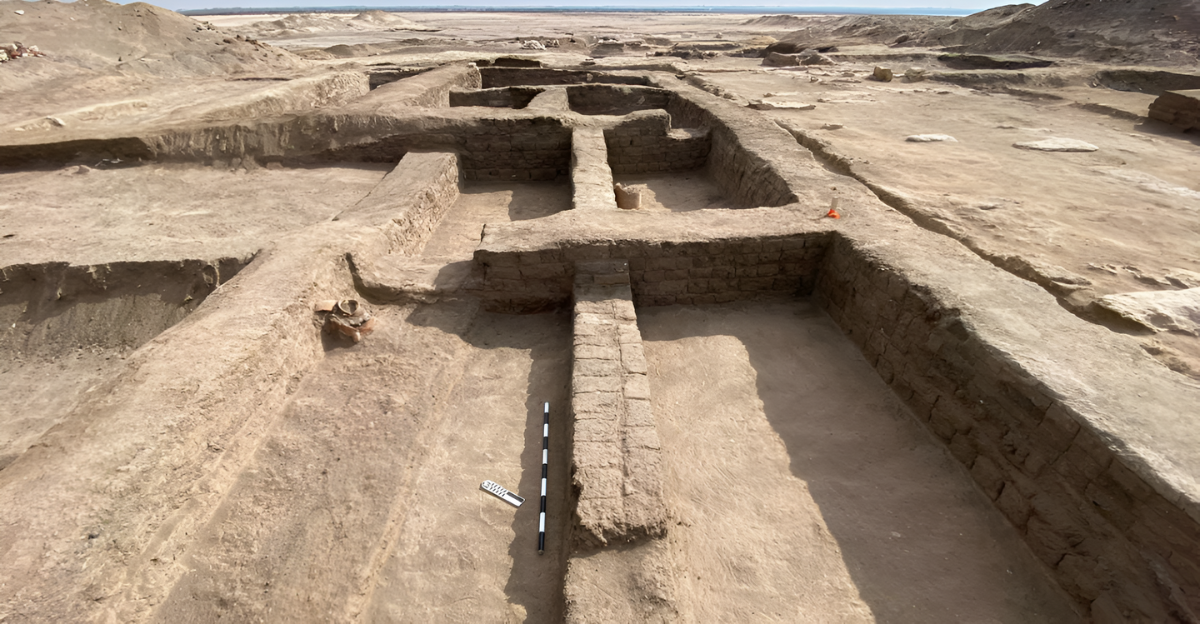
Professional archaeologists stress that the Mount Sinai claims fundamentally fail to establish scientific standards for archaeological validation. Lambert Dolphin’s comprehensive analysis notes that supporters have produced “no ancient tradition” from residents and “no statement in the Bible or any other ancient source that places Mt. Sinai in Saudi Arabia.” Current evidence consists primarily of photographs and “nonconclusive specimens,” which archaeological methodology considers insufficient for historical verification.
Social Media Revolution Reshapes Religious Tourism Patterns
The viral Mount Sinai theory reflects broader cultural trends in digital-age religious tourism and social media’s powerful influence in shaping historical narratives. The New York Times observed that Christian audiences increasingly pursue authentic biblical experiences beyond traditional pilgrimage destinations, creating significant market demand for alternative locations. However, this phenomenon demonstrates how modern technology platforms can amplify unsubstantiated theories that lack academic validation.
Mount Sinai Mystery Raises Questions About Faith and Historical Truth
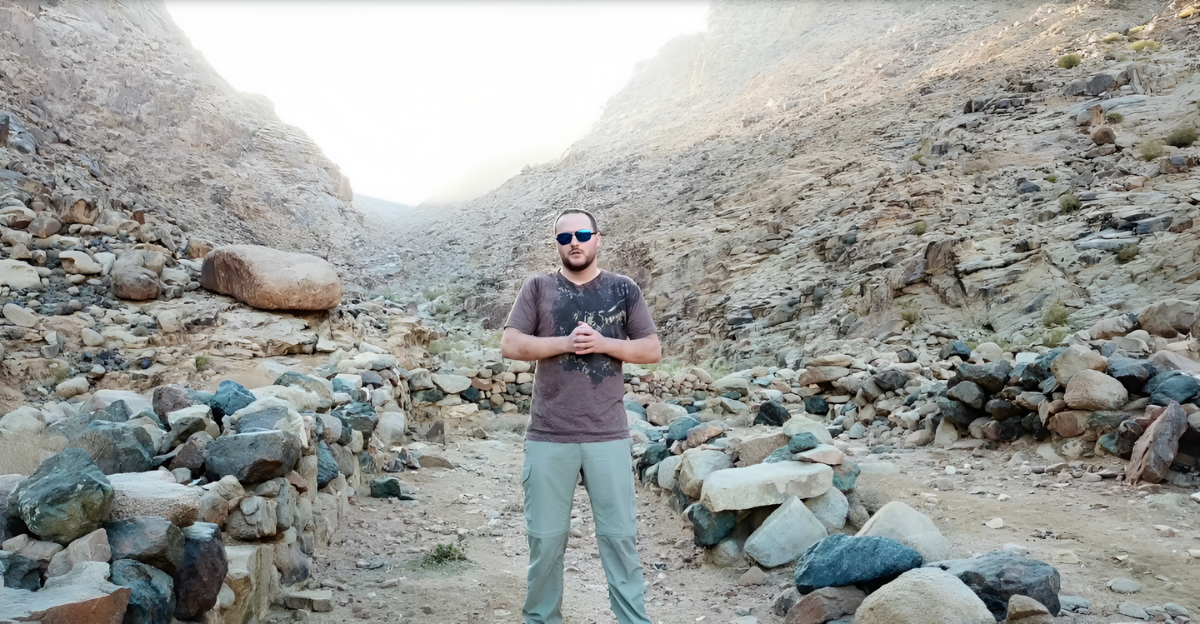
The ongoing Mount Sinai controversy poses fundamental questions about distinguishing between religious tourism marketing and legitimate archaeological discovery. Biblical archaeologists emphasize that while faith-based interest drives necessary research, scientific methodology remains essential for validating historical claims. As development pressures intensify and unverified theories gain widespread traction, maintaining academic standards while respecting religious interests becomes increasingly complex in an age of viral misinformation.