
Ukraine’s Special Operations Forces launched one of their most precise strikes yet on November 5, hitting a newly constructed Russian drone base at Donetsk Airport with overwhelming force. The coordinated attack achieved over 90% accuracy, with multiple buildings destroyed and powerful secondary explosions rocking the site.
The base, less than 20 miles from active fighting, had been quietly transforming from a civilian airport into a launching pad for Iranian-designed Shahed drones since late May 2025.
Why Russia Built a Drone Base Just Miles from the Battlefield
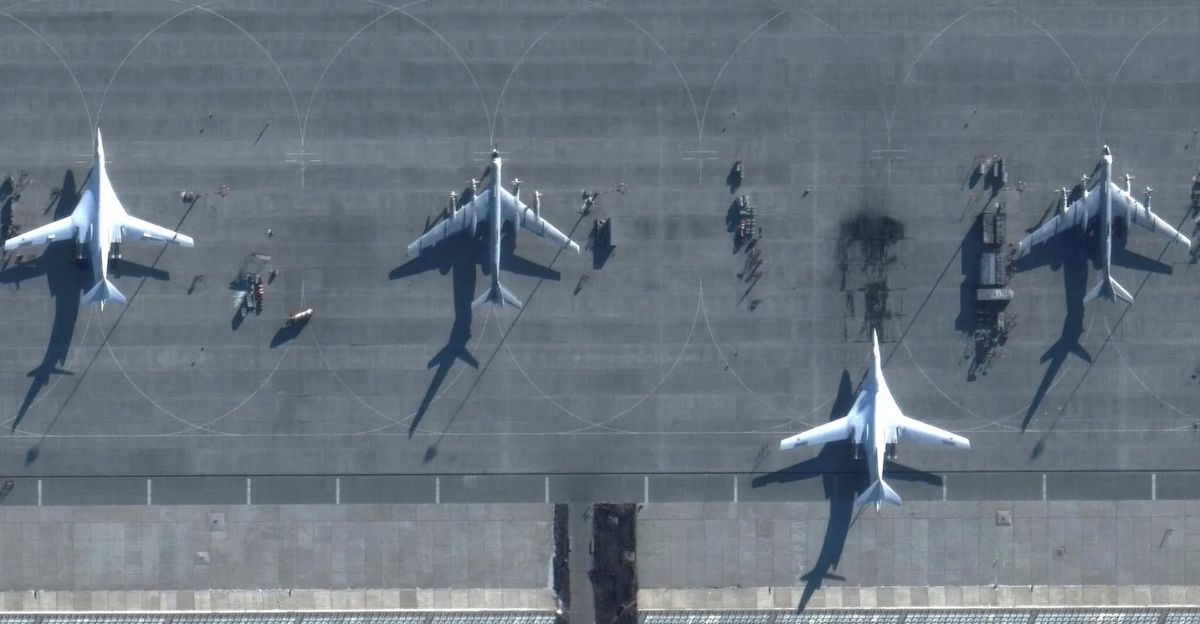
The logic seemed sound: stationing Shahed drones closer to Ukrainian targets would slash reaction time for air defenses and give Ukraine’s early-warning systems almost no time to respond. At 10 to 15 minutes of flight time to urban targets—compared to 45 to 90 minutes from bases deeper in Russian territory—the forward base promised a devastating tactical advantage.
Russian forces had installed launch rails and storage sheds directly on the airport runway. But the closer you put a weapon, the closer your enemy can strike back.
The Months-Long Intelligence Operation That Led to the Strike
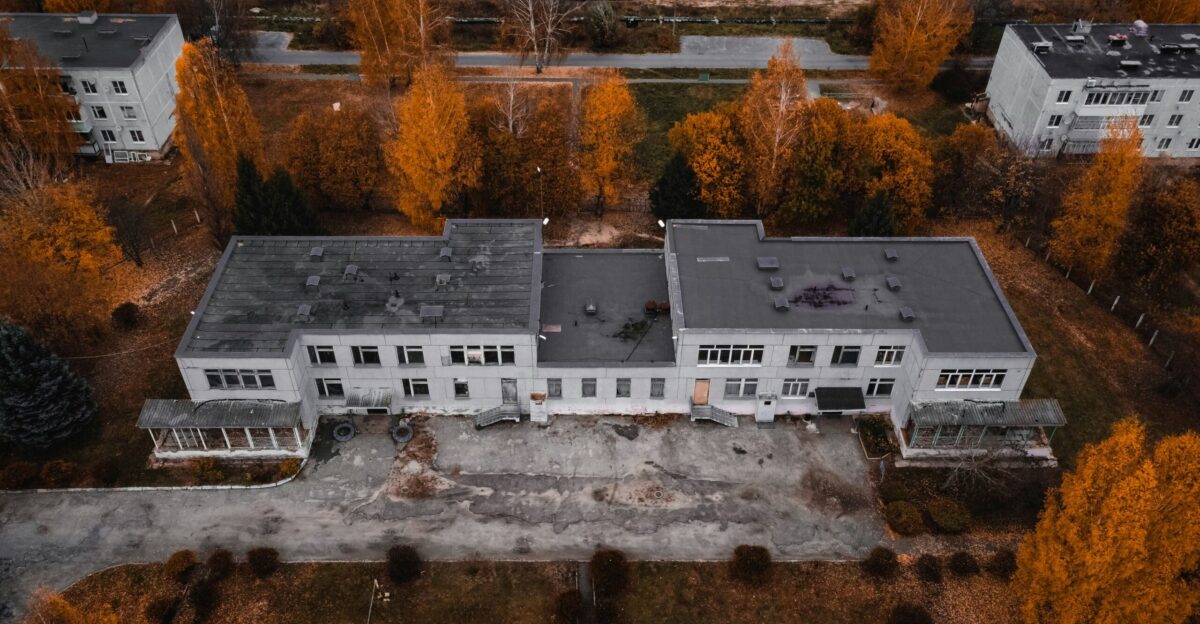
Ukraine’s military planners knew about the Donetsk base since early summer, when satellite imagery first revealed construction activity. But they waited. Kyle Glen, an investigator with the UK-based Centre for Information Resilience, explained the strategy: “The launch site has been widely known about since the summer, but it hasn’t been heavily used by the Russians.”
Ukraine’s Special Operations Forces conducted what their commander called a “painstaking months-long reconnaissance operation,” gathering intelligence until the warehouse was fully stocked with drones. Only then did they strike.
The Night Everything Changed: November 5, 2025
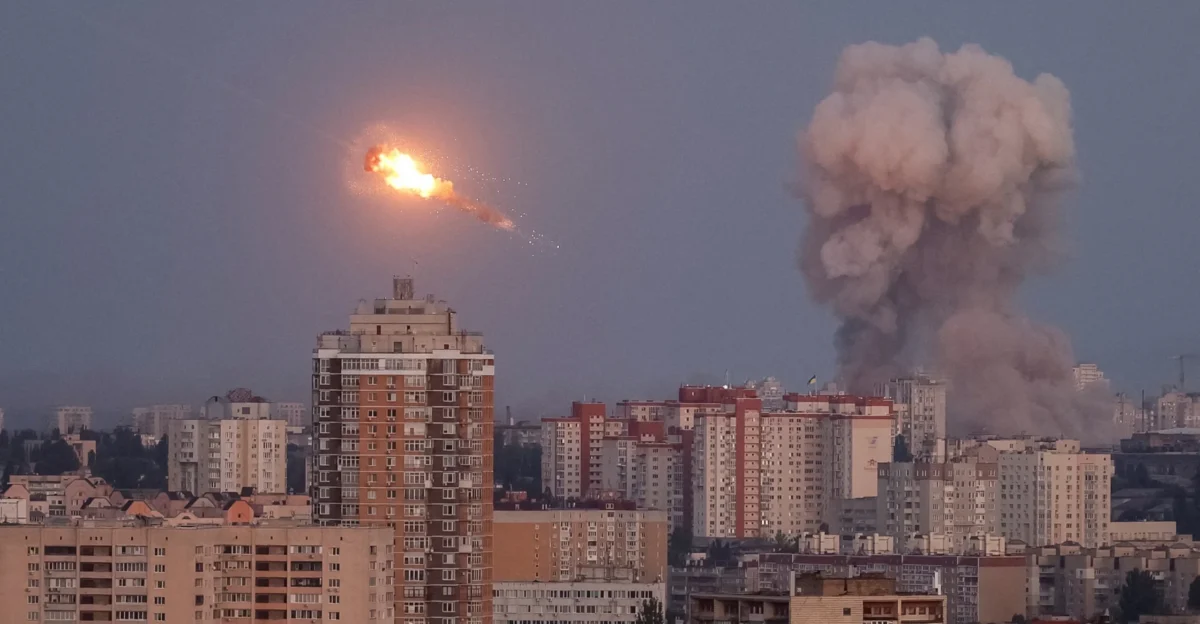
Late on November 5, Ukraine unleashed its assault. The attack involved missile strikes, drone strikes, and artillery fire—a coordinated barrage designed to overwhelm Russian defenses and maximize damage. Videos captured enormous explosions that lit up the night sky, followed by secondary detonations as stored ammunition and warheads detonated.
Ukraine’s General Staff confirmed the strike by morning, detailing explosions and “a powerful secondary detonation” at the Shahed warehouse. The sheer force was enough to level multiple buildings, leaving the area shrouded in smoke and flames.
The Death Toll in Drones: Significant, But How Many Exactly?
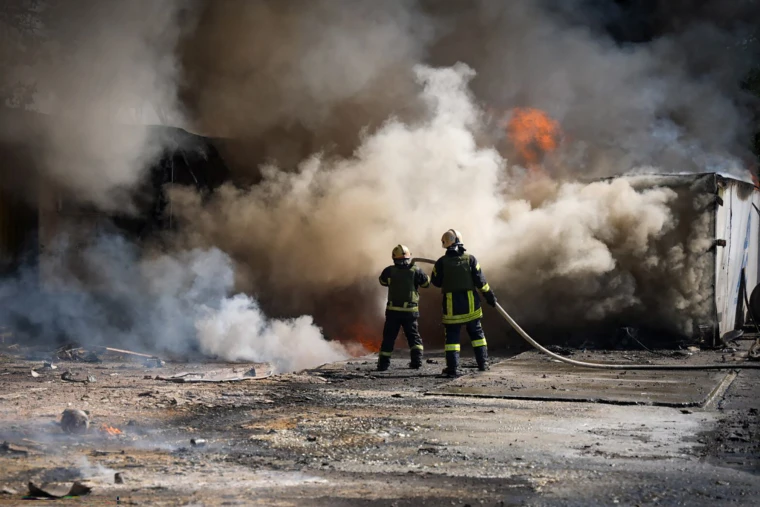
Russian officials remain silent on losses, and Ukraine hasn’t released an exact figure. But satellite imagery and video footage tell a brutal story. Kyle Glen assessed the damage: “It’s impossible to say for sure how many drones they lost, but based on the footage of the aftermath, it was significant.” Independent analysis suggests between 50 and 200 Shahed drones may have been destroyed, along with over 1,500 warheads stored in the warehouse.
At current production costs of $20,000 to $70,000 per drone, that represents between $1 million and $14 million in destroyed inventory alone.
Launch Rails Still Standing

When Vantor satellite imagery captured the damage assessment on November 8, analysts spotted something unexpected. The carefully constructed launch rails and storage sheds built earlier in the summer appeared largely unscathed.
This raised a tantalizing question: Was this precision targeting—Ukraine deliberately destroying the drone inventory while preserving infrastructure? Or luck? The intact rails mean Russia could theoretically resume operations within days if it restocks drones, turning Donetsk Airport back into a functional threat.
Russia’s Drone Factory at Home

The real engine behind Russia’s drone war isn’t at Donetsk Airport—it’s back home. According to Ukrainian military intelligence, Russia aims to produce at least 30,000 Shahed-type drones by the end of 2025, with some estimates placing total drone production at over 70,000 units annually. Russian Prime Minister Mishustin announced in July that unmanned aircraft production had already tripled compared to initial targets.
The Kremlin is investing in new battery factories, composite manufacturing plants, and scaled-up assembly lines—turning drones into a central pillar of its war economy.
How Russia Got Its Drone Arsenal
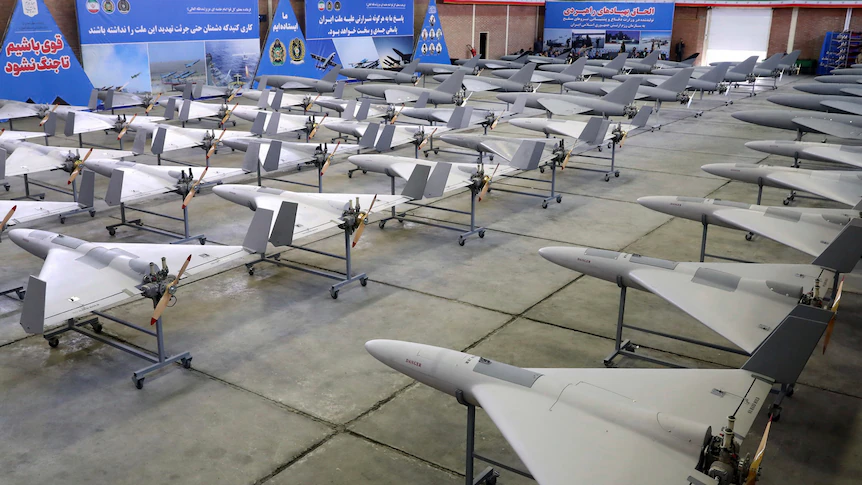
Russia didn’t invent the Shahed drone—it bought the blueprint from Iran and scaled production domestically. The original Iranian HESA Shahed-136 became the foundation for Russia’s mass production campaign after Moscow signed agreements with Tehran in 2022. By 2025, Russia had driven production costs down from $300,000 per unit to as low as $20,000 through domestic manufacturing and supply chain optimization.
Ukraine’s intelligence services report that Russia now produces up to 2,700 Shahed-type drones monthly at factories across Russian territory.
Hundreds of Drones Every Single Night
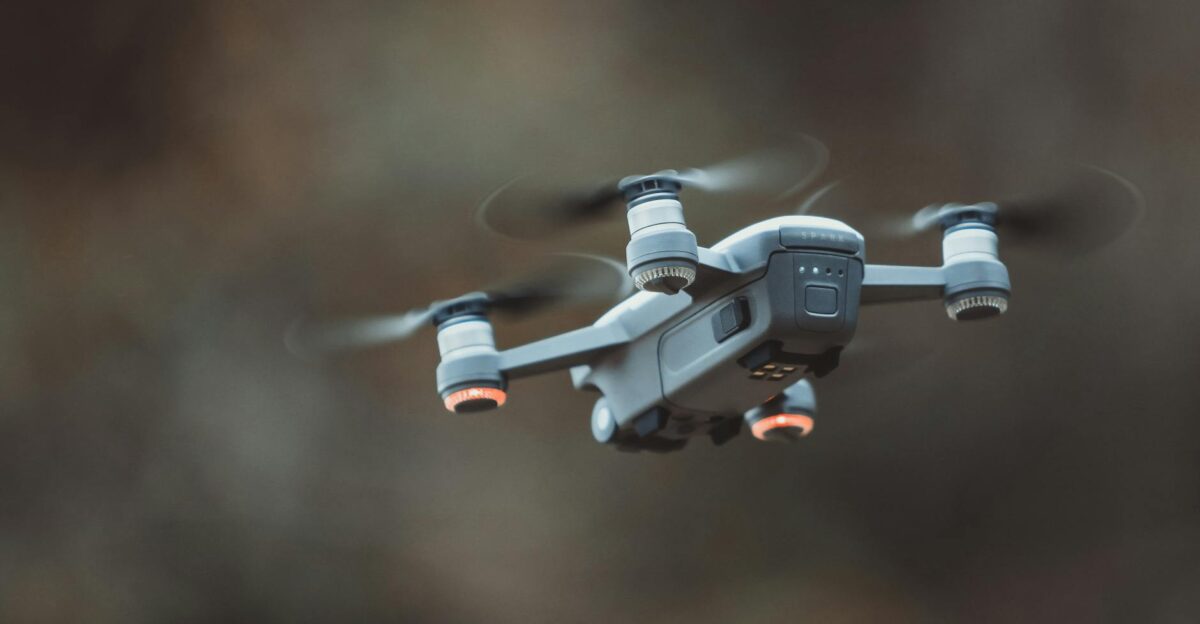
Ukraine faces a relentless barrage. In October, Russian forces ramped up their nightly attacks, with some nights seeing over 200 drones launched in coordinated waves. These aren’t random strikes—Russia uses a deliberate strategy of combining explosive-armed attack drones with decoy drones to overwhelm Ukrainian air defenses.
Ukrainian military intelligence official Vadym Skibitskyi warned that the scale has transformed: “We see hundreds of Shaheds being used with missiles in combined strikes.” Every night, more drones. Every night, the same question: Can Ukraine’s air defenses hold?
The 2,000-Drone Nightmare Scenario
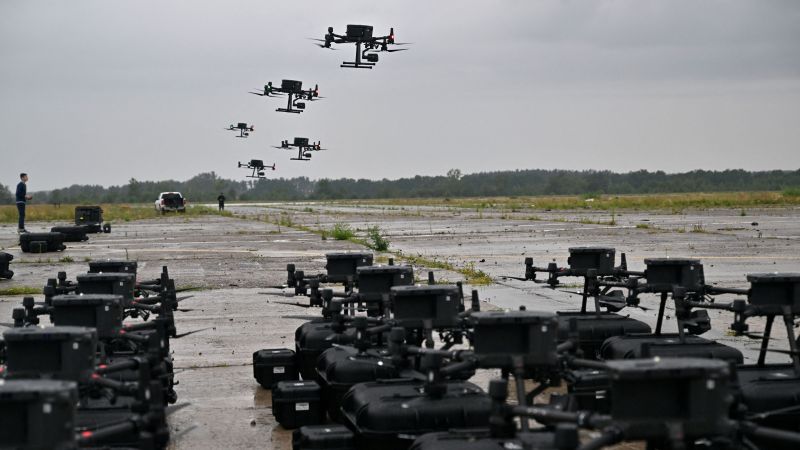
Western military assessments paint a concerning picture of Russia’s future capabilities. Intelligence analysts believe Russia may eventually mobilize as many as 2,000 drones in a single coordinated assault against Ukraine. Such a mega-swarm would exceed the capacity of any existing air defense system, potentially overwhelming Ukrainian radar, missile batteries, and interceptor drones simultaneously.
To put this in perspective, the largest single drone attack on record involved 741 unmanned aircraft launched on a single night in July 2025—and that was when Russia was operating at lower production capacity.
Why Building at the Front Lines Was a Calculated Gamble

Military analysts were stunned by Russia’s decision to station a drone base so close to active combat. Kyle Glen noted the contradiction: “Long-range drone launch sites closer to the frontline will reduce the reaction time for Ukrainian air defenses,” he told Business Insider, yet “the Russian base is more vulnerable to Ukrainian strikes, which don’t necessarily require sophisticated weapons.”
Russia essentially bet that the tactical advantage of shorter flight times would outweigh the strategic risk of operating near enemy territory. Ukraine’s November 5 strike proved that the bet was catastrophically wrong.
Ukraine’s Precision Strike Rivals Western Military Standards
The 90% success rate of Ukrainian drones reaching their targets places this operation in the same precision category as U.S. military strikes. Ukraine achieved this accuracy against a hardened military target with air defenses in place—no small feat.
The strike was described as the result of months of intelligence gathering, suggesting Ukraine’s Special Operations Forces had developed sophisticated targeting data and battle damage assessment capability. For a military outgunned on the ground in many sectors, this kind of precision strike represents a crucial force multiplier.
The Infrastructure Question: Can Russia Restart Quickly?

The nightmare scenario for Ukraine is simple: Russia restocks the warehouse, and within days, Donetsk Airport becomes a fully operational drone base again. The intact launch rails and storage sheds sit waiting for fresh inventory. But Russia’s drone production, while accelerating, still faces bottlenecks. Battery manufacturing, composite materials, and engine production all require time and resources.
Whether Russia can replenish the warehouse faster than Ukraine can strike it again remains an open question that will likely define the next phase of the air war.
The Broader Lesson: Forward Bases Are Liabilities, Not Assets
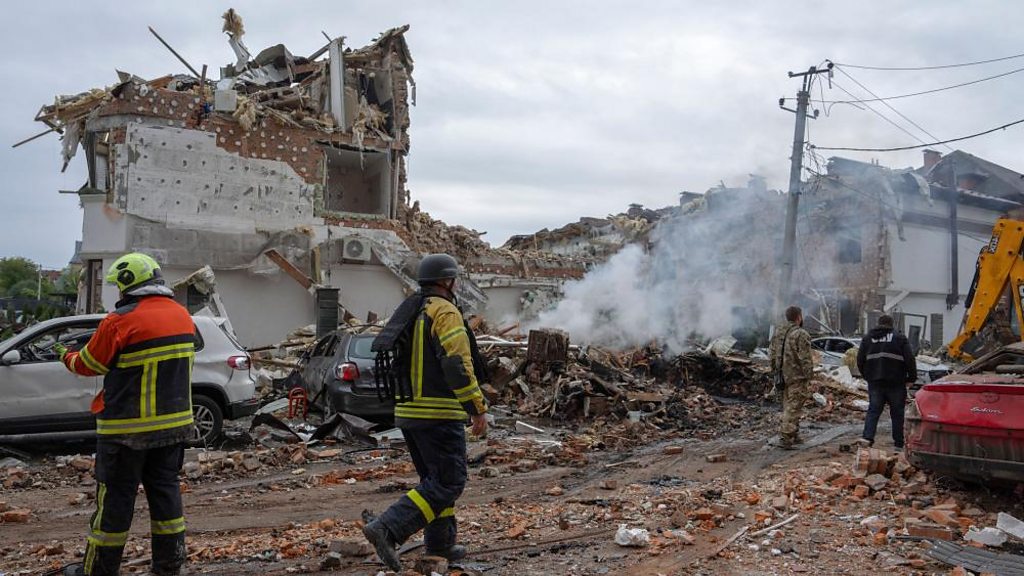
Kyle Glen and other analysts believe the strike carries a message Russia should have learned long ago. “It’s impossible to say for sure how many drones they lost, but based on the footage of the aftermath, it was significant,” Glen said, adding that this likely “proves to Russia that launch sites close to the front line aren’t feasible.”
Russia invested millions in converting Donetsk Airport into a drone base over five to six months. In a single night, Ukraine destroyed significant portions of that infrastructure and inventory.
What Happens Now: Ukraine’s Escalating Drone War
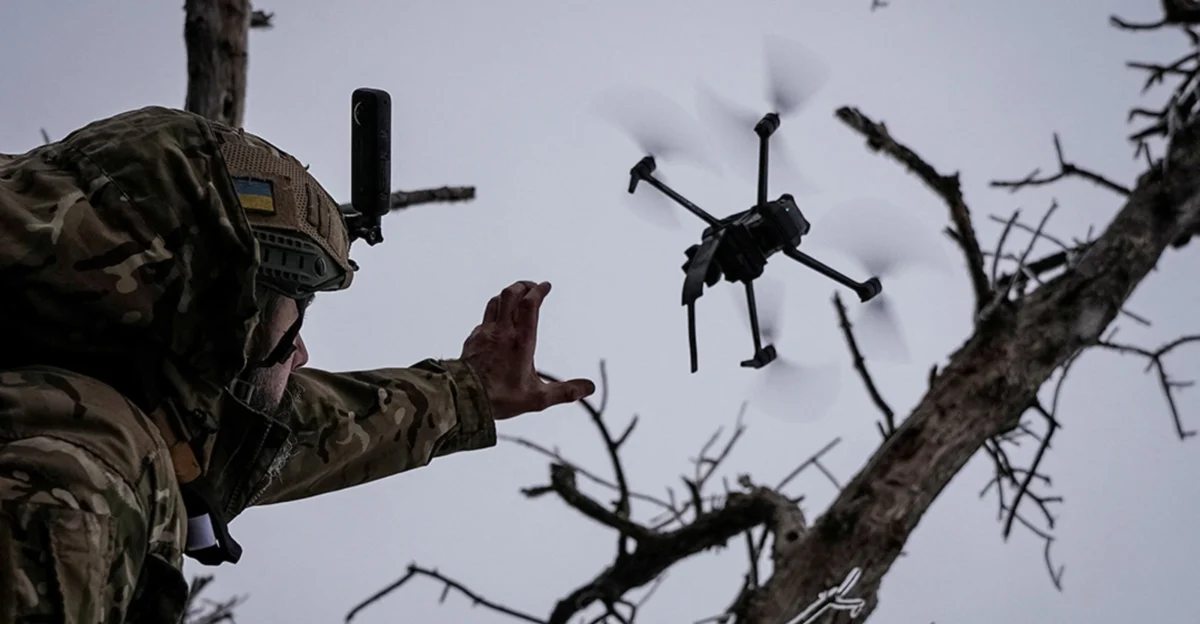
This strike marks a turning point in Ukraine’s strategy—no longer purely defensive, Ukrainian forces are now targeting Russia’s drone infrastructure with devastating precision. As Russia continues to scale production toward a 2,000-drone assault capability and Ukraine’s air defenses stretch toward their limits, the next logical step is Ukraine’s counter-attack: hitting production facilities, assembly plants, and forward bases before Russia can complete its drone war infrastructure.
The November 5 strike at Donetsk Airport may be just the opening chapter of Ukraine’s drone factory dismantling campaign.