
FBI agents burst through the doors of a Savage, Minnesota, home on January 20, 2022, discovering piles of cash scattered across tables and seizing a pristine Porsche still wearing the scent of a new car. Inside the two-story residence of Abdiaziz Shafii Farah, agents photographed thousands of dollars, gold jewelry from Dubai, and bank statements documenting systematic theft.
This single raid would trigger the largest pandemic relief fraud prosecution in American history.
The Scheme’s Scale: $250 Million in Federal Theft

Between May 2020 and January 2022, federal prosecutors allege that 78 individuals conspired to steal over $250 million from the Federal Child Nutrition Program through Feeding Our Future, a Minneapolis nonprofit founded in 2016.
The scheme operated through fraudulent meal distribution sites, claiming to serve thousands of children daily—children who never existed, meals that were never prepared, and needy families that were never served.
The Central Architect: Abdiaziz Farah’s Criminal Empire
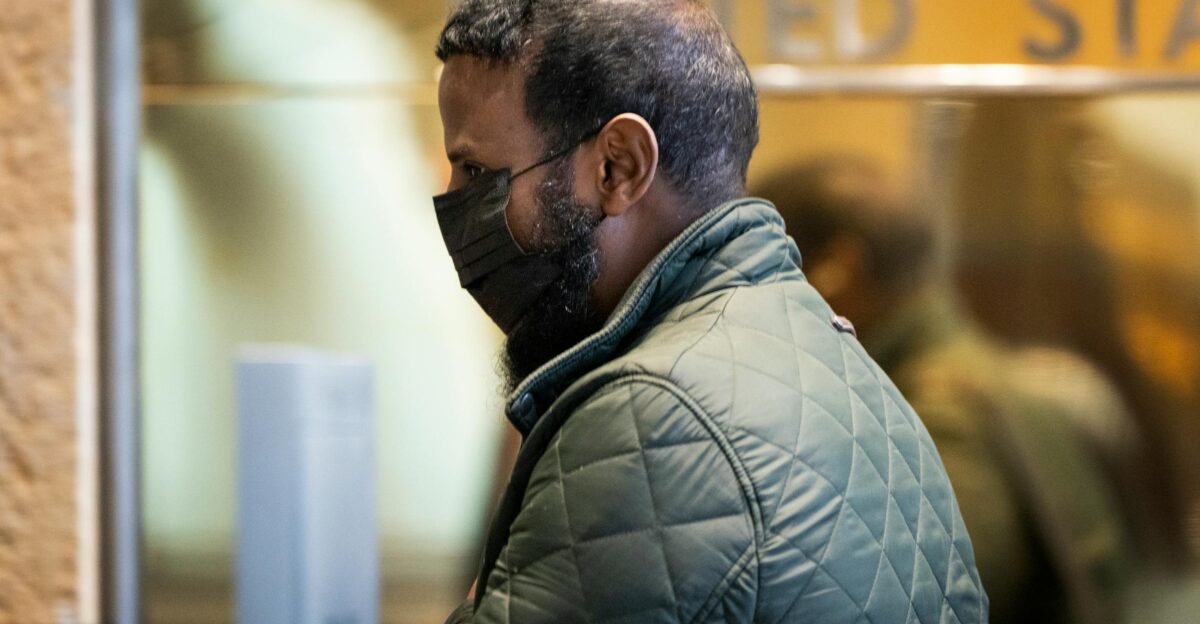
Abdiaziz Shafii Farah, 36, emerged as the scheme’s principal architect, operating Empire Cuisine & Market and falsely claiming to serve 18 million meals across 30-plus locations within 18 months.
Prosecutors presented text messages in which Farah boasted to co-conspirators, “In 7 months, if things stay the same, you are a multi-millionaire with 0 debt.” He personally embezzled over $8 million, using the funds to purchase a Porsche (valued at $300,000), a Tesla, a GMC truck, and luxury real estate.
The Fake Meals and Fabricated Children
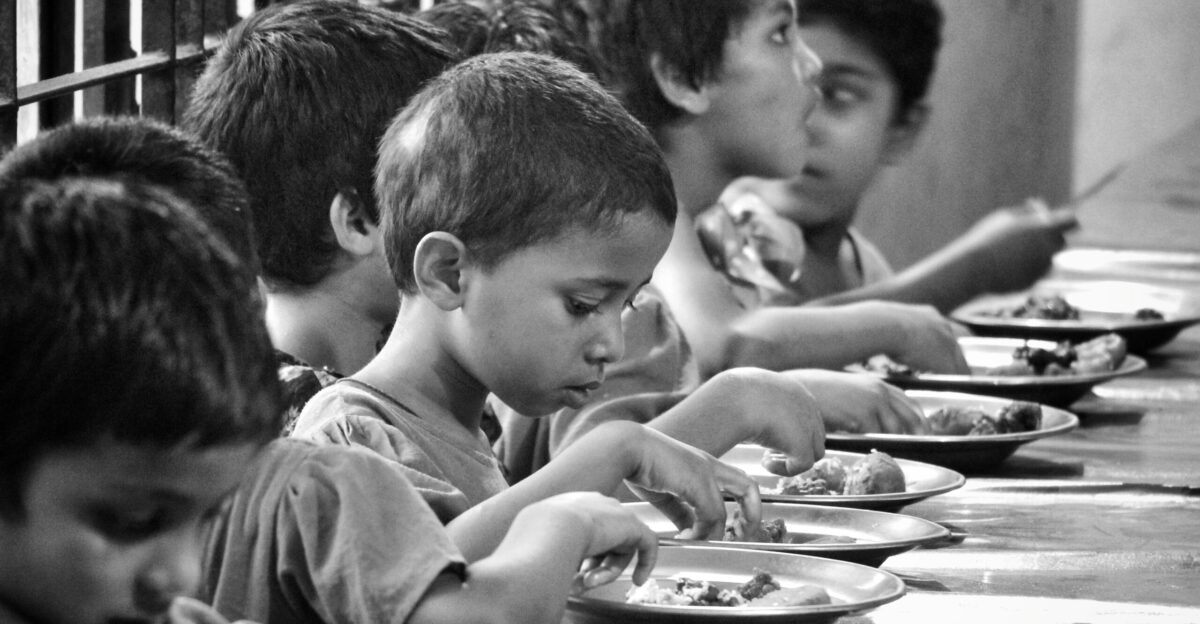
Defendants created shell companies and fraudulent meal distribution sites operating from empty storefronts, parking lots, and restaurants where no food was actually prepared. Invoices listed fabricated children’s names pulled from websites like randomnames.com.
One defendant claimed to serve 2,000 children weekly from a small rented restaurant despite only 33 children on the enrollment roster. Between April 2020 and April 2021, one fraudulent grocery store claimed to have served 1.4 million meals—an average of 4,500 children daily from a Minneapolis storefront.
How the Money Flowed: Kickbacks and Bribes

The scheme operated through systematic kickback arrangements where meal site operators paid thousands to Feeding Our Future employees to approve fraudulent applications. Ousman Camara, charged in November 2025, transferred $87,000 in kickbacks to a program employee in exchange for sponsorship approval.
These corrupt arrangements created a “pay-to-play” structure where oversight mechanisms were deliberately compromised from within.
Luxury Purchases: The Visible Fruits of Crime

Defendants purchased luxury vehicles, jewelry, and real estate at unprecedented rates during the pandemic when most Americans faced economic hardship. Abduljabar Hussein and his wife Mekfira collected $8.8 million through fraudulent invoices, spending proceeds on luxury cars and mortgage payments for multiple properties.
Najmo M. Ahmed laundered $1.38 million through personal bank accounts, making purchases from Burberry, Louis Vuitton, and Canada Goose while transferring $1.147 million to foreign textile companies in China.
The International Money Trail: Moving Millions Overseas

Stolen funds crossed international borders through coordinated transfers to Kenya, Turkey, and China. Abdiaziz Farah purchased a high-rise apartment building in Nairobi’s South C district, as well as land in Mandera County, Kenya—properties that authorities assert remain beyond the reach of American law enforcement.
His younger brother, Ahmednaji Maalim Aftin Sheikh, a Kenyan national, was indicted in September 2025 for allegedly helping to move millions of stolen funds and purchasing the Nairobi apartment complex.
The Bribery Attempt: A Jury Bag Containing $120,000

In June 2024, federal investigators discovered a bag containing $120,000, which had been left as a bribe for a juror in the Abdiaziz Farah trial—evidence of desperation and a criminal determination at the trial’s highest stakes. Abdimajid Mohamed Nur, sentenced to 10 years, pleaded guilty to attempted bribery charges after offering cash payments to influence acquittals.
These bribery attempts represent additional federal crimes that compound fraud charges and demonstrate defendants’ willingness to obstruct justice when facing conviction.
Related Fraud Schemes: Expanding the Investigation

As federal investigators examined the Feeding Our Future conspiracy, they uncovered related fraud schemes targeting Minnesota’s broader social services infrastructure. Far Hassan, 29, faces wire fraud charges for allegedly embezzling $14 million in autism therapy provider programs by falsely certifying Somali community children as eligible for treatment and paying parents kickbacks.
In another scheme, authorities charged individuals for fraudulently claiming to provide homeless assistance services when no such services were actually delivered.
Conviction Tally: 56 Guilty Pleas and Growing Trial Convictions
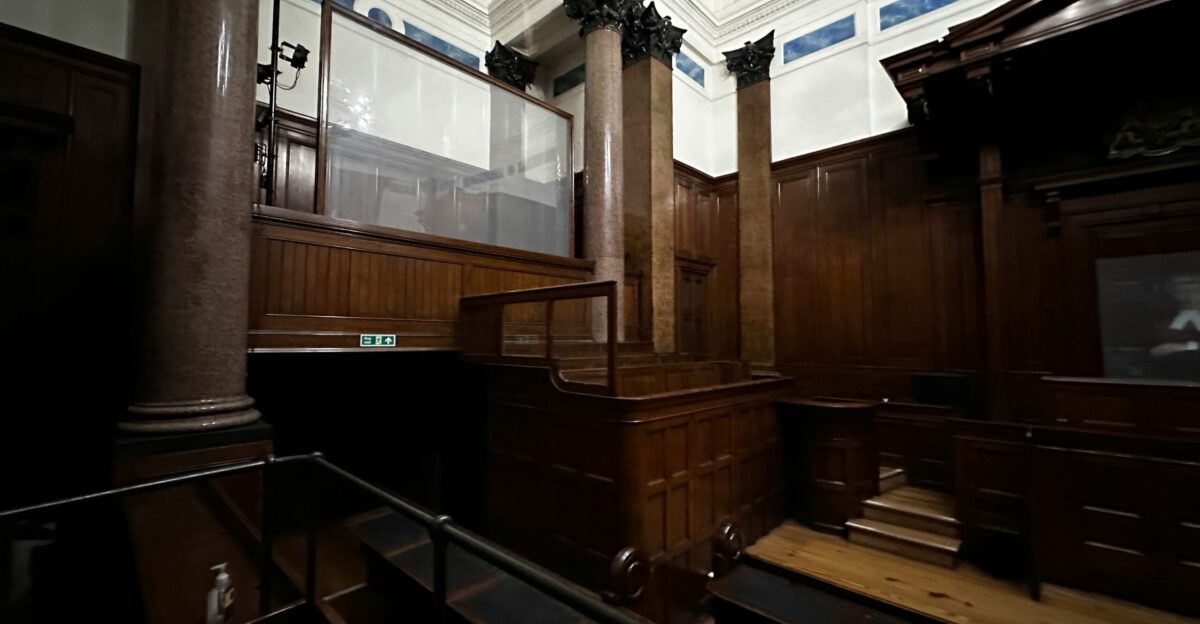
As of December 2025, 56 of the 78 defendants have entered guilty pleas, with 7 convicted at trial, and multiple sentencing hearings are pending. Aimee Bock, founder of Feeding Our Future, was convicted on all charges, including conspiracy, wire fraud, and bribery. Salim Said, a co-defendant, faced similar convictions.
The guilty plea rate of 72 percent represents either defendants’ acknowledgment of overwhelming evidence or prosecutorial pressure—underscoring the thoroughness of the investigation.
The Restitution Challenge: Recovering Millions from Dissipated Assets
Federal judges have imposed substantial restitution orders, requiring defendants to repay misappropriated funds, although enforcement remains challenging. Abdimajid Mohamed Nur faces a restitution order of approximately $48 million—far exceeding his ability to pay during imprisonment. Abdiaziz Farah was ordered to pay $47.9 million in restitution.
The FBI seized luxury vehicles, real estate in Minnesota and Kentucky, and international properties; however, many assets had already been dissipated or transferred overseas, beyond the reach of enforcement.
Federal Oversight Failure: System Vulnerabilities Exposed
In 2020, officials from the Minnesota Department of Education responsible for overseeing the child nutrition program became overwhelmed by an influx of new feeding site applications and began questioning the accuracy of invoices.
When state agencies attempted more rigorous scrutiny, Feeding Our Future warned that rejecting applications from “minority-owned businesses” could trigger racism accusations and media litigation. This warning had a chilling effect on oversight, allowing fraudulent applications to proceed without proper verification.
Program Budget Explosion: From $2.6 Million to $104 Million
The Federal Child Nutrition Program’s Minnesota expenditures are projected to skyrocket to over $104 million annually by 2024—more than 40 times the initial $2.6 million budget when the program commenced in 2020. This explosive growth occurred despite reduced school attendance during pandemic lockdowns, indicating that budget expansion and program oversight moved in opposite directions.
The staggering budget increase without corresponding oversight mechanisms created ideal conditions for systematic fraud.
Community Impact and Demographic Controversy
Of 78 defendants charged, approximately 70 are of Somali descent—American citizens by birth or naturalization—while the remaining defendants include individuals from diverse backgrounds. The scandal created significant divisions within Minnesota’s Somali-American community between those supporting accountability prosecution and those expressing concerns about collective stigmatization.
Community leaders acknowledged individual criminal responsibility while emphasizing that fraudsters represented small population segments. Civil rights organizations emphasized protecting innocent community members from discriminatory scrutiny based on ethnicity.
State and Federal Response: Enhanced Safeguards Implemented

Minnesota state officials acknowledged oversight failures and implemented enhanced fraud detection safeguards following the scandal’s exposure. Governor Tim Walz’s administration strengthened audit procedures, enhanced background investigations of nonprofit sponsorships, and mandated real-time meal site inspections.
State agencies instituted more rigorous financial documentation verification protocols and real-time meal verification systems. Federal agencies reviewed child nutrition program vulnerability to fraud exploitation across all states.
National Implications: Pandemic Relief Vulnerability Lessons

This scheme prompted broader policy discussions regarding pandemic relief program vulnerability to fraud exploitation across federal agencies and other states. Federal auditors designated Minnesota’s scandal as the “largest” pandemic-related fraud case, though subsequent investigations may uncover comparable schemes nationally.
The case exposed fundamental weaknesses in nonprofit oversight, vendor verification, and real-time financial monitoring during emergency spending. Congress examined whether expedited pandemic disbursement procedures created inherent trade-offs between rapid aid delivery and fraud prevention.
Multi-Agency Investigation: FBI, IRS, and Federal Prosecutors Coordination

The investigation involved coordinated efforts by the Federal Bureau of Investigation, IRS Criminal Investigation division, U.S. Postal Inspection Service, and the U.S. Attorney’s Office for the District of Minnesota. Federal prosecutors assembled comprehensive evidence including financial records, bank statements, false documentation, and witness testimony spanning multiple years.
The multi-agency coordination enabled the prosecution of 78 defendants, with charges reflecting various criminal statutes, including conspiracy, wire fraud, money laundering, bribery, and kickback violations.
What’s Next: Ongoing Trials and Sentencing

As of December 2025, legal proceedings continue with additional defendants awaiting trial and sentencing hearings. Aimee Bock and Salim Said’s sentencing hearings remain unscheduled. Federal authorities continue to investigate related financial crimes involving program funds that are suspected of reaching criminal organizations internationally.
The case’s final resolution and total asset recovery remain under active prosecution with potential additional charges anticipated. Future appellate proceedings may challenge convictions or sentencing lengths as defendants exercise constitutional rights.
About the Investigation
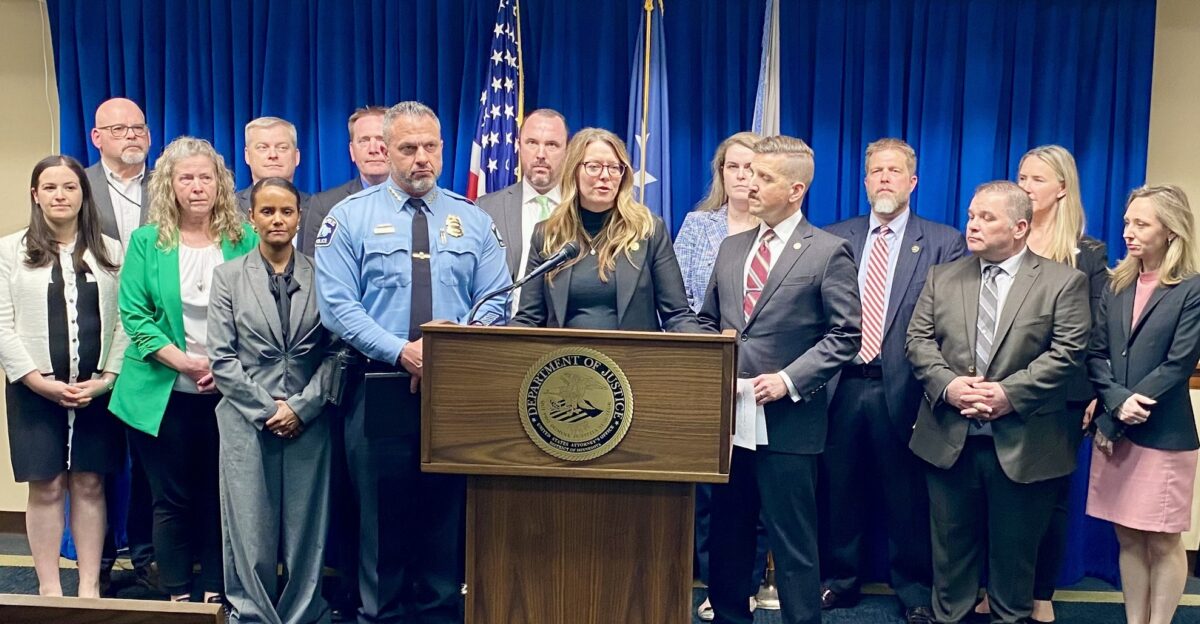
The U.S. Attorney’s Office for the District of Minnesota prosecutes federal crimes, including fraud, money laundering, and bribery violations. The Federal Child Nutrition Program, administered by the United States Department of Agriculture, reimburses eligible organizations for serving nutritious meals to low-income children.
Feeding Our Future was a Minneapolis-based nonprofit founded in 2016 that served as a fiscal sponsor for meal distribution sites participating in the federal program. The scandal, designated the nation’s largest pandemic relief fraud scheme, involved 78 defendants and over $250 million in alleged losses to federal taxpayers.
Sources:
U.S. Department of Justice, U.S. Attorney’s Office for the District of Minnesota – Feeding Our Future fraud press releases and sentencing announcements
Internal Revenue Service, Criminal Investigation – “Minneapolis woman pleads guilty in $250 million Feeding Our Future fraud scheme” release
CBS News Minnesota coverage of Feeding Our Future indictments, restitution orders, and sentencing reports
Minnesota Public Radio News – “Feeding Our Future head Aimee Bock convicted on all fraud charges”
The New York Times national reporting on Minnesota pandemic child food fraud and Somali-linked social services fraud cases
BBC News – coverage of U.S. charges in $250 million pandemic relief fraud scheme
Feeding Our Future case background summary (public reference entry)