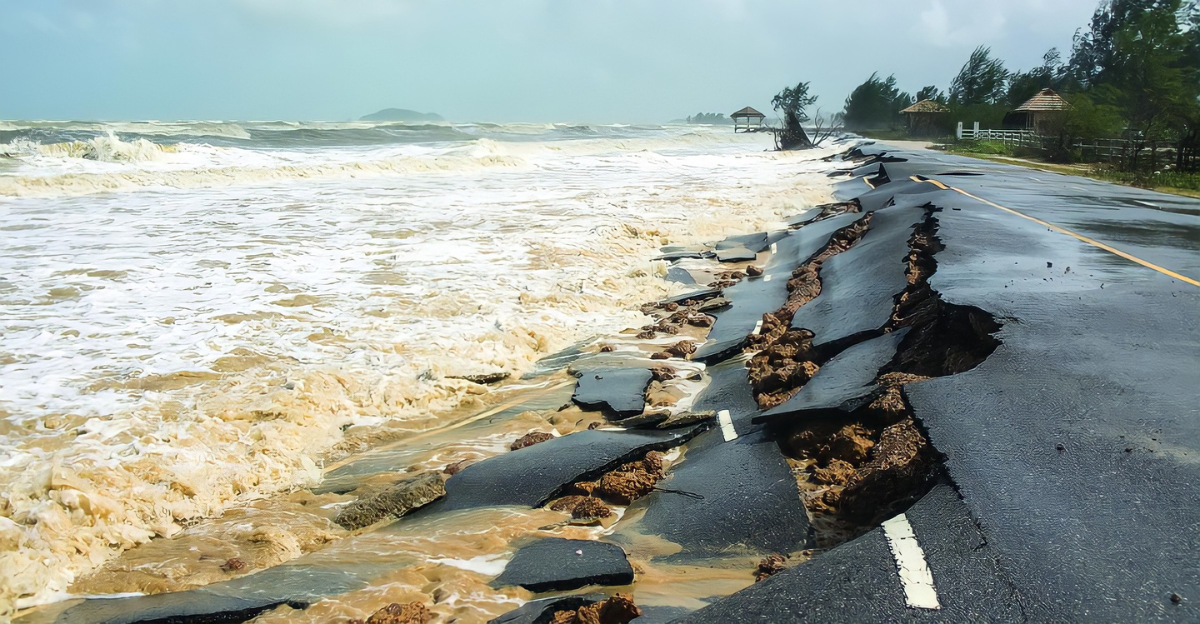
Sand shoals migrate toward Assateague Island’s southern shores, welding new land formations onto the barrier island system near Tom’s Cove. Federal wildlife officials document these accretions as part of the island’s rapid westward rollover process. The sediment additions signal accelerated erosion patterns threatening recreational infrastructure across the 37-mile barrier island.
Scientists track the island’s dramatic transformation through satellite imagery and coastal monitoring programs. NASA Earth Observatory data shows sand accumulating at the southern terminus while northern sections experience “accelerated rates of shoreline retreat.” The island has retreated nearly one kilometer since 1933. Ocean City’s inlet jetties disrupted natural sediment transport patterns that year.
Storm events accelerate these changes dramatically. In August 2025, Hurricane Erin forced beach closures across Assateague and Ocean City, shutting down the Oversand Vehicle Areas and oceanside recreational zones. Park officials also closed swimming areas at multiple beaches as dangerous rip currents threatened visitor safety.
The barrier island system demonstrates classic rollover behavior as rising sea levels push sand landward. Overwash deposits create new back-barrier environments while ocean-facing shores retreat westward. This natural process transforms the entire coastal landscape within decades rather than centuries.
Federal Agencies Relocate Virginia Beach Infrastructure
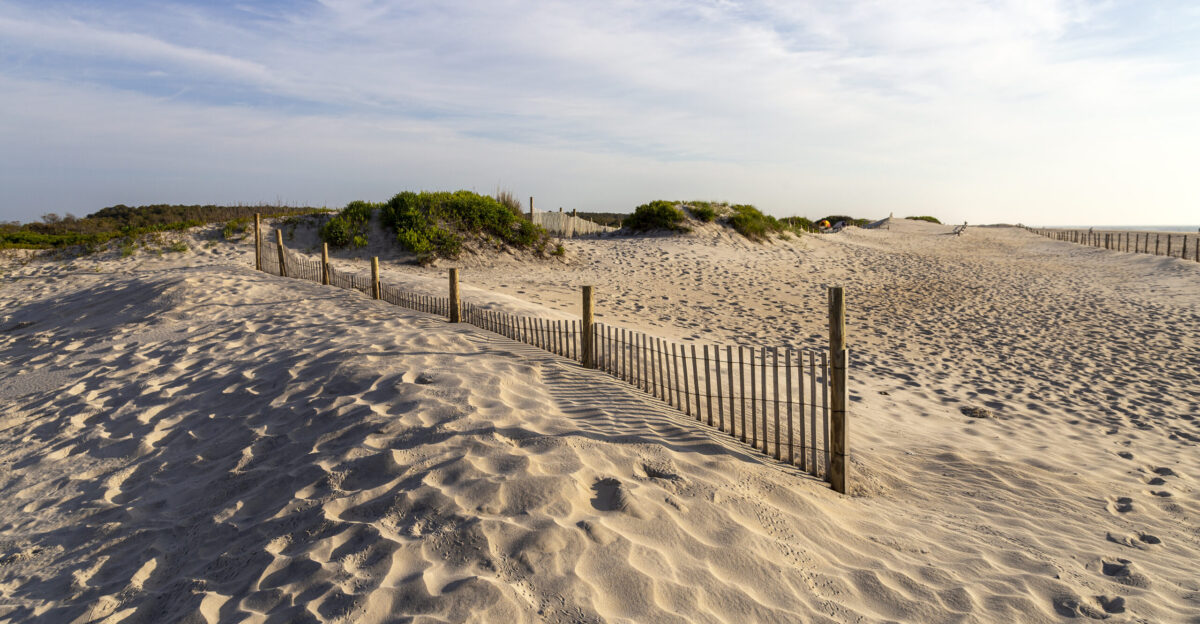
The U.S. Fish and Wildlife Service and National Park Service launch a $17.7 million beach relocation project at Chincoteague National Wildlife Refuge. Construction teams will move the Virginia recreational beach 2.5 miles north from its current Tom’s Cove location. The project addresses decades of erosion damage requiring millions in repeated repairs.
Federal transportation grants fund the massive infrastructure shift. The U.S. Department of Transportation’s Federal Highway Administration provided the funding in 2023 after agencies demonstrated a critical need for climate adaptation measures. Design work reached 95% completion by October 2024. Construction runs from March 2025 through April 2026.
New facilities will accommodate 961 vehicles in redesigned parking areas built to withstand coastal flooding. Planners integrate climate-resilient features, including elevated boardwalks and flexible infrastructure designed to adapt to ongoing coastal changes. The relocated beach site offers increased protection from storm surges while maintaining public access.
Construction crews will demolish existing Tom’s Cove facilities, including the visitor center, bathhouses, and parking infrastructure. Contractors will restore the abandoned site to natural habitat conditions, and environmental restoration specialists will plant native grasses and shrubs adapted to barrier island conditions.
Climate Adaptation Drives Long-Term Coastal Strategy
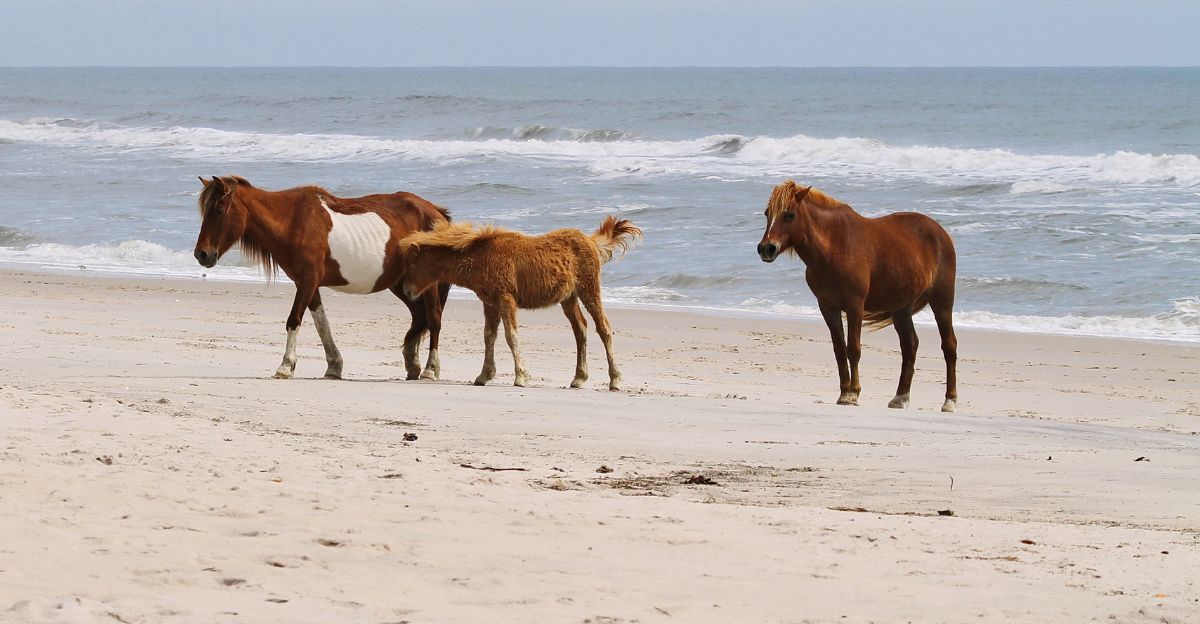
Federal resource managers embrace “strategic retreat” as their primary adaptation strategy for barrier island management. Rather than fighting natural processes through expensive armoring projects, agencies relocate threatened infrastructure to more stable positions. This approach acknowledges barrier islands’ inherent mobility while preserving public access and wildlife habitat functions.
The Army Corps of Engineers coordinates ongoing sand management operations under federal legislative authority. Section 534 of the Water Resources Development Act authorizes sediment bypass systems to mitigate erosion impacts from Ocean City’s inlet jetties. These operations move sand from north of the inlet to Assateague’s eroding shorelines using specialized dredging equipment.
Multiple state and federal agencies collaborate on broader resilience planning initiatives. The National Park Service, U.S. Fish and Wildlife Service, Maryland Department of Natural Resources, and Virginia marine science institutions share monitoring data. Their integrated approach balances natural resource protection with public recreation needs as coastal dynamics continue to reshape this critical barrier island ecosystem.
Climate projections indicate that accelerating sea level rise will intensify these processes over the coming decades. Federal agencies are preparing for multiple future relocation projects as the Atlantic coastline responds to changing climate conditions.