Sixty-six million years ago, South American sauropods discovered an evolutionary superpower: they could rear up and balance on hind legs for extended periods. Unlike their colossal cousins locked into four-legged postures, these compact giants accessed food and advantages their massive relatives couldn’t reach.
This remarkable ability, hidden in dinosaur bones for millions of years, has been decoded using engineering technology that keeps modern bridges standing and airplanes flying.
Sauropods Conquered Bipedal Stance
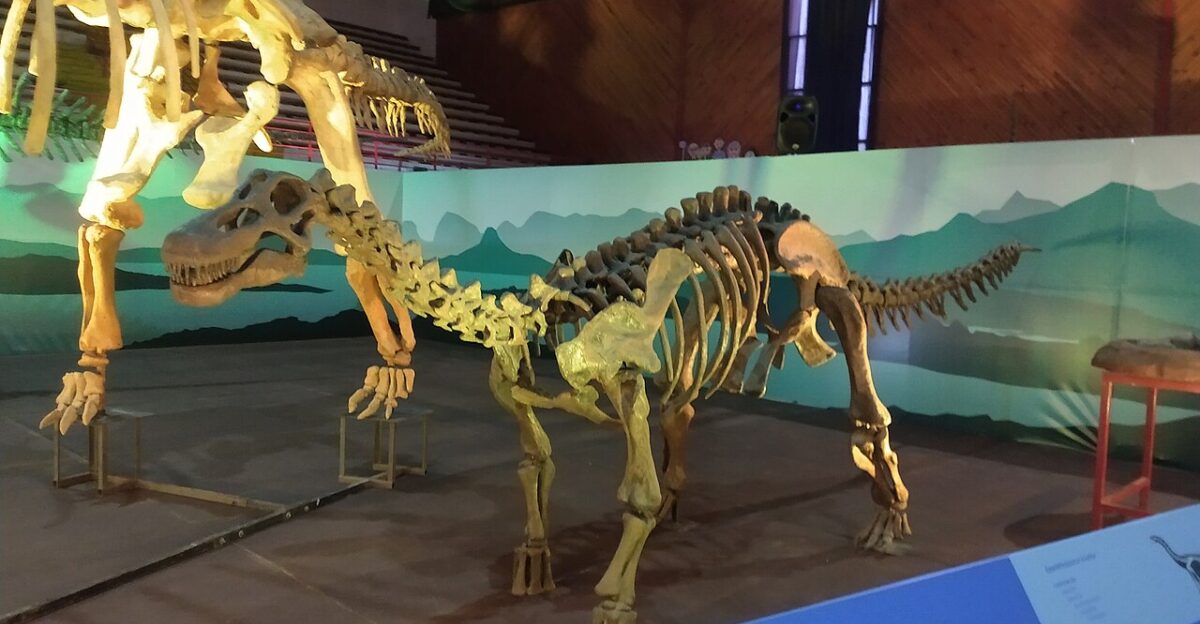
A multinational research team digitally reconstructed seven sauropod species using finite element analysis, a computational engineering method. Two South American species emerged as champions: the Brazilian Uberabatitan ribeiroi and the Argentine Neuquensaurus australis, both elephant-sized, weighing roughly 10,000 to 13,000 pounds.
When researchers simulated gravity and muscle forces on these dinosaurs’ femurs, smaller species experienced far less mechanical stress than towering relatives, revealing why compact bodies held an evolutionary advantage.
The International Team Behind the Discovery
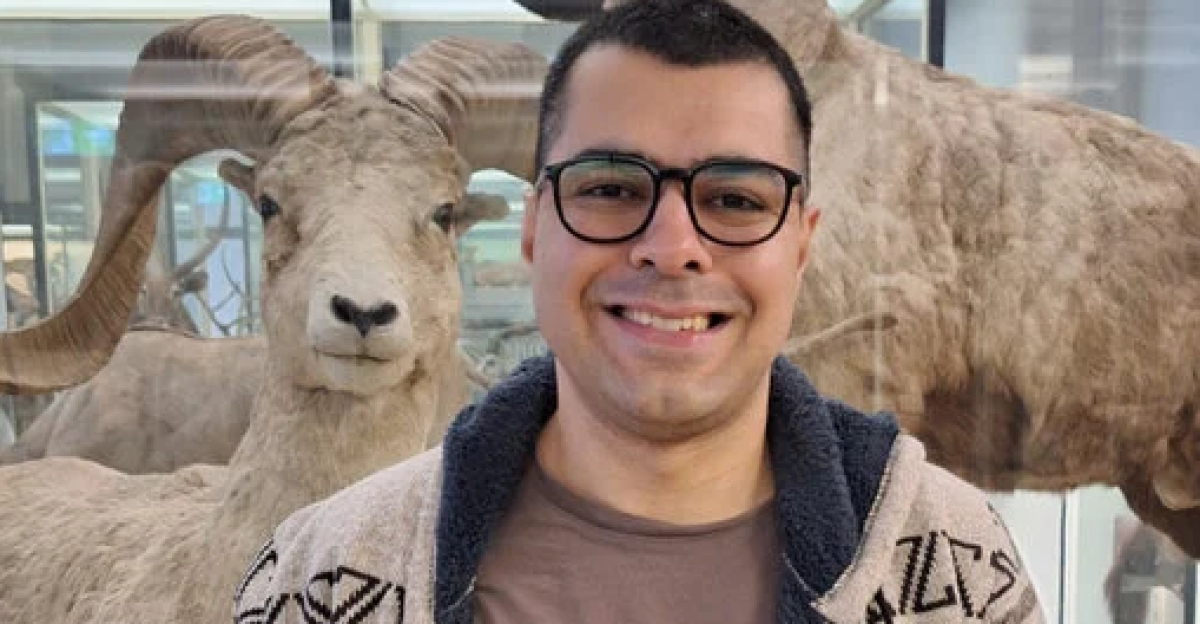
Led by postdoctoral scholar Julian Silva Júnior at São Paulo State University, the international team included expertise from Germany and Argentina. The São Paulo Research Foundation (FAPESP) funded the project, enabling scientists to access rare fossil specimens from natural history museums worldwide.
Their findings were published in the peer-reviewed journal Palaeontology, cementing this as rigorous, verified science rather than speculation.
Elephants in a World of Giants
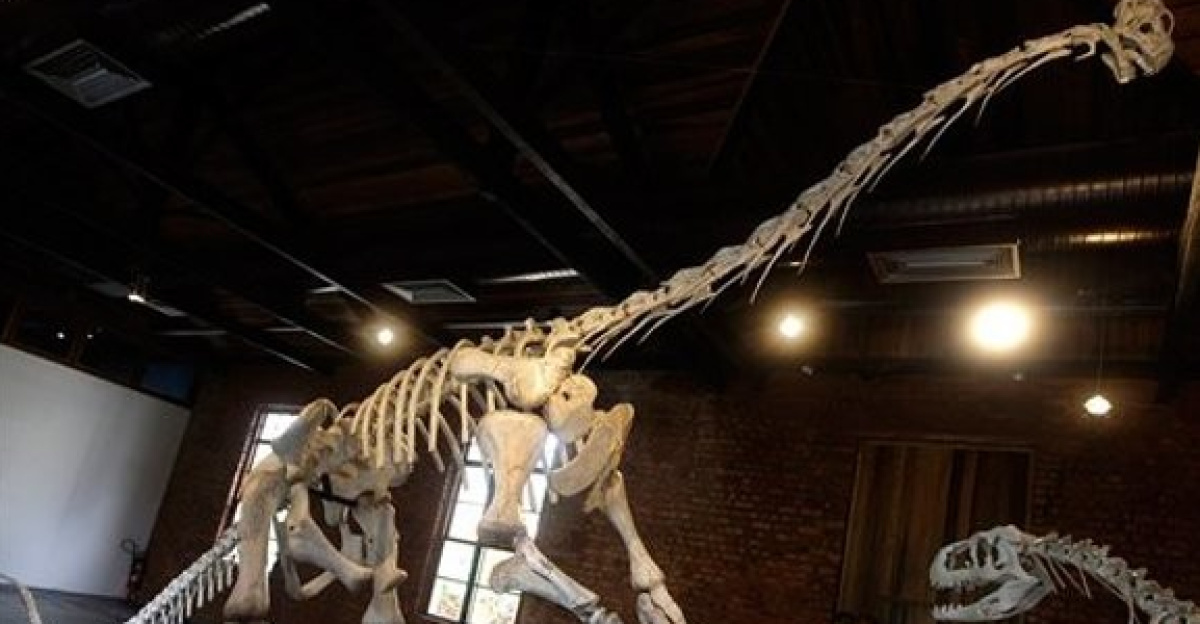
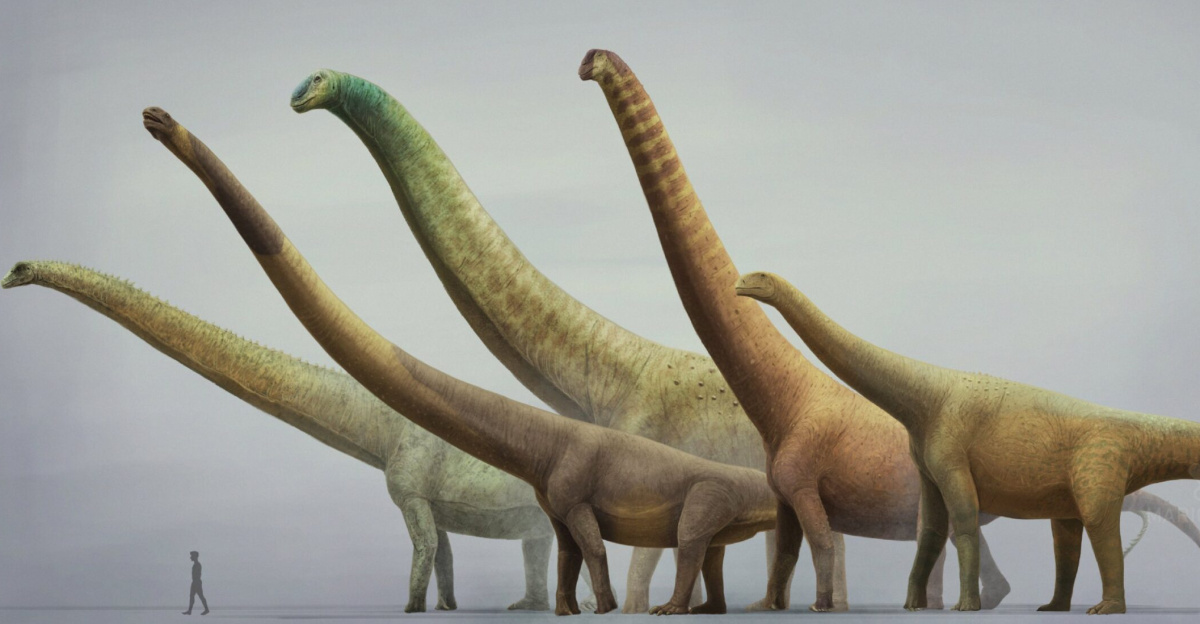
How could creatures the size of modern elephants be considered small in the dinosaur world? Adult Uberabatitan reached a length of 26 meters, making it the largest dinosaur discovered in Brazil.
Yet compared to supersized relatives, these South American sauropods were middle-weight athletes in a competition dominated by 100-ton behemoths. Their size advantage translated into biomechanical flexibility their giants couldn’t afford.
Nature’s Engineering Marvel
When researchers examined femur bones of all seven sauropod species, a clear pattern emerged: Neuquensaurus and Uberabatitan possessed remarkably robust leg bones dissipating mechanical load far more efficiently than colossal cousins.
Digital simulations showed these species experienced femoral stress of just 1.09 and 1.20 megapascals—nearly twice that of other sauropods tested. Larger species couldn’t dissipate stress effectively, forcing them to exhibit brief upright moments rather than sustained rearing.
The Direct Quote: Standing Made Easy for Compact Species
“Smaller sauropods like these had a bone and muscle structure that allowed them to stand more easily and for longer on their two hind legs,” according to Silva Júnior, the lead researcher. This expert assessment crystallizes the biomechanical advantage discovered through computer modeling: the skeleton’s architecture determines postural capability.
Juvenile specimens especially possessed the strength to maintain a bipedal stance comfortably, a luxury their giant-sized parents couldn’t afford as they matured.
Engineering Tech Reveals Ancient Secrets
Finite element analysis is a computational method engineers use to design bridges that won’t collapse, airplane parts that won’t fail, and buildings that withstand earthquakes. Researchers digitally divided ancient femur bones into thousands of tiny elements, simulating how gravity and muscle forces simultaneously acted on each segment.
This same technology, deployed for modern infrastructure, now resurrects the behavior of a 66-million-year-old dinosaur.
Two Simulations Unlocked the Full Picture
The team ran two distinct simulations: one modeling external forces (the dinosaur’s weight crushing down due to gravity) and another modeling internal forces (massive muscles pulling and pushing on the bone).
This dual-scenario approach revealed not only whether a bipedal stance was possible, but also under what stress conditions it became comfortable or painfully strenuous. The methodology proved revolutionary for paleontological research, combining engineering precision with fossil analysis.
From Museum Fossils to Dynamic Digital Models
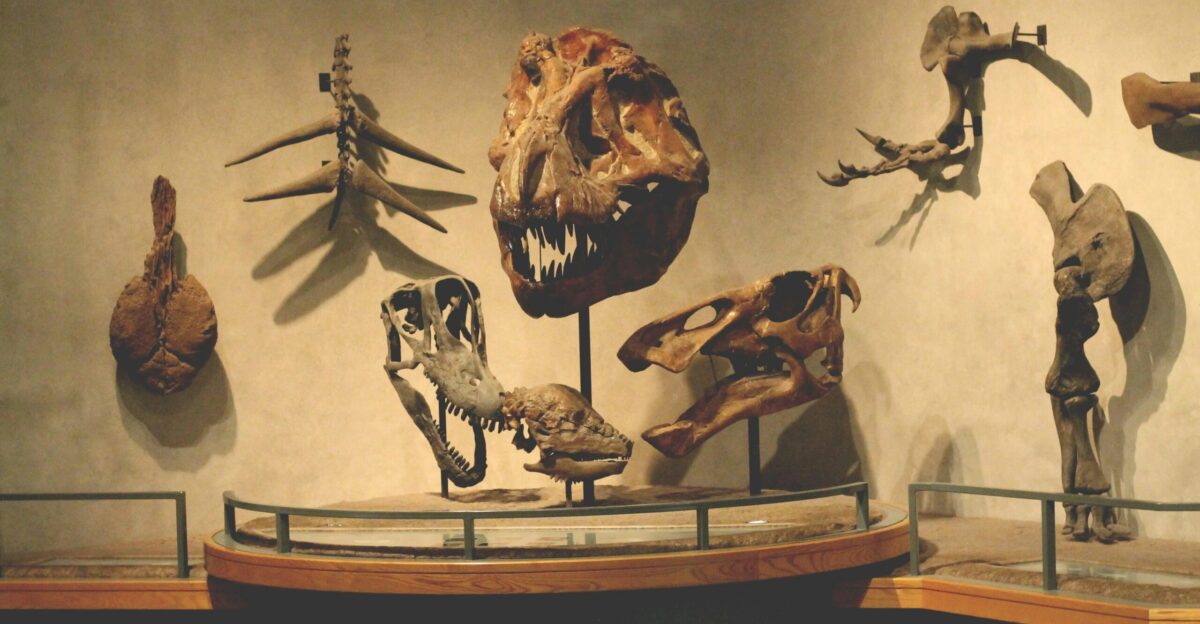
Museum scientists carefully scanned seven sauropod femur fossils using state-of-the-art handheld scanners, transforming ancient bones into precise three-dimensional digital models compatible with engineering software.
Three-dimensional rendering enabled the visualization of stress distribution across entire bone structures, color-coded to distinguish between crushing pressure regions and safe zones. This marriage of paleontology and engineering software transformed static museum displays into dynamic virtual laboratories.
Young Dinosaurs Reared Better Than Adults
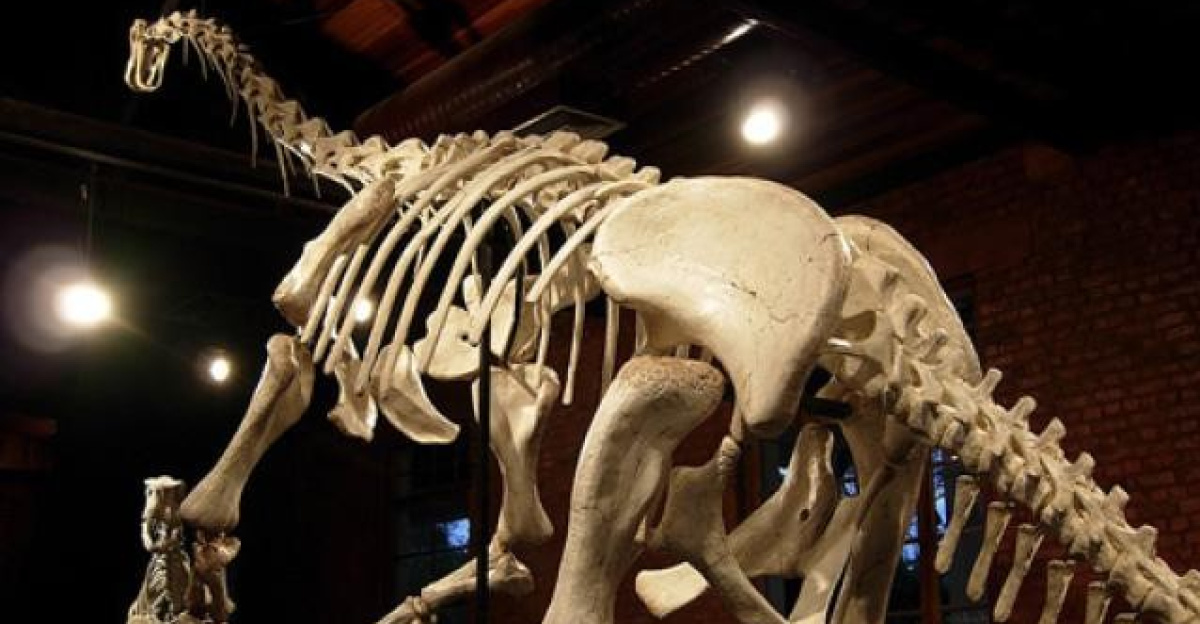
A surprising discovery emerged: juvenile Uberabatitan specimens were far more capable of sustaining bipedal postures than fully grown parents. As dinosaurs matured and their bodies expanded to lengths of 26 meters, their leg bones grew less efficient due to increasing gravitational forces.
Adult Uberabatitans found extended upright stance uncomfortable or risky—femoral stress jumped dramatically at larger body sizes. Smaller individuals were primary practitioners of bipedal behavior.
Feeding Advantage: Standing 20+ Feet Tall
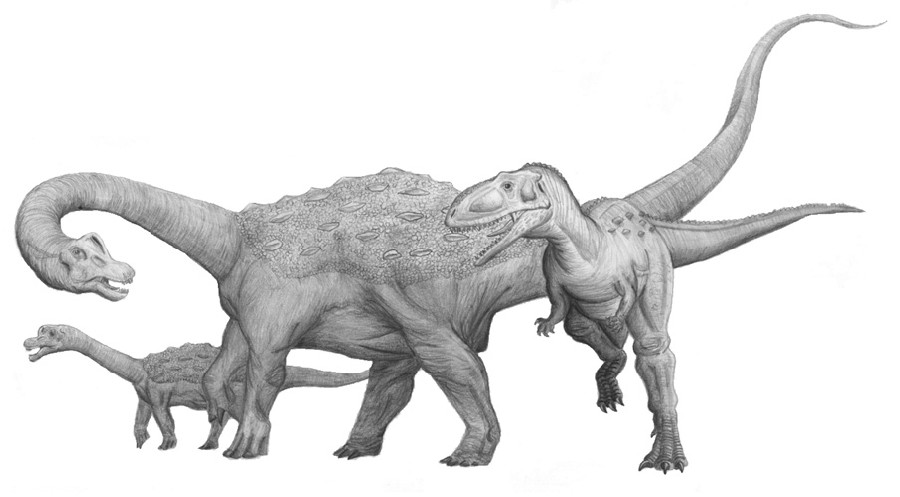
When Neuquensaurus and juvenile Uberabatitan reared up on hind legs, they could extend elongated necks upward to reach vegetation 20 or more feet above ground—foliage completely inaccessible to purely quadrupedal herbivores. The Late Cretaceous landscape offered stratified plant buffets, with nutritious leaves crowning the tallest trees.
By standing upright, these sauropods opened feeding niches that larger species couldn’t exploit without risking femur injury.
Rearing as Predator Intimidation
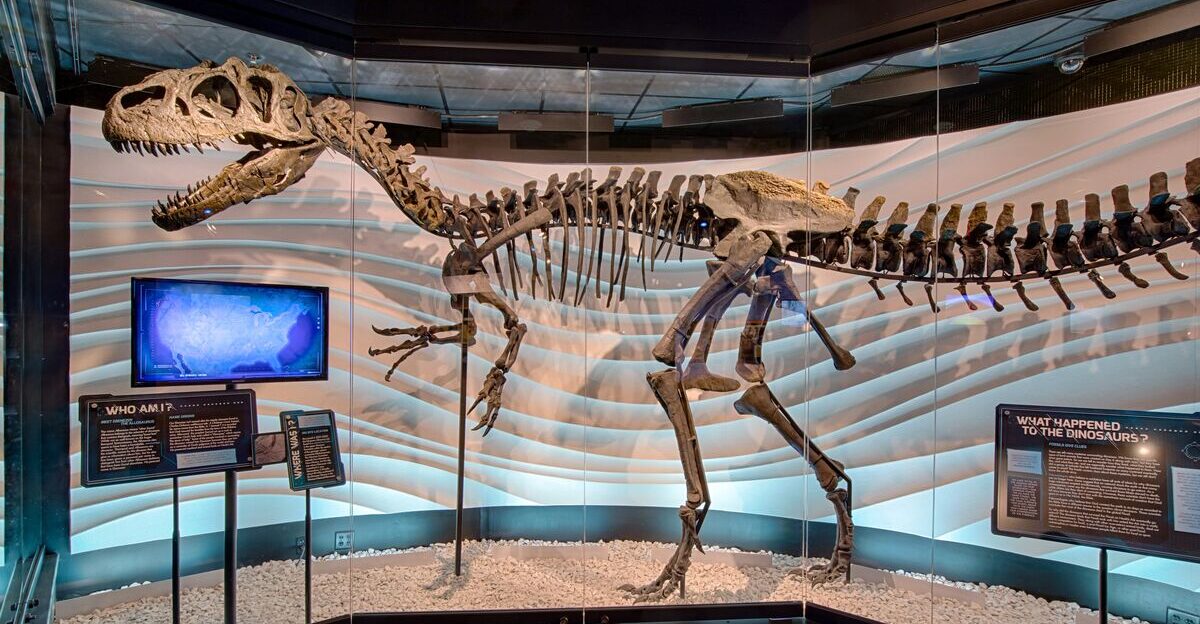
Beyond feeding advantages, these dinosaurs likely used bipedal posture as a defensive or dominance display, intimidating predators and competitors. Imagine a predator’s perspective: a 10,000-pound creature suddenly towers 20+ feet above you, multiplying apparent size in a single vertical movement.
This postural shift would register as a major threat to predators hunting the Late Cretaceous plains, triggering flight or submission responses.
Standing Tall for Reproductive Success
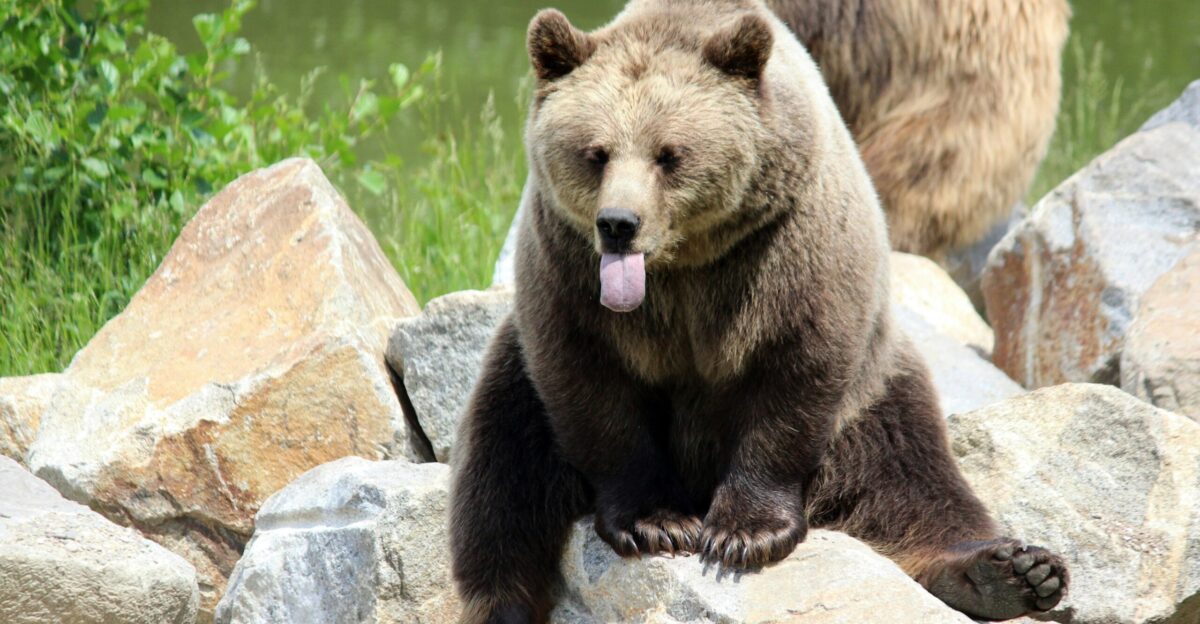
Males likely used bipedal rearing during mating contests, allowing them to tower above rivals and signal dominance or fitness to potential females. This behavior parallels that of modern grizzly bears, which rear up to assert authority in competitive situations.
Vertical posture during the breeding season may have determined reproductive success, with taller-standing males achieving preferential mate selection. Smaller-bodied juveniles possessed a biomechanical advantage in this regard.
Data Separates Fact from Fiction
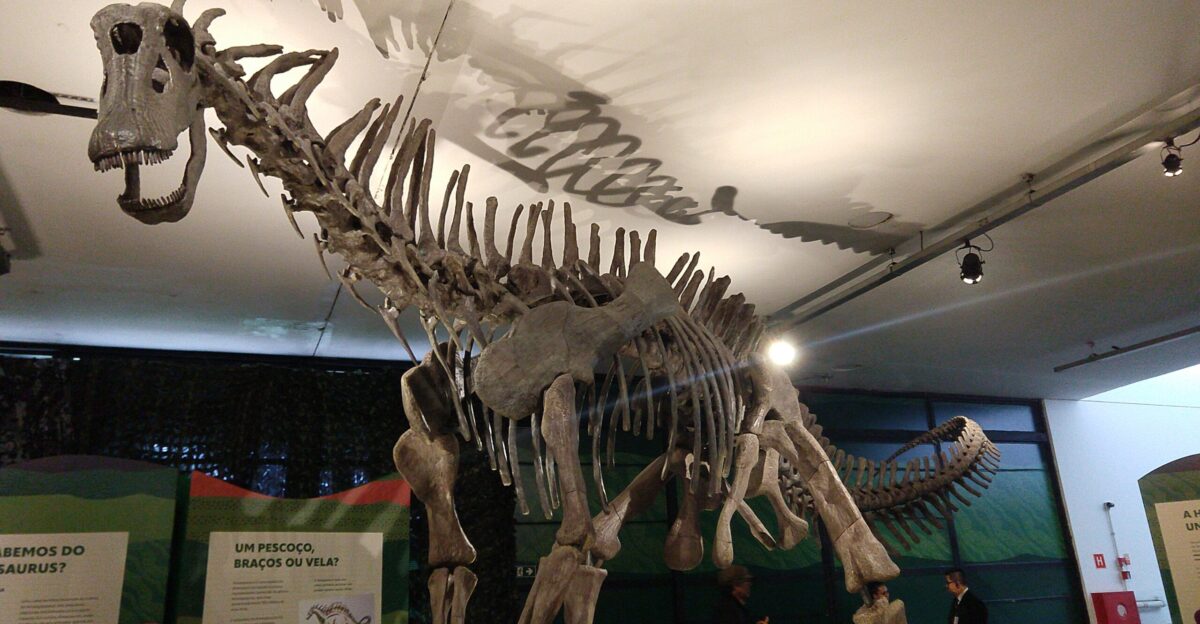
Neuquensaurus showed the lowest mean stress at 1.09 megapascals during simulated bipedal stance, while Uberabatitan followed at 1.20 megapascals. Giraffatitan, a massive African sauropod, experienced 2.51 megapascals—more than twice the stress.
These quantified differences represented fundamental biomechanical constraints determining which species could stand comfortably versus manage dangerous, brief rearing at great muscular and skeletal cost.
Evolution’s Real Winners
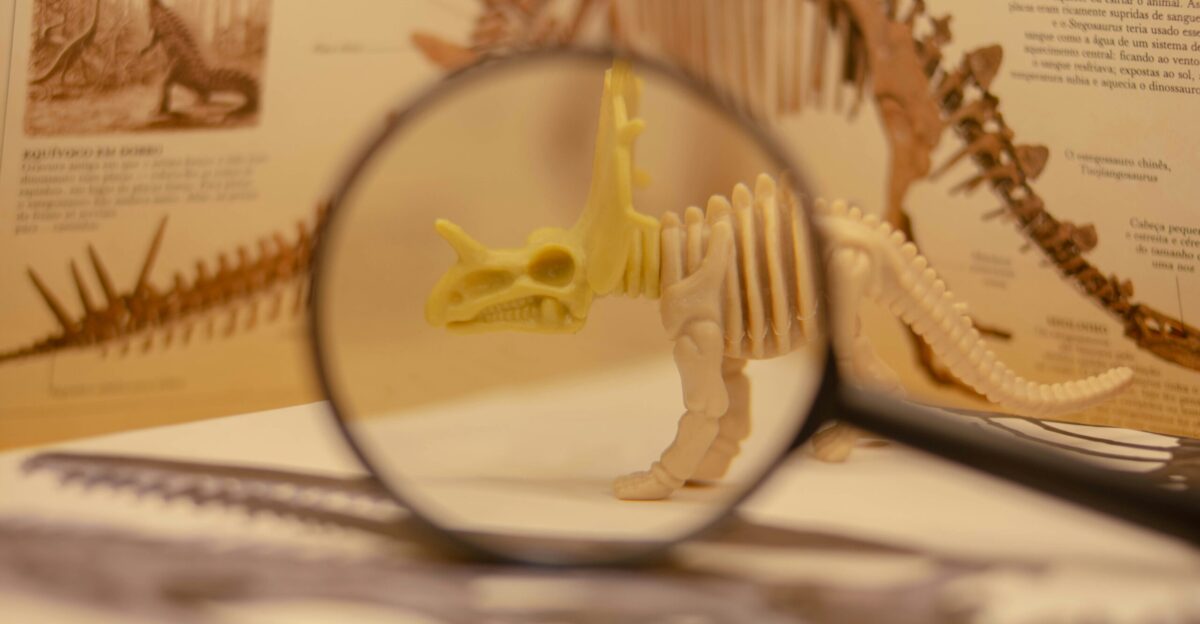
For over a century, paleontologists had assumed that sauropods were four-legged creatures locked into a quadrupedal existence. This research demolishes that assumption, revealing that sauropods possessed remarkable postural flexibility and behavioral adaptability.
In the ancient arms race, being massive wasn’t always a winning strategy—evolution sometimes rewards the most adaptable competitor. These South American sauropods possessed adaptations that their giant relatives sacrificed on gigantism’s altar.
What Other Superpowers Are Hidden?
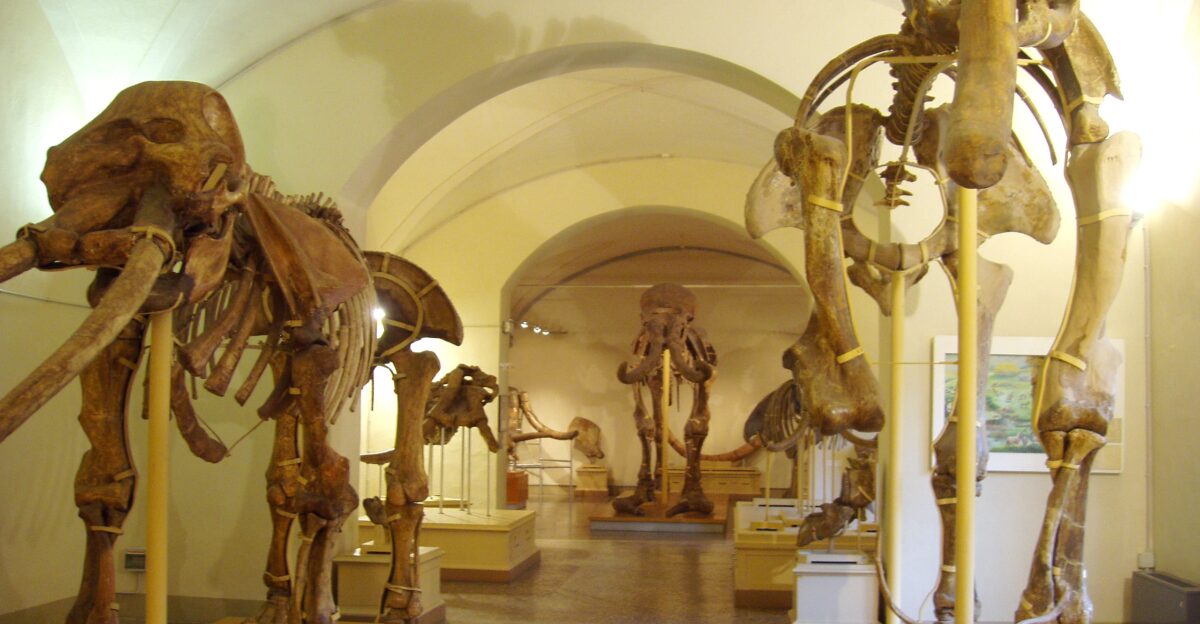
If bipedal capability in mid-sized sauropods remained hidden until 2025, what other behavioral superpowers lie dormant in fossil collections? The research team’s methodology opens possibilities: examining predator bite forces, locomotion speeds, and egg-laying mechanics using finite element analysis.
Ancient life was far more behaviorally complex than static bone analysis alone suggests, requiring modern engineering tools to reconstruct the existence of extinct species accurately.
The Bridge Between Disciplines
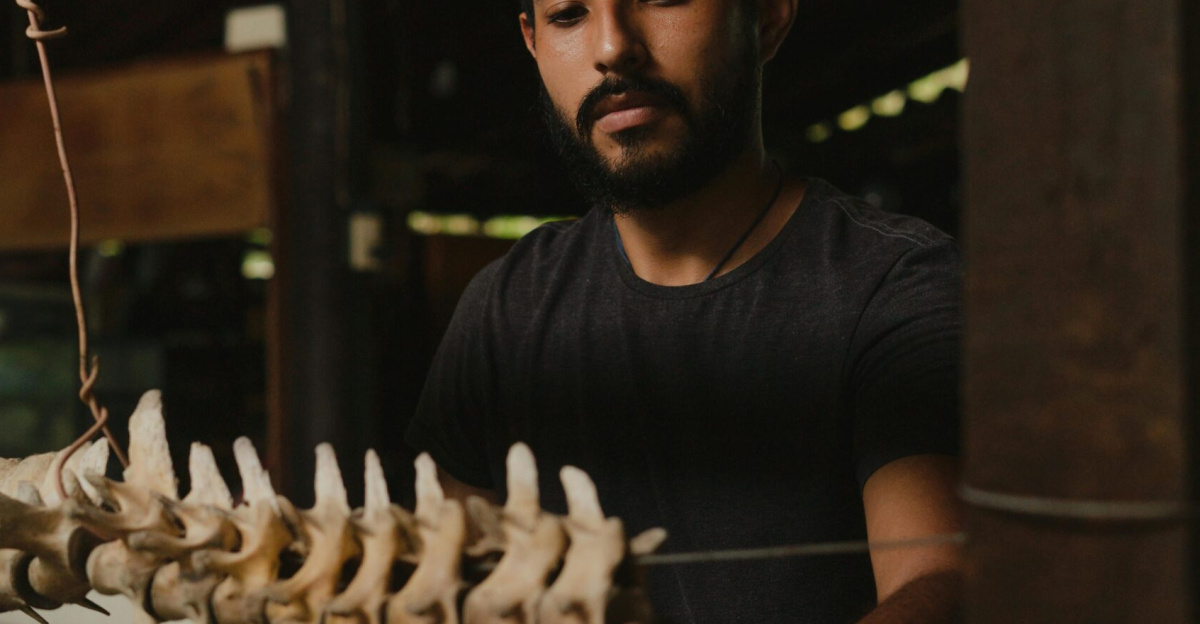
This study represents a watershed moment in paleontological methodology—proof that modern engineering tools resurrect behavior from fossilized remains with unprecedented precision. The collaborative approach requires expertise from multiple fields: paleontologists must understand fossil anatomy, engineers must set up biomechanically accurate models, and computer specialists must optimize simulations.
This interdisciplinary framework isn’t temporary but a template for future dinosaur research worldwide.
Racing Against Time: Fossil Sites Vanishing
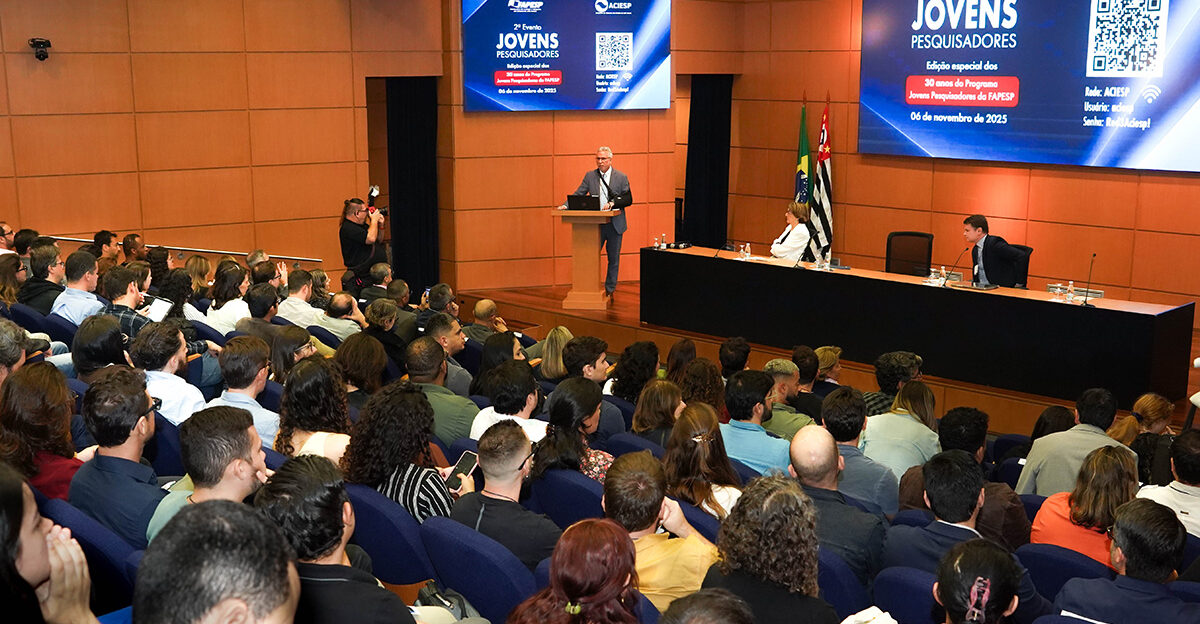
Fossil sites worldwide are vanishing due to erosion, climate change, and human development. Natural history museum specimens used in this study represent irreplaceable archives of extinct life. Scientists are racing to digitally preserve and biomechanically analyze collections before geological and climatic forces destroy the remaining specimens.
FAPESP-funded research highlights the importance of international collaboration and sustained funding as critical paleontological infrastructure.
New Questions Emerge from Answered Riddles
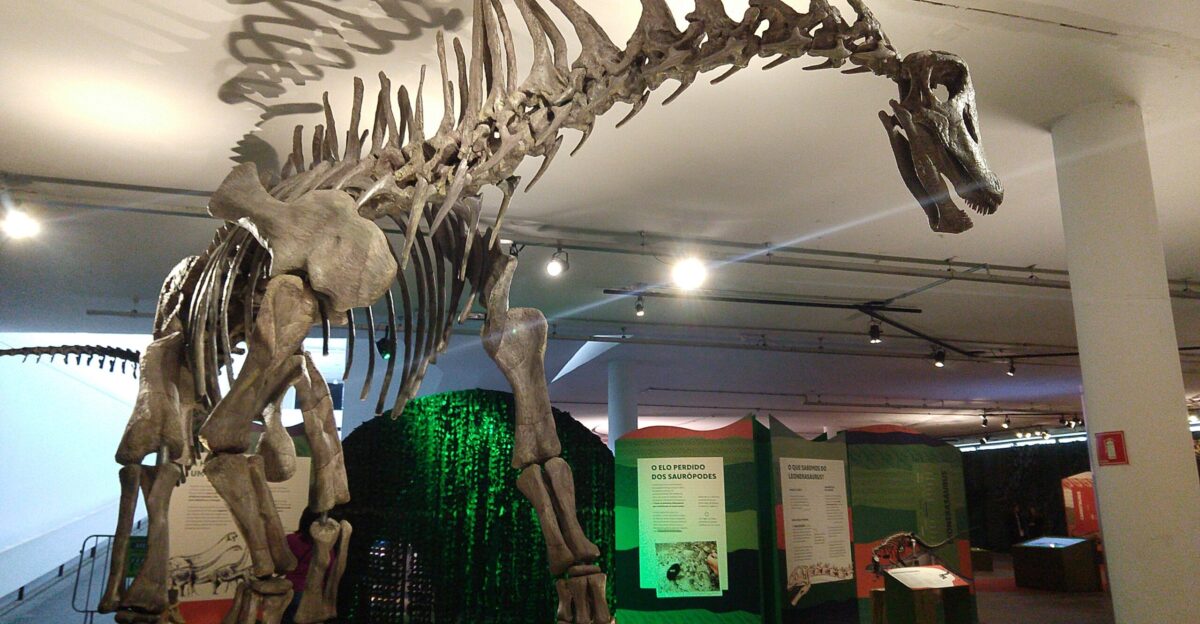
This discovery answers a decades-old question—could mid-sized sauropods stand upright?—with definitive biomechanical, yes. But each answer spawns fresh mysteries: Did bipedal posture influence mate selection? Did it alter predator-prey dynamics?
How did behavior correlate with neck structure, tail morphology, or brain decision-making capability? The revolution in dinosaur movement science has only begun.
The Compact Titans Who Rewrote 66-Million-Year-Old History
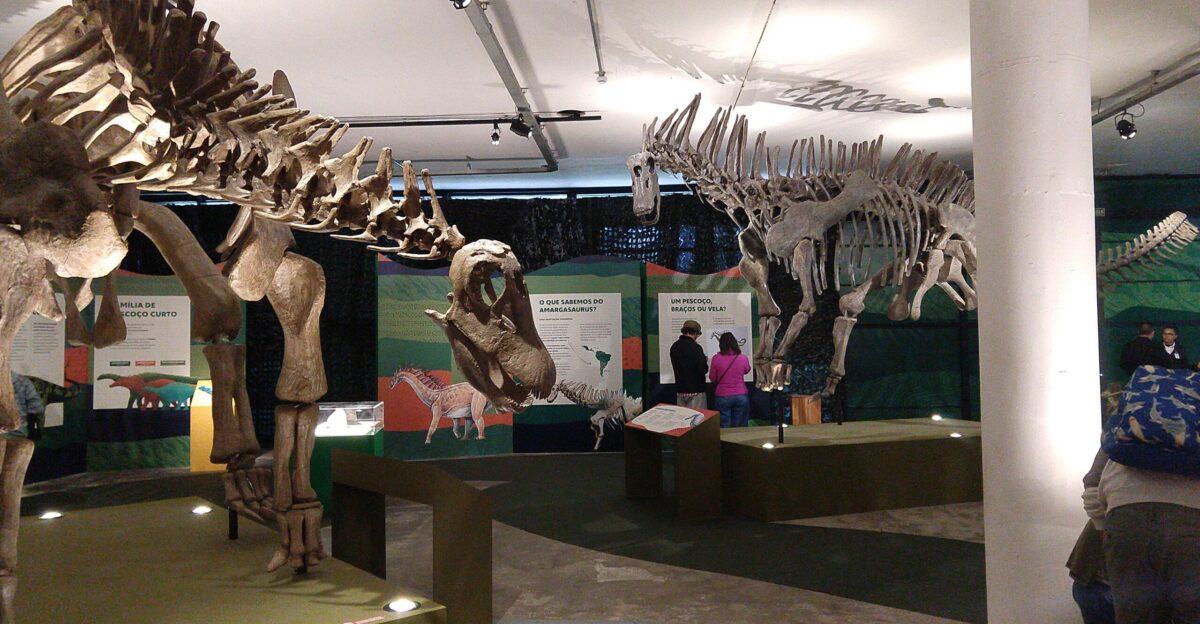
Uberabatitan and Neuquensaurus have become unlikely catalysts for completely reimagining how extinct animals lived, competed, and survived 66 million years ago. These South American sauropods prove that smaller doesn’t mean weaker—it means more innovative, more adaptable, and behaviorally flexible.
Their bipedal mastery unlocked survival advantages their supersized cousins could never achieve, triggering a fundamental rethinking of dinosaur paleobiology and evolution.