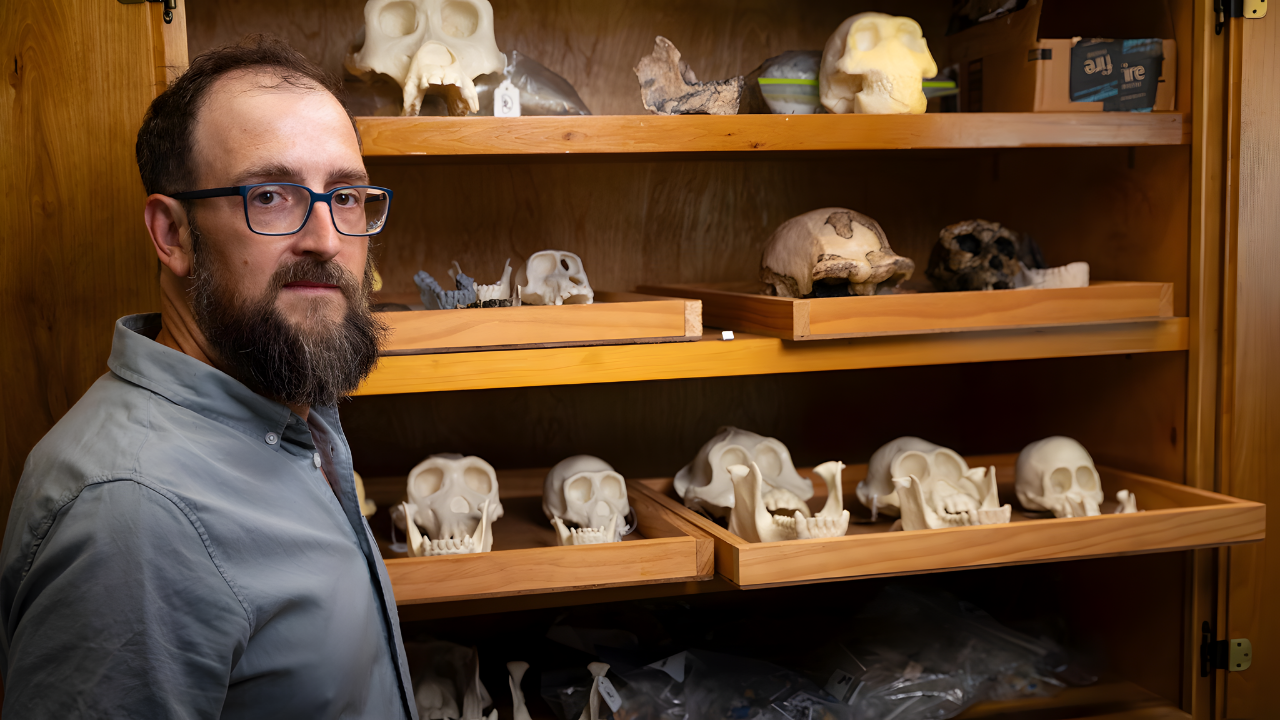
Scientists working in Ethiopia’s Afar Region have made discoveries that rewrite our understanding of early human history. For over 100 years, textbooks have depicted human evolution as a linear progression from ape-like creatures to modern humans. The latest fossil finds tell a different story.
Researchers have discovered that our genus, Homo, appeared approximately 400,000 years earlier than previously thought, dating back to around 2.8 million years ago. Even more surprisingly, these early humans lived alongside another human-like species for hundreds of thousands of years. The picture emerging from East Africa suggests that human evolution was less like a simple ladder and more like a complex family tree with many branches growing simultaneously.
The breakthrough came from the Ledi-Geraru Research Project, which Arizona State University researchers started in 2002. The Afar Triangle already held a special place in the study of human origins. In 1974, scientists discovered “Lucy,” a 3.2-million-year-old skeleton that proved our ancestors walked upright long before their brains had grown larger. The Ledi-Geraru team spent years searching hills covered in volcanic ash, which scientists can date with great precision using argon-argon methods.
In 2013, excavators discovered a partial lower jaw with several teeth, labeled LD 350-1, and dated to approximately 2.75 to 2.8 million years ago. When researchers published their findings in the journal Science in 2015, they identified this jaw as the oldest known fossil of an early Homo species. Before this discovery, most scientists believed Homo first appeared around 2.3 to 2.4 million years ago, based mainly on fossils of Homo habilis.
Two Species, One Landscape

Between 2015 and 2020, the research team recovered 13 fossilized teeth from the same area, all of which dated between 2.6 and 2.8 million years old. After careful study, scientists determined that some teeth belonged to early Homo, while others came from a previously unknown species of Australopithecus.
Scientists had believed this Australopithecus lineage disappeared from the Afar region around 2.9 to 3 million years ago. The new teeth, some dated to approximately 2.63 million years ago, proved that this species survived much longer than anyone had expected. A study published in Nature on August 13, 2025, concluded that at least two distinct human-like species coexisted in the same location at Ledi-Geraru for hundreds of thousands of years.
Teeth play a crucial role in understanding ancient human history because their hard enamel can survive for millions of years, even when bones break down and decompose. Scientists examine tooth shapes, sizes, and microscopic wear patterns to identify different species and learn what they ate. The Ethiopian discoveries align with a pattern that researchers have found hundreds of miles south in Kenya’s Omo-Turkana Basin.
A 2025 study of more than 1,200 fossils revealed that early Homo and another genus, Paranthropus, coexisted for approximately 1.5 million years. The Ledi-Geraru findings push this pattern of coexistence even further back in time.
Climate, Competition, and Unanswered Questions
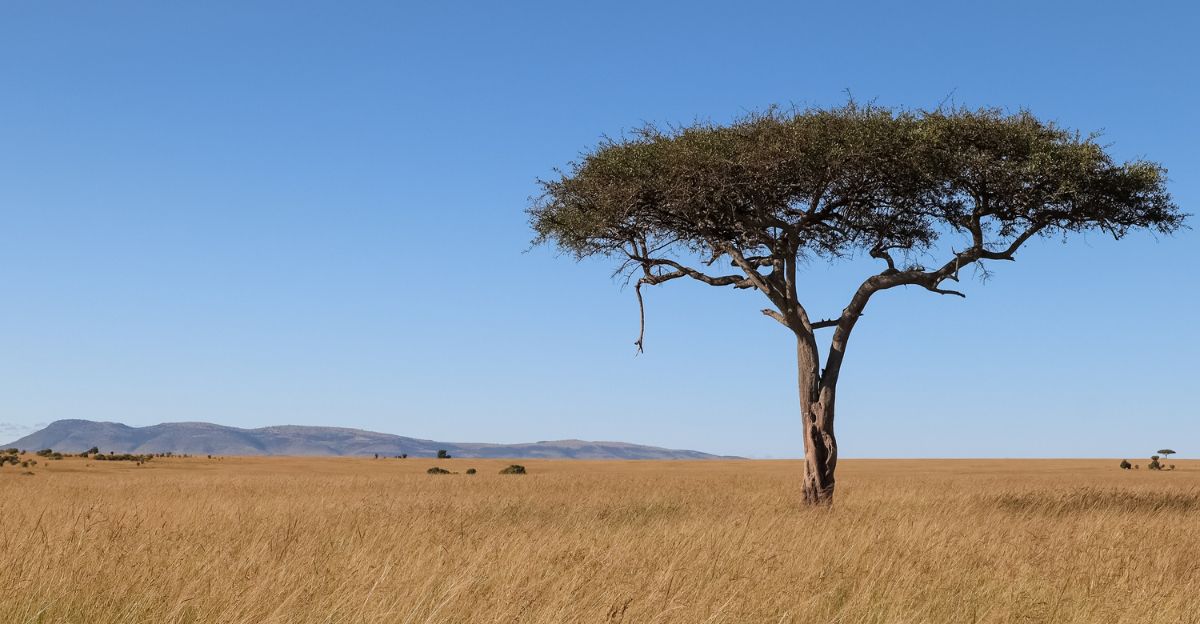
Geological evidence indicates that the Afar region appeared significantly different approximately 2.8 to 2.6 million years ago. Instead of today’s dry landscape, the area featured a changing mix of environments. As the climate grew drier, grasslands expanded while forests contracted, and water became increasingly scarce. These environmental pressures likely forced both species to adapt their diets and behaviors.
Wear patterns on the Ledi-Geraru teeth suggest that both early Homo and Australopithecus changed their diets in response to these challenges. However, many questions remain unanswered. Scientists have not yet found skulls, limb bones, or stone tools clearly connected to the 2.8-million-year-old Homo fossils. The earliest widely accepted stone tools appear approximately 200,000 years later, leaving researchers to wonder when and why systematic tool use began.
The discoveries at Ledi-Geraru demonstrate how new fossils consistently reveal greater diversity among human relatives than scientists previously assumed, transforming our understanding of where we came from.
Sources
UNLV News, November 24, 2025
Nature, August 13, 2025
CNN, January 24, 2025
University of Arkansas News, August 12, 2025
Fana MC, August 12, 2025
Scientific American, August 13, 2025