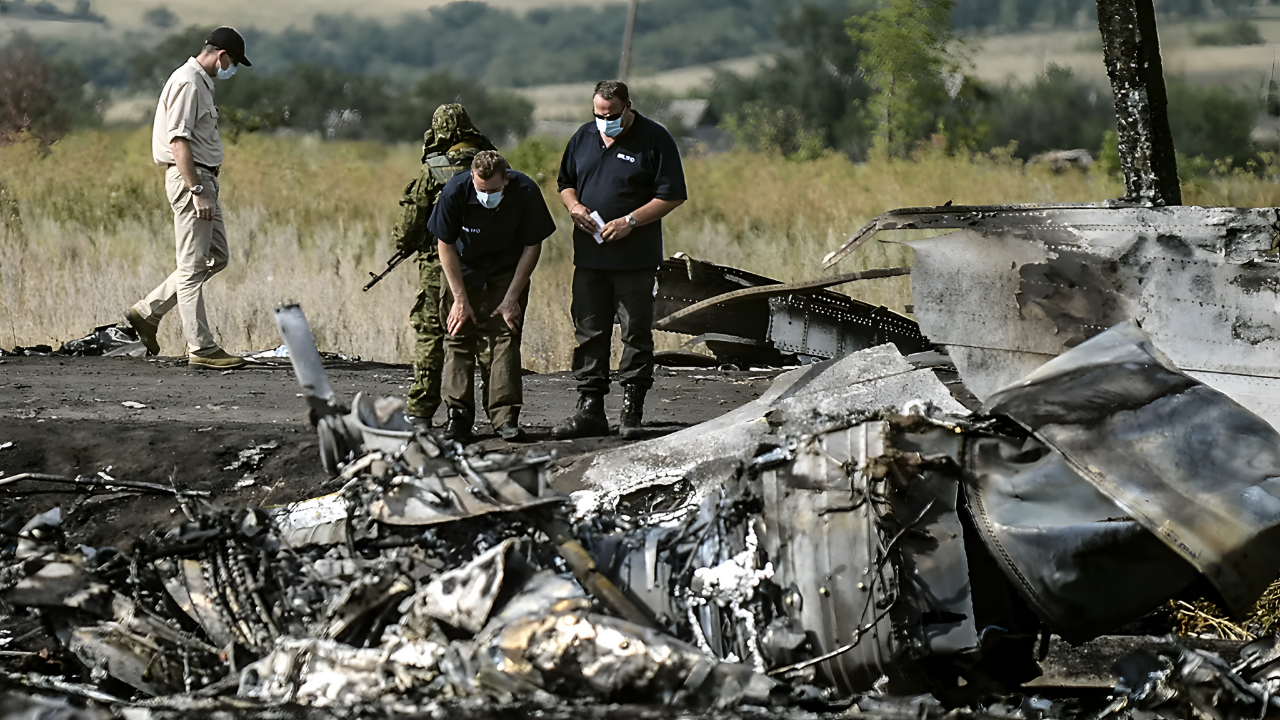
A Ukrainian drone strikes with precision, tearing through the air as it hits Russia’s prized Mi-26 helicopter at Kirovske airfield in occupied Crimea. The world’s largest operational transport helicopter, worth $25 million, erupts into flames. It is the first time in history that the Mi-26, a cornerstone of Russia’s logistical power, has been lost in combat during the ongoing war.
As the fire consumes the massive aircraft, Russia’s shrinking fleet faces a permanent blow. What does this loss mean for Russia’s heavy-lift capabilities? The ripple effect on their operations is just beginning.
How the Strike Happened
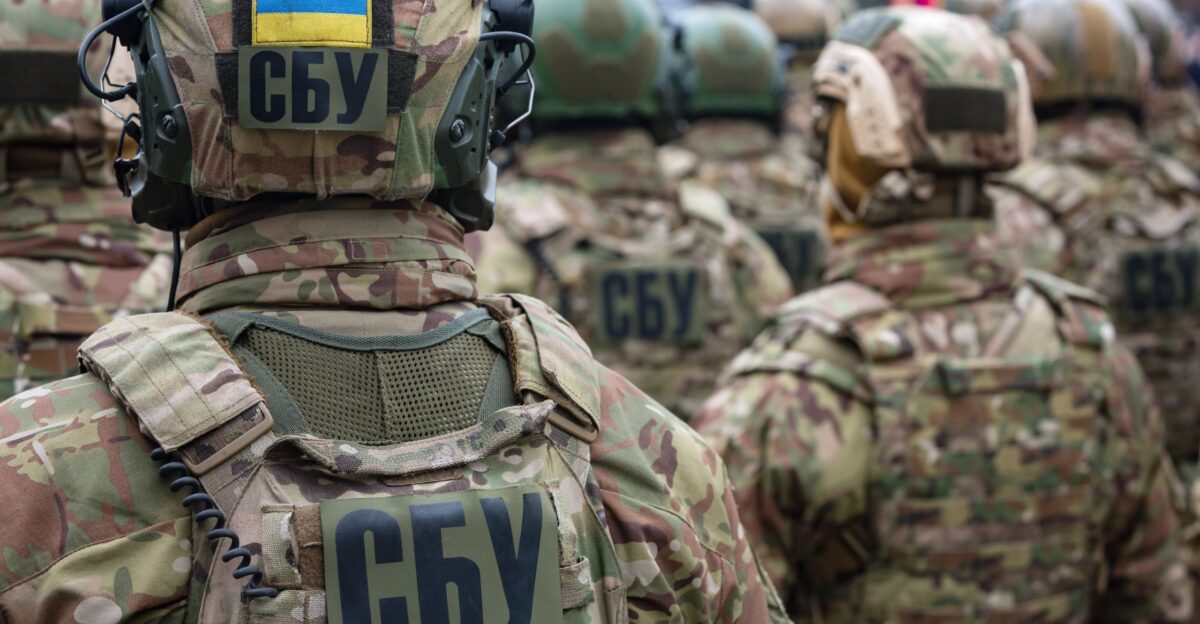
The SBU’s December 2025 recruitment video revealed drone footage of the strike on the Mi-26. The footage showed the drone targeting the parked helicopter at Kirovske.
This successful strike was part of a broader overnight operation, with SBU forces targeting key Russian military assets in Crimea, closing previous information gaps regarding the attack.
Immediate Military Shock
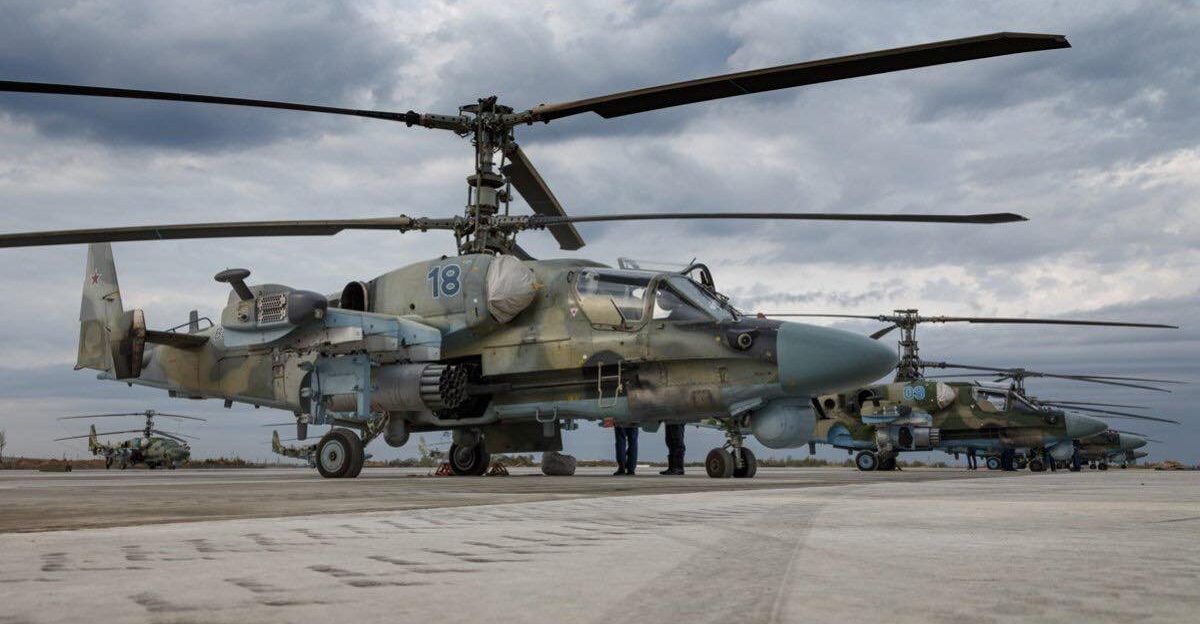
The June 27–28 strike resulted in the destruction of multiple Russian helicopters, including the Mi-26, Mi-8, and Mi-28, along with a Pantsir-S1 air defense system.
This coordinated attack at Kirovske airfield not only destroyed vital assets but also crippled Russia’s already strained helicopter fleet in Crimea, especially the irreplaceable Mi-26.
Why the Mi-26 Matters So Much
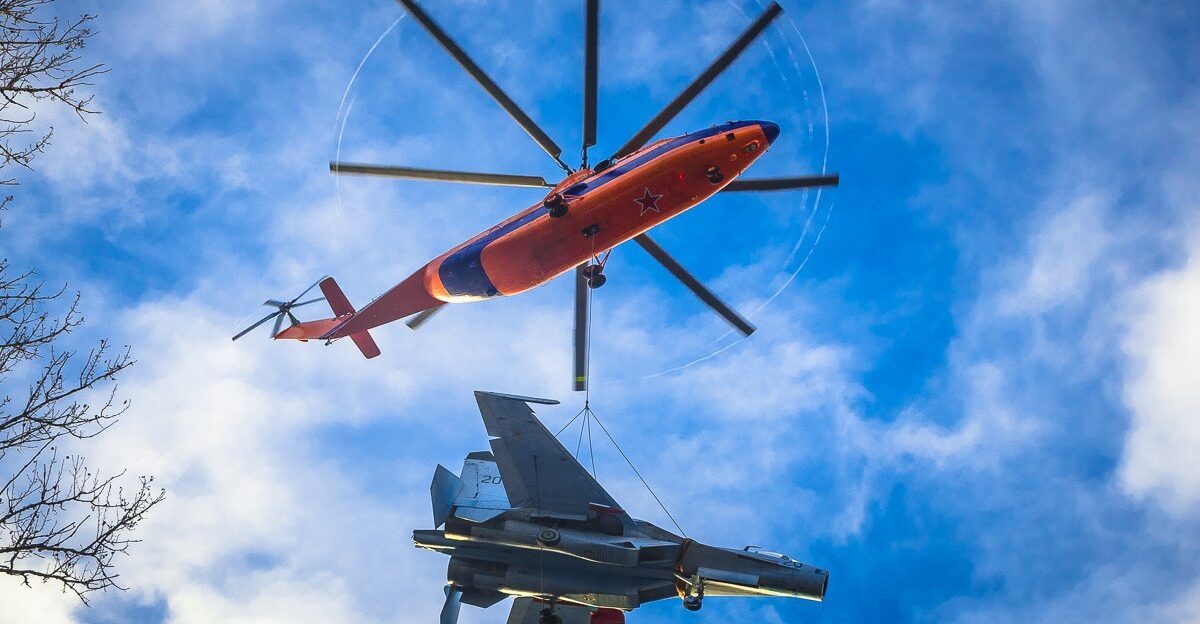
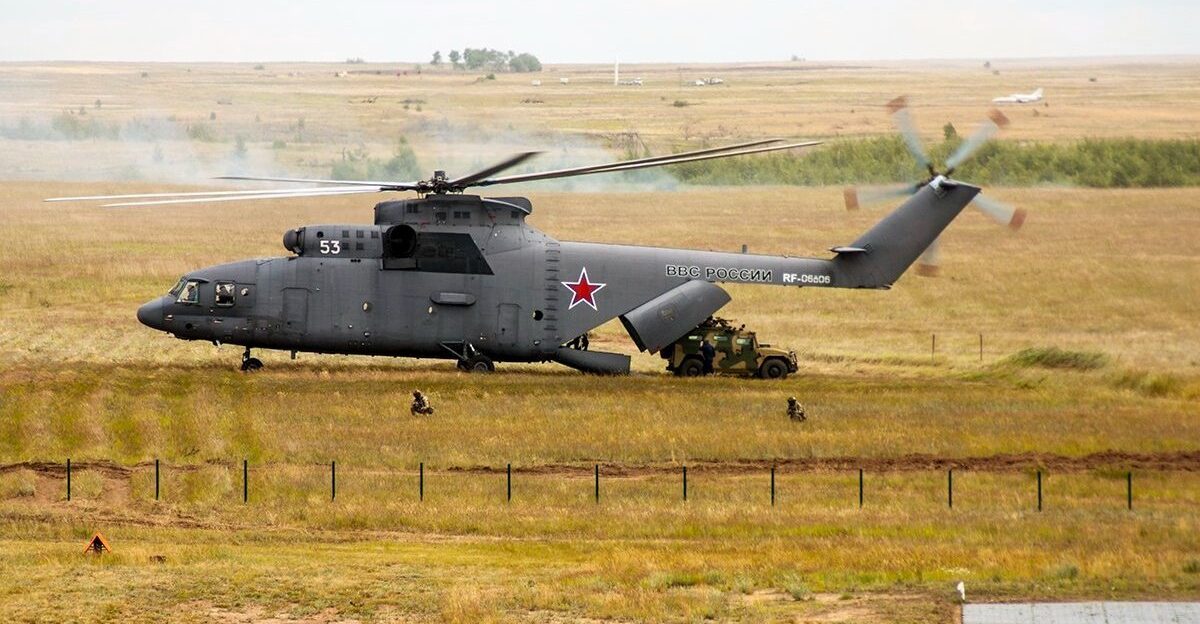
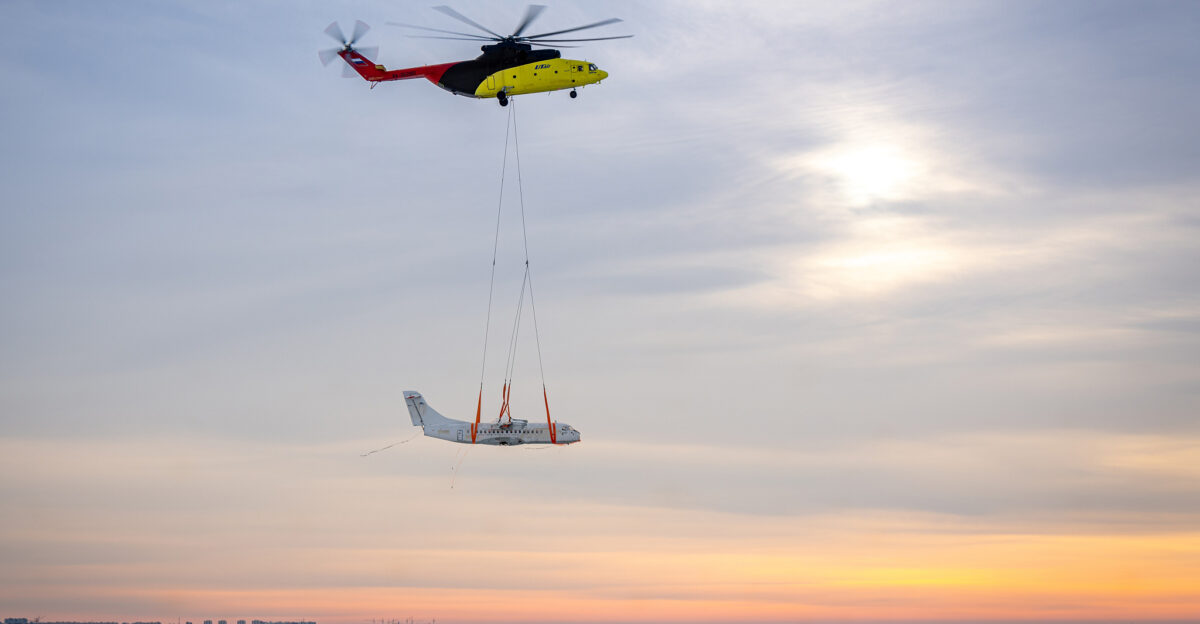
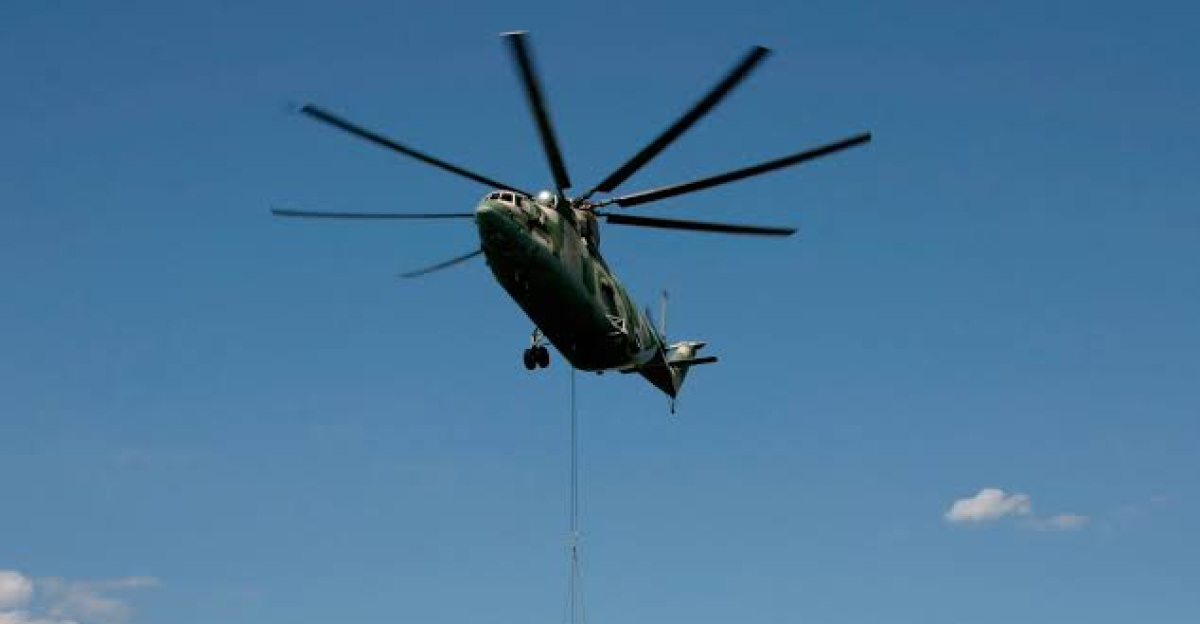
The Mi-26 is the largest and most capable helicopter in Russia’s fleet. With a maximum cargo capacity of 20 tonnes, it has been critical for transporting personnel, fuel, and military equipment to hard-to-reach areas.
Its heavy-lift capabilities have made it a unique asset in Russia’s logistical operations, particularly in contested territories like Crimea.
A Rare Airframe, Hard to Replace
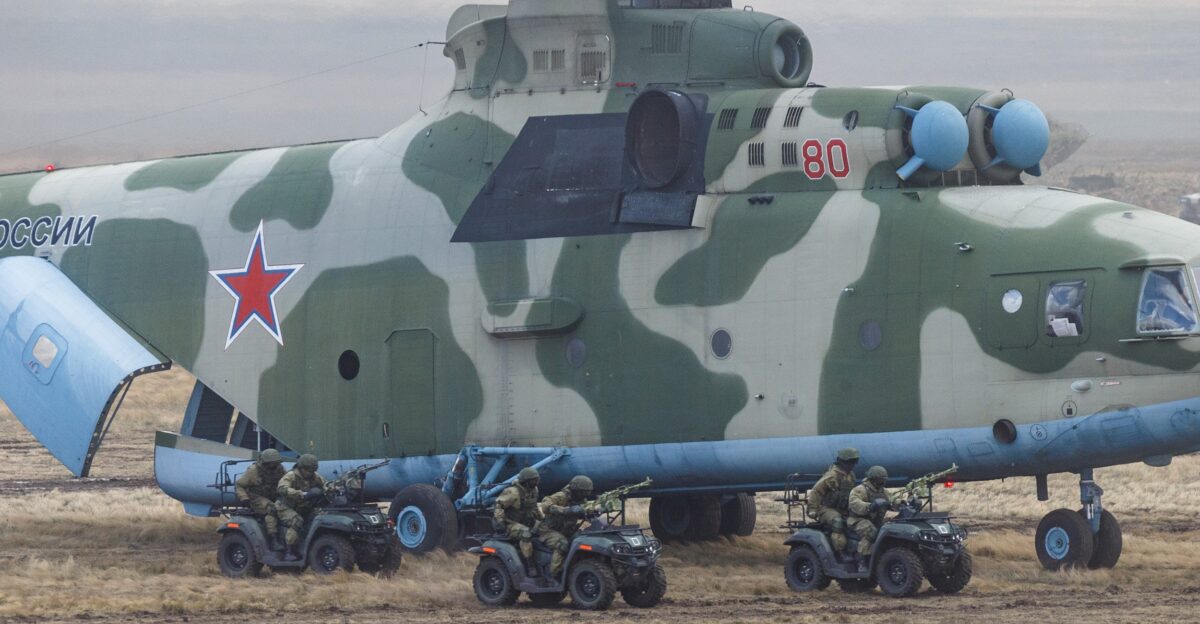
This destruction marks the first confirmed loss of a Mi-26 in the Ukraine war. However, the Mi-26 has previously suffered combat losses: two helicopters were destroyed during the First Nagorno-Karabakh War in 1992, and one was shot down on August 19, 2002, at the Khankala base near Grozny in Chechnya, killing 127 people in the deadliest helicopter disaster in aviation history.
With its high production costs and limited number, each Mi-26 lost is a permanent blow to Russia’s heavy-lift capacity. The helicopter was a key player in transporting critical supplies and forces, making its loss even more significant.
Production Freeze and Engine Sanctions
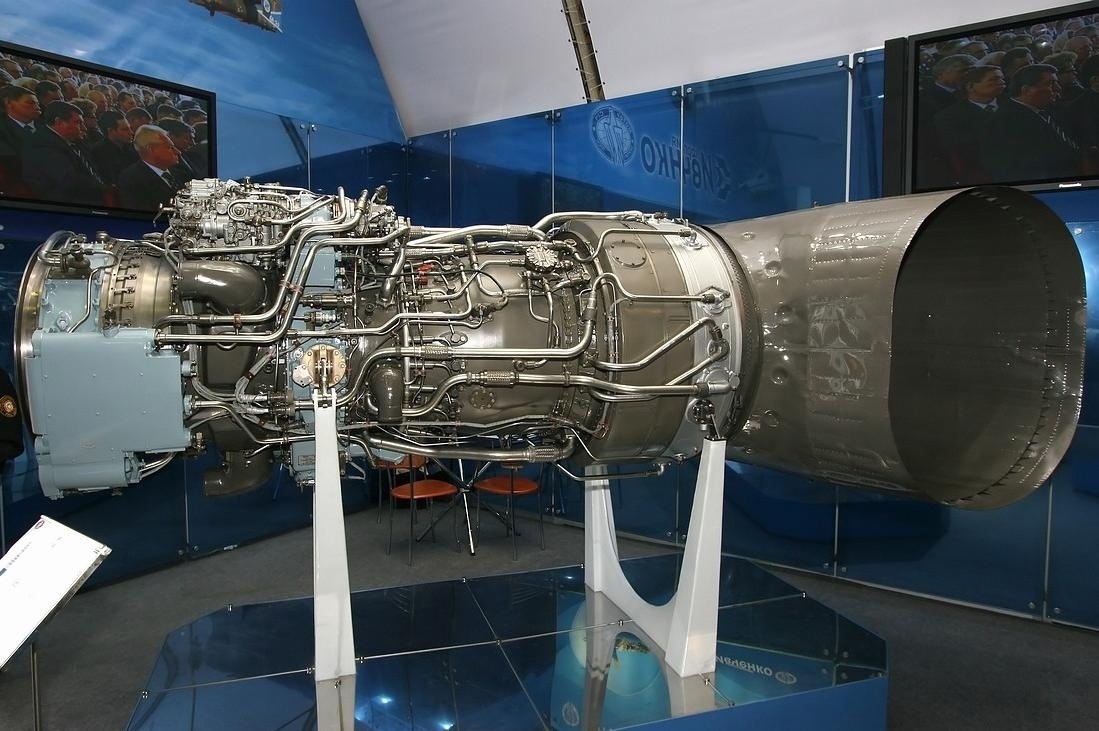
Since 2019, Russia has been unable to produce new Mi-26 helicopters due to reliance on Ukrainian-built D-136 engines.
With the ongoing war and severed ties, Russia can no longer import these engines, leaving the Mi-26 fleet aging with no immediate replacements. Efforts to find alternative powerplants have been unsuccessful, making the fleet even more vulnerable.
Logistics Under Strain
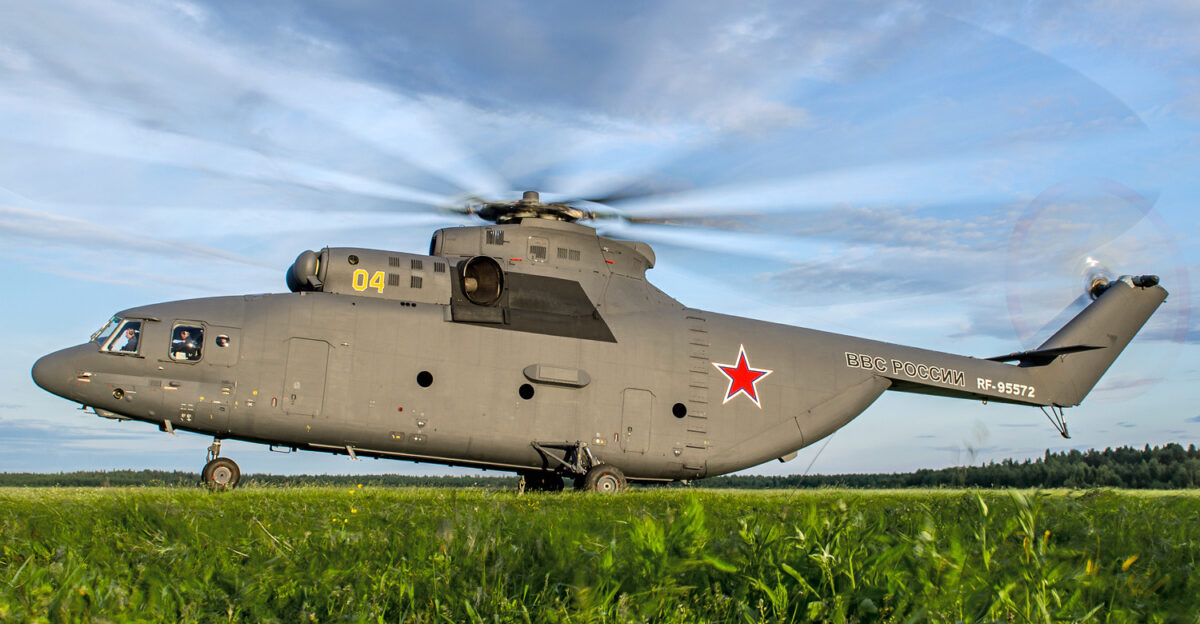
The Mi-26 was a cornerstone of Russia’s logistical operations, enabling the rapid transport of large loads like ammunition, fuel, and heavy equipment.
The loss of the Mi-26 at Kirovske creates major logistical hurdles for Russian forces, forcing them to rely on smaller, less capable helicopters, which ultimately delays supply missions and stretches the already overburdened Russian logistics network.
Air Defense and Drone Dynamics
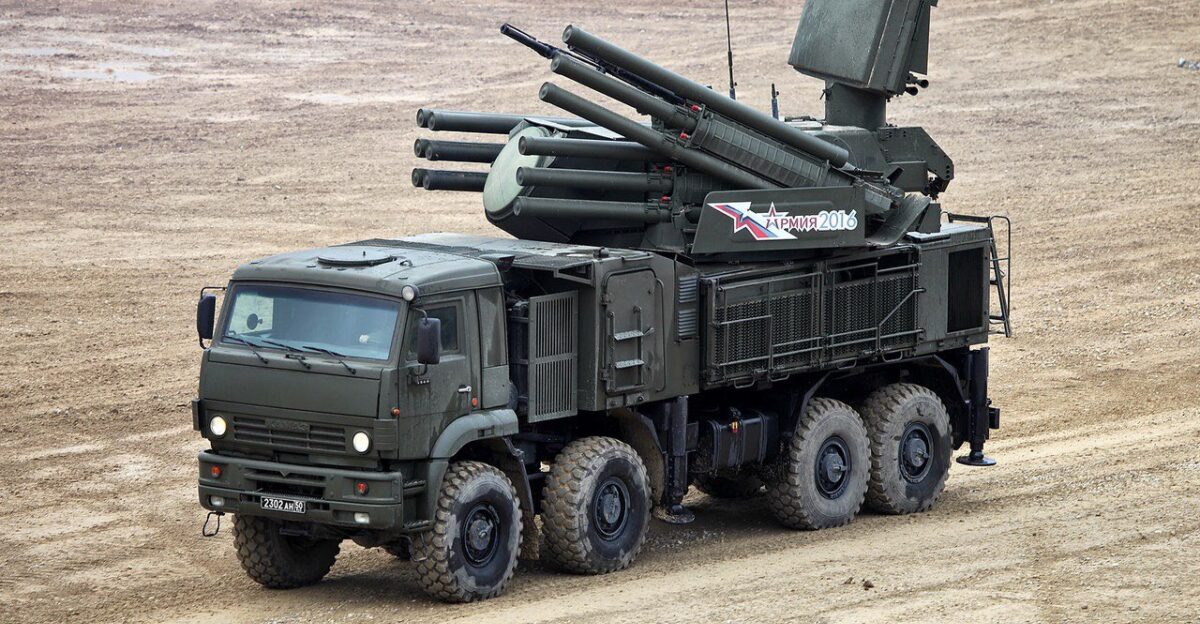
The attack on Kirovske also destroyed a Pantsir-S1 air defense system, emphasizing the growing threat of Ukrainian drones.
The effectiveness of these drones in penetrating Russian defenses, even at high-value bases like Kirovske, shows a shift in the battlefield dynamics. These strikes force Russia to adapt quickly to counter the increasing drone threat.
Crimea’s Strategic Airfields in the Crosshairs
Kirovske is one of several airfields in Crimea that have been repeatedly targeted since 2022. Strikes on these bases are part of Ukraine’s strategy to weaken Russia’s ability to operate aircraft in the region.
The destruction of such key assets signals that no part of Crimea is safe from Ukrainian attacks, not even well-defended military hubs.
Human Impact on Aircrews and Technicians
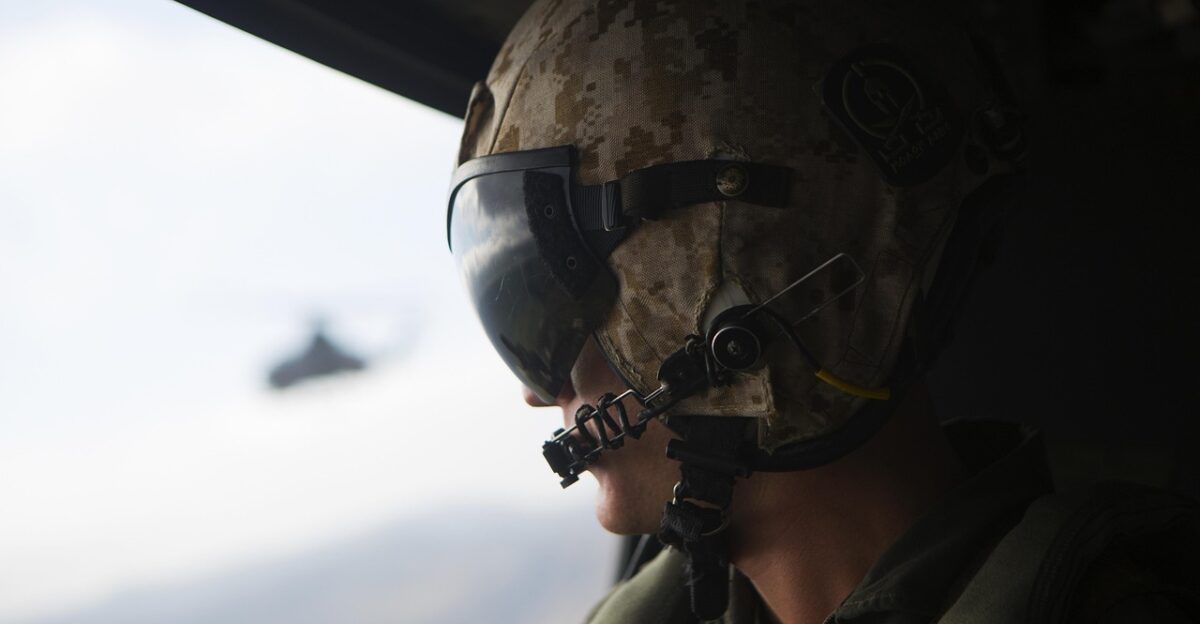
Behind each destroyed Mi-26 is a crew of highly trained pilots, engineers, and technicians who have spent years learning how to operate and maintain this complex machine.
The repeated attacks on Crimean airbases not only take out valuable assets but also result in casualties among these specialized personnel, who are harder to replace than regular infantry units.
Policy and Procurement Repercussions in Moscow

This Mi-26 loss puts pressure on Russia’s defense industry to accelerate the development of domestic engines and explore alternative transport options.
However, due to the sanctions and the difficulty in sourcing components, Russia’s ability to rebuild its heavy-lift fleet is constrained, complicating its defense and logistical strategies in Ukraine.
Signals to Allies and Defense Markets

The confirmed loss of such a significant asset showcases the growing importance of drones and intelligence in modern warfare.
For Ukraine’s allies, this incident may reinforce the effectiveness of low-cost drone technologies in neutralizing high-value military platforms, potentially influencing future military aid and defense investment strategies.
Shifting Perceptions of Air Power
The Mi-26’s destruction challenges conventional wisdom about the invincibility of large, expensive military hardware. Ukrainian drones have proven that even the most powerful helicopters are vulnerable to persistent unmanned threats.
This incident shifts the narrative around air power, with drones emerging as a potent tool for undermining traditional air superiority.
Strategic Winners, Losers, and Consumer Takeaways

For Ukraine, the destruction of Russia’s rare Mi-26 is both a symbolic and practical victory. It forces Russia to rely on smaller, more frequent sorties, raising operating costs and diminishing operational efficiency.
For civilians and investors, this loss highlights the growing importance of drones, electronic warfare, and air defense in modern security strategies.
What Comes Next for Heavy-Lift Warfare
Looking ahead, Russia will likely disperse its remaining heavy-lift helicopters and fortify its bases in Crimea. For Ukraine, the Kirovske operation shows the continued relevance of drones and intelligence in warfare.
This event marks a turning point in how both sides approach the risks and vulnerabilities of heavy-lift helicopters in contested airspace.
Sources:
“Ukraine’s Security Service Confirms First Destruction of Russian Mi-26 Heavy Transport Helicopter During This War.” Defence-UA, 7 Dec 2025.
“Russia Loses World’s Largest Helicopter, Mi-26, in Ukrainian Attack on Crimea.” Military Magazine, 1 July 2025.
“Ukraine Takes Out Russia’s Rarest Helicopter: Mi-26 Destroyed With No Replacement Line.” United24Media, 7 Dec 2025.
“2002 Khankala Mi-26 Crash.” Wikipedia, 14 Oct 2005.