You’ve probably heard the horror stories: EV batteries fail quickly, replacement costs soar, and your dream electric car turns into an expensive paperweight in just a few years. But what if that perception is completely wrong?
A new Swedish study examined 1,300 real-world electric vehicles and found surprising results. “It’s not tied to a typical car or a typical manufacturer. Rather, it’s related to wear and tear,” says Martin Reinholdsson, head of testing at Kvdbil. Eighty percent of vehicles still held 90% of their original battery capacity after years of use. The truth about EV battery longevity is far more encouraging than headlines suggest—and it could change the way you buy your next car.
Inside the Kvdbil Research
Kvdbil conducted one of the most detailed EV battery longevity studies in Europe. Led by testing head Martin Reinholdsson, the team analyzed 1,300 used electric vehicles to understand how real driving and charging patterns affect long term battery health.
Their focus on secondhand EVs offered rare insight into actual wear rather than lab conditions. The findings reveal trends that challenge common assumptions about EV aging. That sets the stage for a deeper look at what they discovered next.
What the Study Examined
Researchers analyzed 1,366 total vehicles, including 723 full EVs and 643 plug in hybrids. Instead of relying on new models or controlled tests, they measured the State of Health to see how much original battery capacity remained after years of real use.
This real world approach uncovered patterns most lab tests overlook. The results show a clearer picture of battery life under everyday conditions, and the numbers surprised even industry experts.
Encouraging Findings Across the Board
The results were strongly positive. Eighty percent of all vehicles still held at least 90 percent of their original battery capacity. Average loss was only about 10 percent after roughly 145,000 kilometers, proving that EV batteries endure more than many drivers expect.
Some models even crossed 300,000 kilometers while maintaining strong performance. These findings point toward longer EV lifespans than many early predictions suggested, which raises an important question about what really affects longevity.
What Shapes Battery Longevity
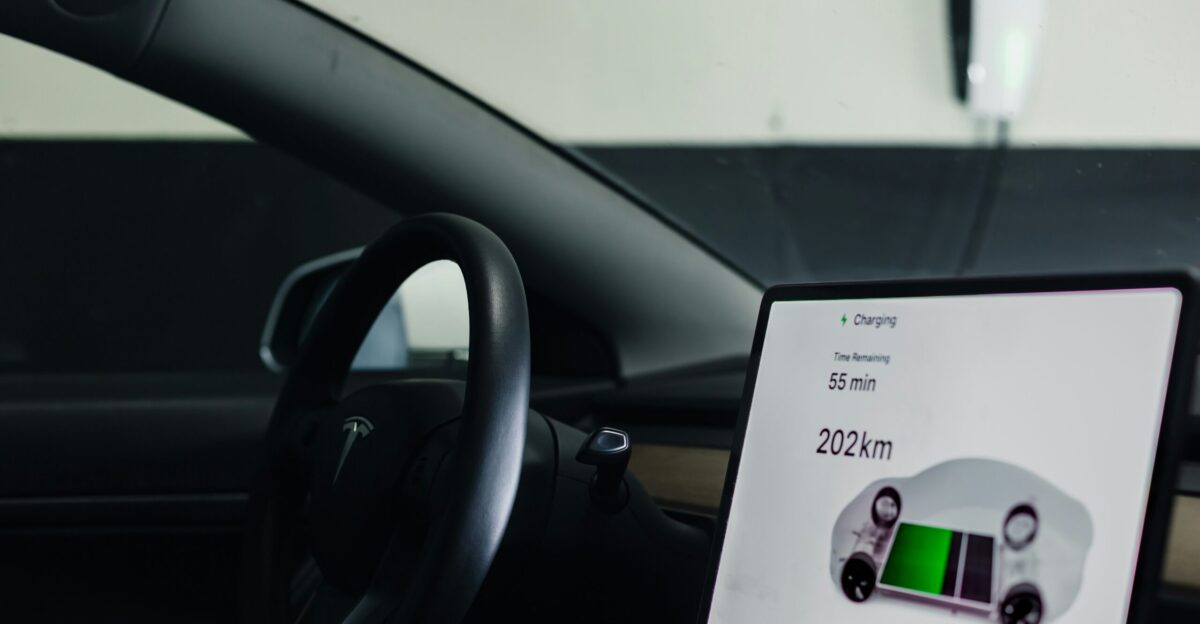
The study found that brand and age mattered less than owner behavior. As Martin Reinholdsson put it, “It’s not tied to a typical car or a typical manufacturer. Rather, it’s related to wear and tear.” Driving style, charging habits, temperature, and fast charging were major factors.
Keeping a battery between 20 and 80 percent and limiting fast charging slowed degradation noticeably. These patterns reshape how buyers should evaluate an EV, revealing something important about long term ownership.
What Buyers Should Take Away
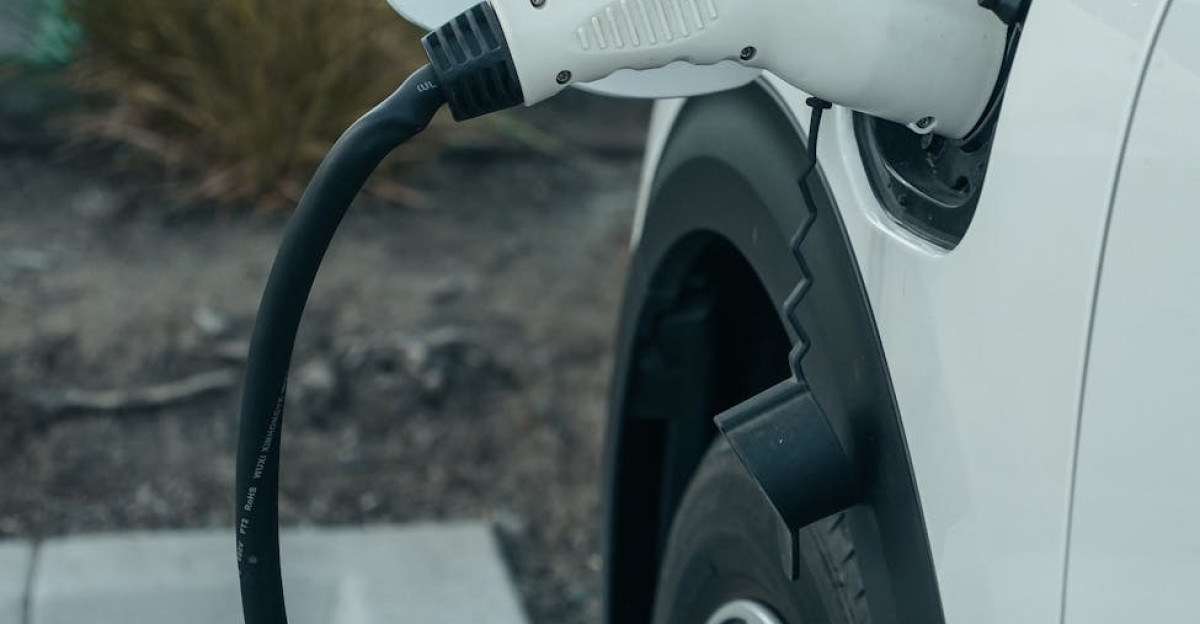
The research debunks the belief that EV batteries quickly weaken. Secondhand EVs proved reliable, and most warranties already guarantee at least 70 percent capacity for seven to ten years. Real world data shows these systems often outperform the guarantees.
Driver behavior frequently outweighed brand prestige. Korean automakers performed especially well thanks to strong thermal management and chemistry. That insight leads into how different brands ranked when tested side by side.
How the Top Ten Were Determined
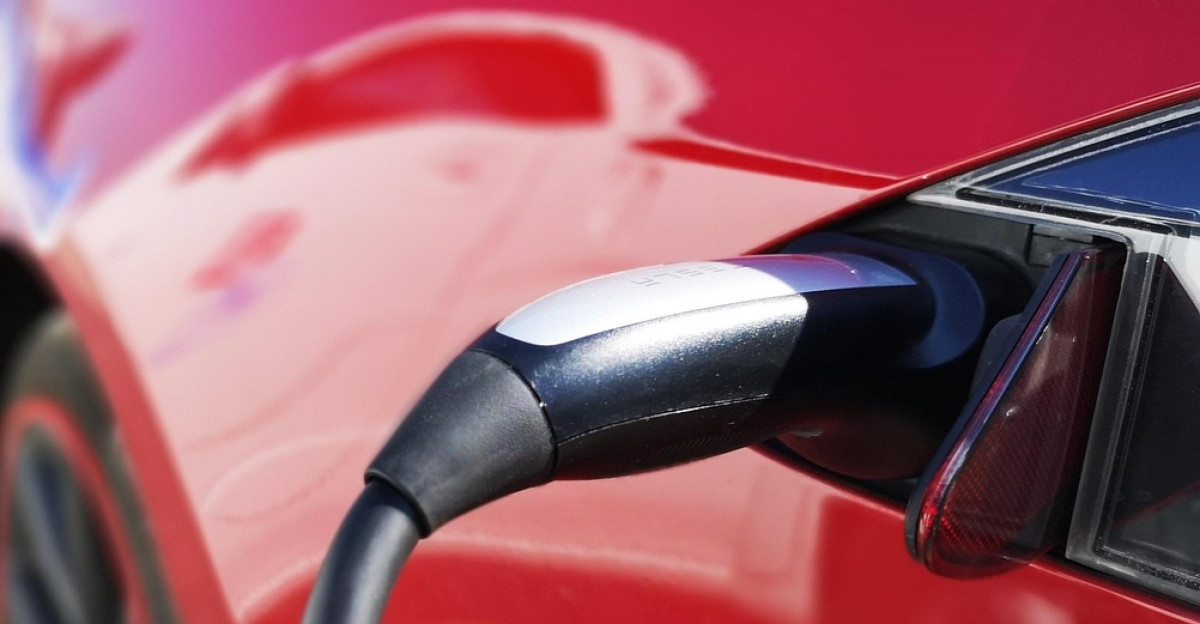
Kvdbil compared battery health across all 1,300 tested vehicles to identify the ten brands with the strongest State of Health retention. Their rankings reflect sustained performance across both EVs and PHEVs under realistic use.
While looking into each brand, it helps to understand why these leaders stood out. Their place in the rankings highlights notable engineering choices that kept capacity high over years of daily driving.
#1 Kia
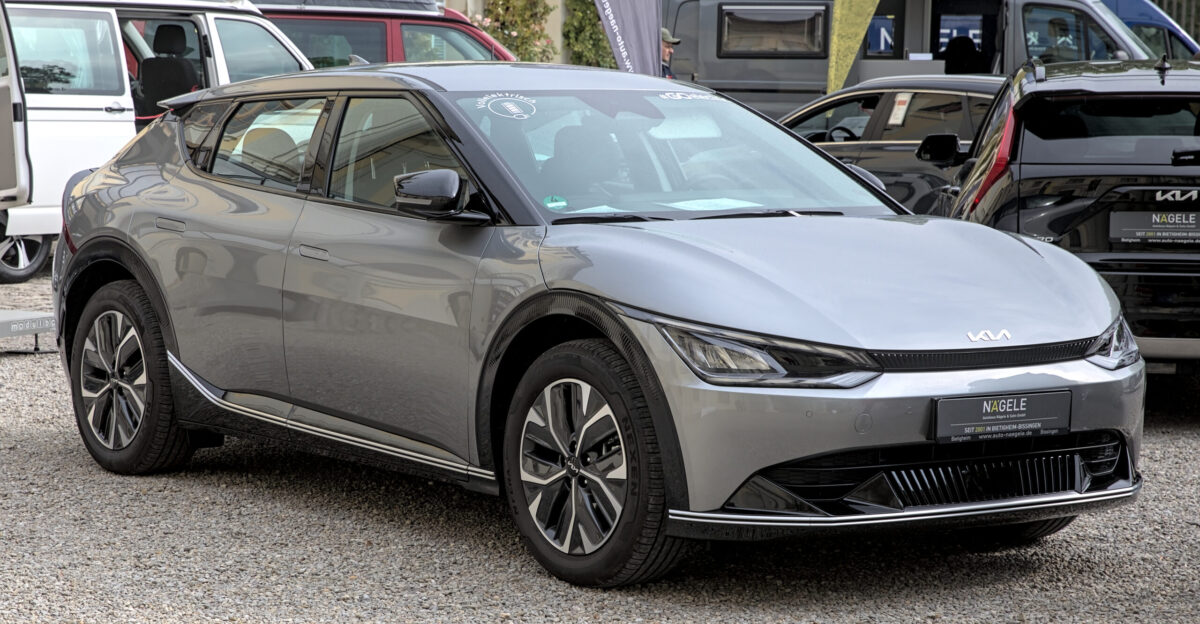
Kia secured the top position with standout consistency. The Kia EV6 showed the lowest degradation of any model in the entire study, while the Kia Niro EV placed second among individual EVs. Strong thermal controls and stable battery chemistry set Kia apart.
Their performance shows how engineering choices influence long term durability. This result also sets the tone for the rest of the brands that followed.
#2 Audi
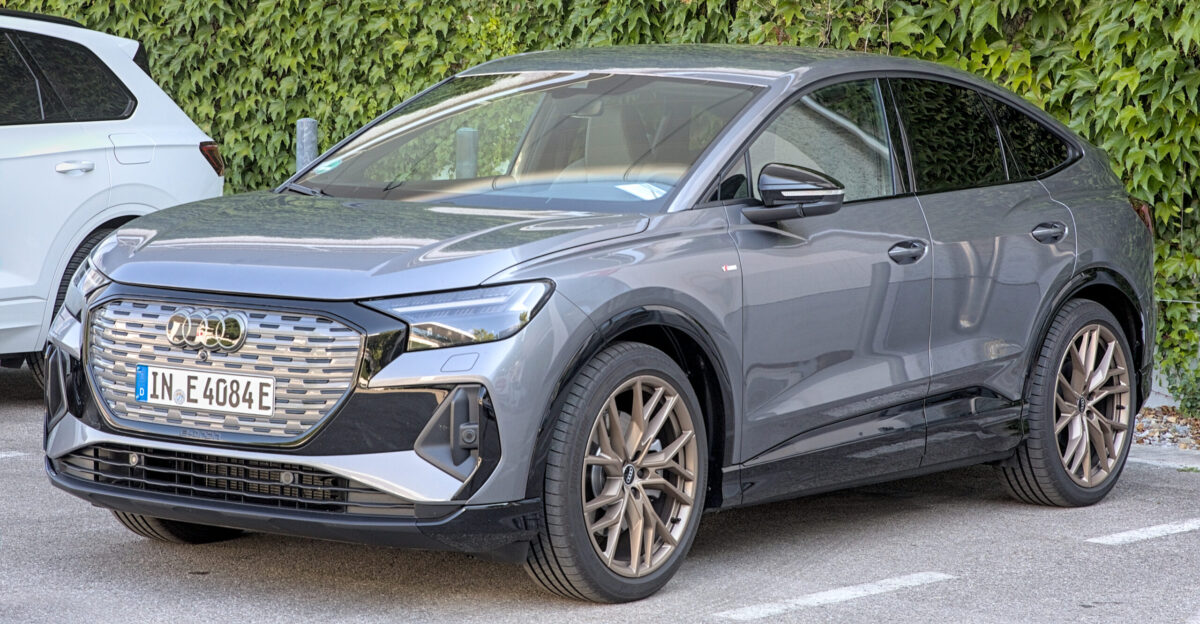
Audi delivered strong results supported by precise engineering. The Audi Q4 e Tron ranked sixth among all EV models, demonstrating skillful cooling design and stable battery management that preserved capacity well over thousands of kilometers.
Audi’s position reflects dependable real world performance rather than marketing claims. Their ranking raises the question of how other established brands measured up.
#3 Opel
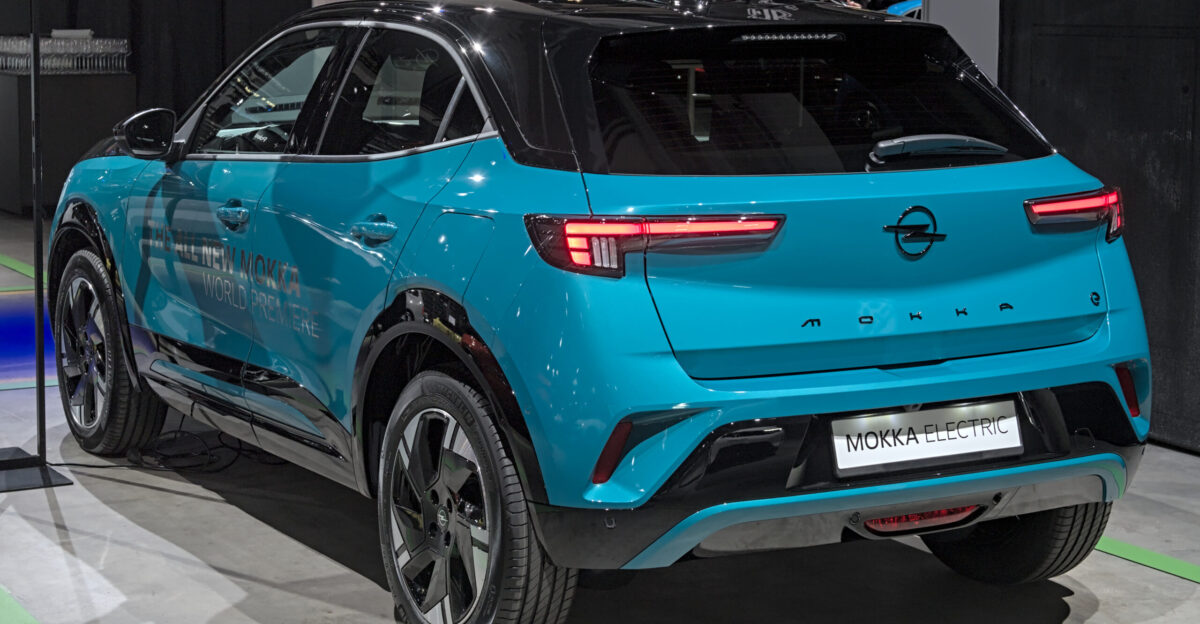
Opel secured a top three position by prioritizing longevity across its lineup. The Opel Mokka e landed fourth among individual EVs, showing that thoughtful engineering in mainstream vehicles can outperform luxury EVs.
The results reveal how Opel’s balanced design approach helps slow long term degradation. Their success makes the middle of the ranking even more interesting.
#4 Tesla
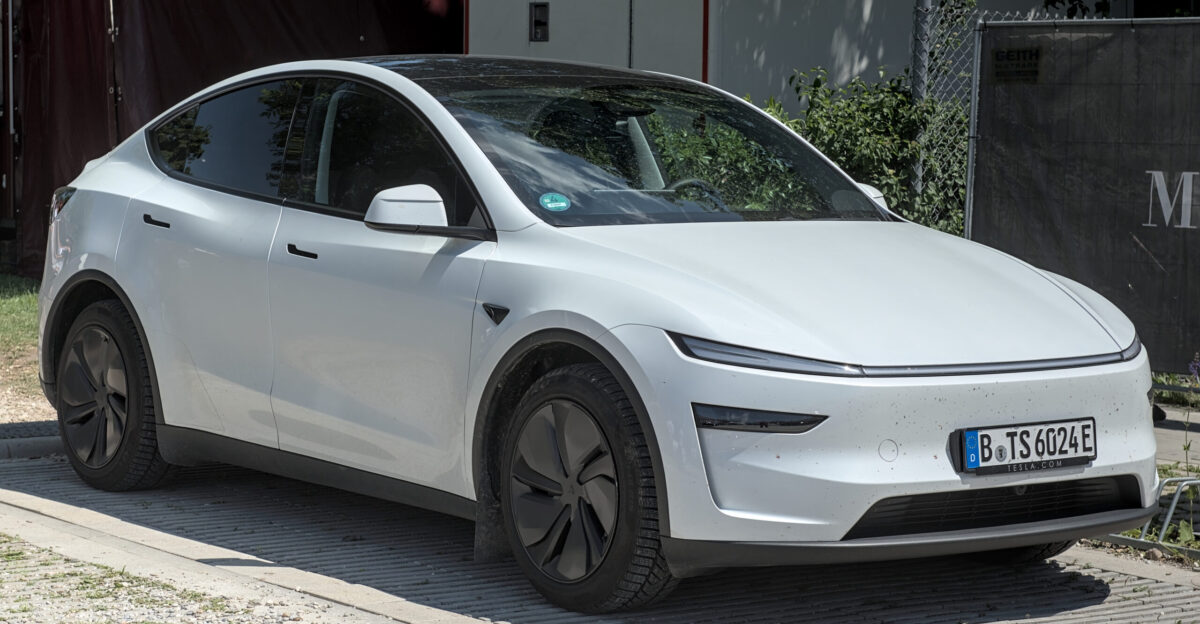
Tesla remained a top performer thanks to its well known battery management. The Model Y placed third among individual EV models, reinforcing Tesla’s reputation for software based capacity protection and steady thermal control under demanding conditions.
Tesla’s showing confirms its continued leadership, though not in the top two spots. That shift highlights how competition is intensifying.
#5 Mercedes Benz

Mercedes Benz demonstrated strong durability through advanced thermal systems that protected batteries from temperature swings. Their EV platform consistently preserved capacity over extended use, validating their premium engineering approach.
Their placement shows that luxury alone does not guarantee the top positions. It also hints at how mass market competitors edged ahead in this study.
#6 Peugeot
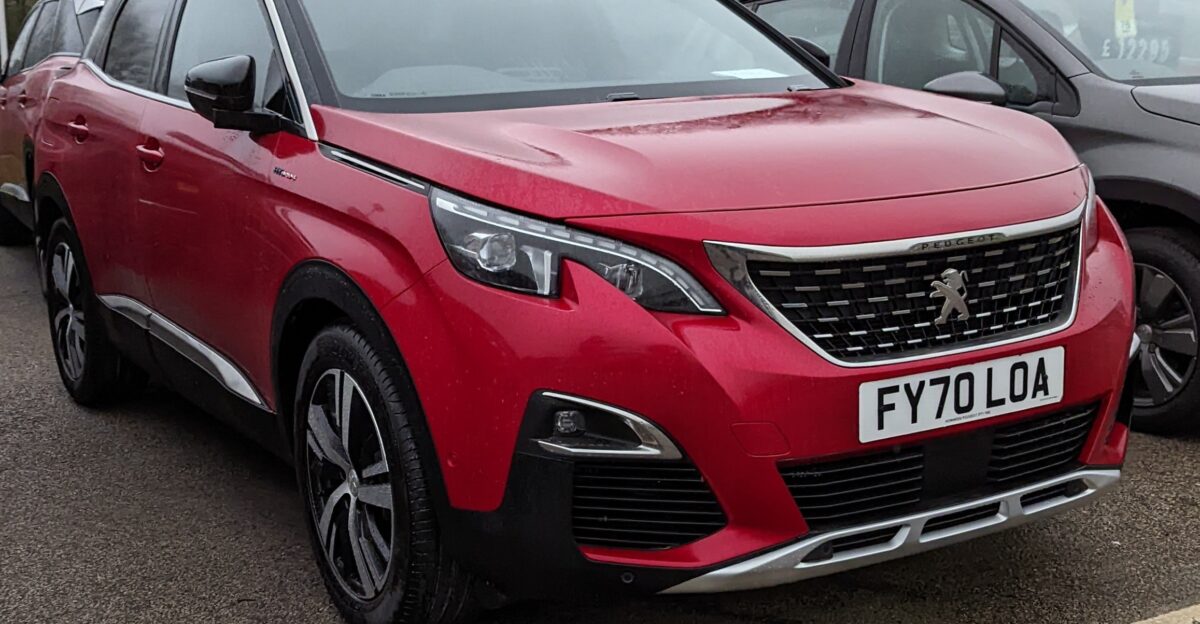
Peugeot impressed testers with strong battery performance in both EV and hybrid models. The Peugeot 3008 PHEV scored particularly well, showing efficient chemistry management and predictable degradation patterns over long distances.
Peugeot’s results show that French manufacturers are carving a solid place in the EV space. That momentum influenced how the lower half of the ranking formed.
#7 Volvo
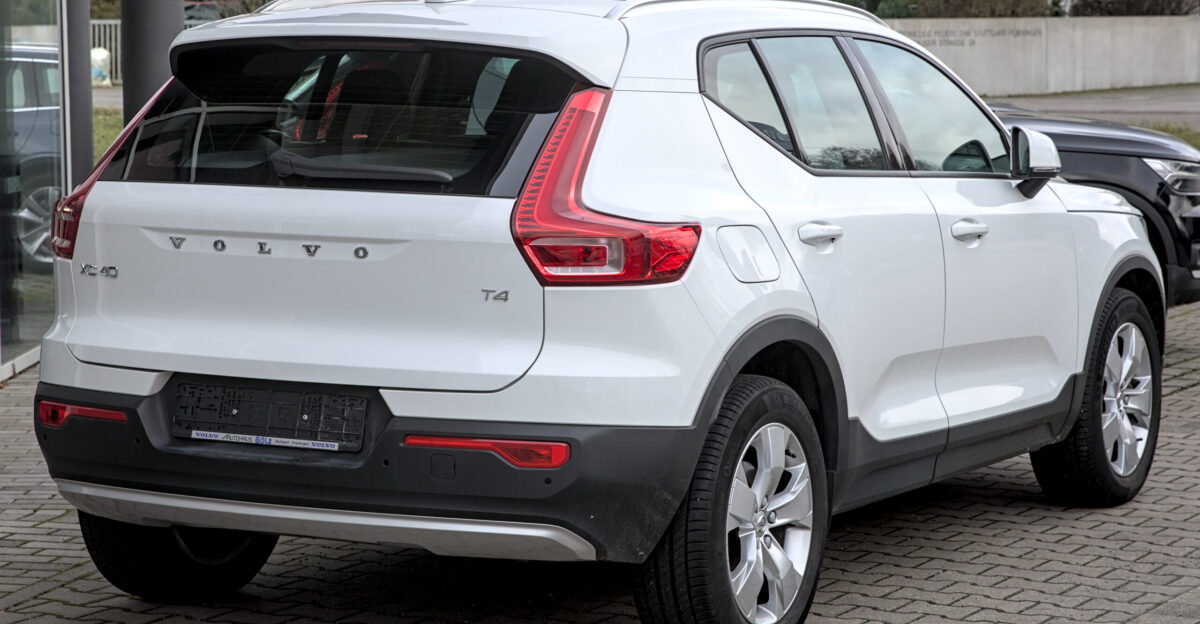
Volvo’s Scandinavian engineering delivered excellent thermal control across EVs and PHEVs. The Volvo XC40 Recharge ranked eighth among EVs, and models like the XC60 and V60 PHEVs also performed well.
This consistency shows how Volvo’s attention to detail supports long term battery stability. Their ranking gives a preview of how German brands finished just behind them.
#8 BMW
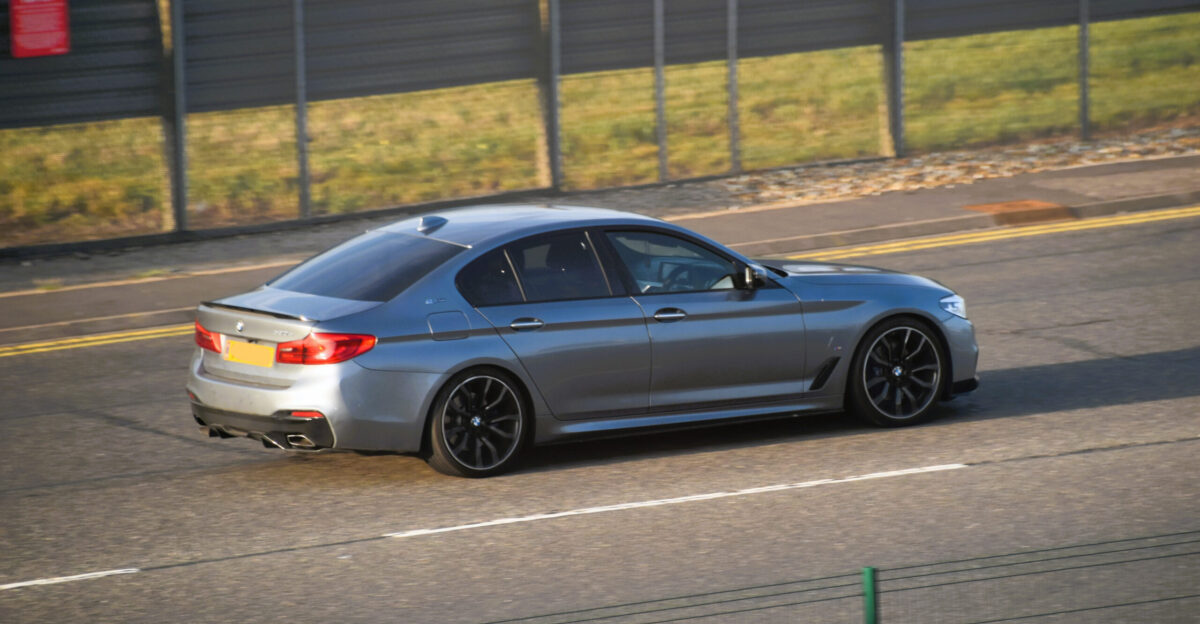
BMW secured eighth place with reliable battery performance across its hybrid lineup. Models such as the 530e, X1, and 330e appeared in the top ten PHEV list, reflecting consistent management strategies that reduced wear.
Their performance highlights steady improvement within BMW’s electrified range. The ranking now moves toward brands known for broad market accessibility.
#9 Volkswagen
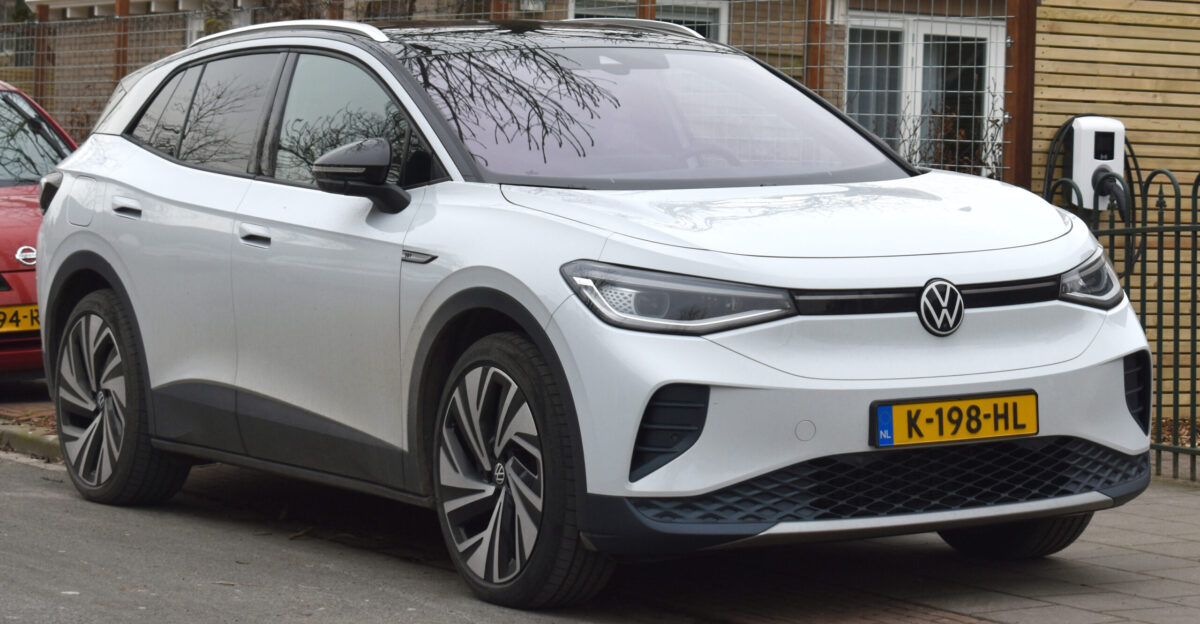
Volkswagen’s ID platform showed strong results. The VW ID.4 held tenth place among individual EV models, while the Passat GTE made the top ten PHEVs. These results reflect VW’s increasing focus on long term battery durability.
Their showing confirms committed progress in EV development. That brings us to the final brand rounding out the list.
#10 Skoda
Skoda claimed the tenth position by combining smart battery management with accessible pricing. Drawing from Volkswagen Group engineering, Skoda models maintained capacity better than expected for their cost bracket.
Their consistent performance shows that affordability does not require sacrificing durability. With the rankings complete, the study paints a clearer picture of EV longevity in real conditions.
The Real Cost of Battery Replacement
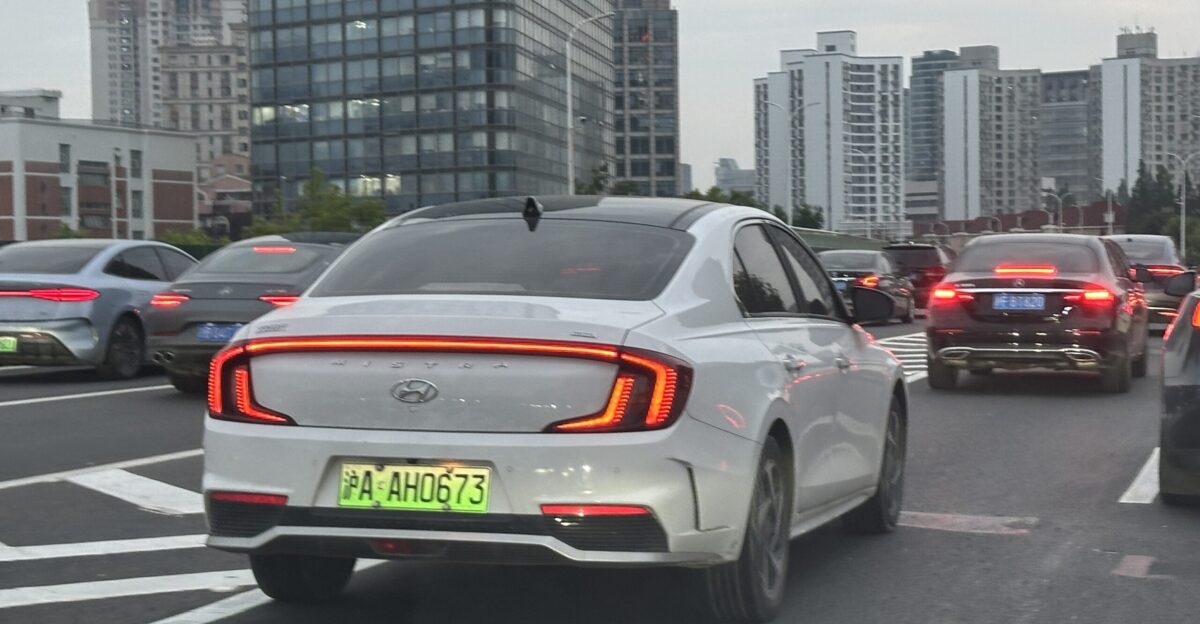
Replacing a full EV battery can range from $5,000 to $20,000, plus $1,000–$3,000 in labor. Tesla Model 3 OEM replacements cost ~$13,000–$15,000, while Hyundai and Kia fall around $8,000–$12,000. Refurbished packs are 30–50% cheaper.
Most owners never face replacement: only 2.5% of EVs need it. Module-level repairs or refurbishment services offer even lower-cost options, showing that panic is unnecessary.
Battery Warranties — What You’re Actually Protected By
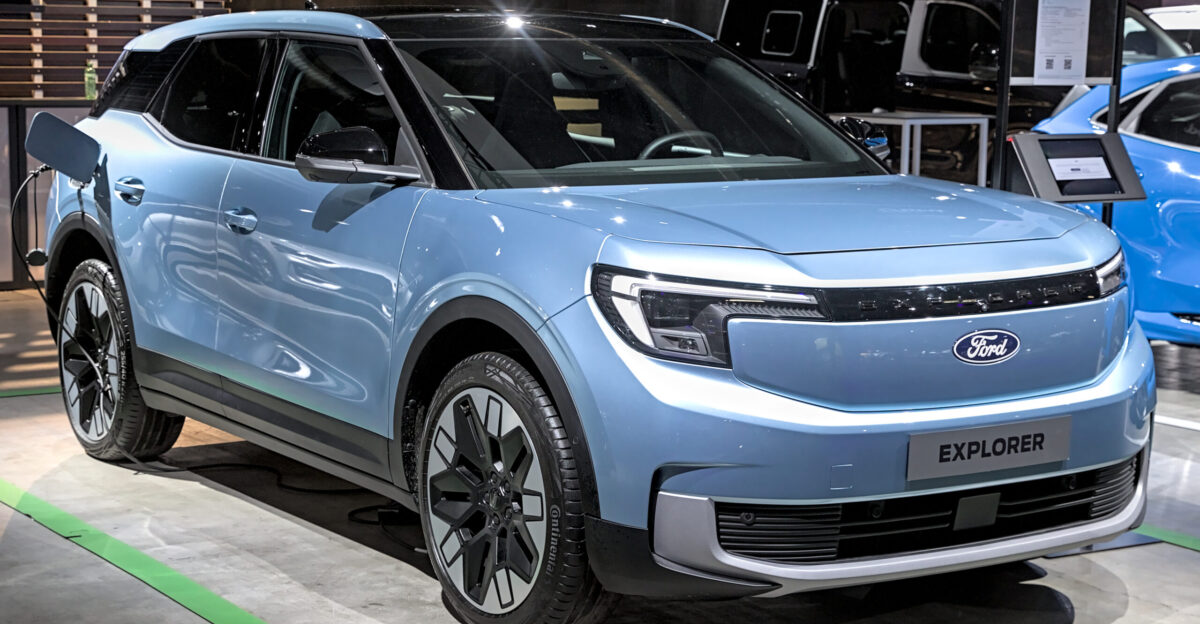
Most EVs offer 8–10 year warranties covering 100,000–150,000 miles with a 70% capacity guarantee. Hyundai and Kia provide the longest coverage, while Tesla, Ford, Nissan, and BMW offer standard protection.
Modern EVs degrade about 1.8% annually, meaning most batteries stay above 70% capacity for 15+ years. Warranties are transferable, boosting resale value. This sets the stage for how drivers can extend lifespan even further.
Simple Ways to Extend Your EV Battery’s Lifespan
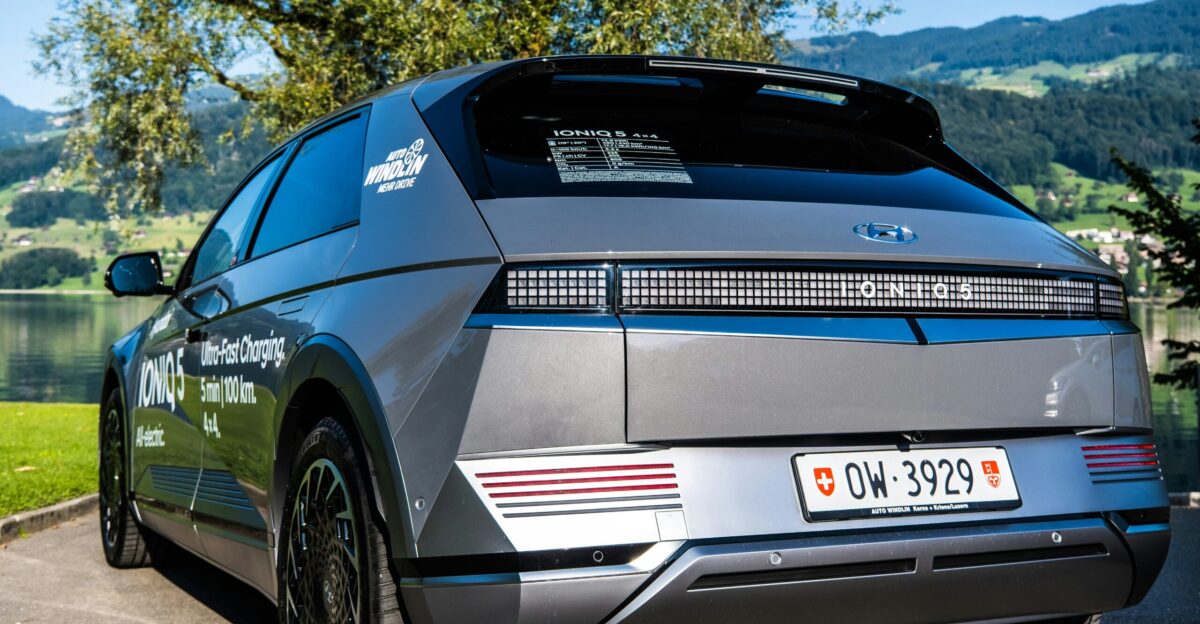
Keep daily charging between 20–80% and limit DC fast charging to occasional trips. Pre-cool while plugged in, drive smoothly, avoid extreme temperatures, and monitor tire pressure to reduce stress on the battery.
Use regenerative braking and apply regular software updates. These habits can cut annual degradation from 1.8% to under 1.5%, extending battery life well beyond standard expectations.
The Battery Revolution Is Here
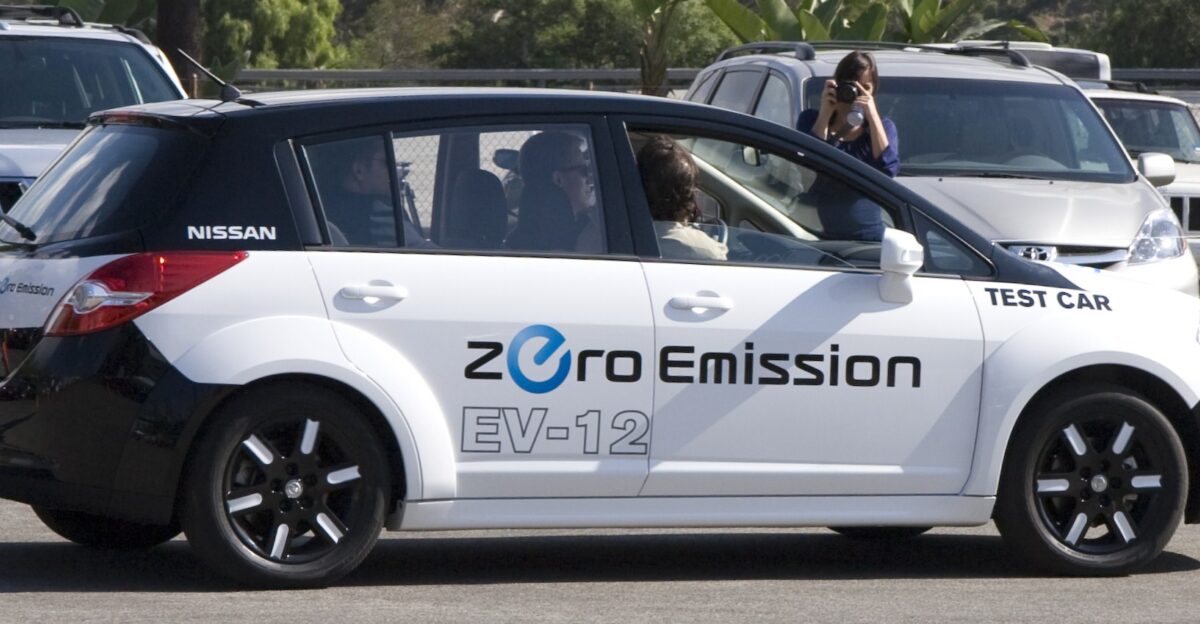
The Kvdbil study proves that 80% of modern EVs retain 90%+ battery capacity for years. Driving habits, not brand prestige, determine longevity, while warranties provide strong protection against premature failure.
Even with battery replacement, EVs save over $26,000 versus gas cars over their lifetime. Smooth driving, proper charging, and thermal management ensure your EV outlasts expectations, making electric ownership worry-free.
Sources:
Kvdbil EV Battery Longevity Study October 2025
Geotab EV Battery Health Study 2024–2025
Tesla 2023 Impact Report
Recurrent Auto Research Reports 2023–2025