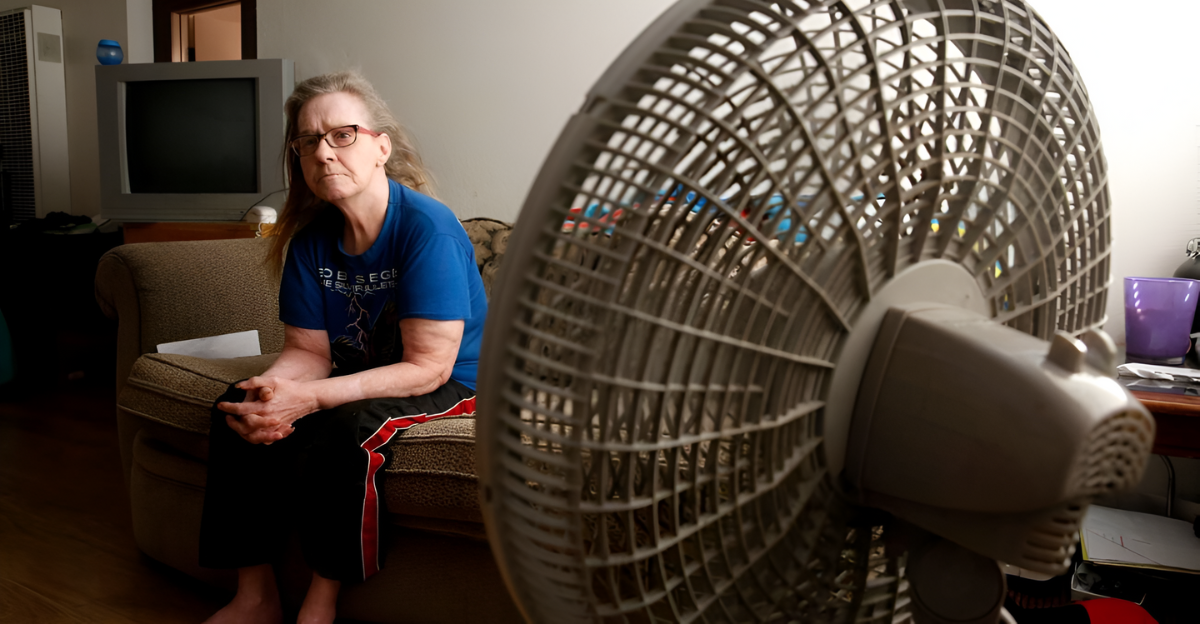
Electricity rates in the U.S. have significantly increased, impacting households and businesses alike. Recent data identify the states experiencing the steepest hikes in costs. These increases pose serious economic challenges, especially in states heavily reliant on electricity for industry and agriculture. Understanding the drivers behind these surges is essential for residents and policymakers.
The energy landscape is evolving, with various factors, including supply chain issues, inflation, and shifts towards renewable energy sources. As we explore the states hardest hit by this trend, we uncover the implications for consumers and the vital role energy policy plays in shaping our financial futures.
National Average Increases
According to the U.S. Energy Information Administration (EIA), the national average electricity rate has climbed sharply, at approximately 14.73 cents per kilowatt-hour. This increase marks a notable rise from the previous year and reflects broader economic strains. The surge results from multiple factors, including rising fuel costs, increased demand, and regulatory changes impacting energy supply.
As consumers and businesses adjust to these increasing rates, the implications on budgets and planning become evident. Understanding these shifts will allow individuals to navigate the changing energy landscape effectively and prepare for the anticipated financial strains on their utility bills.
Key Factors Influencing Rates
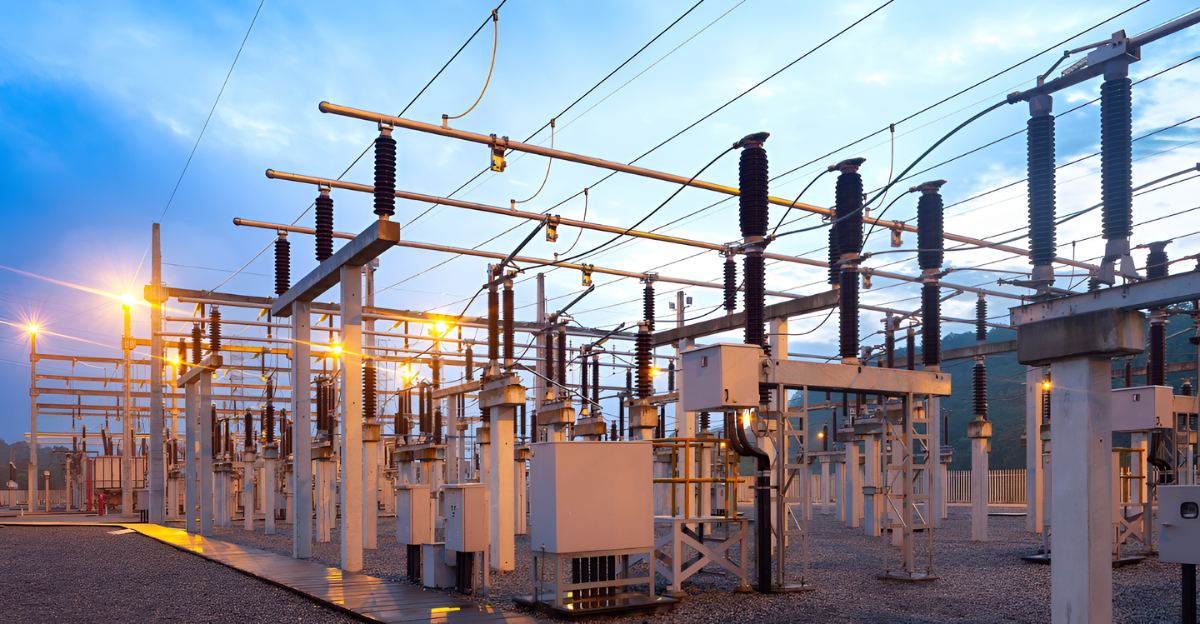
Several key factors influence electricity rates across the United States. While beneficial in many ways, renewable energy adoption requires substantial investment and infrastructure changes that can initially drive up costs. Additionally, the ongoing effects of the COVID-19 pandemic have disrupted supply chains, leading to shortages and increased expenses for energy producers. Inflation rates have exacerbated these challenges, pushing operational costs higher.
Finally, extreme weather events linked to climate change have placed additional stress on energy grids, prompting utilities to invest in more resilient infrastructure, a cost ultimately passed onto consumers. Each of these elements contributes to the overall increase in electricity rates.
Identifying Hardest-Hit States
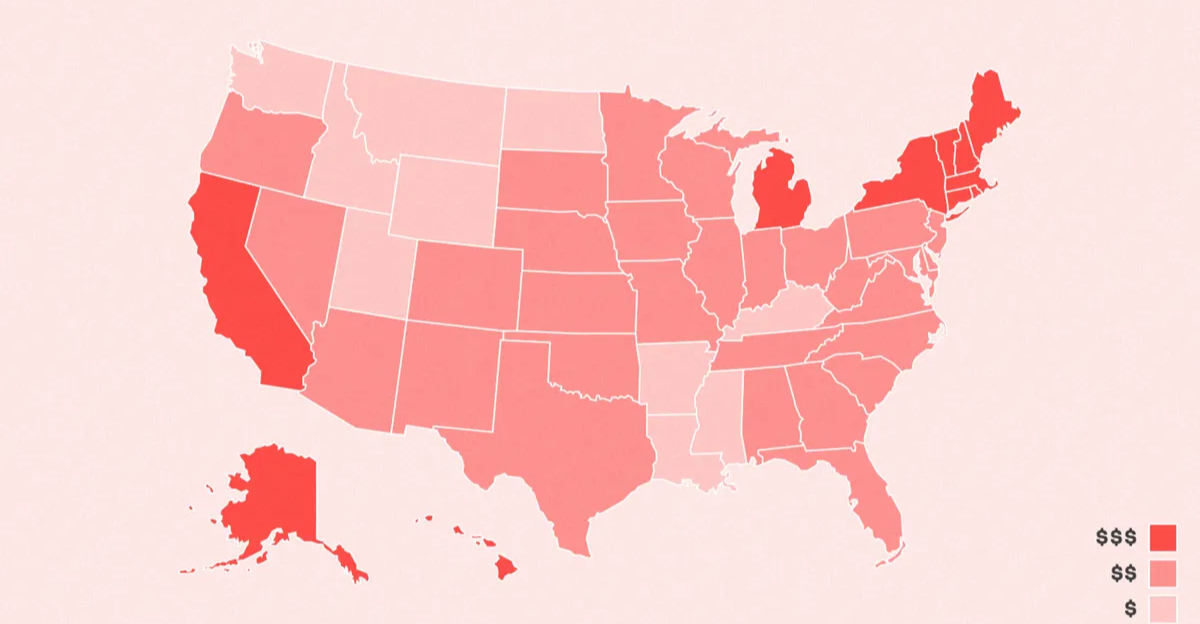
New data reveal the states most affected by rising electricity rates. States like California, Texas, and New York stand out significantly for their sharp increases compared to the national average. California, grappling with its own challenges, has seen rates soar due to a combination of regulatory requirements and climate initiatives.
Despite its abundant energy sources, Texas has experienced rising costs linked to demand spikes and infrastructure challenges. New York’s ongoing transition to cleaner energy has similarly put upward pressure on rates. Each state provides a unique example of how local conditions can drive electricity price hikes.
California’s Unique Challenges
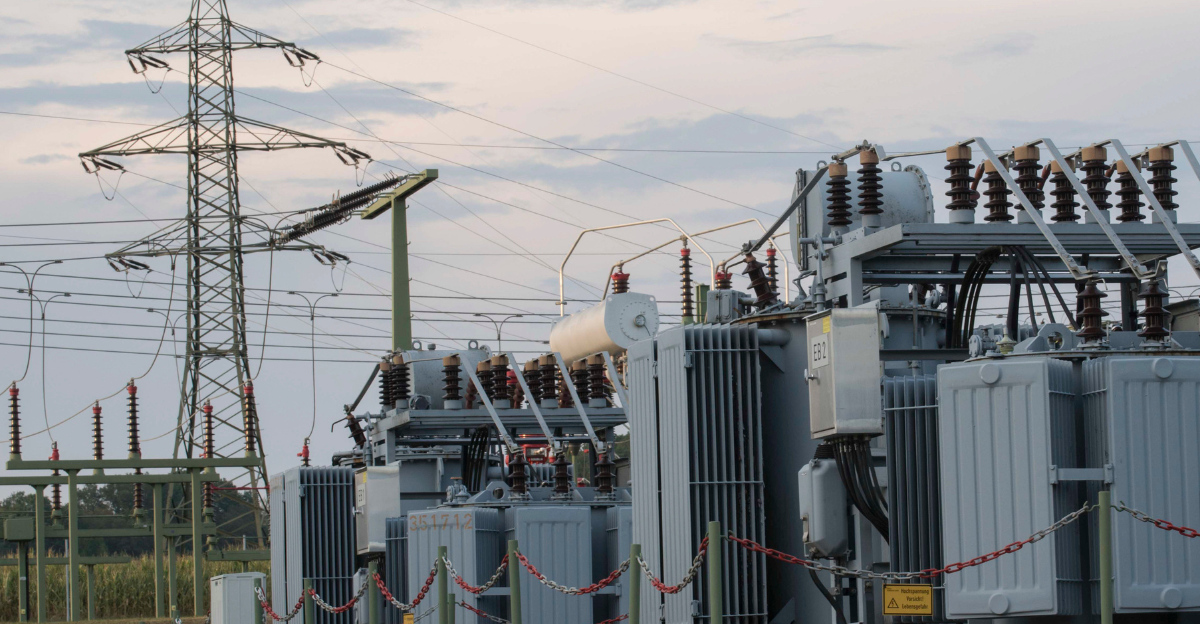
California faces some of the highest electricity rates in the nation, averaging around 25 cents per kilowatt-hour. While progressive, the state’s ambitious renewable energy goals and climate policies have led to increased costs as utilities invest heavily in infrastructure and technology.
The aftermath of the 2020 rolling blackouts and wildfires prompted many Californian consumers to rethink their energy use and explore alternatives, like solar panels. “We need change, but not at the cost of our financial security,” says a California farmer concerned about rising operational costs. These realities force Californians to balance sustainability and affordability within their energy choices.
Texas and Volatile Markets
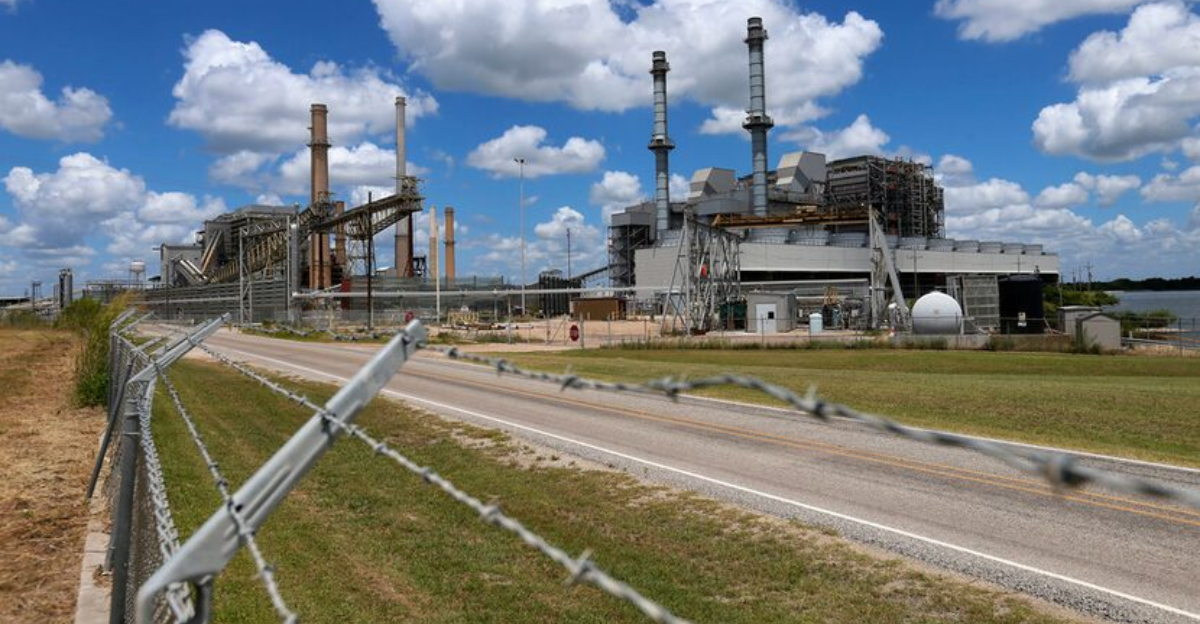
Texas, known for its deregulated energy market, has seen prices oscillate dramatically due to fluctuating demand and extreme weather. The winter storm 2021 highlighted vulnerabilities in the state’s energy infrastructure, resulting in skyrocketing prices during outages. Currently, average rates hover around 12.45 cents per kilowatt-hour, but regional disparities exist.
“It’s frustrating,” says a small business owner in Houston, “when your bills double just because of the weather.” As Texas navigates its energy challenges, the ongoing debate over regulation and sustainability continues, raising questions about the most effective strategies for stabilizing prices while maintaining a reliable supply.
New York’s Transition Struggles
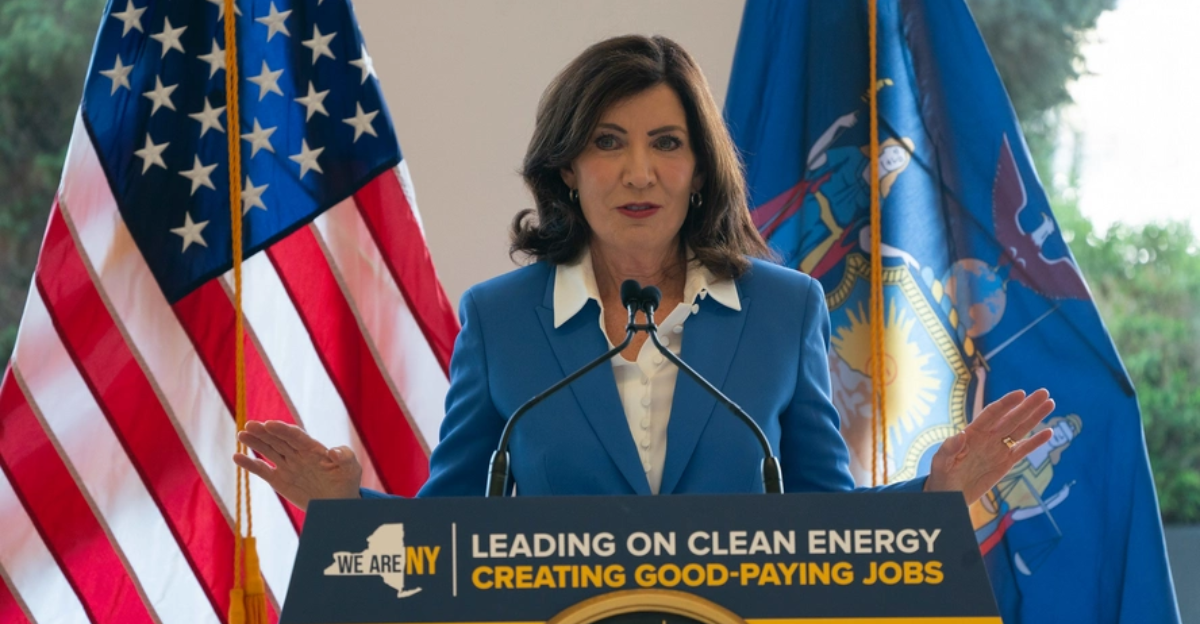
New York faces unique challenges in coupling its ambitious renewable energy goals with rising electricity costs. Currently, residents pay an average of about 19.78 cents per kilowatt-hour. As the state transitions from fossil fuels to cleaner alternatives, investments in new infrastructure have driven prices up.
Many New Yorkers are left grappling with high bills amid a push for sustainability. “The cost of living is already high; we can’t keep adding more,” remarks a resident of Brooklyn. The struggle to balance ecological responsibility with affordable energy reflects the uneasy dynamics in many states nationwide.
Midwestern Concerns

While the Midwest often has lower rates than coastal states, areas like Michigan and Illinois are experiencing noticeable increases. Michigan’s electricity rates, averaging around 16 cents per kilowatt-hour, are rising due to an aging infrastructure that requires costly upgrades.
Environmental considerations and renewable energy investments in Illinois are pushing prices up as residents strive for a cleaner energy future. A local farmer from Michigan emphasizes, “Every penny counts; increased utility costs directly affect our bottom line.” These regional differences reveal how local politics, economies, and geography significantly influence electricity pricing trends nationwide.
Impacts of Inflation
The current inflationary climate across the U.S. further complicates the situation, adding pressure to consumer wallets. Inflation has climbed, significantly impacting household budgets and spending capabilities. Rising electricity rates result from this inflation, exacerbating the financial burdens families and businesses face.
Economists highlight that price increases in essential services such as electricity often disproportionately affect lower-income households. A single parent in Pennsylvania asserts, “It’s like a domino effect; when one bill goes up, everything else seems to follow.” This real-life impact underscores the heightened urgency for solutions to stabilize energy costs.
Long-Term Solutions Needed
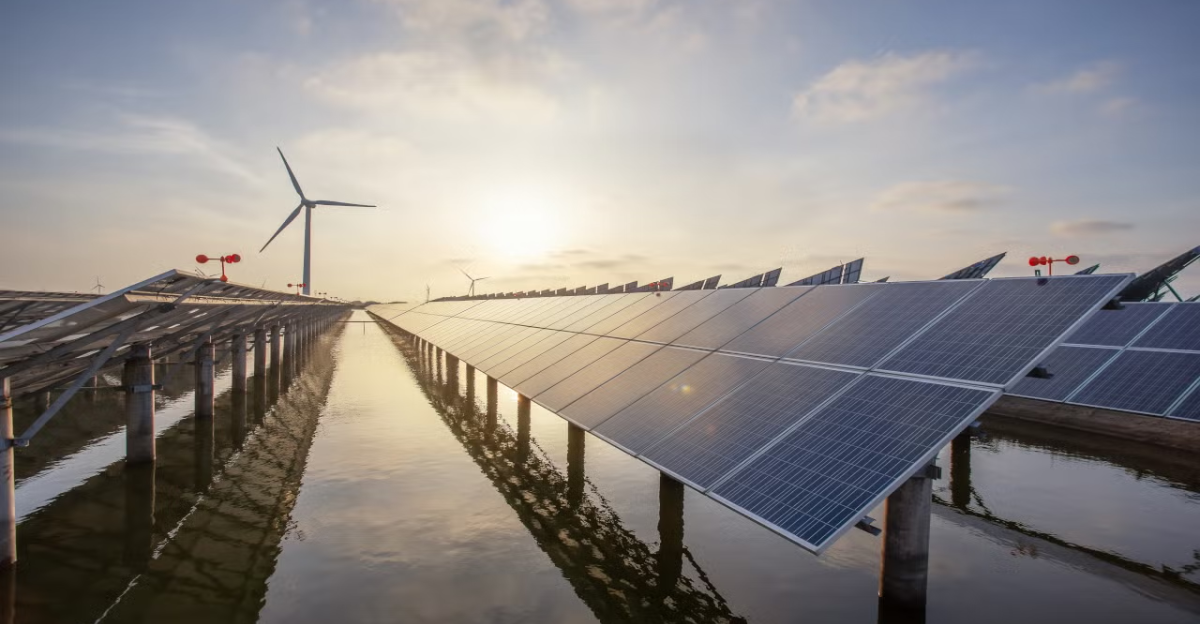
The ongoing increases in electricity rates necessitate urgent attention from policymakers. To mitigate costs, stakeholders must prioritize infrastructure updates, renewable energy investments, and regulation adjustments. While no magic bullet exists, a blend of improved energy policy and consumer education can lead to more sustainable solutions.
Experts suggest promoting energy efficiency measures and supporting local energy initiatives to reduce rates over time. As a homeowner from New Jersey, “The future depends on how we tackle these challenges now.” The need for innovative solutions is critical not only for households but for the broader economy.
Community Responses
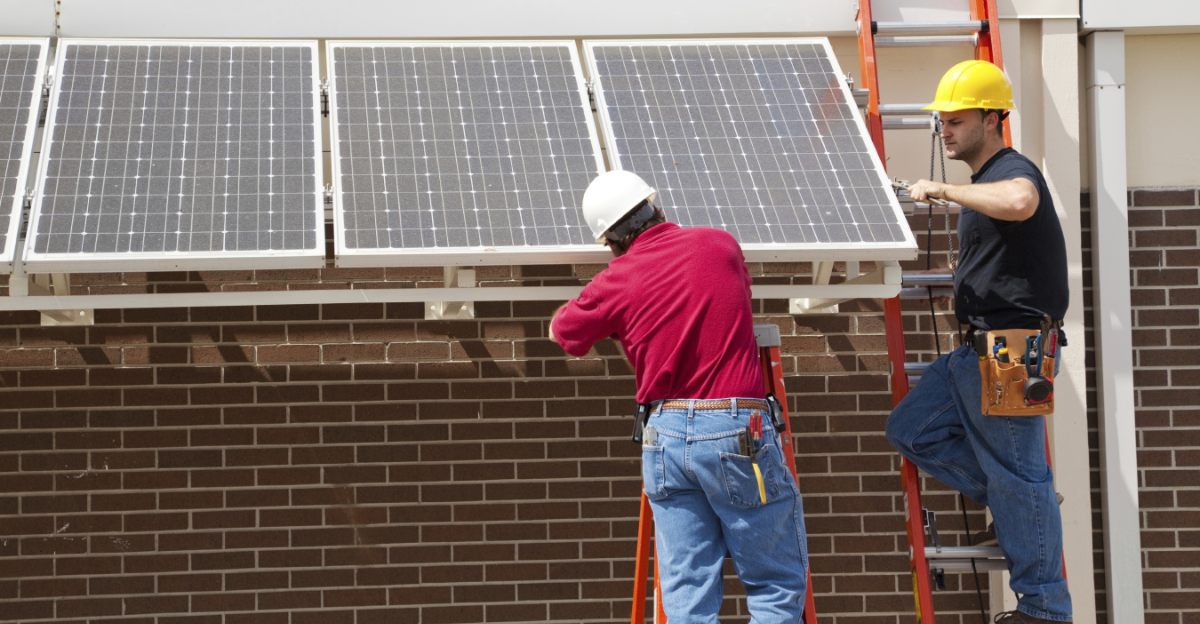
Communities across the United States are responding creatively to rising electricity rates. Many cities promote energy-saving programs and initiatives to help residents lower their bills. For instance, energy cooperatives in rural areas provide opportunities for collective purchasing and investment in local renewable projects.
“We’re banding together to support one another,” states a co-op member in Florida. “When we save energy, we save money.” These grassroots responses highlight the resilience and innovation of communities facing the challenges of escalating energy costs while striving for sustainable solutions.
The Role of Technology
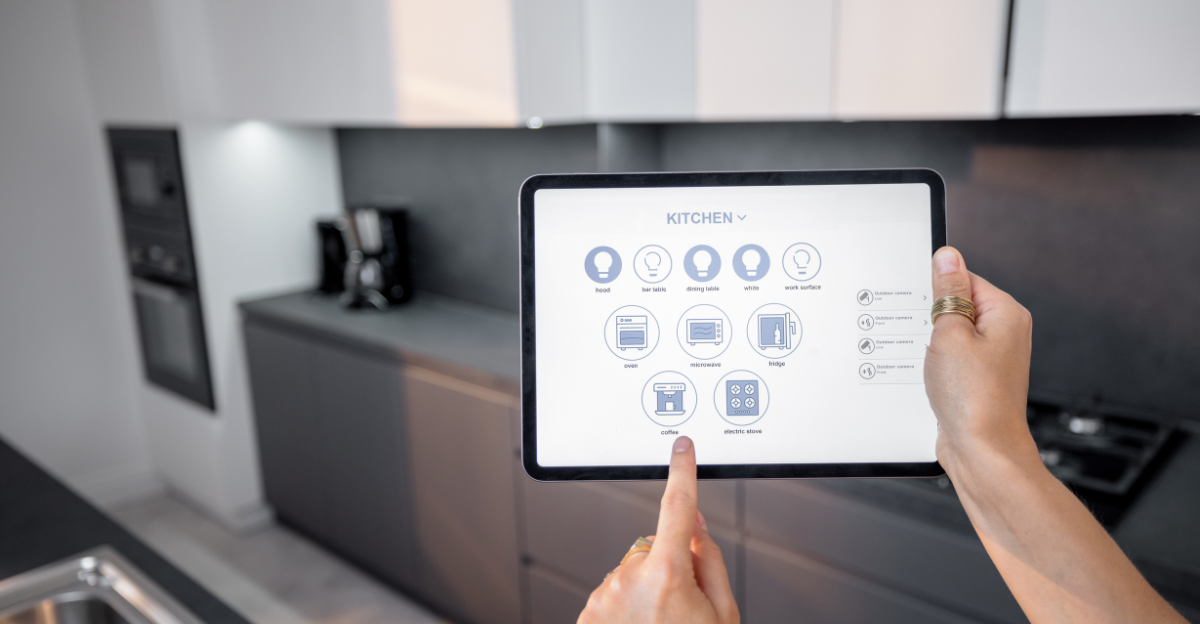
Technology plays a pivotal role in addressing electricity rate concerns. Smart home devices, energy-efficient appliances, and home energy management systems are becoming increasingly popular among consumers looking to reduce their usage and bills. The advent of battery storage solutions is providing new opportunities for energy independence.
A Colorado homeowner shares, “The investment in solar and batteries has changed the game for us; we’re less dependent on utility rates.” As technology continues to evolve, its integration into our daily lives may mitigate some of the financial pressures of rising electricity costs.
Policy Considerations
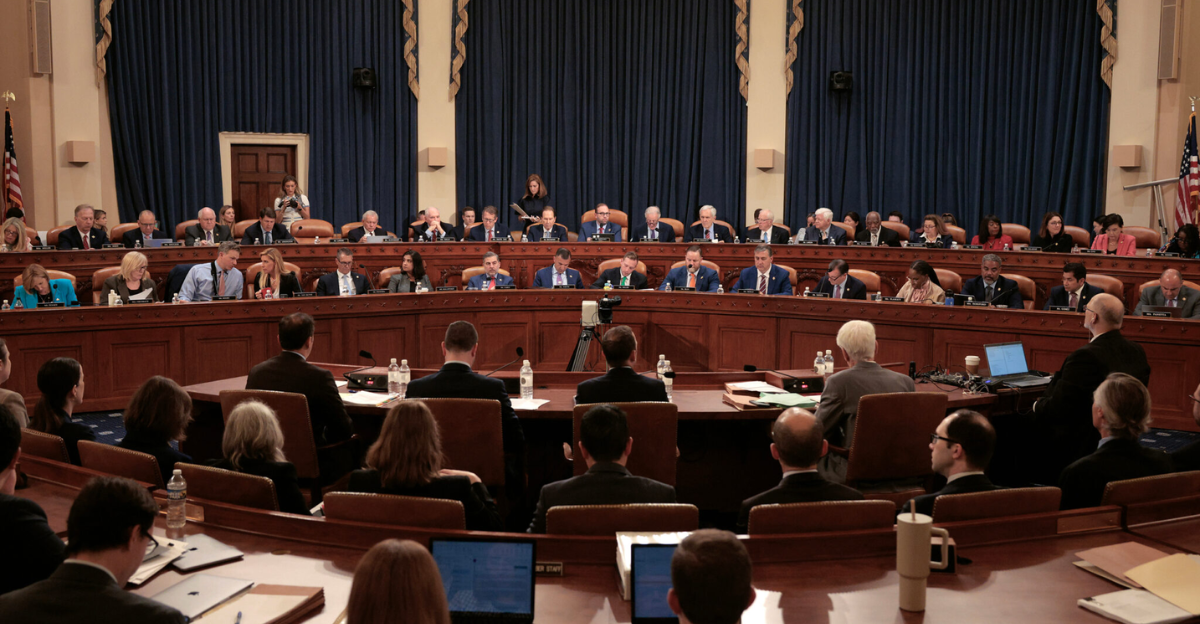
Policymakers are pressured to find practical solutions to stabilize electricity rates while promoting sustainability. Legislative measures are being considered to increase renewable energy mandates or incentivize energy savings. However, these measures must balance costs and benefits to avoid additional consumer burdens.
A utility analyst suggests, “Transparent policymaking and collaboration with local communities can yield better outcomes.” Engaging stakeholders and understanding local energy needs is crucial in creating policies that enhance reliability and cost-effectiveness in electricity markets.
The Importance of Energy Efficiency
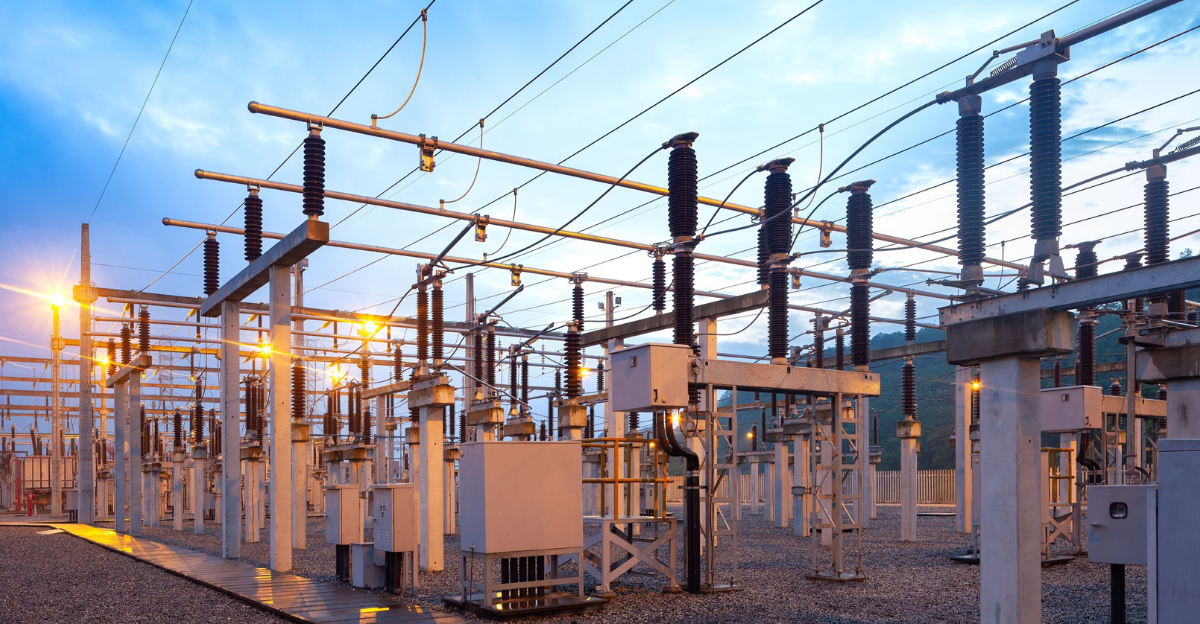
Energy efficiency measures stand out as one of the most immediate ways for consumers to combat rising electricity costs. Incentives for energy-efficient renovations and appliances can significantly reduce demands on power grids, thus avoiding peak rate surges.
A homeowner in Ohio remarks, “We saw a noticeable drop in our bill after insulating and upgrading our heating system.” Programs promoting energy efficiency help alleviate household stress and pave the way for long-term sustainability in energy consumption, ultimately benefiting the environment and local economies.
Community and Regional Cooperation

In the quest for affordable electricity, regional cooperation becomes increasingly important. States can benefit by sharing resources, addressing energy efficiency collectively, and participating in regional market exchanges. Collaborative projects can promote better pricing strategies and help manage energy supplies more efficiently.
For instance, shared renewable projects enable states to maximize access to clean energy generation. A regional energy manager notes, “When states work together, we can find innovative solutions that benefit everyone.” This collaborative approach can be vital in addressing both short-term spikes and long-term challenges related to electricity costs.
The Future of Energy Pricing
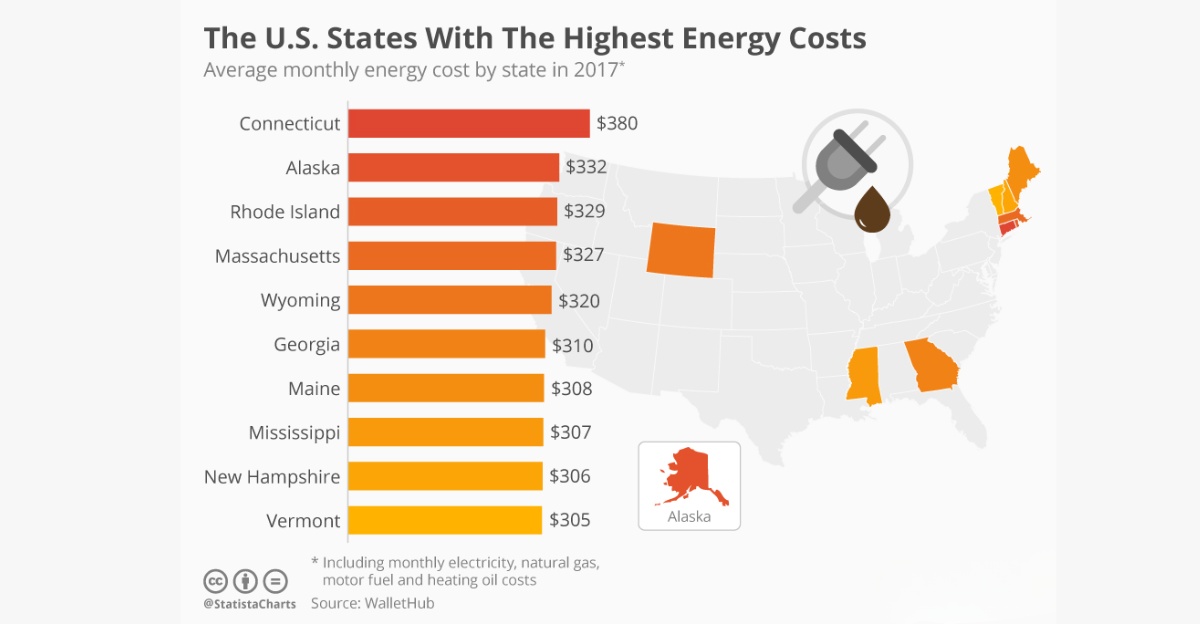
The future of electricity pricing in the U.S. is uncertain but ripe for change. Efforts are underway to implement more variable pricing models that consider demand changes and promote off-peak usage. Understanding these fluctuations will be key to managing expenses as consumers adapt to a new energy landscape.
“Knowledge is power; being proactive can save us money,” shares a consumer advocate in Minnesota. By embracing these future pricing structures, consumers can better align their energy consumption with available resources, leading to potential savings.
Learning from international Examples
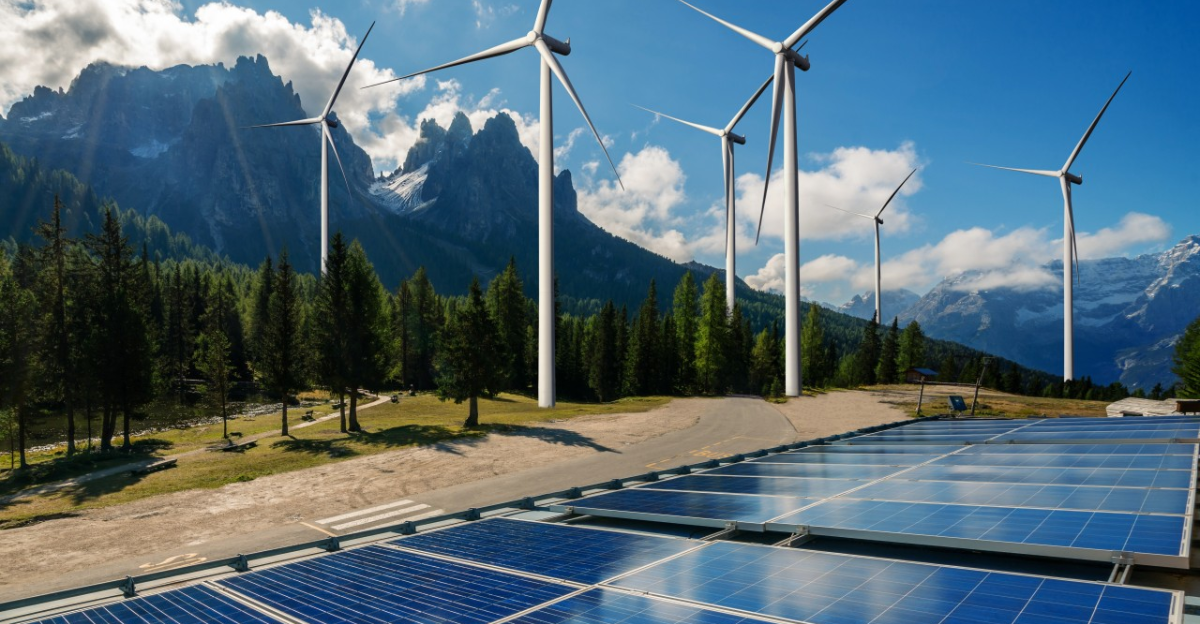
Comparing U.S. electricity rates with those of other countries can yield valuable insights. Nations like Germany and Norway, known for renewable energy investments, highlight the long-term behavior of energy markets. Although their rates can be higher, investments in green technology and sustainability initiatives often result in stable pricing.
A clean energy expert notes, “It’s about balancing costs with sustainability.” Learning from these international examples opens avenues for innovative policies and can help U.S. states address rising electricity expenses with a broader, more global perspective.
Engaging Consumers

As electricity rates climb, empowering consumers with information becomes crucial. Greater awareness about rate structures, energy usage, and available programs can encourage better decision-making. Initiatives to educate households on energy conservation practices can play a significant role. For example, outreach programs informing communities about energy assessments and financial assistance can alleviate some burdens.
A community leader remarks, “By equipping residents with knowledge, we build a stronger community capable of facing these challenges together.” Engaging consumers serves as a vital component of managing rising electricity costs effectively.
Conclusion and Next Steps
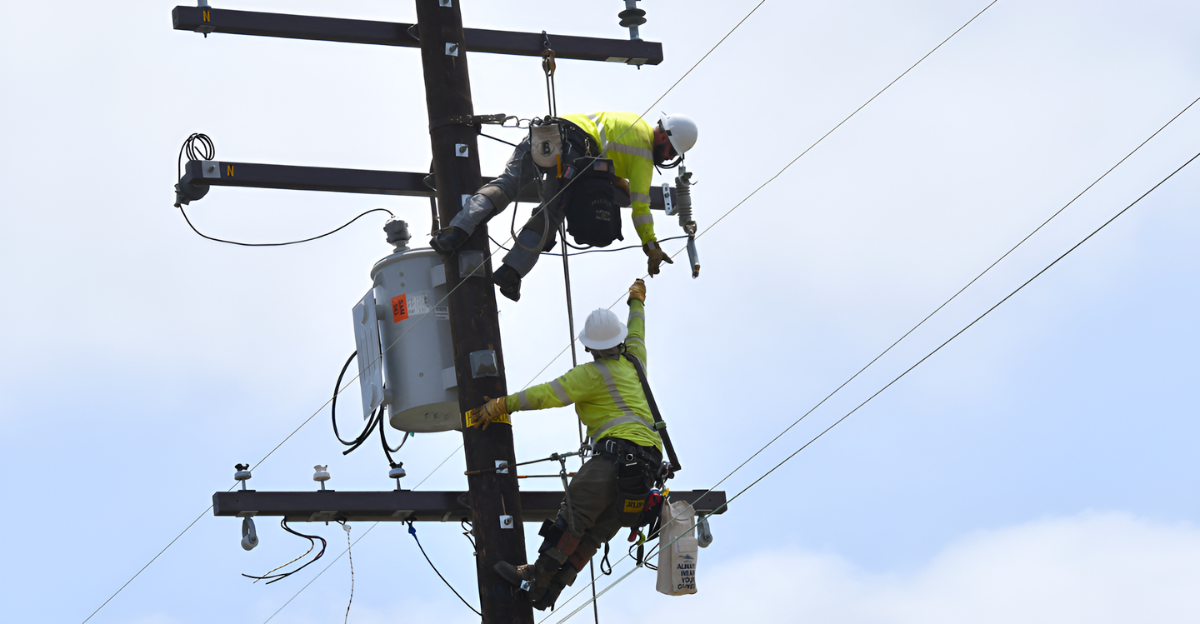
In conclusion, rising electricity rates present a considerable challenge across the United States, especially in states experiencing the highest hikes. Residents, policymakers, and industry stakeholders must engage proactively in the search for immediate and sustainable solutions.
Whether through community programs, technological advancements, or collaborative policies, actions taken now will have far-reaching effects. By fostering dialogue and demonstrating resilience, there’s potential for overcoming the hurdles posed by increased energy costs and achieving a balanced energy future.
Call to Action
The time for action is now. Educate yourself on local electricity rates, investigate energy-saving opportunities, and participate in community initiatives advocating for change. Engage with your local representatives to voice concerns and support sustainable energy solutions, considering both environmental impacts and affordability.
Together, as individuals and communities, we can drive the conversation towards a more stable and economically viable energy future, ensuring that rising electricity costs do not hold us back.