
The U.S. Treasury’s decision to halt penny production by early 2026 has sent shockwaves through the retail industry, particularly at Kroger, where self-checkout kiosks now advise cash customers to provide exact change. This move, prompted by the high cost of producing pennies—each costing nearly 4 cents—has led to confusion and outrage among consumers. The phase-out marks the first time a U.S. coin has been eliminated in over 150 years, echoing similar moves by Canada, Australia, and New Zealand.
The penny, once a staple of American currency, has become a financial burden. In 2024, the U.S. Treasury lost $85.3 million producing over 3.2 billion pennies. This inefficiency has led to a broader discussion about the role of cash in modern commerce. As retailers like Kroger navigate this new landscape, they face challenges in implementing “rounding” policies without clear federal guidelines, leading to consumer frustration and economic uncertainty.
Retailers’ Diverse Approaches to the Penny Phase-Out

Different retailers have adopted varying strategies to cope with the penny shortage. Kwik Trip rounds all cash transactions to the nearest five cents, potentially benefiting customers. In contrast, Love’s Travel Stops may add a few cents to each transaction, while Sheetz offers incentives for customers to exchange pennies. Kroger’s approach, however, has been criticized for lacking clarity and fairness, exacerbating public discontent.
According to economists studying the transition, the lack of a uniform rounding policy creates uncertainty and potential inequities for consumers, particularly those who rely heavily on cash. This sentiment is echoed by local consumers who note the frustration when asked for exact change without knowing how prices will be rounded.
The “Rounding Tax” and Its Economic Implications

The phase-out of the penny has introduced a “rounding tax,” where cash-paying customers may face small adjustments to their transactions. The Federal Reserve Bank of Richmond has estimated this could result in a yearly loss of approximately $6 million for consumers collectively, affecting low-income communities disproportionately. As noted by Federal Reserve researchers, this financial impact can erode trust in routine business dealings.
Globally, countries like Sweden have successfully transitioned towards a more cashless economy, reducing the need for coins. However, in the U.S., the absence of a clear national rounding policy complicates this transition, leading to consumer resentment and calls for legislative reform.
Psychological and Social Impacts

The checkout chaos at Kroger has significant psychological effects on customers, particularly older individuals and those with poor numeracy skills. The requirement for exact change turns a simple transaction into a mental math problem, causing anxiety and frustration. This emotional toll is compounded by the public’s attachment to the penny as a symbol of American heritage.
As Kroger navigates these challenges, it faces a public relations conundrum. By failing to proactively address consumer concerns, Kroger has lost control of the narrative, inviting backlash. However, this situation also presents an opportunity for Kroger to develop fair, transparent rounding policies and reposition itself as a customer ally.
Looking Forward: Balancing Tradition and Innovation
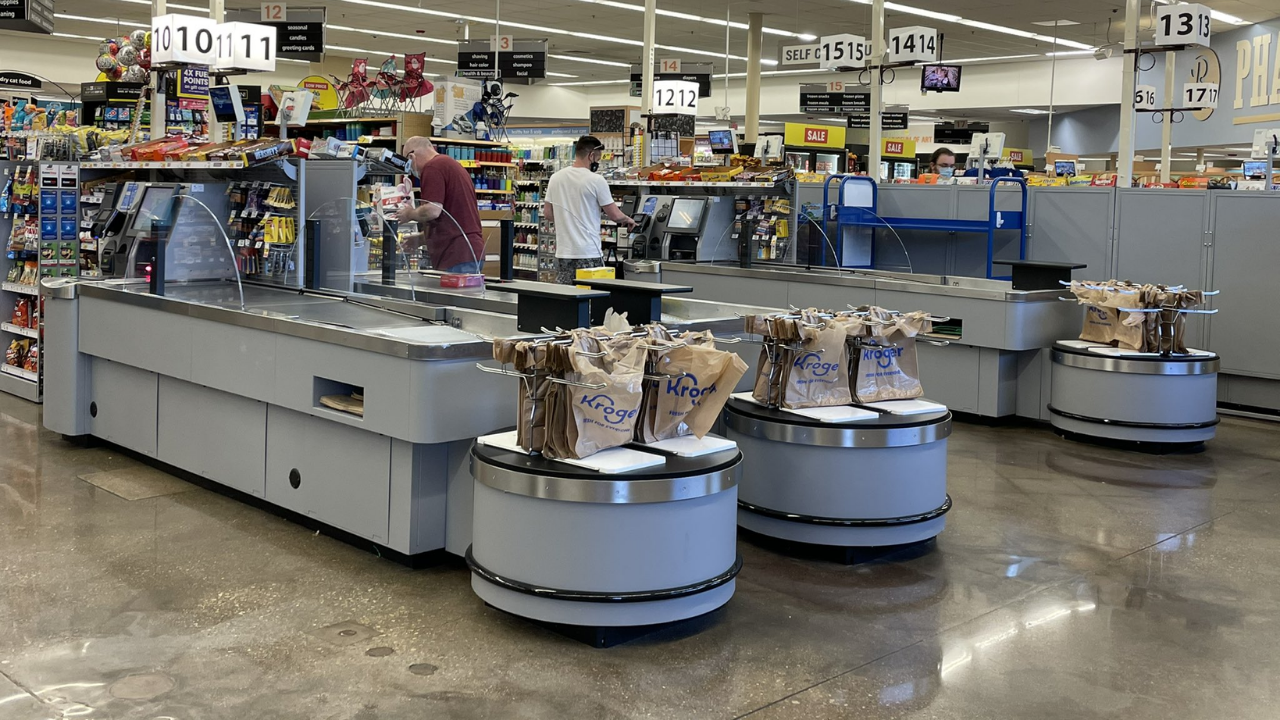
The phase-out of the penny and the ensuing checkout chaos highlight the need for clear, federally guided rounding policies to safeguard consumers while maintaining retail effectiveness. As the U.S. moves towards a more cashless economy, it must balance technological advancement with consumer usability and fairness.
Economic experts note that the penny’s demise reflects broader changes in financial systems, emphasizing that clear policies and open communication are crucial to ensuring this transition benefits everyone, not just retailers.
Ultimately, the future of retail transactions depends on finding a balance between tradition and innovation, ensuring that all stakeholders—consumers, retailers, and policymakers—are aligned in creating a fair and efficient financial landscape.