` Nevada's Nuclear “Dead Zone” Now Hosts Over 1,500 Unexpected Species - Ruckus Factory

Nevada’s Nuclear “Dead Zone” Now Hosts Over 1,500 Unexpected Species

Josh Szeps – Youtube

Most people picture a nuclear “dead zone” as a lifeless, glowing wasteland where nothing can survive. Nevada’s former test site tells a different story.

This vast expanse of desert, once scarred by hundreds of atomic blasts, now shelters a thriving array of plants and animals.

The contrast is striking: the most-bombed landscape in America has quietly turned into an unexpected wildlife refuge.

928 Bombs
explosion, mushroom cloud, nuclear explosion, nuclear weapon test, atomic bomb testing, nuclear weapon, operation crossroads, crossroads baker, bikini atoll, explosion, explosion, explosion, explosion, explosion, mushroom cloud, mushroom cloud, nuclear explosion, nuclear explosion, nuclear explosion
Photo by WikiImages on Pixabay

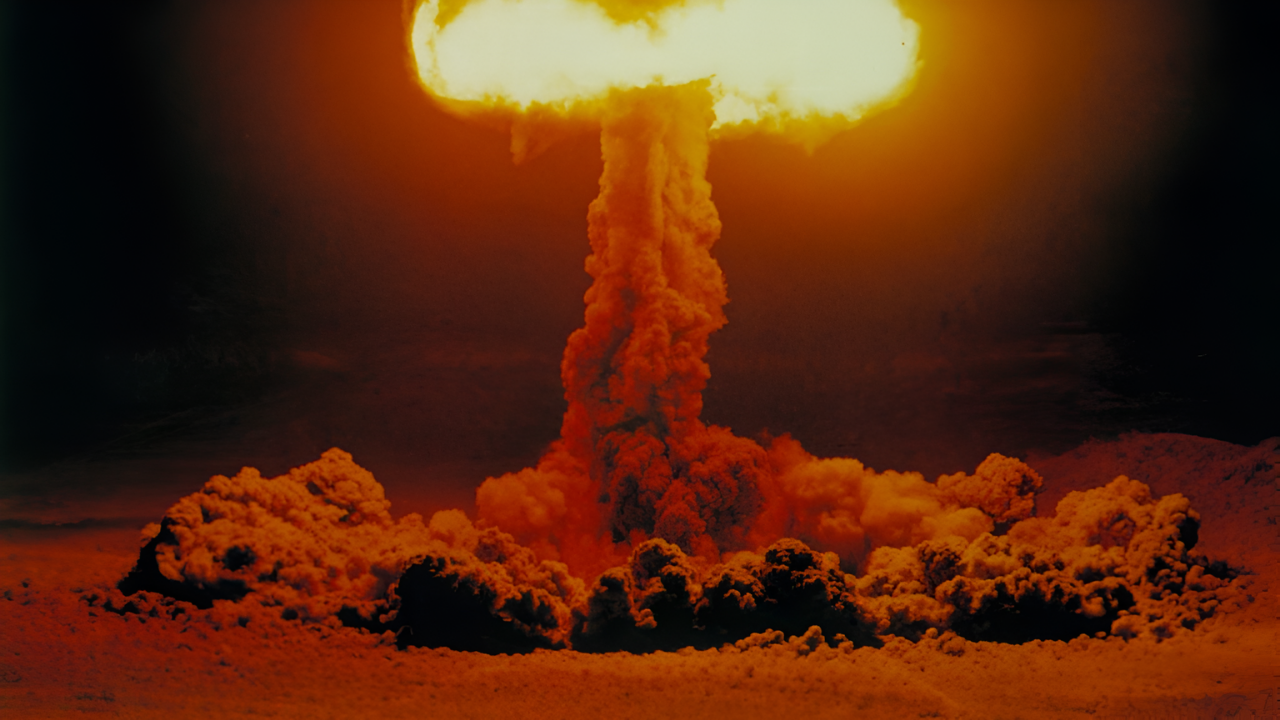
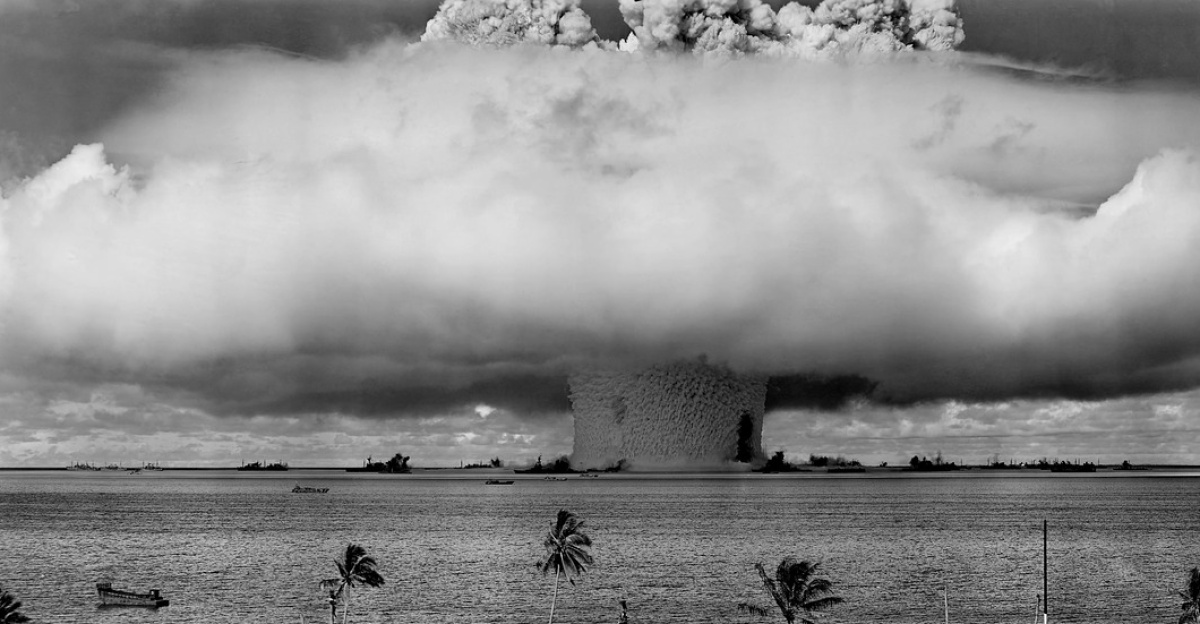
From 1951 to 1992, the Nevada Test Site hosted 928 nuclear explosions. One hundred were atmospheric tests that lit up the sky; 828 more shook the ground from below.

Entire valleys were blasted, cratered, and showered with radioactive fallout. For decades, this land symbolized nuclear destruction. That long history of testing makes today’s rich web of life even more surprising.

Forbidden Land
<p>The Nevada National Security Site (NNSS), previously the Nevada Test Site (NTS), is a United States Department of Energy reservation located in southeastern Nye County, Nevada, about 65 miles (105 km) northwest of the city of Las Vegas.
</p><p>Formerly known as the Nevada Proving Grounds, the site was established on 11 January 1951 for the testing of nuclear devices, covering approximately 1,360 square miles (3,500 km2) of desert and mountainous terrain. Nuclear testing at the Nevada Test Site began with a 1-kiloton-of-TNT (4.2 TJ) bomb dropped on Frenchman Flat on 27 January 1951. Many of the iconic images of the nuclear era come from the NTS.
</p><p>During the 1950s, the mushroom clouds from the 100 atmospheric tests could be seen for almost 100 mi (160 km). The city of Las Vegas experienced noticeable seismic effects, and the distant mushroom clouds, which could be seen from the downtown hotels, became tourist attractions. St. George, Utah, received the brunt of the fallout of above-ground nuclear testing in the Yucca Flats/Nevada Test Site. Winds routinely carried the fallout of these tests directly through St. George and southern Utah. Marked increases in cancers, such as leukemia, lymphoma, thyroid cancer, breast cancer, melanoma, bone cancer, brain tumors, and gastrointestinal tract cancers, were reported from the mid-1950s through 1980. The vast majority of nuclear tests, 828 in all, were underground.
</p><p>From 1986 through 1994, two years after the United States put a hold on full-scale nuclear weapons testing, 536 anti-nuclear protests were held at the Nevada Test Site involving 37,488 participants and 15,740 arrests, according to government records.
</p><p>Those arrested included the astronomer Carl Sagan and the actors Kris Kristofferson, Martin Sheen, and Robert Blake.
</p><p>The Nevada Test Site contains 28 areas, 1,100 buildings, 400 miles (640 km) of paved roads, 300 miles of unpaved roads, ten heliports, and two airstrips.
</p><p>The test site offers monthly public tours, often fully booked months in advance. Visitors are not allowed to bring in cameras, binoculars, or cell phones, nor are they permitted to pick up rocks for souvenirs.
</p><p>While there are no longer any explosive tests of nuclear weapons at the site, there is still subcritical testing, used to determine the viability of the United States' aging nuclear arsenal. Additionally, the site is the location of the Area 5 Radioactive Waste Management Complex, which sorts and stores low-level radioactive waste that is not transuranic and has a half life not longer than 20 years. Bechtel Nevada Corporation (a joint venture of Lockheed Martin, Bechtel, and Johnson Controls) ran this complex until 2006. Several other companies won the bid for the contract since and combined to form a new company called National Security Technologies, LLC (a joint venture of Northrop Grumman, AECOM, CH2M Hill, and Nuclear Fuel Services). AECOM, known earlier as Holmes and Narver, held the Nevada Test Site contract for many years before Bechtel Nevada Corp. had it.
</p><p>The Radiological/Nuclear WMD Incident Exercise Site (T-1), which replicates multiple terrorist radiological incidents with train, plane, automobile, truck, and helicopter props is located in Area 1, at the former site of tests EASY, SIMON, APPLE-2, and GALILEO.
</p><p><a href="https://en.wikipedia.org/wiki/Nevada_Test_Site" class="extiw" title="en:Nevada Test Site">en.wikipedia.org/wiki/Nevada_Test_Site</a>
</p>
<a href="https://en.wikipedia.org/wiki/Wikipedia:Text_of_Creative_Commons_Attribution-ShareAlike_3.0_Unported_License" class="extiw" title="en:Wikipedia:Text of Creative Commons Attribution-ShareAlike 3.0 Unported License">en.wikipedia.org/wiki/Wikipedia:Text_of_Creative_Commons_...</a>
Photo by Ken Lund from Reno, Nevada, USA on Wikimedia

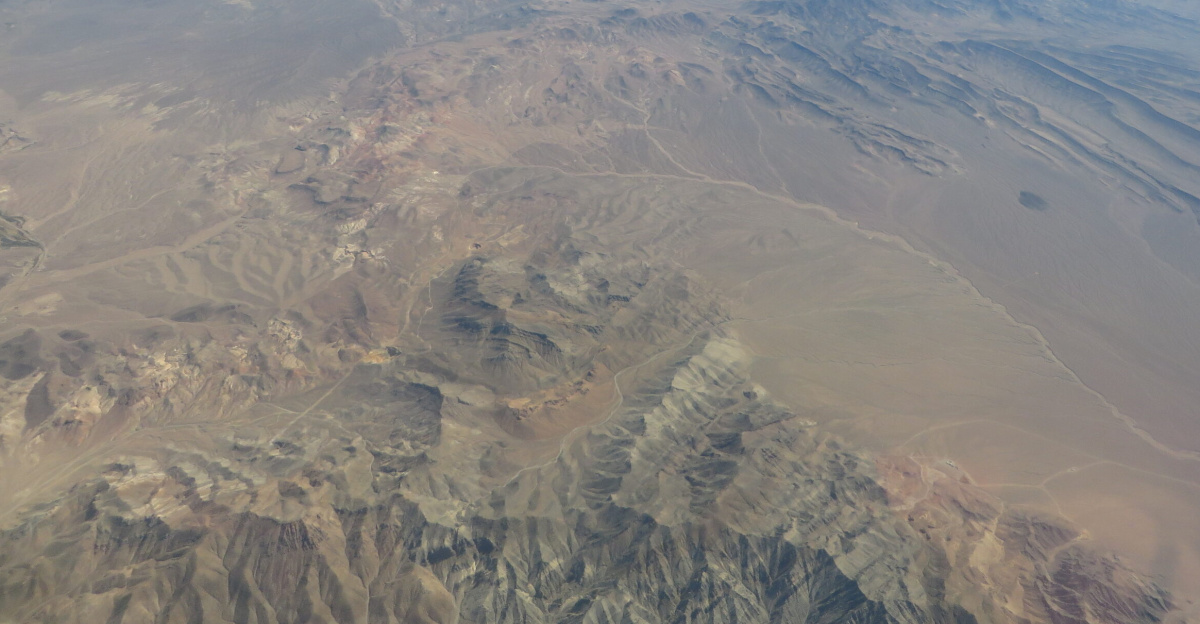
The Nevada National Security Site spans approximately 1,360 square miles, making it larger than the state of Rhode Island.

It is situated in southeastern Nye County, approximately 65 miles northwest of Las Vegas. Fences, checkpoints, and armed security keep the public out. No housing tracts, off‑roaders, or casual hikers enter.

That tight control, meant for national security, also shields wildlife from everyday human pressure.

Desert Crossroads
<p>The Nevada National Security Site (NNSS), previously the Nevada Test Site (NTS), is a United States Department of Energy reservation located in southeastern Nye County, Nevada, about 65 miles (105 km) northwest of the city of Las Vegas.
</p><p>Formerly known as the Nevada Proving Grounds, the site was established on 11 January 1951 for the testing of nuclear devices, covering approximately 1,360 square miles (3,500 km2) of desert and mountainous terrain. Nuclear testing at the Nevada Test Site began with a 1-kiloton-of-TNT (4.2 TJ) bomb dropped on Frenchman Flat on 27 January 1951. Many of the iconic images of the nuclear era come from the NTS.
</p><p>During the 1950s, the mushroom clouds from the 100 atmospheric tests could be seen for almost 100 mi (160 km). The city of Las Vegas experienced noticeable seismic effects, and the distant mushroom clouds, which could be seen from the downtown hotels, became tourist attractions. St. George, Utah, received the brunt of the fallout of above-ground nuclear testing in the Yucca Flats/Nevada Test Site. Winds routinely carried the fallout of these tests directly through St. George and southern Utah. Marked increases in cancers, such as leukemia, lymphoma, thyroid cancer, breast cancer, melanoma, bone cancer, brain tumors, and gastrointestinal tract cancers, were reported from the mid-1950s through 1980. The vast majority of nuclear tests, 828 in all, were underground.
</p><p>From 1986 through 1994, two years after the United States put a hold on full-scale nuclear weapons testing, 536 anti-nuclear protests were held at the Nevada Test Site involving 37,488 participants and 15,740 arrests, according to government records.
</p><p>Those arrested included the astronomer Carl Sagan and the actors Kris Kristofferson, Martin Sheen, and Robert Blake.
</p><p>The Nevada Test Site contains 28 areas, 1,100 buildings, 400 miles (640 km) of paved roads, 300 miles of unpaved roads, ten heliports, and two airstrips.
</p><p>The test site offers monthly public tours, often fully booked months in advance. Visitors are not allowed to bring in cameras, binoculars, or cell phones, nor are they permitted to pick up rocks for souvenirs.
</p><p>While there are no longer any explosive tests of nuclear weapons at the site, there is still subcritical testing, used to determine the viability of the United States' aging nuclear arsenal. Additionally, the site is the location of the Area 5 Radioactive Waste Management Complex, which sorts and stores low-level radioactive waste that is not transuranic and has a half life not longer than 20 years. Bechtel Nevada Corporation (a joint venture of Lockheed Martin, Bechtel, and Johnson Controls) ran this complex until 2006. Several other companies won the bid for the contract since and combined to form a new company called National Security Technologies, LLC (a joint venture of Northrop Grumman, AECOM, CH2M Hill, and Nuclear Fuel Services). AECOM, known earlier as Holmes and Narver, held the Nevada Test Site contract for many years before Bechtel Nevada Corp. had it.
</p><p>The Radiological/Nuclear WMD Incident Exercise Site (T-1), which replicates multiple terrorist radiological incidents with train, plane, automobile, truck, and helicopter props is located in Area 1, at the former site of tests EASY, SIMON, APPLE-2, and GALILEO.
</p><p><a href="https://en.wikipedia.org/wiki/Nevada_Test_Site" class="extiw" title="en:Nevada Test Site">en.wikipedia.org/wiki/Nevada_Test_Site</a>
</p>
<a href="https://en.wikipedia.org/wiki/Wikipedia:Text_of_Creative_Commons_Attribution-ShareAlike_3.0_Unported_License" class="extiw" title="en:Wikipedia:Text of Creative Commons Attribution-ShareAlike 3.0 Unported License">en.wikipedia.org/wiki/Wikipedia:Text_of_Creative_Commons_...</a>
Photo by Ken Lund from Reno, Nevada, USA on Wikimedia

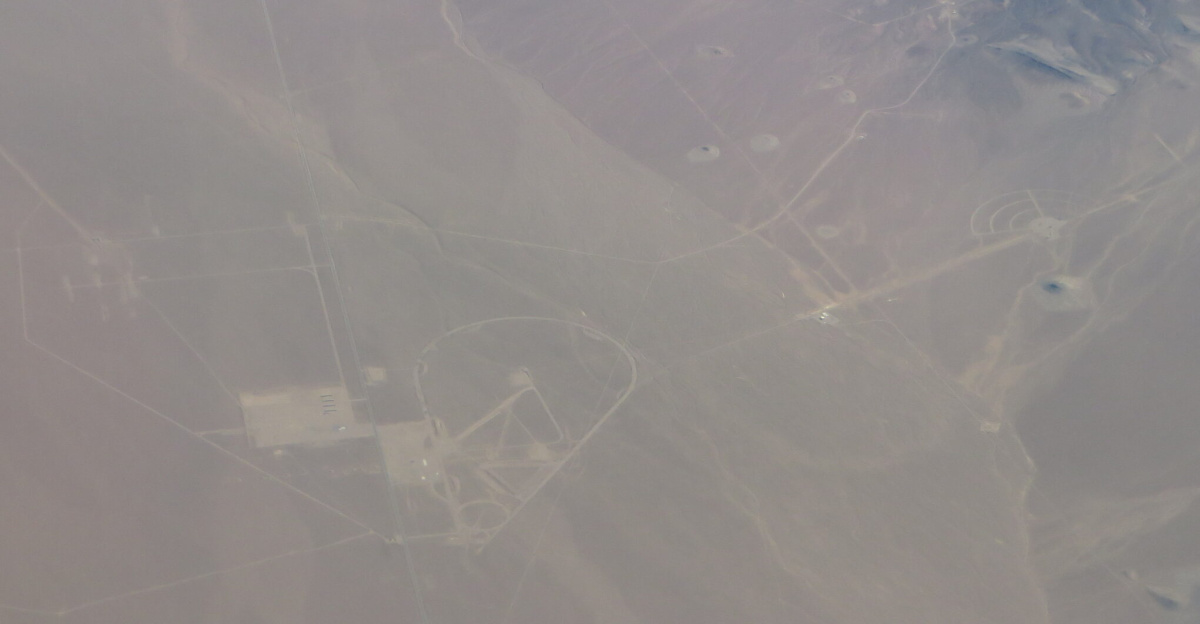
The test site lies where the Mojave Desert meets the Great Basin Desert.

This natural crossroads blends different elevations, temperatures, and soils. Joshua trees share the landscape with sagebrush; rocky hills rise above wide basins.

Each small change in slope or shade creates another tiny habitat. That variety of niches provides many species with ample room to take hold and spread.

Life Explodes
a small bush with orange flowers in the desert
Photo by Linda Pomerantz Zhang on Unsplash

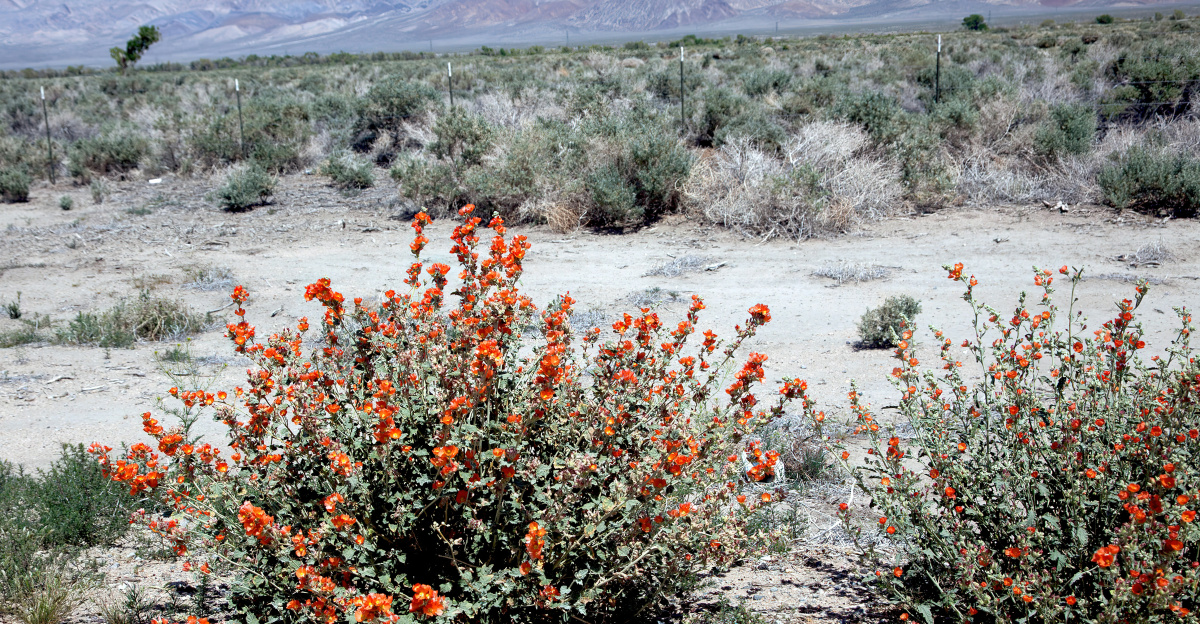
Surveys now count about 2,287 species on the Nevada National Security Site.

That easily tops the headline’s “over 1,500” claim. Scientists have documented approximately 754 plant species, around 1,200 types of invertebrates, 34 species of reptiles, 239 species of birds, and 60 types of mammals.

This former nuclear proving ground holds a full, layered ecosystem, not a thin scattering of hardy survivors.

Tortoise Haven
<p>Desert tortoise near Las Vegas.  
</p>
Photo by Chris Rondeau/USFWS
Photo by Pacific Southwest Region USFWS from Sacramento, US on Wikimedia

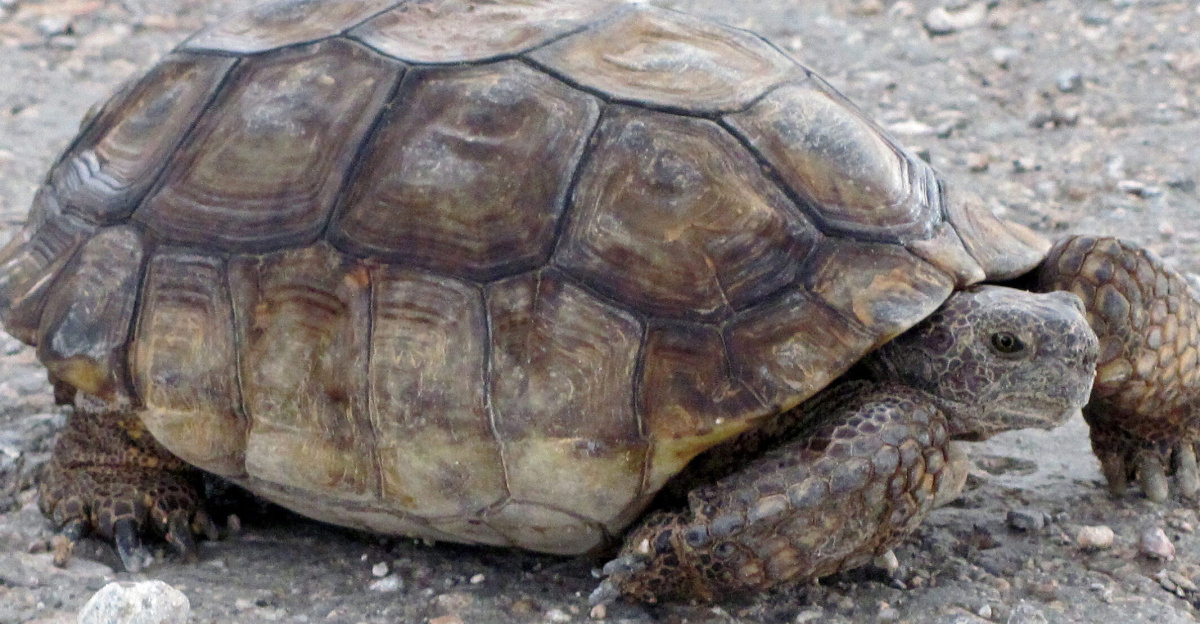
The desert tortoise, listed as a threatened species under U.S. law, struggles in many parts of the Mojave. Roads, off‑road vehicles, development, and disease cut into its numbers.

Inside the test site, however, tortoises are found in large, quiet areas with minimal direct human contact.

Biologists monitor them, mark burrows, and adjust activities to avoid harm, turning a bombed landscape into a relatively safe zone.

Apex Predators

brown cougar sitting on rock ledge
Photo by Zach Key on Unsplash

Healthy ecosystems support top predators, and the test site does exactly that. Mountain lions roam the mountains and canyons, hunting mule deer and bighorn sheep.

Pronghorn antelope and other hoofed animals graze open flats. These big animals need space, food, and clean water.

Their steady presence demonstrates that the former test range supports a full food chain, from plants to apex predators.

Accidental Wilderness
brown grass field near brown mountain under blue sky during daytime
Photo by Scarlett Fyfe on Unsplash

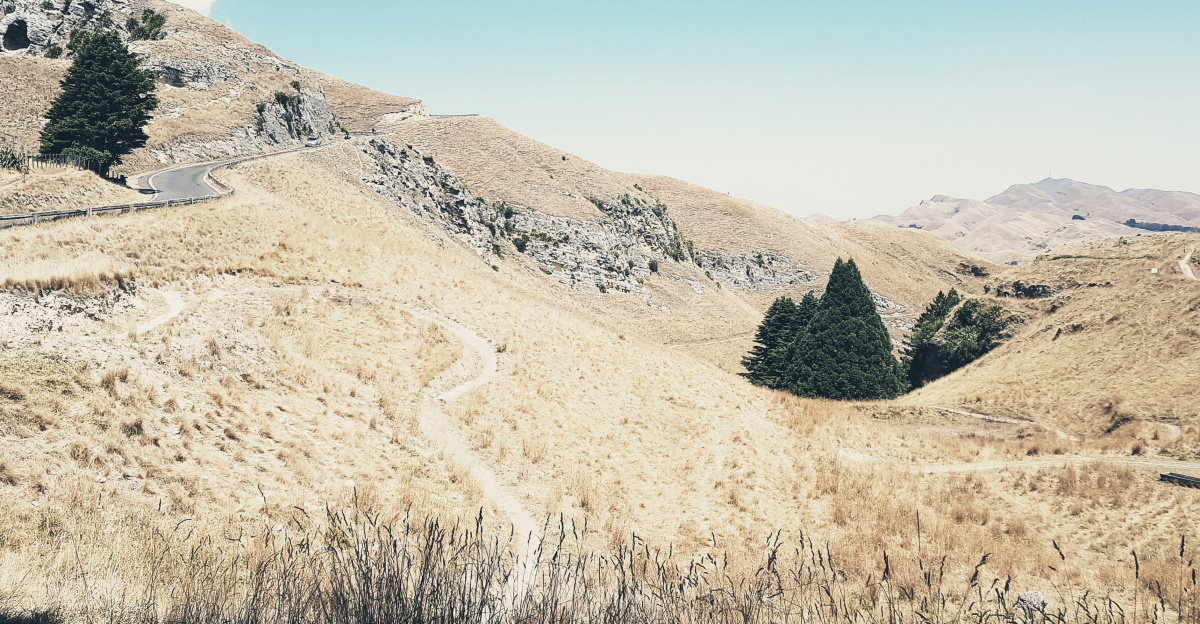
By keeping people out for security reasons, the government also kept out mines, housing, and highways.

Ecologists sometimes call places like this “accidental wilderness” or “inadvertent refuges.” Nuclear tests caused intense but local damage. In contrast, human development brings constant traffic, noise, and habitat loss.

Over time, the restricted test site ended up protecting more desert life than nearby open public lands.

The Vegas Contrast

welcome to fabulous las vegas nevada signage
Photo by Grant Cai on Unsplash

Just an hour’s drive away, Las Vegas keeps expanding with neighborhoods, freeways, and shopping centers. That growth overpowers desert plants and displaces wildlife.

The test site avoided this fate because strict security blocked construction and casual use.

While the Vegas Valley is filled with lights and pavement, the fenced‑off nuclear range kept its wide, mostly unbroken stretches of desert habitat.

The Bug Count
A scorpion crawling on a piece of wood
Photo by Andrey Tikhonovskiy on Unsplash

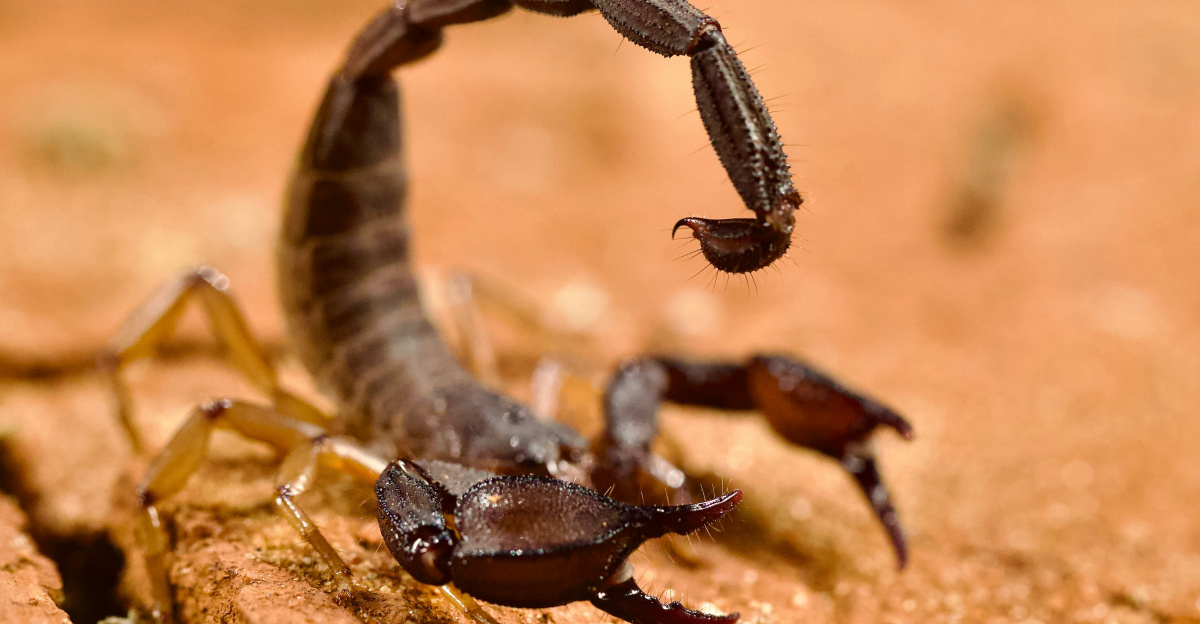
Invertebrates comprise more than half of the site’s known species, with approximately 1,200 types recorded. These include scorpions, spiders, beetles, ants, and pollinating insects.

Many live hidden under rocks or in the soil but play vital roles. They recycle nutrients, pollinate the site’s 754 plant species, and feed birds, reptiles, and small mammals.

Without this huge bug community, the whole system would collapse.

Watching Closely
People gather in a lush rainforest setting.
Photo by Amélie Aronson on Unsplash

In 1987, federal scientists launched a formal ecological monitoring program on the test site.

Since then, they have tracked plants, reptiles, birds, small mammals, and large animals year after year. Teams record where species live, how many appear, and how conditions change.

This extensive record enables researchers to identify trends rather than make guesses, providing a clear picture of recovery and resilience.

High-Tech Nature

A biologist checks the serial number on a tracking collar before fitting it on a bison. Tracking collars assist in estimating population size, understanding migrations, and understanding distribution and habitat use. 
NPS Photo/L. Cisneros
Photo by Grand Canyon NPS on Wikimedia

Modern tools enable scientists to study wildlife with minimal disturbance. Motion-activated cameras capture bighorn sheep, coyotes, and mountain lions in motion at night.

Biologists sometimes fit animals with GPS collars to follow migration routes and home ranges.

Detailed vegetation surveys map plant communities and reveal where new growth appears after old disturbances have occurred. Together, these methods show how life uses every corner of the test site.

Invisible Scars
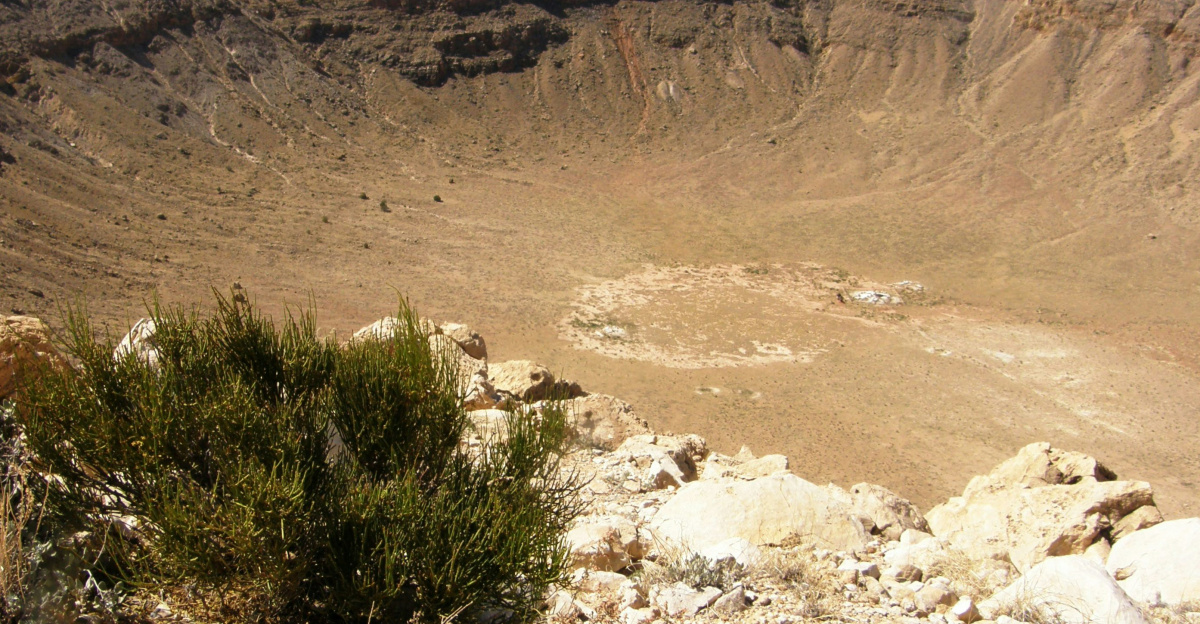
A view of a desert from a high point of view
Photo by John Ballem – a collection of personal photos on Unsplash

Radiation from past tests still lingers in certain soils and underground areas, and some craters remain as visible scars.

Yet plants root in many of these disturbed areas, and animals move through them in their daily lives. Some species avoid the harshest environments, while others utilize crater rims as shelter.

So far, wildlife appears able to live, breed, and maintain stable populations despite these unseen risks.

The Museum Witness

Photo gallery at the Atomic Testing Museum.
Photo by Brian Whitmarsh on Wikimedia

Most people will never pass the security gates, so their closest view of this landscape comes through the National Atomic Testing Museum in Las Vegas.

Exhibits trace the history of nuclear tests and now often include information about the site’s ecology.

Visitors learn that the story did not end with the last explosion. Nature continued to work, slowly covering the bomb scars with thriving living communities.

Forever Wild?
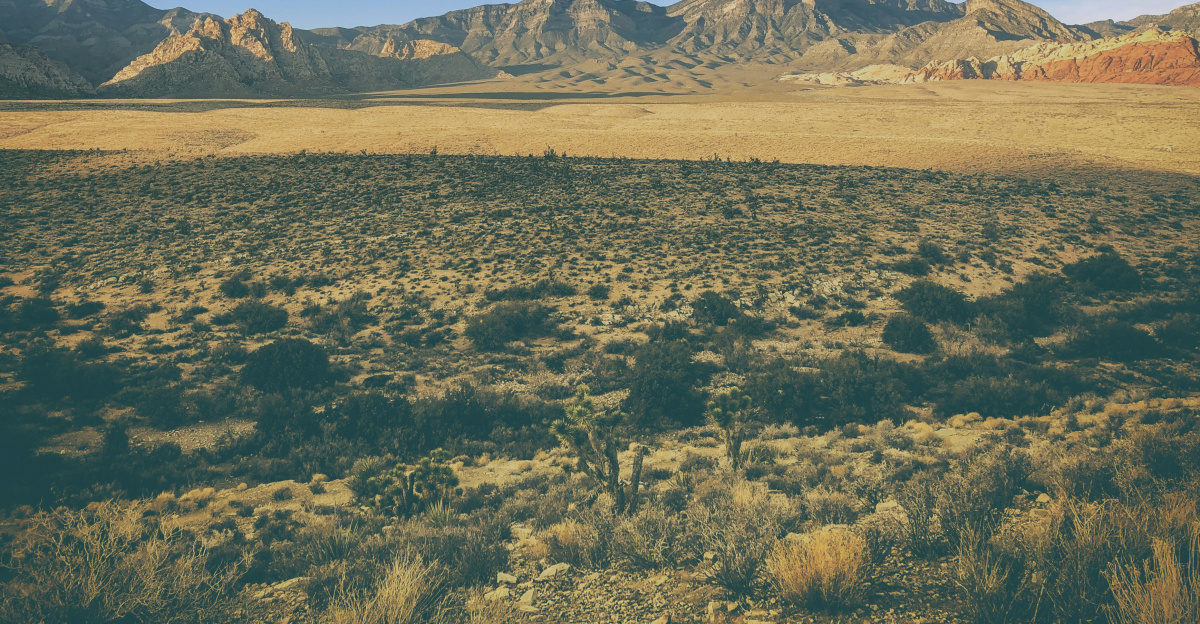
aerial view photography of green grass field
Photo by Nikola Knezevic on Unsplash

The Nevada National Security Site continues to play a role in national defense and weapons stewardship, making it unlikely to be opened as a park.

Even so, many scientists see it as a de facto wildlife reserve. Managers must balance security missions with ecological care.

Plans and environmental reviews increasingly recognize that this “nuclear range” also protects one of the West’s largest intact desert habitats.

The 2024 Report

Close-up of a quarterly sales report showing bar charts on paper.
Photo by RDNE Stock project on Pexels

Recent ecological monitoring reports from 2023 and 2024 suggest that many key species remain stable or are expanding into new areas of the site.

Botanists note ongoing plant recovery in once‑disturbed zones. Wildlife teams log repeated sightings of tortoises, raptors, and large mammals.

These findings support the notion that the biodiversity boom is not a brief fluke, but a persistent trend.

Radioecology
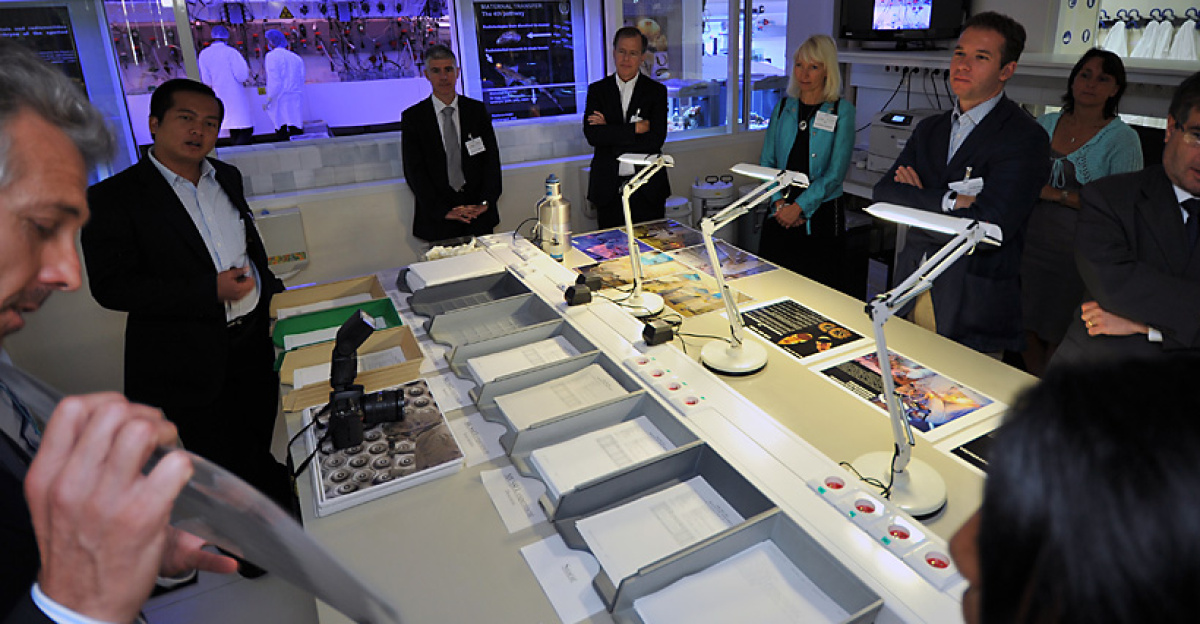
<p>Ambassadors of the Vienna Based Permanent Mission were given a guided tour to the Training Centre, the Radiometrics Laboratory, Radioecology Laboratory and the Marine Environmental Studies Laboratory during their visit to IAEA Environment Laboratories in Monaco. 4 Quai Antoine Premier, MC 98000 Monaco. 30 September 2011
</p><p>Copyright: <a href="<a rel="nofollow" class="external free" href="http://www.iaea.org/NewsCenter/Multimedia/Imagebank/index.jsp">http://www.iaea.org/NewsCenter/Multimedia/Imagebank/index.jsp</a>" rel="nofollow">IAEA Imagebank</a>
</p>
Photo Credit: Dean Calma / IAEA
Photo by IAEA Imagebank on Wikimedia

Scientists use the test site as a real‑world lab for radioecology, the study of how radiation affects living systems over time.

Data from Nevada helps researchers understand long‑term impacts after accidents at places like Fukushima or Chernobyl.

By comparing doses, species responses, and recovery rates, they gain insight into which habitats recover quickly, which remain stressed, and how to better guide cleanup efforts.

Viral Misconceptions
A group of green plants lit up in the dark
Photo by Tadeusz Zachwieja on Unsplash

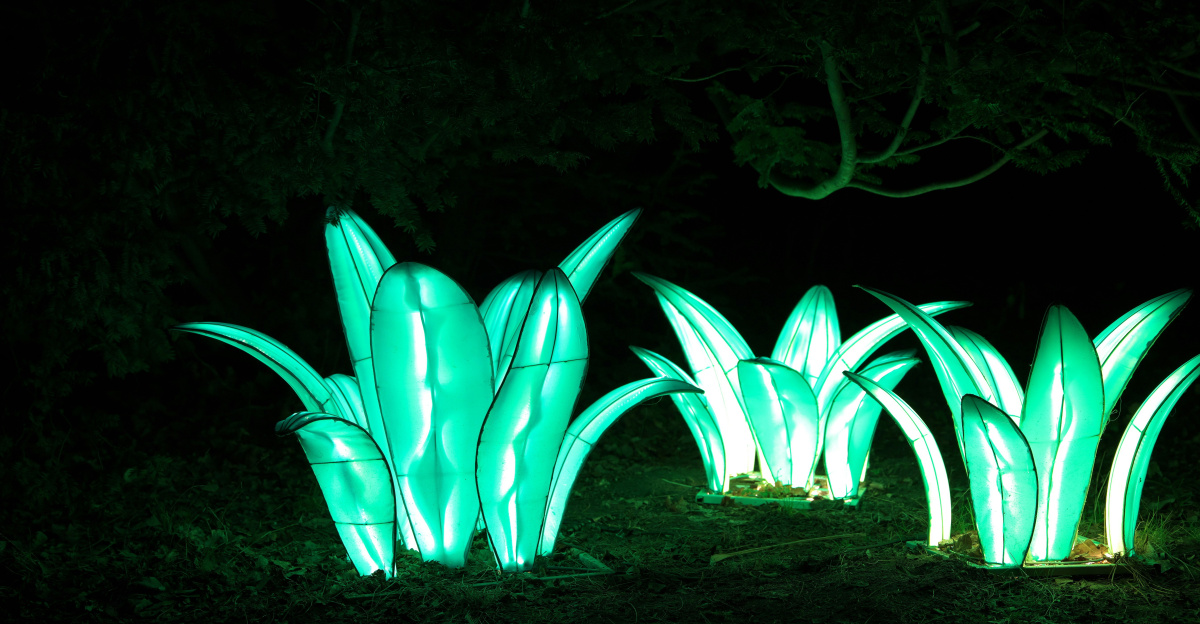
Popular culture often imagines nuclear zones filled with obvious mutants: glowing animals, extra heads, or twisted limbs. Games and movies exaggerate these images.

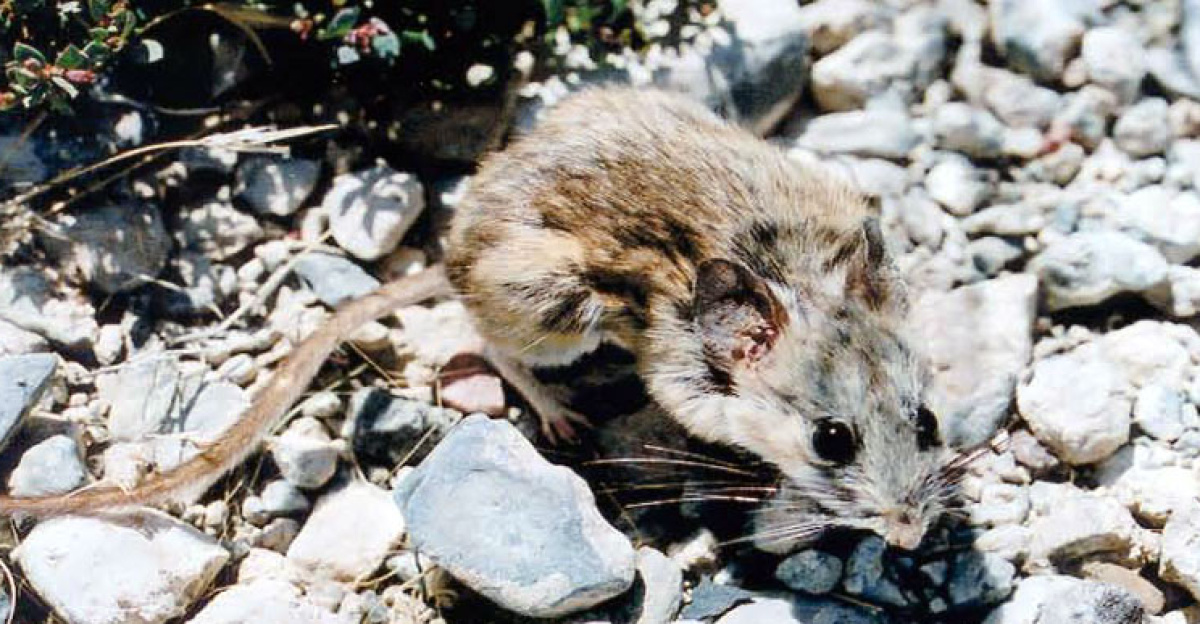
Field studies on the Nevada site instead report mostly normal‑looking plants and animals. Some subtle genetic or health effects may exist, but they rarely match horror‑movie expectations.

Scientists stress that the biggest difference here is simple human absence, not monsters.

The Chernobyl Cousin
Deserted structure overgrown by nature in Chernobyl, Ukraine, reflecting post-disaster decay.
Photo by Gáspár Ferenc on Pexels

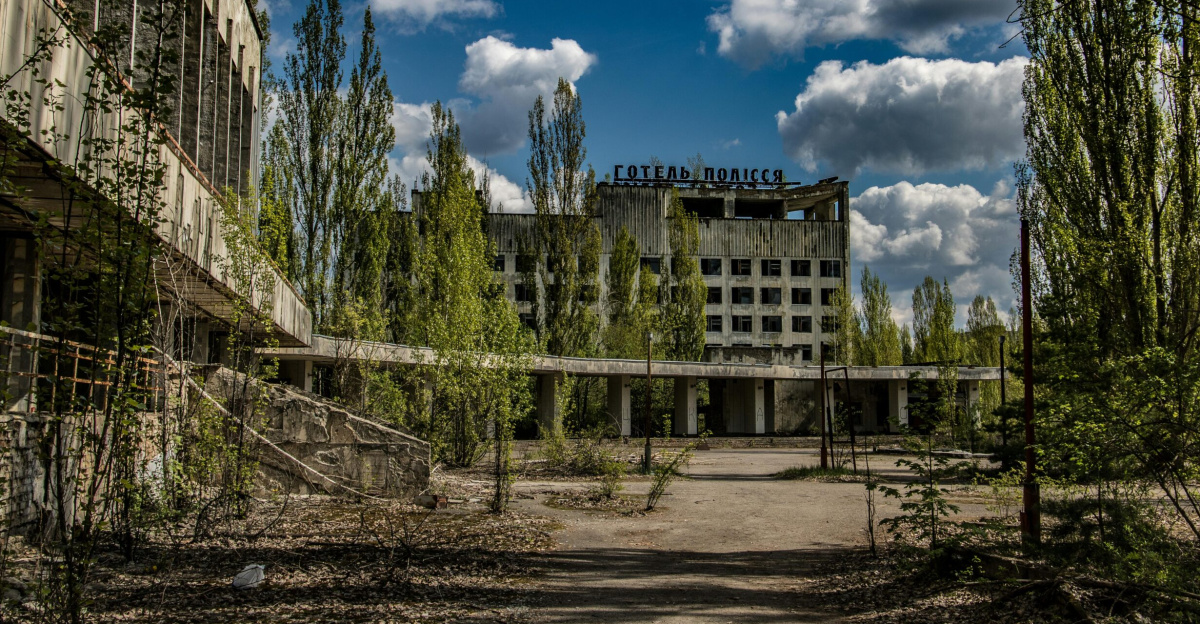
The Nevada site’s story echoes what researchers see in the Chernobyl Exclusion Zone in Ukraine. There, wolves, wild horses, and many bird species returned once people left.

In both places, radiation remains a concern, but daily human pressure has nearly vanished.

The common lesson is stark: when people withdraw, many wild species can reclaim damaged ground faster than most expected.

The Verdict
Cactus mouse (peromyscus eremicus). Four species of cactus mouse have been trapped on the Nevada Test Site. The cactus mouse inhabits the Mojave Desert eroregion.
Photo by National Nuclear Security Administration / Nevada Site Office on Wikimedia

Nevada’s former nuclear test range shows that nature can surprise us. A place built for destruction now shelters more than 2,000 documented species.

The headline’s “dead zone” turned into a rough kind of sanctuary, protected mainly by fences and fear.

This does not make nuclear testing harmless, but it proves that, given space and time, life pushes back into even the harshest landscapes.