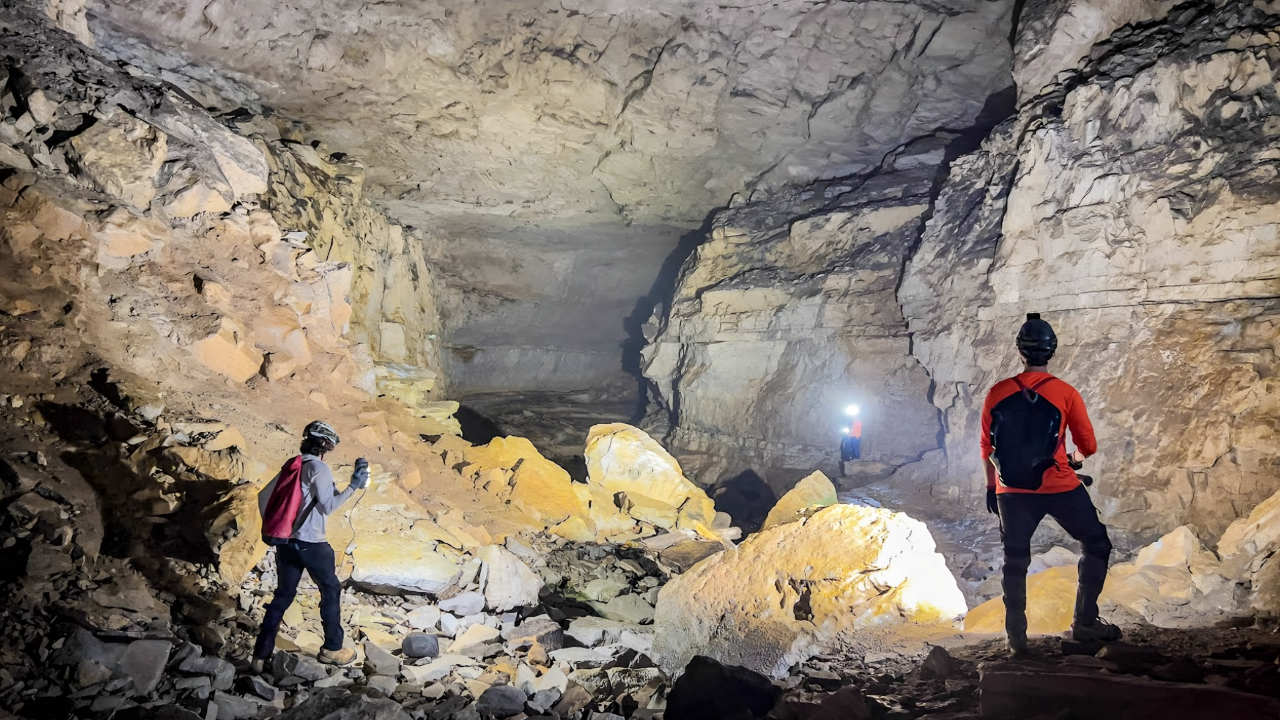
Deep under Nevada’s dry desert, a narrow cave called Devils Hole II holds a long, stone record of how the climate has changed over hundreds of thousands of years. Scientists from Oregon State University drilled a calcite core about a meter long from this cave, and that core turned out to be a kind of time capsule, preserving signs of ancient wet and dry periods over roughly 580,000 years.
By carefully studying the chemistry of the calcite, they can see when the region was cooler and wetter and when it was hotter and drier, often for very long stretches. Their work, published in a leading scientific journal, gives strong evidence that the American Southwest has a history of extreme mega-droughts during warm periods, much like the one unfolding today.
Drought Alarm
The findings from Devils Hole II raise serious concerns for the people and communities of the American Southwest. The core shows that in earlier warm periods, much like our current climate, groundwater levels fell sharply and plant life declined across the landscape.
Those ancient patterns look worryingly similar to what is happening now, as record-breaking heat, shrinking rivers, and falling reservoirs put huge pressure on water supplies. The region is already home to tens of millions of people, and scientists warn that if current warming and water-use trends continue, up to 50 million people could face serious water stress in the coming decades.
Hidden Archive

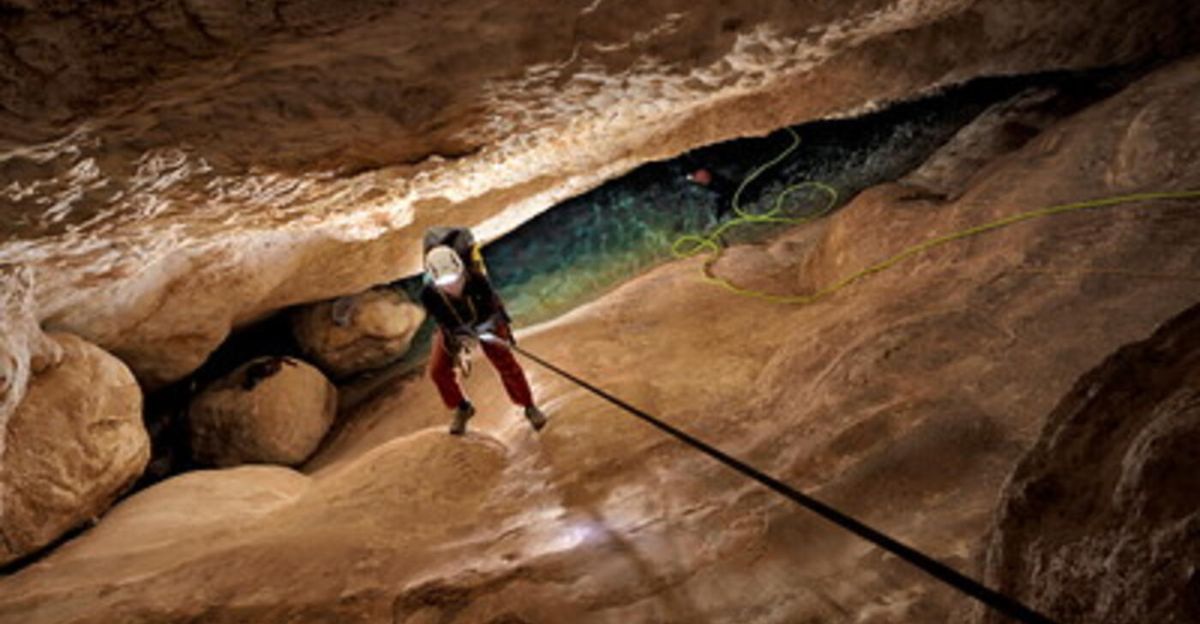
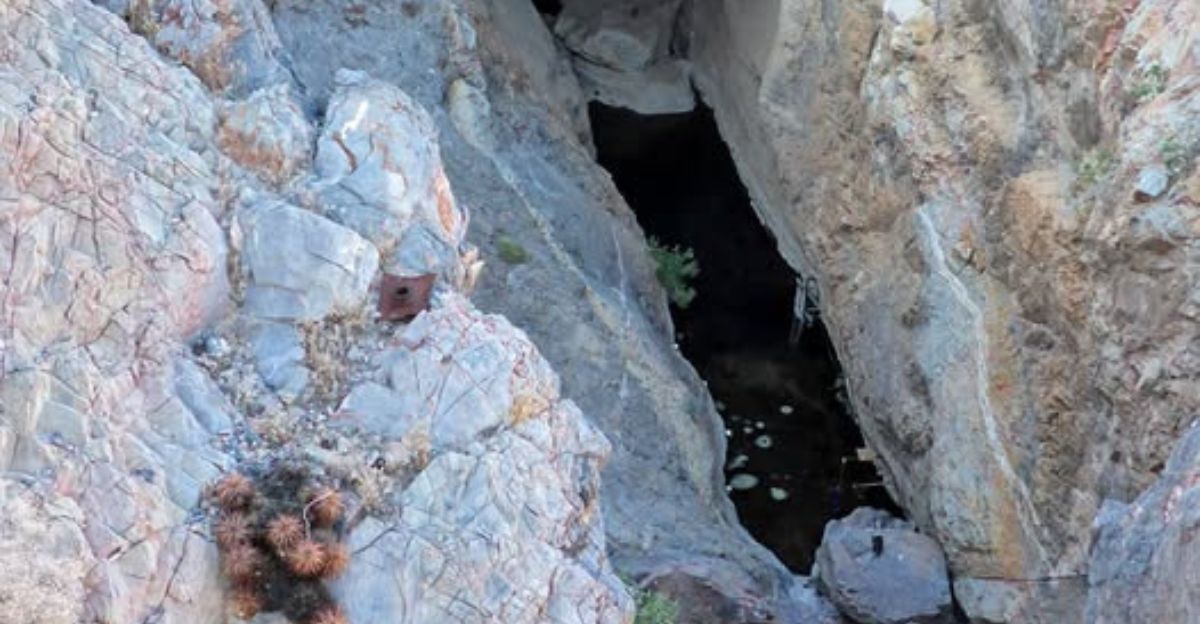
Devils Hole II is not a typical cave with wide chambers and big entrances. Instead, it is a narrow, vertical crack in the rock, coated with thick layers of calcite that have been slowly built up by groundwater over hundreds of thousands of years. Each layer of mineral is like a page in a book, capturing small changes in water chemistry that reflect changes in climate.
In most of the Southwest, wind, heat, and erosion destroy or blur older climate clues, so a continuous archive like this is extremely rare. Unlike ice cores drilled from Antarctica or Greenland, this record formed in a hot, dry desert, making it especially valuable for understanding how arid regions respond to climate shifts.
Pressures Mount
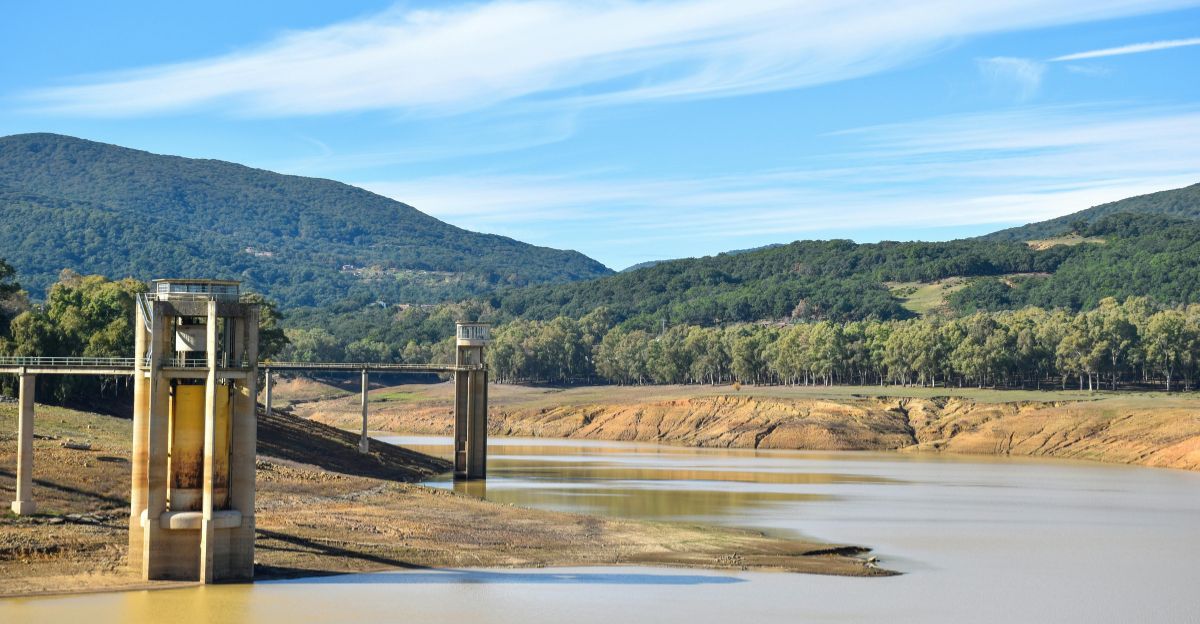
The story emerging from the cave shows that the Southwest’s current water problems fit into a repeating pattern, not a one-time event. During past warm intervals between ice ages, groundwater in the region dropped, springs dried up, and vegetation thinned or disappeared.
Today, similar signs are showing up again as reservoirs are at historic lows, many aquifers are being pumped faster than they can refill, and ecosystems that depend on steady water flows are under strain. “What we see over this time span are glacial periods, when Nevada was cooler and wetter, followed by interglacial periods, when Nevada was hot and dry, like what we’re experiencing today,” said Kathleen Wendt, an assistant research professor at Oregon State University.
Core Discovery
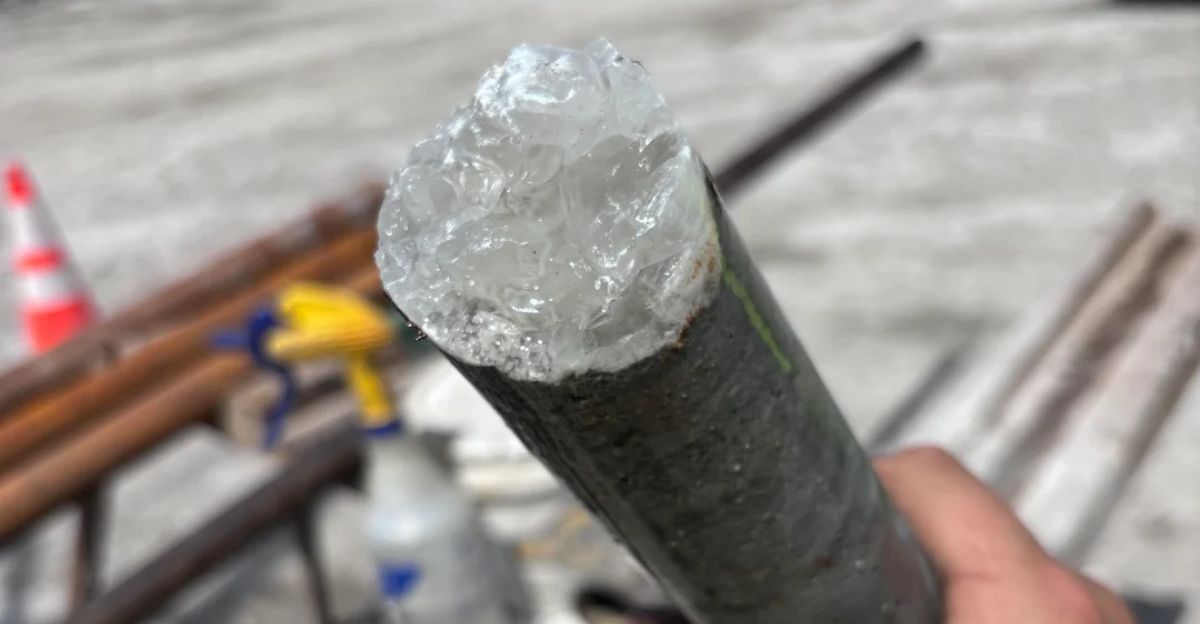
The key achievement of the study was extracting and analyzing a single calcite core that records about 580,000 years of climate swings. By measuring oxygen isotopes in the calcite, scientists can tell when conditions in Nevada were cooler and wetter, usually during glacial periods, and when they were hotter and drier, during interglacial periods similar to today.
These measurements show repeated cycles of climate change, with each warm period bringing a significant drop in groundwater and a shift toward drier landscapes. The lead scientist on the project, Professor Kathleen Wendt, explained that this one core captures half a million years of climate history in one continuous record, allowing researchers to see not only the timing of wet and dry periods, but also how quickly those shifts happened.
Regional Fallout
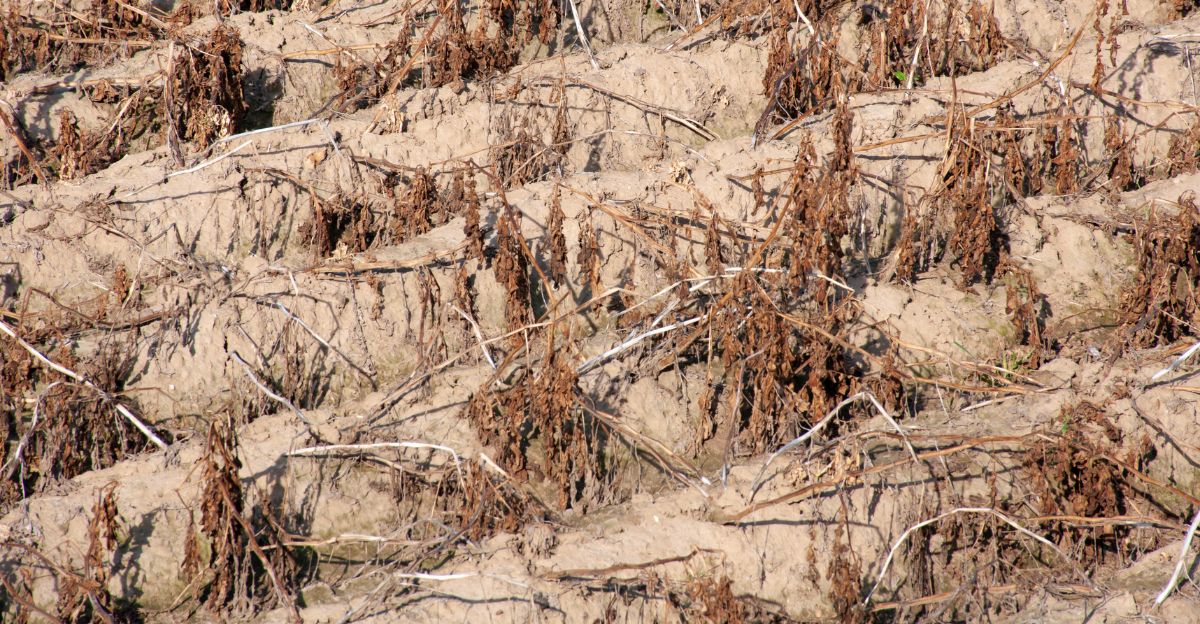
The cave’s climate story has very real consequences for the modern American Southwest. In earlier hot phases, when temperatures rose and storm patterns shifted, groundwater dropped and much of the vegetation that depended on that water disappeared. Today, farmers and communities are seeing similar trends as aquifers decline, streams shrink, and crops struggle in the heat.
The study warns that water supplies in states like Nevada, Arizona, and California are especially exposed to long, repeated droughts, not just brief dry spells. This vulnerability affects everything from food production to wildlife habitats to the growth of cities.
Human Toll
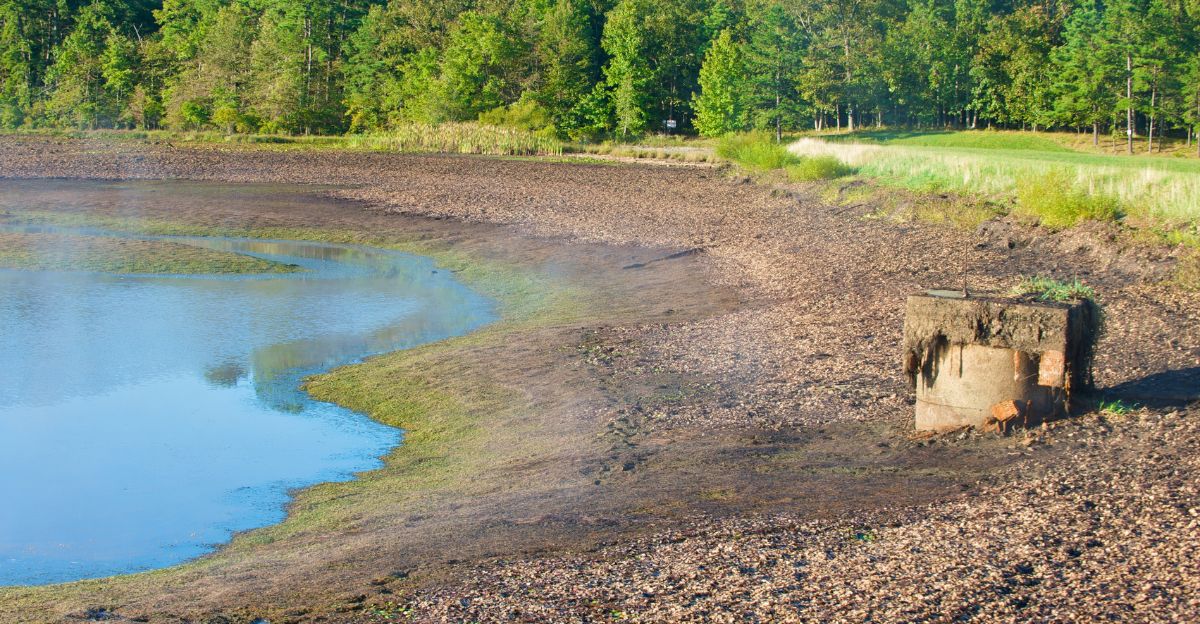
For people living in the Southwest today, the Devils Hole II record is a stark reminder that climate change is not just about distant ice sheets or abstract temperature graphs. It points directly to potential hardship for communities that already live with extreme heat and limited water.
Farmers may face lower yields or be forced to fallow fields, towns may have to tighten water use even further, and the risk of dangerous wildfires grows as landscapes dry out. These social and economic stresses make the cave’s message feel urgent, not just historical.
Storm Track Shifts
One of the most important insights from the study involves the paths that storms take across the Pacific Ocean and into North America. The record from Devils Hole II suggests that during ice ages, the main storm tracks shifted hundreds of miles to the south, bringing more winter rain and snow to Nevada and the surrounding region.
In today’s climate, many of those storms travel farther north, soaking the Pacific Northwest more than the interior Southwest. The cave record shows that these patterns are not fixed as they can change relatively quickly as global temperatures and ice sheets change. Understanding how and why those storm belts move is critical for predicting how much rain and snow the Southwest can expect in the future.
Macro Patterns
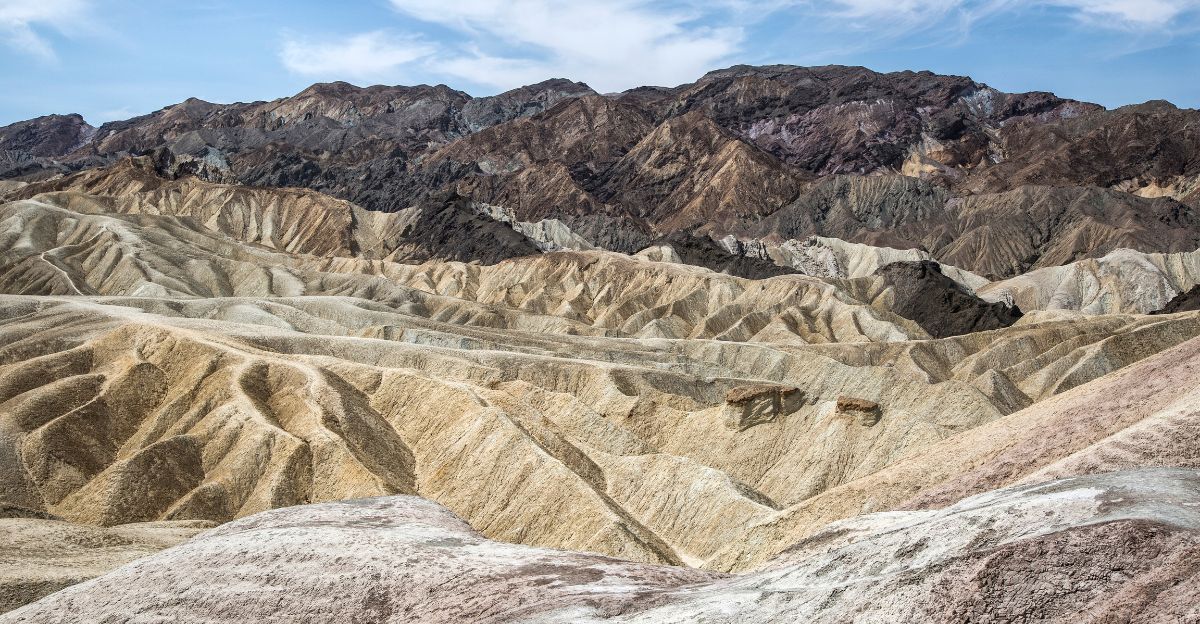
The long record from Devils Hole II lines up closely with other major climate archives from around the world. When researchers compare the cave’s isotope data to ice cores from Antarctica and Greenland, they see the same broad timing of glacial and interglacial periods, as well as similar swings in temperature and greenhouse gas levels.
This agreement suggests that droughts and wet periods in the Southwest are part of large-scale shifts driven by changes in Earth’s orbit, ice sheet size, and atmospheric gases such as carbon dioxide. The cave record reinforces the idea that local water availability is tightly linked to global climate mechanisms, not just regional weather.
Collateral Impact
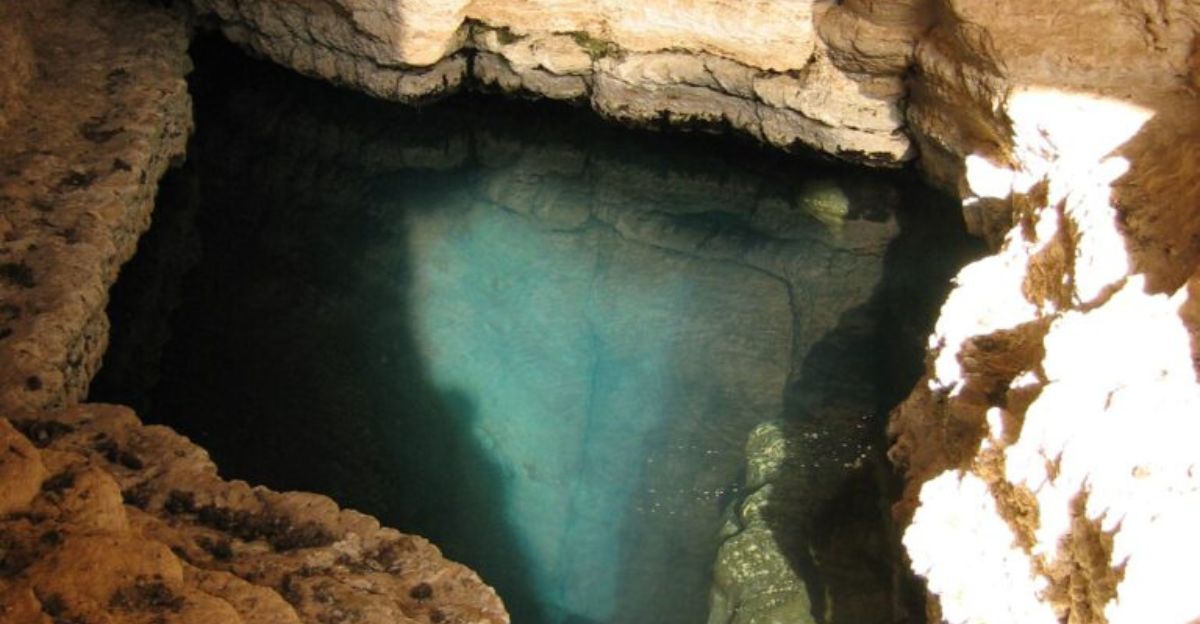
The Devils Hole II record makes it clear that falling groundwater was not the only problem during past droughts; it triggered a chain of other impacts. When water levels dropped, plants died back, leaving bare soil exposed to wind and heat. This led to more dust in the air and, in many cases, a higher risk of fires sweeping through dry vegetation.
Similar patterns can already be seen today, as prolonged drought in the Southwest turns fields and rangelands into dusty, fire-prone landscapes. The study encourages people to think of drought not simply as a lack of rain, but as a driver of broad ecological disruption that can affect air quality, soil health, wildlife, and human health.
Local Frustration
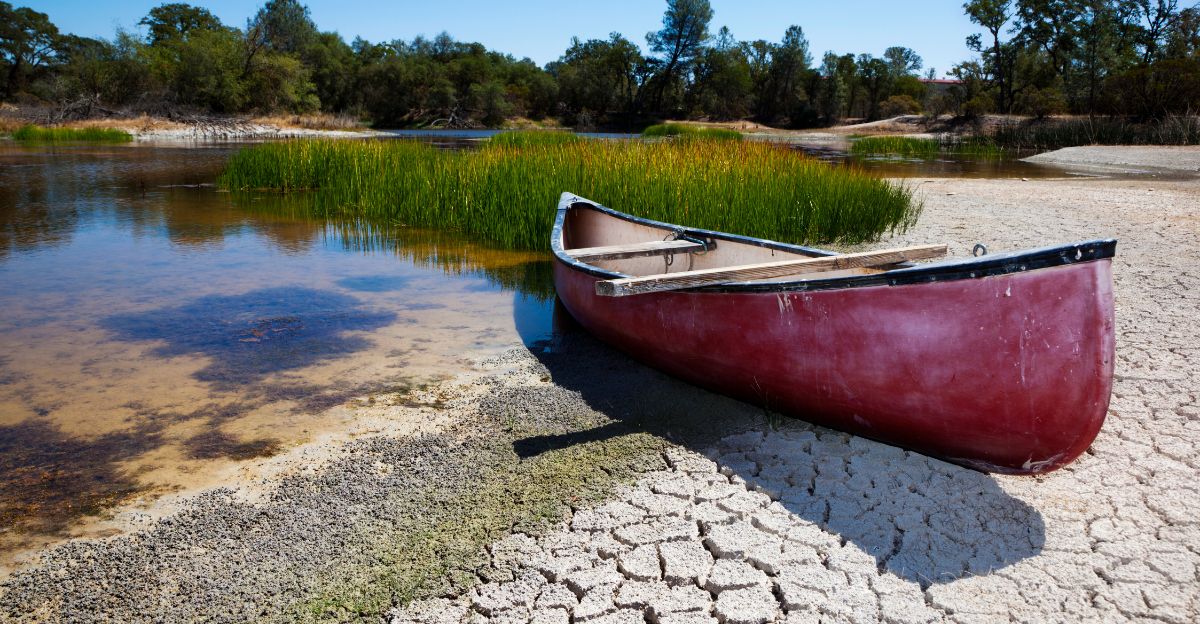
On the ground in Nevada and neighboring states, many people are already feeling the strain of limited water and long-running drought. Farmers and ranchers worry about shrinking water allocations and the possibility that wells that once seemed reliable might fail. City officials are under pressure to manage growing populations with less secure supplies, which sometimes leads to strict watering rules and public tension.
Reports from the region include accounts of wells running dry for the first time in living memory, a sign that the current drought is different from what older generations experienced. Against this backdrop, the Devils Hole II findings add scientific weight to what locals are seeing.
Scientific Leadership
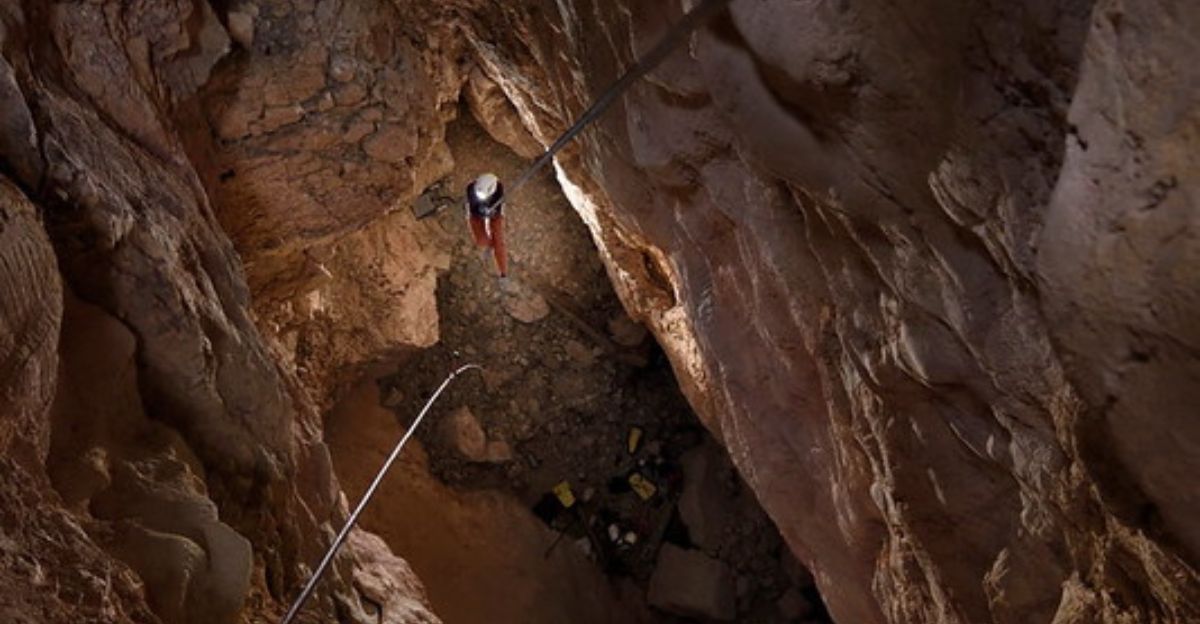
The study of Devils Hole II is also a story of scientific dedication and teamwork. Led by Professor Kathleen Wendt at Oregon State University, a diverse group of geologists, climate scientists, and technicians worked together to reach and sample this difficult site. They had to descend about 20 meters down a narrow shaft and move through tight spaces to access the calcite deposit, then carefully drill and remove the core without breaking it.
Back in the lab, they used advanced dating methods and isotope measurements to build a precise timeline of climate changes spanning more than half a million years. Their work sets a new benchmark for what can be learned from arid-region caves and shows the value of protecting these rare natural archives.
Policy Response

As evidence of long, severe drought cycles accumulates, water managers and policymakers in the Southwest are rethinking how to prepare. Some agencies are pushing for stronger conservation rules, such as tighter limits on outdoor watering, more efficient irrigation, and incentives to use less water in homes and businesses.
Others argue for big investments in new infrastructure, like water recycling plants, underground storage projects, or even pipelines to move water from wetter areas. The Devils Hole II study is being used in these debates as proof that the region is naturally prone to extreme dryness during warm periods, meaning that planning must assume future droughts could be longer and more intense than those of the past century.
Expert Skepticism
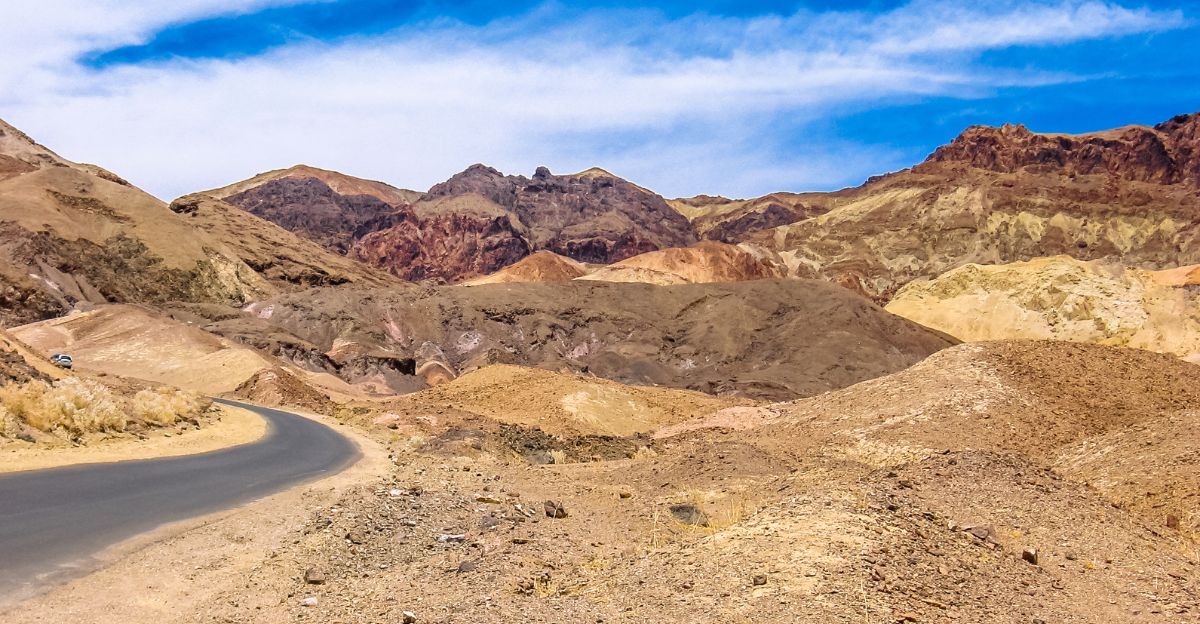
Even with such a strong record, some experts urge caution in drawing direct, simple lines from the ancient past to today’s future. They point out that modern conditions include factors that did not exist during earlier interglacial periods, such as very rapid greenhouse gas increases, massive groundwater pumping, large cities, and extensive agriculture.
These new pressures can change how quickly aquifers decline or how ecosystems respond. As a result, past patterns may not predict the future perfectly, even if they provide valuable guidance. Some scientists emphasize that the cave record should be used alongside modern observations, computer models, and other data sources.
Future Unwritten

The ancient record shows that climate can swing sharply, reshaping landscapes and water systems in ways that would deeply affect any society living through those changes. The Southwest is heading into hotter, likely drier decades, but how painful that journey becomes will depend on choices made now about emissions, water use, and land management.
Communities can use this knowledge to build resilience, by conserving water, protecting key ecosystems, and planning cities and farms that can withstand longer droughts.