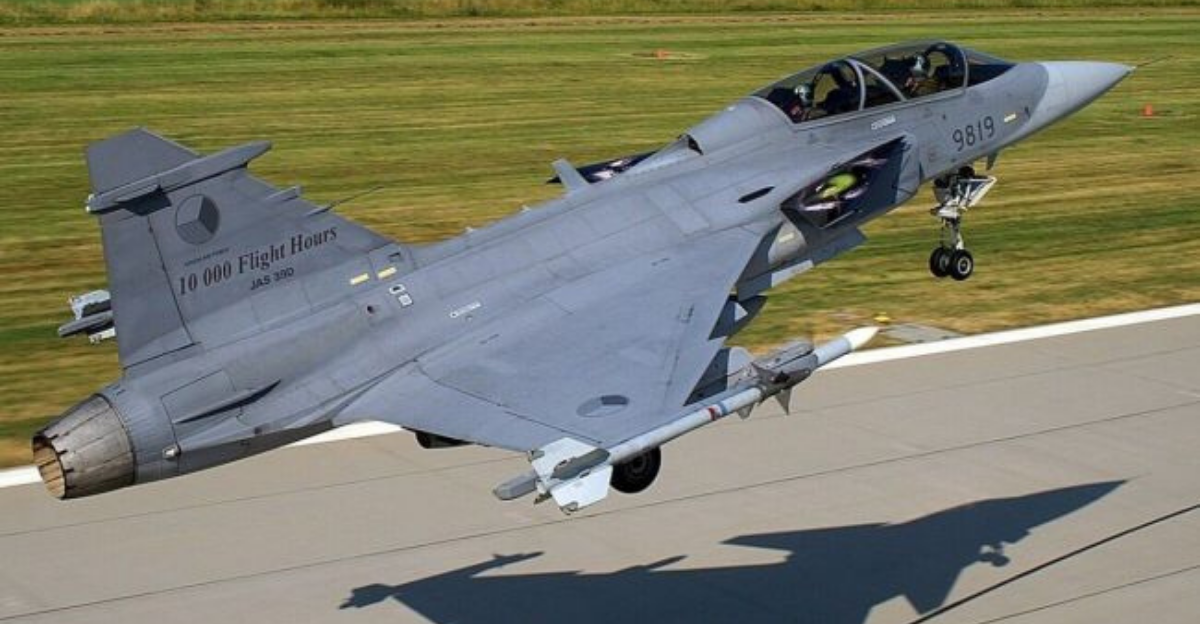
Sweden, which has historically maintained its neutral stance, is now potentially giving Ukraine access to an unprecedented fleet of 150 Gripen fighters, which could cost up to $20 billion. This action challenges its long-standing position and represents a significant shift from passive diplomacy to active military engagement.
Beyond supporting Kyiv, this move redefines Sweden’s place in Europe’s security framework. It raises the risk of diplomatic isolation but also makes a strong statement about Sweden’s dedication to European stability. This marks a clear transition: Sweden is moving from cautious neutrality toward active cooperation to prevent regional instability. The decision reflects a measured risk, driven by evolving threats and an awareness that neutrality may no longer ensure global safety.
The Neutrality of Sweden and Its Exclusions
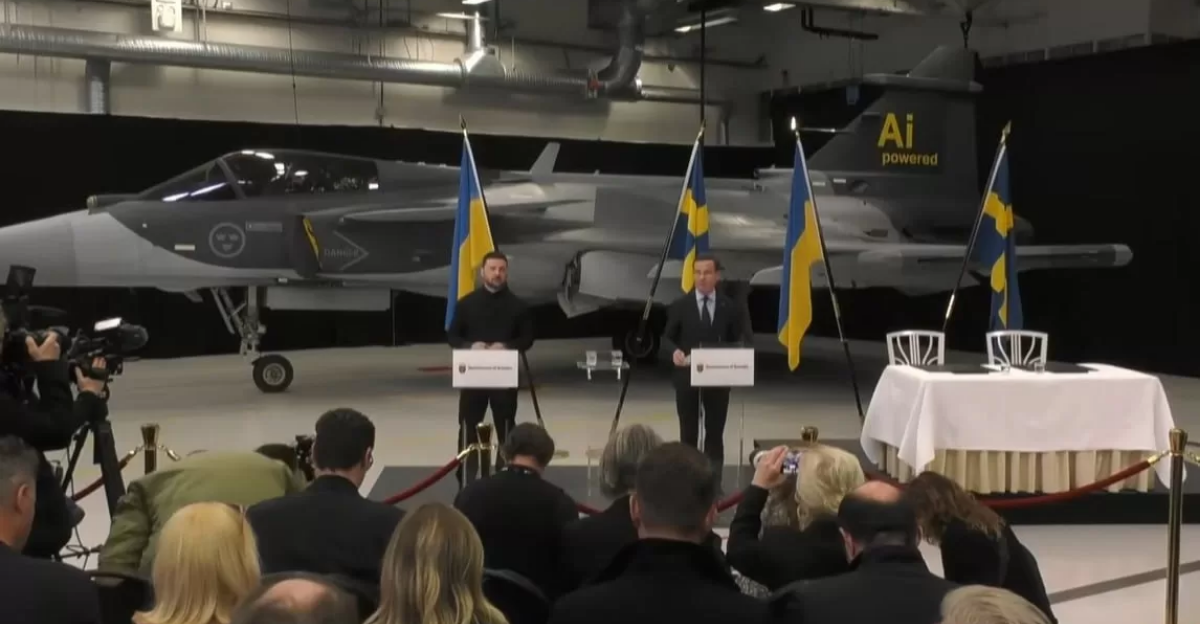
In order to protect its sovereignty and prosperity, Sweden avoided direct conflict for more than 200 years, adhering to a policy of neutrality. This neutrality helped maintain independence in the face of superpower tensions during the Cold War.
However, recent history demonstrates notable exceptions to Sweden’s traditional neutrality. These include joining NATO’s partnership, participating in peacekeeping, and supporting humanitarian efforts. The 2025 arms agreement with Ukraine stands out as a clear break and signals that the meaning of neutrality is changing. This evolution may stem from Sweden’s growing recognition that strategic deterrence is necessary given its proximity to Russia and other regional vulnerabilities. Such actions signal a broader redefinition of non-alignment in the age of hybrid warfare and highlight the pressures shaping even historically neutral countries.
European Defense Trends: From Engagement to Deterrence
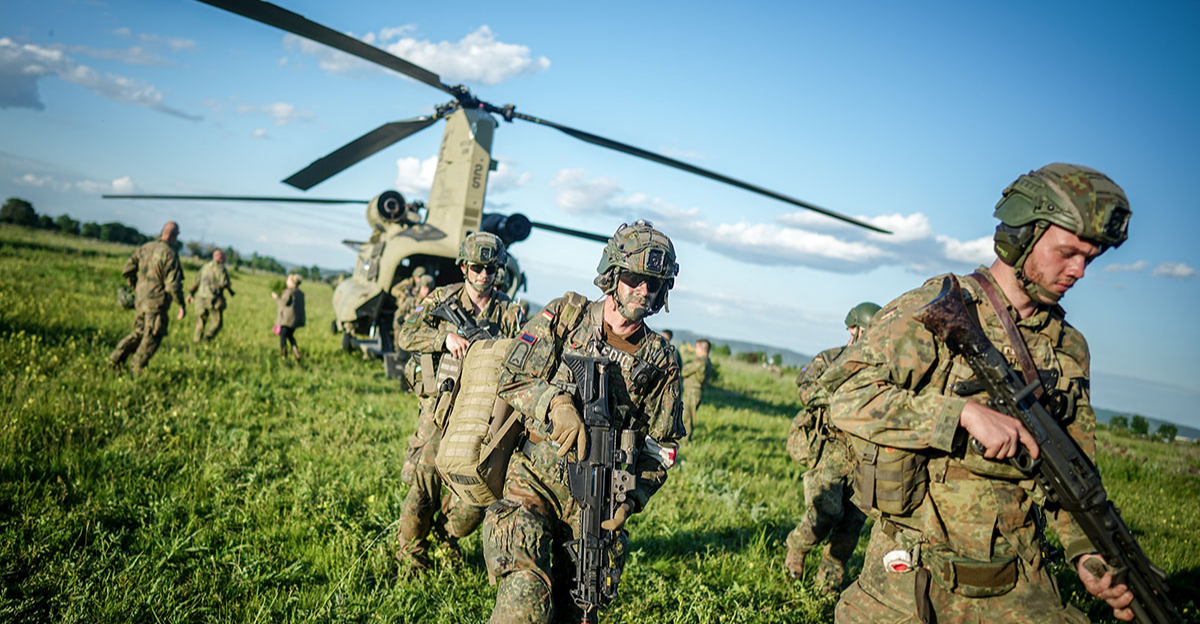
Active engagement with conflicting states is replacing collective deterrence as the foundation of Europe’s security paradigm. This trend is best illustrated by Sweden’s arms export to Ukraine, which is part of a larger shift brought on by growing Russian aggression and NATO’s expansion. To make up for their historical military limitations, historically cautious nations now choose asymmetrical support, such as strategic alliances and lethal aid.
The growing complexity of hybrid threats, cyberwarfare, and electronic attacks, which call for flexible, cutting-edge arsenals like the Gripen, further supports this paradigm shift. The pattern points to a shift in regional strategy away from passive neutrality and toward a hybrid coalition-based strategy that combines diplomatic efforts with practical military assistance, emphasizing that neutrality is no longer a solid defense but rather a flexible position in contemporary geopolitics.
The Gripen’s Strength: An Underappreciated Weaponry
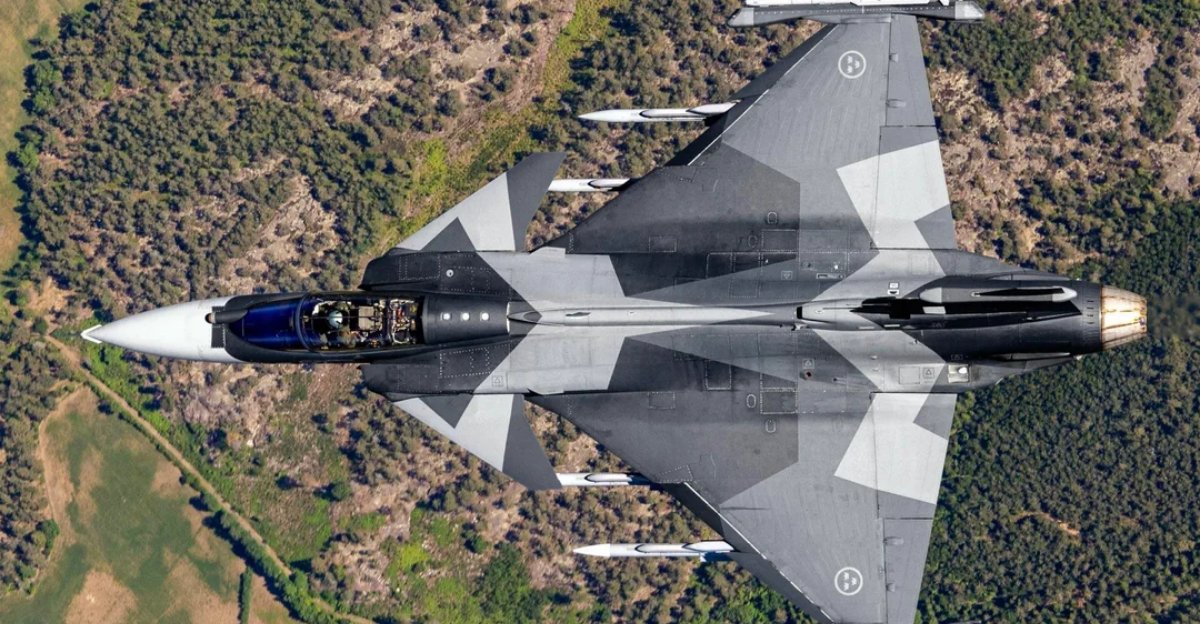
The Saab Gripen’s design features make it especially appropriate for the battlefield in Ukraine. It has an advantage over conventional aircraft like the F-16, particularly in contested, hybrid environments, thanks to its lightweight, multi-role capabilities and sophisticated electronic warfare systems. As Ukraine adjusts its terrain to insurgency tactics, the Gripen’s ability to operate from roads and austere locations, a defining feature of Cold War highway flight doctrine, becomes increasingly important.
Its small logistical footprint enables quick deployment, which is essential for prompt reinforcement in the midst of an ongoing conflict. Because of its strategic flexibility, Sweden is able to subtly project power, defying the belief that only powerful nations can make a significant impact in contemporary conflict.
Electronic Combat: The Unspoken Benefit
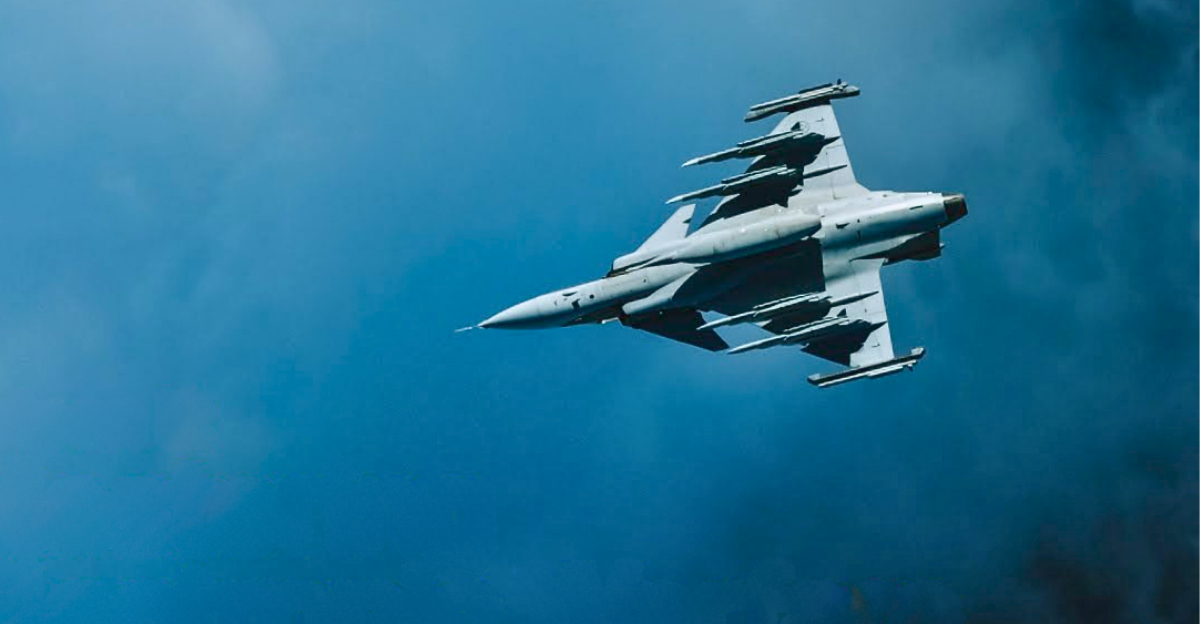
Gripen’s electronic warfare systems are revolutionary in Ukraine’s contested skies because they are specifically designed to counter Russian radar and missile threats. Sweden’s closeness to Russia during the Cold War influenced its EW technology, creating a fleet that was designed to outmaneuver Soviet fighters and radars. After 2014, this knowledge developed into a powerful weapon that now challenges Russia’s supremacy on the battlefield.
Even with a smaller fleet, Ukraine may be able to level the playing field by challenging Russian air superiority thanks to the aircraft’s capacity to jam and fool enemy sensors. This tactical advantage demonstrates how Cold War-era technological adaptation can turn a neutral nation’s legacy into a powerful force multiplier in contemporary conflicts.
Delivery Speed: Unmatched in Contemporary Combat
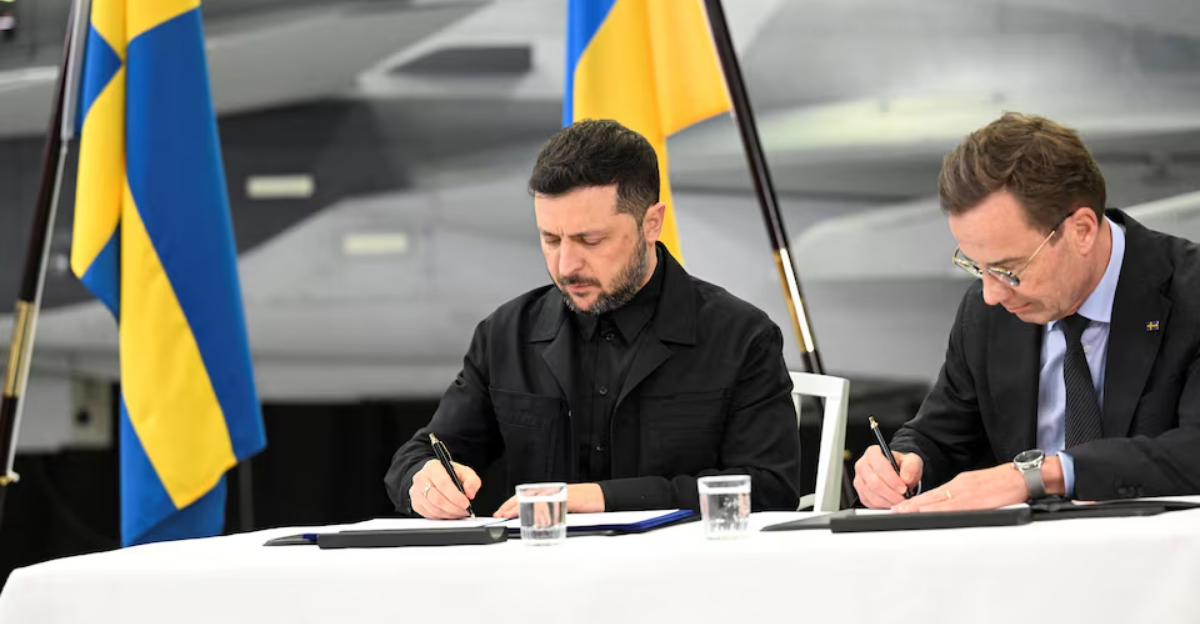
150 Gripens could be delivered in three years, which is a remarkable logistical accomplishment. In the past, it has taken several years from contract signing to operational readiness for contemporary advanced fighters like the F-16 or F-35. Here, a non-binding LOI and Sweden’s streamlined industrial capacity point to a quick pre-positioning of personnel, parts, and support infrastructure.
This quick transfer suggests a likely secret or pre-arranged supply chain, demonstrating Sweden’s willingness to get around usual red tape. Such logistical agility represents a new paradigm in which small states can quickly influence geopolitical outcomes by utilizing technological and industrial partnerships that are frequently disregarded.
Geopolitical Consequences: Sweden’s Strategic Bet
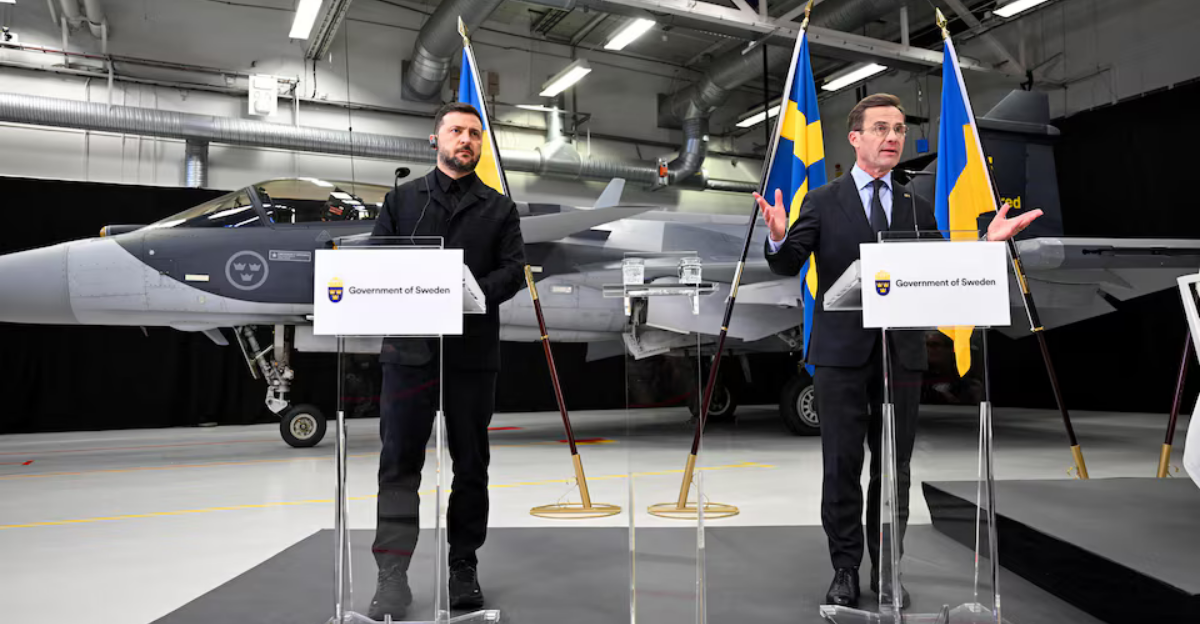
This arms transfer signals a changing geopolitical chess game in which neutrality is no longer an absolute principle but rather a tactical tool. In addition to running the risk of offending Russia, Sweden’s move establishes the country as a vital bridge connecting regional security and Western assistance. It establishes a precedent for other neutral states to follow in conflicts that jeopardize the larger security environment of Europe by indicating a willingness to question conventional non-alignment.
The action may also lead to Russian hybrid tactics, such as disinformation campaigns, cyberattacks, or clandestine operations, but it boldly asserts that strategic neutrality must change to meet contemporary threats, even if doing so requires moving outside of its comfort zone.
Stability on a Regional and Global Level
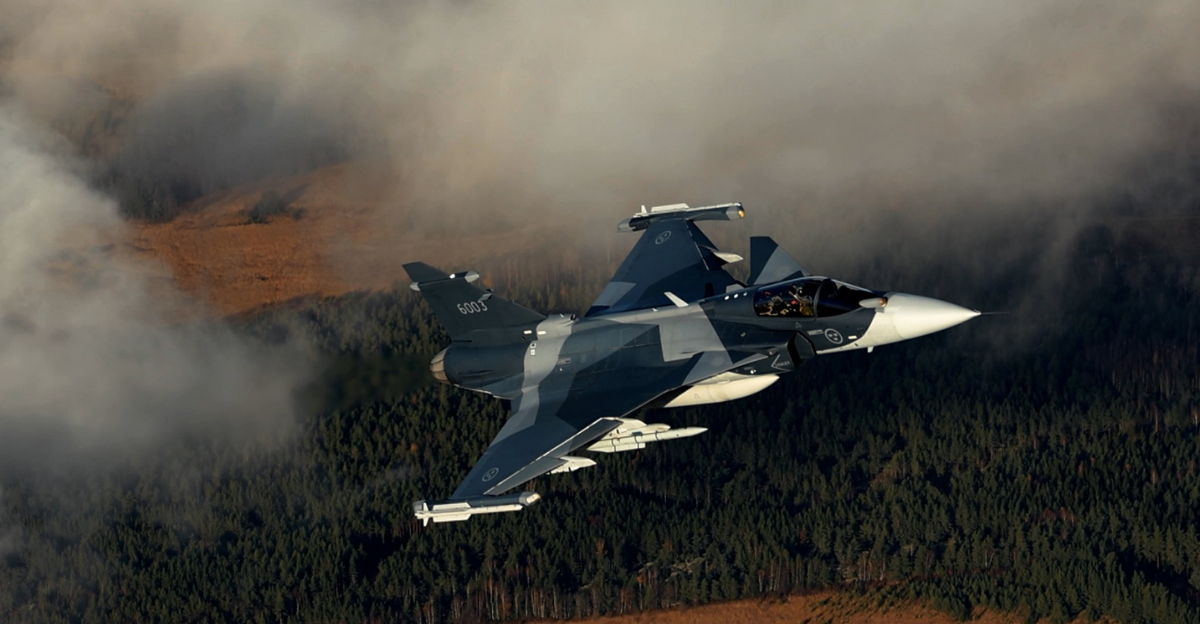
Giving Ukraine such a powerful fleet will change the balance of power in the region because it could force Moscow to reevaluate escalation thresholds, destabilize the current precarious standoff, and speed up Ukraine’s resistance to Russian advances.
It might set off a chain reaction among cautious or neutral European countries, encouraging others to publicly back Kyiv. Globally, this intensifies the competition for cutting-edge military hardware, potentially leading to an arms race, but it may also encourage a more assertive European defense strategy. It foreshadows the end of simple diplomatic neutrality from a strategic standpoint, serving as a spark for a new era of military diplomacy based on rapid escalation thresholds and technological parity.
Cyberwarfare and Industry Mashups
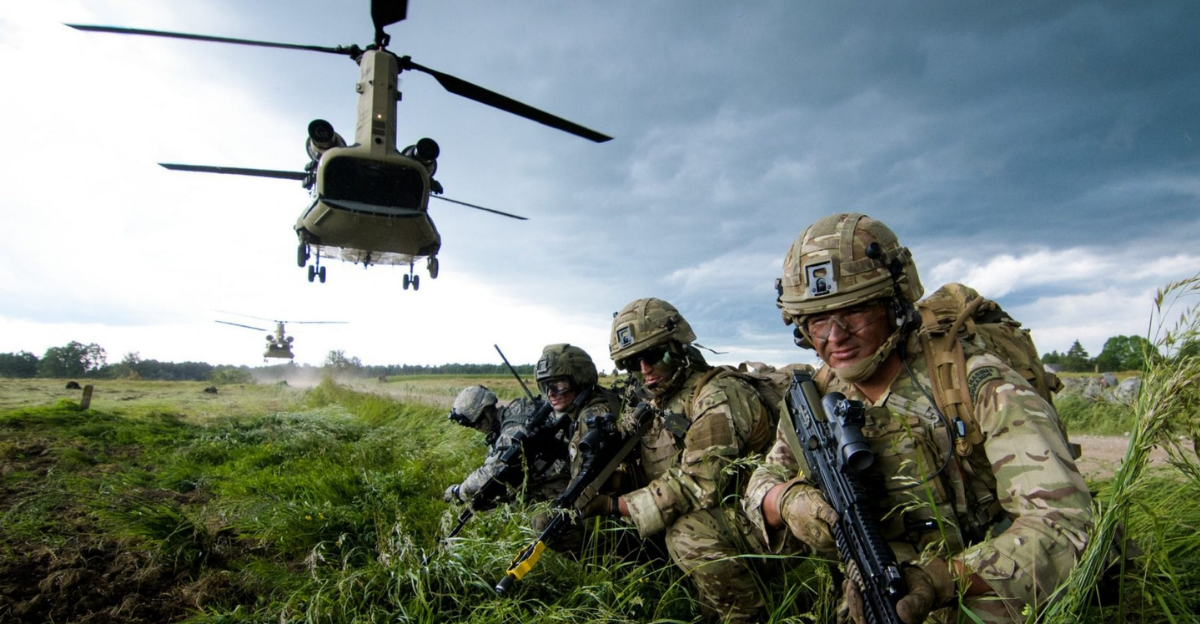
Opportunities to combine military assistance with industrial innovation are created by Sweden’s location at the intersection of aerospace, defense, and technology. Partnerships might also go into cyber defense, using Gripen’s cutting-edge EW systems to create robust command networks.
The agreement might also spur advancements in drone integration, AI-enhanced combat strategies, and autonomous systems, making Sweden a center for hybrid warfare technology. The action may also spark wider economic partnerships, creating a new defense industrial corridor between Ukraine and Scandinavia, which could transform regional security cooperation and upend established supply chains.
Cold War Technology, Contemporary Uses
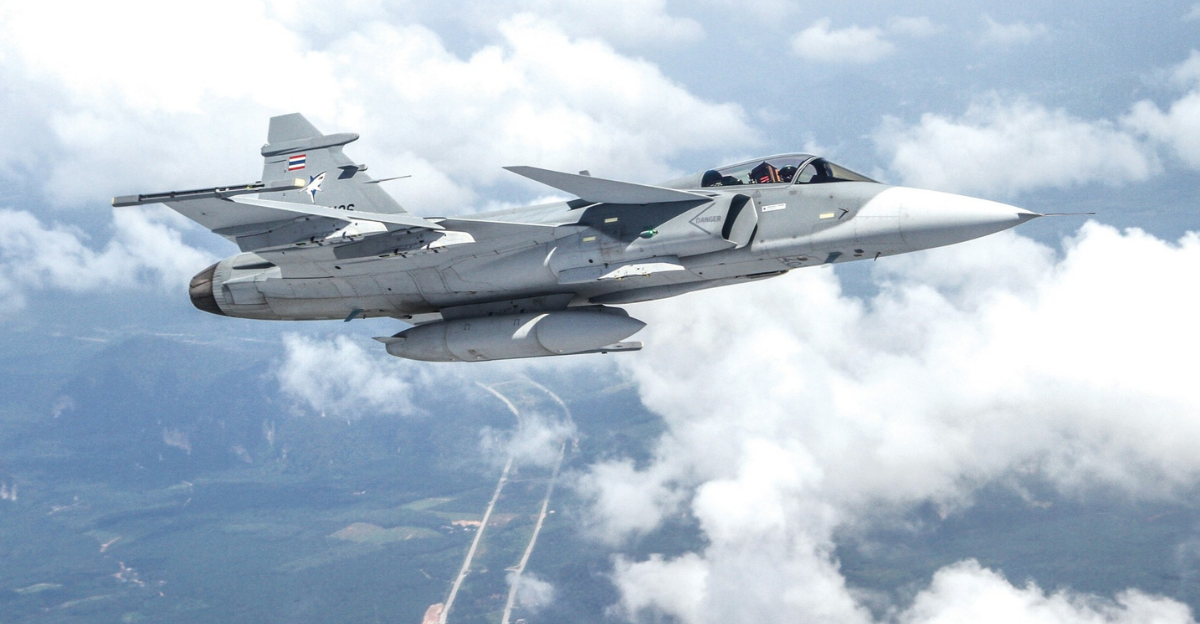
According to some analysts, Gripen’s electronic warfare systems contain technologies from the Soviet era that have been reverse-engineered, giving Ukraine ready-made defenses. If accurate, it implies that Sweden has gained a unique understanding of Russian strategy through Cold War espionage and intelligence operations, possibly to a greater extent than is generally recognized.
With Sweden successfully weaponizing its Cold War intelligence assets, such reverse-engineering would be a type of strategic deterrence. This theory, though unproven, demonstrates how military intelligence and historical espionage can be transformed into frontline capabilities, transforming legacy assets into contemporary battlefield advantages.
Reexamining Cold War Paranoia
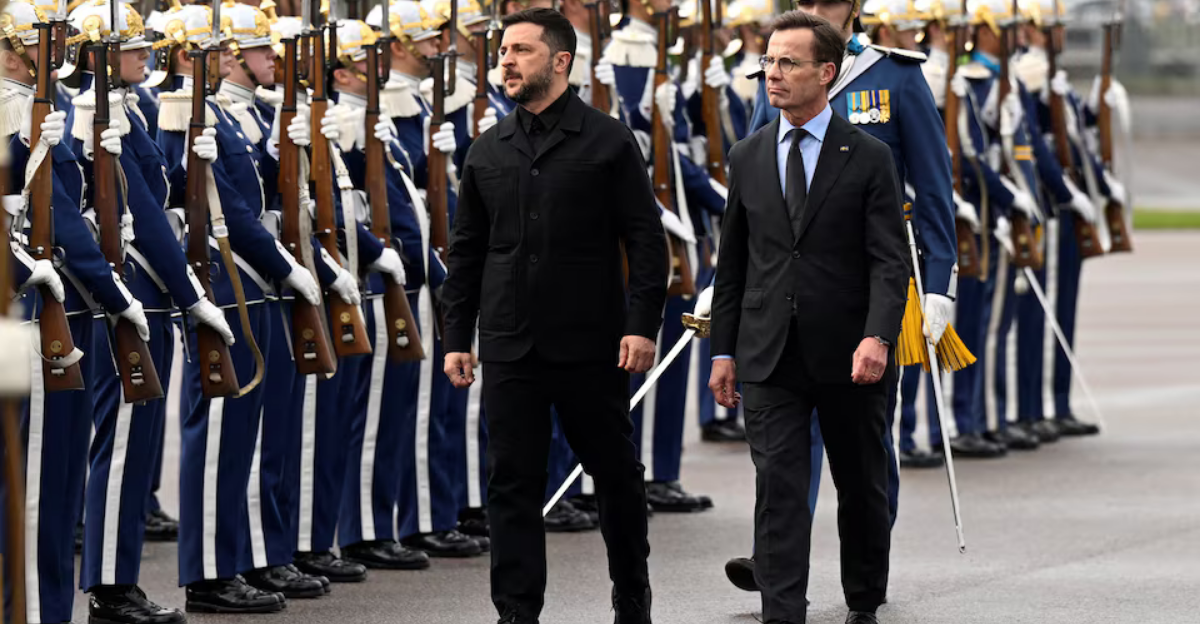
With the aid of contemporary technology, the highway flight doctrine has been revived, echoing Cold War ideas of guerrilla warfare and maneuver warfare. The investment by Sweden represents a return to asymmetric warfare tactics intended for a close-quarters battle in a crowded environment. This contemporary arms transfer appears to be based on the fundamental lesson of the Cold War: flexibility in the face of adversity.
This blending of modern technology and outdated doctrine implies that while basic military principles remain constant, the instruments of the trade change quickly. Sweden’s historical prudence has, in a way, become a case study showing that Cold War-era inventiveness is still applicable in hybrid conflicts of the twenty-first century.
The Realities of the “Highway Fighter” and Ukraine’s New Frontline
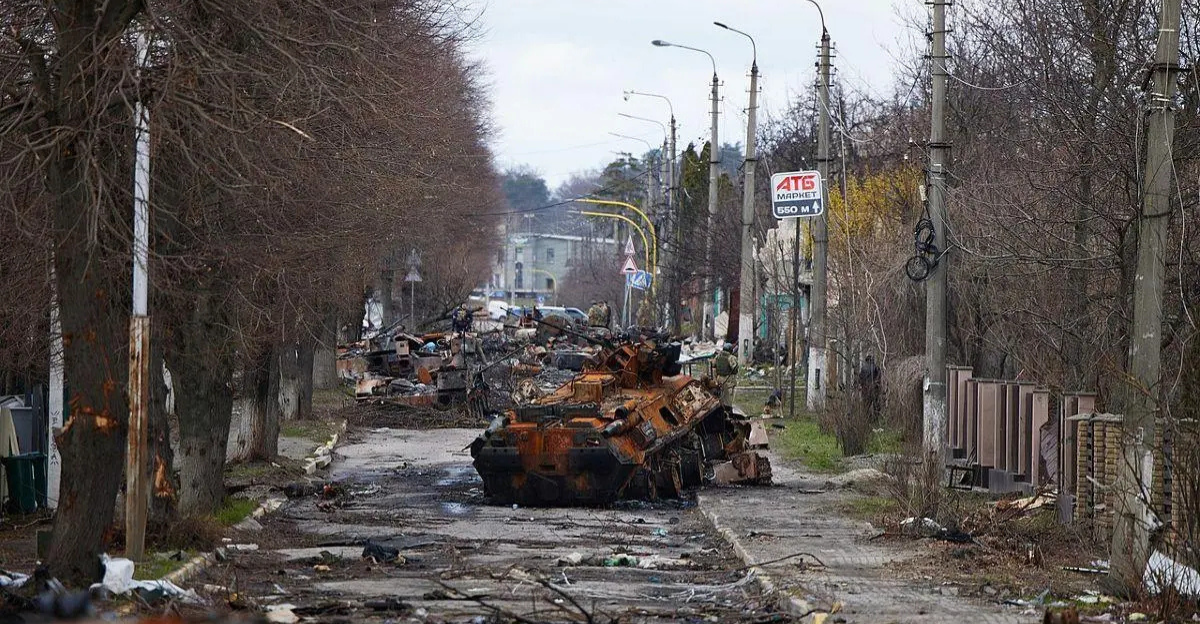
Converting public roads into combat runways represents a creative, albeit contentious, solution to the urban and rural combat environments in Ukraine. This tactic, which was resurrected from Cold War doctrines, enables combatants to avoid conventional airfields that are susceptible to Russian attacks.
It represents a paradigm in which logistics and terrain are just as important as aircraft technology. Practical success hinges on quick deployment, low infrastructure, and high pilot proficiency—all of which are strengths of the Gripen’s design. With its emphasis on agility, adaptability, and terrain exploitation—possibly a new frontier in asymmetric warfare—this model has the potential to revolutionize traditional air combat if it is successful.
Implications for Strategy Outside of Russia, Europe, and Ukraine
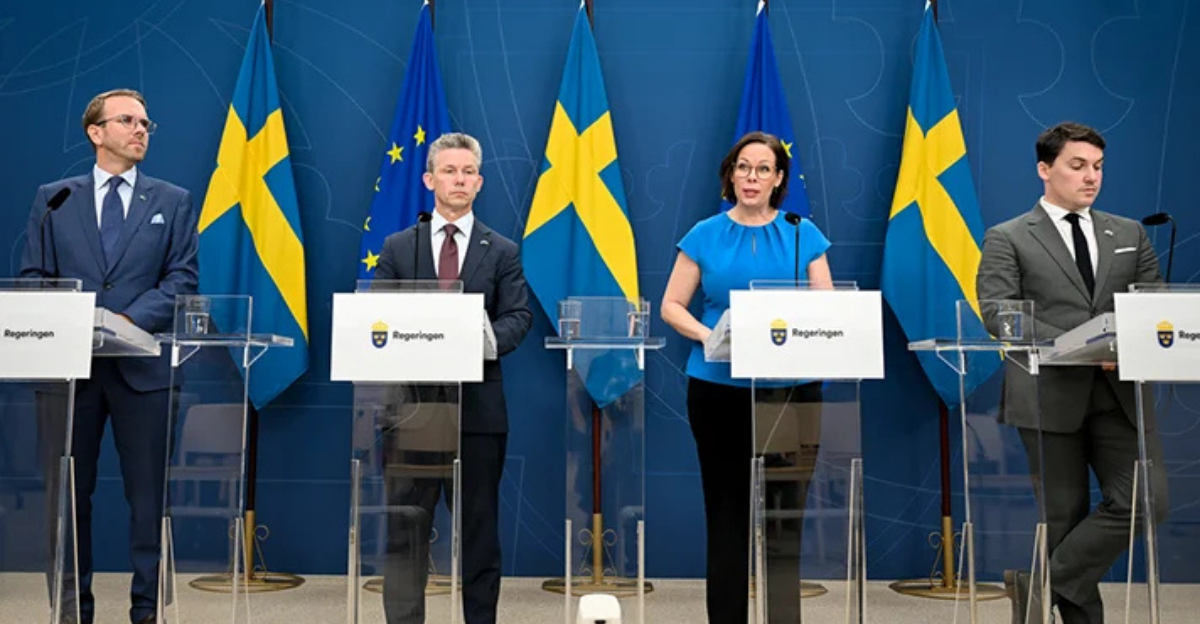
Sweden’s audacious action puts NATO’s established structure in jeopardy in addition to Russia. It shows a readiness to provide Ukraine with resources that might upset the equilibrium of air power in Europe. Other nations might quicken their bilateral assistance or self-reliance initiatives, escalating a heated regional arms race. As Moscow sees a threat to its strategic buffer zone, Russia’s likely escalation, cyberattacks, disinformation, or covert operations, may get more intense.
Could this lead to a reassessment of neutrality on a global scale, with more nations openly or covertly assisting Ukraine? The action could signal a sea change in which strategic necessity redefines neutrality, with far-reaching effects on the entire world.
Diplomatic and Ethical Conundrums
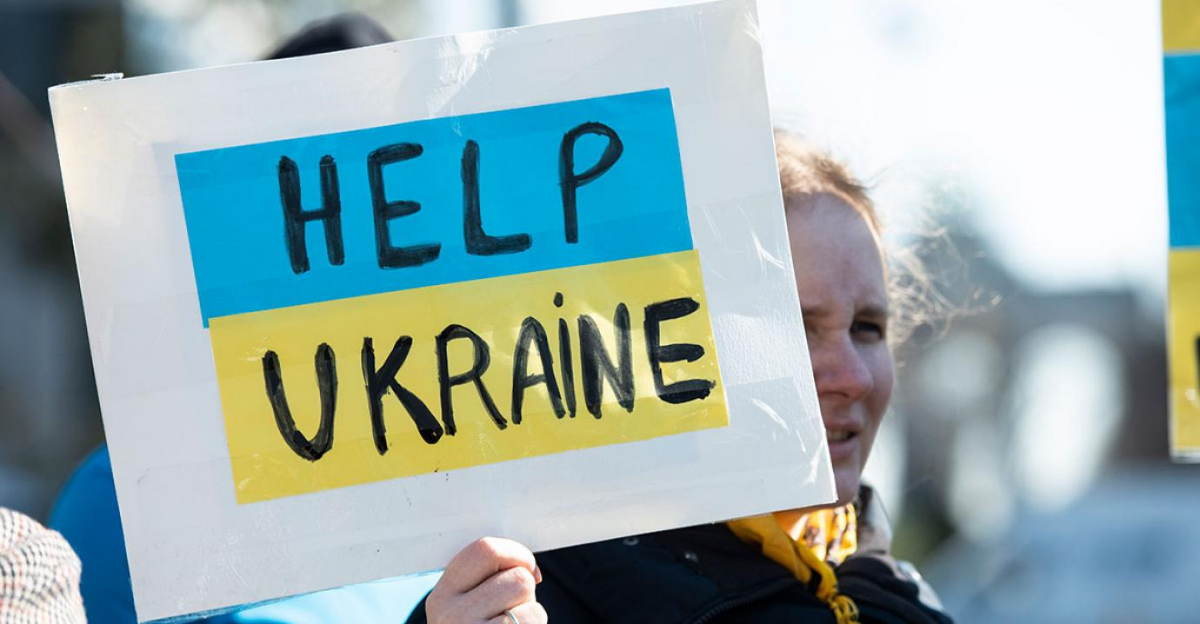
Providing Ukraine with such a large, highly developed fleet raises serious ethical concerns regarding responsibility and escalation. Sweden’s choice runs the risk of escalating the conflict or inciting an erratic reaction from Russia. In a diplomatic sense, it breaks the consensus of neutrality, but it might also reestablish the moral need to take decisive action.
It also highlights the conflict between international law and strategic necessity, whether this sale represents a turning point where neutrality gives way to active participation with unresolved ethical ramifications. For the Swedish government and its allies, striking a balance between strategic realism and moral clarity continues to be a major challenge.
Neutrality Redefined in the Modern Era
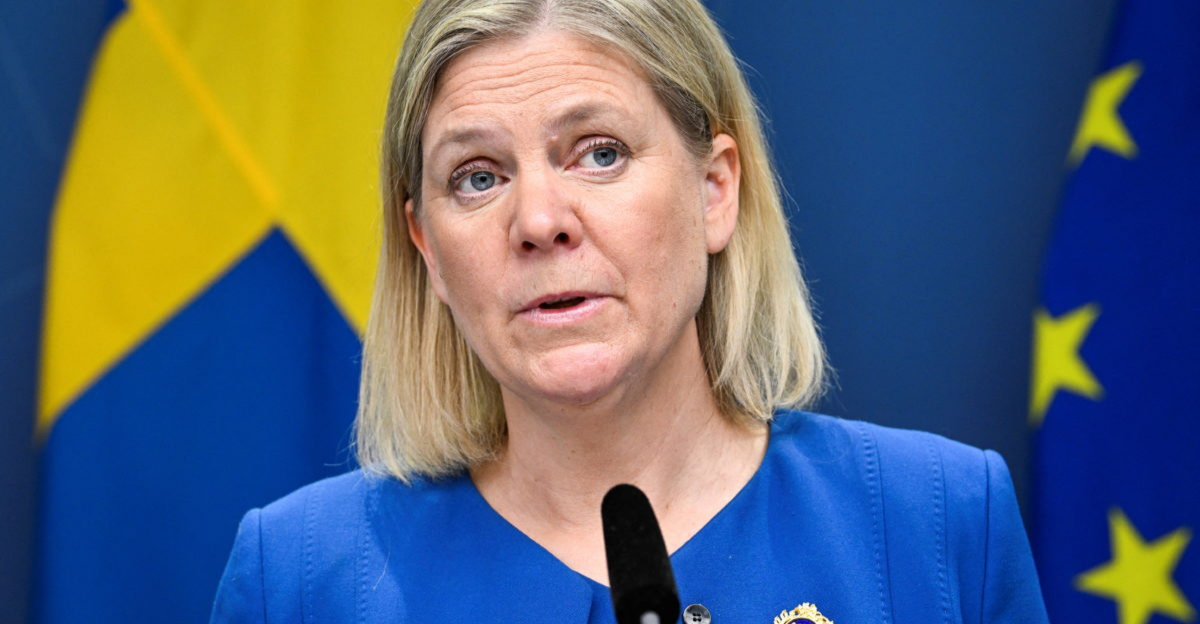
In a geopolitical environment where the stakes are high, Sweden’s historic move represents a fundamental redefinition of neutrality, going from passive to active support. In addition to changing the balance of power in the region, Sweden sets an example for smaller countries to use technological superiority in international conflicts by selling its most sophisticated combatants to Ukraine.
This choice suggests that neutrality in the twenty-first century may be a flexible tool rather than a set doctrine, as it is motivated by a complex combination of strategic necessity, technological innovation, and geopolitical evolution. It reaffirms that survival in a world that is changing quickly requires flexibility and strategic clarity, influencing future military operations and international diplomacy.