
Imagine a streaming giant wagering more money than a small nation’s GDP on a single, untested vision. In 2018, Netflix won a ferocious bidding war for a sci-fi epic, granting its obscure director unprecedented power backed by Hollywood royalty.
What followed was a multi-continental production that bled $55 million, yielded zero episodes, and unraveled into a federal criminal trial. This is the story of a gamble so catastrophic that it blurs the line between creative ambition and calculated crime.
An Auction in the Streaming Arms Race
At the height of the streaming wars, platforms were locked in an expensive content arms race. Amazon had poured nearly $250 million into a “Lord of the Rings” adaptation, and Netflix was spending billions on unproven creators.
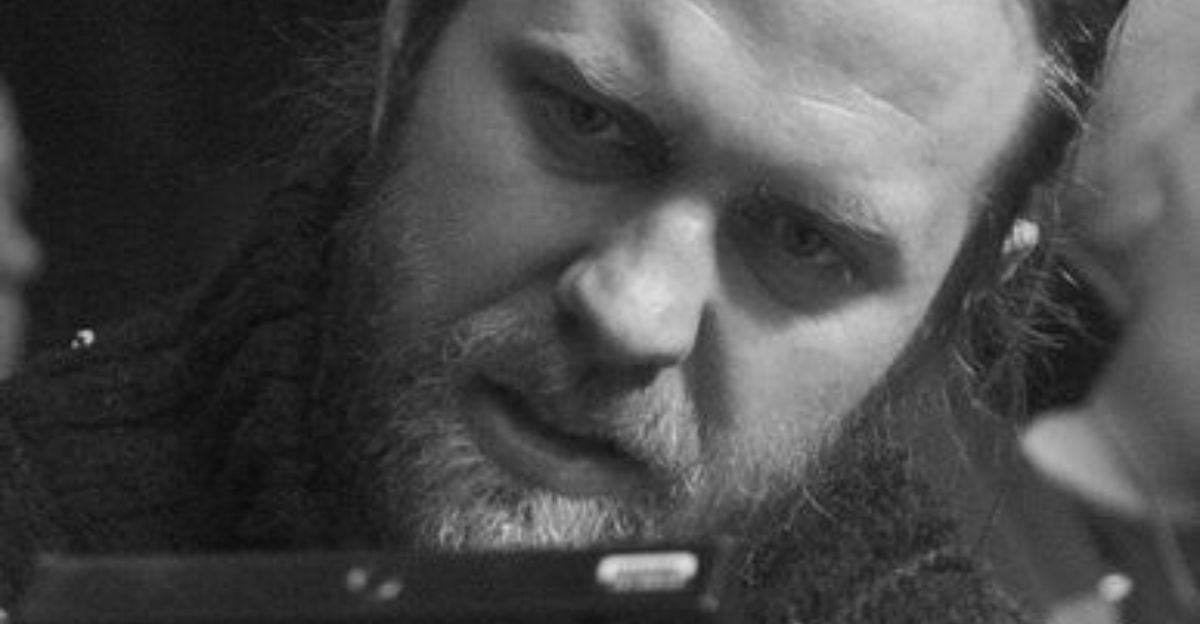
Into this frenzy walked 48-year-old commercials director Carl Erik Rinsch, whose only feature film, “47 Ronin,” was a $175 million box-office disaster. Despite this, his dystopian sci-fi pitch captivated executives desperate for the next cultural phenomenon.
The Connection That Sealed the Deal
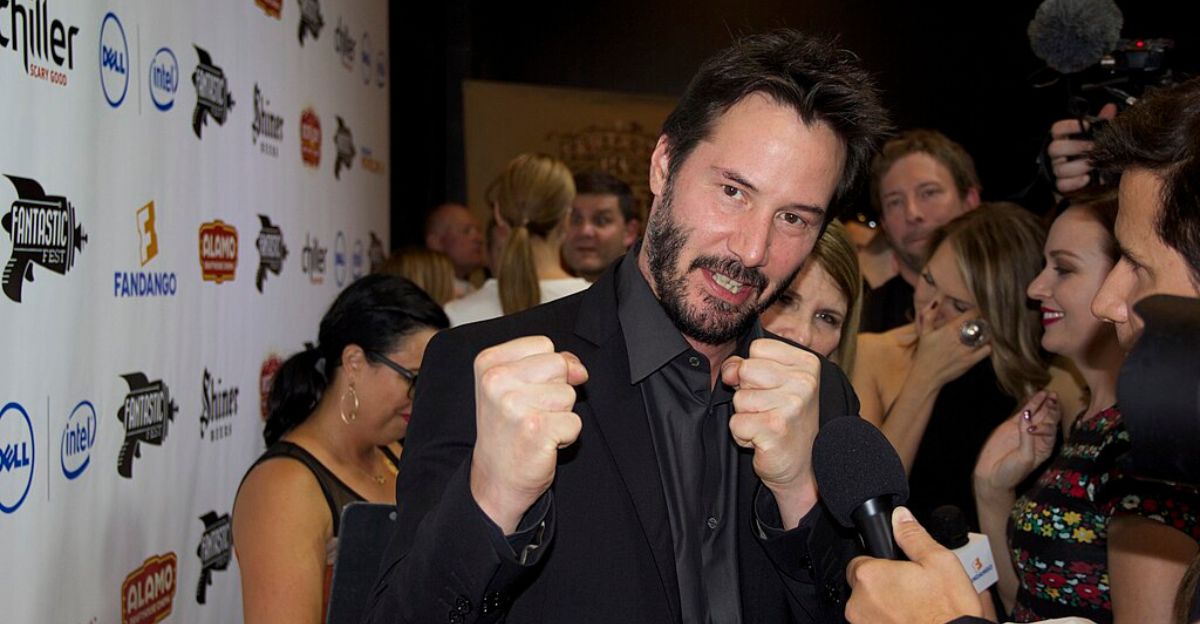
Rinsch’s unlikely trump card was Keanu Reeves, who had starred in “47 Ronin” and befriended the director during its troubled production. Reeves became an early investor and mentor, lending the new project an air of legitimacy.
When rivals like Amazon and HBO circled, Netflix swooped in with a staggering $61.2 million total rights deal. For a director with no hits, it was a monumental vote of confidence that, in hindsight, was a disastrous miscalculation.
A World of Artificial Saviors and Human Secrets

The ambitious series was conceived as a 13-episode thriller about “Organic Intelligent” beings—artificial, humanlike constructs created for humanitarian aid. Their existence would trigger apocalyptic conspiracies and intense power struggles on a global scale.
With a narrative sprawling across continents from São Paulo to Budapest, it was designed to launch a blockbuster franchise. Instead, it became a legendary Hollywood ghost story, a production that vanished into thin air.
‘Conquest’: The $55 Million Ghost Production
Finally revealed as “Conquest,” the project burned through $55 million between 2018 and 2020 without producing a single finished episode. Internal memos warned that Rinsch’s mental state had “drastically decompensated.”
By late 2019, production had collapsed in Hungary with vast portions incomplete. Facing total chaos, Netflix made a fateful decision that prosecutors now call catastrophic: it wired an additional $11 million as a rescue payment to salvage the series.
The $11 Million Transfer and the Alleged Fraud

On March 2, 2020, Netflix transferred the $11 million with astonishingly few safeguards: no escrow, no milestone-based releases, no real-time audits. Prosecutors allege Rinsch immediately funneled the funds into a personal brokerage account.
He then executed high-risk options trades on a biopharmaceutical company and the S&P 500, losing over half the money in two months while sending cheerful, false progress updates to Netflix executives to conceal the financial carnage.
Crypto, Dogecoin, and an Unbelievable Windfall

After incinerating roughly $5.5 million in the stock market by early 2021, Rinsch shifted the remaining funds into cryptocurrency. This reckless gamble paid off spectacularly. Prosecutors allege he generated approximately $10 million in gains, primarily from Dogecoin trades.
For the first time since receiving Netflix’s rescue payment, he was flush with liquid assets. Instead of reviving “Conquest,” authorities claim he treated the windfall as a personal slush fund.
Five Rolls-Royces, a Ferrari, and a Bizarre Defense

The spending spree began. Rinsch allegedly purchased five Rolls-Royce automobiles and one Ferrari, totaling roughly $2.4 million. His audacious defense claims the vehicles were “props” for the science-fiction epic. An arbitrator later rejected this, noting that production companies typically rent vehicles and that no footage of these cars was ever delivered.
Prosecutors paint a simpler picture: these were toys purchased by a man who had turned Netflix’s money into his own personal fortune.
The $439,000 Mattress

Among the most shocking exhibits is a receipt for a handmade Hästens Grand Vividus mattress costing $439,900. Rinsch purchased a second, bringing his total mattress spending to over $638,000. When questioned, he claimed such beds “retain value.”
The arbitrator who reviewed the claim called the purchases “particularly unnecessary.” For the average Netflix subscriber, the revelation was stunning: their monthly fees had bankrolled a bed that cost more than most American homes.
“Get All That Hermès Stuff Now”

Trial testimony revealed urgent text messages from Rinsch instructing associates to “get all that Hermès stuff now.” Prosecutors frame this as a desperate dash to convert cryptocurrency into hard assets before legal consequences arrive.
He allegedly spent $3.8 million on furniture and antiques, $652,000 on luxury watches and designer clothing, and lived in Four Seasons hotels for extended periods. This digital trail of receipts became the backbone of the government’s money laundering case.
Zero Episodes, One Coffee Table Book

After investing $55 million over two years, Netflix received nothing but a coffee table book of behind-the-scenes photographs from the failed production. In November 2020, the company formally wrote off the entire investment as a tax loss.
The human cost was immense: 500 to 1,000 crew members and vendors across three continents lost their work and wages, and local economies suffered an estimated loss of $20 to $30 million in direct spending.
A Hollow Victory in Civil Court

Before the criminal trial, an arbitrator ruled decisively in Netflix’s favor, awarding the company $11.8 million in damages for the diverted funds. Yet the victory was hollow. By then, court filings described Rinsch as “indigent and unemployed.”
His cryptocurrency fortune, which had peaked at a reported $267 million, had collapsed to just $68,000. The judgment validated Netflix’s claims, but the chances of recovering the money appeared nonexistent.
Mental Health vs. Calculated Crime

Rinsch’s defense hinges on his mental state, arguing he was in a “state of psychosis” exacerbated by prescription stimulants and the pandemic. They claim his behavior was symptomatic of a psychological break, not calculated deceit.
Prosecutors counter that the complex cryptocurrency trades and systematic purchasing of high-value assets suggest deliberate financial orchestration, a sophisticated attempt to mask theft with false production updates and claims of creative necessity.
A Theoretical 90-Year Sentence

The trial began on December 2, 2025, before Judge Jed Rakoff, a jurist known for his skepticism of financial narratives from Wall Street and Hollywood. Rinsch faces seven counts, including wire fraud and money laundering, that carry a theoretical maximum of 90 years in prison.
Testimony is expected from top Netflix executives and Rinsch’s ex-wife, Gabriela Rosés Bentancor, whose account is expected to add a deeply personal dimension to the story of creative and financial collapse.
A Cautionary Tale for Hollywood

As the trial concludes, the case stands as a landmark warning for how streaming platforms finance high-risk creators. Netflix granted Rinsch extraordinary creative freedom with almost no financial accountability, a system built on an assumption of good faith that proved catastrophic.
Whether the verdict is acquittal or conviction, the saga has taught Netflix and its competitors a bitter lesson: even a Keanu Reeves endorsement cannot save a project from unchecked power and alleged fraud.
Sources
U.S. District Court, Southern District of New York – Criminal Trial Docket
Case filings, witness testimony transcripts, and court documents from the ongoing trial of United States v. Carl Erik Rinsch (December 2025)
Los Angeles Superior Court – Civil Arbitration Confirmation
Rita Miller arbitration award ($11.8 million judgment) and Judge Maurice A. Leiter’s confirmation order (2024)
Netflix, Inc. – Corporate Filings and Statement
Financial disclosures, production write-offs, and official statements regarding the “Conquest” project
Federal Bureau of Investigation – Indictment and Case Materials
March 2025 indictment detailing wire fraud, money laundering, and unlawful monetary transaction charges
Business Insider, Variety, Fortune, The New York Times – Trial Coverage
December 2025 courtroom reporting, witness testimony accounts, and documentary evidence (mattress receipts, cryptocurrency transactions, luxury purchases)
Judge Jed Rakoff Courtroom Proceedings – Live Trial Testimony
December 2–10, 2025 witness statements from Netflix executives Peter Friedlander, Cindy Holland, and Rochelle Gerson; testimony from ex-wife and producer Gabriela Rosés Bentancor; expert testimony from psychiatrist Dr. John Mariani