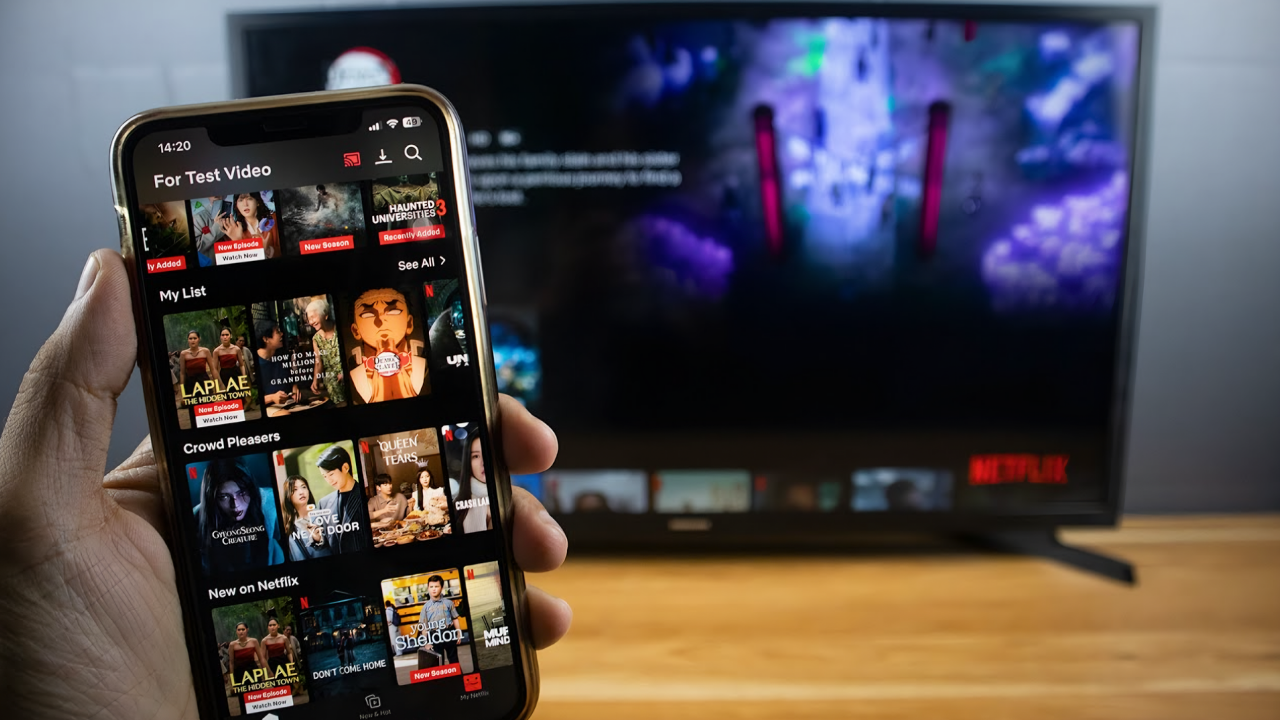
Imagine checking into a hotel room this week and discovering that the simple ritual you’ve depended on for years—tapping a single button on your phone to beam Netflix straight to the TV—no longer exists. Around November 10, 2025, Netflix users worldwide began reporting that the “Cast” button had vanished from their mobile apps, with no warning, no announcement, and no explanation.
What started as a seemingly technical glitch soon revealed itself as an intentional corporate decision, leaving more than 300 million subscribers scrambling to adapt. Netflix confirmed the change on December 1, 2025, with a stark update to its help page: “Netflix no longer supports casting shows from a mobile device to most TVs and TV-streaming devices.”
The Scope of the Change—What’s Actually Affected
The removal affects modern streaming hardware where users expect it to function properly. Newer Chromecast with Google TV, the Google TV Streamer, and virtually any smart TV or streaming device with a physical remote and on-screen interface cannot accept Netflix casts from phones.
A Netflix support agent allegedly told frustrated users that the logic is brutally simple: “If the device has its own remote, you can’t cast.” The change was rolled out gradually, starting in mid-November, and was applied universally by early December, affecting both Android and iOS users across all regions simultaneously.
The Narrow Exceptions That Come With Strings Attached
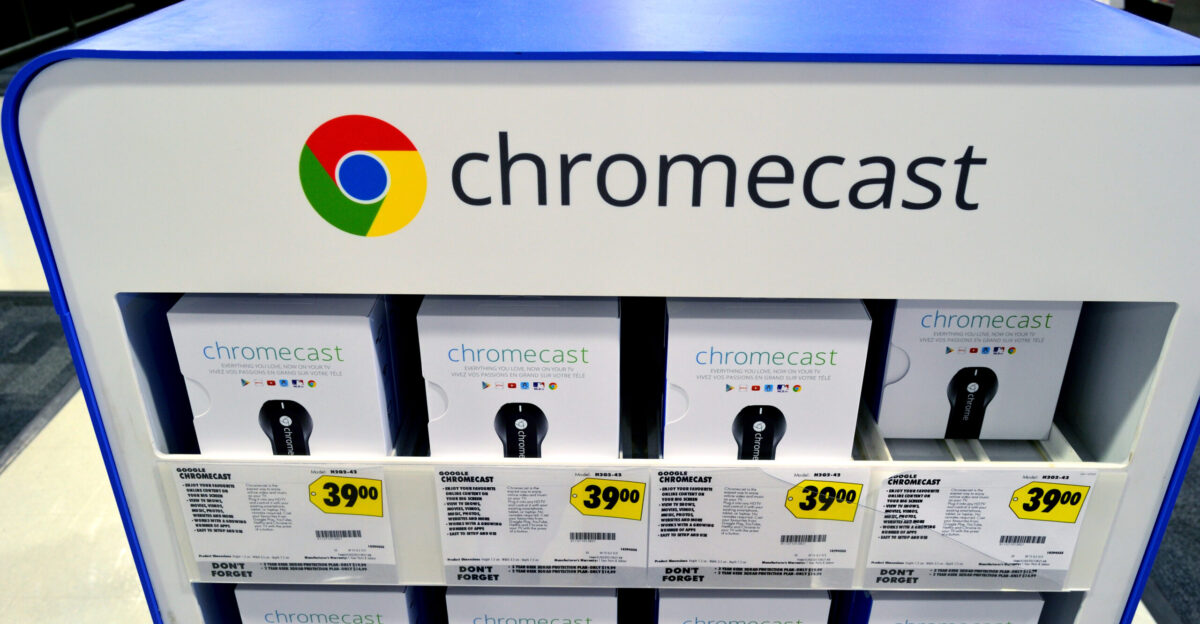
Casting is supported only on legacy hardware—specifically, first-, second-, and third-generation Chromecasts and Chromecast Ultra, as well as older TVs with built-in Google Cast support and smart displays like the Nest Hub.
However, these exceptions come with a critical caveat: casting works only if you pay for an ad-free subscription tier, which costs $17.99 per month. Subscribers on Netflix’s cheapest ad-supported plan ($7.99/month) have lost all casting capability across every device, regardless of age or hardware capability.
How Travelers Relied on Casting

For years, casting was the invisible hero of the hospitality experience. Business travelers and families would arrive at hotels or Airbnbs, connect to Wi-Fi, tap one button, and bypass the entire nightmare of hotel room interfaces and password entry using a clunky plastic remote.
The feature solved a problem that technology companies rarely address: how do you log into a shared, unfamiliar device securely while protecting your account credentials? Casting answered that perfectly—your credentials stay on your phone, the entertainment appears on the TV, and you never have to trust the shared device with your login information.
The New Reality for Hotels and Guests
Now, travelers face a painful return to the pre-streaming era. Anyone using a modern smart TV at a hotel, Airbnb, or vacation rental must manually enter their email address and password using the room’s remote control—a process that can take 10 minutes and leaves your login credentials stored on a device you’ll never use again.
Industry data reveals that 67% of surveyed travelers want casting capability at hotels, and 50% say its availability affects their booking decisions. Yet Netflix’s decision cuts directly against years of hospitality industry investment in casting infrastructure, upending a guest-experience standard that hotels promoted as a competitive advantage.
The Connection to Netflix’s 2023 Account Crackdown
The timing of Netflix’s casting removal is not coincidental—it reflects the company’s aggressive battle against account sharing. Starting in May 2023, Netflix introduced “Netflix Household” policies, charging users $7.99 monthly for “extra member” slots if they wanted to share credentials across different locations.
The move generated substantial revenue: Netflix added more than 9 million subscribers in Q1 2024 alone, with executives crediting the crackdown for converting “freeloaders” into paying customers. Removing casting eliminates one of the last convenient ways to share a single account across multiple locations—forcing users to either stop sharing or upgrade to paid extra-member accounts.
Why Native Apps Give Netflix More Control
Industry observers argue the move serves multiple corporate objectives beyond password sharing. Native TV apps give Netflix direct control over video quality profiles, DRM enforcement, ad targeting, and user-behavior analytics—data that phone-based casting obscures.
When users browse Netflix on their phones and cast to TVs, Netflix loses visibility into how they navigate content and respond to algorithmic recommendations; native apps eliminate that “data blind spot.” For a company increasingly focused on its ad-supported tier (which grew to 70 million active users by late 2024), this visibility translates directly to advertising revenue.
The 2019 AirPlay Precedent
Netflix has shown a pattern of severing mobile-to-TV connections to prioritize its own ecosystem. In 2019, the company abruptly removed AirPlay support from its iOS app, citing “technical limitations” and claiming it could no longer “distinguish between different AirPlay-enabled devices” after Apple expanded the feature to third-party TVs.
At the time, many saw it as a defensive move to protect Apple from distributing Netflix’s content too freely. The current Chromecast removal feels like the logical endpoint: Netflix has now dismantled both major mobile casting paths it once supported, leaving no credible alternative for non-technical users.
How Rivals Are Seizing the Opportunity
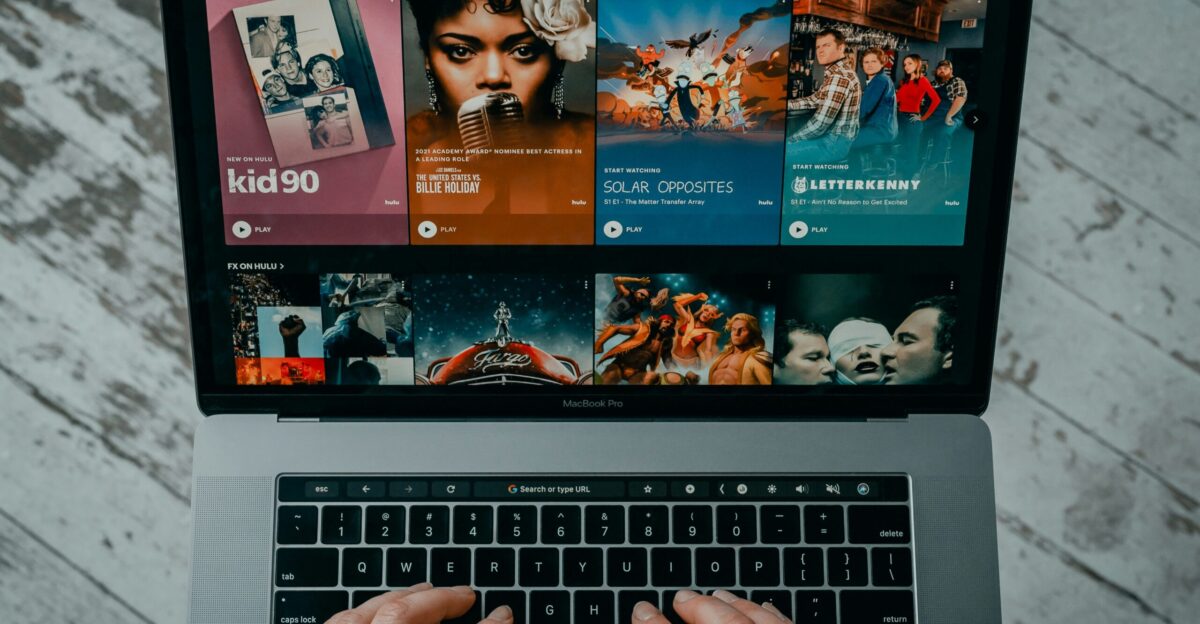
The contrast with competitors has become stark. Amazon Prime Video, Disney+, Hulu, YouTube, and Max all continue to support robust casting to Chromecast with Google TV, Google TV Streamer, and modern smart TVs. Google itself noted the controversy, but has not publicly criticized Netflix or indicated plans to change its casting architecture.
For streaming services seeking to differentiate themselves as user-friendly, Netflix’s decision represents a gift—they can now market casting as a standard feature that Netflix removed.
Reddit Communities Erupt in Anger
Within days of the change becoming apparent, Reddit forums dedicated to Chromecast, Netflix, technology, and entertainment were filled with complaints from subscribers learning about the feature loss while traveling or trying to share screens with their families.
One user posted: “I just discovered this and was even more furious when a Netflix agent told me I needed to upgrade to a more expensive plan if I wanted to cast, so I asked him to cancel my plan. Goodbye, Netflix.” Another remarked: “How are people expected to cast to hotel rooms, Airbnbs, and other locations beyond their home?” A third accused Netflix of deliberate “enshittification”—the progressive removal of useful features to drive monetization.
The Anger Reflects Broader Frustration with Service Creep

The backlash extends beyond casting. Users point to Netflix’s steady removal of convenience features over the years: no DVD extras, no kid profiles, no AirPlay, and now no modern casting. Each change has been accompanied by price increases and increased advertising.
Many subscribers feel they’re paying more for progressively less flexibility, treated as hostages rather than customers. Industry watchers refer to this pattern as “feature degradation as a monetization strategy”—the deliberate removal of features to compel users into premium tiers or accept compromised experiences.
The Workarounds Are Impractical
For subscribers who absolutely need phone-based control, options are extremely limited. Keeping a first-, second-, or third-generation Chromecast from 2013 to 2018 can preserve casting—but you must maintain an ad-free subscription ($17.99+/month) and accept that you’re using 7-year-old hardware.
This is useless for travelers, who won’t carry a decade-old Chromecast dongle on business trips or vacations. The only other option is logging directly into every TV’s native app and using the physical remote—exactly what Netflix now requires. Some users have explored third-party casting alternatives, but none replicate Netflix’s seamless integration or reliability.
The Hospitality Industry’s Disappointment

Hotels and property managers who invested in casting infrastructure face sudden obsolescence. Properties that promoted casting as a guest amenity must now explain why Netflix—the single most requested service—no longer supports it.
Some hotels are responding by installing dedicated casting solutions from companies like Nomadix or Scopeme, which Netflix cannot control. However, these solutions require significant capital investment and technical expertise, which smaller properties often lack. For budget hotels and vacation rentals, the loss of free casting support just degraded their guest experience.
Netflix’s Confidence Suggests No Reversal
Despite the widespread anger, Netflix shows no signs of reversing course. The company added a record 18.9 million subscribers in Q4 2024, bringing its total global subscriber base to 301.63 million.
Netflix’s market dominance and the addictive appeal of its content library make executives confident that most subscribers will grumble but ultimately adapt rather than cancel their subscriptions. The ad-supported tier, which now affects casting restrictions, is projected to grow aggressively, and losing casting may pressure users toward more expensive ad-free plans—exactly what Netflix appears designed to achieve.
The Broader Shift in Streaming Philosophy
Netflix’s casting removal represents a turning point in how streaming services treat users. Where early streaming promised frictionless, device-agnostic entertainment, Netflix’s latest moves suggest a company increasingly comfortable with friction if friction serves corporate control and monetization.
For travelers, families, and anyone who values the simplicity of phone-to-TV casting, the message is clear: Netflix has chosen to prioritize control over convenience, and that choice will reshape how subscribers interact with streaming entertainment for years to come.
Sources:
Netflix Help Center (Chromecast casting support update, December 1, 2025)
Fortune (Netflix kills phone casting to smart TVs, December 1, 2025)
The Verge (Netflix kills casting from phones, December 1, 2025)
Android Authority (Netflix casting Chromecast Google TV Streamer, December 1, 2025)
Forbes (Netflix removes casting from phones to most TVs, December 1, 2025)