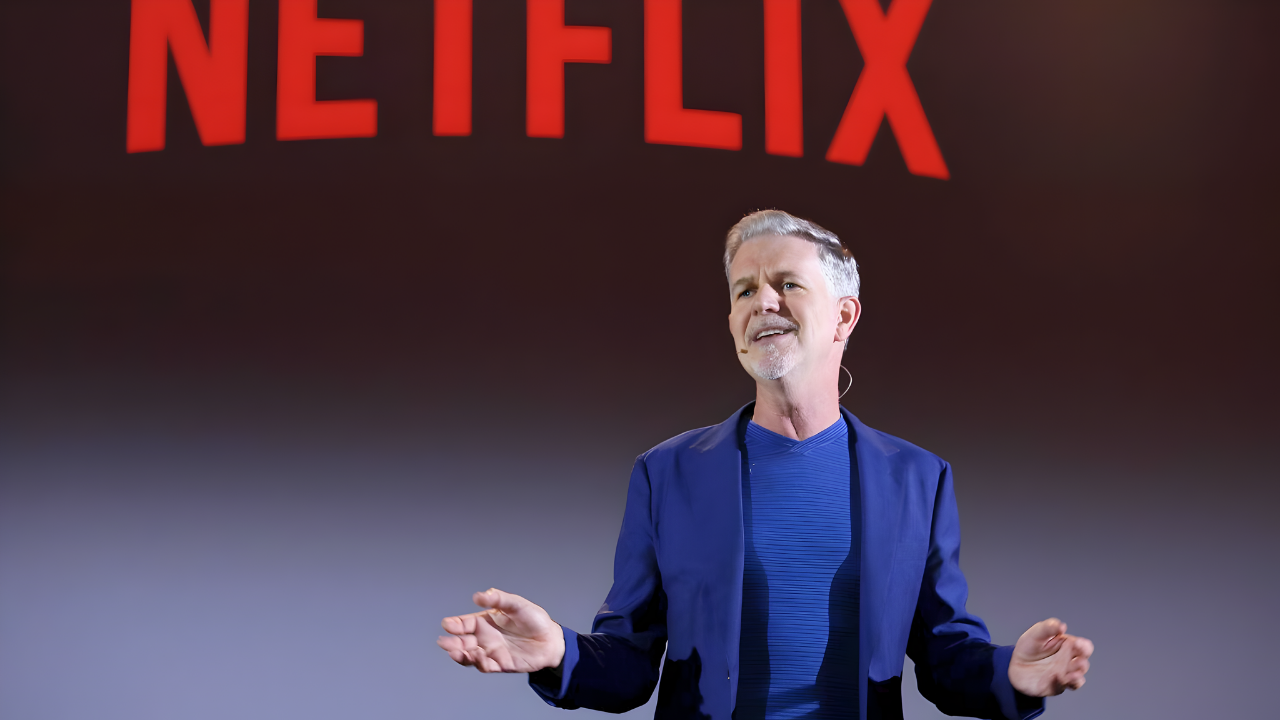
Netflix’s planned takeover of Warner Bros. Discovery’s studios and HBO operations would reshape global entertainment, concentrate power in streaming, and leave a weakened cable empire to fend for itself—all while facing fierce political, regulatory, and industry resistance.
A Generational Bet on Streaming
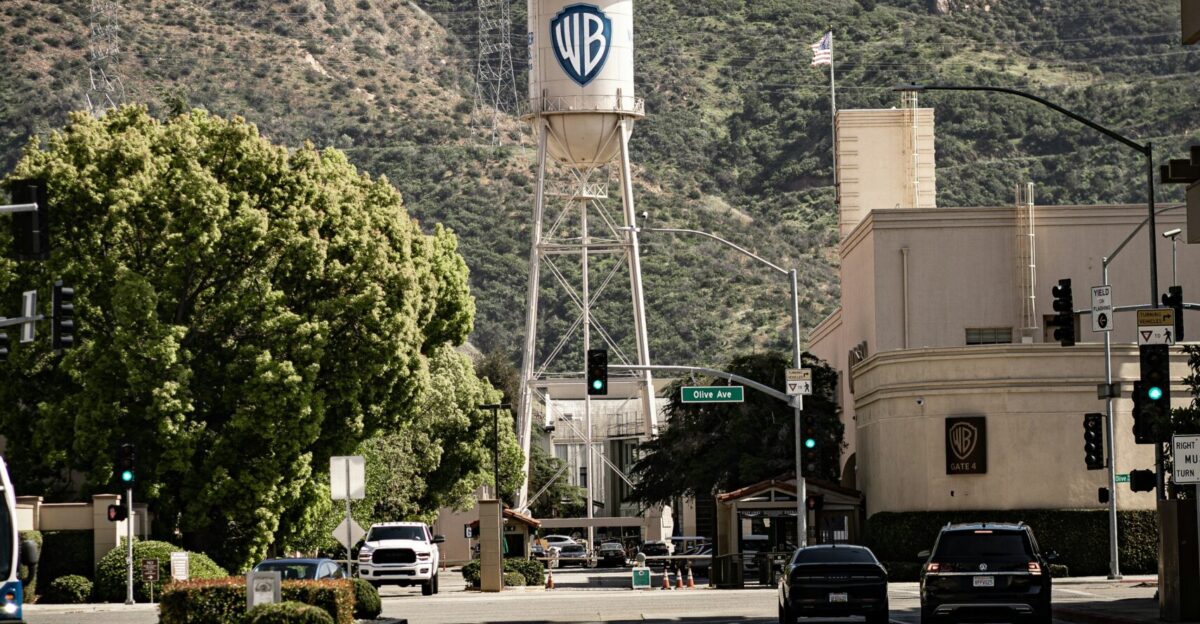
On December 5, 2025, Netflix said it had agreed to buy Warner Bros. Discovery’s studios, HBO and HBO Max streaming business for $82.7 billion, including debt, in the largest deal yet in the streaming era. Each Warner Bros. Discovery (WBD) shareholder would receive $27.75 per share, a 121% premium over the pre-deal price, split between $23.25 in cash and $4.50 in Netflix stock.
For Netflix, which spent two decades building rather than buying, the move would mark a strategic break from its past. Co-CEO Ted Sarandos called the transaction “an exceptional chance to fulfill our mission to entertain audiences globally.” The deal would fuse Netflix’s global scale with one of Hollywood’s oldest studios and its best-known premium brand at a moment when traditional cable channels are losing viewers and advertising.
Regulators in the United States and abroad signaled immediate concern about concentration in streaming, setting the stage for a lengthy review that could stretch into 2027.
From Cable Powerhouse to Split Company
Warner Bros. Discovery itself is a recent creation, born in 2022 when WarnerMedia and Discovery Inc. merged. The group now owns Warner Bros., New Line Cinema, DC Studios, and HBO, along with a roster of cable outlets including CNN, HGTV, TLC, TNT, Food Network and Cartoon Network. HBO Max has roughly 50 million subscribers in the U.S. and about 117–122 million worldwide as of early 2025. Together with Netflix’s 300 million subscribers, the combined streaming base would approach 450 million.
But the value of WBD was built on cable networks that are now in structural decline. Younger audiences have migrated to streaming, ad revenue has shrunk, and TNT Sports suffered a particularly damaging blow when it lost NBA rights in 2024 to an 11-year, $76 billion package shared by NBC, Amazon’s Prime Video, and ESPN/Disney. Without NBA games, TNT’s audience eroded, sharpening questions about whether to keep investing in legacy channels.
WBD’s board chose a radical path. In June 2025, months before Netflix’s offer, the company announced plans to spin off its cable assets into a separate firm called Discovery Global. Under the arrangement, Netflix will not acquire CNN, HGTV, TLC, TNT, Food Network, Cartoon Network, TNT Sports, Discovery Channel, or related networks. Those 12 U.S. cable channels and others will remain with Discovery Global, a standalone public company expected to close its spinoff in the third quarter of 2026.
Netflix would instead acquire Warner Bros. Studios, including its animation arm, New Line Cinema, DC Studios, HBO, and HBO Max. The Netflix deal would complete only after the cable spinoff is finalized.
Competing Bids and Shareholder Choices

Netflix was not the highest bidder on paper. Paramount Skydance, led by CEO David Ellison, initially offered WBD $30 per share in cash—more than Netflix’s $27.75 mix of cash and stock. Comcast also pursued the asset. Netflix prevailed in board negotiations with a package that combined immediate cash with stock linked to the sector’s largest streaming platform.
Three days after Netflix’s announcement, Paramount Skydance escalated the contest with a hostile tender offer directly to WBD shareholders: $30 per share, all cash, valuing the entire company at $108.4 billion. The new proposal covers both the streaming and studio assets targeted by Netflix and the cable networks destined for Discovery Global.
Paramount’s bid is financed by Affinity Partners, run by Jared Kushner, alongside sovereign wealth funds from Saudi Arabia, Abu Dhabi, and Qatar. The company argues its cash-only structure is simpler and raises fewer antitrust alarms than Netflix’s combination of the leading streamer with another heavyweight. The tender offer runs until January 8, 2026.
The WBD board continues to back the Netflix agreement and plans to recommend it at a shareholder vote expected in early 2026. Investors must weigh Paramount’s higher, all-cash bid against the board-supported Netflix transaction, which ties part of their payout to the future value of Netflix shares and faces more visible regulatory scrutiny.
Antitrust Clash and Political Pushback
The most immediate threat to Netflix’s plan comes from Washington. On December 8, 2025, President Donald Trump told reporters at the Kennedy Center that Netflix’s takeover “could be a problem,” citing its “very big market share” and warning that the deal would push that share “up a lot.” He said, “I’ll be involved in that decision, too.” Trump had met Sarandos at the White House on November 24 to discuss the transaction, and a senior official later described “heavy skepticism” inside the administration.
Democratic Senator Elizabeth Warren labeled the merger “an anti-monopoly nightmare,” while Republican Senator Mike Lee, who chairs the Senate Judiciary Subcommittee on Antitrust, announced hearings and pointed to “a lot of antitrust red flags.” The U.S. Justice Department’s Antitrust Division will lead the federal review.
Overseas, the European Commission is preparing an in-depth investigation, and officials in the United Kingdom are also examining the implications, with House of Lords member Luciana Berger among those voicing concern. Netflix and WBD have until March 4, 2027, with a possible extension to September 4, 2027, to secure approvals. Prediction market Polymarket currently assigns only a 23% chance that the deal closes by the end of 2026.
Inside Hollywood, unions and guilds are mobilizing against the merger. The Writers Guild of America urged regulators to block it, warning that consolidation would cut jobs, suppress pay, and narrow creative opportunities. The Directors Guild expressed “significant concerns,” and the Producers Guild raised alarms about reduced competition for talent and projects. Cinema United, which represents theaters, called it “an unprecedented threat” to theatrical releases, afraid Netflix will restrict or shorten cinema windows. Director Christopher Nolan, now president of the Directors Guild, has been a vocal critic of Netflix’s limited commitment to theaters.
Netflix’s executives remain publicly upbeat. Sarandos told investors he is “super-confident” regulators will clear the deal and described it as “pro-consumer, pro-innovation, pro-worker, pro-creator, pro-growth.” The company argues that regulators should consider YouTube, TikTok, and other video platforms when judging market share, which would lower Netflix’s portion of the overall viewing pie below classic monopoly thresholds. Even so, a combined Netflix–WBD would control roughly 43% of global streaming subscriptions, a level that historically draws intensive scrutiny.
Future of Jobs, Costs, and Cable’s Next Chapter
Both Netflix and Paramount promise large cost savings from any tie-up, raising anxiety among workers. Netflix projects $2–3 billion in annual savings by the third year through consolidating studios, cutting overlapping corporate roles, and streamlining distribution, and says the deal will increase earnings per share by year two. Unions interpret those targets as code for layoffs following the upheaval of the 2023 writers’ and actors’ strikes. Paramount claims it could extract $6 billion in efficiencies through technology, network optimization, and real estate cuts, which could mean even deeper reductions.
Whatever shareholders decide, Discovery Global’s future looms as a separate crisis. The new cable-focused company will inherit CNN, HGTV, Food Network, TLC, TNT, Cartoon Network, TNT Sports and other channels just as traditional cable viewership, advertising income, and sports rights security are eroding. CNN CEO Mark Thompson is pushing a digital subscription model, and Discovery Global has approved a 2026 budget pivoting toward online services. Analysts doubt whether a standalone cable group can thrive long term, and some speculate that Paramount could return for Discovery Global later if it loses its current battle.
The outcome of these competing bids, antitrust reviews, and strategic shifts will define the next phase of entertainment: who controls the largest libraries and streaming audiences, how much room remains for independent creators and theaters, and whether legacy cable networks can reinvent themselves fast enough to survive in a landscape increasingly dominated by a handful of global platforms.
Sources
Reuters, December 5, 2025
PBS NewsHour, December 9, 2025
Netflix official announcement, December 5, 2025
CNBC, December 5, 2025
TheWrap, December 10, 2025
Deadline, December 8, 2025