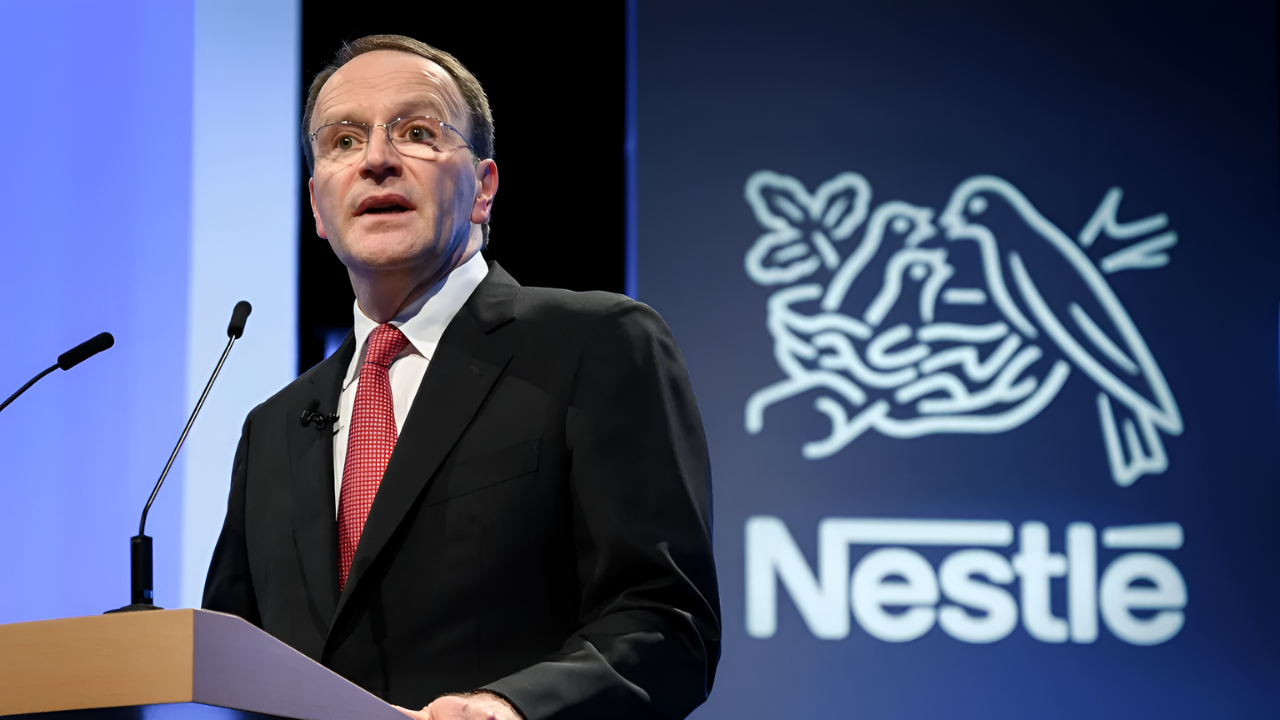
Nestlé’s phone rings off the hook as the crisis erupts. Parents around the world are frantically checking their formula cans, some already on the store shelves, some already at home.
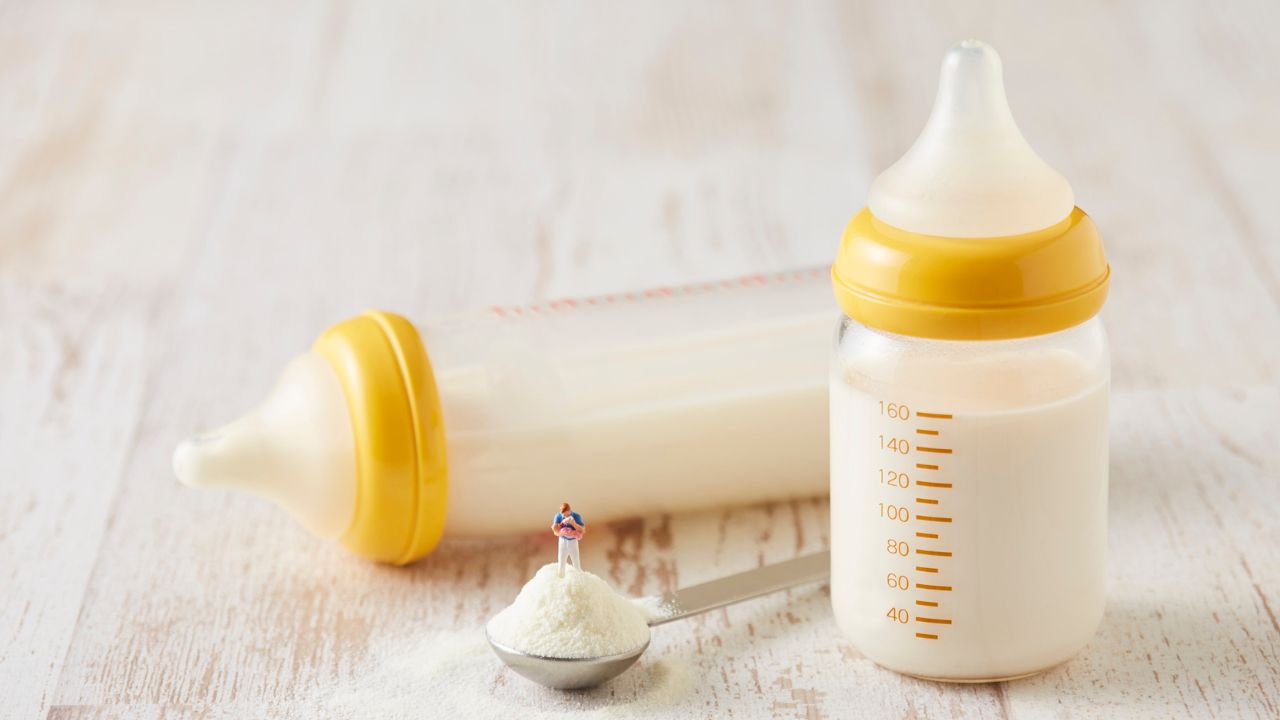
In January 2026, the Swiss food giant recalls over 800 baby formula products in 60 countries, a move that shakes the foundation of one of the most trusted names in infant nutrition.
The cause? A toxic contamination in products destined for newborns, and it all began weeks earlier, hidden from the public eye. What went wrong? How did contaminated formula make it to the shelves of stores in 60 countries without anyone noticing?
Recall Expands Globally

The recall, which started as regional efforts in December 2025, has now expanded to a global scale. The affected regions span Africa, the Americas, Asia, and Europe.
Major brands such as SMA, NAN, and Lactogen are involved, with the recall affecting Nestlé’s critical Nutrition and Health Science division, generating 16.6% of the company’s total 2024 revenue. Nestlé’s stock dropped 4.6%, and financial analysts warn that losses could exceed $1.3 billion.
Dominance in Infant Nutrition
For decades, Nestlé has led the infant formula market, a sector built on safety and quality. The company’s trusted status has been shaken by this recall, with over CHF 15 billion (approximately $17 billion USD) generated in 2024 from its Nutrition and Health Science division.
The recall comes after prior product safety concerns, including a 2025 recall in France for baby meals exceeding toxin limits. Nestlé’s market leadership now faces its toughest challenge yet.
Growing Safety Concerns
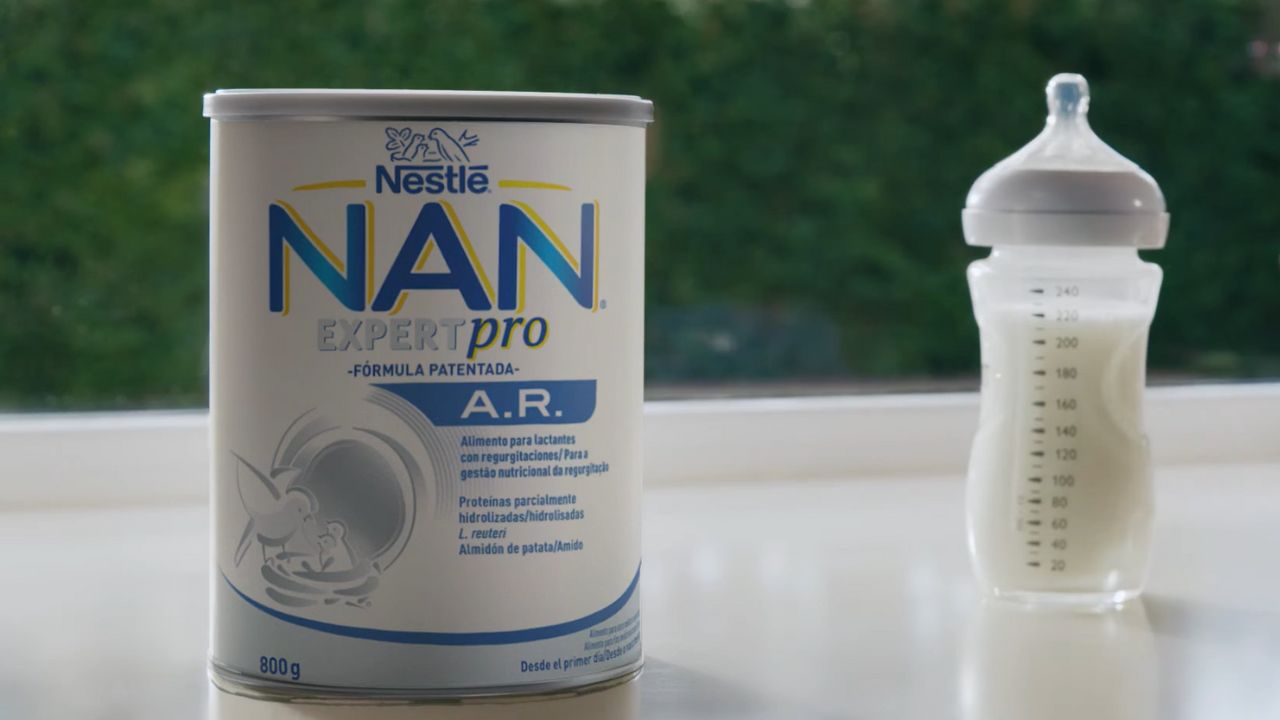
Nestlé’s recent challenges extend beyond this recall. In November 2025, the company recalled NAN Expert Pro in Belgium and Luxembourg over contamination fears.
The company has also faced allegations regarding mineral oil residues and heavy metals in baby food. A separate investigation in France into alleged water filtration fraud adds to a mounting list of concerns, eroding consumer confidence.
Toxin Contamination Uncovered
The contamination was traced back to a third-party supplier of arachidonic acid (ARA) oil used in infant formula. In December 2025, Nestlé’s Nunspeet plant in the Netherlands detected cereulide, a heat-resistant toxin, in the formula.
This toxin is produced by Bacillus cereus bacteria and is known to cause vomiting and nausea. Importantly, it survives cooking and sterilization, posing serious risks to infant health.
Delayed Recall Efforts
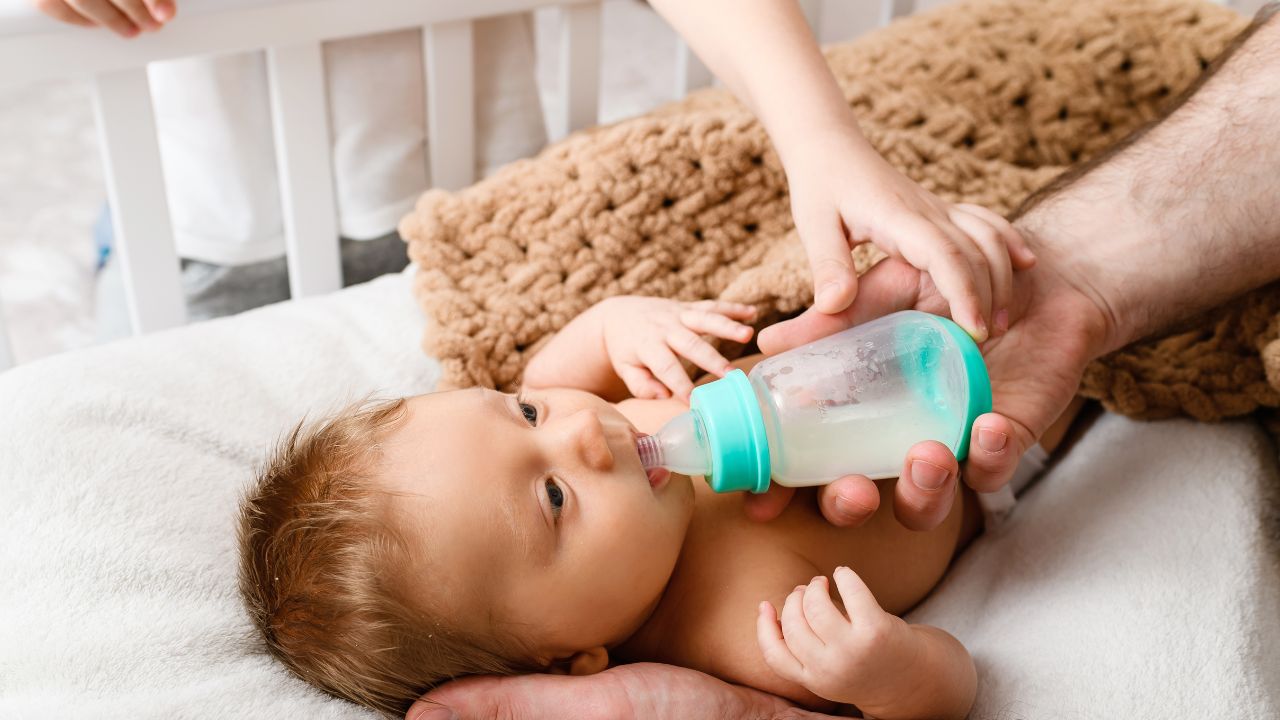
The recall started slowly in December 2025, with France issuing the first public recall on December 11. Other countries like Finland and Denmark followed, but it wasn’t until January 2026 that the Netherlands and Belgium took action.
Even Austria conducted a “silent recall” over the holiday season. This delay fueled distrust and confusion among consumers, who were left in the dark for weeks.
Parental Panic
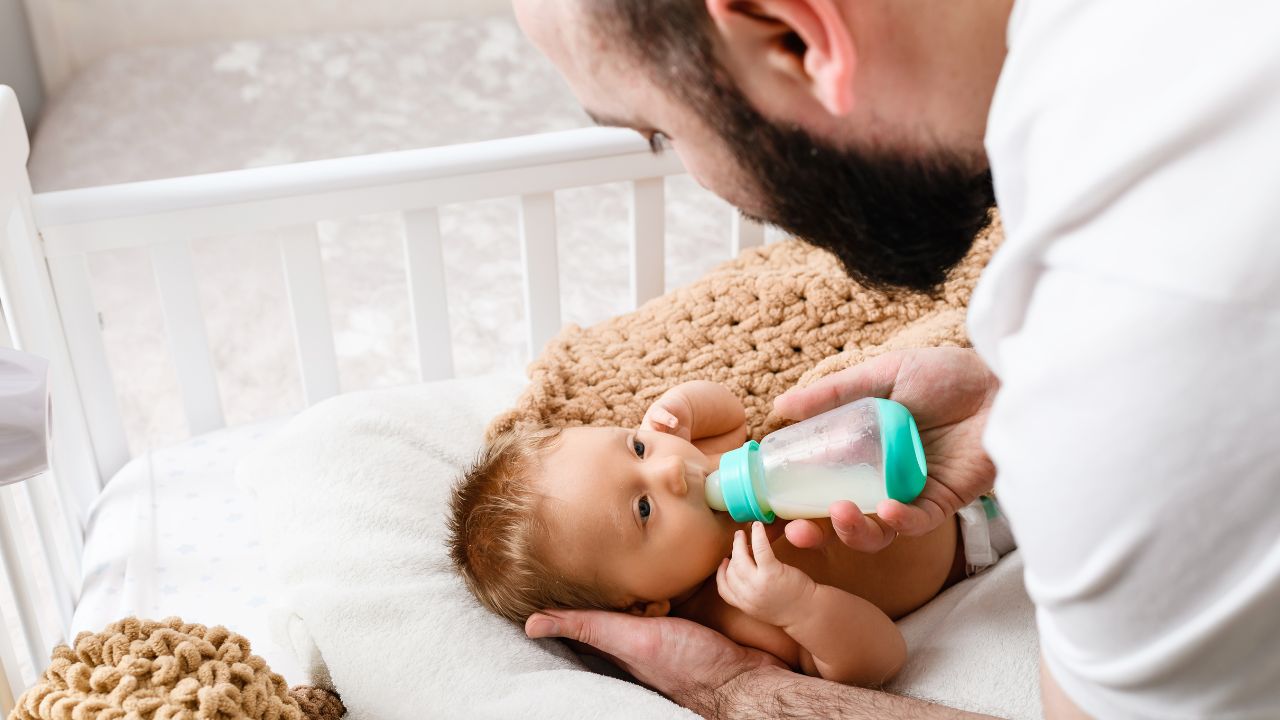
As news of the recall spread, parents faced uncertainty: Was their formula affected? Should they switch brands? With little information from Nestlé, anxiety mounted.
A month passed before the recall expanded, and by mid-January, Brazilian authorities confirmed cases of vomiting and diarrhea in infants who had consumed the affected formula. The emotional toll on parents, who trusted Nestlé for their children’s nutrition, was profound.
Competitors Ready to Capitalize
Competitors like Danone and Reckitt Benckiser are primed to gain market share. Retailers are increasing shelf space for rival brands, and industry experts suggest that parents may permanently switch to safer alternatives.
The fallout could have long-term consequences for Nestlé’s dominance in the market, especially as questions remain about the transparency of the supply chain and the unidentified third-party supplier.
Supply Chain Exposed
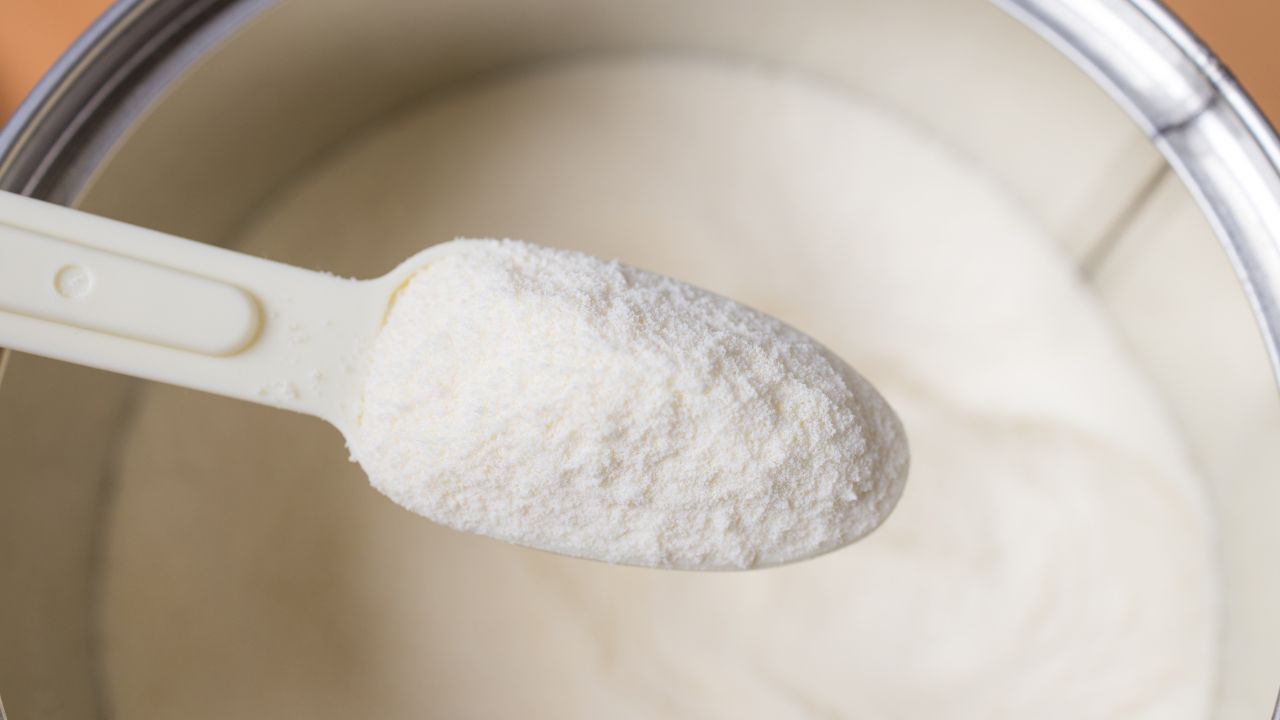
The contamination’s root cause lies in a third-party ARA oil supplier whose identity remains undisclosed. This global supply chain vulnerability, with Nestlé relying on external suppliers for key ingredients, has exposed gaps in oversight.
The Nunspeet plant, which processes products for 140 markets, created a single-point-of-failure risk. Foodwatch has criticized Nestlé for poor traceability in sourcing ingredients.
Communication Breakdown
A critical misstep occurred when Nestlé withheld information about the contamination. Dutch authorities initially denied distribution of affected products, only for recalls to be announced weeks later.
This delay in communication between Nestlé, regulators, and the public deepened consumer distrust. Transparency was sacrificed, and Nestlé’s credibility suffered a significant blow.
Regulatory Scrutiny Intensifies

Foodwatch has formally complained to Nestlé, demanding transparency and accountability. Regulatory bodies in Europe are now investigating whether Nestlé violated food law, including traceability standards.
The company faces calls for penalties and scrutiny over its failure to act swiftly. Austria has referred to this as the largest recall in Nestlé’s history, signaling growing concern from regulators.
New CEO in a Tough Spot
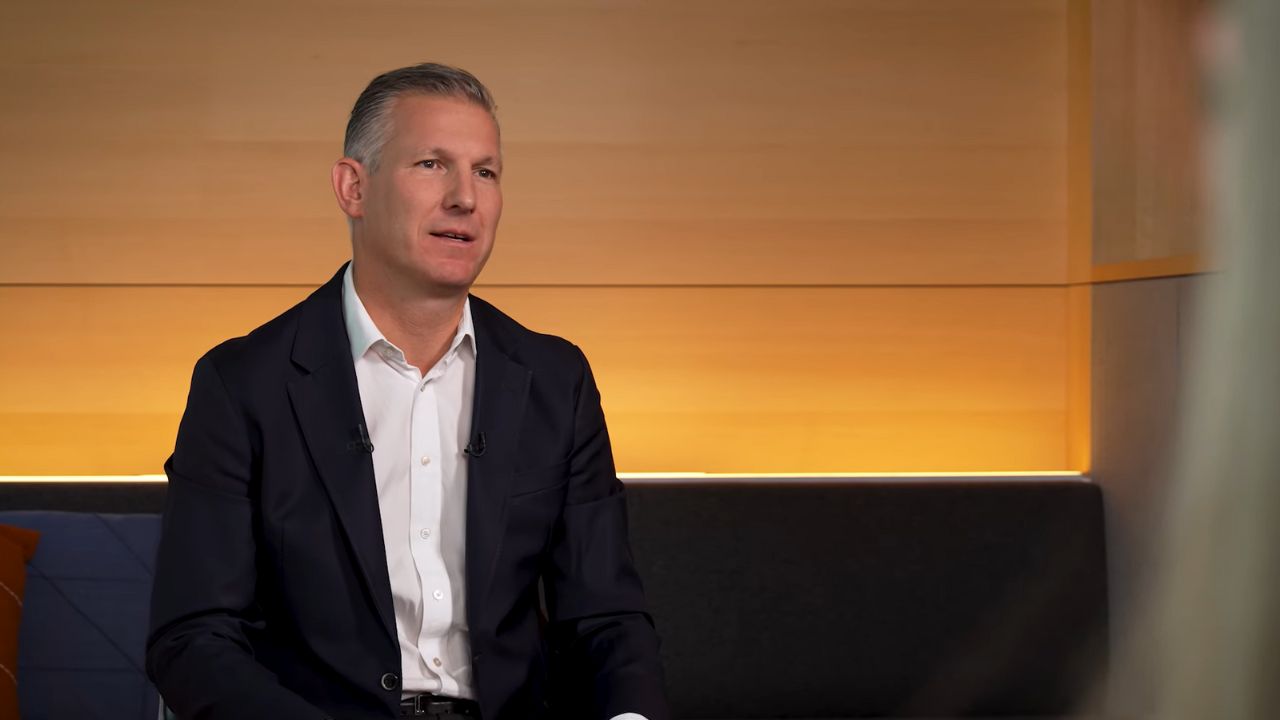
Nestlé’s CEO, Philipp Navratil, inherited this crisis just months into his role. His predecessor, Laurent Freixe, was dismissed for a personal scandal.
Navratil’s credibility is now on the line as he navigates both the recall fallout and broader company restructuring.
In a video apology, he promised to restore trust. His leadership will be key in the company’s recovery from this crisis.
Financial Damage Control
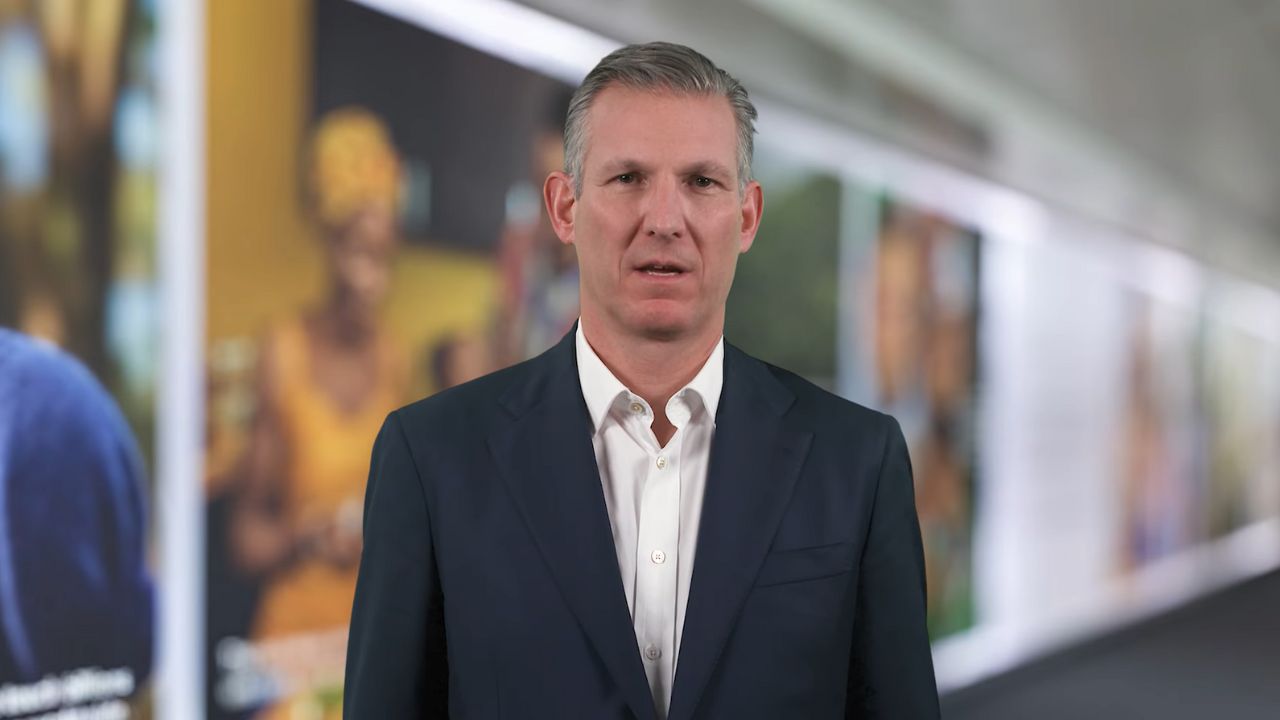
Nestlé has minimized the financial impact, claiming that affected batches represent less than 0.5% of annual sales. However, analysts predict the recall could cost between $1.2 billion and $1.5 billion, factoring in lost sales, litigation, and brand damage.
The company has ramped up production and transitioned to alternative suppliers, but its financial and reputational recovery will be closely scrutinized.
Investor Caution Grows
Investors are cautious as Nestlé’s stock has dropped, with some analysts revising growth forecasts down to 2.8% from 3.5%. While recalls can restore trust when handled well, Nestlé’s delayed response has raised doubts.
The company faces the difficult task of prioritizing consumer safety over reputational concerns. The upcoming earnings call in February 2026 will reveal the company’s strategy moving forward.
The Road Ahead for Nestlé
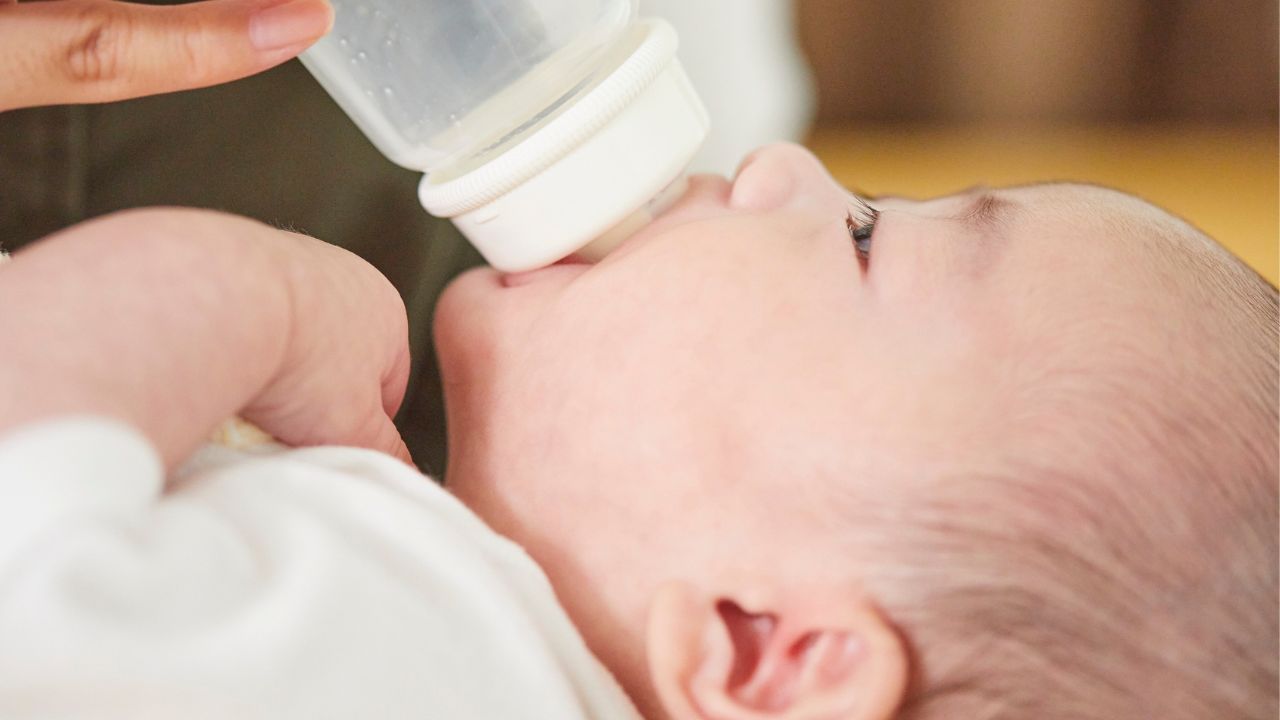
Nestlé is at a crossroads. Will the company regain parents’ trust, or will it lose market share to competitors? The decision lies in the company’s actions in the coming months.
Parents are waiting to see if Nestlé can back up its apologies with concrete actions, including transparency about the ARA oil supplier and improved safety protocols.
Regulatory Pressure Mounts
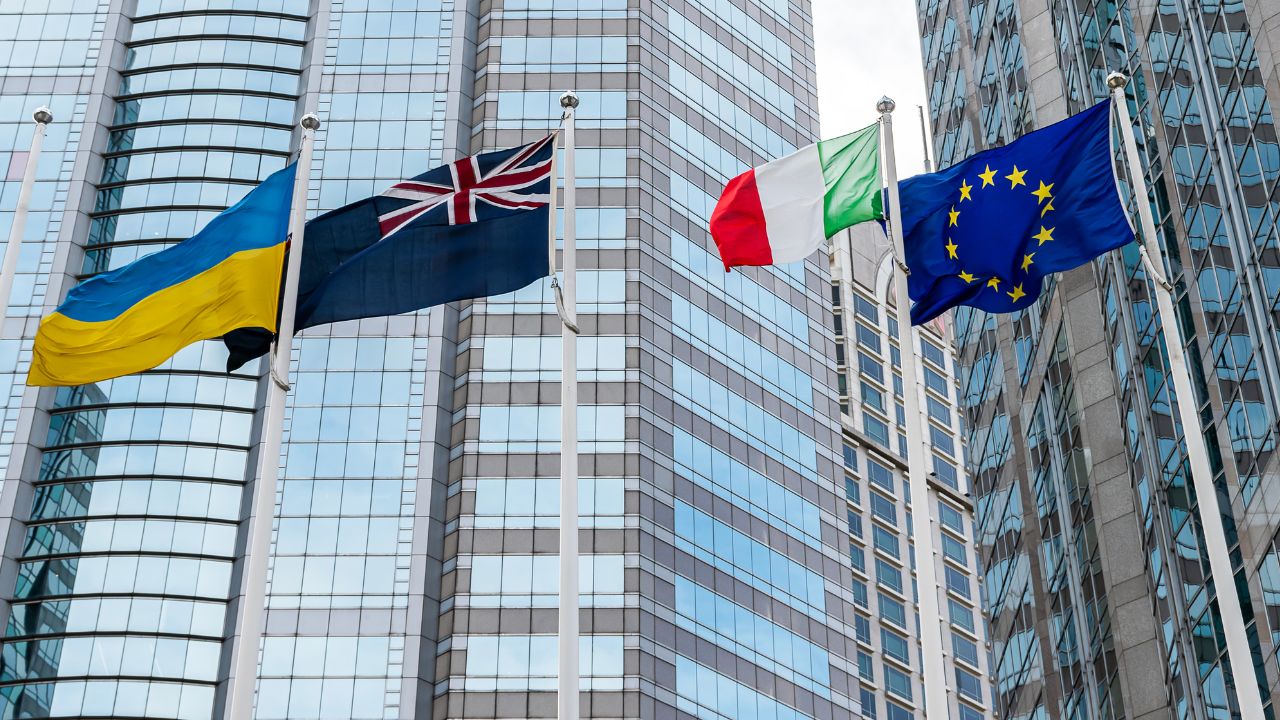
The European Union is expected to tighten food safety regulations following the Nestlé scandal. Authorities are already pushing for improved oversight of third-party suppliers and faster public notifications.
The crisis may lead to stricter traceability requirements across Europe, ensuring that the delays seen with Nestlé’s recall are not repeated.
Ripple Effects Across Borders
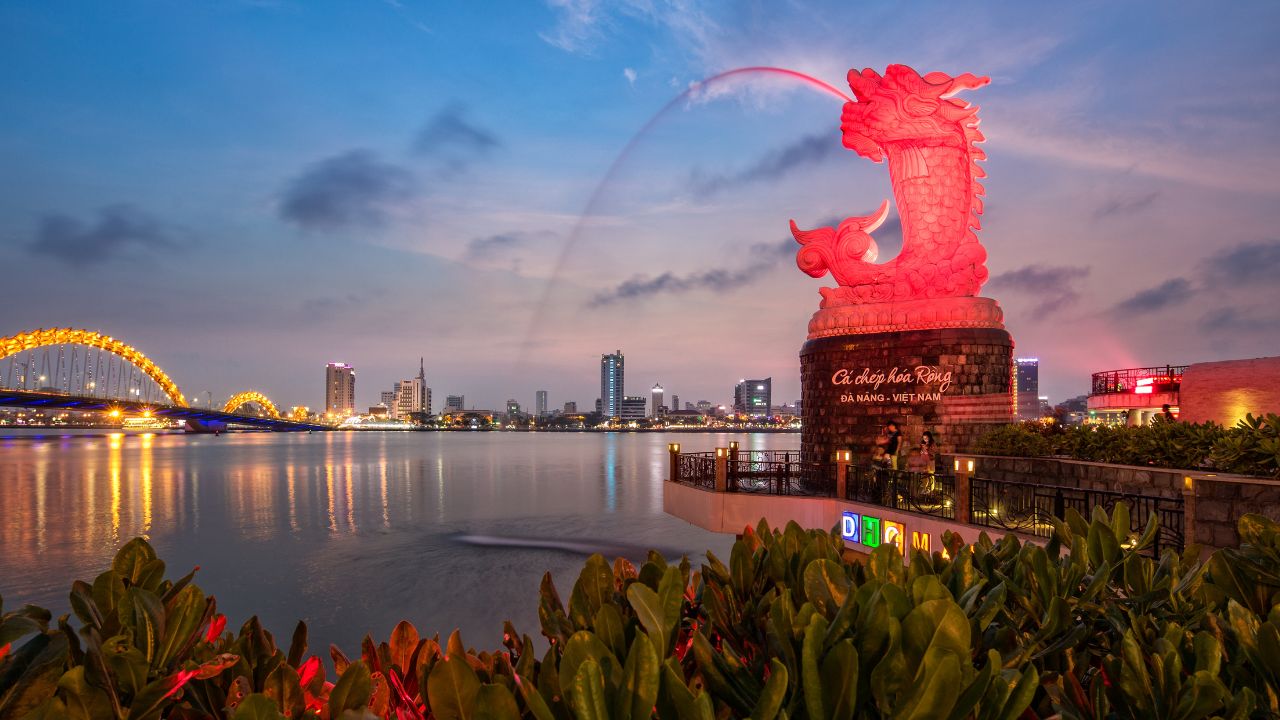
Countries like Vietnam and the United States are now reevaluating Nestlé’s practices. Vietnam has halted all sales of certain Nestlé brands, and legal proceedings in the U.S. over heavy metals in baby food gain momentum.
This incident highlights how a single contamination event can have global ramifications, shaking confidence in the food supply chain.
Legal and Financial Risks
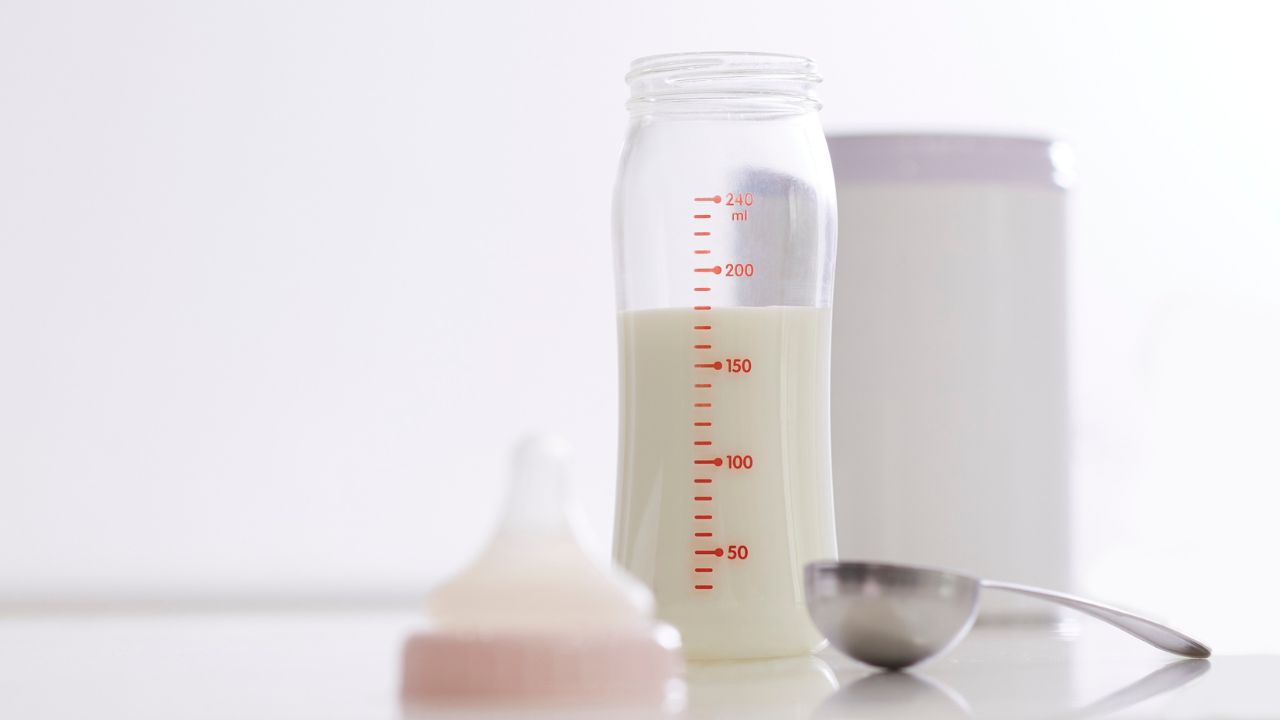
The legal and financial fallout for Nestlé could be severe. The company faces potential lawsuits, particularly in Europe, where consumer protection laws are strict.
Regulatory fines could reach millions of euros, and the company’s insurance may not fully cover reputational damage. Financial analysts predict the total cost of the crisis could exceed $2 billion.
The Trust Deficit
This crisis is a turning point for corporate accountability. With millennial and Gen Z parents demanding transparency, Nestlé’s failure to act swiftly has tarnished its reputation.
Social media amplifies parental frustration, as many are unwilling to forgive the company’s delayed response. Nestlé must prove it prioritizes safety and transparency to rebuild trust.
The Larger Implication

Nestlé’s baby formula crisis reveals broader weaknesses in corporate governance and global food systems. A single supplier’s mistake resulted in a massive recall, exposing gaps in oversight, traceability, and communication.
As regulatory bodies and competitors adapt, the question remains: Can Nestlé recover its brand, or has this event permanently altered its standing in the global market?
Sources:
“Nestlé’s reputation in danger over global infant formula recall.” Dairy Reporter, 9 Jan 2026.
“Nestle steps up infant formula damage limitation with CEO apology.” Reuters, 14 Jan 2026.
“Nestlé risks SFr1bn sales hit from infant formula recall.” Financial Times, 8 Jan 2026.
“Nestlé under fire over ‘unacceptable’ delay in historic infant formula recall.” Food Ingredients First, 7 Jan 2026.