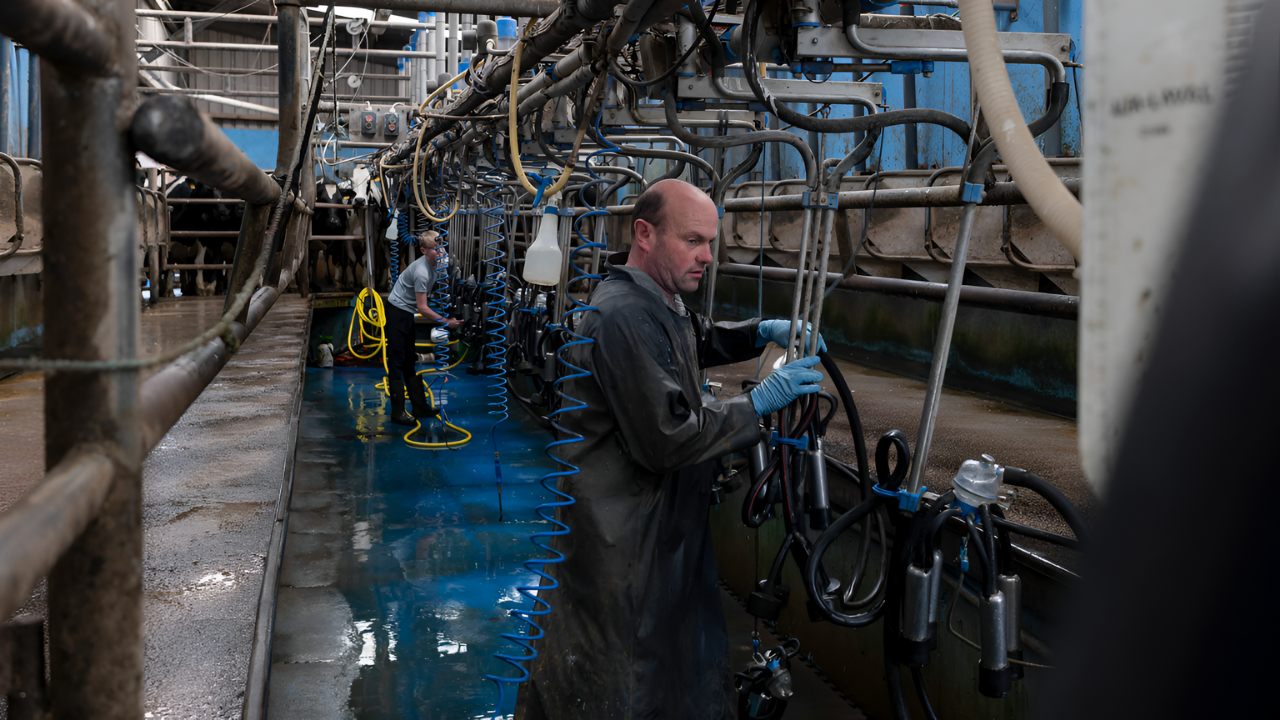
Nestlé’s phones buzz relentlessly as panicked parents worldwide inspect their baby formula tins, some still on shelves, others already fed to newborns. In January 2026, the Swiss company recalled over 800 infant formula products across 60 countries after detecting a potent toxin, unraveling trust in a cornerstone of global infant nutrition.
Recall Expands Globally
The action began as isolated regional responses in December 2025 but ballooned into a worldwide effort by early 2026, hitting Africa, the Americas, Asia, and Europe. Brands like SMA, NAN, and Lactogen fell under the net, striking Nestlé’s Nutrition and Health Science division, which accounted for 16.6% of its 2024 revenue, or CHF 15.1 billion (approximately $17 billion USD). Shares plunged 4.6%, with analysts projecting losses surpassing CHF 1.2 billion (about $1.3 billion USD) from direct costs, lost sales, and legal battles.
Dominance in Infant Nutrition
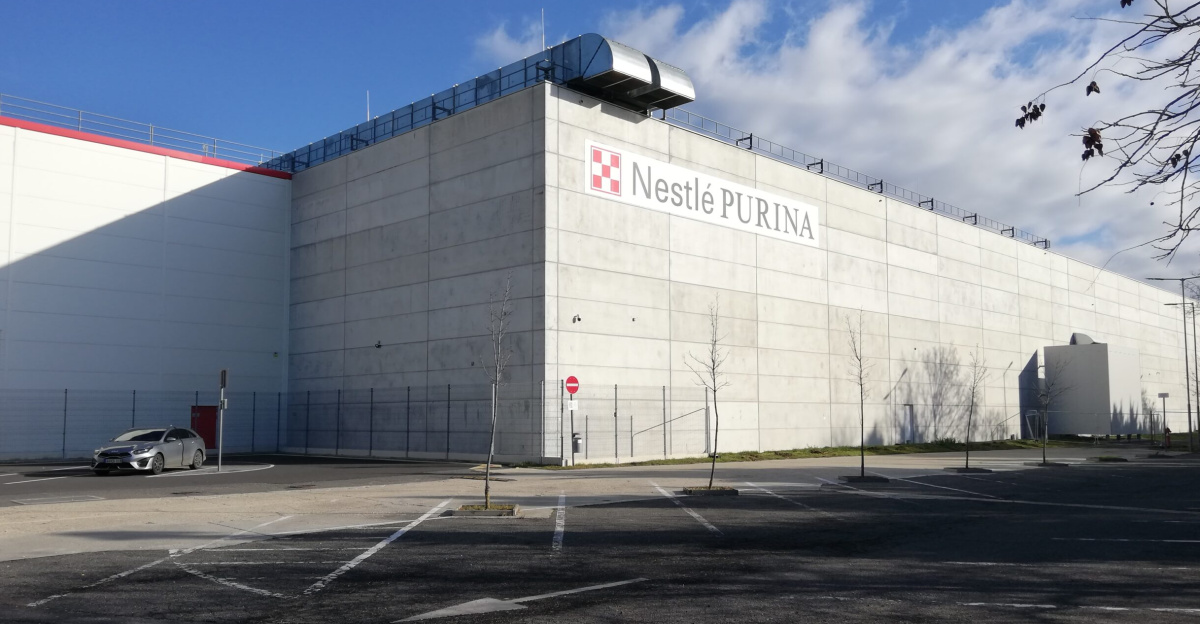
Nestlé has long commanded the infant formula sector, prized for its safety standards. This episode follows a 2025 French recall of baby meals tainted with excess toxins and echoes earlier issues, such as November 2025 pullbacks of NAN Expert Pro in Belgium and Luxembourg due to contamination risks. Allegations of mineral oil residues, heavy metals, and water filtration irregularities in France have compounded scrutiny, testing the company’s market supremacy.
Toxin Contamination Uncovered
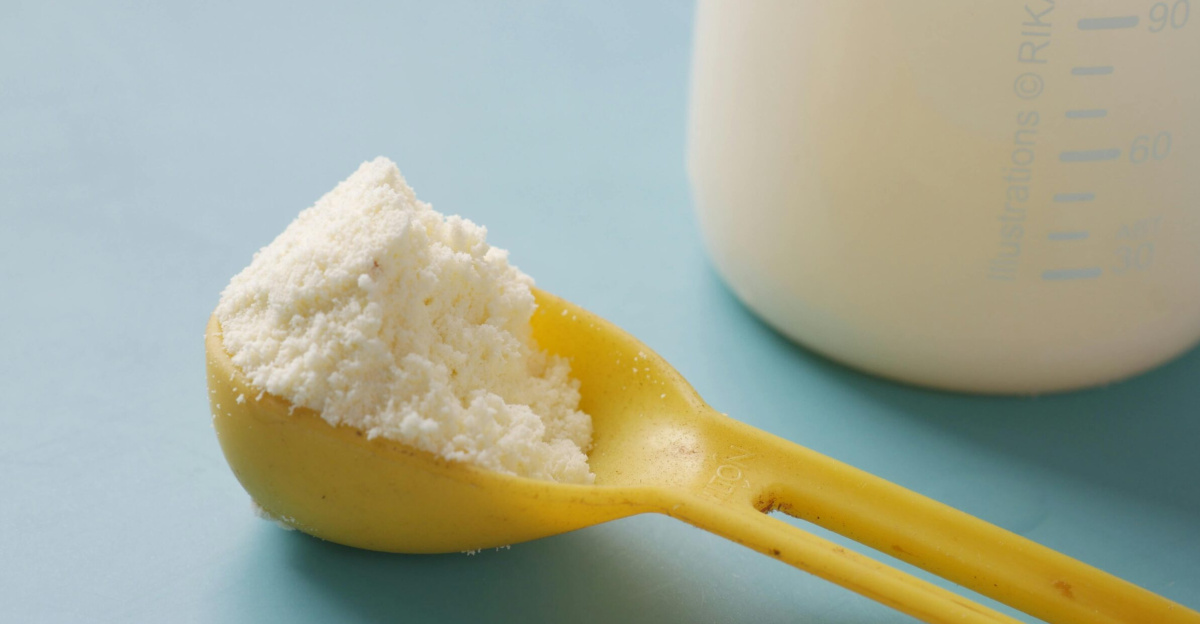
Investigators pinpointed the source to a third-party supplier of arachidonic acid (ARA) oil, an essential formula ingredient. At Nestlé’s Nunspeet plant in the Netherlands, which serves 140 markets, tests in December 2025 revealed cereulide—a heat-stable toxin from Bacillus cereus bacteria. This substance, resistant to cooking and sterilization, triggers vomiting and nausea, posing acute dangers to infants. The undisclosed supplier exposed vulnerabilities in Nestlé’s global chain.
Delayed Recall Efforts
Public alerts lagged: France issued the first in early December 2025, followed by Finland and Denmark. The Netherlands and Belgium waited until January 2026, while Austria ran a quiet holiday-season withdrawal. Brazilian officials later confirmed two infant cases of vomiting and diarrhea linked to the products. Parents, deprived of timely details, grappled with doubt—check cans or switch brands?—as weeks of silence bred widespread unease.
Parental Panic and Road Ahead

News ignited parental alarm, amplifying emotional strain on families who relied on Nestlé for their babies’ sustenance. Competitors like Danone and Reckitt Benckiser eye gains, with retailers boosting rival displays. Foodwatch slammed Nestlé’s traceability lapses, prompting European probes into food law breaches and demands for penalties. New CEO Philipp Navratil, months into the role after his predecessor’s exit in September 2025, issued a video apology vowing trust restoration amid restructuring that includes cutting 16,000 jobs.
Financially, Nestlé downplays the hit—less than 0.5% of sales—but forecasts range CHF 1.2 billion to CHF 2 billion, including fines, suits, and brand erosion. Stock dips prompted growth revisions to 2.8% from 3.5%, with February’s earnings call pivotal. Regulators push tighter supplier oversight and swifter alerts; Vietnam suspended sales, and U.S. heavy-metal cases accelerate.
Nestlé confronts a pivotal test: rebuild parental faith through supplier disclosure, enhanced protocols, and openness, or cede ground permanently. The crisis underscores supply chain frailties, spurring demands for accountability in a market where transparency defines loyalty. As probes deepen and rivals advance, the company’s response will shape its future amid evolving global safeguards.
Sources:
“Nestlé’s reputation in danger over global infant formula recall.” Dairy Reporter, 9 Jan 2026.
“Nestle steps up infant formula damage limitation with CEO apology.” Reuters, 14 Jan 2026.
“Nestlé risks SFr1bn sales hit from infant formula recall.” Financial Times, 8 Jan 2026.
“Nestlé under fire over ‘unacceptable’ delay in historic infant formula recall.” Food Ingredients First, 7 Jan 2026.