
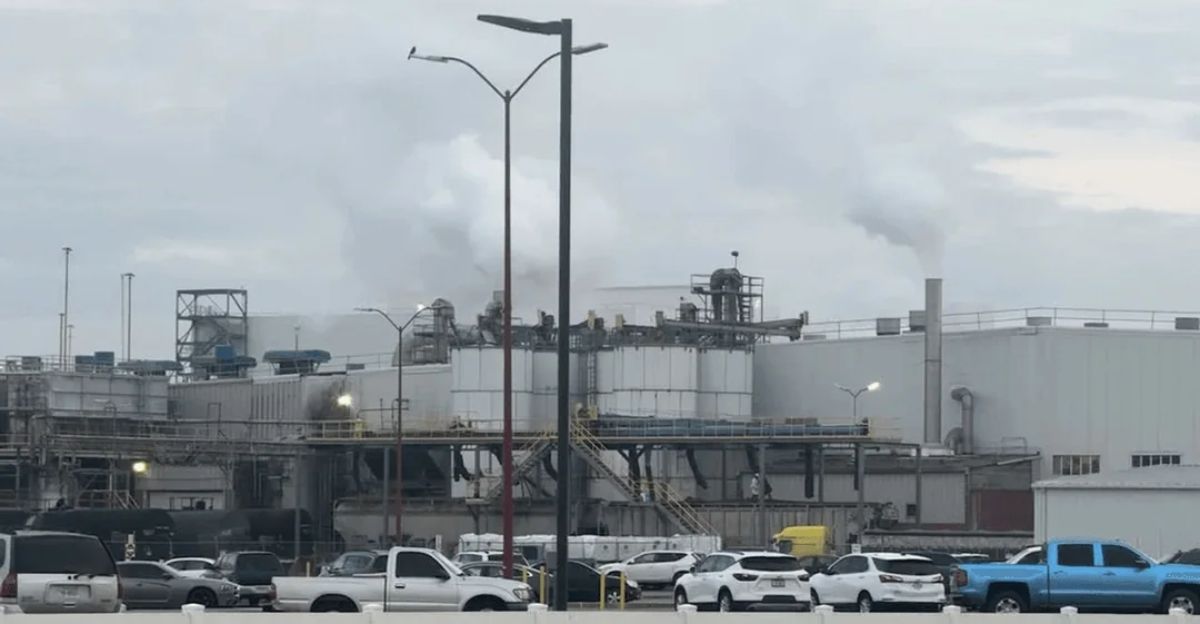
Nebraska suffered a sudden economic shock when Tyson Foods permanently closed its beef processing plant in Lexington on January 20, 2026.
The decision erased roughly 3,200 jobs in a single day, a devastating blow to a town of about 11,000 people. Nearly 30% of Lexington’s workforce depended directly on the facility, making the closure one of the most severe single-employer job losses in recent U.S. rural history.
Why Lexington Matters
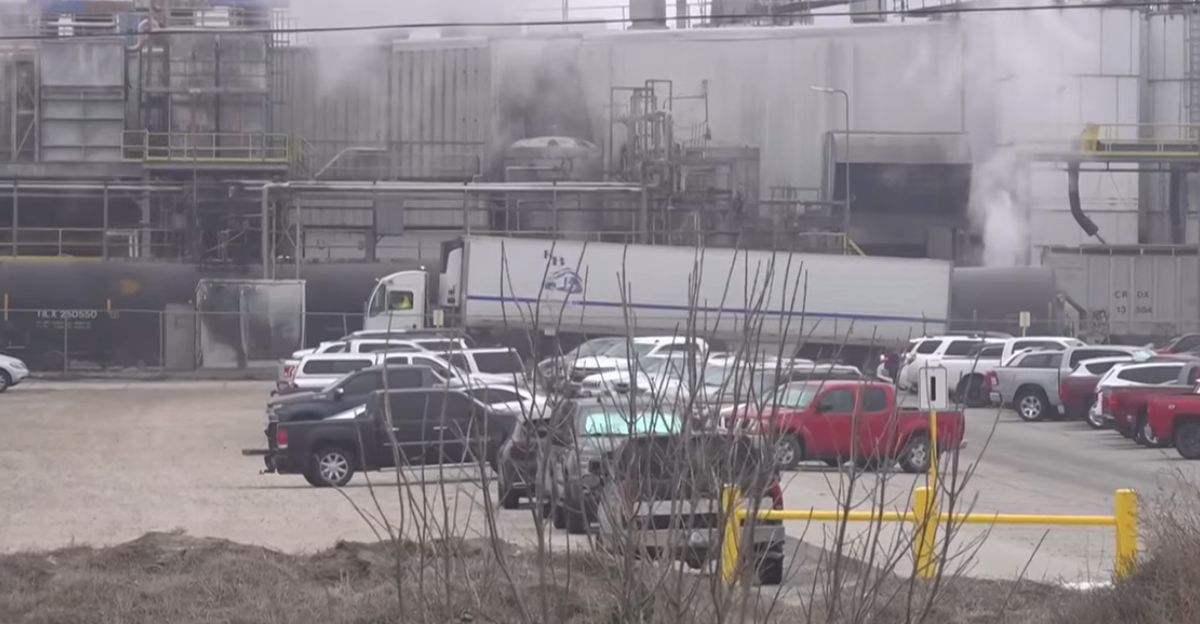
Lexington is not just another small Midwestern town—it has long been one of the nation’s most significant meatpacking communities.
The Tyson plant anchored the local economy for decades, supporting housing, schools, retail businesses, and public services. Its closure reveals how deeply vulnerable rural towns become when a single employer dominates employment, wages, and economic stability across an entire region.
The Plant at the Center of the Crisis

Opened in 1990, the Lexington beef plant grew into a major node in the U.S. beef supply chain. At full capacity, it could process close to 5,000 head of cattle per day, representing roughly 5% of total daily U.S. beef slaughter.
Over time, it became one of Tyson Foods’ most important beef facilities—and one of Lexington’s largest sources of stable, long-term employment.
The Decision to Shut Down
Tyson Foods announced the Lexington closure on November 21, 2025, citing worsening conditions in the U.S. cattle market.
The company confirmed the shutdown would be permanent and would take effect January 20, 2026. Executives described the move as necessary to “right-size” beef operations amid shrinking cattle supplies and mounting financial losses across the beef division.
A Historic Cattle Shortage
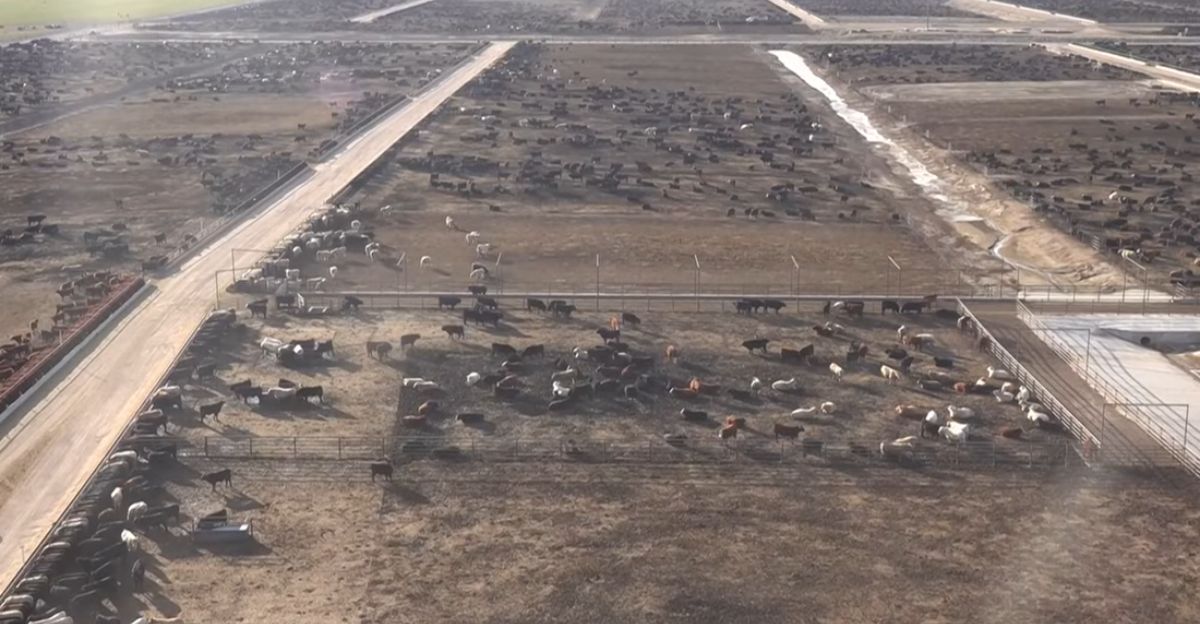
At the heart of the closure is a historic decline in the U.S. cattle herd. By 2025, national cattle numbers had fallen to their lowest level since 1951—nearly 75 years ago.
Prolonged drought, high feed costs, and years of herd liquidation sharply reduced available cattle, leaving beef processors competing for fewer animals at much higher prices.
Rising Costs, Falling Margins
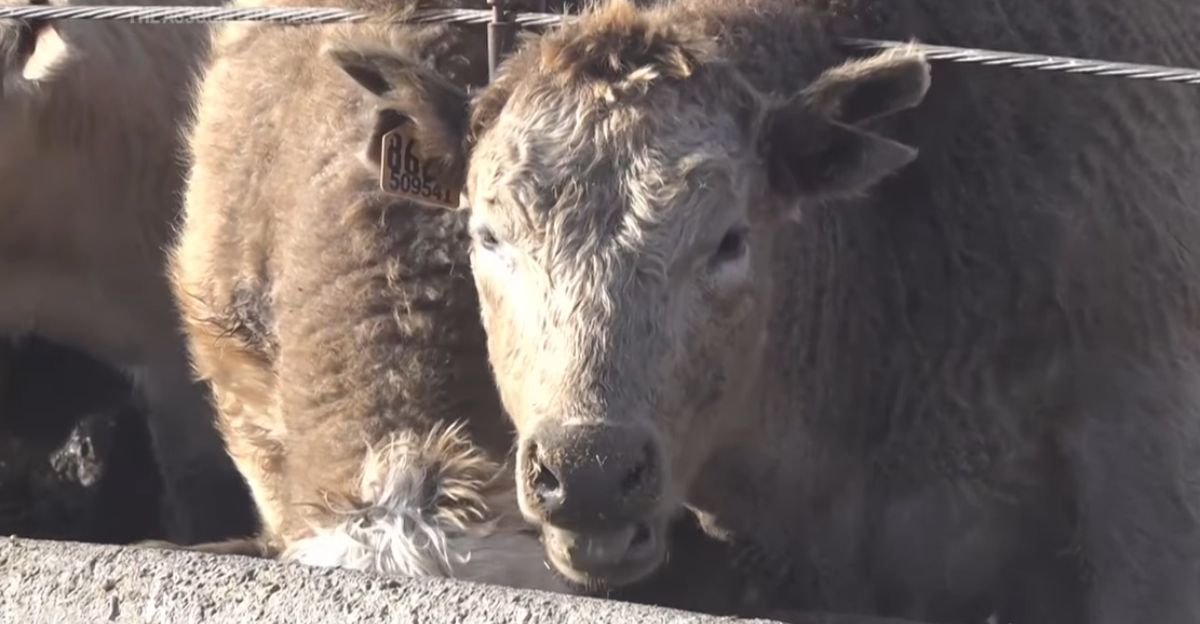
As cattle supplies tightened, Tyson and other packers faced rising costs that could not be fully passed on to consumers.
Processing plants require high volumes to remain profitable, and lower throughput erodes margins quickly. Tyson projected beef-division losses exceeding $600 million in the coming fiscal year, underscoring how severely the cattle shortage has disrupted the economics of meatpacking.
More Than One Plant Affected

The Lexington closure was part of a broader restructuring. On the same effective date, Tyson eliminated a production shift at its Amarillo, Texas beef facility.
Combined, the two moves eliminated approximately 4,900 jobs nationwide—3,200 in Nebraska and about 1,700 in Texas—marking one of the company’s largest workforce reductions in decades.
Immediate Human Impact

In Lexington, the job losses were deeply personal. Thousands of workers—many with decades at the plant—suddenly faced unemployment.
A large share of employees were immigrants who had built long-term roots in the community. Families were forced to confront difficult choices about relocation, retraining, or seeking transfers to other Tyson facilities, often far from home.
Ripple Effects Beyond the Plant

The closure’s impact extends far beyond Tyson’s payroll. Economists at the University of Nebraska–Lincoln estimate that when secondary effects are included, total job losses in the region could approach 7,000.
Local businesses—from grocery stores to landlords—depend on plant workers’ income, meaning reduced spending threatens the broader economic ecosystem surrounding Lexington.
Wages and the Local Economy
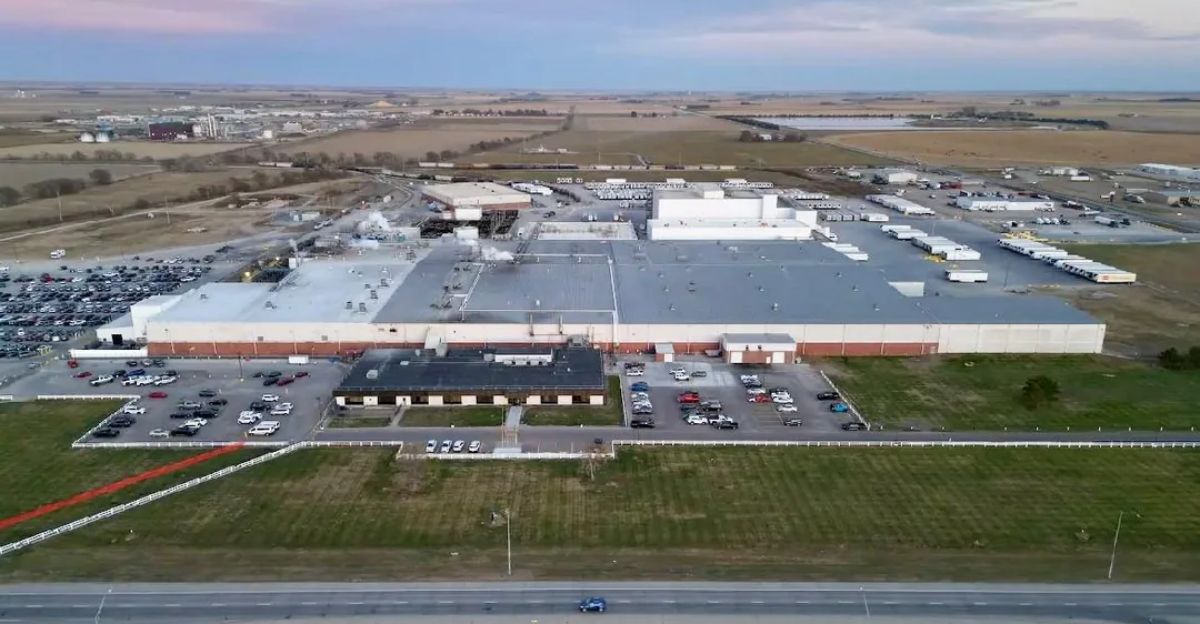
Tyson workers at the Lexington plant earned an estimated $241 million in annual wages. The sudden disappearance of that income represents a massive contraction for a town of 11,000 people.
Lost wages directly affect housing stability, school funding, healthcare access, and municipal revenues, placing long-term strain on public services already operating with thin margins.
Schools and Families Feel the Shock
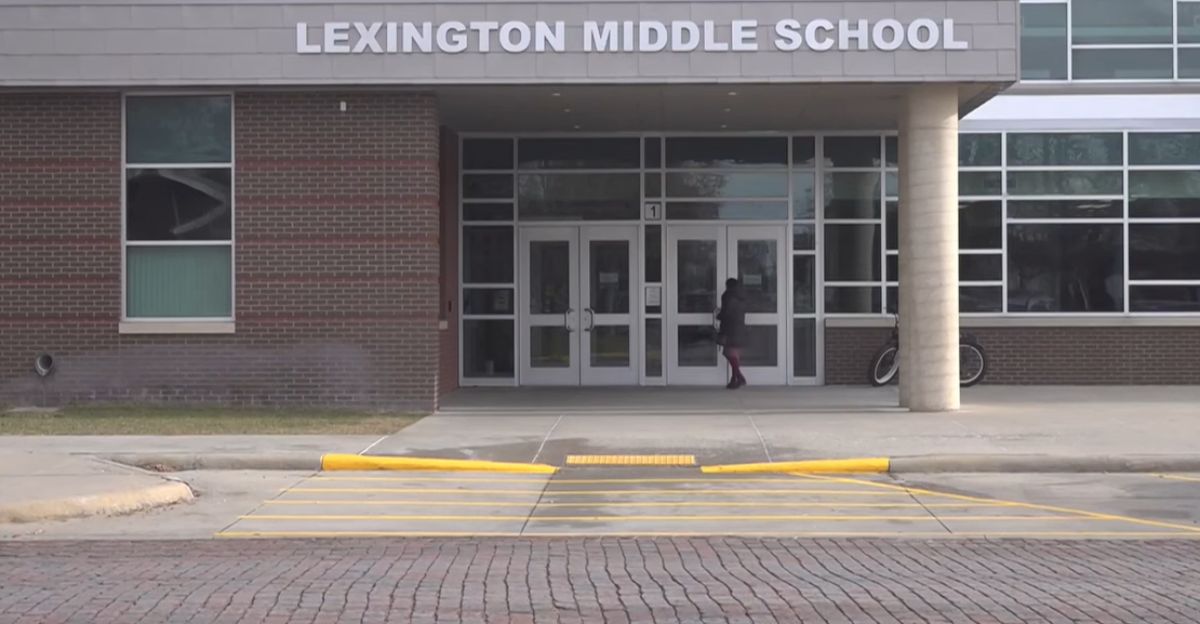
The closure reaches into Lexington’s classrooms. Roughly half of local students are estimated to have at least one parent working at the Tyson plant.
Job losses increase the risk of student displacement, enrollment declines, and funding challenges for schools, compounding the social impact of the economic shock and destabilizing families who relied on steady industrial employment.
A National Beef Supply Consequence
Removing a plant that handled about one-twentieth of U.S. daily beef slaughter tightens an already constrained supply chain. While other plants may absorb some volume, the loss adds pressure to beef availability.
This reinforces elevated beef prices nationwide, particularly at grocery stores and restaurants, where consumers have already faced years of rising food costs.
Changing Consumer Behavior

Higher beef prices are already reshaping household choices. Many consumers are shifting toward cheaper proteins such as chicken and pork, while some are experimenting with plant-based alternatives.
The Lexington closure does not single-handedly cause these trends, but it amplifies them by reducing processing capacity during a period of historically low cattle numbers.
Government Response Begins
Nebraska state officials and federal lawmakers moved quickly after the announcement, pressing Tyson for details on worker assistance and transition support.
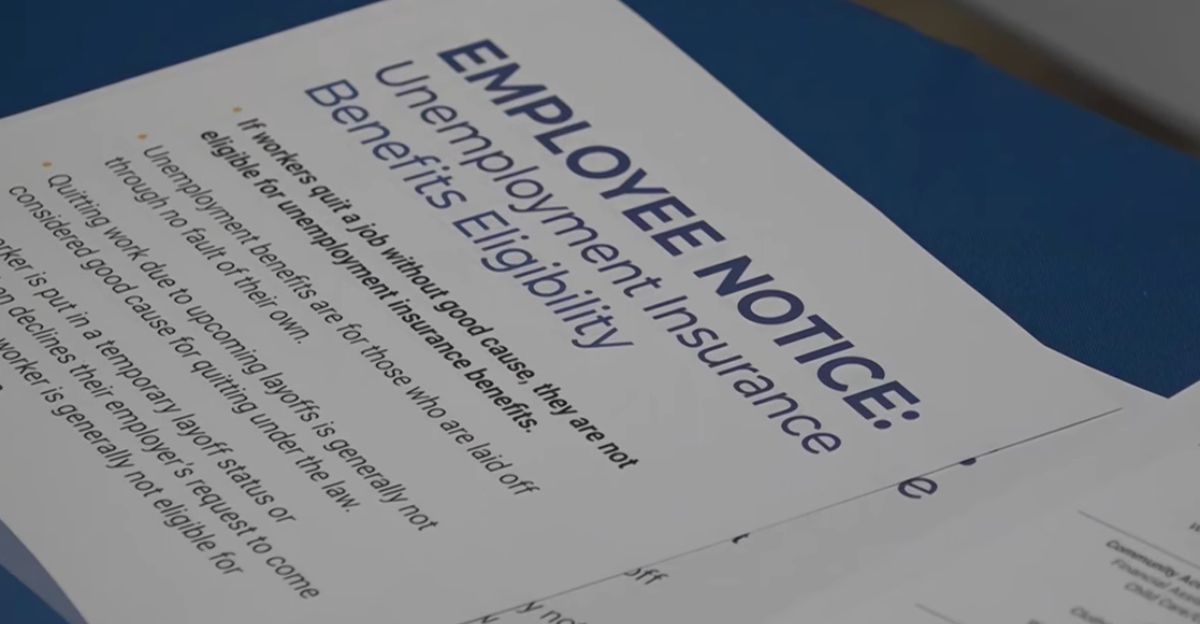
Agencies began coordinating unemployment services, job-placement resources, and retraining programs. Leaders described the situation as requiring disaster-level urgency due to the scale of job losses concentrated in a single community.
The Question of the Plant Site
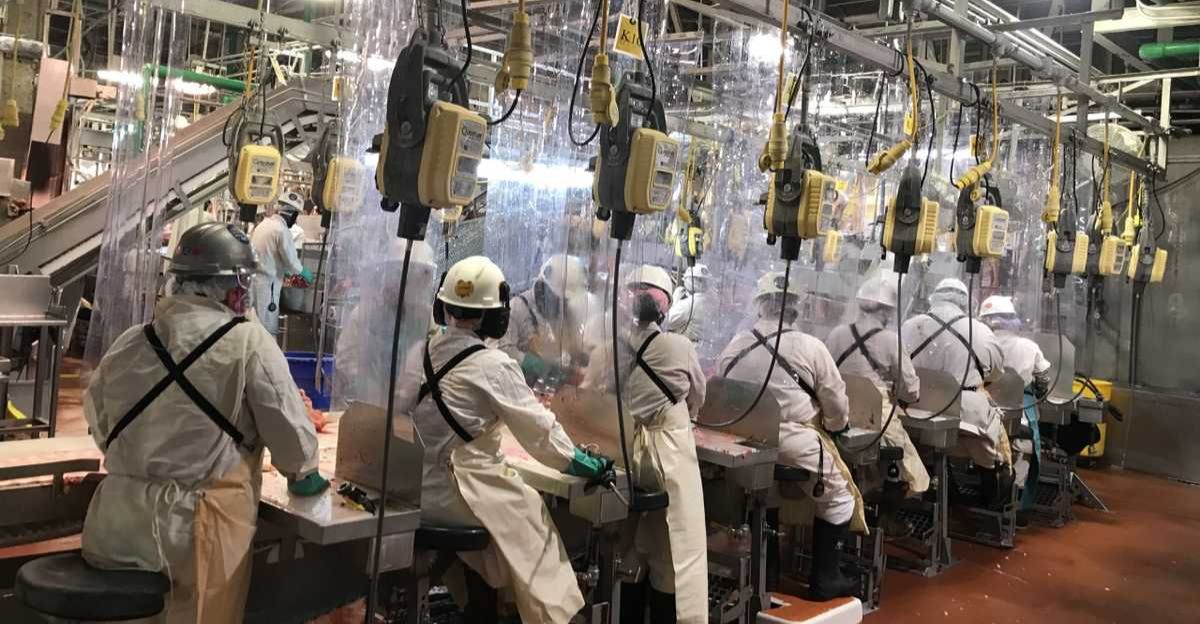
Attention has also turned to the future of the massive Lexington facility itself. Repurposing a specialized beef processing plant is complex and costly.
Local officials are exploring redevelopment options, but no immediate replacement employer can match the scale or wages Tyson provided, leaving uncertainty about how—or whether—the site can anchor a new economic chapter.
Consolidation Under Scrutiny
The closure has reignited debate over consolidation in the meatpacking industry. A small number of corporations control a large share of U.S. beef processing, magnifying the impact when a single plant shuts down.
Critics argue this concentration increases vulnerability for workers, ranchers, and towns, while companies say scale is necessary to survive volatile markets.
Imports, Exports, and Supply Balance
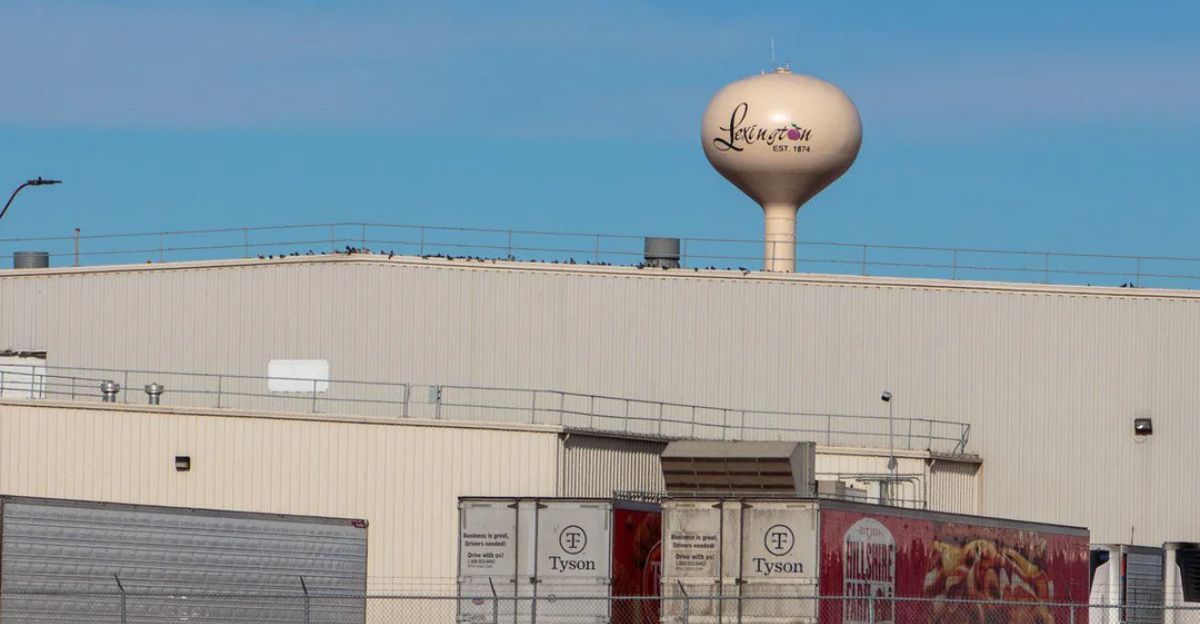
As domestic processing capacity tightens, policymakers are also revisiting the balance between beef imports and exports.
With the U.S. cattle herd depleted, imports can help stabilize supply, but they raise concerns among ranchers and processors alike. Rebuilding the herd will take years, meaning supply constraints—and their economic consequences—are unlikely to fade quickly.
A Rare Economic Event
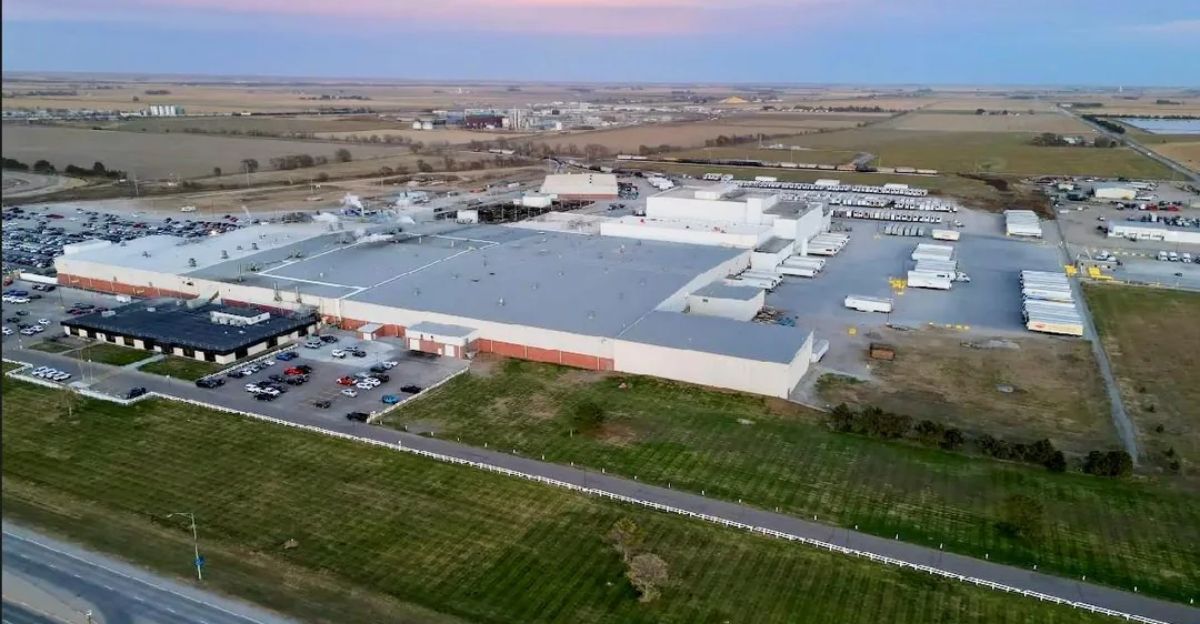
Economists describe the Lexington closure as one of the largest single-facility shutdowns in decades. Michael Hicks of Ball State University called it a “poster child for hard times,” emphasizing how rare it is to see 3,000 jobs vanish at once in a town of this size.
The event highlights the fragility of single-industry communities.
What Comes Next for Workers
For displaced employees, the path forward remains uncertain. Some may transfer to other Tyson locations, while others will seek retraining or exit the meatpacking industry altogether.
Older workers face particular challenges adapting to new careers. The effectiveness of public and private support efforts will shape whether families can remain in Lexington or must leave.
A Warning Beyond Nebraska
The Lexington shutdown is more than a local tragedy—it is a warning signal for rural America. Essential industries are not immune to structural shocks, and dependence on a single employer carries enormous risk.
As the cattle herd rebuilds slowly, towns across the Midwest are watching closely, aware that Lexington’s story could foreshadow their own future.
Sources:
“Tyson Foods to close major US beef plant as cattle supplies dwindle” – Reuters
“Tyson to shutter major beef plant in Nebraska amid US cattle shortage” – Food Dive
“Economic Impacts of the Tyson Beef Plant Closure in Lexington, Nebraska” – University of Nebraska–Lincoln (CAP / Extension)
“UNL report estimates nearly $3.3 billion in annual economic losses from Tyson Foods closure” – Nebraska Public Media
“Tyson’s Lexington Beef Plant Shutters Early: No Shifts Scheduled This Week” – Drovers
“Tyson Foods layoffs start in Nebraska, Texas beef plants” – Meat+Poultry