
The phone rings. A manager from a major freight company in Texas delivers the news: nearly 9,000 jobs are being cut in the U.S. and Mexico. It’s not just one company—this is a wave that spans across trucking, warehousing, and manufacturing sectors.
As the announcement ripples through the logistics community, workers face an uncertain future, and companies brace for the fallout. How did we get here, and what happens next?
Why Are Freight Jobs Disappearing?
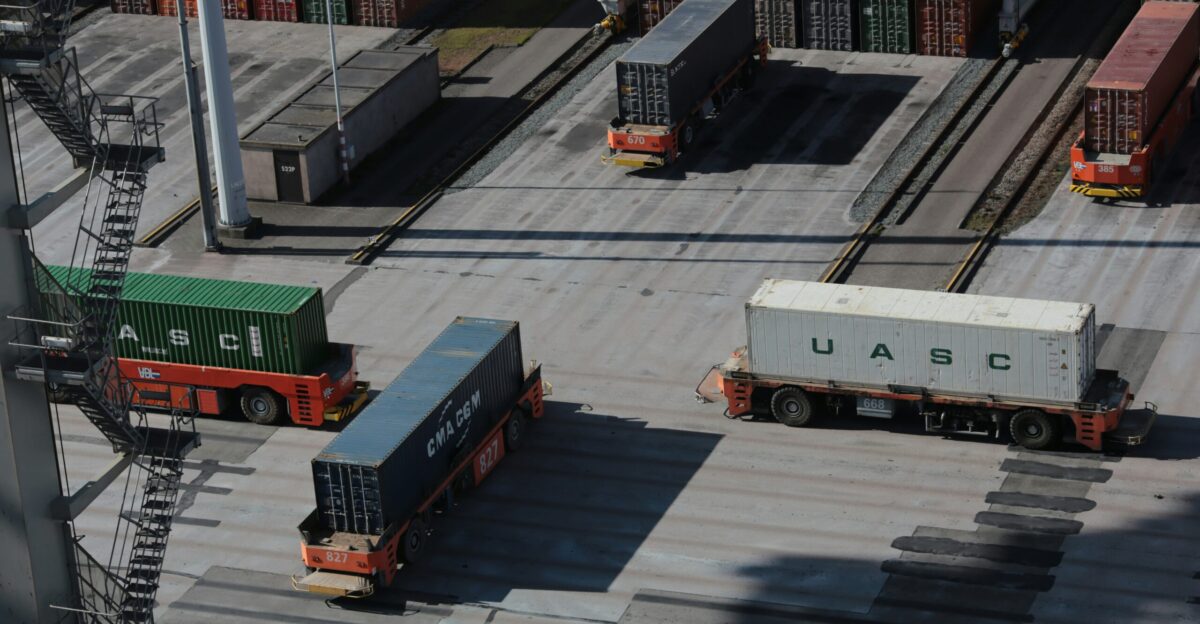
Freight job losses can be traced to market volatility, shifting consumer demands, and mounting operational costs. Experts point to declining shipment volumes and rising tariffs as key factors.
With companies under pressure, many are making the tough choice of reducing staff and shuttering facilities to stay afloat in this unpredictable environment.
Consumers May Face Delivery Delays and Increased Costs
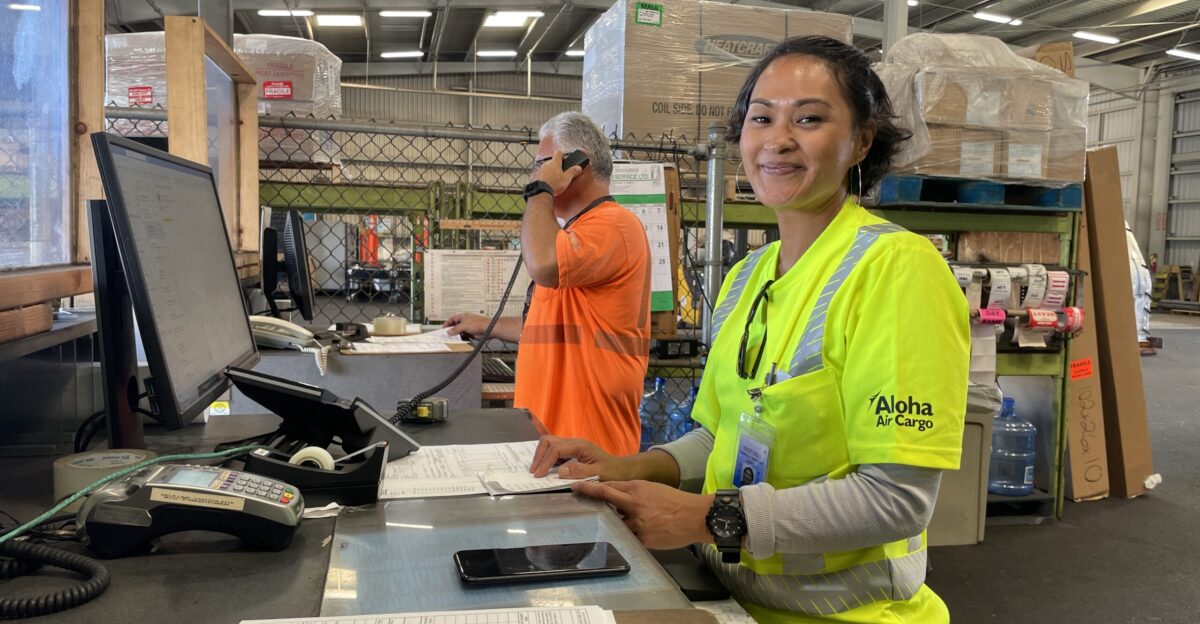
As mass layoffs sweep through the freight sector, companies face shortages of drivers and warehouse staff.
These disruptions could lead to slower fulfillment and higher shipping costs, with retailers warning that challenges may continue if layoffs persist.
Corporate Response: Restructuring and Facility Closures
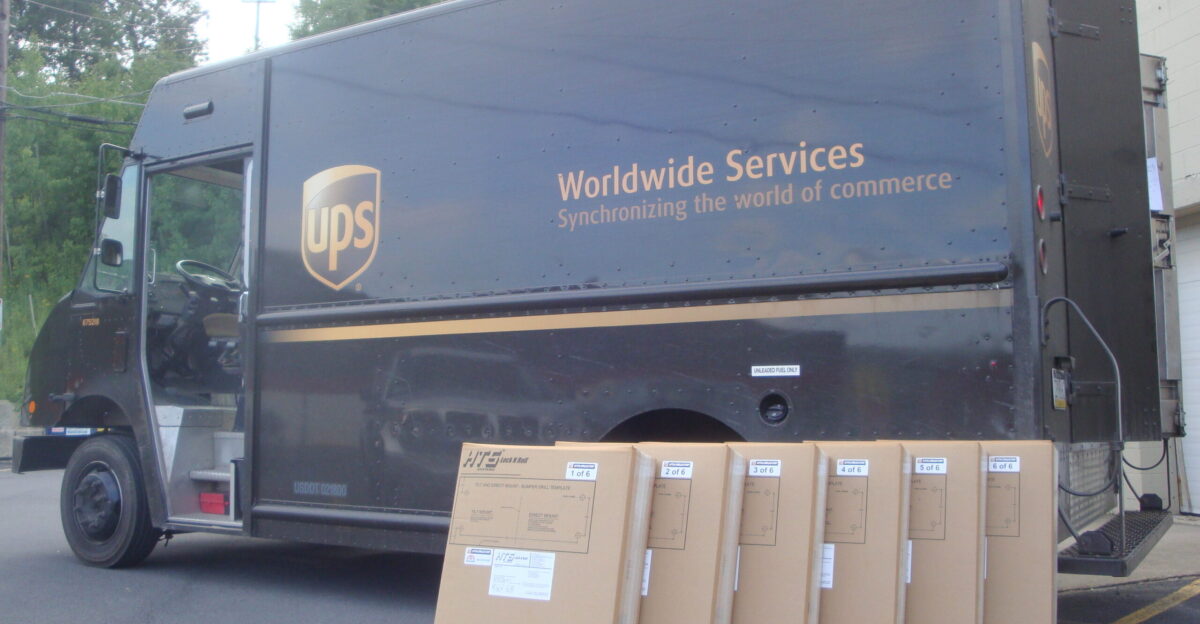
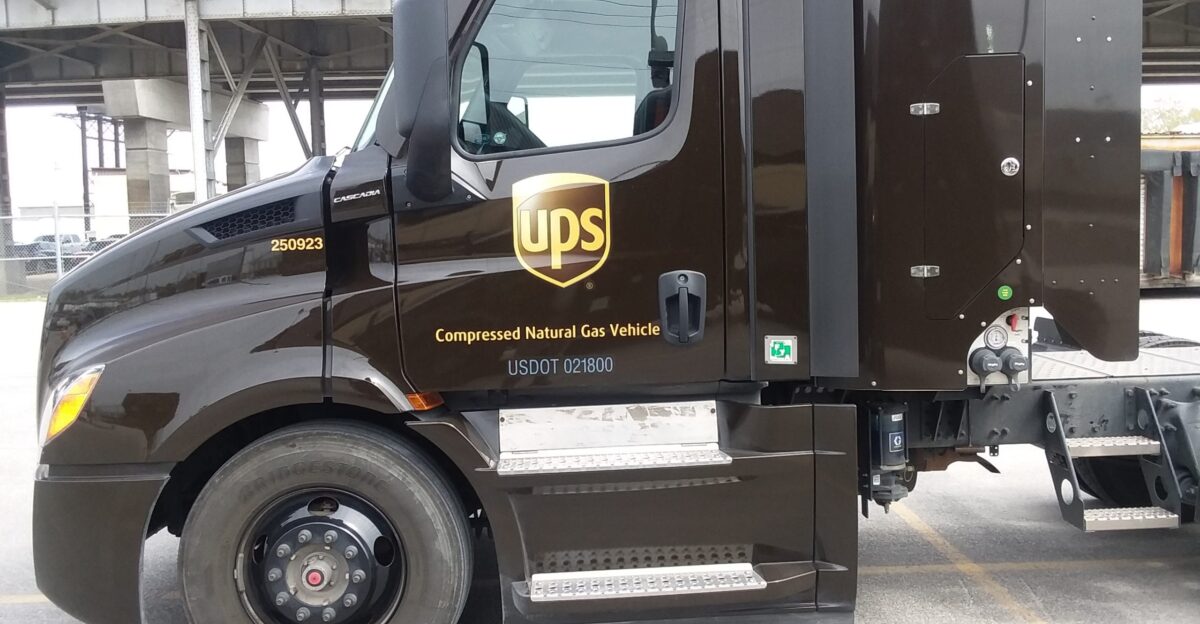
To manage costs, leading logistics companies like UPS and Geodis are closing facilities and rethinking their networks. UPS, for example, cut 48,000 jobs in 2025.
As these companies consolidate operations, they hope to survive the current downturn, though their strategies raise concerns about future job stability.
Substitutes and Adjacent Markets: E-Commerce Shifts

Amazon’s shifting delivery models and warehouse closures highlight a growing trend in e-commerce. In January 2025, Amazon closed seven fulfillment centers in Quebec, leading to approximately 4,500 total job losses, including delivery service partners.
This is a sign of a broader transition where logistics services are increasingly being outsourced, and gig delivery services are filling the void.
International Trade: Ripple Effects Across Borders

The impact of tariffs and reduced international shipments has been felt across the U.S. border. Companies like Swissport Cargo and Geodis are downsizing operations, particularly in Texas, Georgia, and New Jersey.
These closures are disrupting cross-border supply chains, putting more strain on international trade.
Human Impact: Workers and Families Face Uncertainty
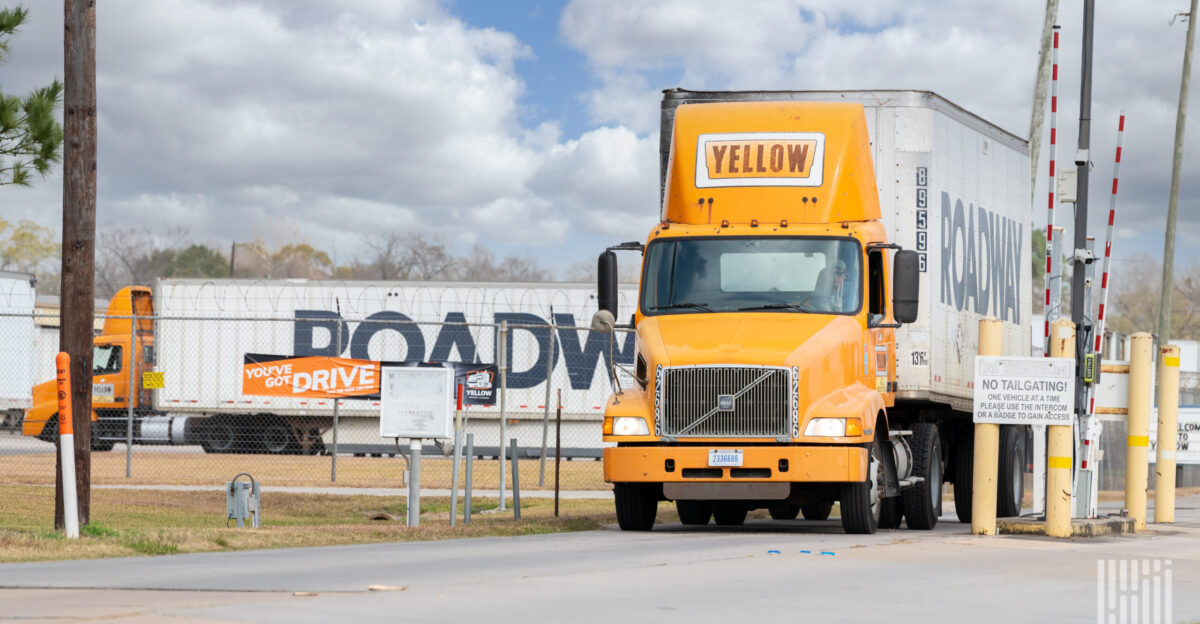
The layoffs in freight have left thousands of workers uncertain about their futures. From truck drivers to warehouse staff, many are struggling to find new opportunities in a tight job market.
Yellow Corp’s 2023 bankruptcy alone affected 30,000 workers, highlighting the depth of the crisis.
Political Response: Unions and Policymakers React

Labor unions like Teamsters are negotiating for severance packages and better benefits for laid-off workers.
Policymakers are debating new support measures, while unions push for stronger protections and retraining programs to ease the transition for affected employees.
Inflation and Economic Ripple: Potential Price Pressures

The ongoing job cuts may contribute to shipping capacity constraints.
As freight companies reduce their workforce, the industry faces potential cost pressures that could affect prices for goods from food to retail products.
Retailer Strategies: Adapting to Supply Chain Disruption

Retailers are adapting to the freight crisis by shifting their inventory strategies and renegotiating contracts with alternative logistics providers.
Some are even expanding in-house delivery services to mitigate the impact of slower, costlier external shipping options.
Restaurant and Hospitality Shifts: Menu Changes and Sourcing
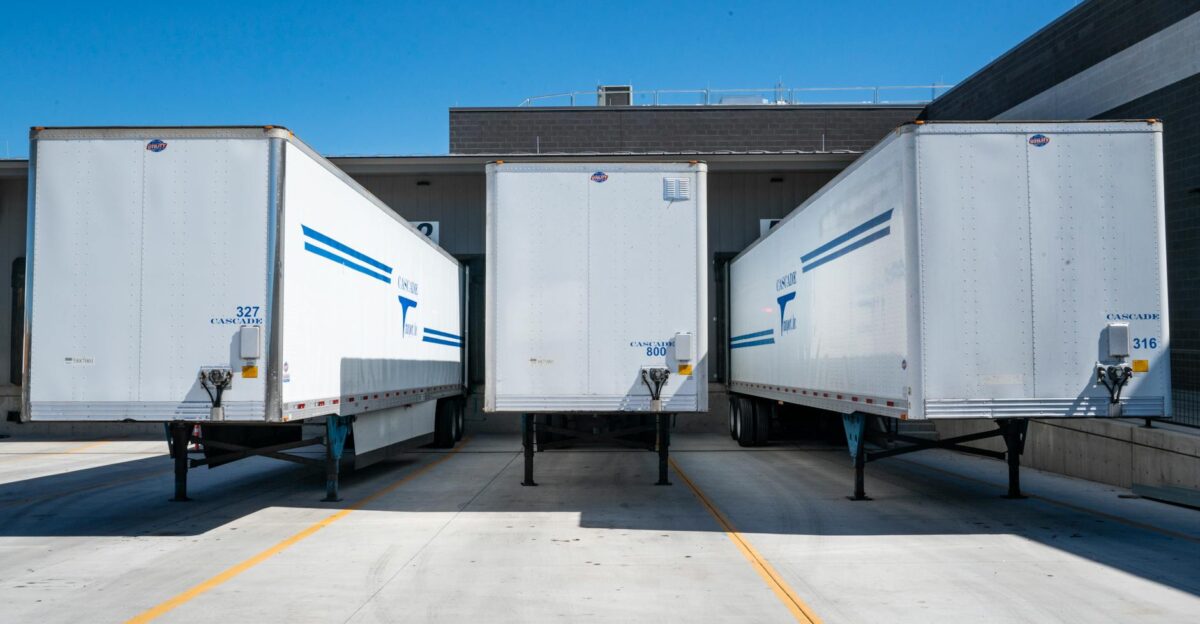
Restaurants and hospitality businesses are feeling the pinch, too. Facing higher costs and delays, many are adjusting their menus and sourcing strategies.
They are increasingly turning to local suppliers to cope with the ongoing freight disruptions and cut back on complex menu options.
Knock-On Industries: Leather, Pet Food, and Fertilizer

The freight crisis is having a ripple effect across various industries. Sectors like leather production, pet food, and fertilizers, which rely on timely shipments, are experiencing delays and shortages.
This disruption in supply chains is driving up prices across the board.
Global Consumer Impact: International Markets Feel the Strain
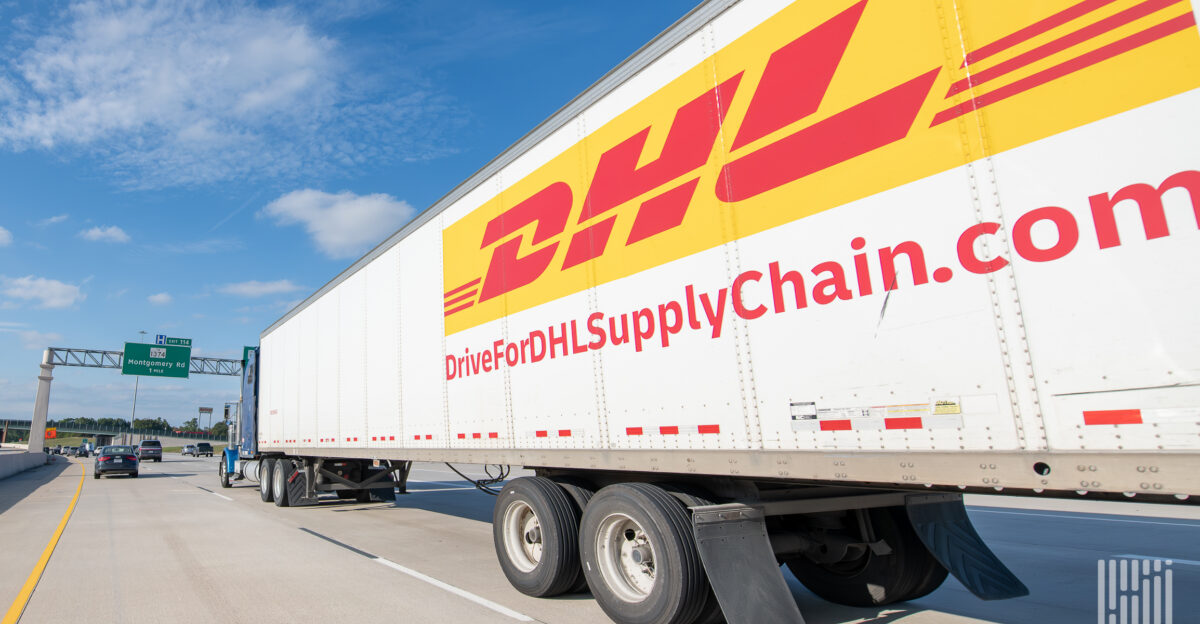
The freight downturn is being felt worldwide, as international consumers face longer waits and higher costs for U.S. goods.
DHL’s closure of a facility in Ontario, California (affecting 346 workers) and 8,000 job cuts in Germany signal the global reach of this crisis.
Health and Lifestyle Changes: Stress and Adaptation

The freight crisis is also impacting workers’ mental health and family stability. With many forced to retrain or relocate, individuals are facing heightened stress.
Consumers, meanwhile, are adjusting to slower deliveries and shifting product availability.
Cultural and Environmental Debate: Sustainability vs. Efficiency
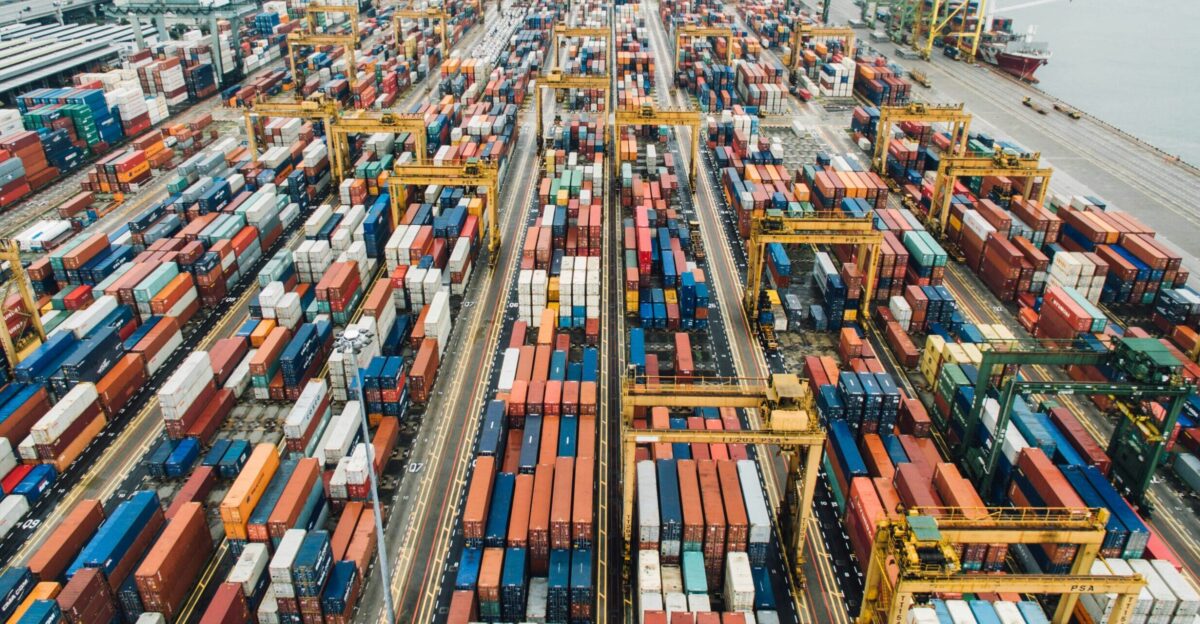
As the logistics sector grapples with workforce reductions, debates around sustainability have emerged. Some push for greener logistics practices, while others argue for cost-cutting and automation.
The sector faces a tough balancing act between economic survival and environmental responsibility.
Winners and Losers: Unexpected Beneficiaries

Despite widespread losses, some sectors are seeing growth. Gig delivery platforms and local suppliers are capitalizing on the freight disruption.
Companies specializing in last-mile logistics and automation are expanding rapidly, positioning themselves as winners in a shifting market.
Financial Market Speculation: Investors React
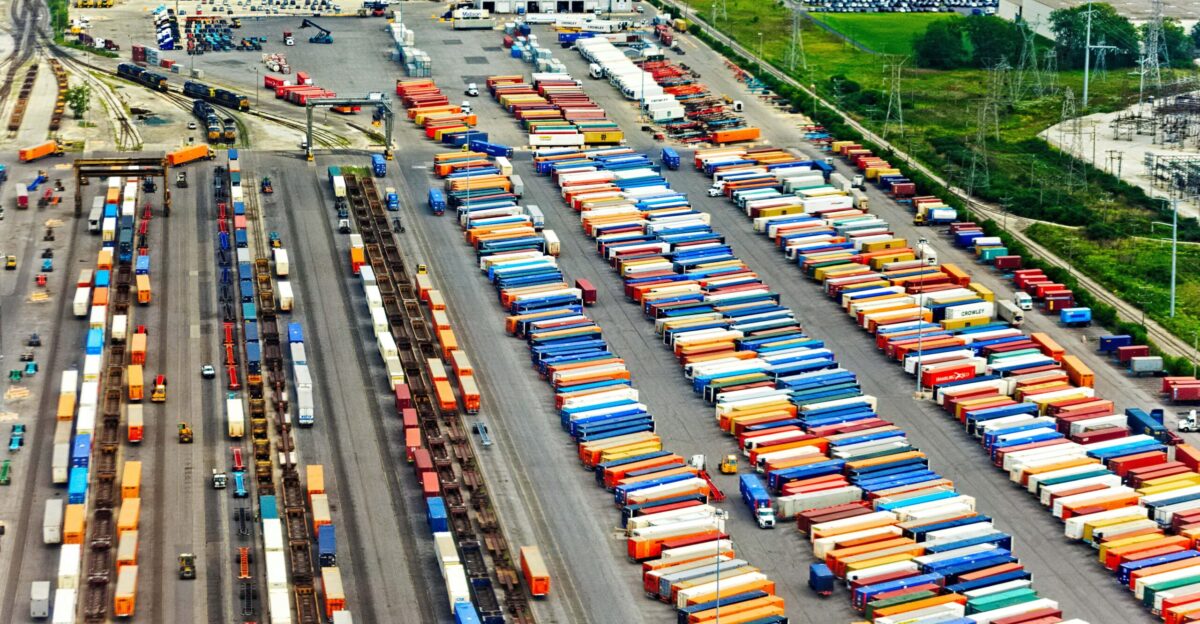
The logistics sector’s volatility is drawing significant attention from investors. Some are betting on automation and digital freight platforms to emerge as long-term winners.
Past bankruptcies, like Yellow Corp (2023) and Convoy (2023), are influencing market swings as investors predict future trends.
Consumer Advice: Navigating Disruption

For consumers, the advice is clear: expect longer shipping times and higher costs.
Planning purchases ahead of time, considering local alternatives, and staying updated with retailer notifications are key to navigating the ongoing disruptions in freight services.
Looking Ahead: What’s Next for Freight and Logistics?
Experts warn that further job losses could be on the horizon. Companies are investing in automation and retraining efforts, while new business models are emerging.
The future of freight and logistics will depend on market stabilization and government intervention.
Final Reflection: Tying the Ripples Together

The freight job cuts of 2025 are more than just layoffs—they are indicative of larger trends affecting workers, industries, and economies.
The far-reaching consequences of this disruption will shape the future of logistics, retail, and global trade. Resilience and adaptation will be essential for all involved.