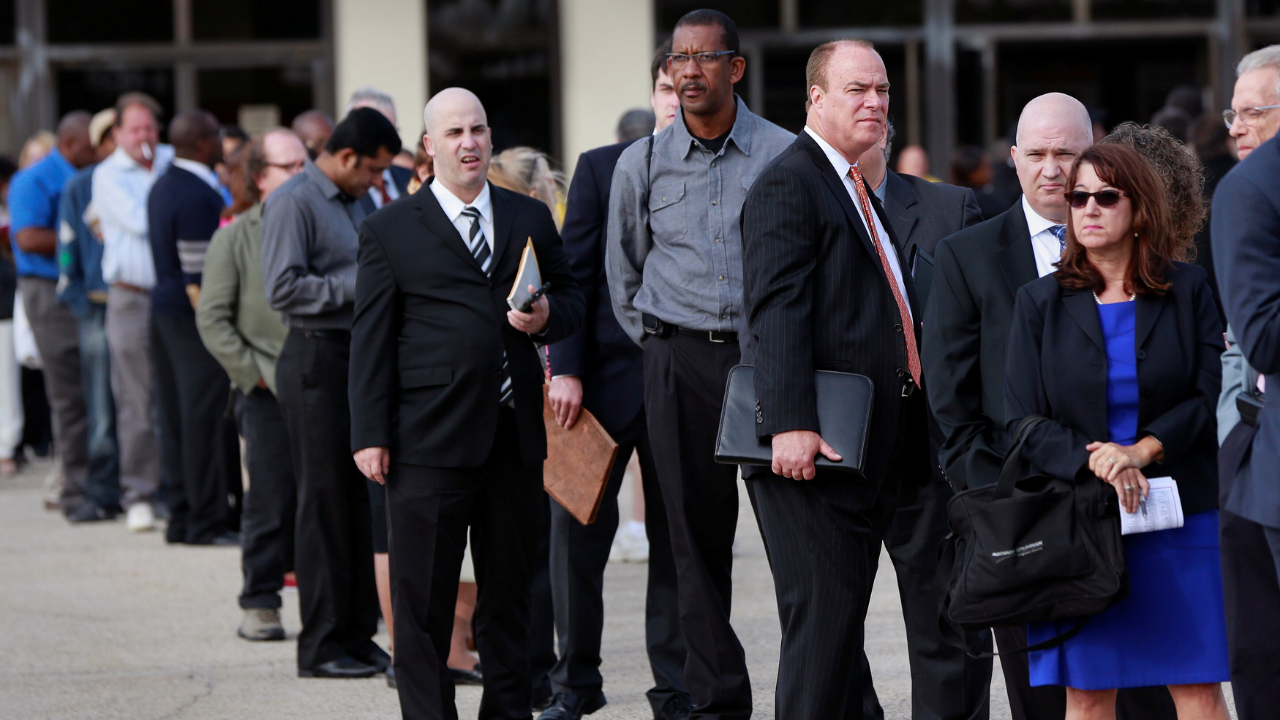
On October 28, 2025, Amazon confirmed the layoff of 14,000 corporate employees—roughly 4% of its white-collar workforce—citing artificial intelligence as the driving force. Reports from Reuters and The Guardian suggest total cuts could reach 30,000 as restructuring continues into 2026.
The announcement sent shockwaves through the business world, raising urgent questions about the future of work and the growing impact of automation on once-secure jobs. For many, these layoffs mark the start of a profound transformation in how companies operate. Here’s what’s happening…
AI Reshapes the Workplace
Amazon’s leadership emphasized that layoffs were not just about cutting costs. CEO Andy Jassy noted in an internal memo that the company was “removing layers of management” to become more agile, while acknowledging that AI now performs tasks previously handled by human workers. HR chief Beth Galetti stressed the importance of adapting to remain competitive in an AI-driven market.
The cuts focused on management, product coordination, and quality control roles—positions traditionally seen as stable. Employees were notified via early-morning emails, followed by a 90-day non-working period and severance packages.
Meanwhile, hiring continues for warehouse and logistics positions, signaling a shift where AI streamlines corporate layers but frontline work remains labor-intensive. A Seattle project manager told The New York Times, “It feels like the ground is shifting beneath us. We’re all wondering what jobs will be left for people like us.”
Industry and Global Responses

Amazon’s move triggered swift industry reactions. Meta cut 600 roles from its AI research division, UPS slashed 48,000 jobs in 2025, and Target eliminated 1,800 corporate positions. McKinsey’s 2025 Global AI Adoption Report shows that Fortune 500 companies increasingly see AI investment as essential to staying competitive, with record automation budgets.
Retailers face a stark choice: invest in AI or risk falling behind as consumers shift online. Walmart is limiting corporate hiring while expanding automation in distribution centers. Amazon’s $125 billion AI investment has reshaped global supply chains, with AWS revenue jumping 20% in Q3 2025 to $33 billion. Efficiency gains streamline logistics, but they also reduce middle-management oversight in international trade operations.
Employee Anxiety and Labor Pushback
Inside Amazon, employees report sleepless nights and mounting anxiety over potential additional cuts in 2026. Warehouse workers cite burnout worsened by AI-driven productivity tracking, while engineers worry about the loss of control over their careers. One longtime Amazon engineer told CNN, “It’s not just about losing a job—it’s about losing control over your future.”
Labor organizations are mobilizing. The AFL-CIO launched the “Workers First Initiative on AI,” calling for federal protections for workers displaced by AI. California advanced Senate Bill 7, the “No Robo Bosses Act,” requiring human oversight in automated management decisions. Over 30 states have formed AI task forces to study the impacts on their workforces, reflecting growing pressure to balance technological progress with worker protections.
Economic and Market Implications
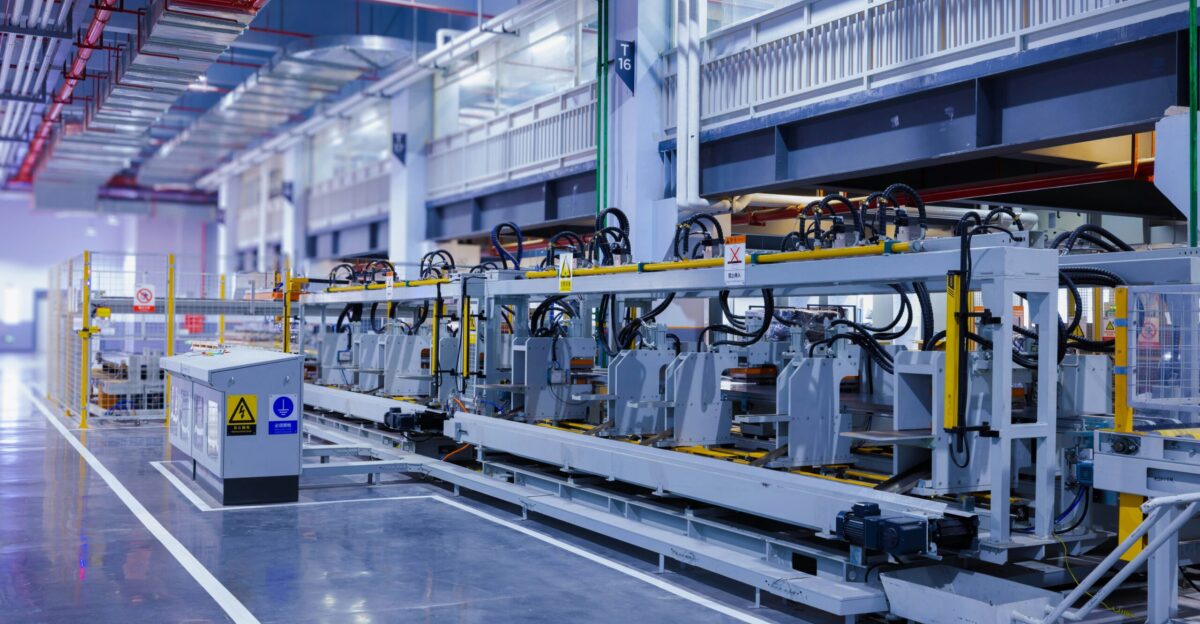
Despite the layoffs, Amazon’s stock surged by about 14% after the company reported strong Q3 earnings, boosting its market value by roughly $330 billion. Investors are betting on long-term efficiency gains, with $125 billion allocated to expand AI capacity at AWS. Economists, however, warn that middle-tier jobs are facing accelerating displacement. The Federal Reserve reports mixed employment signals as automation replaces knowledge workers.
Globally, corporations are redesigning operations around AI. Amazon’s “removing layers of bureaucracy” strategy represents a new automation-powered management model. While AWS offers AI training programs, most positions require advanced technical degrees, widening the skills gap. According to the World Economic Forum, 86% of employers expect AI to reshape business models more fundamentally than previously projected.
The Human Cost and the Road Ahead

The service industry is also undergoing transformation, with AI increasingly assuming scheduling and customer service roles. Entry-level jobs face particular risk as chatbots and automated systems replace human staff. Manufacturing, trucking, and administrative roles remain vulnerable, with RethinkX projecting that 3.5 million U.S. trucking jobs could disappear by 2035 due to the adoption of autonomous vehicles.
Amazon’s AI assistant, Rufus, now delivers faster, personalized shopping experiences, but human interaction is declining. Employee well-being programs often coexist with performance monitoring, which can fuel stress among the remaining staff. With California’s AI oversight legislation and the EU AI Act, global regulation is emerging. Labor unions demand enforceable safeguards and retraining for displaced workers, while critics warn of the massive energy demands of AI infrastructure.
Looking Forward

Amazon’s confirmed 14,000 layoffs, potentially reaching 30,000, illustrate more than a single round of cuts—they signal a blueprint for AI-driven corporate transformation. The future rewards adaptability, continuous learning, and collaboration with intelligent systems.
Ensuring technology serves people, not the other way around, will determine whether this new corporate model benefits society. For employees, industry leaders, and regulators, the challenge is balancing innovation with workforce protection in an era of rapid change.