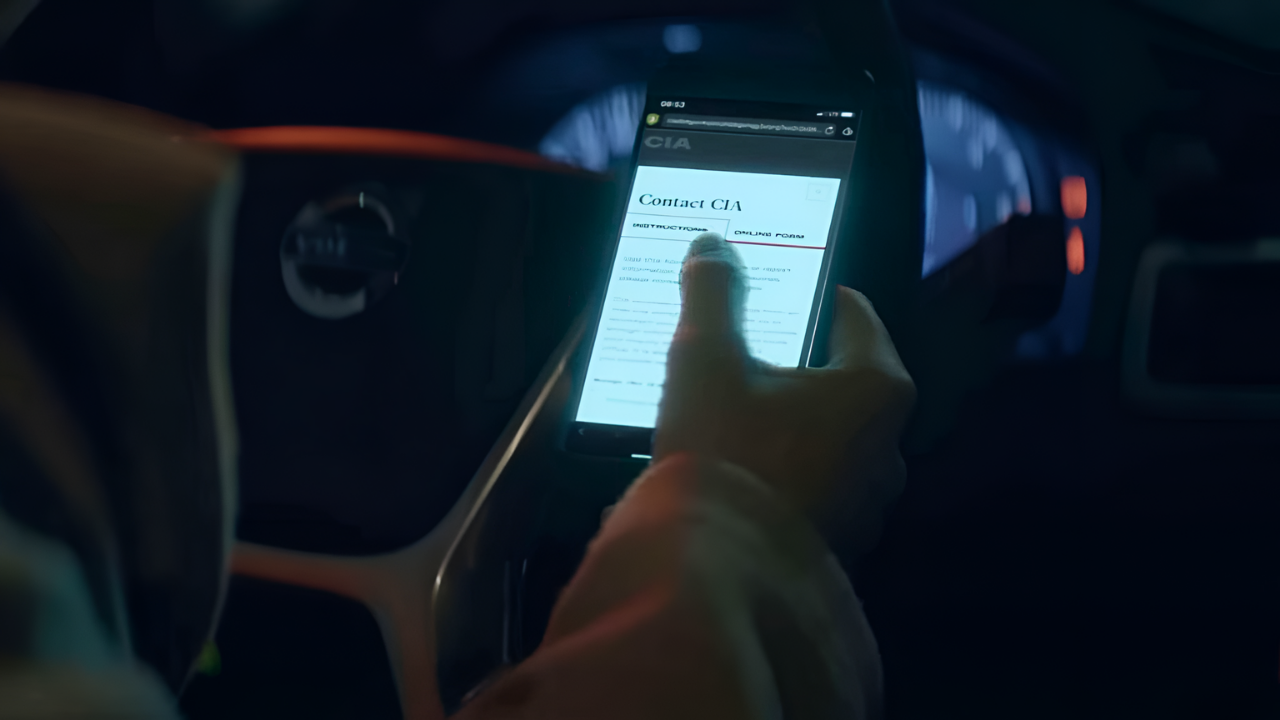
A viral video has reignited speculation about covert CIA activity and U.S. cyber weapons aimed at Russian refineries and sanction‑evading “shadow fleet” tankers, even as verified naval and cyber operations already illustrate how this confrontation is unfolding. Recent French Navy boardings and seizures of tankers linked to Russia’s shadow fleet, supported by allied naval assets, show that Western special‑operations‑style maritime interdictions are now being used to enforce sanctions at sea. While there is no public proof that U.S. Navy SEALs themselves have stormed a Russian‑linked tanker, the pattern of allied boarding teams rappelling from helicopters onto suspect vessels demonstrates the kind of special operations the headline evokes. These actions occur against a longer backdrop of U.S.–Russia cyber clashes, espionage, and “gray zone” pressure campaigns that many analysts describe as a shadow war.
Naval Raids on the Shadow Fleet
Since 2025, European navies have twice intercepted and diverted tankers suspected of belonging to Russia’s sanctions‑evading shadow fleet, in each case using armed boarding teams deployed from warships and helicopters. In January 2026, the French Navy boarded and seized the oil tanker Grinch in the Mediterranean, after President Emmanuel Macron said the vessel, sailing from Russia and suspected of flying a false flag, was subject to international sanctions and linked to Russia’s shadow fleet. Video released by French authorities shows naval personnel fast‑roping from helicopters onto the tanker’s deck, a tactic closely associated with special operations forces. A previous 2025 interception off the Atlantic coast similarly targeted a tanker tied to shadow‑fleet activity and was later condemned by Vladimir Putin as “piracy,” underscoring how seriously Moscow views these raids. Analysts note that such boardings, often supported by allied surveillance and tracking, represent the maritime edge of a wider Western campaign to choke off Russia’s covert oil revenues.
Cyber Command’s Offensive Playbook
At sea, these raids echo an earlier shift on the digital front. In the 2018 U.S. midterm elections, U.S. Cyber Command conducted an operation that temporarily disrupted internet access for Russia’s Internet Research Agency, a notorious troll farm accused of meddling in American politics. Officials and reporting described the operation as part of a new “persistent engagement” doctrine, where U.S. cyber forces enter foreign networks to impose costs and deter attacks, rather than waiting passively to respond. Legal and policy changes from the Pentagon and Congress gave Cyber Command greater authority to carry out such forward operations against foreign adversaries. Commentators debate how far these tactics risk escalation with Russia, but they broadly view them as a response to years of Russian cyber aggression and election interference.
Malware in the Power Grid
The offensive toolkit has extended into critical infrastructure. In 2019, major U.S. outlets reported that American cyber units had implanted or attempted to implant potentially destructive malware inside Russia’s electrical grid, signaling that Washington was willing to put high‑value targets at risk to deter Moscow. Anonymous U.S. officials described the malware as capable of causing significant disruption, while noting that final decisions about its use would remain at senior political levels. The White House publicly criticized some of this reporting, and technical details remain classified, but no credible public sources deny that both the United States and Russia actively develop and position tools aimed at each other’s power systems. Experts interpret the grid‑focused activity as a warning shot: a message that any major cyberattack on American infrastructure could invite a proportionate response inside Russia’s own networks.
Espionage, Expulsions, and Gray Zone Tactics
The maritime and cyber confrontations layer onto an entrenched spy war. After the 2018 nerve‑agent poisoning of former Russian intelligence officer Sergei Skripal and his daughter in the United Kingdom, the United States expelled 60 Russian diplomats identified as intelligence officers, and Russia retaliated by expelling 60 Americans, amid coordinated expulsions by more than 20 Western nations. These mass expulsions exposed only a fraction of the intelligence networks operating quietly on both sides, with officials and analysts widely agreeing that many undiscovered operations remain active. Since Russia’s full‑scale invasion of Ukraine in 2022, Russian authorities have repeatedly arrested individuals—including journalists and local residents—on allegations of spying or sabotage for Western powers, while rights groups argue that Moscow’s broad espionage laws also ensnare critics and chill dissent.
Beyond overt arrests and expulsions, U.S.–Russia rivalry unfolds through what scholars call gray zone tactics: cyberattacks, disinformation campaigns, economic pressure, and proxy warfare that stop short of declared war. Following Russia’s 2014 annexation of Crimea, think tanks such as the Center for Strategic and International Studies and European research bodies documented Russian election meddling, hacks, and influence operations in Europe and the United States. Western governments possess substantial cyber and information capabilities of their own but have often been criticized for slow or fragmented responses, particularly when confronting coordinated Russian campaigns.
Fires, Explosions, and Shadow Fleet Pressure
Inside Russia, refineries and storage depots have suffered numerous explosions and fires since the 2022 invasion, with some incidents attributed to Ukrainian drone strikes and others remaining unexplained. Analysts frequently speculate about sabotage, but open sources generally lack firm evidence tying most unexplained blasts to specific cyber or human operations. At the same time, Western sanctions and price caps have squeezed Russia’s energy sector, prompting Moscow and its partners to build a vast “shadow fleet” of older tankers with opaque ownership and insurance to move oil outside normal channels. Research by European and independent institutes estimates that hundreds of such tankers have carried Russian crude and products since 2023, allowing Russia to earn billions of dollars in extra revenue despite the G7 price cap.
The seizure of the Grinch and similar operations mark a shift from purely financial enforcement to physical interdiction of shadow‑fleet shipping in international waters. European officials argue that targeting these vessels is essential to cutting off funds for Russia’s war in Ukraine, while Moscow denounces the boardings as unlawful and politically motivated. Naval experts note that such seizures typically involve highly trained boarding teams, sometimes working alongside intelligence and surveillance assets, blurring the line between classic law‑enforcement boarding and special operations raids.
Rumors of CIA Sleeper Cells
The viral video that sparked renewed attention to this shadow conflict alleges that CIA sleeper cells and U.S. cyber units are orchestrating sabotage against Russian refineries and shadow‑fleet tankers. To date, no publicly available court records, official statements, or credible investigative reporting have corroborated the existence of CIA‑run sleeper cells conducting physical attacks on Russian energy infrastructure. Instead, open‑source accounts of Western intelligence activity in the Russia–Ukraine theater focus on more traditional tasks: surveillance, intelligence sharing with Ukrainian forces, and support for sanctions enforcement, including tracking and disrupting shadow‑fleet operations. Moscow officials routinely accuse Western services of fomenting destabilization and sabotage, while Western governments counter that Russia uses such charges to justify repression, espionage trials, and broader crackdowns on dissent.
Escalation Risks in the Shadow War
U.S. Cyber Command’s elevation to a full combatant command in 2018 cemented cyberspace as a formal domain of warfare for Washington, paralleling Russia’s efforts to integrate cyber and information operations into the work of agencies such as the GRU. As naval seizures of shadow‑fleet tankers, grid‑targeting malware, disinformation campaigns, and espionage cases accumulate, specialists increasingly describe U.S.–Russia competition as a multi‑domain shadow war fought below the threshold of open conflict. Confirmed actions—from the takedown of troll‑farm infrastructure to the helicopter‑borne boarding of the Grinch—show how cyber, intelligence, and special‑operations‑style tools can converge on targets that finance or enable Russia’s war. At the same time, unproven allegations about covert CIA teams and sleeper cells highlight how rumor and information operations can amplify fear in an already volatile environment, prompting experts to warn that miscalculation in this shadow conflict could still trigger dangerous escalation between nuclear‑armed states.
Sources:
The Washington Post, “The U.S. military is quietly launching efforts to deter Russian meddling,” February 6, 2019
The Washington Post, “U.S. Cyber Command operation disrupted Internet access of Russian troll factory on day of 2018 midterms,” February 26, 2019
The New York Times, “U.S. Escalates Online Attacks on Russia’s Power Grid,” June 15, 2019
BBC News, “Spy poisoning: Russia expels 60 US diplomats in tit-for-tat move,” March 29, 2018