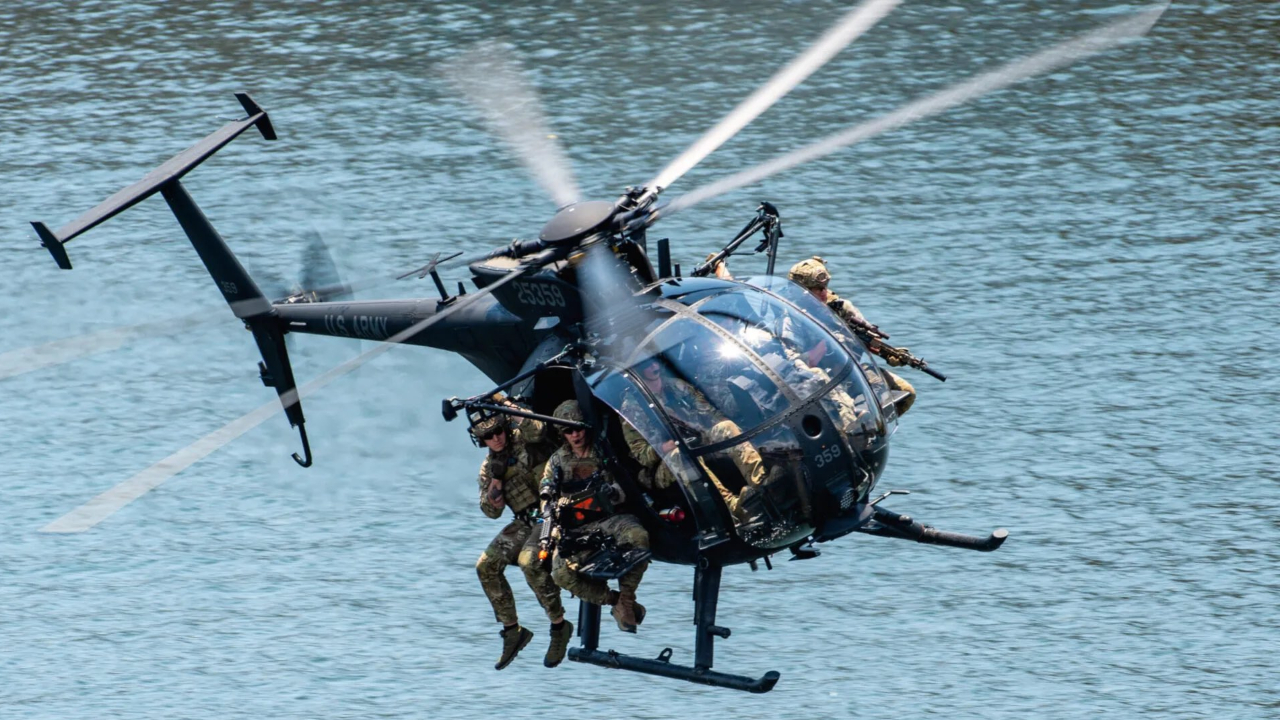
At dawn in the North Atlantic, MH-6 Little Bird helicopters skimmed low over gray swells as Navy SEALs fast-roped onto a moving oil tanker. Below them, Coast Guard cutters cut tight arcs through the water. Notably absent from the immediate vicinity: Russian naval vessels that had shadowed the tanker for days.
The boarding—executed approximately 190 miles south of Iceland, between Iceland and Scotland—ended a two-week, 3,000-mile pursuit and marked the first known U.S. seizure of a Russian-flagged tanker on the high seas during an active sanctions operation. The vessel, later identified as empty of cargo, was one of two tankers seized that day—the second, the M/T Sophia, carrying approximately $108 million in Venezuelan crude.
Russian Naval Presence and the Unanswered Question
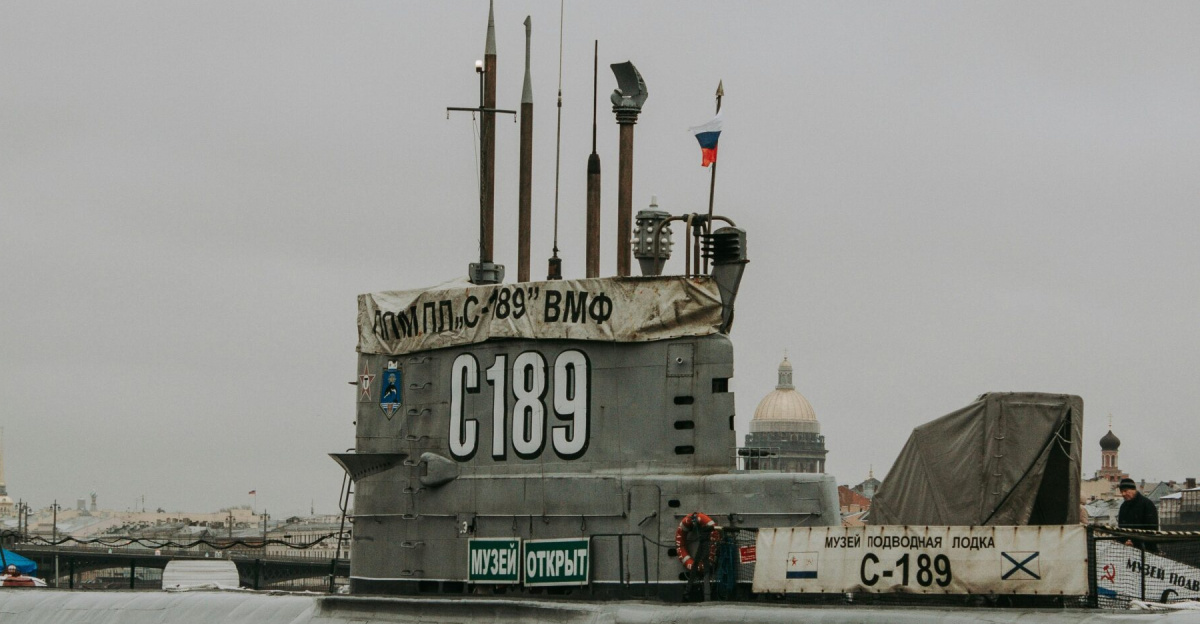
As U.S. forces tracked the fleeing tanker, Russian naval assets moved into the region in what became one of the most tense maritime episodes in recent decades. Defense officials confirmed a submarine and multiple surface warships from Russia’s Northern Fleet were deployed to escort the Marinera during its attempted escape across the Atlantic.
The Wall Street Journal reported the submarine’s presence during the multi-day pursuit, with maritime tracking data showing Russian naval vessels accompanying the tanker during portions of its northward flight from the Caribbean. However, according to two U.S. defense officials cited by The New York Times, Russian vessels were not in the immediate vicinity when Navy SEALs executed the actual boarding operation on the morning of January 7.
Whether Russian forces received orders to maintain distance, arrived too late to the intercept location, or made a tactical decision not to risk military confrontation over a sanctions-evading vessel remains unclear. The Kremlin provided no operational statement about its naval deployment, and President Putin made no direct public comment on the incident as of January 8.
Russia’s response was limited to the Foreign Ministry condemning the seizure as “outright piracy” and demanding humane treatment of the crew—a notably restrained reaction compared to previous incidents involving Russian-flagged vessels. The gap between Russian military presence during the pursuit and absence during the boarding has become a central question among maritime security analysts.
The Shadow Fleet Explained
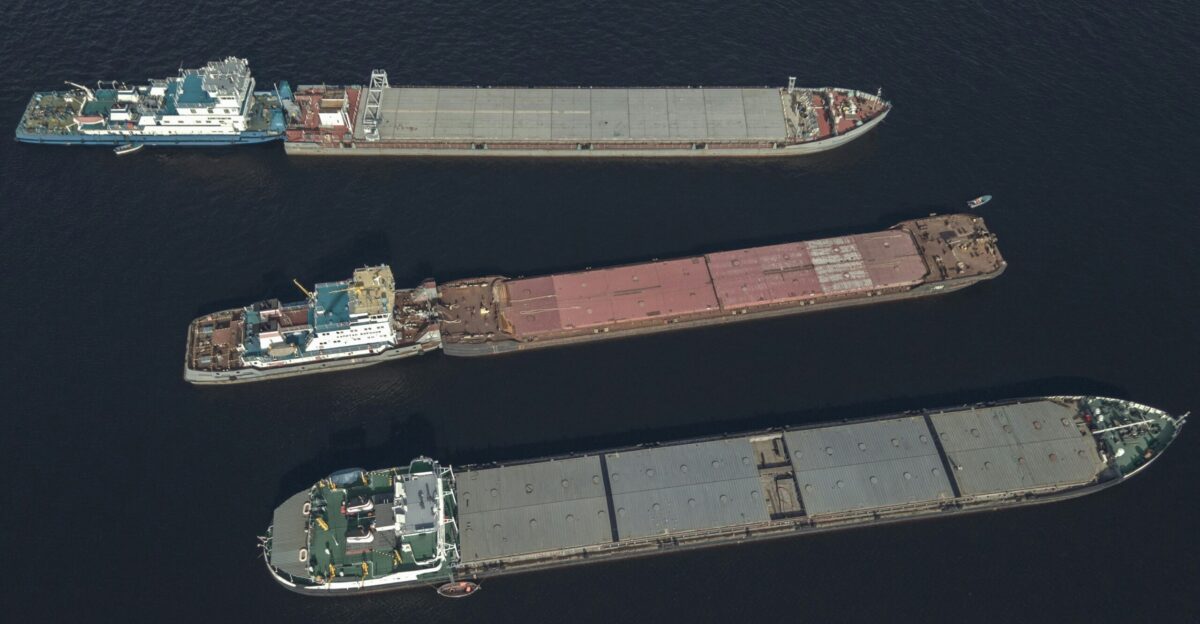
The seized tanker belonged to the global “shadow fleet”—hundreds of aging vessels used to move sanctioned oil outside legal markets. These ships routinely change flags, disable tracking transponders, and falsify cargo records.
Maritime intelligence firm Windward estimates over 1,100 such vessels operate globally, transporting Iranian, Russian, and Venezuelan crude worth billions each year. Disrupting this network has become a central pillar of Washington’s economic warfare strategy against sanctioned petrostates.
Trump’s Maritime Blockade
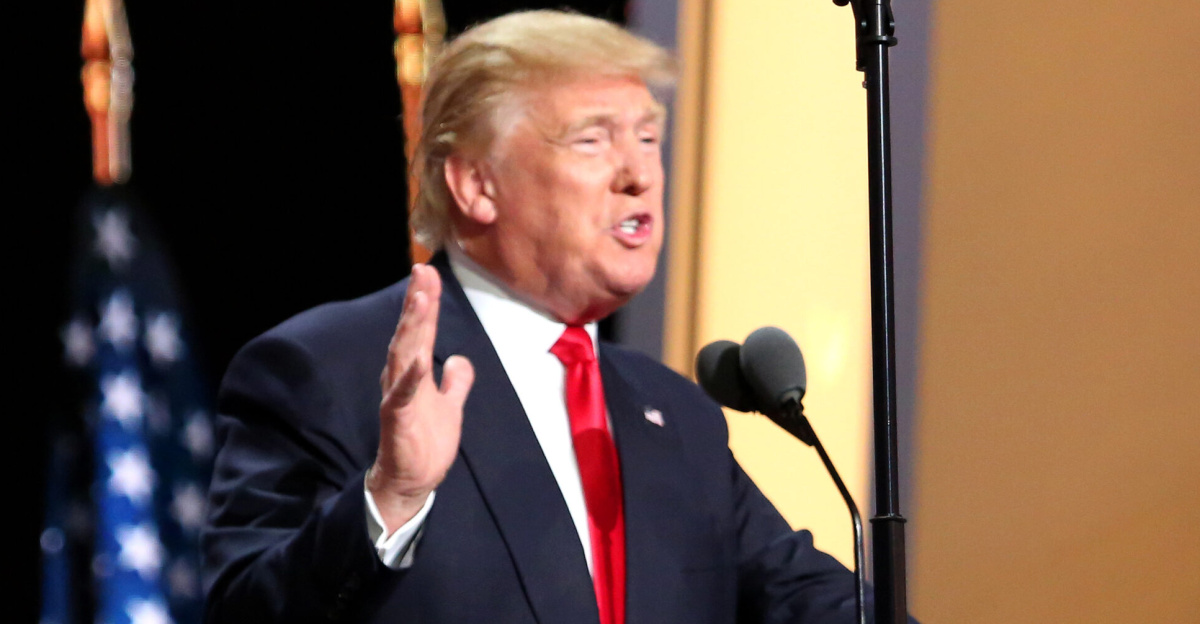
On December 16, 2025, President Trump announced a “complete blockade” of Venezuela-linked oil exports under Operation Southern Spear. The campaign represents an aggressive maritime interdiction effort not seen in decades.
Navy destroyers, Coast Guard cutters, and Air Force surveillance aircraft have since tracked dozens of suspect vessels across the Atlantic, Caribbean, and Gulf of Mexico, signaling a sharp shift from sanctions enforcement to physical interdiction.
The Boarding Operation
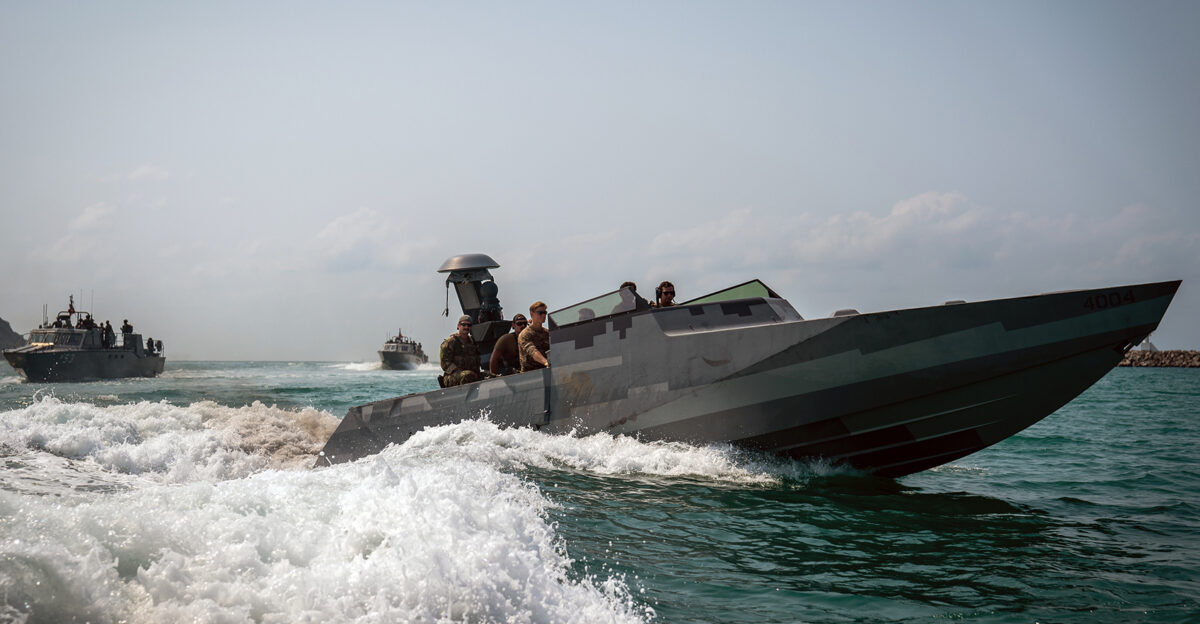
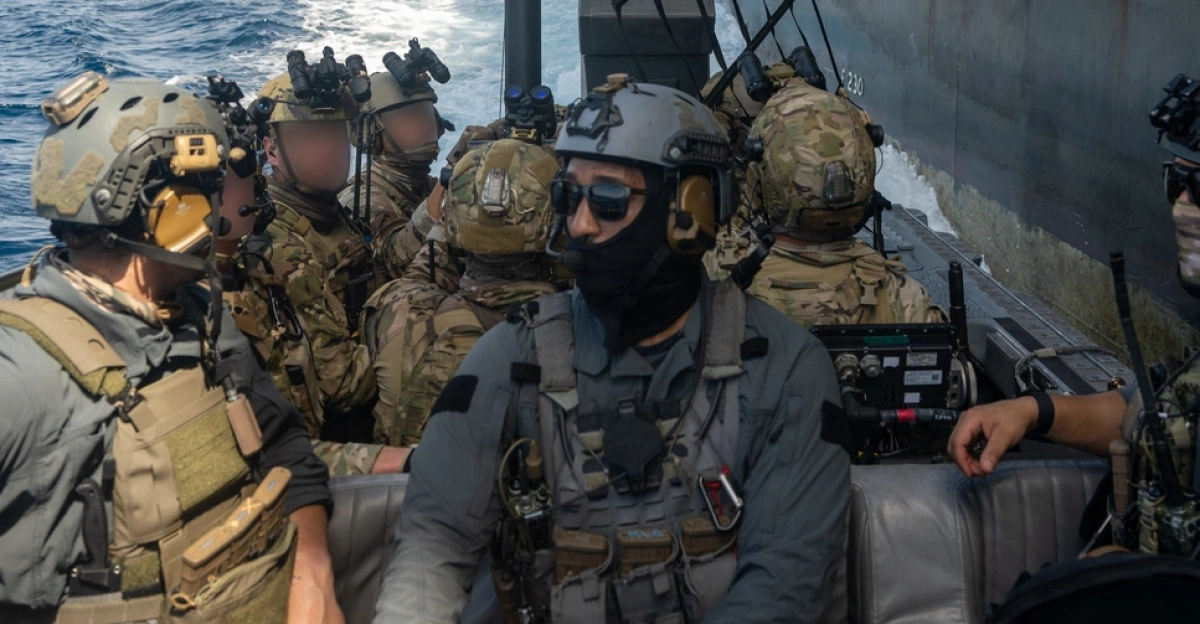
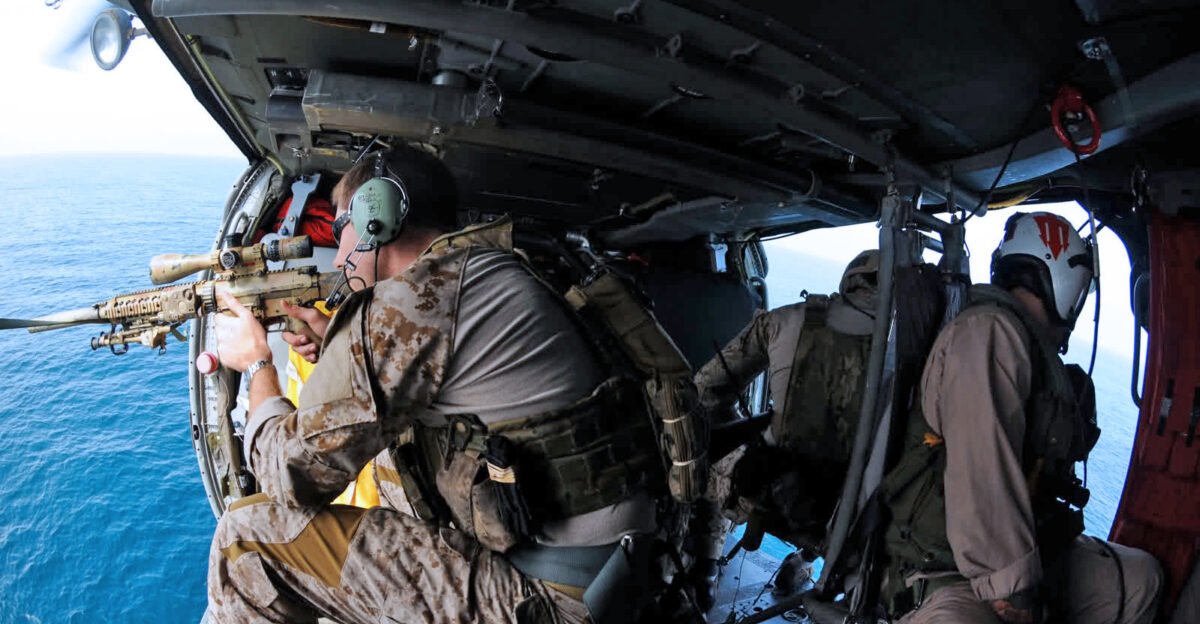
At approximately 7:00 a.m. Eastern Time on January 7, Navy SEALs boarded the Russian-flagged tanker Marinera under authority of a federal court warrant. Helicopters from the 160th Special Operations Aviation Regiment inserted operators onto the vessel while Coast Guard cutters secured the perimeter.
The seizure occurred in international waters within Iceland’s exclusive economic zone, making it one of the most legally and militarily sensitive maritime actions undertaken by U.S. forces in decades. The operation proceeded without incident, with no Russian military interference despite their naval assets having been in the broader region during the preceding days.
A Vessel with a Hidden Past
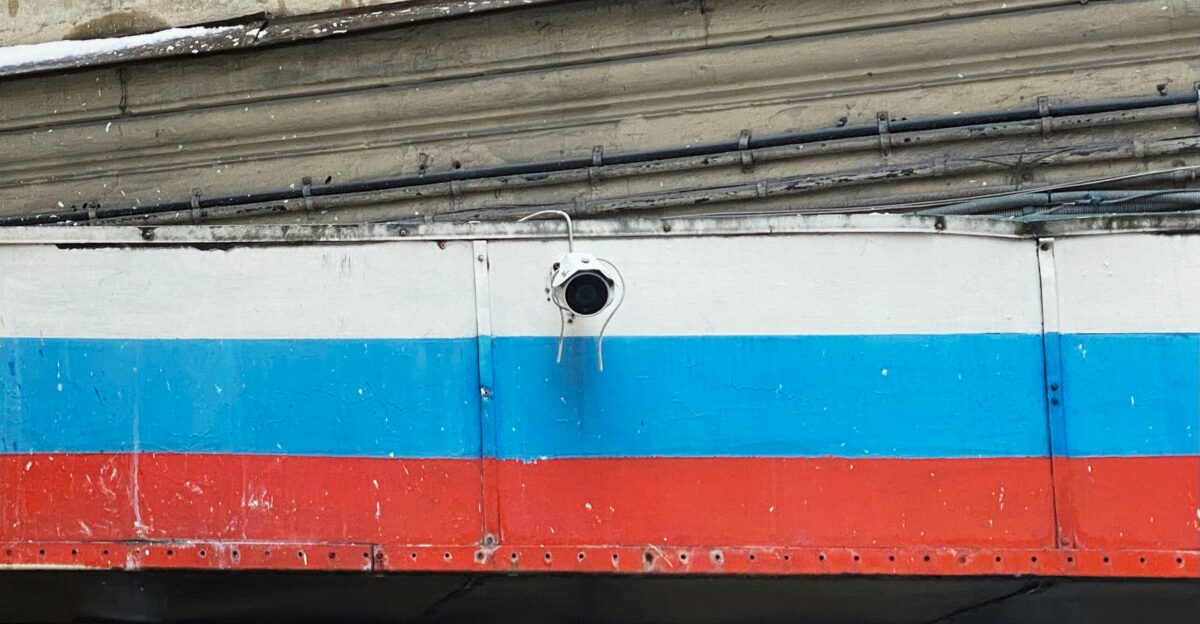
The Marinera previously sailed as the Bella 1, a Guyana-flagged tanker sanctioned in July 2024 for alleged ties to Iran’s Revolutionary Guard and Hezbollah. Maritime records show the vessel was carrying Iranian crude toward Venezuela when it abruptly altered course in mid-December.
After a failed interception attempt near Trinidad, the tanker fled northward into the Atlantic, triggering the two-week pursuit. During its flight, the vessel painted a Russian flag on its hull, changed its name to Marinera, and received Russian flag authorization on December 24.
Crew and Russian Response
Russia’s Transport Ministry reported losing contact with the Marinera’s crew shortly after the boarding. U.S. officials said the sailors would be interviewed as material witnesses to sanctions violations. No injuries were reported during the operation.
According to The New York Times, citing two U.S. defense officials, Russian naval forces were not present in the immediate vicinity during the actual boarding. The Kremlin’s response consisted solely of Foreign Ministry statements condemning the seizure and demanding humane treatment of the crew.
The Legal Fault Line
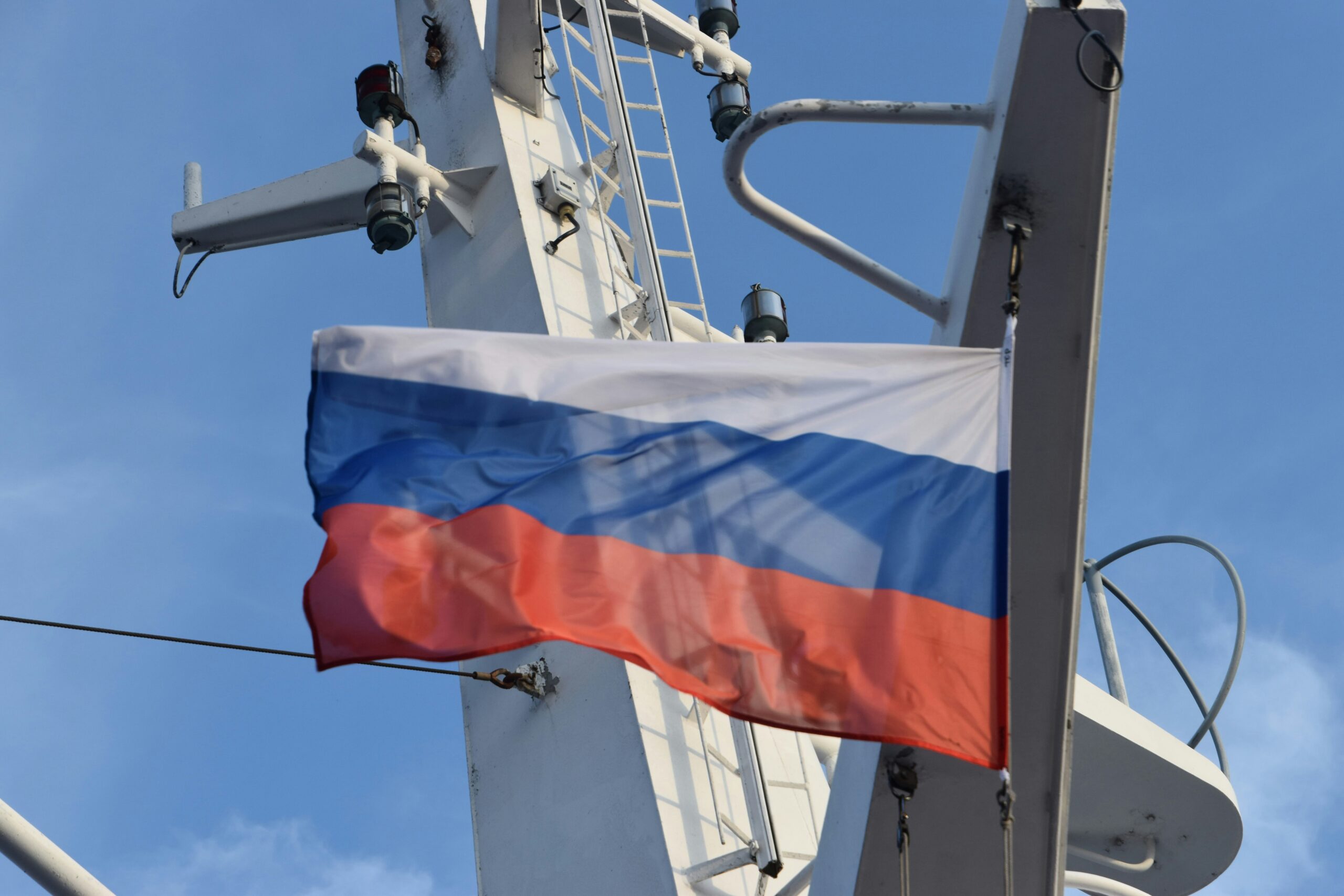
The Justice Department argues the tanker became legally “stateless” after flying a false Guyanese flag, stripping it of protections under international maritime law.
Russia counters that it granted the vessel temporary permission to sail under Russian colors days before the seizure, invoking flag-state immunity. Maritime law experts have described the dispute as unprecedented.
Market Impact
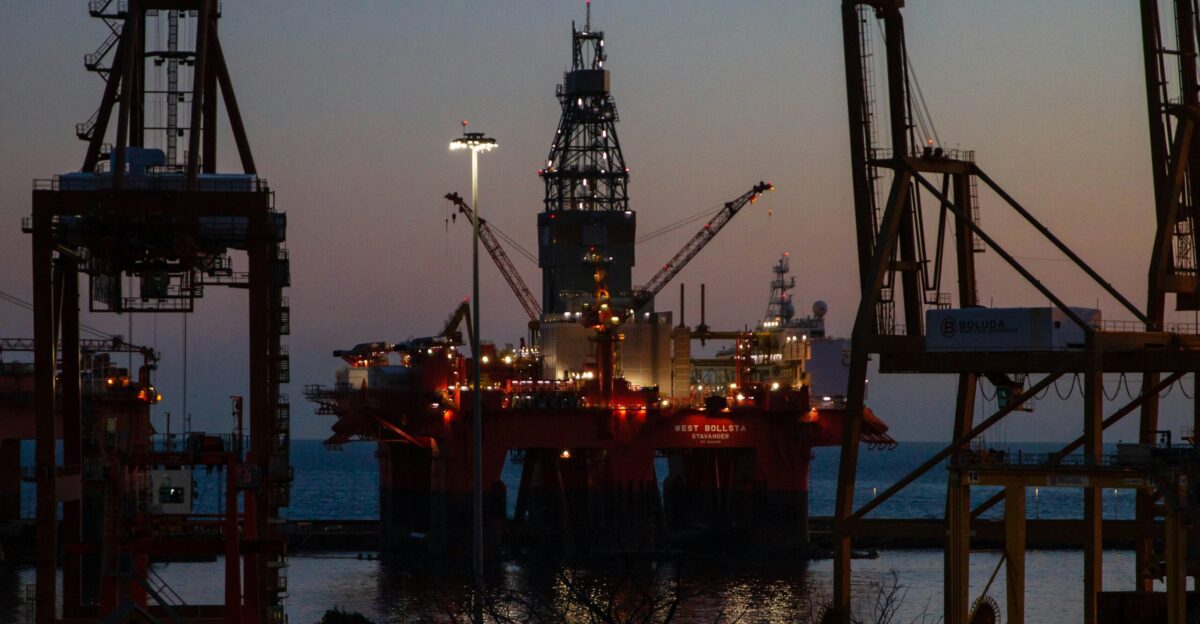
Oil markets reacted to the dual seizures and broader blockade enforcement, with crude prices rising modestly as traders priced in supply risks. Goldman Sachs analysts estimate Venezuela’s oil production at approximately 800,000 barrels per day.
Venezuela’s state oil company diverted tankers, while insurers raised premiums for vessels operating near U.S. enforcement zones, signaling broader economic fallout from the seizure.
An Empty Hold, A Bigger Message
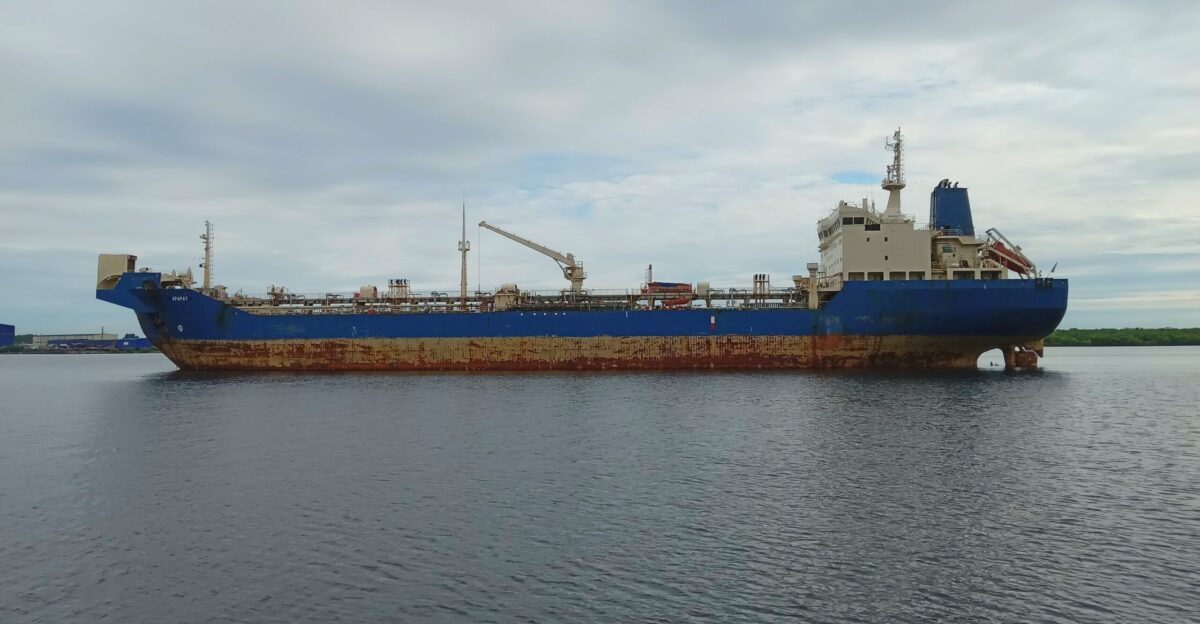
Maritime intelligence firm Windward confirmed the Marinera was not carrying oil when seized. The empty hold suggests the tanker had already unloaded sanctioned crude or completed a ship-to-ship transfer.
Analysts say the U.S. prioritized seizing the vessel itself to establish legal precedent for boarding Russian-flagged ships involved in sanctions evasion, marking a strategic escalation.
A Second, Costlier Seizure
At the same time, U.S. forces seized a second tanker, the Panama-flagged M/T Sophia, in the Caribbean. The vessel carried 1.8 million barrels of Venezuelan crude valued at approximately $108 million.
Together, the dual seizures represented the largest single-day interdiction under Operation Southern Spear and signaled rapidly intensifying enforcement.
Political Stakes at Home
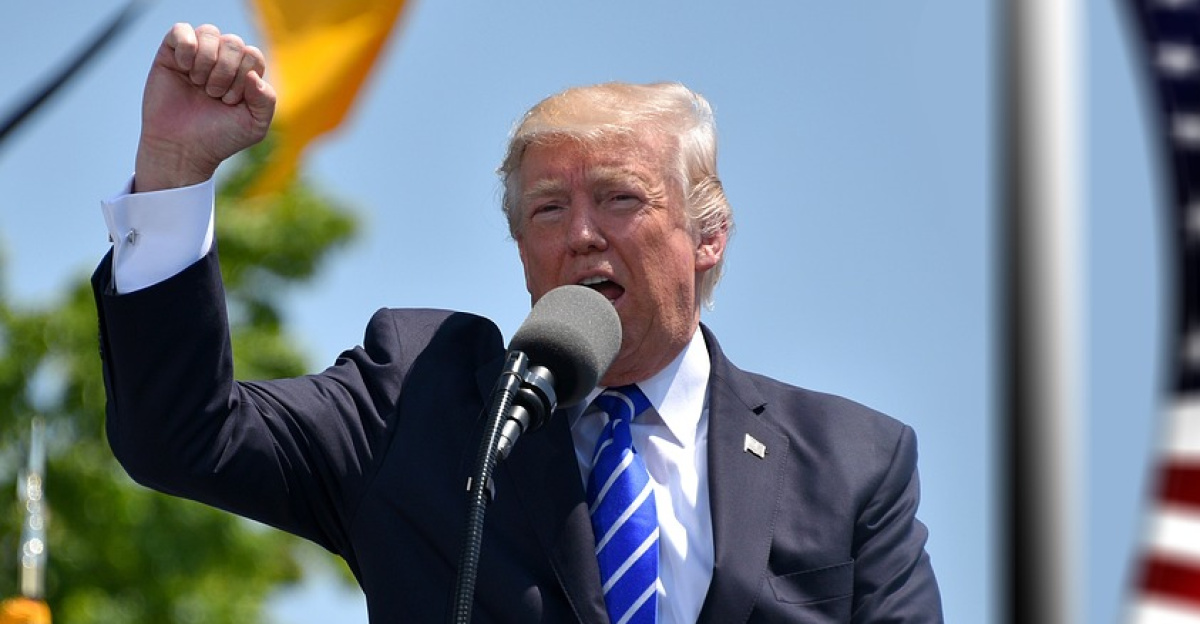
The operation marked President Trump’s most confrontational move toward Russia in his second term. Supporters argue decisive enforcement deters sanctions evasion.
Critics warn the seizure risks escalation without explicit congressional authorization, prompting demands for briefings on rules of engagement.
Allied and Global Reactions
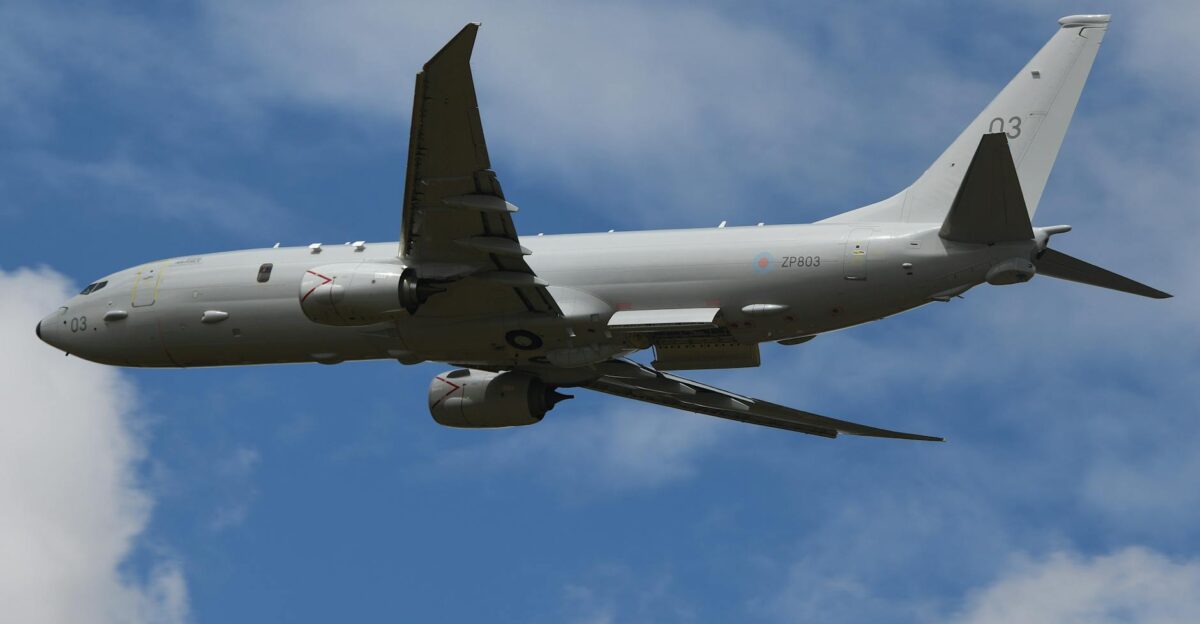
The United Kingdom provided operational support, including RAF surveillance aircraft and the Royal Fleet Auxiliary vessel RFA Tideforce. European reactions were mixed.
The episode highlighted diverging views within the Western alliance over how aggressively sanctions should be enforced at sea.
Environmental Risks
Environmental groups warn shadow fleet tankers pose serious spill risks due to aging hulls and deferred maintenance. Built in 2002, the Marinera is now 24 years old.
Studies show these vessels often operate without adequate insurance, leaving coastal states to bear cleanup costs that can exceed $1 billion.
A New Maritime Era
The Marinera seizure highlights a growing clash between sovereignty and enforcement in an era of great-power competition. By invoking statelessness doctrines, the U.S. is testing maritime law boundaries.
As economic restrictions are enforced through special operations raids, the line between economic warfare and military confrontation continues to blur, possibly redefining the rules of the oceans.
Sources:
The New York Times – “U.S. Seizes Oil Tanker and Boards Another Amid Tensions With Russia” – January 7, 2026
CNN – “Trump orders ‘total and complete blockade’ of sanctioned oil tankers” – December 16, 2025
The Wall Street Journal – “Russia Sends Submarine to Escort Tanker the U.S. Tried to Seize Off Venezuela” – January 6, 2026
CBS News – “U.S. military seizes 2 Venezuela-linked oil tankers in North Atlantic” – January 6, 2026
NBC News – “U.S. seizes Russian-flagged oil tanker linked to Venezuela” – January 7, 2026
Argus Media – “US seizes second crude tanker of the day” – January 6, 2026