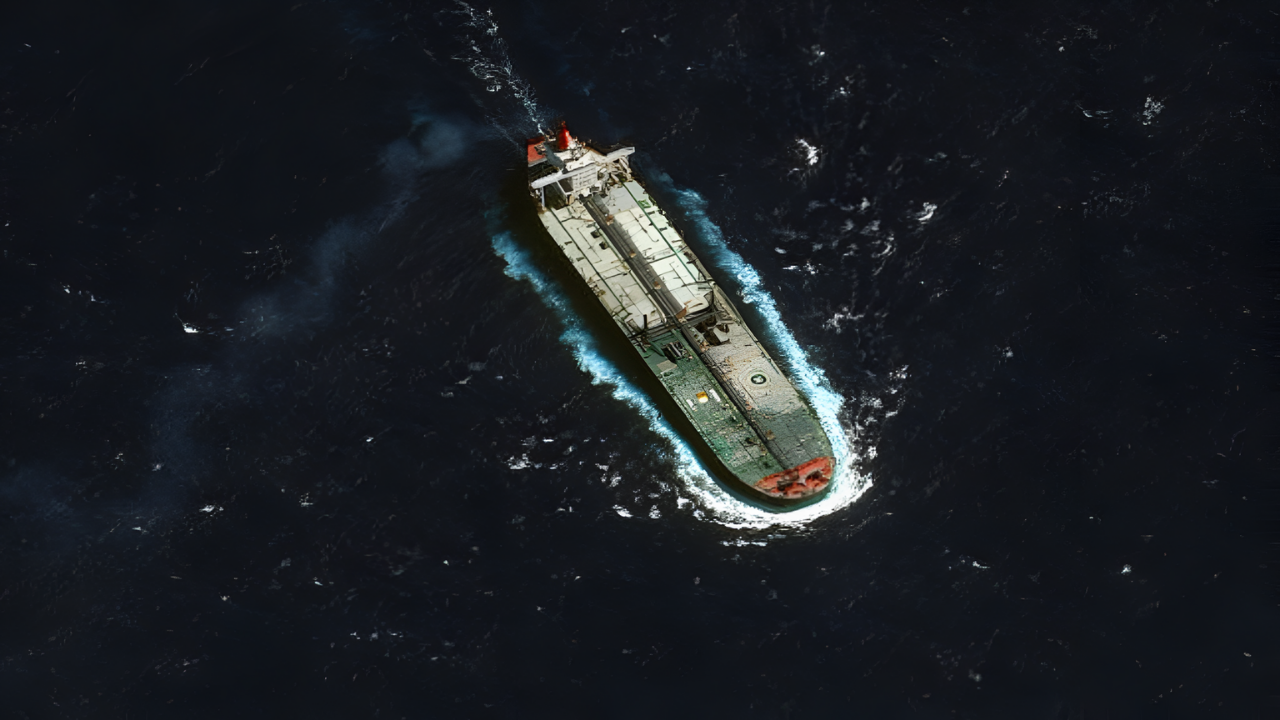
Recent Western naval actions against suspected shadow-fleet tankers mark a clear shift from passive sanctions enforcement toward direct maritime intervention. Shadow fleets consist primarily of aging tankers operating under flags of convenience, opaque ownership, and inconsistent tracking signals to move sanctioned oil.
These vessels are widely associated with sanctioned crude from Russia, Iran, and Venezuela. Interdicting high-value tankers raises financial risk across the network, increasing insurance costs, detentions, and counterparty reluctance.
Shadow Fleet Architecture—A Three-Nation Sanctions Ecosystem
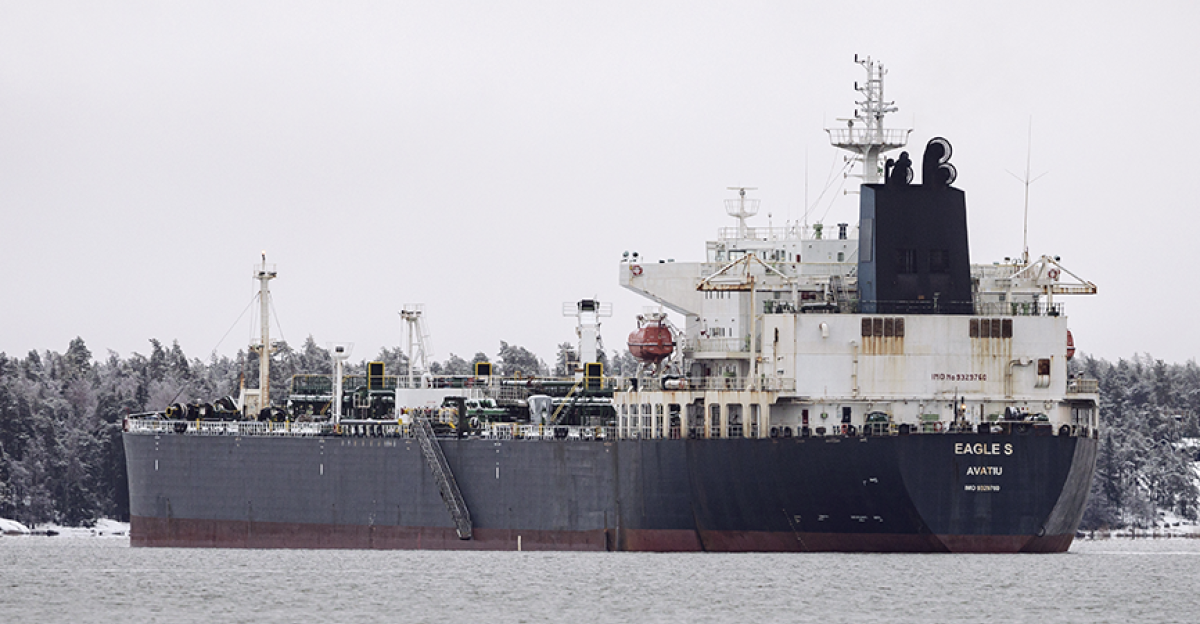
Russia, Iran, and Venezuela rely on overlapping maritime networks rather than isolated systems. Shared vessels, intermediaries, and logistical routes allow sanctioned crude to reach buyers despite restrictions. Russia uses shadow fleets to move Urals, ESPO, and Arctic blends.
Iran employs ship-to-ship transfers and frequent re-registration. Venezuela, constrained by infrastructure and sanctions, increasingly plugs into these same channels, relying on external logistics rather than independent export capacity.
High-Value Seizures—Why Individual Tankers Matter
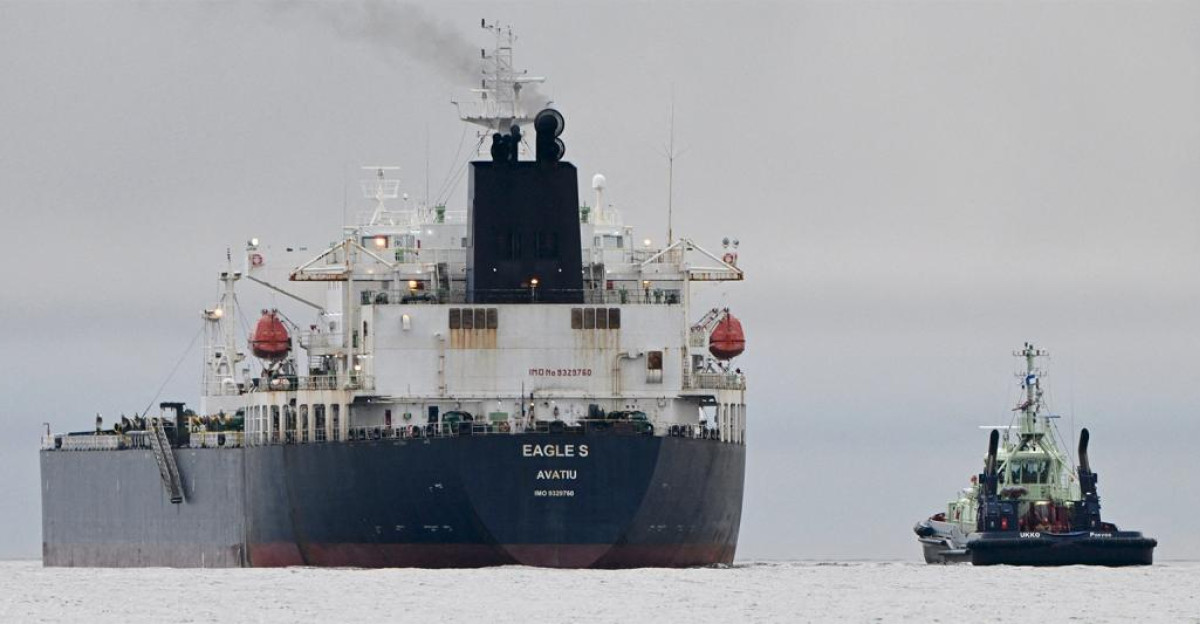
Seizing or detaining a single tanker carries outsized impact because shadow fleets operate with limited redundancy. Many vessels are older, lightly insured, and legally exposed.
Removing even one ship can disrupt multiple supply chains, delay cargoes, and trigger scrutiny across associated companies. The financial value of oil cargoes often reaches tens or hundreds of millions of dollars, making each interdiction a material economic loss rather than a symbolic gesture.
Multinational Enforcement—From Solo Actions to Coordination
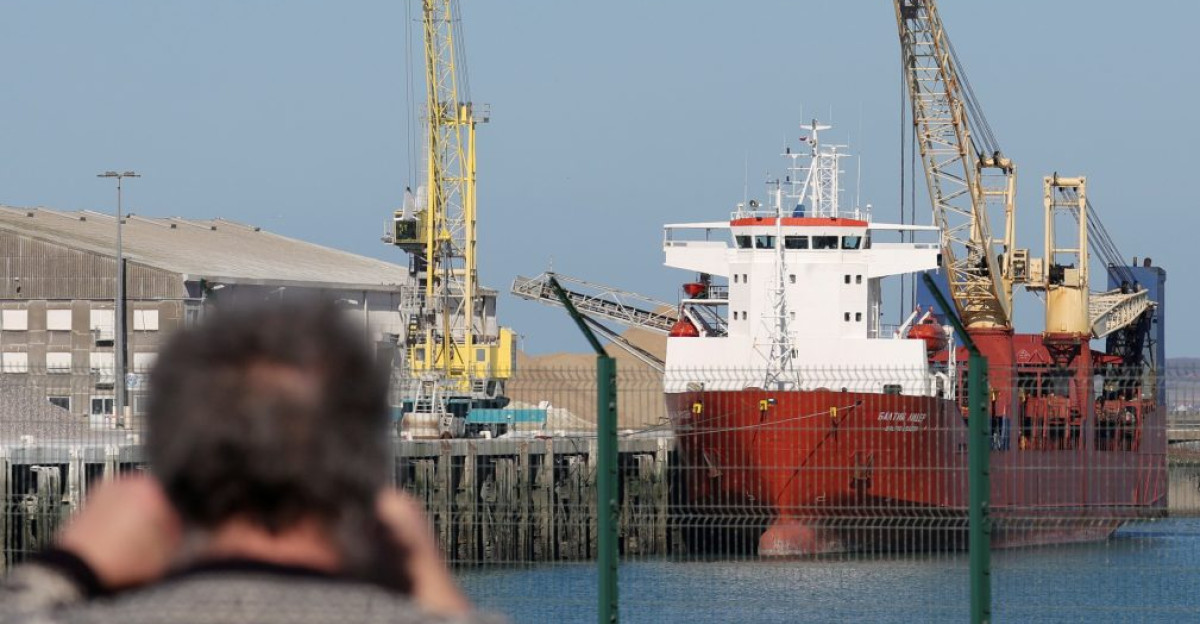
Western enforcement has increasingly involved intelligence sharing and coordinated maritime actions among allied navies. European states have expanded inspections, detentions, and compliance checks on vessels suspected of sanctions evasion.
These operations typically cite documentation irregularities, safety concerns, or sanctions exposure rather than overt military confrontation. The cumulative effect is a growing perception that shadow-fleet operations face rising risk across multiple jurisdictions, not just U.S. waters.
Venezuela’s Declining Export Reliability
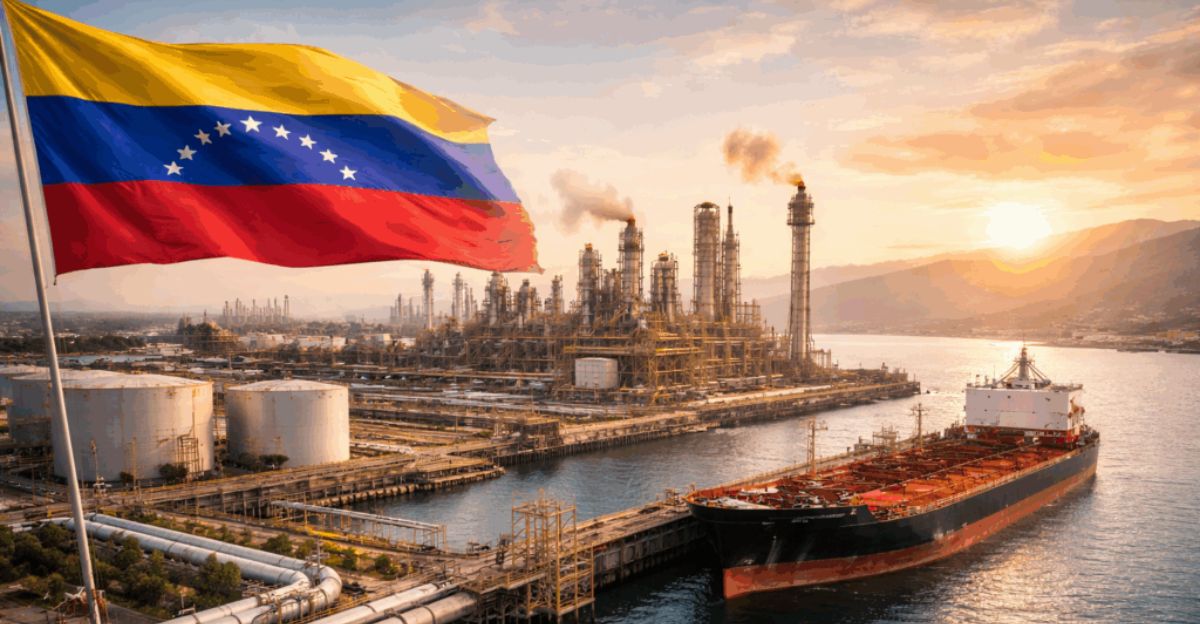
Years of operational decline and restricted market access have left Venezuela heavily dependent on irregular shipping arrangements. Sanctions have limited financing, maintenance, and insurance options, forcing exports toward higher-risk channels.
As enforcement pressure increases, fewer vessels are willing to load Venezuelan crude. This has reduced export reliability, increased discounts, and left cargoes vulnerable to delays or cancellations, weakening Venezuela’s ability to monetize its oil reserves consistently.
Iran’s Maritime Playbook—Persistence Under Pressure
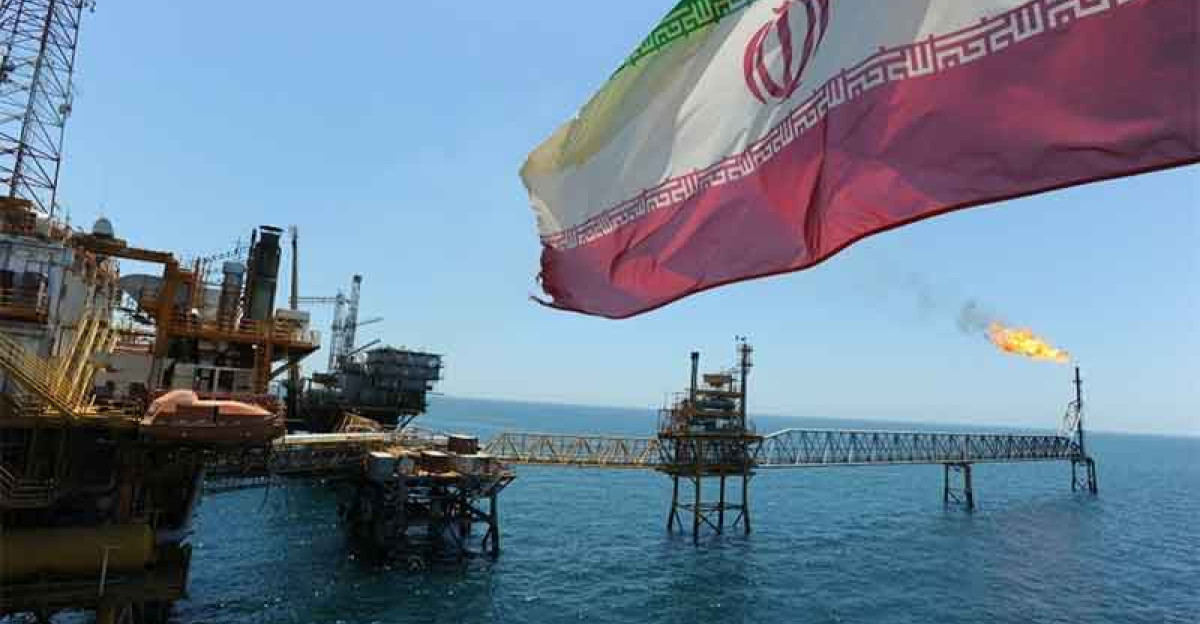
Iran has sustained oil exports through adaptive maritime tactics rather than open access to markets. Common methods include frequent vessel renaming, reflagging, ship-to-ship transfers, and complex ownership chains.
Even under sustained sanctions, Iranian exports have continued at reduced but meaningful levels, largely directed toward Asian buyers. Interdiction strategies increasingly focus on logistics rather than buyers, aiming to raise transport risk rather than directly block demand.
Market Context—Why Prices Haven’t Spiked

Despite tighter enforcement, global oil markets have remained relatively stable due to ample non-sanctioned supply. Production growth in the Americas and uneven compliance with output cuts have offset losses from sanctioned exporters.
This surplus environment reduces the immediate price impact of interdiction actions, giving policymakers room to escalate enforcement without triggering sharp consumer price increases.
Infrastructure Security and Dual-Use Concerns
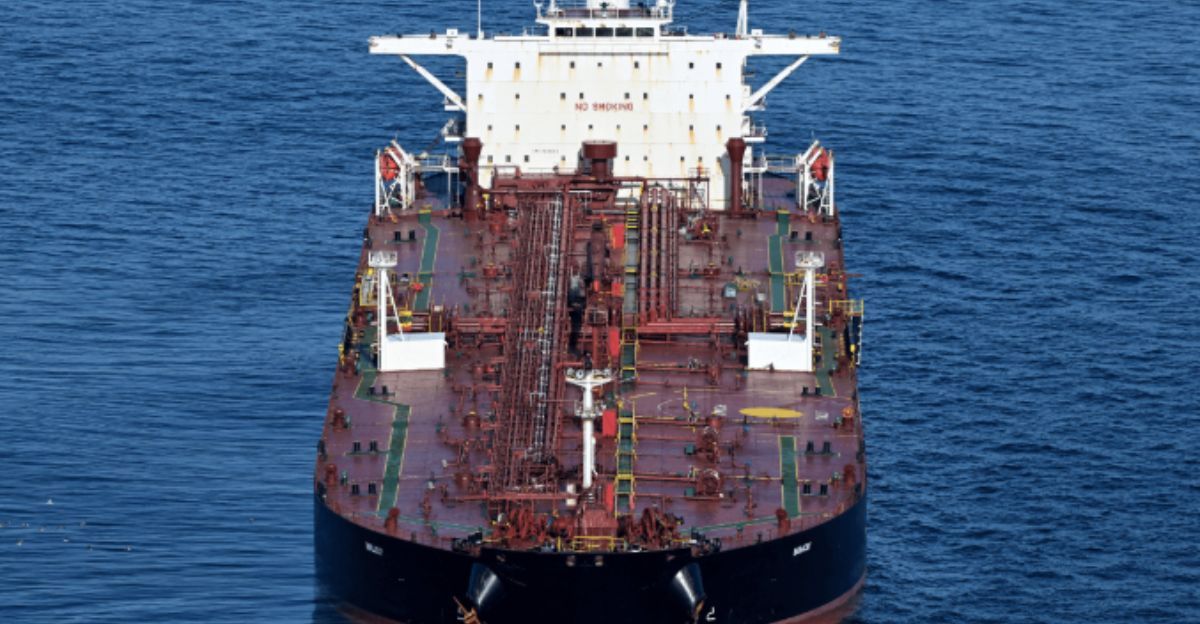
Shadow-fleet vessels are increasingly viewed through a broader security lens. Concerns include poor maintenance, environmental risk, and proximity to critical maritime infrastructure.
As undersea cables and pipelines gain strategic importance, Western navies frame inspections and detentions as protective measures. This allows interdiction to be justified not only as sanctions enforcement, but also as risk mitigation for commercial shipping lanes and infrastructure security.
China and Alternative Trade Channels
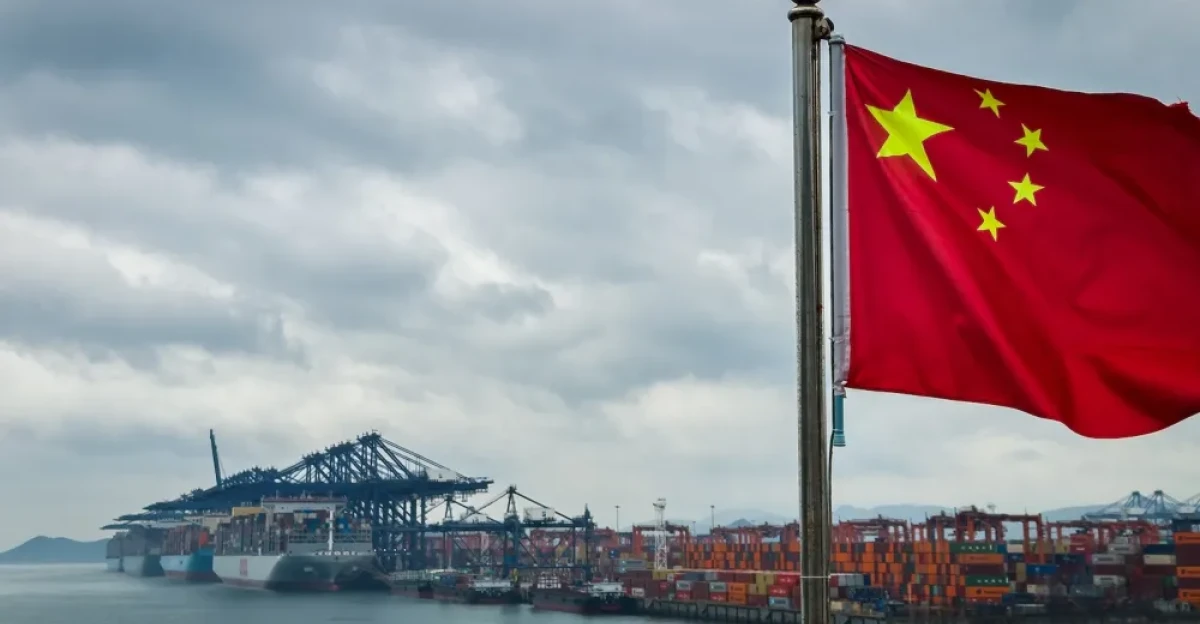
China has emerged as a key destination for discounted sanctioned crude, benefiting from lower prices while absorbing compliance risk. Transactions often avoid Western financial systems, relying on alternative payment mechanisms.
Shadow fleets play a central role in this trade. Efforts to disrupt maritime logistics aim to complicate these flows by increasing delivery uncertainty rather than directly confronting end buyers.
Scale of the Shadow Fleet
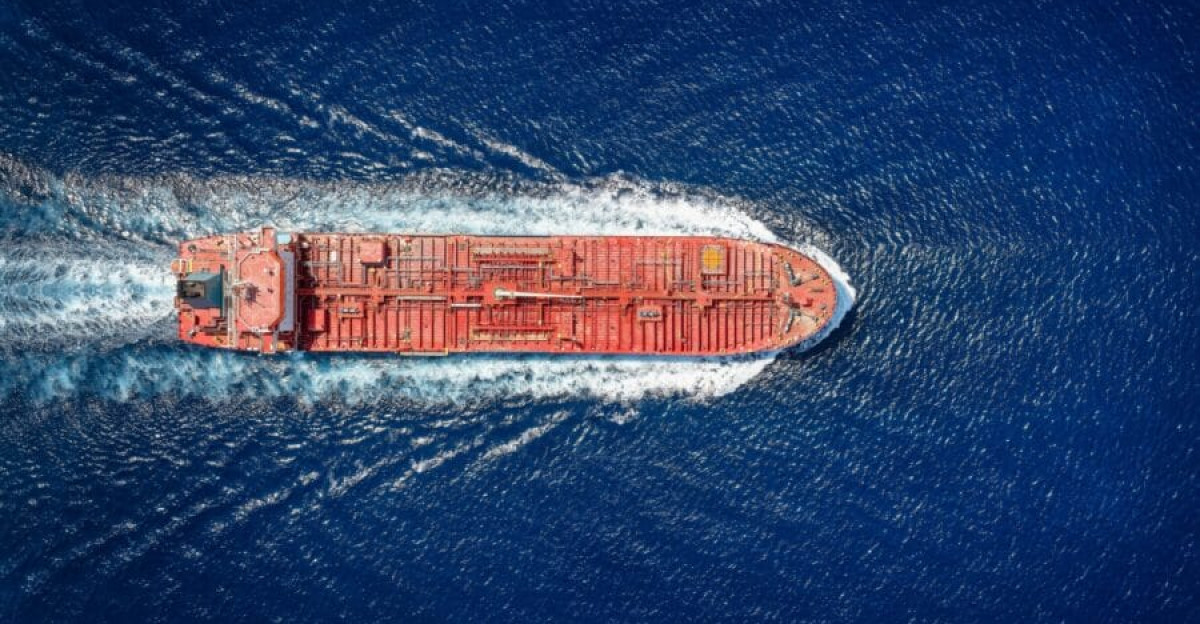
Estimates suggest hundreds of vessels globally are involved in sanctions-linked oil transport. These fleets skew older, with many ships exceeding typical retirement age.
Port restrictions, insurance exclusions, and sanctions listings have narrowed their operating space. As enforcement expands, replacing lost tonnage becomes increasingly difficult, placing structural limits on shadow-fleet growth.
Evolving Legal Interpretation at Sea

Maritime enforcement increasingly relies on existing legal frameworks applied more aggressively. Authorities cite fraudulent registration, safety violations, and sanctions exposure to justify boardings or detentions.
Rather than rewriting maritime law formally, states are expanding how current rules are interpreted and enforced. Operational precedent is shaping expectations faster than legal consensus.
Venezuela’s Oil as Leverage
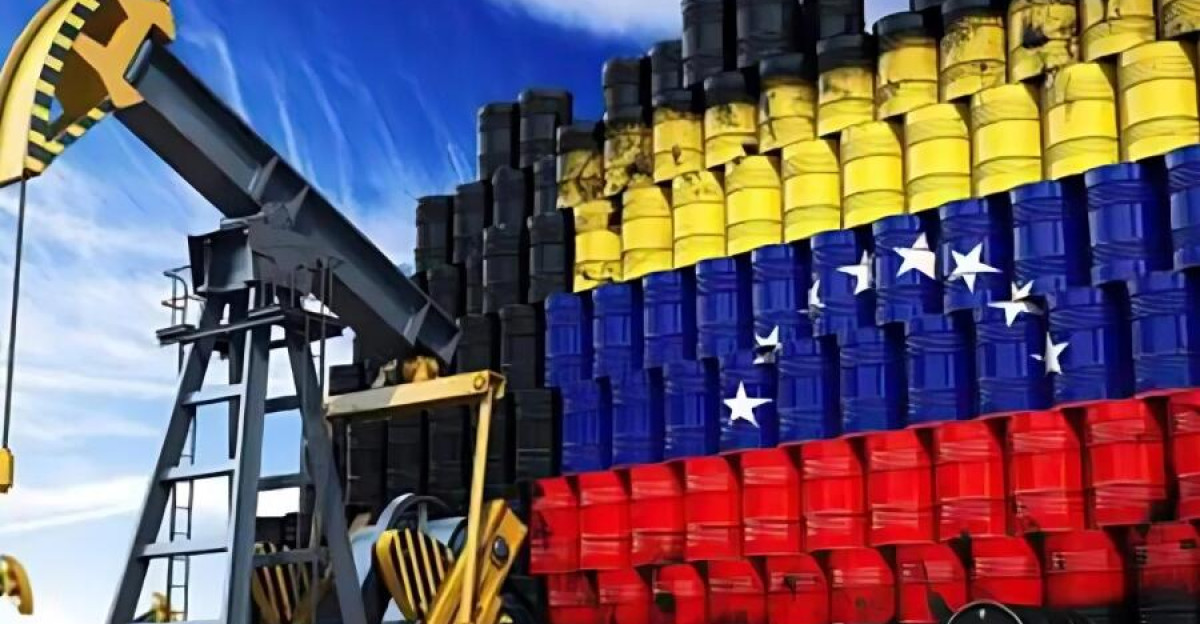
With export capacity constrained, Venezuelan oil has shifted from a source of political resilience to a bargaining tool.
Access to compliant shipping, financing, and markets increasingly depends on regulatory alignment. Offshore enforcement reinforces this leverage by signaling that informal export channels carry growing risk, limiting alternatives outside sanctioned frameworks.
Benefits for Compliant Shipping
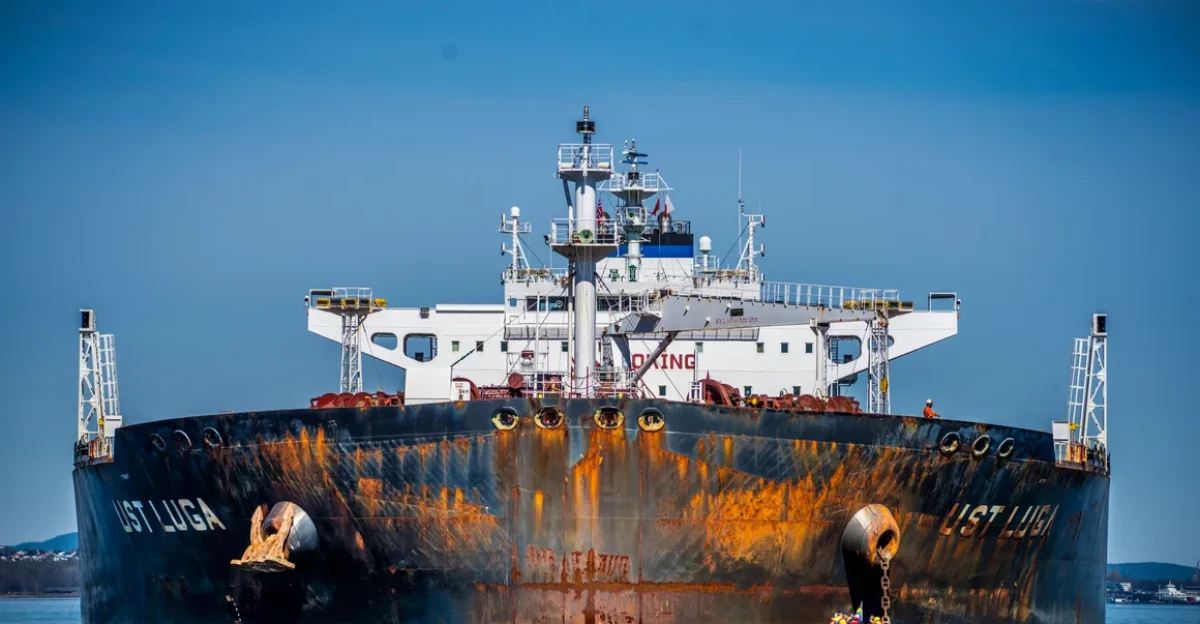
As shadow fleets face rising pressure, compliant tanker operators gain market advantage. Cargoes previously moved through opaque channels must now compete for ships that meet regulatory standards.
This shift supports higher freight rates for compliant fleets and aligns commercial incentives with enforcement, reinforcing long-term compliance trends.
Iran’s Adaptation Curve

Iran continues to adapt by fragmenting logistics across multiple intermediaries rather than relying on a centralized fleet. This reduces vulnerability to single seizures but raises transaction costs. Each layer of complexity adds expense, delay, and risk.
Enforcement aims to make this leakage increasingly inefficient rather than entirely eliminating exports.
Emergence of a Two-Tier Oil Market

A clear divide is forming between compliant oil markets and high-risk gray trade. The compliant side features insured shipping, transparent documentation, and standard financing.
The gray side operates with elevated risk premiums, cash settlements, and uncertain delivery. Interdiction accelerates this bifurcation, isolating instability to the illicit segment.
Russia’s Strategic Response
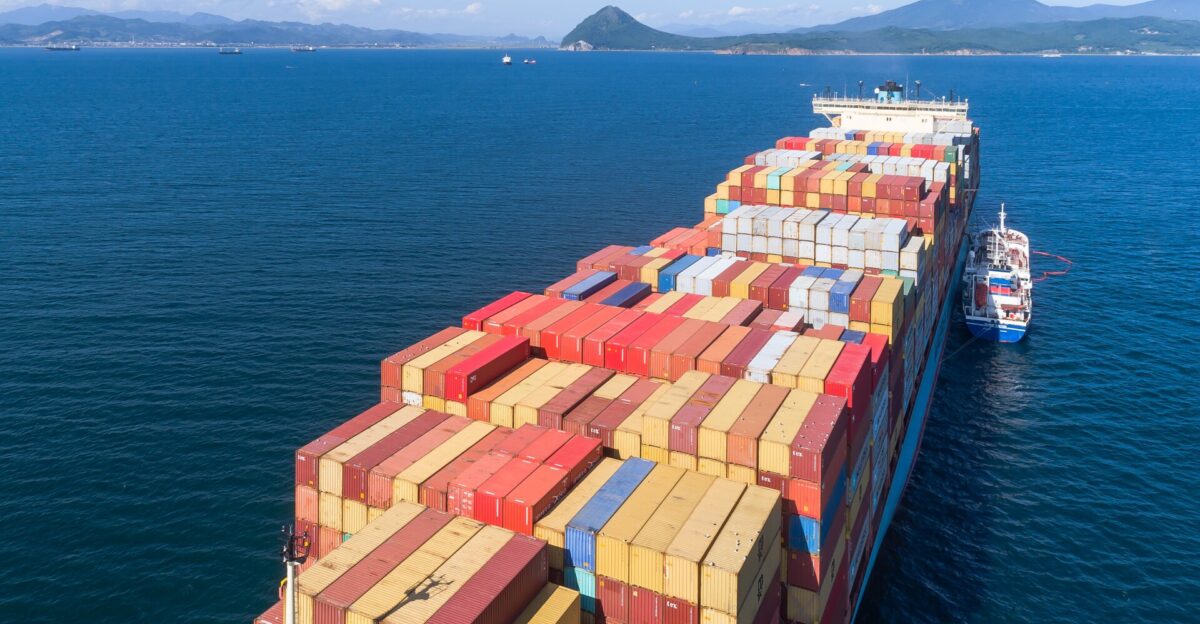
Russia has largely avoided direct naval confrontation over tanker enforcement. Instead, it absorbs higher logistics costs and relies on discounts to maintain exports.
Strategic responses are more likely to involve regulatory pressure, diplomatic friction, or asymmetric actions rather than direct interference at sea.
Impact on Intermediaries

Beyond states, enforcement affects brokers, insurers, port services, and refiners involved in gray trade.
As compliance risk rises, banks and insurers increasingly disengage from entire networks rather than individual actors. This can rapidly shrink regional maritime clusters dependent on sanctioned flows.
Normalization of Maritime Enforcement
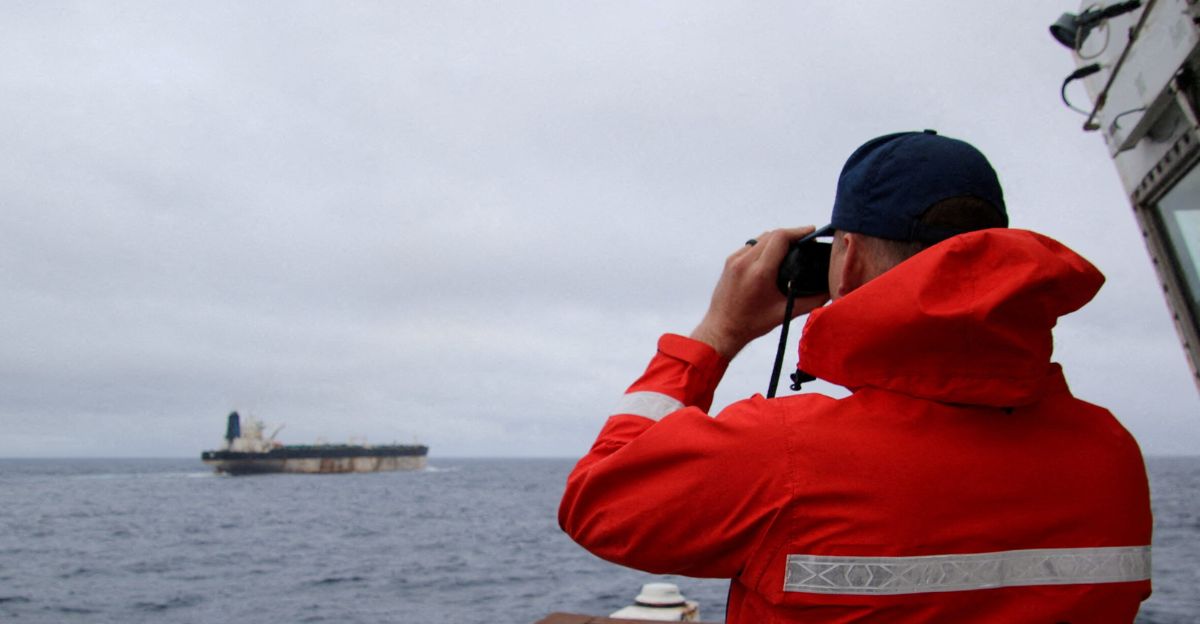
Actions once considered exceptional are becoming routine. Each successful interdiction lowers political and legal resistance to the next.
Over time, enforcement practices solidify into informal doctrine, reshaping expectations about what is acceptable under sanctions enforcement at sea.
Uneven Strategic Outcomes
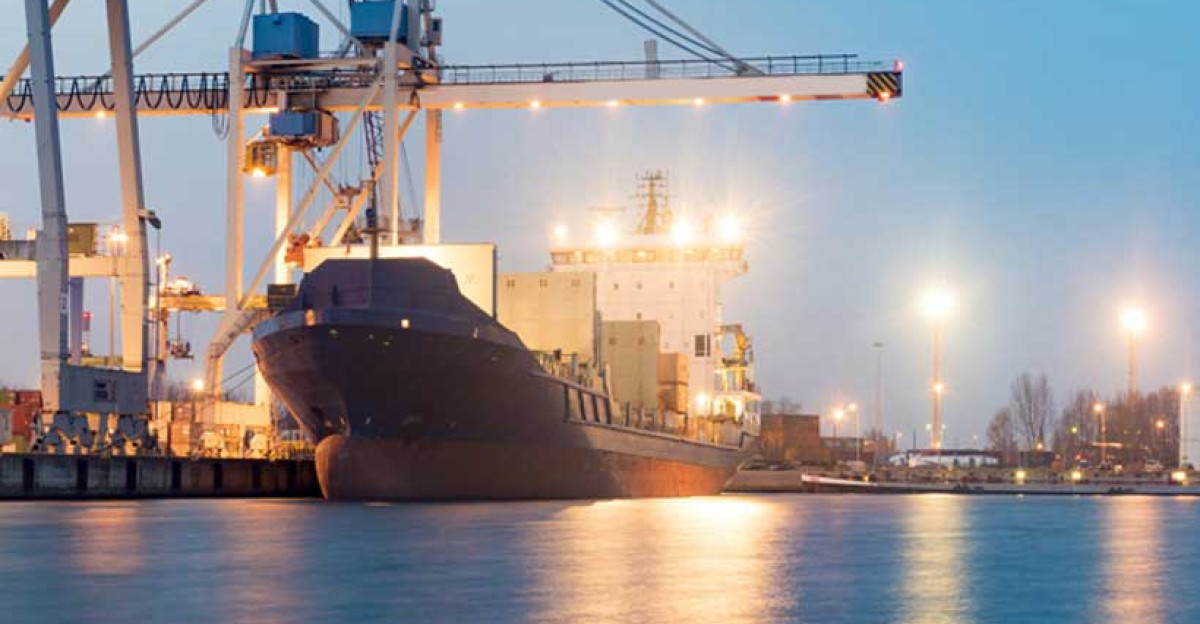
Maritime pressure affects sanctioned states differently. Economies with limited buffers and few alternative routes suffer faster export degradation.
Larger, more diversified exporters can absorb higher costs. The objective is cumulative degradation rather than immediate collapse, especially for more resilient actors.
Pressure Without Illusion
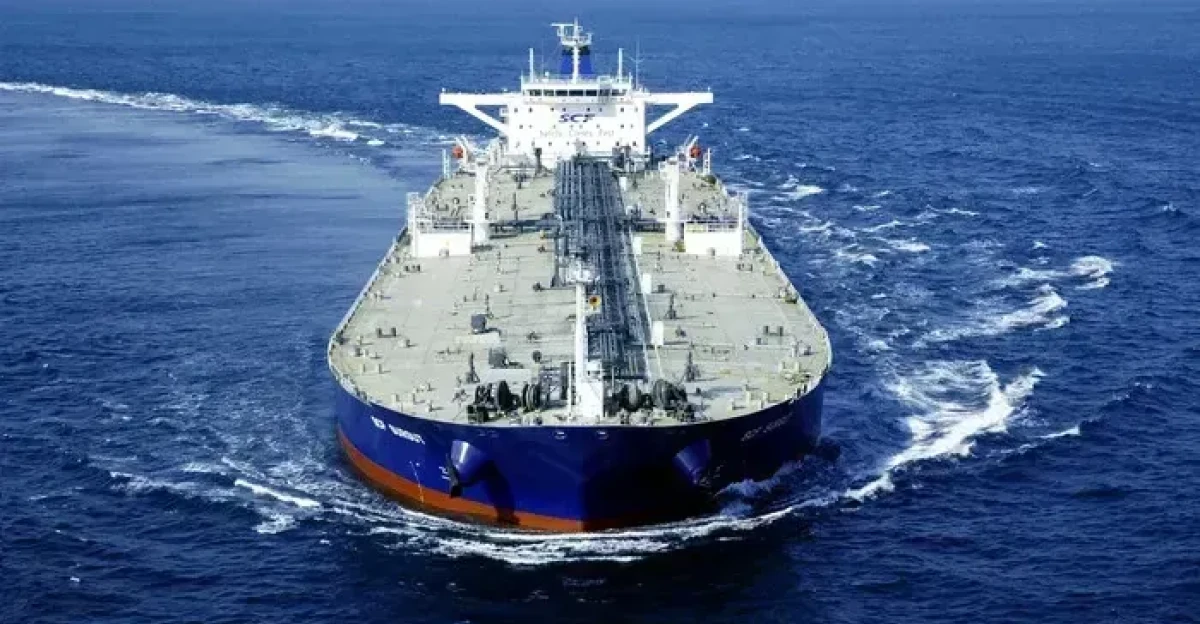
Impounding high-value shadow-fleet tankers signals a sustained commitment to maritime enforcement. While complete interdiction is unlikely, denying cheap, low-risk logistics is achievable.
The strategy prioritizes long-term financial and operational strain over short-term disruption, betting that sustained pressure reshapes behavior without destabilizing global markets.
Sources:
- US seizes Venezuela-linked, Russian-flagged oil tanker … – Reuters
- U.S. forces seize sixth Venezuela-linked oil tanker – CBS News
- All You Need To Know About Marinera, Oil Tanker Seized … – NDTV
- Shadow Fleet Accounts for 18.5% of Global Tanker Capacity as Sanctioned Oil Trade Su… – ScanX / TradeWinds-style market news (scanx.trade)
- France Seizes Russia-Linked Oil Tanker in Mediterranean Sea – The Moscow Times
- France seizes suspected Russian ‘shadow fleet’ tanker – BBC News