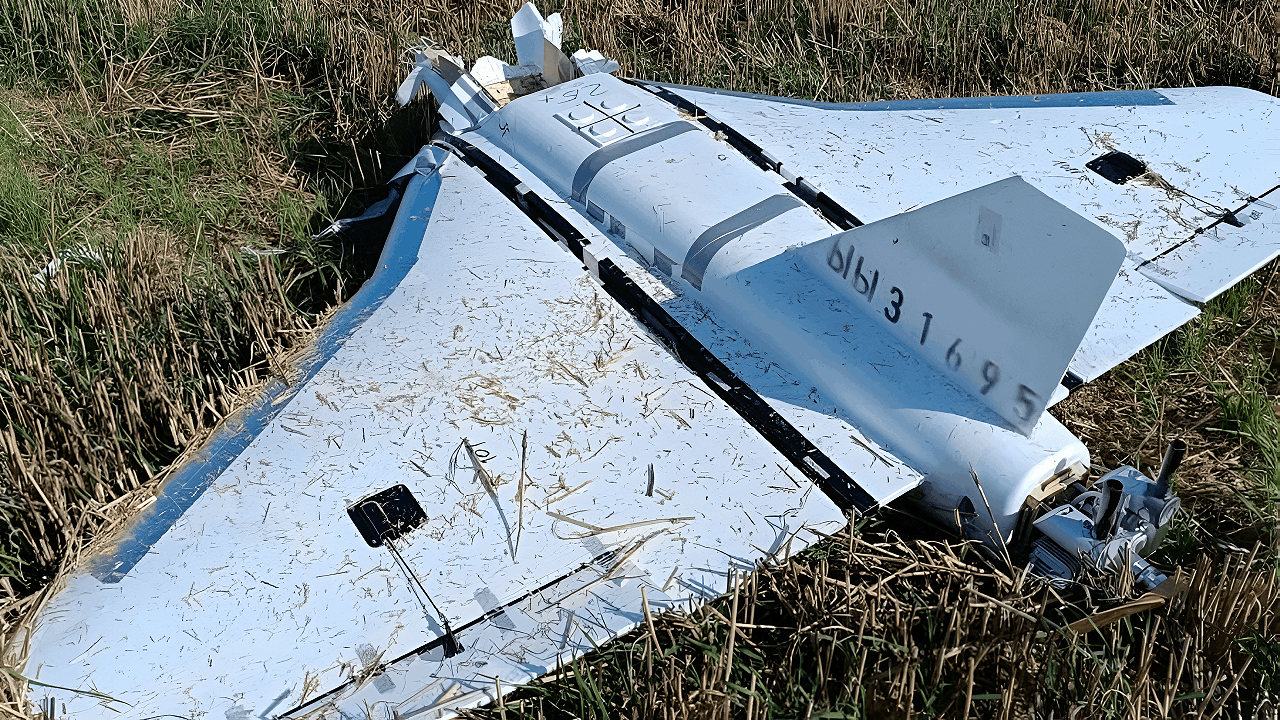
At 4:30 p.m. on October 17, 2025, alarms sounded at Reedo Barracks in southern Estonia as two unidentified drones approached the U.S. Army’s forward base, just 30 kilometers from the Russian border. One drone was disabled by an anti-drone rifle over the installation’s perimeter; the other disappeared into the nearby forest. The incident, disclosed to the public on October 28, has intensified NATO’s Eastern Sentry operation and prompted alliance defense ministers to accelerate counter-drone measures across the eastern flank.
Patterns of Hybrid Threats
The drone incursion at Reedo Barracks is part of a broader pattern of Russian hybrid operations targeting the Baltic region throughout 2025. European intelligence agencies and NATO have documented a surge in drone activity, cyberattacks, and airspace violations. On October 9, the European Parliament passed a resolution linking these incidents to Russian military strategy, stating that Russia’s actions represent a coordinated campaign of hybrid warfare against NATO’s eastern members.
Since September, when more than 20 Russian drones entered Polish airspace—marking the first direct NATO-Russia military engagement since 2022—at least 38 additional drone incidents have been reported across Norway, Denmark, Germany, and the Baltic states. Security analysts at the Center for European Policy Analysis (CEPA) attribute this campaign to Russian military intelligence tactics designed to probe NATO defenses. The Reedo incident’s timing, flight patterns, and proximity to Russian territory align with documented Russian intelligence-gathering operations.
Escalation and Local Response

Estonian defense officials confirmed the detection of two drones near the U.S. base, with one neutralized but no wreckage recovered. The ten-day delay in public disclosure reflects the sensitive security environment along NATO’s eastern border. NATO intelligence assessments describe these incursions as deliberate efforts to test response times, gather intelligence, and create strategic ambiguity—a hallmark of Russian hybrid doctrine.
The incident follows a series of provocations, including a September violation of Estonian airspace by three Russian MiG-31 jets, which prompted emergency NATO consultations under Article 4. Such events are becoming more frequent, with foreign aircraft and drones probing the alliance’s readiness and resolve.
Local voices echo the concern. “It’s not just about defending Estonia’s borders—it’s about defending NATO’s borders,” said Foreign Minister Margus Tsahkna. The heightened threat environment has reinforced the need for coordinated allied responses and robust air defense capabilities throughout the region.
Allied Coordination and Enhanced Alert Status

NATO’s response to the surge in airspace violations has been decisive. Following the September 10 Polish drone incursion, NATO Secretary General Mark Rutte announced the launch of Operation Eastern Sentry on September 12 to strengthen the alliance’s posture along the eastern flank. The operation involves assets from Denmark, France, Germany, the United Kingdom, and other allies, including RAF Typhoons, French Rafales, and German Eurofighters conducting air defense missions to counter aerial threats.
The October 17 Reedo incident prompted NATO defense ministers to meet in Brussels on October 15, where they announced new measures to “strengthen, expand and accelerate” protection of allied airspace against drones. Secretary General Rutte confirmed that NATO is testing integrated systems to detect, track, and neutralize aerial threats as part of Eastern Sentry. The operation has been expanded with additional counter-drone capabilities and enhanced surveillance protocols across the Baltic states.
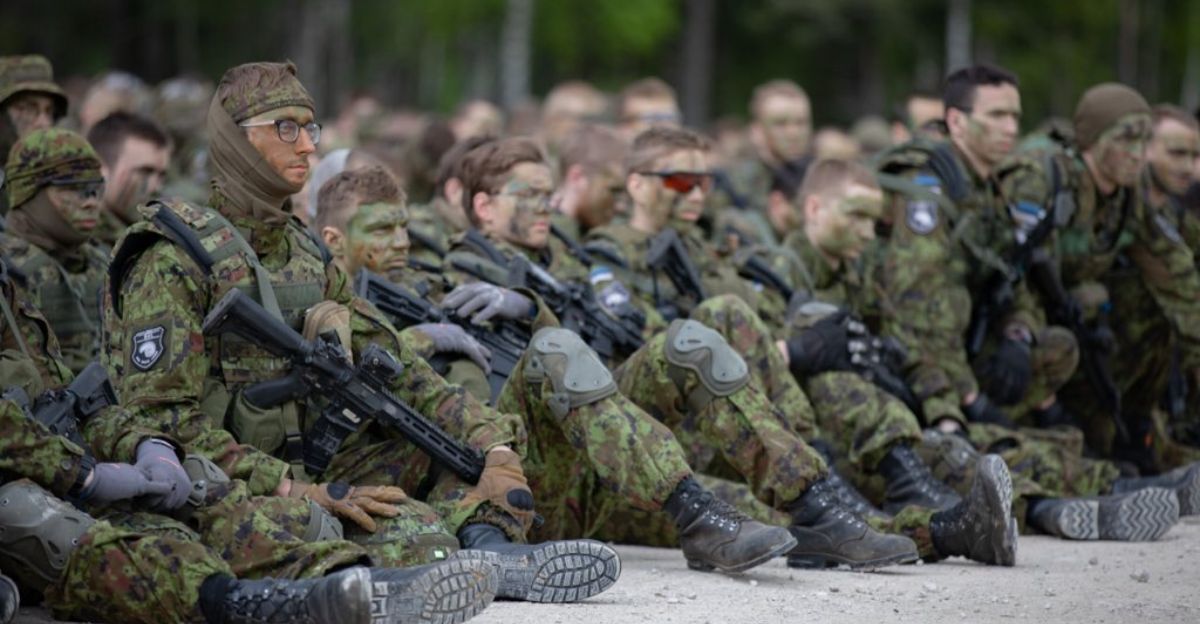
British forces in Estonia have intensified joint air-defense drills and patrols in response to the escalating threat. NATO’s integrated approach aims to enhance deterrence and reassure member states through coordinated rapid-reaction capabilities and improved interoperability among allied units stationed in the Baltics.
Defense experts warn that unmanned systems are rapidly challenging conventional strategies. Recent analysis from security institutions highlights how drone incursions exemplify hybrid warfare—testing boundaries, gathering intelligence, and exploiting ambiguity. The lack of physical evidence from the downed drone complicates attribution, but operational patterns strongly suggest state-level involvement consistent with Russian intelligence methods.
Globally, similar tactics have been observed in other contested regions, reflecting a worldwide trend toward unmanned provocations and hybrid threats that challenge traditional defense architectures.
Search for Answers
Despite intensive searches, authorities have not recovered the drone’s wreckage, leaving critical questions about its technical specifications and origin. The absence of physical evidence is consistent with hybrid warfare strategy, which often relies on deliberate ambiguity to obscure attribution and complicate response.
The delayed disclosure of the incident has underscored the challenges of balancing operational security with public transparency. NATO officials have emphasized the need for clear communication channels and robust incident-reporting protocols to maintain public trust while protecting sensitive intelligence-gathering capabilities.
Looking Ahead

Estonia’s government has moved quickly to address security gaps, coordinating with NATO and U.S. military officials to prioritize investment in air-defense systems and intelligence-sharing networks. Joint teams continue to search for the missing drone debris, underscoring the challenges of countering unmanned threats in the modern security environment.
As drone incursions and airspace violations surge across NATO’s eastern flank, the alliance has elevated its readiness posture and expanded counter-drone operations. The Reedo Barracks incident highlights the evolving nature of hybrid warfare and the urgent need for advanced detection, rapid response, and allied solidarity. While immediate security measures have been implemented, the episode serves as a reminder that ambiguity and escalation are now central features of the security landscape along NATO’s eastern frontier—demanding continued vigilance, cooperation, and adaptation from all member states.