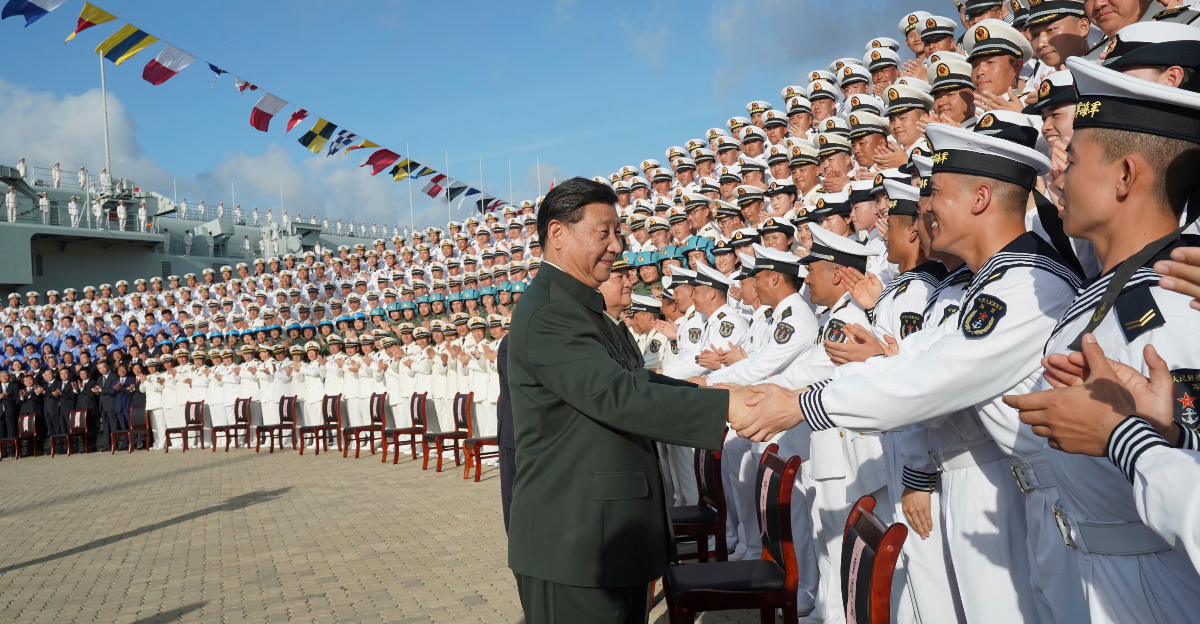
“When it comes to shipbuilding and our navy and in particular the US Navy, I am really very concerned,” NATO Secretary General Mark Rutte declared at Prague’s defense summit. His words reflect a stark new reality about global naval power. China’s People’s Liberation Army Navy has become the world’s largest maritime force by vessel count, altering the balance of global security.
Meet Mark Rutte: NATO’s New Voice of Concern

Mark Rutte, NATO’s Secretary General, brings unique credentials to these naval assessments after serving as Dutch Prime Minister for over a decade. His European political background enhances his credibility regarding China’s maritime influence on transatlantic security. Rutte’s statements resonate among allies, highlighting a shift from economic partnerships to security dependencies.
China’s Naval Transformation
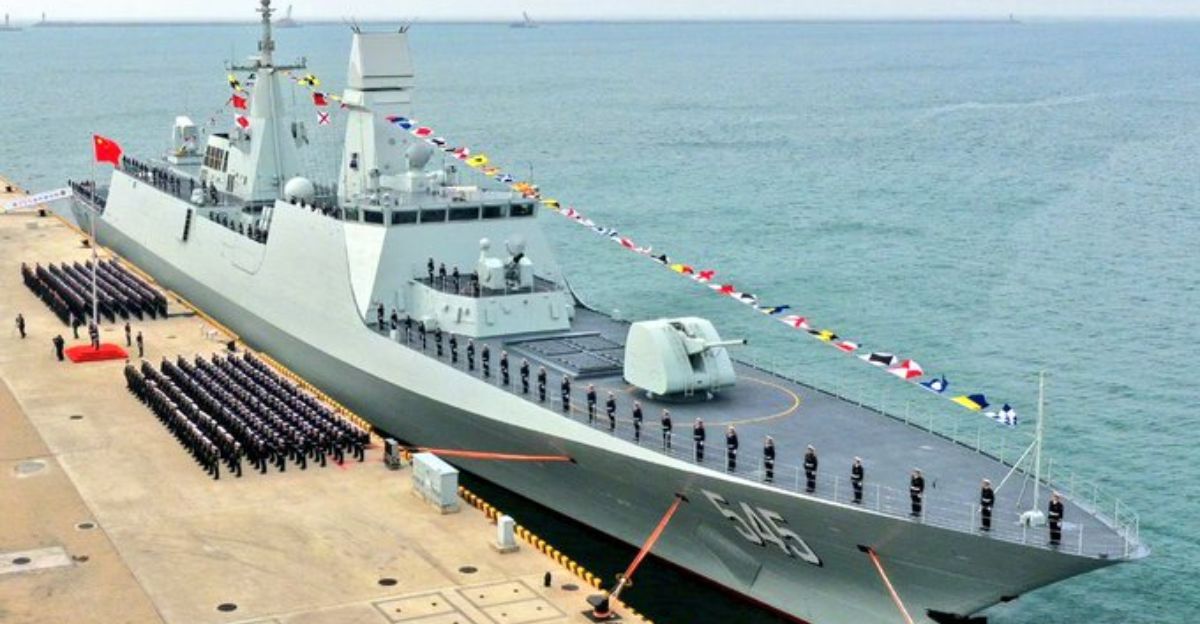
China’s naval capabilities have experienced one of the most significant military buildups in recent history. Just two decades ago, its navy was primarily a coastal defense force with limited capabilities. This rapid evolution to a global naval presence reflects China’s broader economic rise, surprising military analysts and altering strategic calculations in both Pacific and Atlantic regions.
China’s Navy Claims World’s Largest Fleet
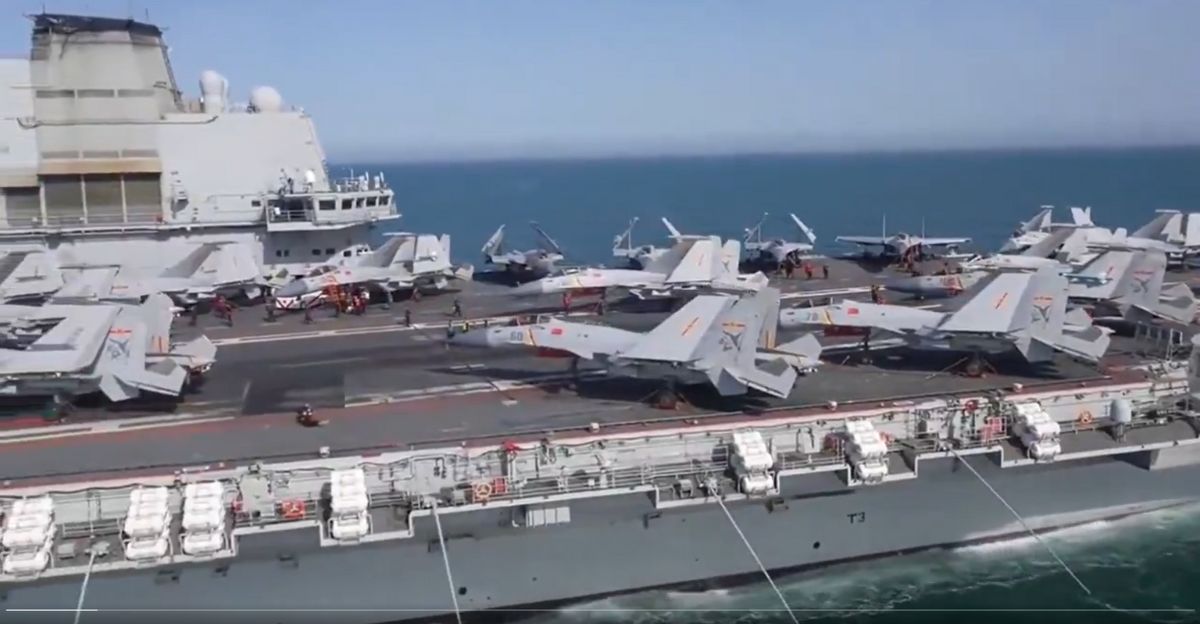
“China now has more ships at sea than the US,” Rutte stated, confirming Pentagon assessments. The Department of Defense reports China’s navy operates over 370 warships and submarines, with 234 naval vessels compared to the U.S. Navy’s 219. This historic shift in global naval balance marks a new era in international maritime power.
NATO’s Growing Concerns
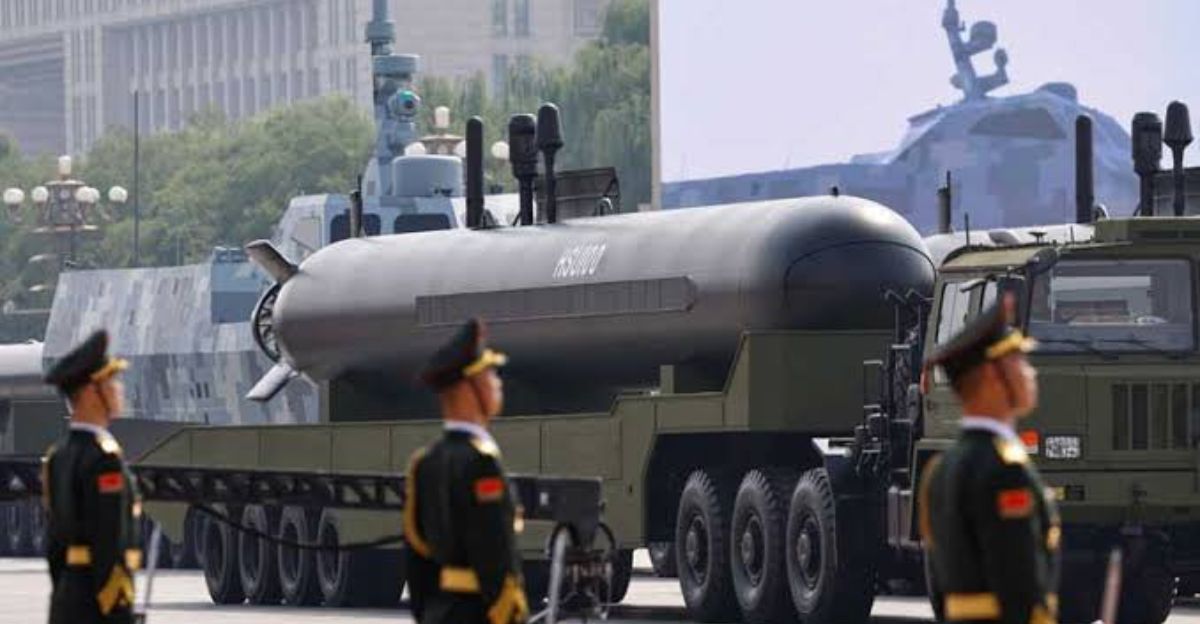
The implications of China’s naval growth extend beyond the Pacific. NATO’s increased focus on China in strategic discussions highlights a challenge to maritime security that has underpinned global trade. This shift affects everything from freedom of navigation to the credibility of mutual defense commitments for NATO allies.
Fleet Projections: China’s Expanding Numbers
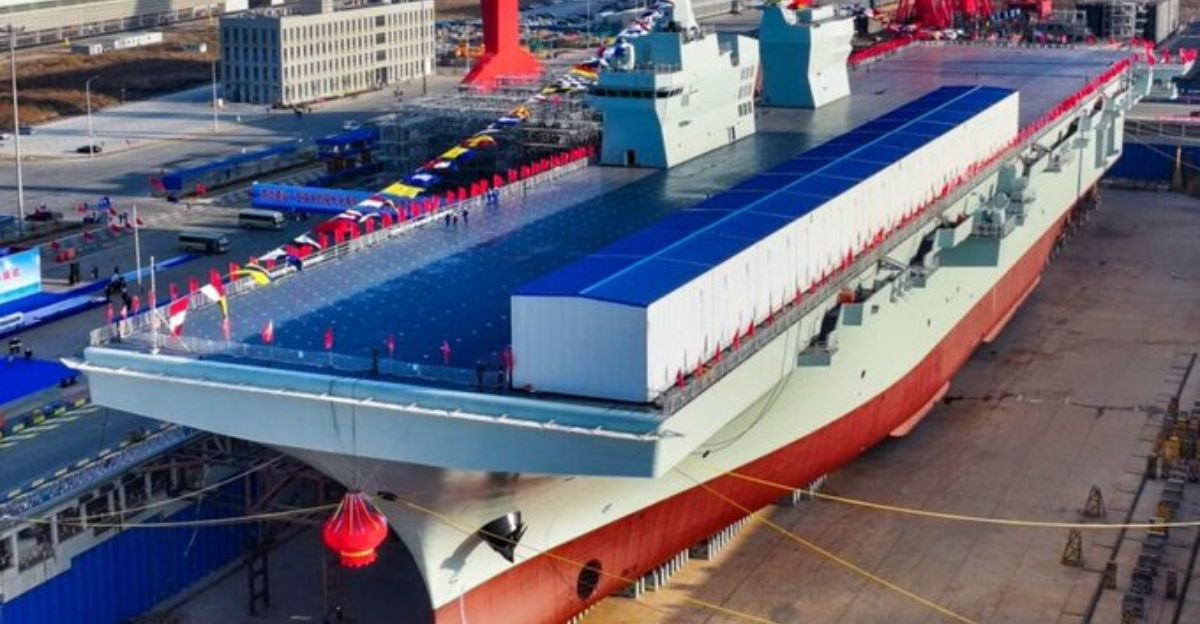
Pentagon projections forecast China will operate 395 battle force ships by end 2025 and 435 by 2030, including expanded submarine fleets. Nick Childs from the International Institute for Strategic Studies notes that “China’s shipbuilding capacity is about 200 times greater than that of the United States,” underlining the industrial base for this expansion.
Numerical Superiority: Strategic Implications
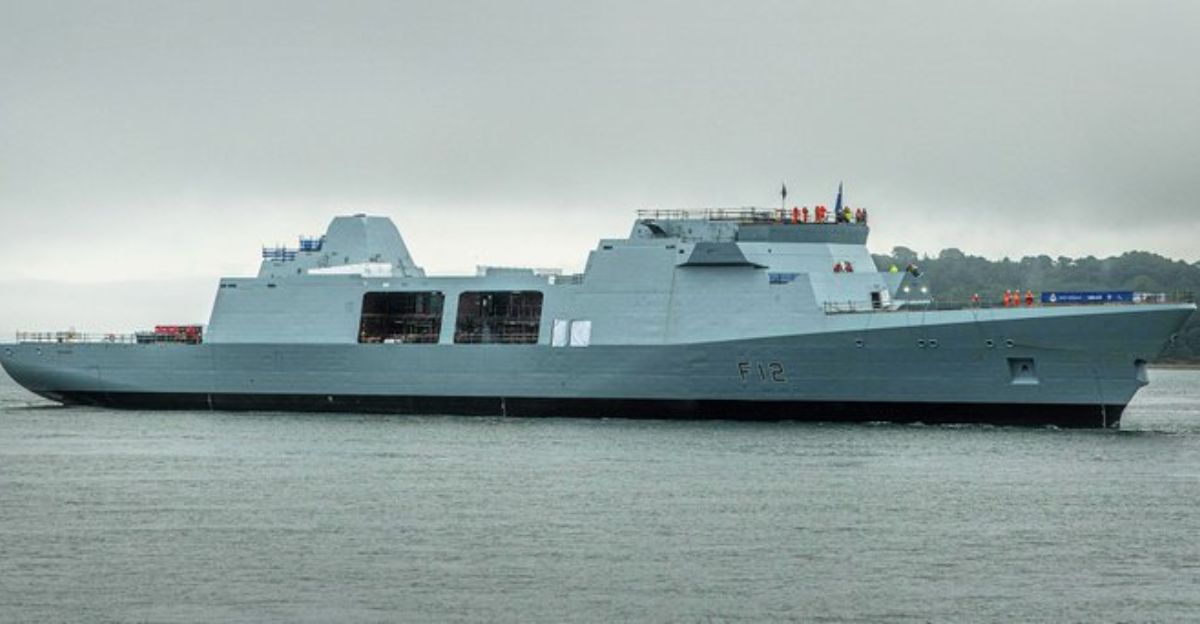
China’s numerical advantage offers significant strategic benefits, especially in potential conflicts near its territory. Analysts suggest that China’s ability to absorb losses while maintaining superiority represents a key shift in naval warfare. This reality forces American and NATO planners to rethink traditional advantages in light of quantity over quality.
Quality vs Quantity: Western Advantages Remain
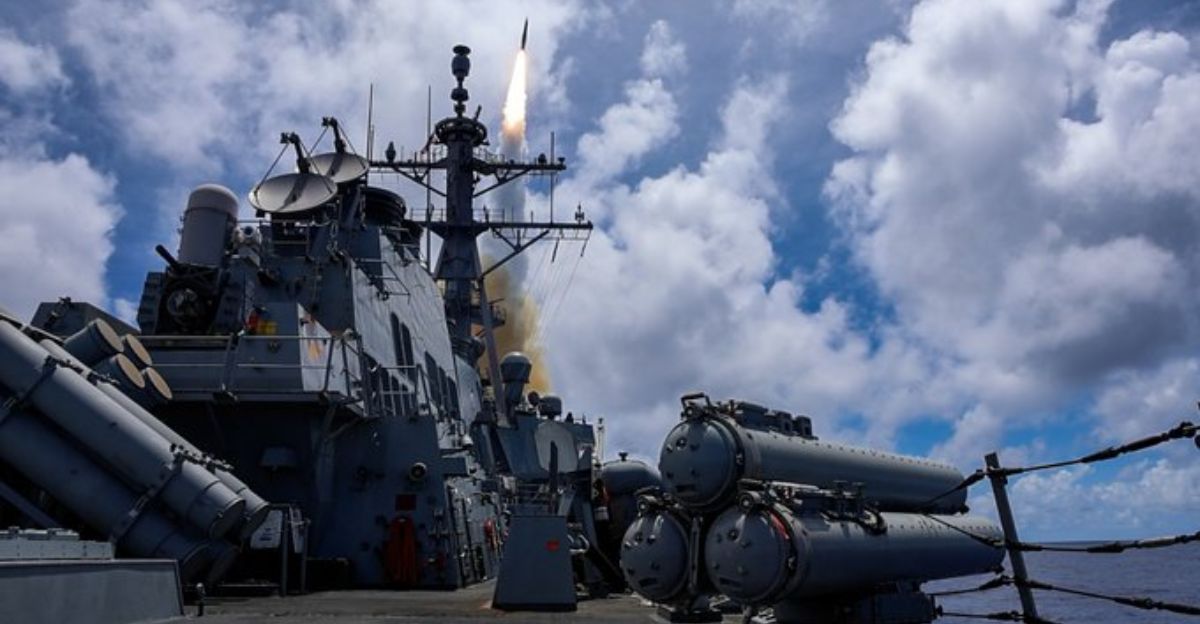
Despite its alarming numbers, significant qualitative gaps persist between Chinese and Western naval capabilities. About 70 percent of Chinese warships were launched after 2010, but many are smaller corvettes meant for regional operations. U.S. Navy personnel benefit from decades of experience while Chinese crews face untested operational scenarios.
Technological Edge: U.S. and NATO Capabilities
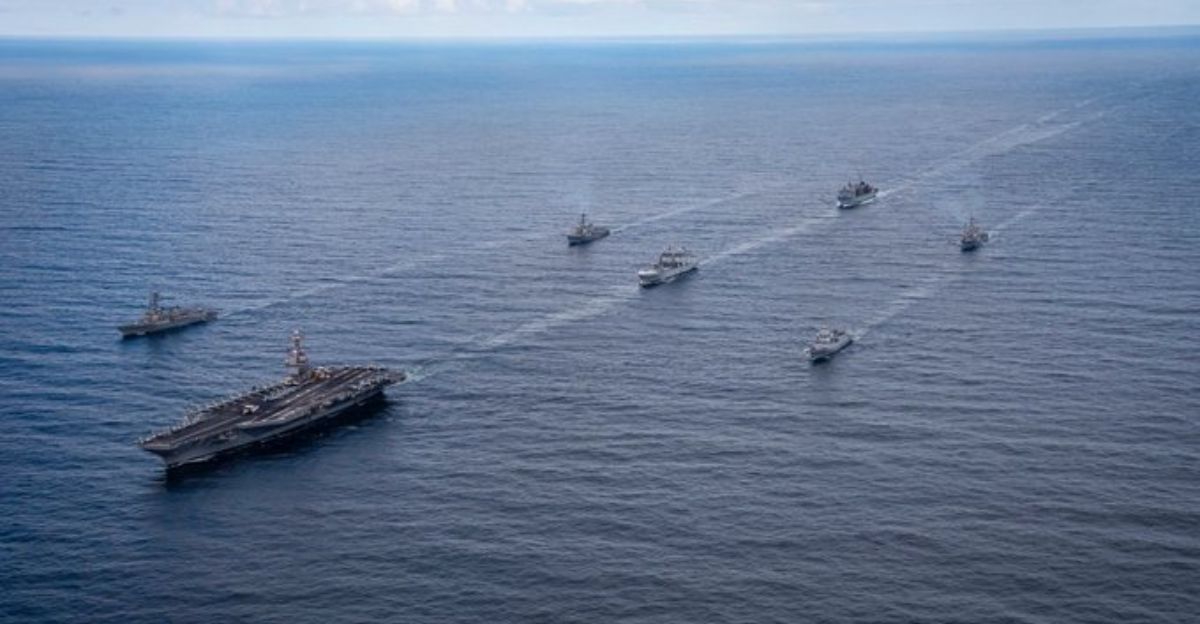
American technological superiority remains a significant factor that China struggles to match, particularly in nuclear submarines and carrier-based aviation operations. The U.S. Navy operates eleven supercarriers compared to China’s three, enhancing its power projection capabilities. NATO cohesion provides advanced technological advantages China cannot replicate.
Advanced Systems: Carriers and High-Tech Warfare
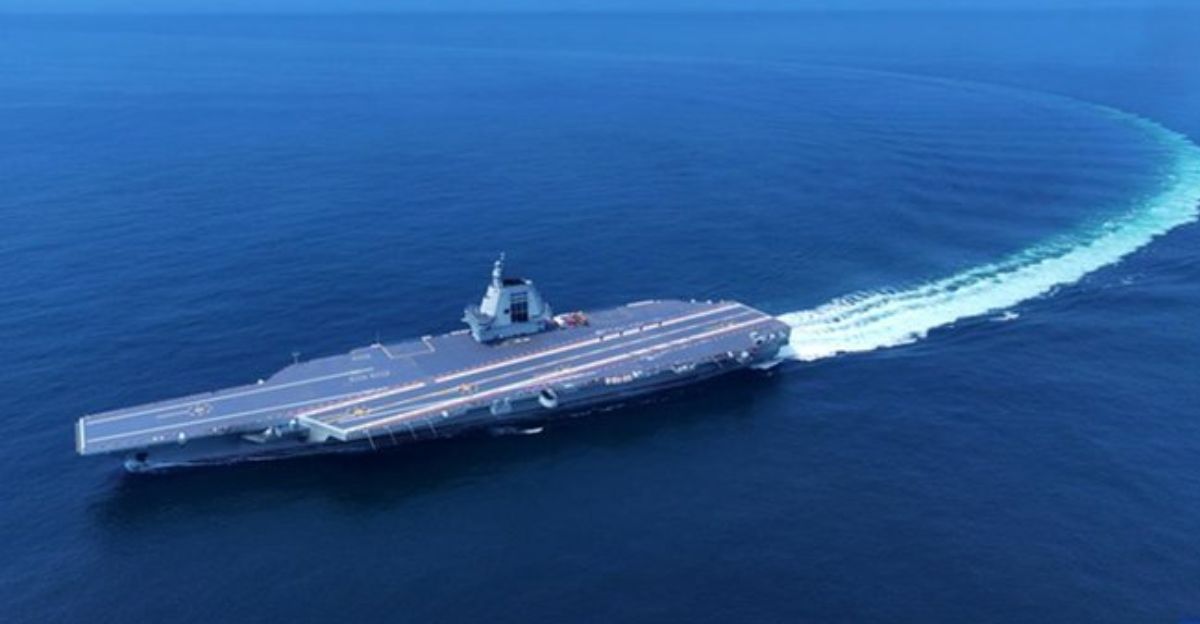
China’s newest carrier, the Fujian, features advanced electromagnetic catapult systems expected to enter service this year. However, U.S. naval infrastructure faces limitations due to aging facilities and workforce shortages. Meanwhile, China’s submarine fleet expansion aims for 65 vessels by mid-decade, showcasing the breadth of the naval arms race.
China’s Critical Weakness
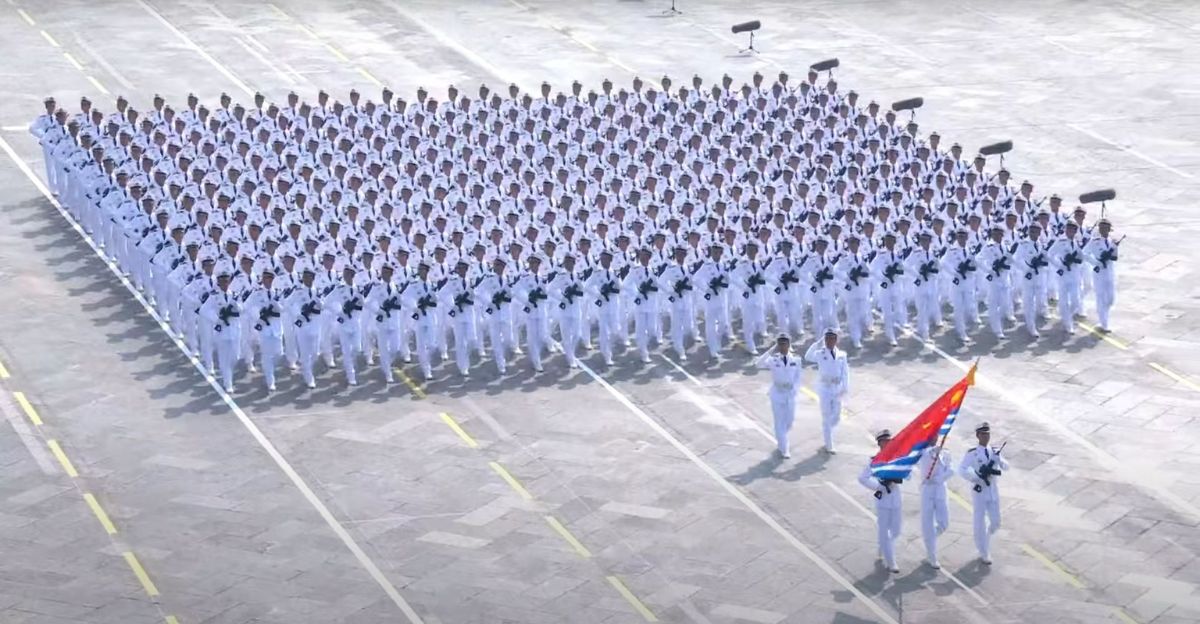
The People’s Liberation Army Navy’s most significant challenge is its lack of real-world combat experience, with no major naval engagements since 1979. Modern naval warfare necessitates operational expertise in complex scenarios where PLAN personnel remain largely untested. Past exercises reveal gaps in operational coordination with allies, exposing vulnerabilities.
Interoperability Challenges: East vs West Naval Cooperation
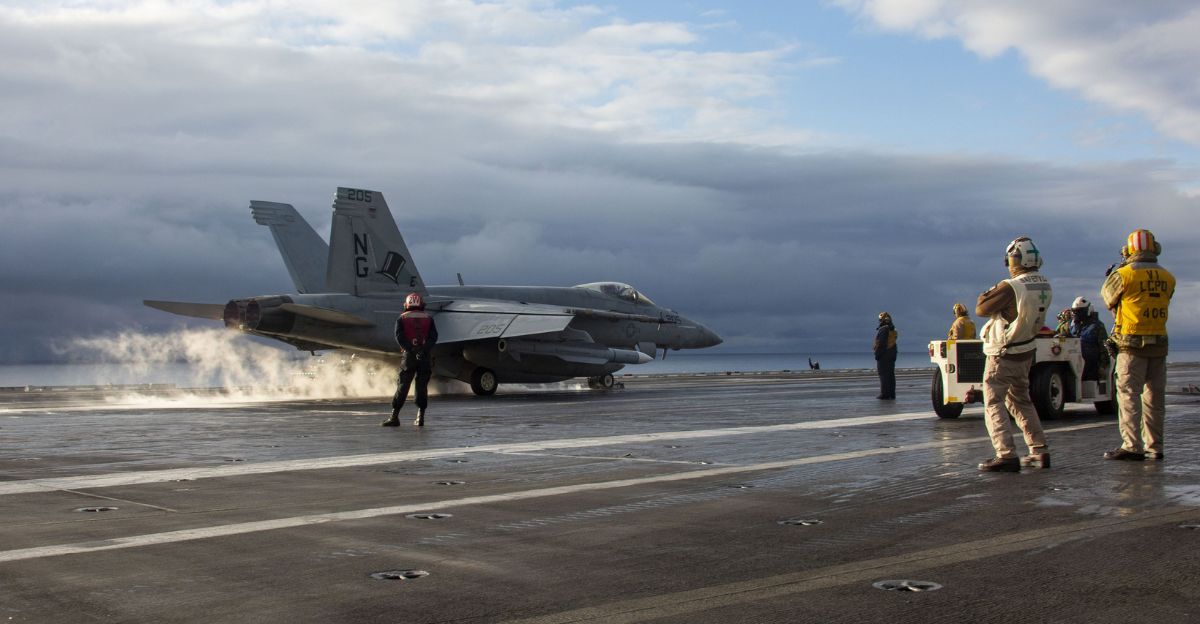
Chinese naval cooperation faces interoperability limitations compared to Western alliance systems. NATO forces benefit from decades of standardized procedures, enabling seamless multinational operations.
In contrast, Chinese partnerships often lack the institutional integration essential for effective combined operations, limiting operational effectiveness despite fleet size.
Leadership Calls: Transatlantic Unity Against Maritime Challenges
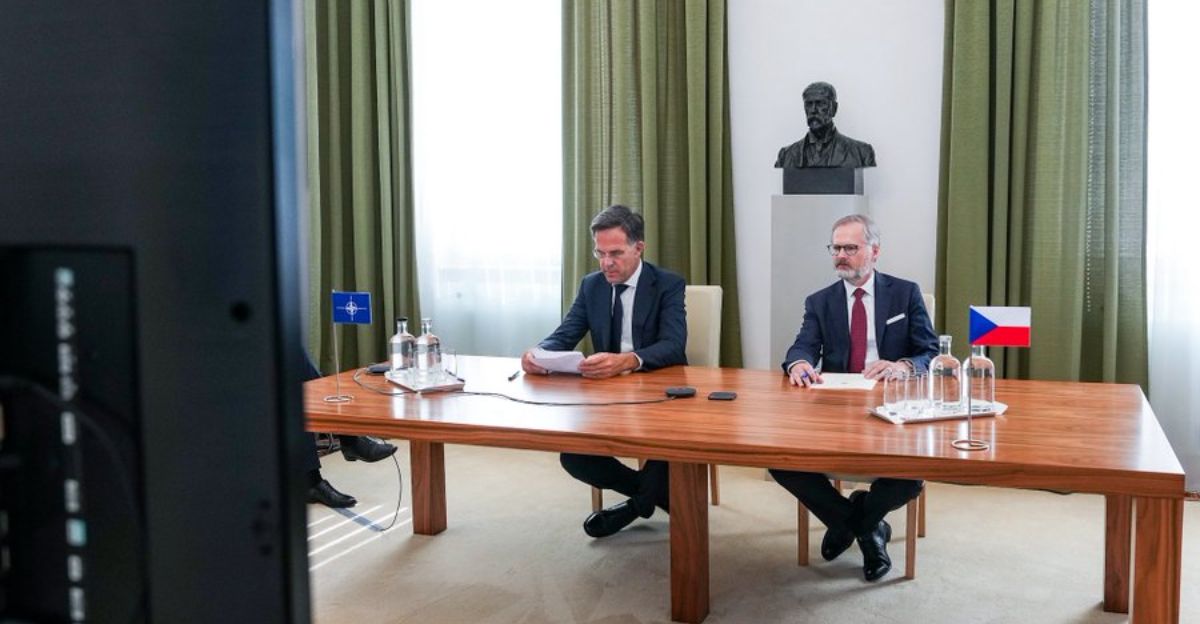
Rutte emphasizes the need for enhanced transatlantic cooperation, asserting, “we need much more if we want to collectively fill that gap.” Such calls recognize the limitations of American and European capacities to independently counter China’s maritime growth. Coordinated responses are essential for tackling this pressing strategic issue.
Alliance Warfare Against Superior Numbers
Historical naval conflicts illustrate the complexities of facing numerically superior foes, requiring superior coordination and resources. The current landscape is complicated further by China’s strategic partnership with Russia, presenting potential multi-ocean challenges. This evolving dynamic necessitates a reassessment of Western strategic approaches to naval warfare.
Future Engagement: U.S. Strategic Adaptation
The Pentagon’s strategic shift to the Indo-Pacific reflects the imperative of sustained naval presence in areas benefiting China. Future U.S. engagement involves strengthening ties with Indo-Pacific allies while increasing regional naval presence. Adjustments will be essential for addressing evolving maritime challenges across both Atlantic and Pacific domains.
Industrial Balance: Shipbuilding Capacity Disparities
Naval balance increasingly hinges on industrial capacity, with China’s shipbuilding capability offering significant strategic advantages. Chinese shipyards surpass U.S. capacity by over 230 times, impacting long-term naval competition. This disparity prompts Western strategists to seek innovative approaches to counter numerical disadvantages through advanced technology.
Military Modernization: Accelerating Competition Timeline

Recent developments underline the urgency of military modernization, as seen in China’s 2024 exercises featuring simultaneous carrier operations.
As Chinese capabilities stretch beyond traditional boundaries, historical planning cycles must adapt. The pace of this competition signals a narrowing window for maintaining Western technological advantages.
Navigating the New Naval Era

Mark Rutte’s alerts about China’s naval dominance highlight both the urgency and need for action within the Western alliance system. The path forward requires restructured NATO approaches to collective security, bridging gaps between U.S. commitments and European capabilities. The effectiveness of democratic alliances hinges on how the West responds to this evolving maritime reality.