Russia’s drone war against Ukraine has surged to new heights in 2025. Data from the CTC at West Point shows the average monthly Shahed strikes leapt from ~1,000 in 2024 to nearly 3,500 per month by mid-2025.
Analysts warn that Russia may soon mass 500+ UAVs in single raids, overwhelming air defenses. In May 2025, one estimate noted Moscow launching “over four thousand” drones in that month alone.
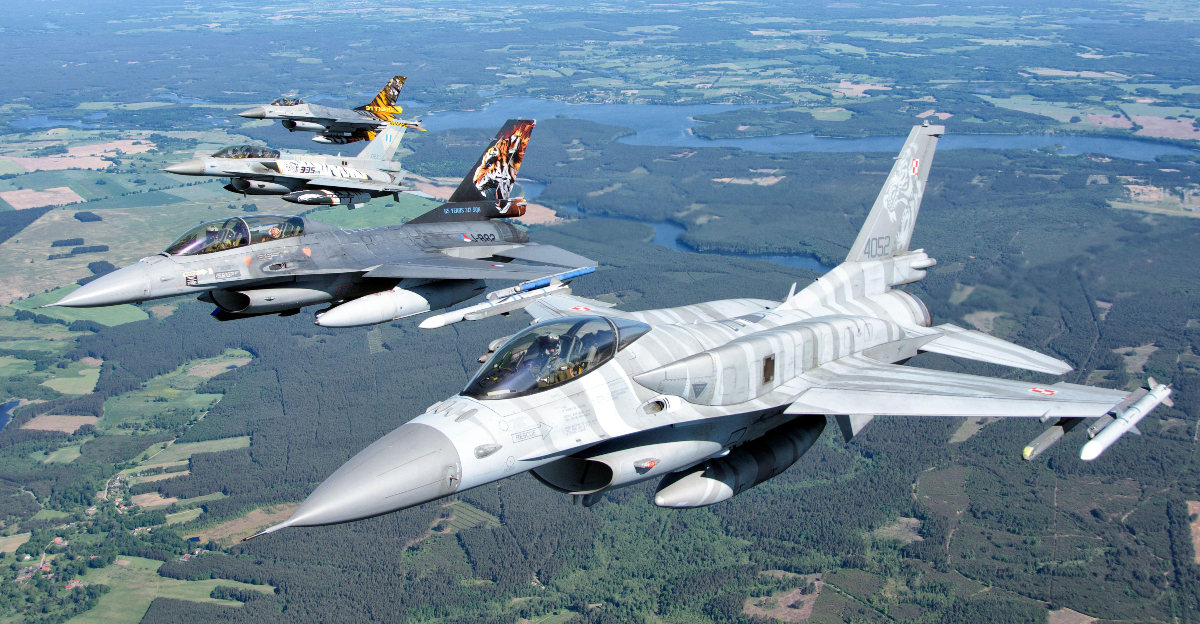
Eastern European NATO allies scramble fighter jets daily to meet the threat. “The sky looks different now,” says one air defense analyst, noting constant drone swarms overhead.
Alert Status
Poland has bolstered its air defenses as Russian barrages loom. In early September 2025, Warsaw’s air defense forces stood at maximum readiness, and NATO jets constantly patrolled its airspace.
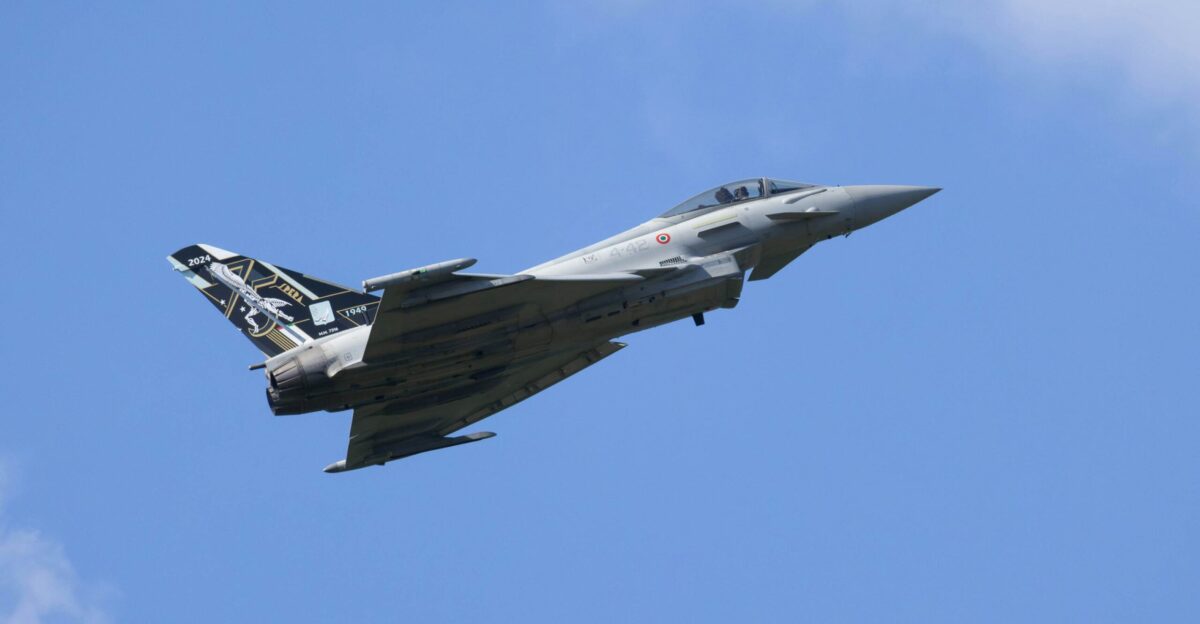
Dutch F-35A jets recently arrived at their Polish base (Volkel Air Base) for a three-month air-policing mission, joined by Norwegian stealth fighters under NATO command.
These jets fly 24/7 quick-reaction patrols along Ukraine aid corridors, while Polish radars and batteries scan the skies. Officials stress these measures aim to prevent accidental incursions if Russia launches hundreds of drones at once.
Historical Context
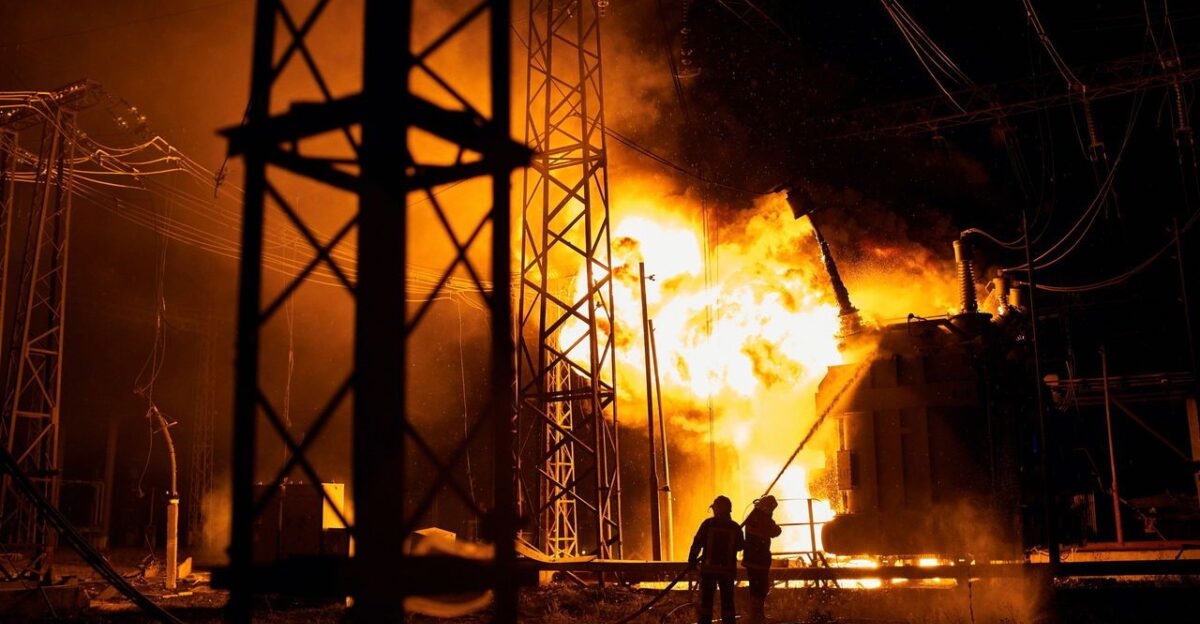
This month-long drone onslaught follows almost three years of systematic attacks on Ukraine’s infrastructure. Commentators say Russia’s campaign against power plants and grids is “the biggest attack on a nation’s health since World War II”.
By mid-December 2024, over 1,000 missiles and drones had struck Ukraine’s energy grid, causing widespread blackouts.
The UK Defense Ministry concluded these strikes were meant to demoralize civilians and force Kyiv’s capitulation. Ukrainian energy output today is a fraction of its pre-war level, and cities live under constant threat of winter blackouts.
Rising Pressure
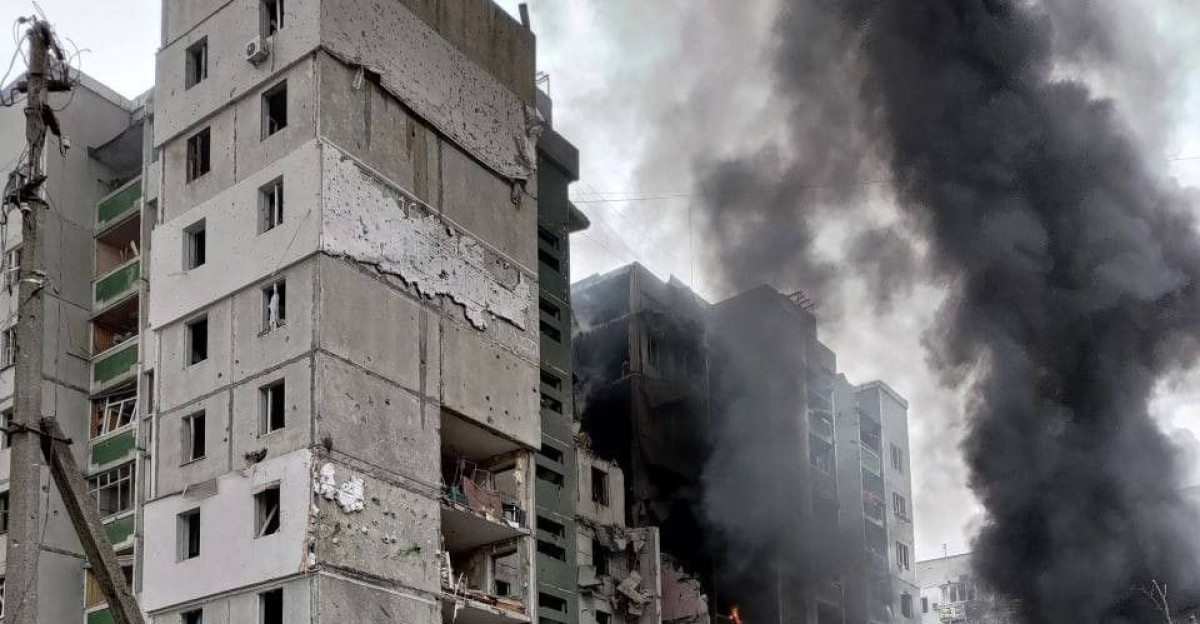
July 2025 brought the deadliest month for Ukrainian civilians since May 2022. UN monitors report 286 killed and 1,388 injured in July alone, the highest civilian toll in three years.
That month, Russian forces launched a record assault of over 5,000 long-range munitions, including a single-day high of 728 drones. Vital energy and transport hubs were hit repeatedly, plunging regions into chaos.
Analysts say European capitals now face intense pressure to shore up Ukraine’s air shields. “Every siren makes people harder to manage,” warns one humanitarian worker, reflecting on the growing strain on doctors and hospitals facing mass casualties in their wards.
September 3rd Assault
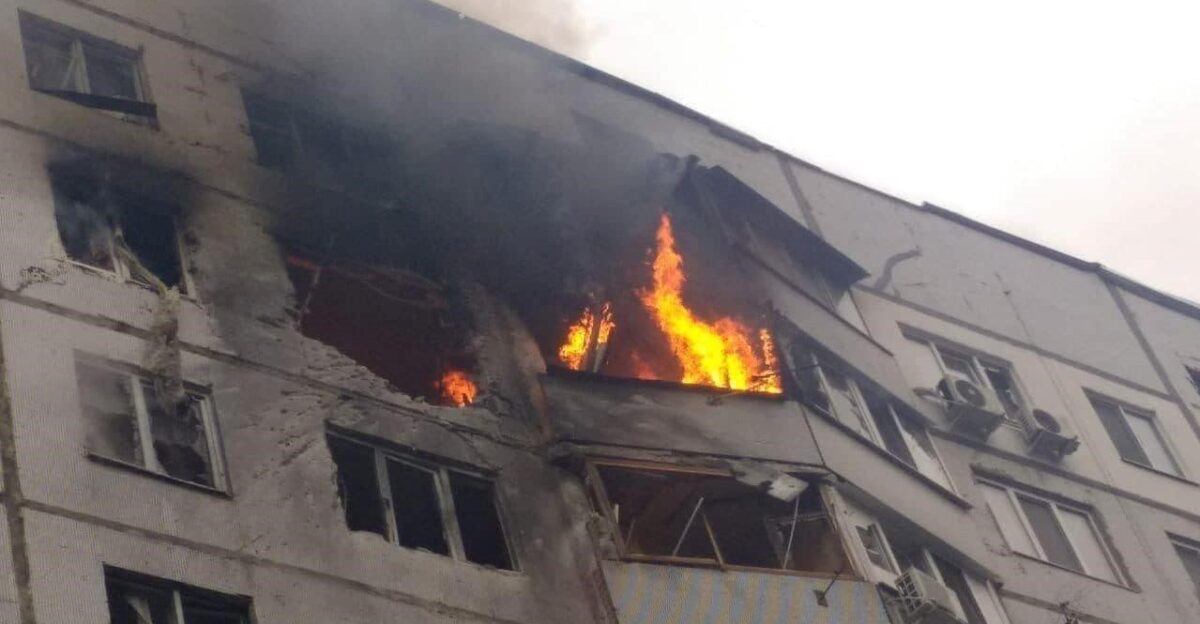
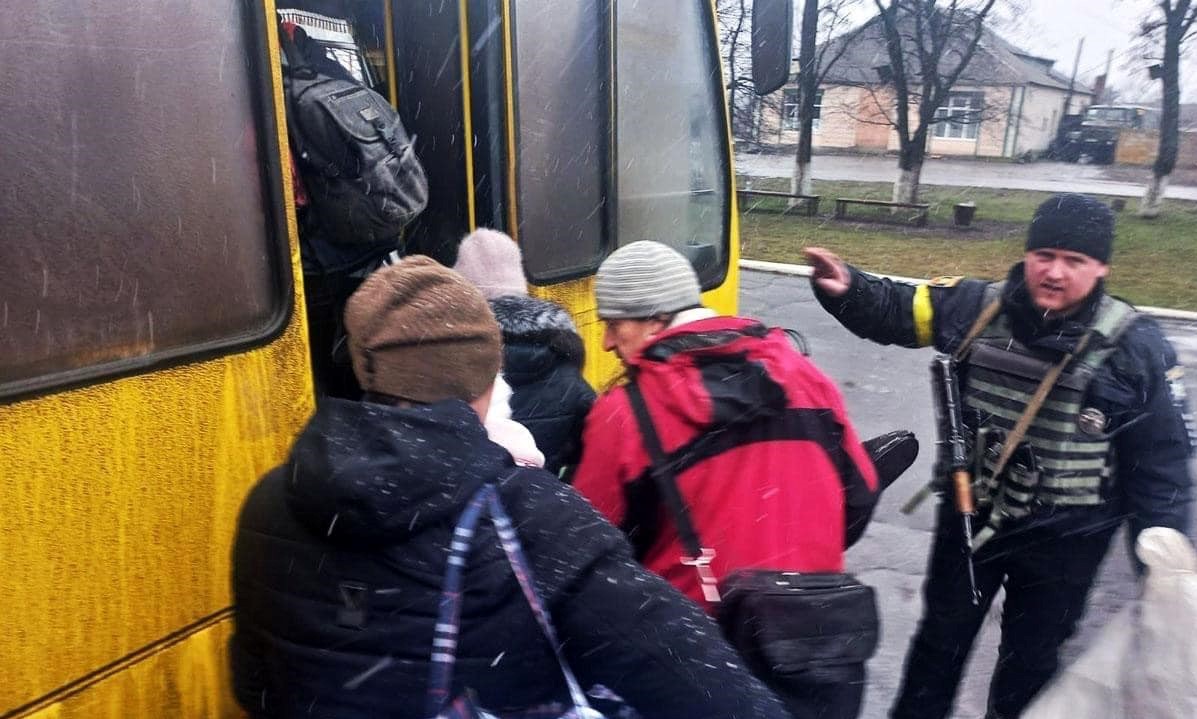
On September 3, Russia unleashed one of the year’s largest attacks: roughly 500 drones and two dozen missiles struck Ukraine overnight. The Ukrainian Air Force confirmed they targeted civilian infrastructure across at least 14 cities.
Kyiv reported it intercepted about 430 of 502 drones and 21 of 24 missiles, but the remaining strikes sparked fires and damage. For hours, Kyiv and Lviv saw air raid sirens and falling debris. Rail lines were hit – “tracks buckled as if hit by an earthquake,” said a railway engineer.
Four railway workers were hospitalized, and services were delayed up to 7 hours. In Chernihiv, Governor Viacheslav Chaus reported power cuts to 30,000 homes after the grid was struck, leaving families shivering under emergency generators.
Regional Impact
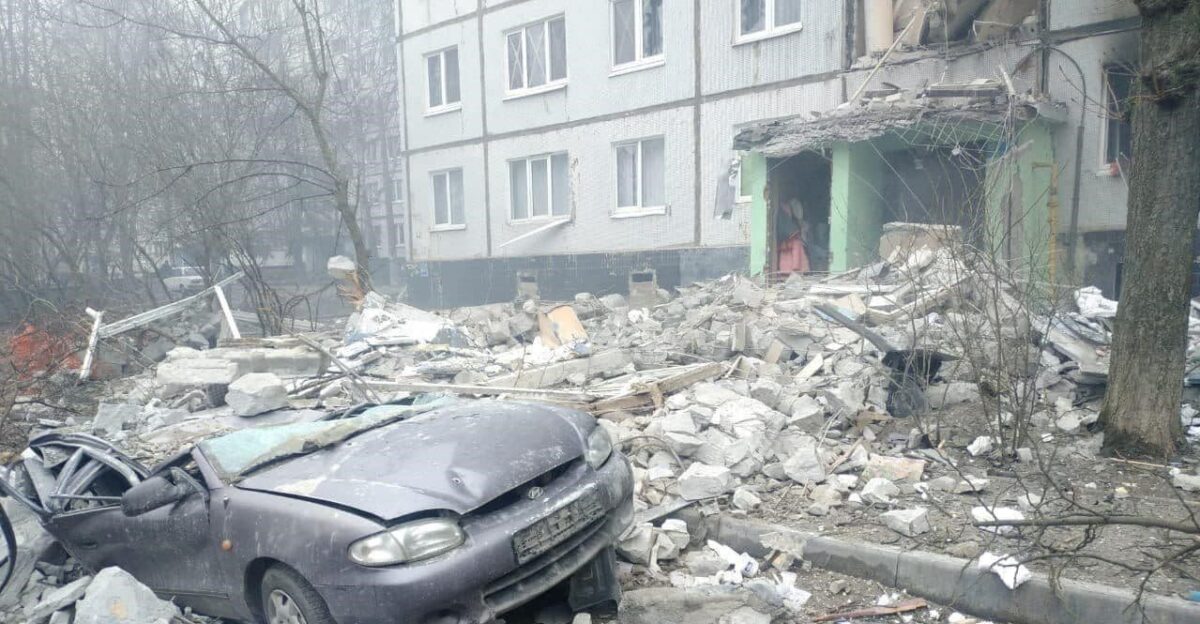
The aftermath stretched across multiple oblasts. Fires raged in Ivano-Frankivsk as storage sites burned, requiring a day-long effort by firefighters. Power companies scrambled crews through the night to restore energy in blackout zones.
Long-distance trains halted: a Kremenchuk stationmaster described “rails warped and snapped” by blastwaves, snarling freight for hours. Western analysts note these strikes are designed to ripple beyond immediate targets: Ukrainian cities braced for rolling outages, while even children whisper anxiously at school drills.
“We ran to the shelter in our pajamas,” said Kharkiv resident Kateryna Talpa, recalling cooking holiday meals as “drones buzzed above our home” on New Year’s Eve.
Presidential Response
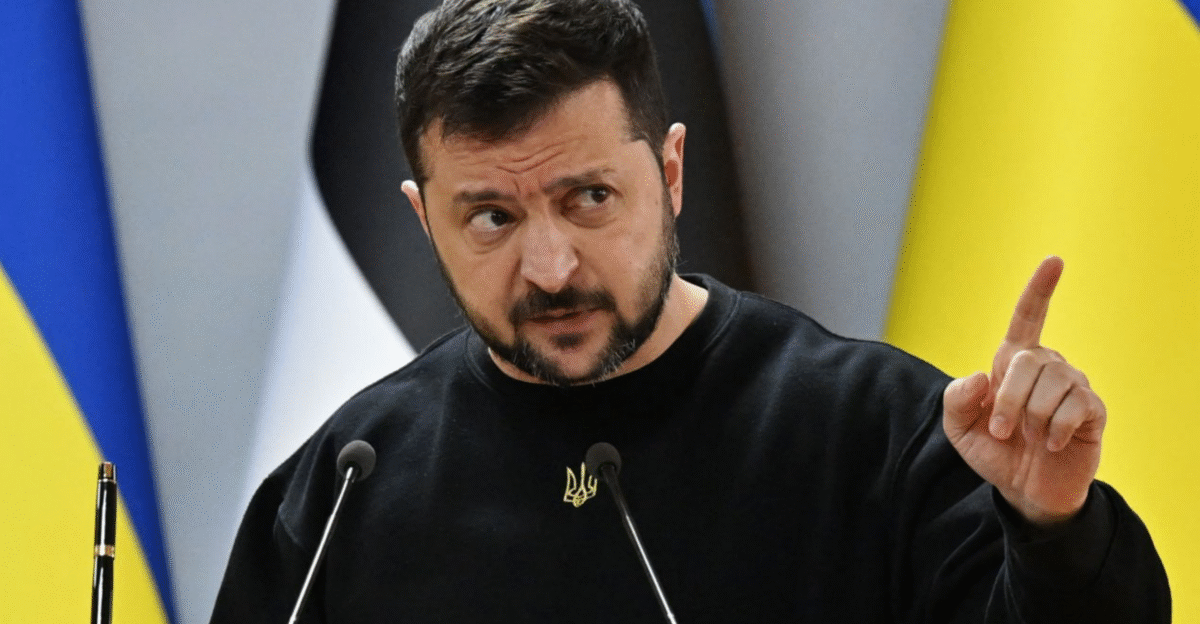
“These are clearly demonstrative strikes,” President Zelensky said after the Sept. 3 raid. He accused Putin of showing “impunity” – attacking hospitals, schools and power hubs with little regard for civilian lives.
Zelensky vowed the assault would strengthen Ukraine’s resolve, not break it. “These attacks…show Russia rejects any path to peace,” he told reporters, urging allies for a stronger stand. In Kyiv and abroad, leaders echoed his words.
EU officials branded the strikes as “terror and barbarism” (as France’s Macron put it), and called for swift new sanctions. The assault, Zelensky argued, must trigger an even firmer international response.
NATO Activation
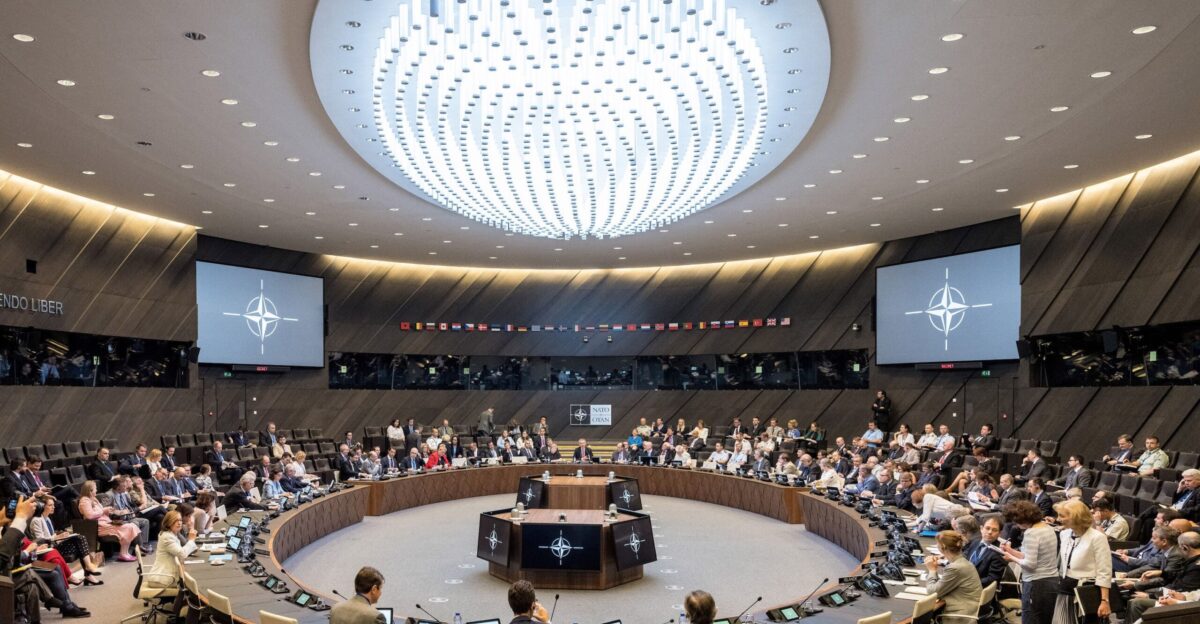
NATO’s Eastern flank has responded with visible force. On Sept. 3, Poland’s defense command confirmed Dutch F-35s had joined the immediate response, deploying alongside German and French jets to deter any spillover.
The Dutch detachment, sent on Aug. 29 for a three-month mission, now conducts continuous air patrols from its base near Krakow. These stealth fighters work under NATO’s Supreme Allied Command (SHAPE) covering 24/7 quick-reaction alert duties.
From December, The Hague will layer in Patriot and NASAMS air defenses: two Patriot batteries, one NASAMS battery and ~300 troops will be sent to secure the Rzeszów-Jasionka logistics hub on the Ukrainian border.
Production Escalation
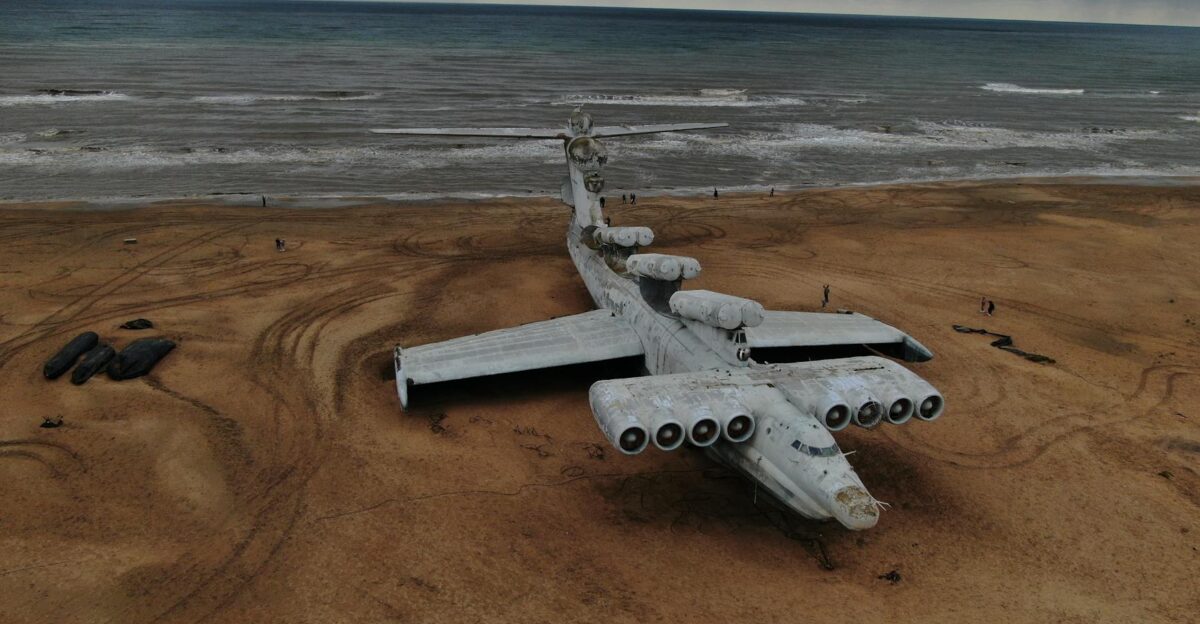
Behind the attacks, Russia has massively scaled up drone production. Where Moscow first fielded mostly Iranian-made Shaheds, it now runs its own factories; US military experts say domestic output has risen “sevenfold” from early 2023 levels.
China reportedly supplies electronic components, and North Korea is sending thousands of workers and parts to boost Russian factories.
As a result, Russia can mount far larger barrages than before. One Western analyst notes that nightly strike totals which once numbered in the dozens now reach hundreds, with 537 loitering munitions in one July raid. Such output enabled the September assault.
Tactical Evolution
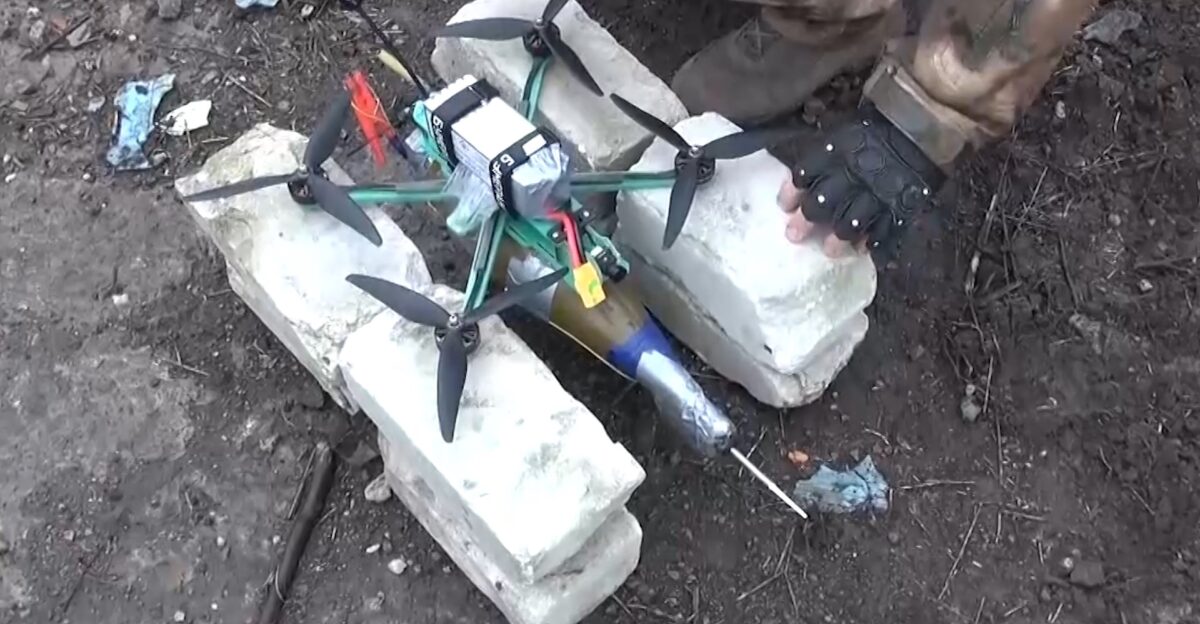
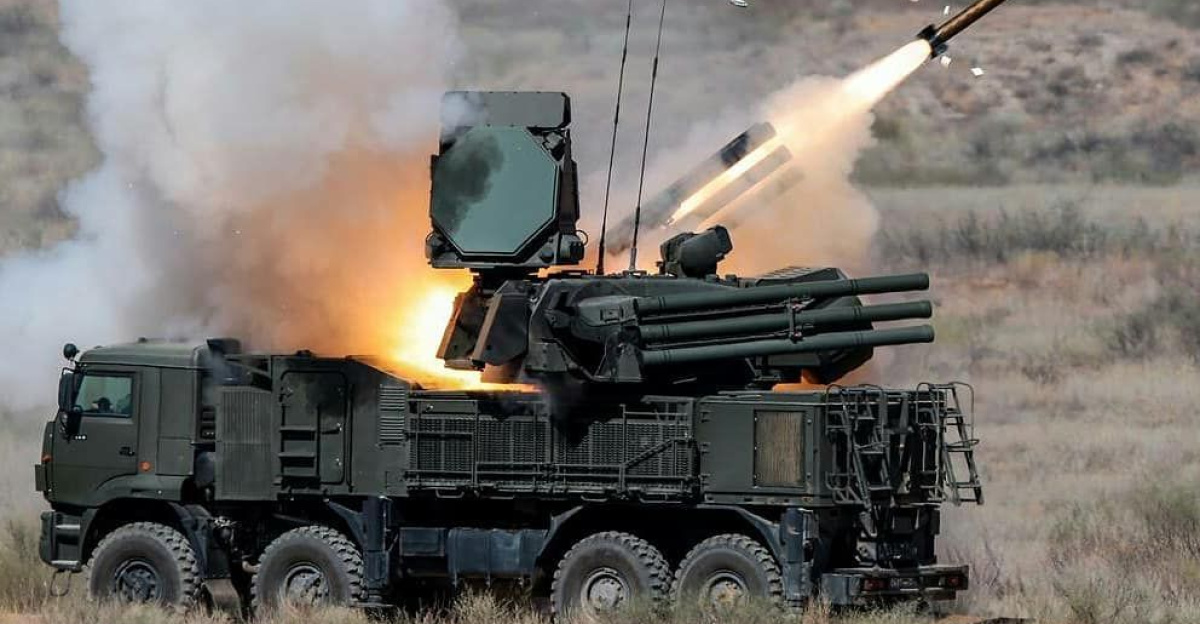
Russia’s drones have grown deadlier, too. New “wolf pack” tactics see dozens of UAVs converge from multiple directions, overwhelming sensors with simultaneous attacks.
Many of the latest models carry onboard cameras and AI guidance, letting them strike with precision even at high altitude.
A Ukrainian officer described the change: these swarms no longer come in waves, but in massive salvos. Air defense crews now face a blizzard of targets – one night in mid-2025 saw 728 drones launched in a single day. “They flew like sharks circling, then closed in,” said an air force captain. The result: even Patriot batteries, designed for high-altitude threats, struggle to intercept every threat.
Ukrainian Frustration
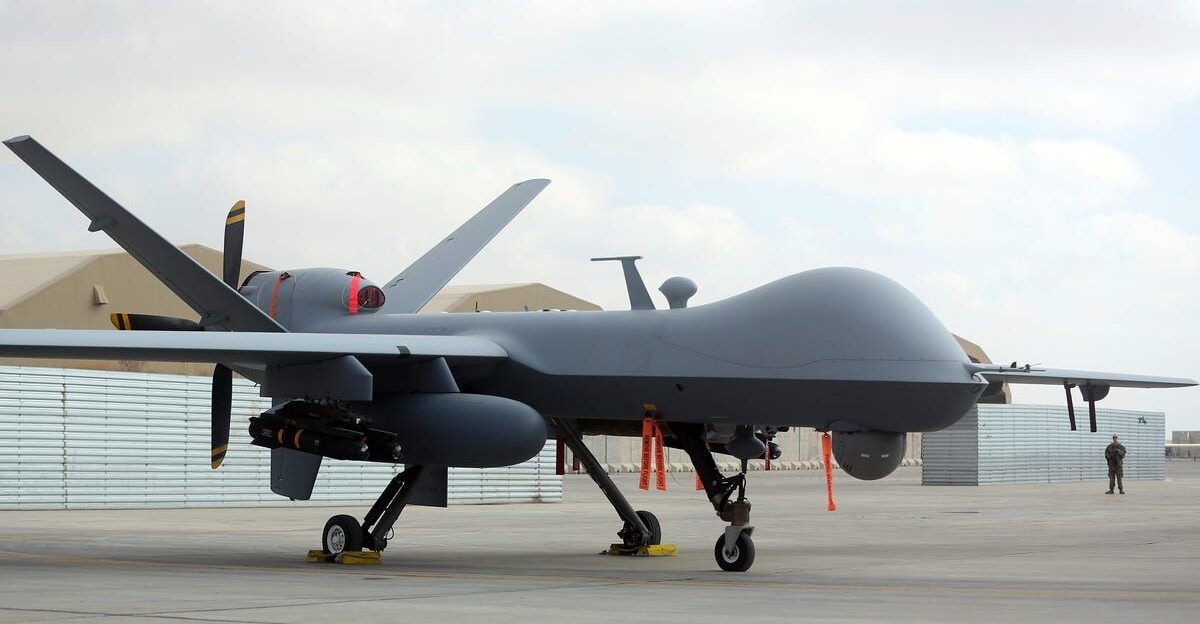
Kyiv’s leaders are exasperated by the limits of current defenses. In early September, Ukraine’s UN representative held emergency talks urging NATO to send more Patriots, especially PAC-3 interceptors. “We need hundreds more of these batteries and missiles,” she urged allies.
Each Patriot missile costs around $4 million, but without them Ukraine’s skies remain vulnerable. General Klisz of Poland noted Ukrainians fear each siren more, and without sufficient air cover, essential infrastructure stays at risk.
Finance Minister Galushchenko has repeatedly estimated that replacing air-defense missiles consumes more than the entire national energy ministry budget. Every destruction of a transformer line costs millions to repair – costs Ukraine can ill afford amid rising prices.
Defense Spending

Poland exemplifies the military build-up. In August 2025, Warsaw inked a $3.8 billion deal to upgrade all 48 of its F-16 fighters to the newest F-16V “Viper” standard. Defense Minister Władysław Kosiniak-Kamysz explained the urgency: “The current capabilities of the F-16… are insufficient against [today’s] threats,” he told a news conference.
The decade-long upgrade program (2028–2038) will add modern radars, targeting systems, and better integration with Poland’s future jets. Kosiniak-Kamysz said the work will let Poland’s F-16s operate alongside F-35s, Abrams tanks, and Apache helicopters more effectively.
This and other purchases (from HIMARS to drones) are driven by anxiety that Russian missiles and drones could soon reach Polish targets.
Allied Strategy

NATO has shifted from episodic patrols to continuous air cover in the East. The Dutch and Norwegian F-35 detachments are now part of a standing Eastern Quick Reaction Alert, coordinated under SHAPE.
Crews from the Netherlands and Norway train together, sharing radar data and procedures over NATO’s secure links. This integrated patrol network provides 24/7 surveillance along key corridors to Ukraine.
Starting December 2025, the Netherlands will add permanent ground defenses at Rzeszów–Jasionka: two Patriot batteries and a NASAMS battery (with ~300 soldiers) will form an in-depth protective “bubble” around this critical logistics hub.
Expert Assessment

Many analysts warn Ukraine’s defenses may soon be stretched thin. Russia’s drone factories can likely outpace Kyiv’s supply of interceptors: “they are easily overwhelming Ukraine’s limited air defenses,” notes a European strategist.
Atlantic Council experts note Moscow routinely launches hundreds of drones a night – figures that could swell into thousand-drone barrages by fall 2025. The Royal United Services Institute (RUSI) cautions that Russia’s grid strikes “are now in danger of achieving the Kremlin’s goal of a total blackout in Ukraine”.
Every destroyed power plant increases Ukraine’s vulnerability. If drones keep coming in multi-hundred packs, Kyiv may be forced to choose which cities to protect and which to sacrifice – a grim prospect as winter approaches.
Critical Question
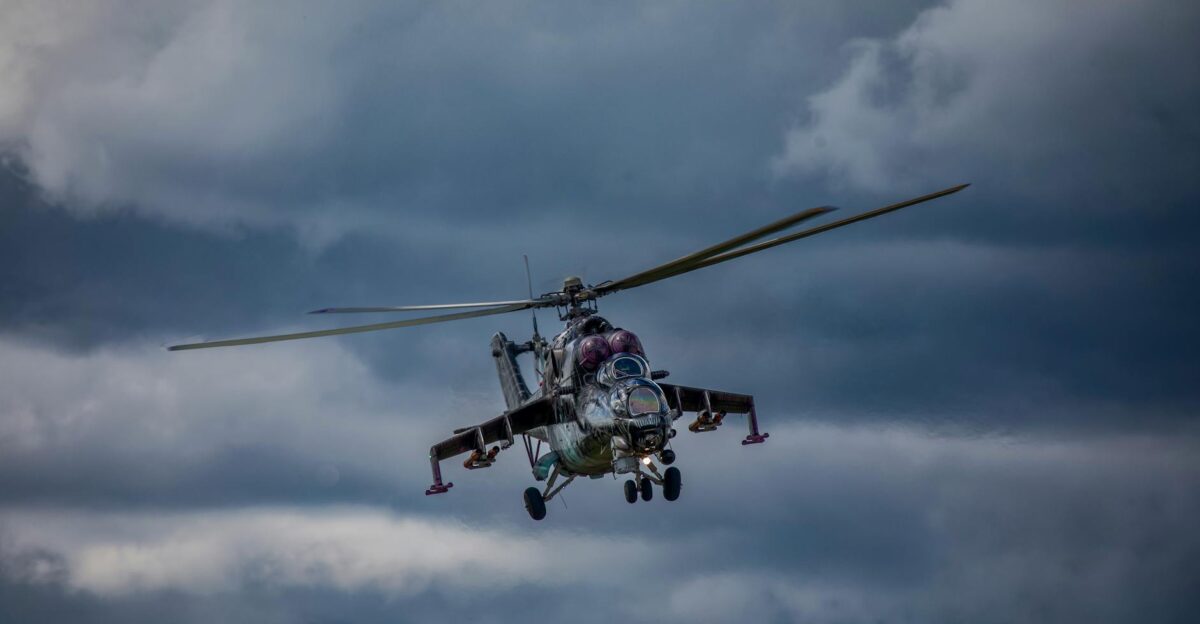
The key question looms: Can Ukraine’s air defenses withstand the predicted onslaught, or must the West step in with unheard-of support? Ukraine desperately needs more interceptors, long-range missiles, and electronic warfare systems.
If NATO cannot supply them at the needed scale, many experts fear Ukraine could face rolling blackouts and empty stores this winter.
Conversely, a massive aid infusion could blunt the drone wave. Ultimately, whether Kyiv survives another winter intact may hinge on that answer – a decision with huge consequences for Europe’s security.
Political Implications

Politically, the timing of the Sept. 3 raids was significant. EU and UN diplomats note the strikes came amid fresh peace overtures, appearing intended to derail talks. In New York, Security Council members condemned the attacks as deliberate terror against civilians – a tactic, they said, meant to undercut any move toward settlement.
European leaders echoed this view, accusing Moscow of “barbaric” escalation right as peace initiatives gained traction.
Now, the political debate in capitals is increasingly framed by these attacks: debates focus on how to balance diplomatic pressure with beefed-up defense. Many agree that lasting peace still depends on Russia showing a genuine will to negotiate, not just on technical ceasefires.
International Response
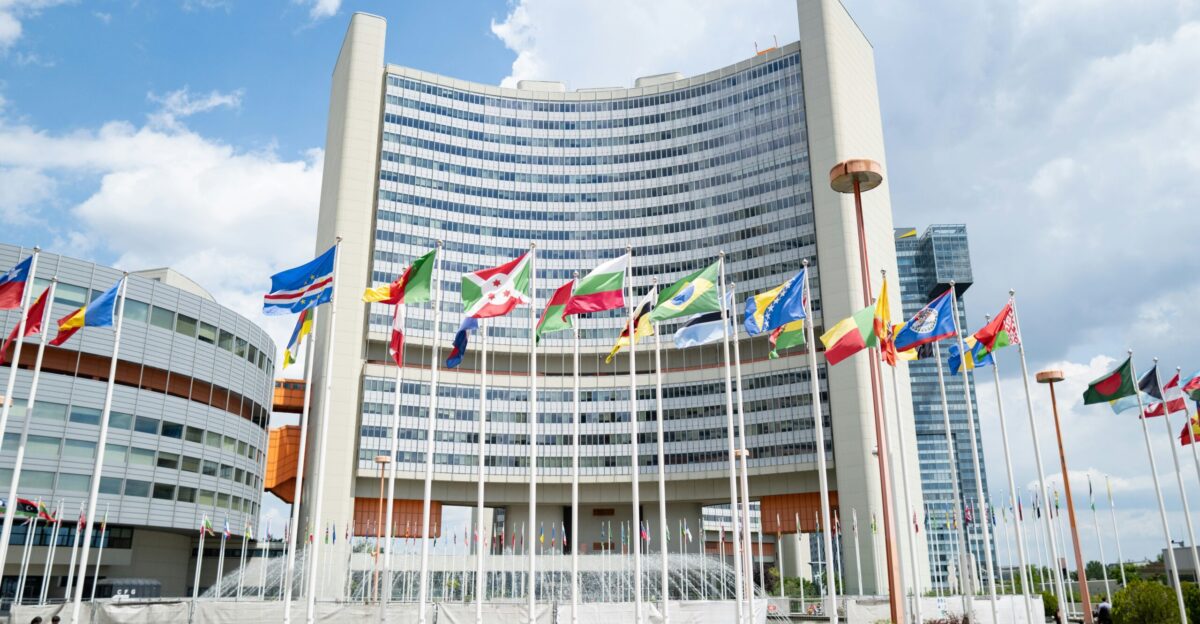
Around the world, allied governments intensified their rhetoric and aid pledges. NATO members publicly condemned the strikes in the “strongest possible terms,” calling the new attacks “senseless” and vowing they will have “consequences”.
The United Nations human rights office documented extensive civilian harm in recent raids, reinforcing calls for stronger protections. In Poland – a key NATO supporter – military leaders reported that two Russian drones briefly entered Polish airspace around Sept. 4, though neither was shot down (they posed no immediate danger).
Warsaw’s prime minister warned of “Russian recklessness” as daily events. Pressure is mounting on Washington and other capitals to expand air-defense deployments into neighboring states before the threat spawns a wider crisis.
Legal Framework

The onslaught of attacks on civilians has legal repercussions. Strikes on power and heating systems are explicitly war crimes under international law when carried out deliberately during winter. The International Criminal Court (ICC) has already indicted four senior Russian officials – including former Defense Minister Sergei Shoigu – for war crimes linked to attacks on Ukraine’s civilian infrastructure.
The ICC’s statement notes the massive scale of deliberate strikes on energy grids.
By systematically targeting electricity, Moscow is giving prosecutors strong evidence of criminal conduct. Ukrainians point to this legal pressure as one reason those who plan such attacks may be deterred from visiting friendly nations – a small comfort amid the blasts.
Cultural Impact
This drone war has seeped into daily life. Air raid sirens and shockwaves are a constant background noise. Families have learned to hunker down in seconds: “My daughter asked me each morning, ‘Mom, can I go to school today?’” said a Kyiv mother. Many children do their lessons in underground metro shelters, and some schools run full drills so students can evacuate to basements by heart.
Long power outages – often four to eight hours daily – have become routine in many towns. Psychologists describe a pervasive “state of alert” among Ukrainians. As Kharkiv resident Kateryna Talpa put it, “Even when cooking Christmas dinner, I had to shelter in the bathroom…we could hear the drones right above our home”.
UN experts say this stress is exactly the point of Moscow’s tactic: it seeks to sow terror and break morale.
Future Trajectory
The Sept. 3 escalation is not only a military test but a test of Western resolve. Putin is openly preparing for a long war and is “counting on a lack of Western resolve to confront him,” an Atlantic Council analysis warns.
Russia’s drone factories will not run dry soon, and every Patriot missile Ukraine fires brings a new cost. NATO governments now debate how long voters will shoulder rising defense bills and what help to provide.
The next chapter may hinge on whether democratic societies can sustain this commitment. As one veteran analyst notes, if Ukraine’s backers waver, Moscow may achieve its cruel aim: forcing Kyiv’s lights out in midwinter.