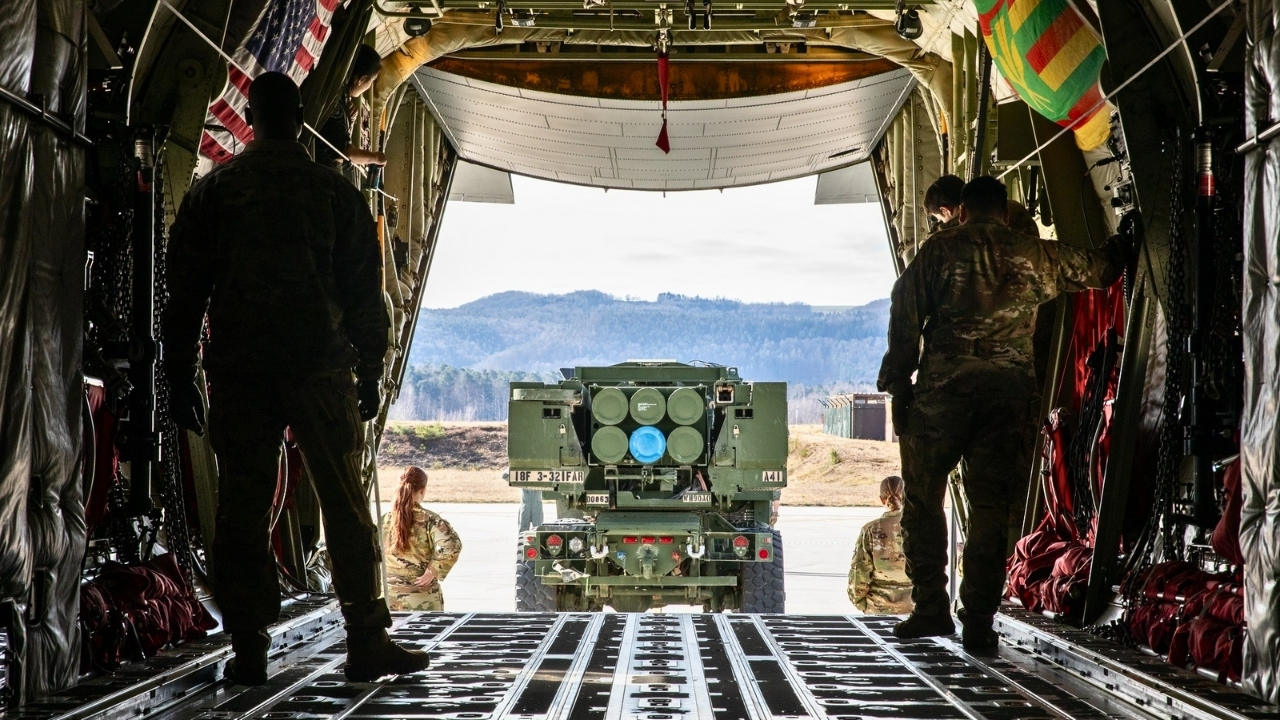
On November 22, 2025, Estonian Defense Minister Hanno Pevkur reconfirmed plans to expand Estonia’s inventory of U.S.-made HIMARS (High-Mobility Artillery Rocket Systems) from six to twelve units, a decisive move reflecting heightened military readiness as tensions with Russia intensify. The expansion, first announced in early October 2025, underscores the strategic vulnerability of a nation sharing 183 miles of frontier with Russia, making it one of NATO’s most exposed members.
The Strategic Calculus
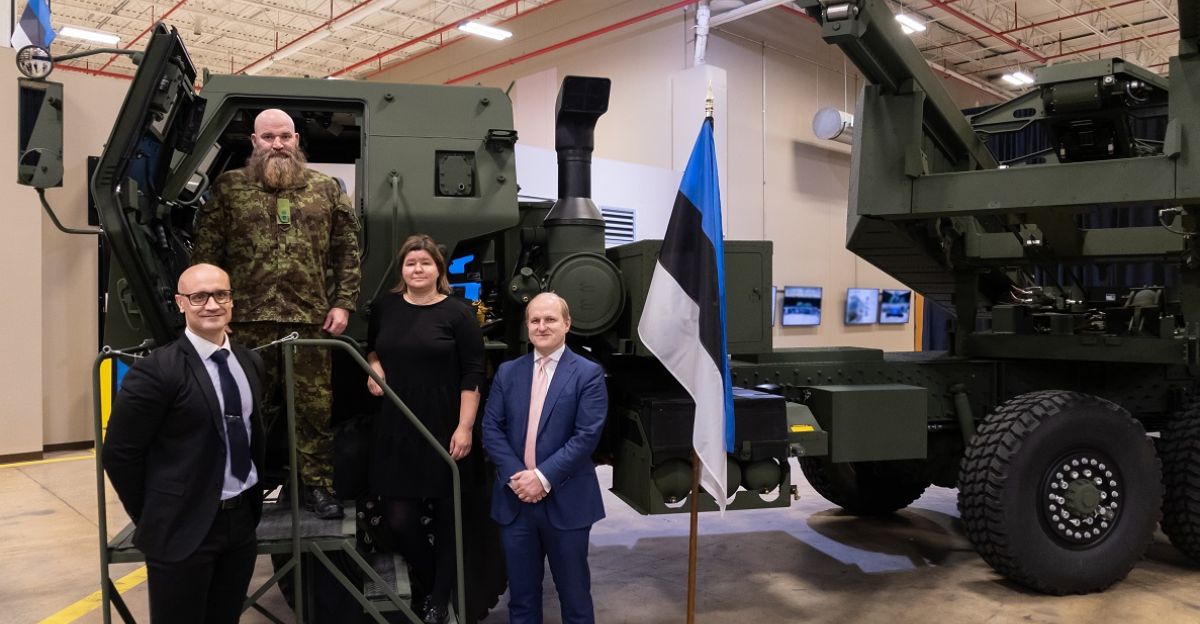
Estonia’s arsenal expansion represents far more than a routine procurement. The HIMARS systems, capable of striking targets up to 300 kilometers away, provide NATO forces with precision strike capabilities that proved decisive in Ukraine. After observing how these launchers transformed battlefield dynamics through accurate, far-reaching strikes, Baltic officials accelerated their own acquisitions. The additional six units are planned for delivery between 2028 and 2029, with the first batch of six already accepted in April 2025 under a $200 million contract signed in 2022.
This expansion reflects a broader regional coordination unprecedented in Baltic military history. Collectively, Estonia, Latvia, and Lithuania have now ordered 26 HIMARS launchers. Latvia expects six units by 2027, while Lithuania will receive eight starting in 2025. Together, these three NATO members are fundamentally reshaping the military balance in Eastern Europe.
Regional Context and NATO Support
NATO has firmly supported Estonia’s decision, reiterating the alliance’s commitment to collective defense under Article 5. The introduction of advanced artillery systems aligns with NATO’s deterrence strategy and reassures member states in Eastern Europe. With this acquisition, Estonia can now target key military installations deep inside Russian territory if needed, fundamentally altering the military geometry of the entire Baltic region.
The Pentagon remains the final authority on all foreign HIMARS sales, ensuring compliance with alliance strategies and export controls. Lockheed Martin, the system’s manufacturer, faces heavy global demand, but U.S. officials have described Baltic orders as top priority. NATO is simultaneously building new logistics networks to move munitions, spare parts, and personnel across the region, with joint training underway among Estonian, Latvian, and Lithuanian units conducting live launches and coordinated deep-strike missions.
Russian Objections and Escalation Risks

Russian officials have expressed strong objections to Estonia’s military expansion. On July 14, 2025, Kremlin spokesperson Dmitry Peskov stated that Russia intends to “firmly defend its legitimate interests in this region,” characterizing Baltic military actions as “provocative.” Peskov said: “The Baltic region is tense due to the aggressive policies of European coastal states. Russia intends to firmly defend its legitimate interests in this region. The fact that many countries are engaged in provocative actions there is an obvious reality.” Russian media labeled the Estonian military buildup as provocative, while military analysts warn that the ongoing expansion could escalate tensions and alter regional military calculus in unpredictable ways.
Security experts point to Russia’s increased air and naval activity near Baltic airspace and the aftermath of its invasion of Ukraine as context for these concerns. The lessons from Ukraine have driven Baltic policymakers to accelerate procurement timelines and prioritize advanced weaponry in their defense strategies.
The Human Dimension
Beyond military calculations, Estonia’s decision carries profound implications for ordinary citizens. Border region residents, particularly in towns like Narva situated just a few hundred meters from Russia, express anxiety over potential retaliation. Local officials report rising requests for preparedness training, and communities are conducting civil defense drills while stockpiling emergency supplies. This sentiment reveals the delicate balance between national security and community safety as military readiness intensifies.
Defense Minister Hanno Pevkur articulated the strategic rationale: “The eastern flank is the front door of NATO, so we need to keep it closed.” This statement encapsulates both national pride and strategic anxiety over allied readiness in a turbulent geopolitical environment.
Looking Forward
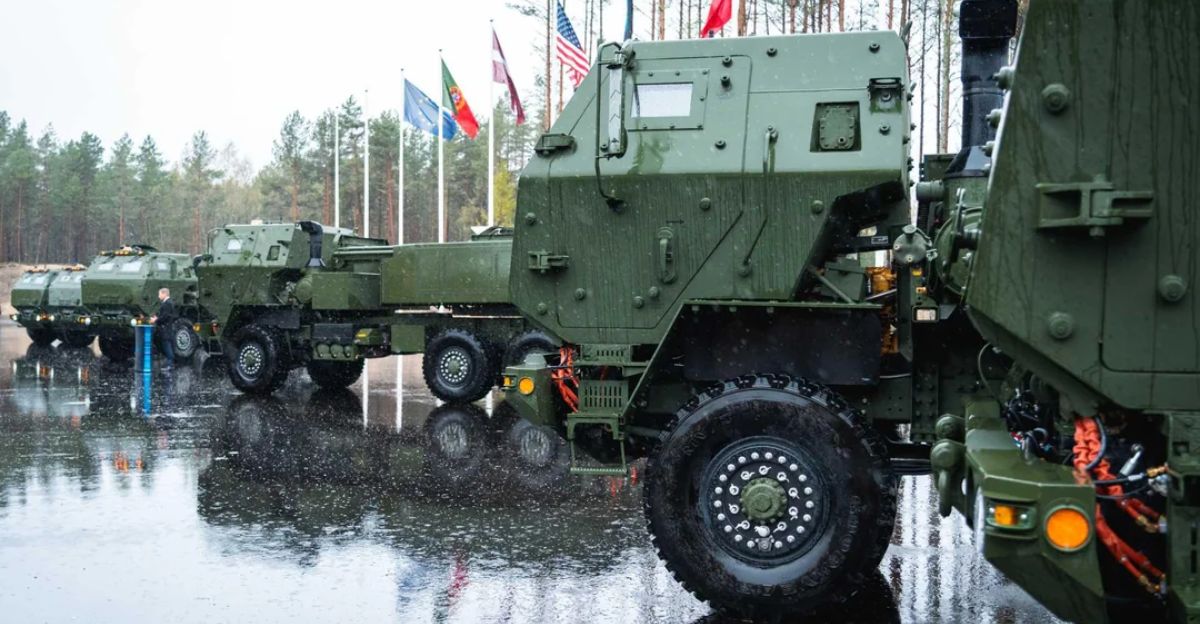
Estonia’s decision to double its HIMARS arsenal resonates far beyond its borders, reflecting a shifting security landscape in Eastern Europe. As NATO enhances military readiness, the interplay between armed force and diplomacy will define future relations with Russia. The ongoing conflict in Ukraine continues to shape perceptions of security, driving NATO to re-evaluate its strategies and prioritize frontline member states. Military planners emphasize flexibility, with new systems distributed along strategic corridors and integrated into NATO’s sensor and command networks. Whether this military buildup ultimately strengthens deterrence or escalates tensions remains a critical question as the region navigates an increasingly complex security environment.
Sources
Breaking Defense – Estonia HIMARS Procurement Analysis (November 2025)
Kyiv Independent – Russia Response to Baltic Military Buildup (July 2025)
Estonian Defence Ministry – Official HIMARS Delivery Announcement (April 2025)
NATO – Baltic Defense Strategy and Collective Security Statement (November 2025)
Army Recognition – US Military Support to Estonia Analysis (November 2025)
Propastop – Russian and Western Media Coverage of Baltic Tensions (August 2025)