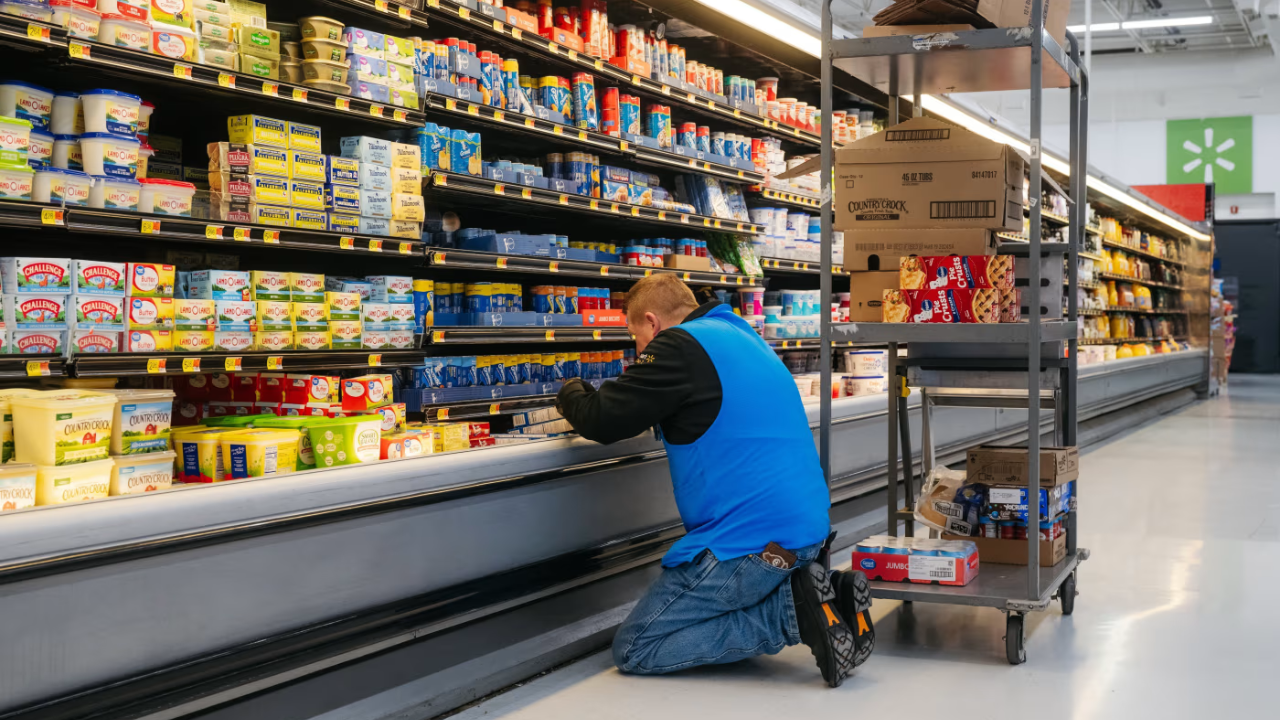
Imagine standing in a grocery aisle, searching for your usual shredded mozzarella, when you spot an unexpected sign: “Recall Notice.” Over 1 million bags of shredded cheese have been pulled from shelves after metal fragments were discovered inside.
The warning is everywhere—Walmart, Target, Aldi, and dozens of other stores now bear the impact of a nationwide recall. Consumers are left wondering: How did this happen, and what’s next for their favorite store-brand cheeses?
Metal Contamination Forces Swift Action
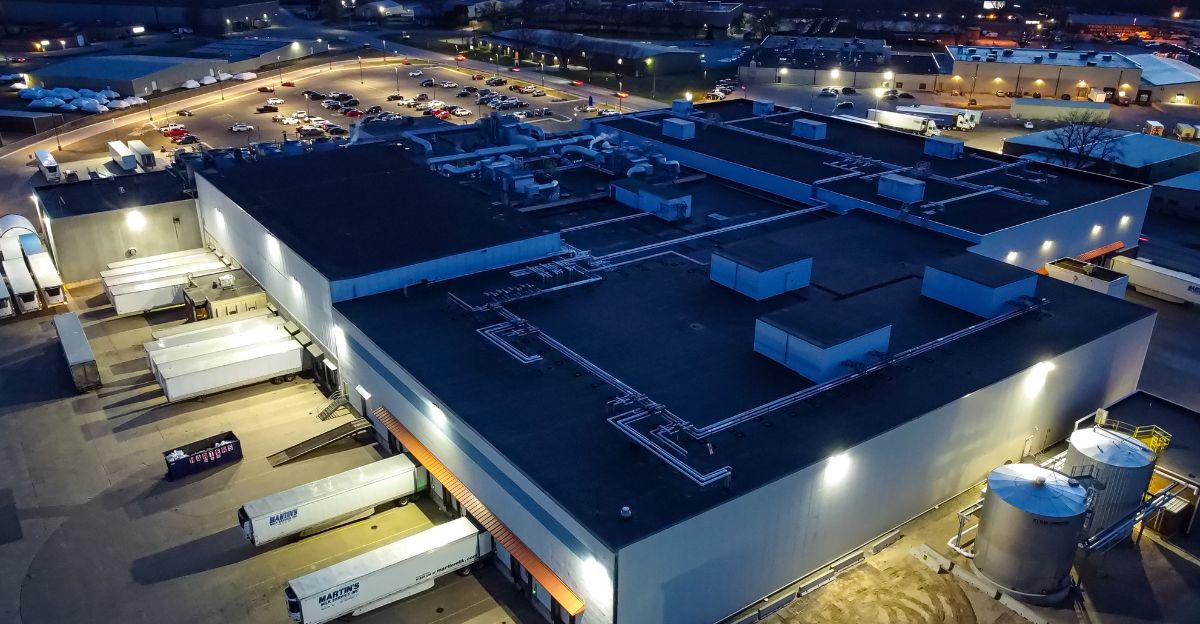
The recall was initiated by Great Lakes Cheese on October 3, 2025, following the discovery of metal fragments in shredded mozzarella and Italian-style cheese blends.
The FDA classified the recall as a Class II risk, warning of potential temporary injuries associated with consumption. This type of contamination can raise significant concerns among consumers, especially given the numerous brands involved.
Shoppers Confront Empty Shelves
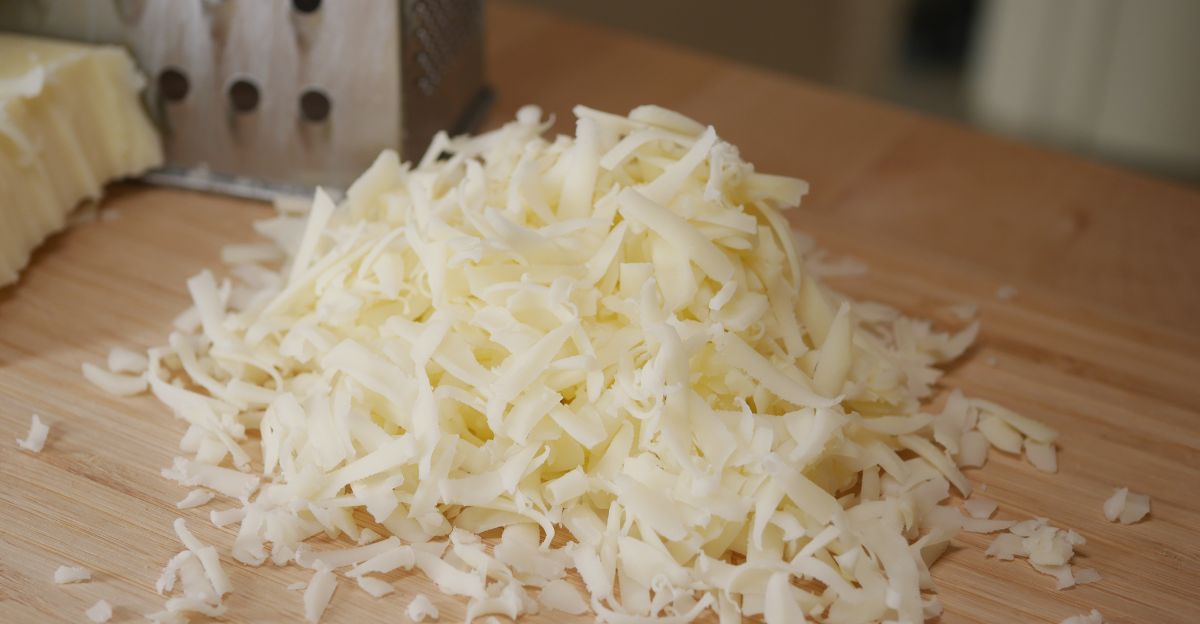
As the recall affects shredded cheese sold under brands like Walmart’s Great Value and Target’s Good & Gather, shoppers in 31 states and Puerto Rico are seeing familiar products vanish from dairy sections.
This sudden shortage raises concerns about the reliability of store brands and forces families to quickly find alternatives, challenging everyday shopping routines.
Behind the Scenes at Retailers
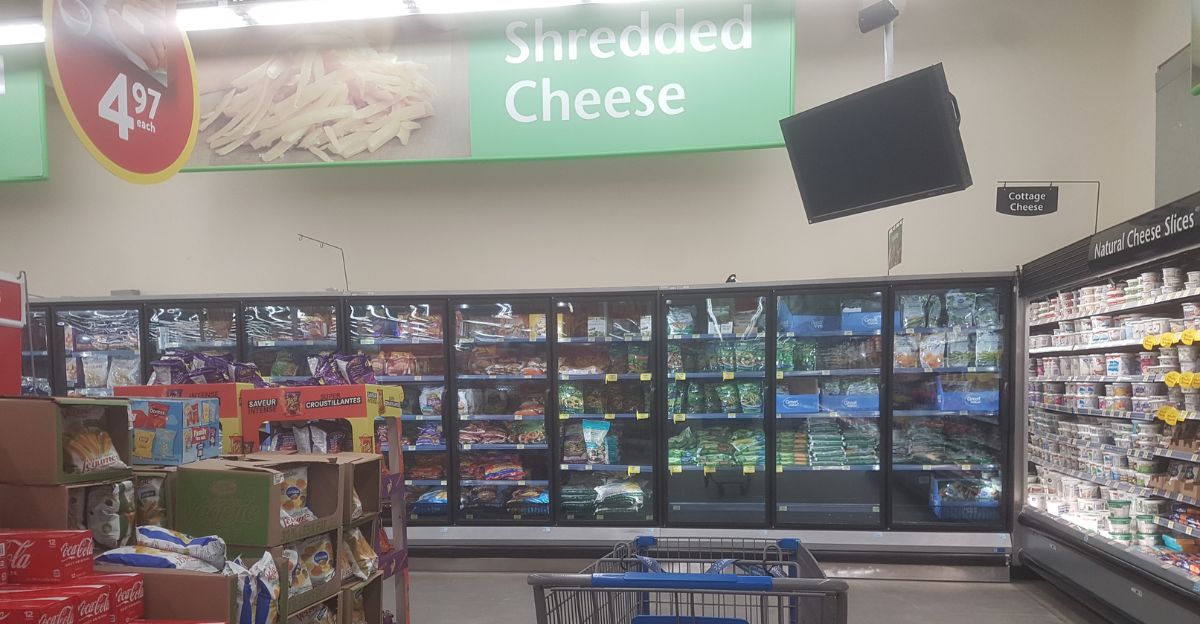
Retailers like Walmart, Target, Aldi, and Publix worked quickly to remove the affected bags from shelves, issue refunds, and update their recall pages.
With so many private-label products affected, the incident highlights the vulnerabilities of centralized supply chains. One manufacturing issue at Great Lakes Cheese disrupted countless grocery brands across the U.S.
Supply Chain Visibility Emerges
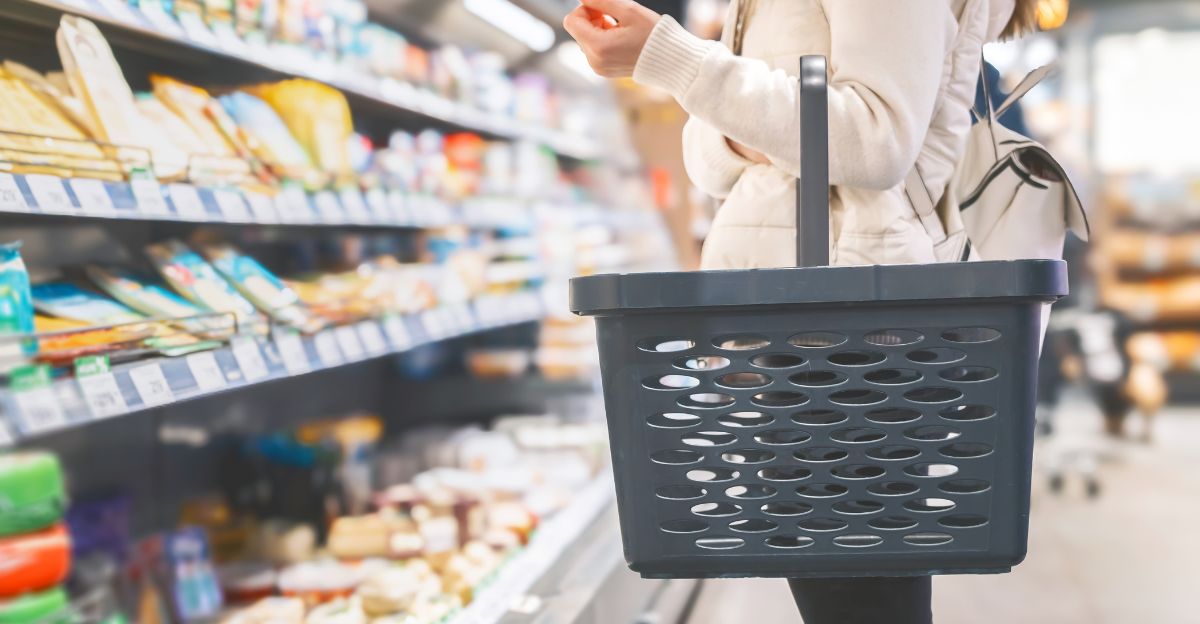
The recall demonstrates how interconnected the food supply system has become. A single manufacturing facility can service dozens of retailers simultaneously, meaning one quality issue cascades through multiple distribution networks.
This incident has prompted many industry observers to examine supply chain transparency and traceability measures.
Disruption Across Retail Sectors
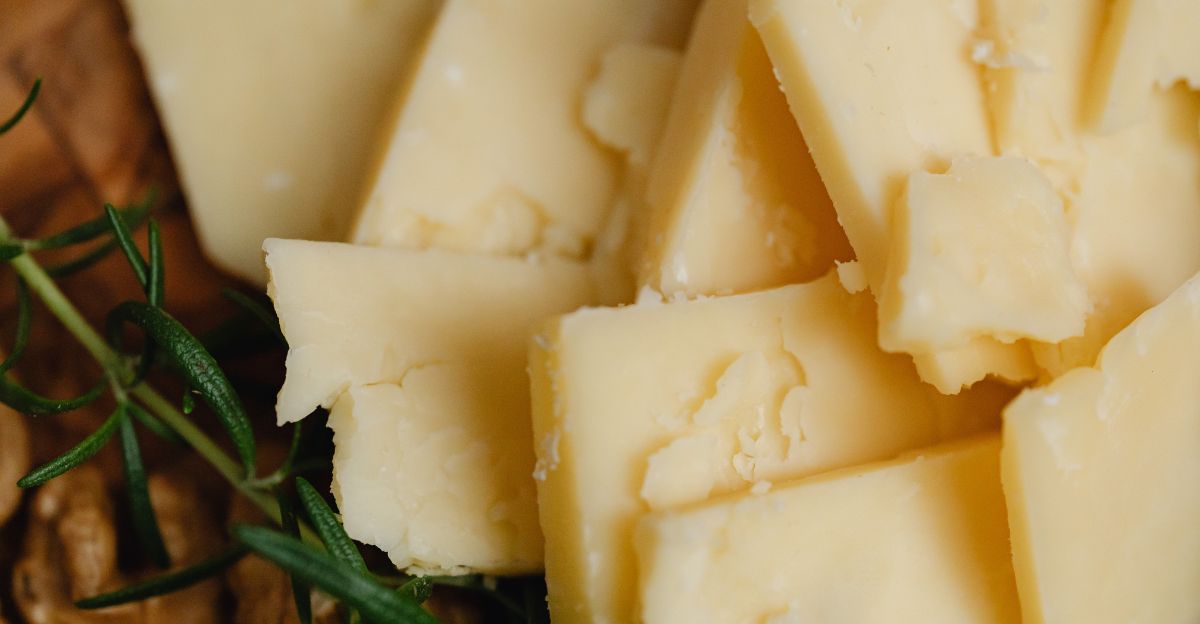
Shoppers across multiple retail channels—from supermarkets to warehouse clubs—are experiencing product shortages.
The breadth of affected retailers underscores how centralized cheese manufacturing has become in the United States. Many consumers are exploring alternatives while waiting for product availability to normalize.
One Manufacturer, Many Brands
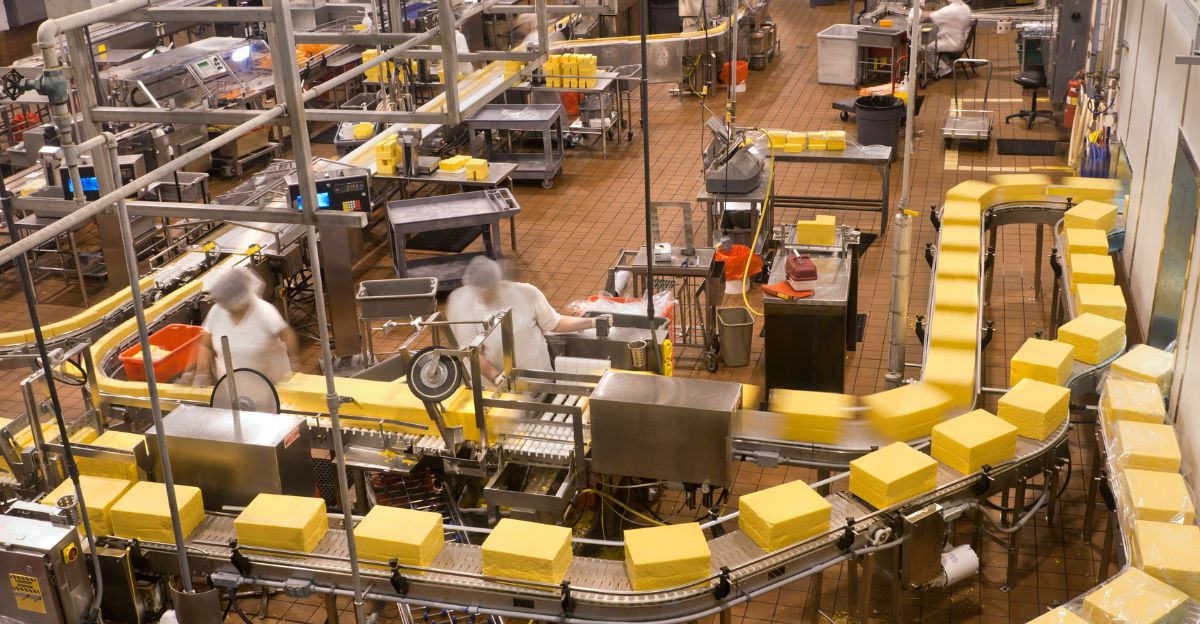
The recall underscores the complex nature of the food supply chain. Great Lakes Cheese, based in Ohio, manufactures cheese for over 30 different store brands, including those from Walmart, Aldi, and Albertsons.
This means one production flaw can affect a wide range of products, making it a logistical nightmare for affected retailers.
FDA’s Response and Class II Reclassification
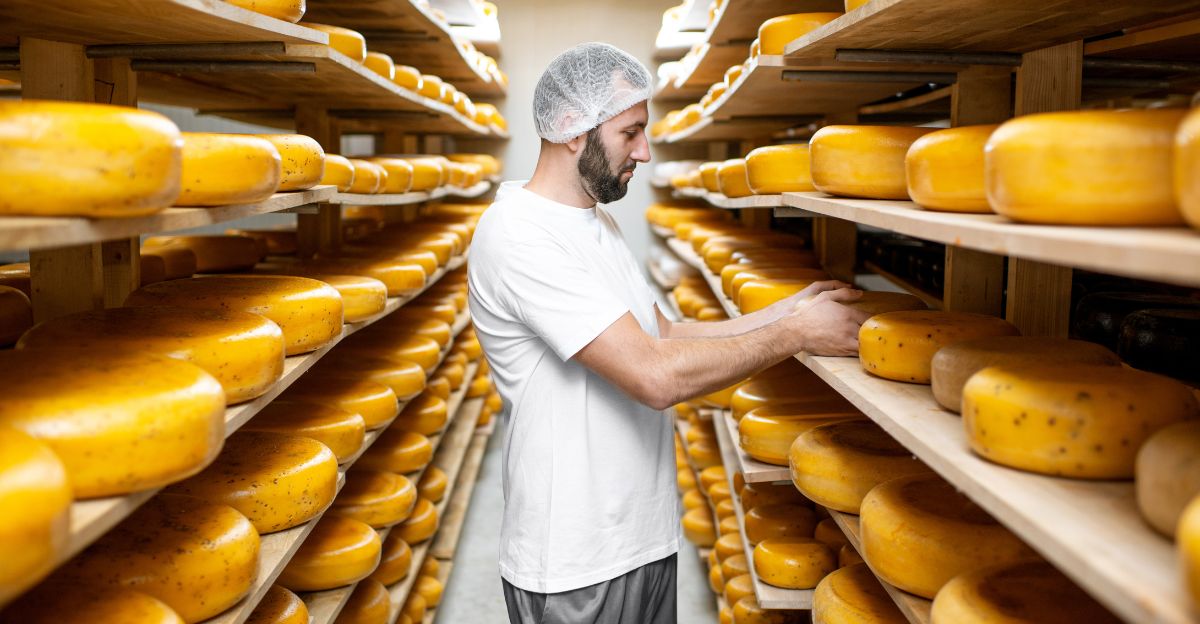
On December 1, 2025, the FDA reclassified the recall to Class II, heightening the seriousness of the situation. This reclassification increases the focus on quality controls for co-packers handling high-volume dairy products, making it clear that the government is taking this contamination seriously and reinforcing future standards for food safety.
“All recalled products have been removed from markets and replaced with new products. Further, the products currently on retail shelves are safe to consume and not associated with the October recall,” Great Lakes Cheese said in a statement on Dec. 3. “While the status of the recall is marked as ongoing in the enforcement report, our records show all product has been fully removed from store shelves.”
Market Impact and Availability

Product availability remains limited as retailers work to restock shelves. The temporary reduction in shredded cheese supply may create short-term adjustments in consumer purchasing patterns. Industry analysts continue to monitor how quickly supply normalizes and when affected product lines return to store shelves.
The FDA report lists low-moisture part-skim mozzarella shredded cheese, packaged in plastic bags, under the following names:
Always Save: Shredded, 5 lb., UPC 7003865782
Borden: Shredded, 8 oz., UPC 5300007162 (6 or 12/case), Thick Cut, 8 oz., UPC 5300007170 (6/case)
Brookshire’s: Finely Shredded, 8 oz., UPC 9282510119, Shredded, 8 oz., UPC 9282510120 (12/case), Shredded, 32 oz., UPC 9282510130 (6/case), Thick Cut, 8 oz., UPC 9282592197 (12/case)
Cache Valley Creamery: Shredded, 8 oz., UPC 7495802553
Chestnut Hill: Fancy Shredded, 8 oz., UPC 3225116742
Coburn Farms: Shredded, 8 oz., UPC 5193331657, Shredded, 12 oz., UPC 5193321820, Shredded, 32 oz., UPC 5193334257
…among others.
Reconsidering Food Safety Standards
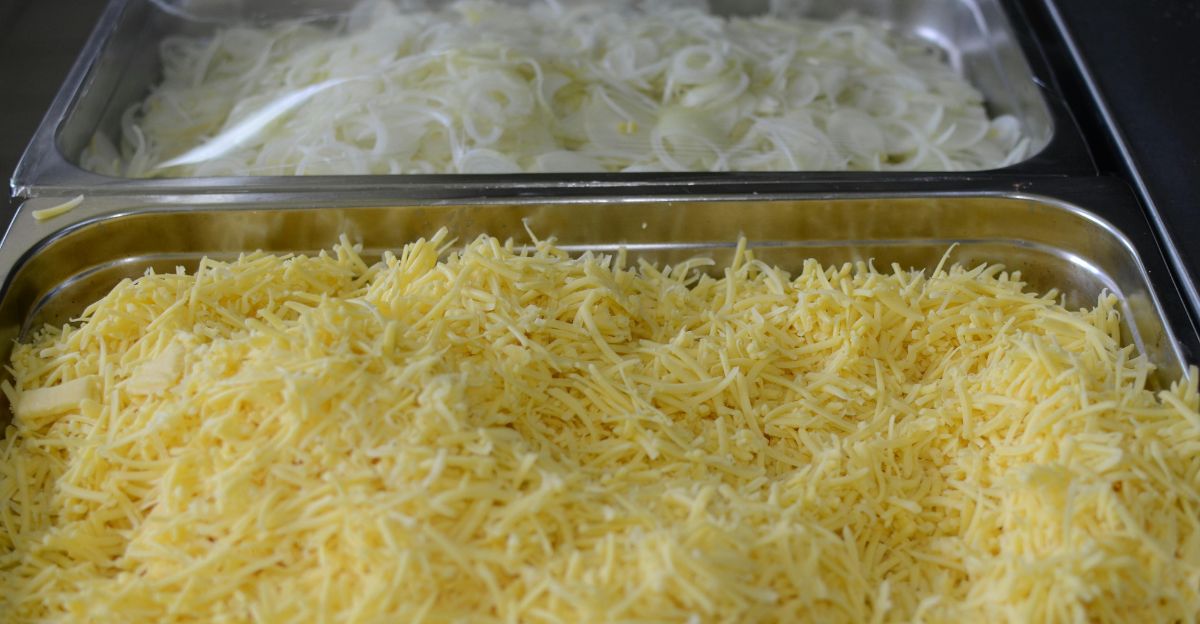
The recall forces consumers and industry stakeholders to examine current food safety protocols. Quality control processes at manufacturing facilities, particularly those handling multiple brands, have become a focal point for industry discussion.
This incident may influence future regulatory standards for high-volume cheese production.
The Impact on Store Brands
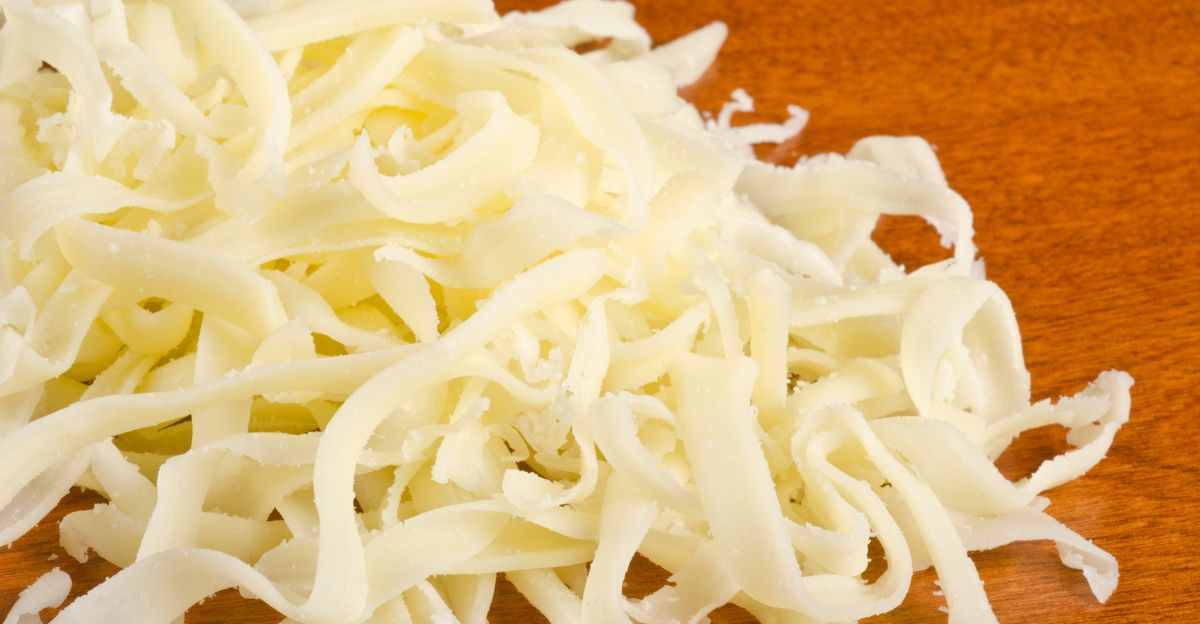
Store brands are heavily reliant on consumer trust. The recall, affecting major store names like Walmart’s Great Value and Target’s Good & Gather, will likely prompt a reevaluation of how private-label manufacturers communicate quality assurance.
The public’s response to this recall may shape future retailer strategies for brand protection.
Regulatory Standards in Focus
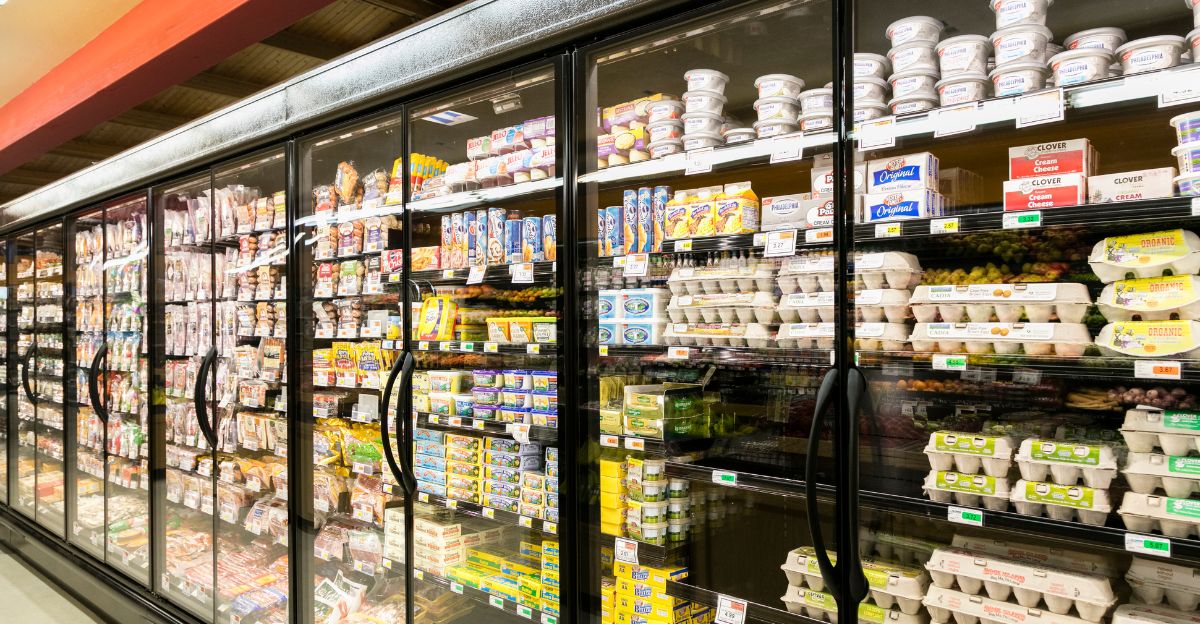
The swift action by Great Lakes Cheese and the FDA’s reclassification demonstrates the regulatory framework’s responsiveness to food safety threats.
This incident underscores the importance of traceability and rapid response protocols in protecting public health. How quickly problems are identified and communicated remains critical to consumer safety.
Winners and Losers in Distribution
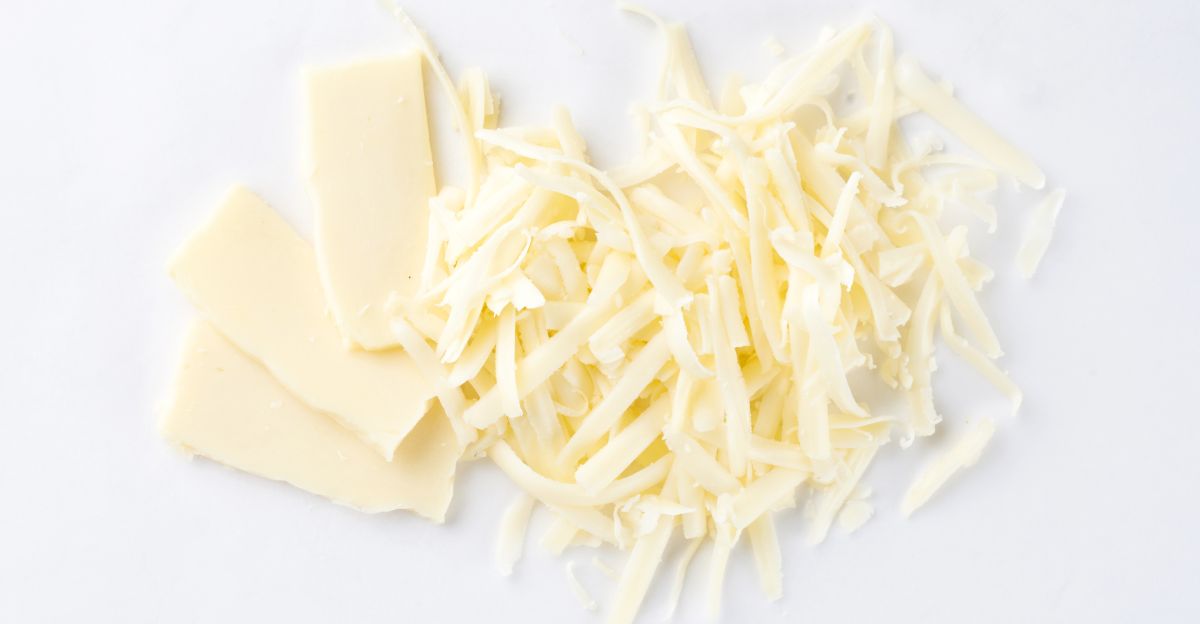
The recall creates market dynamics where some producers benefit from increased demand while others face supply constraints.
National cheese brands and alternative suppliers may experience temporary demand shifts as consumers seek replacement products. Retailers are adjusting inventory strategies to accommodate changing product availability.
What Consumers Should Do
Consumers who have purchased affected shredded cheese are urged to check their products against recall lists and either discard or return them for refunds.
Those who have stockpiled recalled products in their freezers should act quickly to avoid health risks. Signing up for recall alerts can also help stay informed and reduce future risks.
The Future of Food Recalls

Great Lakes Cheese has removed all recalled products from the market and replaced them with safe items, but the fallout from this recall will have long-lasting effects.
How retailers, regulators, and consumers handle the aftermath will set the stage for how future recalls are managed, particularly in ensuring fast responses and transparency. Industry observers expect this incident will drive continued discussion about food safety protocols and supply chain resilience.
Sources:
FDA Enforcement Report for December 2025; FDA Class II Recall Event ID 95166
Great Lakes Cheese Company Voluntary Recall Announcement (October 3, 2025)
U.S. Food and Drug Administration Recall and Safety Alerts Archive