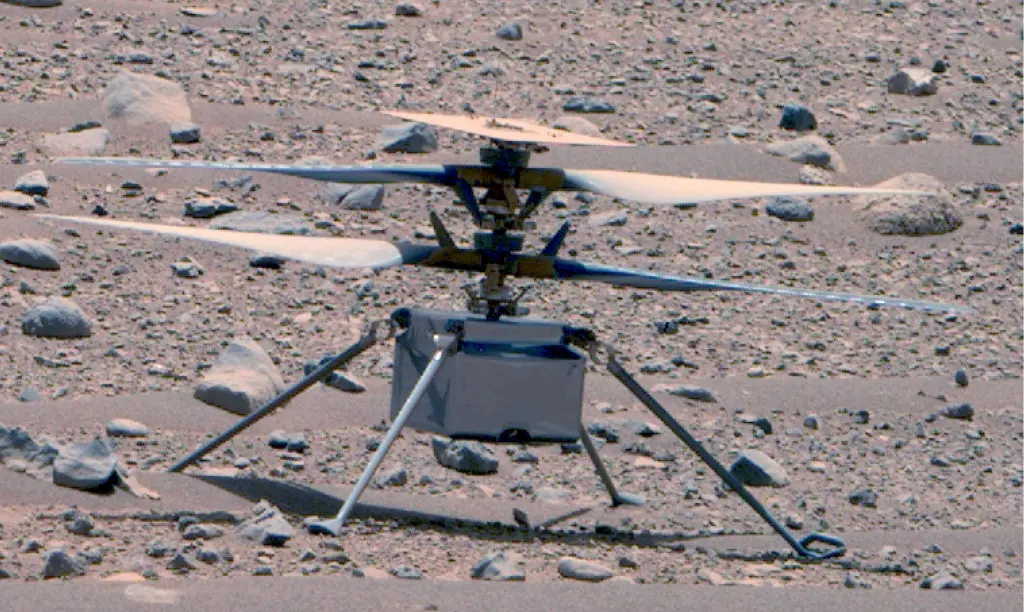
After surviving far beyond every expectation, NASA’s Ingenuity Mars Helicopter completed its final flight on January 18, 2024. The tiny rotorcraft had just finished another routine hop when communications dropped roughly three feet above the Martian surface.
Contact returned the next day, but the mission’s fate was sealed. Imagery later confirmed damage to its rotor blades, ending one of the most improbable technology demonstrations in space exploration history.
Built for 30 Days, Flew for Nearly Three Years
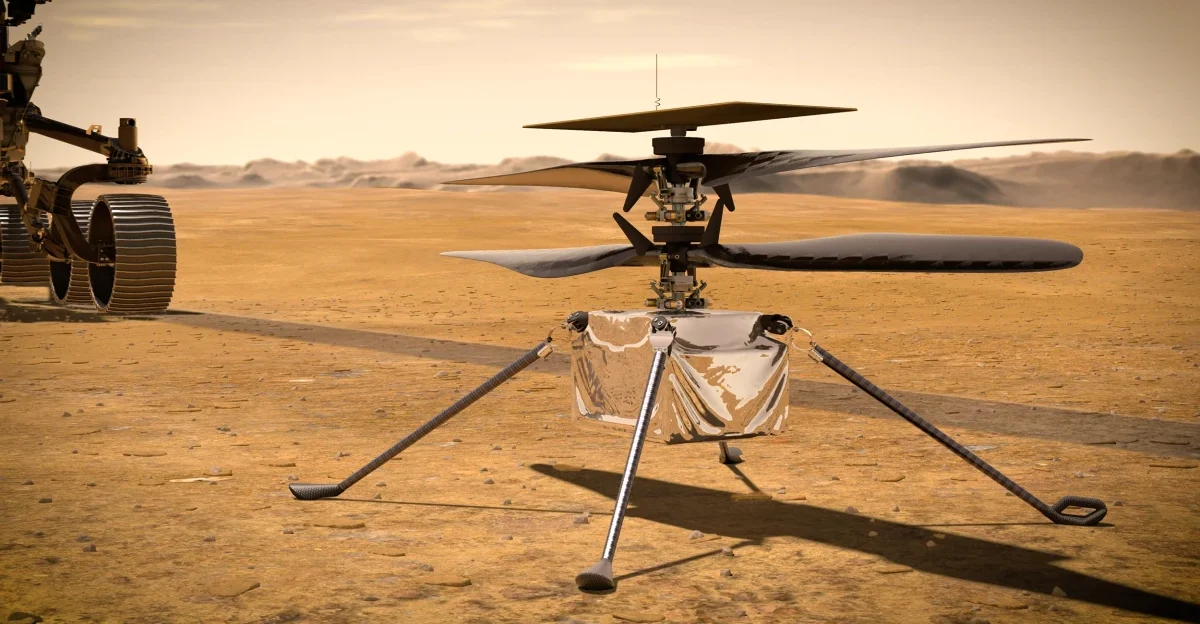
Ingenuity was never meant to last. The helicopter was designed for just five experimental flights over a 30-day window. Instead, it operated for 1,004 Martian days—nearly three Earth years.
Over that span, it flew 72 times, traveled more than fourteen times farther than planned, and logged over two hours of powered flight on another planet. What began as a brief test became a sustained, historic mission.
The First Aircraft on Another World
Ingenuity earned its place in history on April 19, 2021, when it achieved the first powered, controlled flight on another planet. The moment was widely described as Mars’ “Wright Brothers” event.
The helicopter even carried a small swatch of fabric from the 1903 Wright Flyer, linking the earliest days of aviation on Earth to humanity’s first steps into extraterrestrial flight.
Operating Where Flight Shouldn’t Work
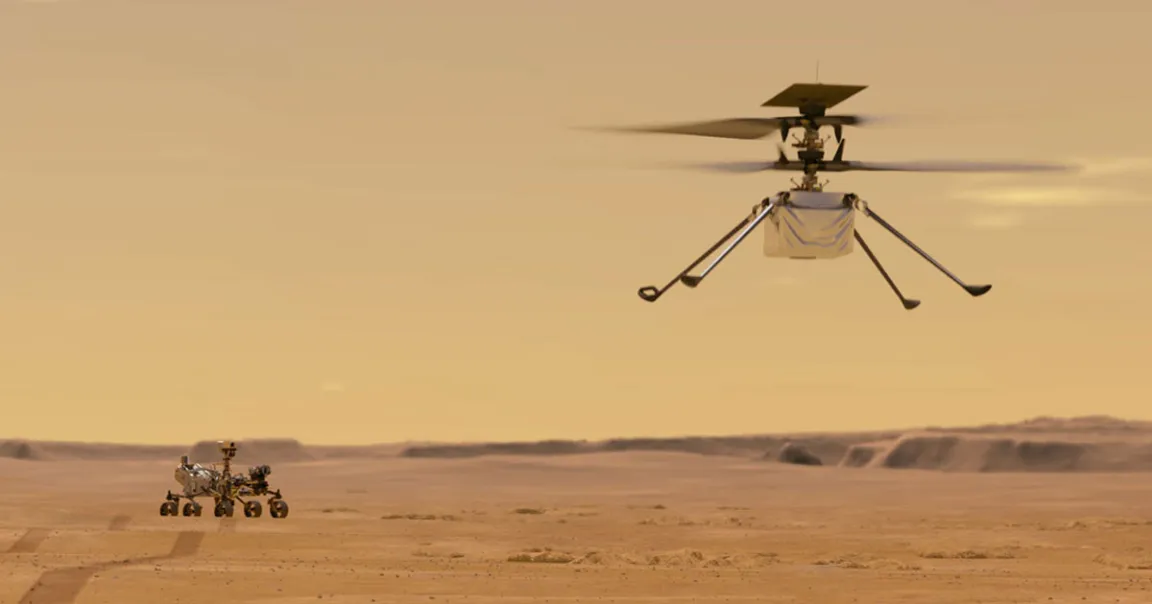
Mars presents extreme challenges for flight. Its atmosphere is about one percent as dense as Earth’s, forcing Ingenuity’s rotors to spin at extraordinary speeds.
Nights routinely plunged toward minus 100 degrees Fahrenheit, threatening electronics and batteries. Dust storms coated solar panels and sensors. None of these conditions were part of the helicopter’s original design envelope—yet Ingenuity endured them again and again.
A Technology Demo Becomes a Mission Asset
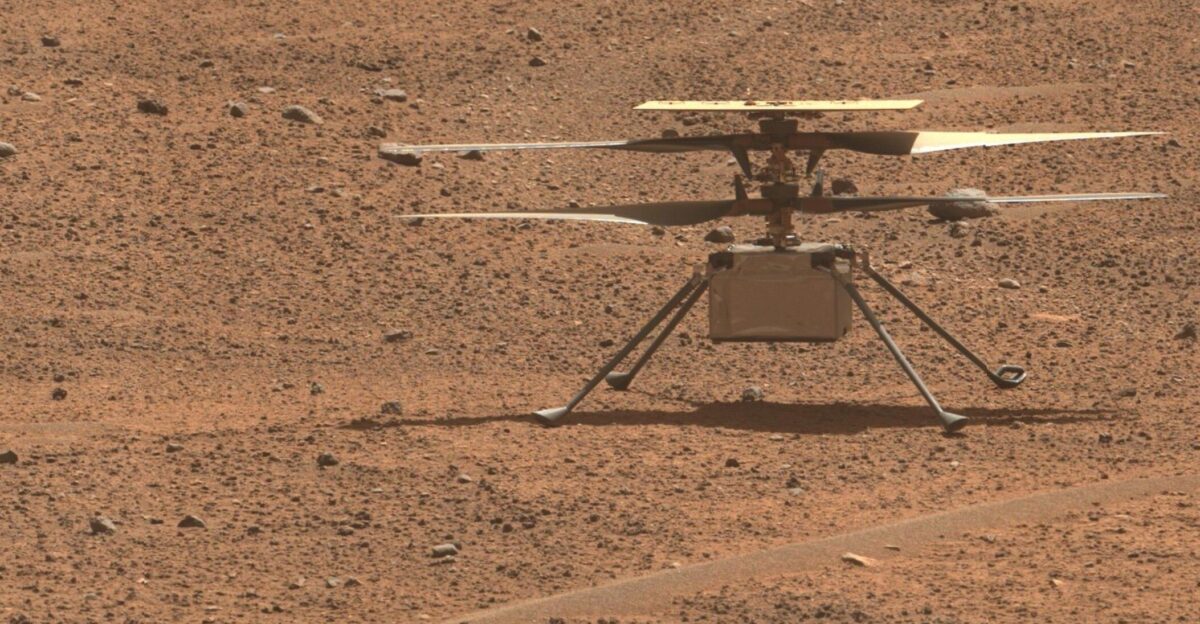
What surprised engineers most was how useful Ingenuity became. Originally meant only to prove flight was possible, it evolved into a critical scout for the Perseverance rover.
From the air, Ingenuity identified safe routes, mapped hazards, and highlighted scientifically valuable terrain. Its ability to cover large distances in minutes fundamentally changed how surface exploration was planned at Jezero Crater.
A Network of Martian Airfields
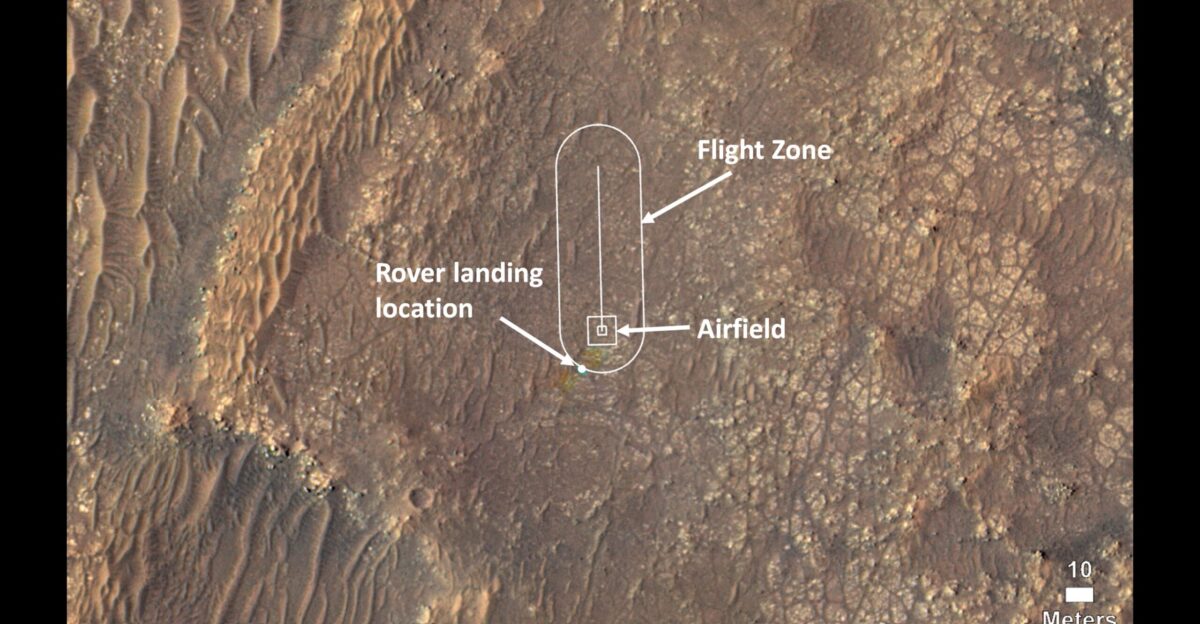
Across its mission, Ingenuity operated from 48 different landing sites, effectively creating the first network of airfields on another planet.
It performed three emergency landings, each time recovering and returning to flight. Every takeoff and touchdown refined NASA’s understanding of autonomous flight, navigation, and hazard avoidance on alien terrain where human intervention was impossible.
The Final Flight Begins Normally
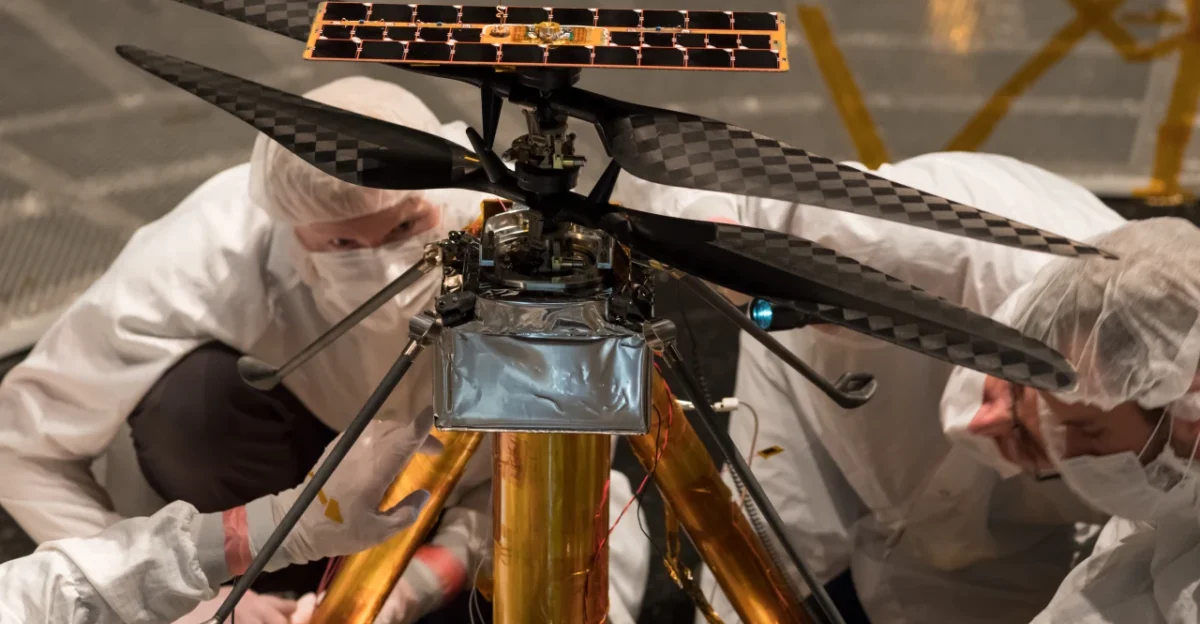
Flight 72 initially appeared routine. Ingenuity climbed to about 40 feet, hovered briefly, and began its descent. During the landing phase, however, communications dropped unexpectedly.
When contact resumed the following day, the helicopter remained upright and responsive—but it would never fly again. The mystery centered on what happened in the final seconds before touchdown.
A Navigation Breakdown Near the Surface
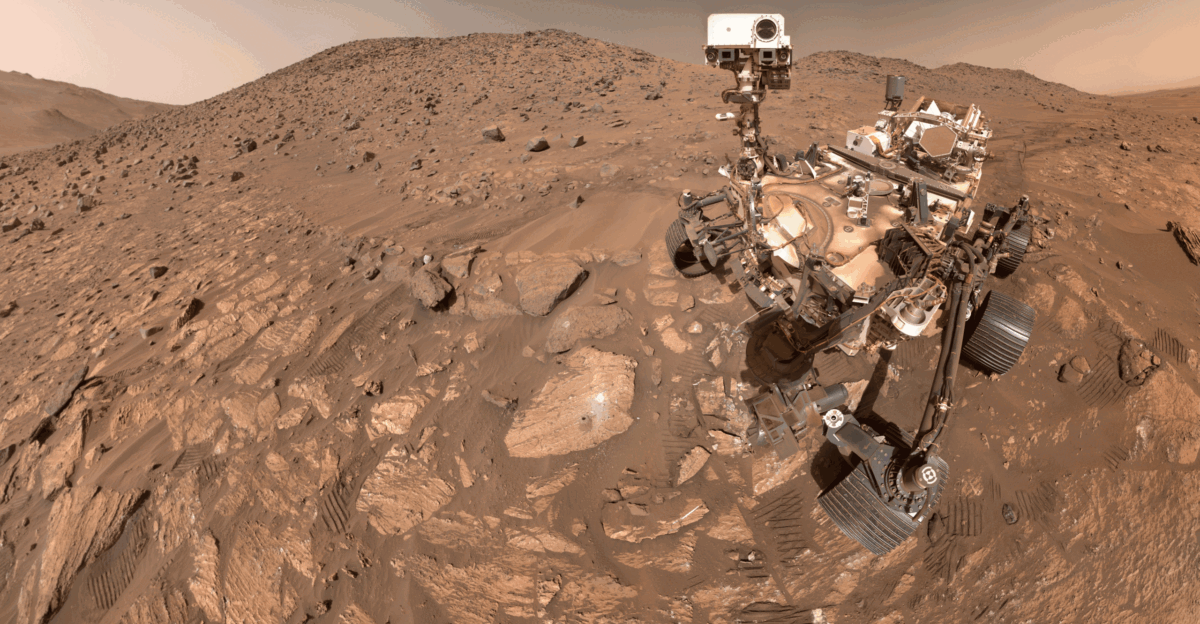
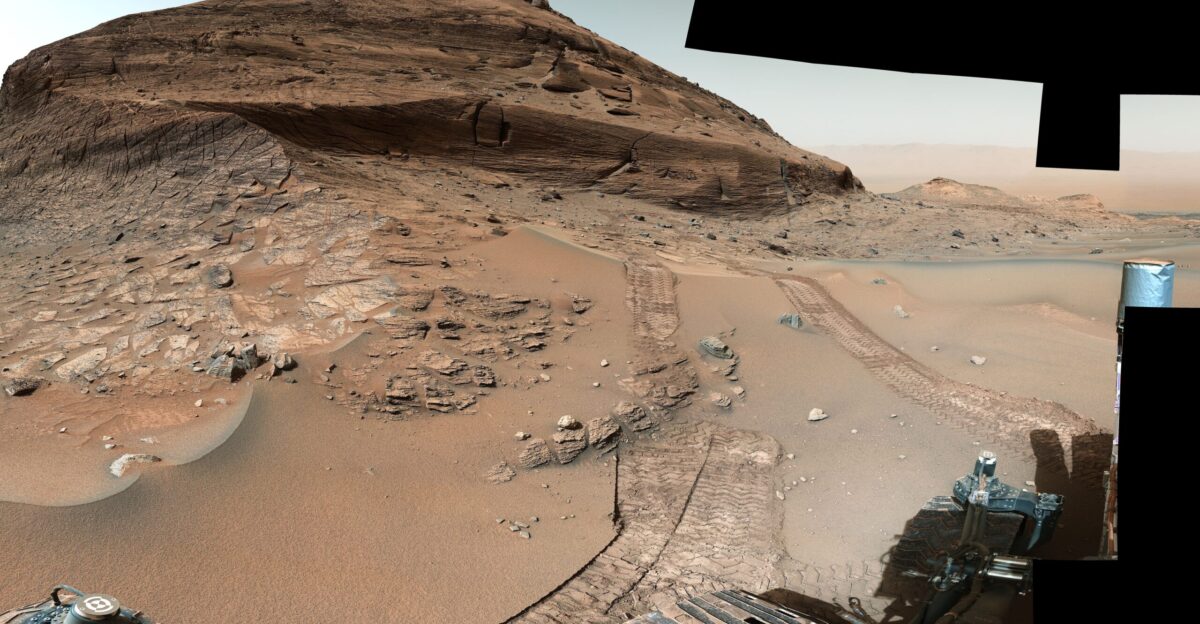
Post-flight analysis revealed a critical vulnerability. Ingenuity was descending over sand ripples with few visual features. Its navigation camera relies on surface patterns to calculate speed and altitude.
Without enough reference points, the system could not accurately track motion. As a result, the helicopter touched down with higher horizontal speed than intended.
Rotor Blades Pushed Beyond Their Limits
The uneven, fast landing triggered sudden pitch and roll motions. Those forces pushed Ingenuity’s carbon-fiber rotor blades beyond their structural limits.
All four blades were damaged, with at least one snapping roughly a third of the way from the tip. Excessive vibration and power demand followed, permanently grounding the aircraft despite its electronics remaining largely functional.
A Mission That Ended, Not Failed

NASA formally declared Ingenuity’s mission complete on January 25, 2024. Engineers emphasized that the helicopter did not fail—it exceeded its objectives by an extraordinary margin.
Designed to fly five times, it flew seventy-two. Built for one month, it survived nearly three years. The final landing did not erase success; it confirmed the risks of pushing new frontiers.
Why Ingenuity Lasted So Long
One of the mission’s biggest surprises was durability. Ingenuity used many off-the-shelf components never intended for deep-space longevity.
Through clever power management, autonomous survival strategies, and constant software updates from Earth, the helicopter endured dust storms, brutal winters, and repeated system brownouts that should have ended the mission many times over.
Lessons from the Martian Winter
Surviving Mars’ winters required constant adaptation. Ingenuity frequently faced energy shortages as sunlight weakened and temperatures dropped.
Engineers redesigned operational strategies on the fly, adjusting flight schedules and power usage to avoid catastrophic shutdowns. These hard-earned lessons now inform how future long-duration robotic missions will manage energy in extreme, remote environments.
Engineering Insights That Changed Assumptions
Ingenuity challenged long-held beliefs about space hardware. It proved that lightweight systems and commercial-grade parts, when intelligently managed, can survive conditions once thought impossible.
It also exposed limits—such as navigation challenges over featureless terrain—that will shape how future aerial explorers are designed, tested, and deployed on Mars and beyond.
What Perseverance Lost
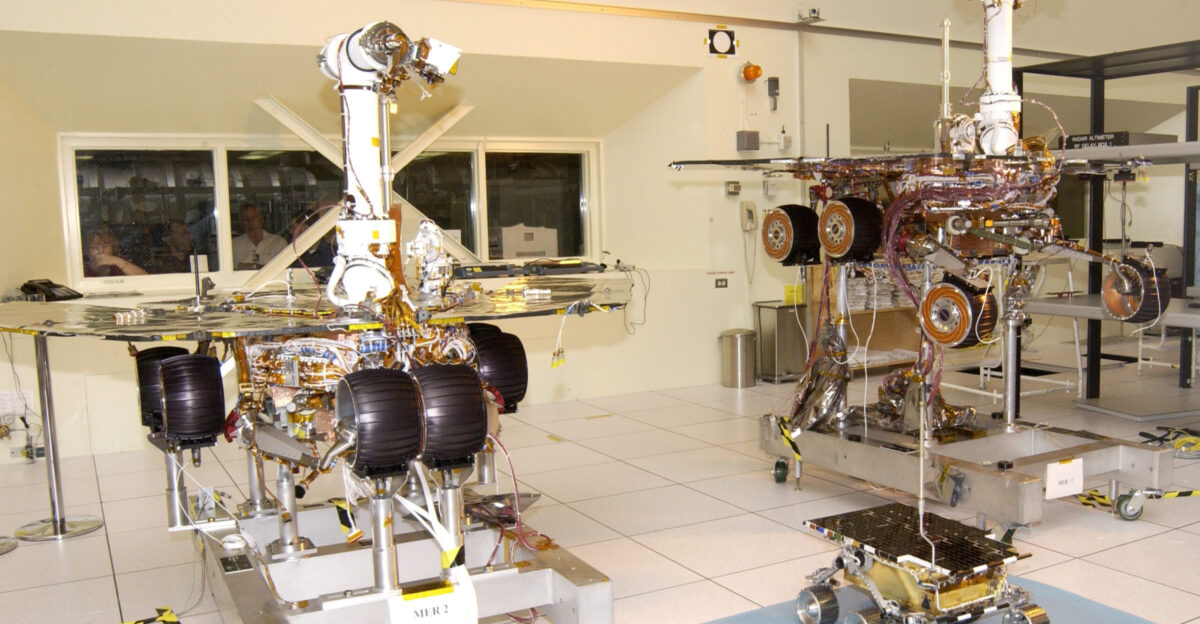
With Ingenuity grounded, Perseverance rover operations returned to ground-only exploration. The rover moves carefully, averaging tens of meters per day, while Ingenuity could scout kilometers in minutes.
Scientists now plan routes and targets without aerial previews, making exploration slower and more conservative. Even so, the data Ingenuity gathered continues to guide rover decisions.
A Blueprint for Future Mars Aircraft
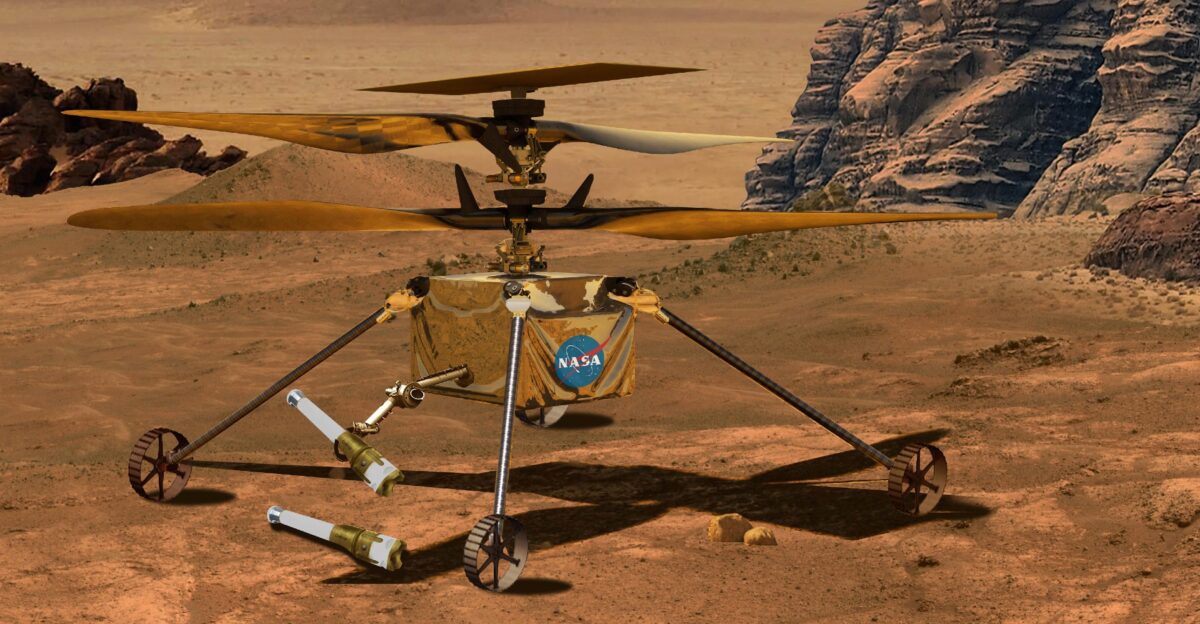
Ingenuity’s success transformed Mars aviation from theory into mission architecture. Engineers now design aircraft expecting long operational lifetimes, autonomous hazard avoidance, and scientific payloads.
Future helicopters will fly farther, carry instruments, and operate independently of rovers. Ingenuity proved that aerial mobility is no longer optional—it is foundational.
Inspiring the Next Generation of Engineers
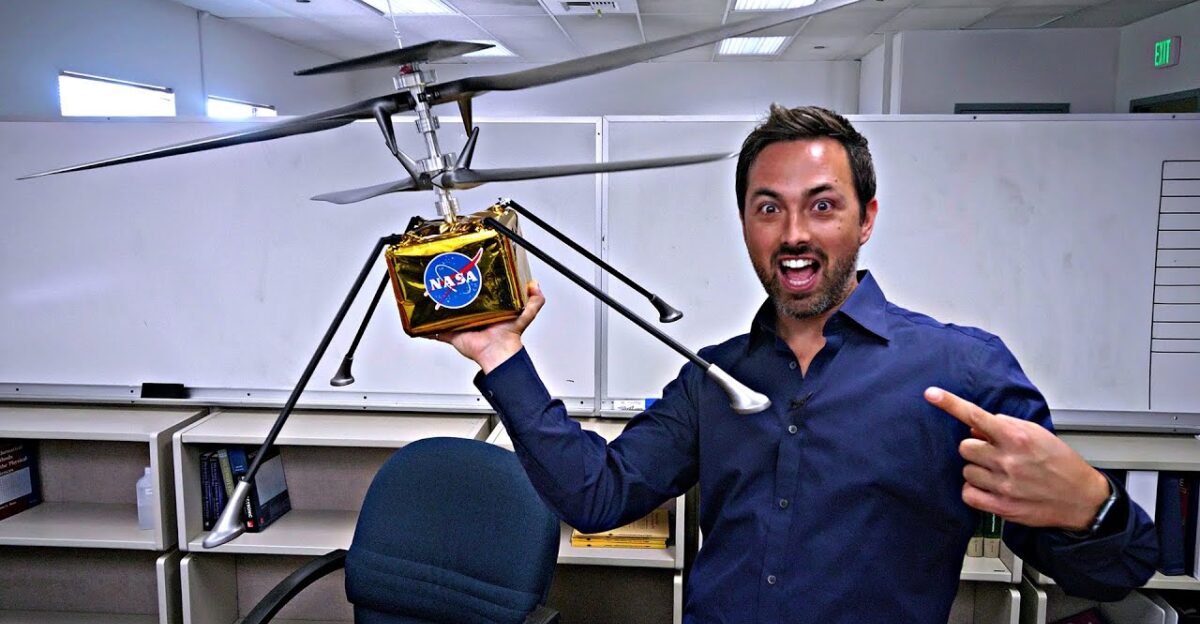
The helicopter’s story resonated far beyond the space community. Interest in aerospace engineering, robotics, and planetary science surged as Ingenuity’s achievements captured public imagination.
For many students and young engineers, a four-pound helicopter flying on Mars became proof that bold ideas, even small ones, can redefine what is possible.
From Mars to Earth Applications
Technologies refined on Ingenuity are already influencing Earth-based systems. Navigation techniques developed for GPS-denied Martian terrain are being adapted for drones operating in forests, disaster zones, and underground environments.
Advances in battery thermal management and autonomous control are finding uses in robotics, aviation, and remote exploration industries.
The Emotional Weight of the Final Signal
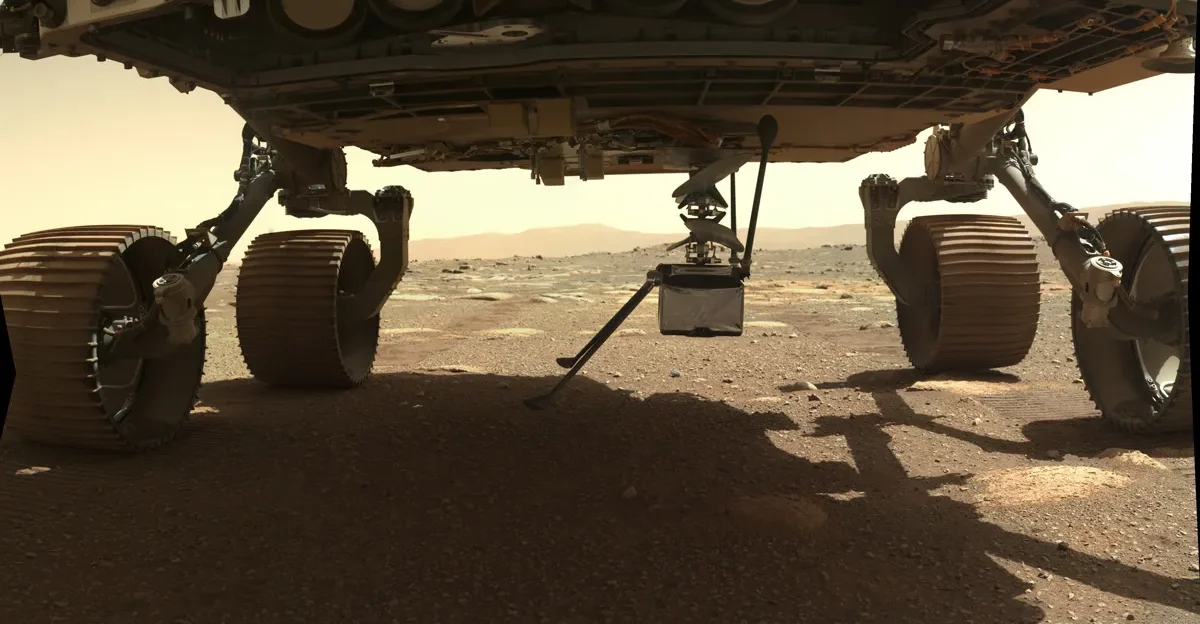
There was something quietly human about Ingenuity’s last moments. After thousands of days alone on another world, it went silent just three feet above the surface.
Engineers on Earth watched data streams stop, then resume, knowing the helicopter was alive—but grounded forever. It was a lonely ending for a machine that carried 120 years of flight history.
A Legacy Written Into Mars Exploration
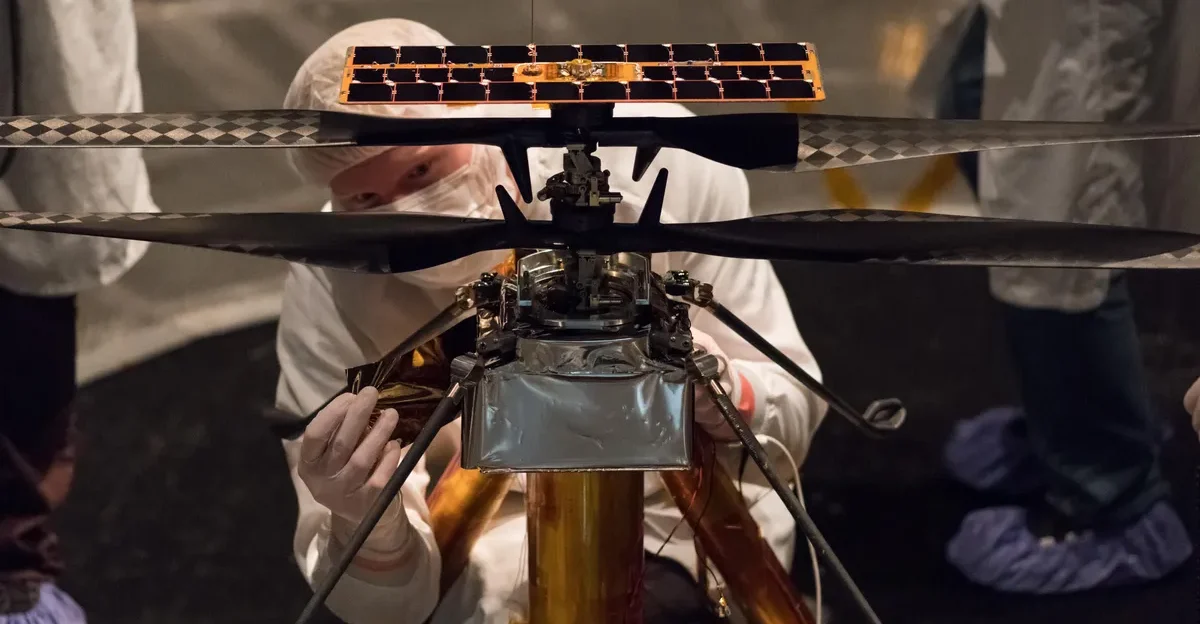
Ingenuity leaves behind more than flight records. It delivered proof, confidence, and hard data that will shape Mars missions for decades. Its endurance, resilience, and unexpected utility reframed how exploration is imagined.
Mission leaders describe its impact as permanent—a technological turning point that cannot be undone or ignored.
How a Four-Pound Helicopter Changed Everything
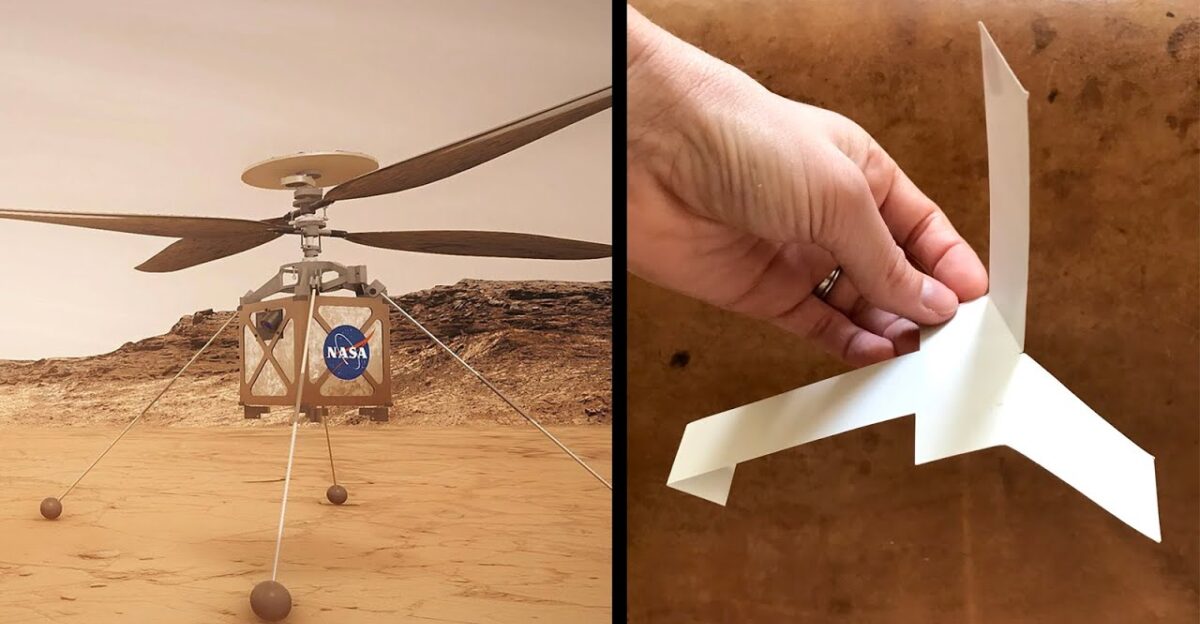
Ingenuity flew seventy-two times, survived 1,004 Martian days, and rewrote the rules of planetary exploration.
Though it will never lift off again, its influence is everywhere—in mission plans, engineering assumptions, and future aircraft designs. A helicopter built to last one month proved that the impossible could become routine, even on a planet millions of miles away.
Sources:
“After Three Years on Mars, NASA’s Ingenuity Helicopter Mission Ends.” NASA Jet Propulsion Laboratory, 25 Jan 2024.
“NASA Performs First Aircraft Accident Investigation on Another World.” NASA, 10 Dec 2024.
“Mars Helicopter Ingenuity Holds Piece of Wright Brothers History.” Smithsonian Magazine, 31 Mar 2021.
“Ingenuity, NASA’s Mars Helicopter.” The Planetary Society, 24 Jan 2024.