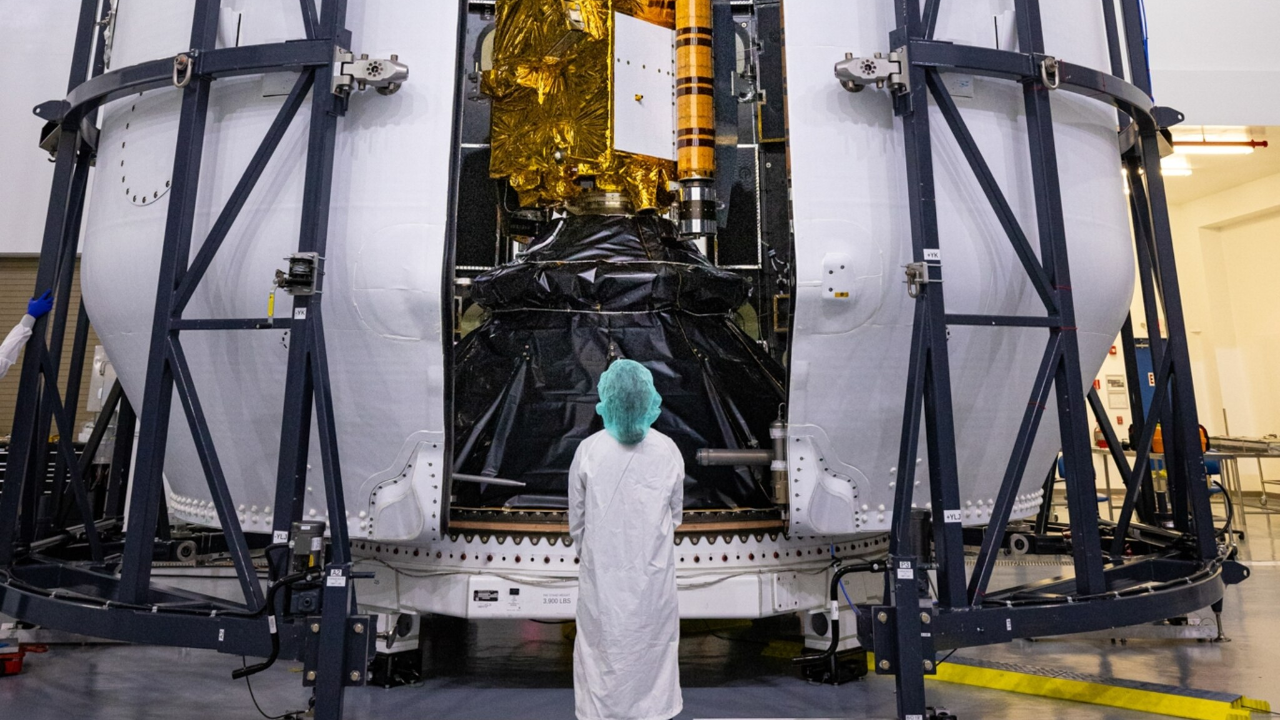
Every day, dangerous asteroids threaten Earth. Scientists count roughly 25,000 asteroids larger than 460 feet orbiting near our planet. One impact could devastate a region.
For decades, we had no way to stop them. In 2021, NASA changed that. They built and launched DART—a spacecraft to crash into an asteroid.
The mission proved we can defend our planet from asteroids. This transformed planetary defense from dreams into reality.
Building the Arsenal
NASA began seriously defending Earth in 2016. The agency created the Planetary Defense Coordination Office (PDCO). Funding exploded—from $4 million in 2009 to $150 million by 2019. That’s 40 times more money in one decade.
The cash funded asteroid surveys and new ideas. Scientists dreamed of one bold concept: crash a spacecraft into an asteroid to nudge it away. But first, they needed proof. The answer came from studying two asteroids called Didymos and its moon.
The Perfect Target
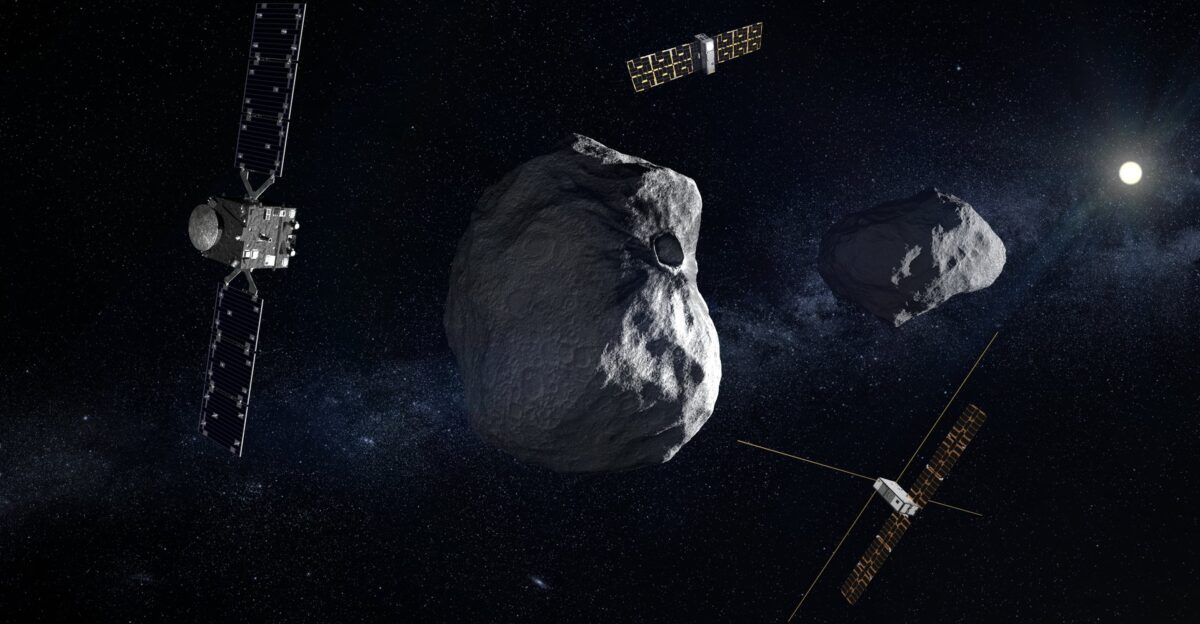
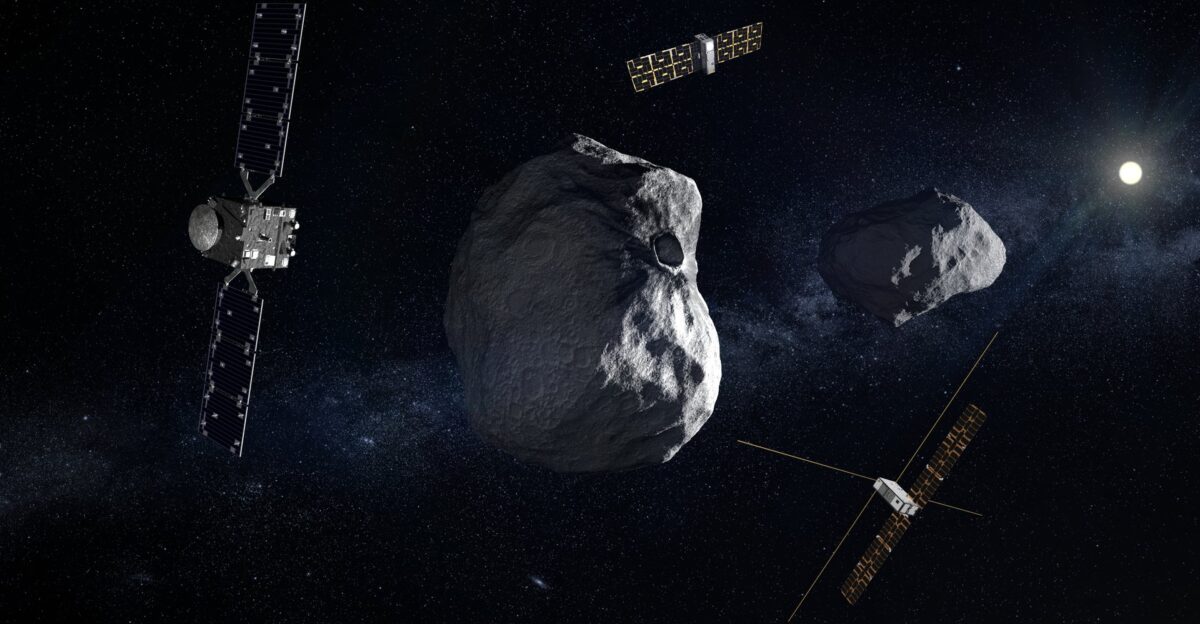
Scientists needed a safe asteroid to test. They discovered Didymos (2,560 feet wide) and its moon Dimorphos (525 feet wide), which were found in 1996 and 2003, respectively. The system orbits 93 to 214 million miles from the Sun, never closer than 3.7 million miles to Earth.
Perfect for testing. When DART hit Dimorphos, Earth telescopes could watch the moon orbit its primary. Brightness dips revealed the orbital changes. Scientists gained nature’s own laboratory for testing asteroid deflection.
The Mission Takes Shape
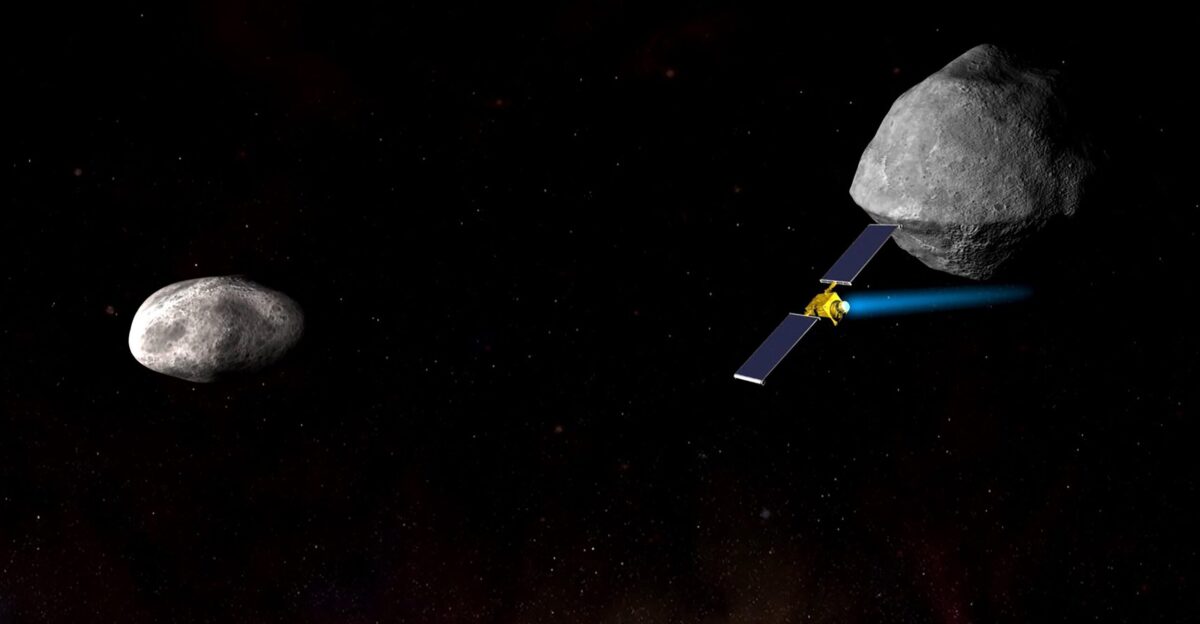
Johns Hopkins APL built DART over the years. The 1,210-pound spacecraft carried a camera (DRACO), navigation software, and an ion engine.
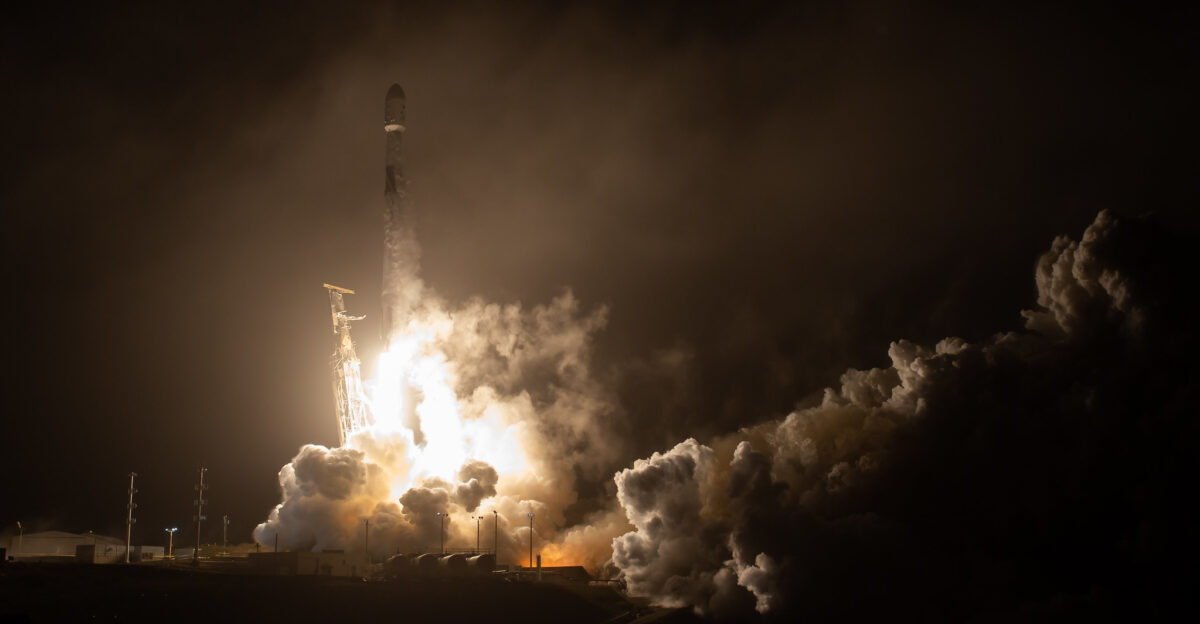
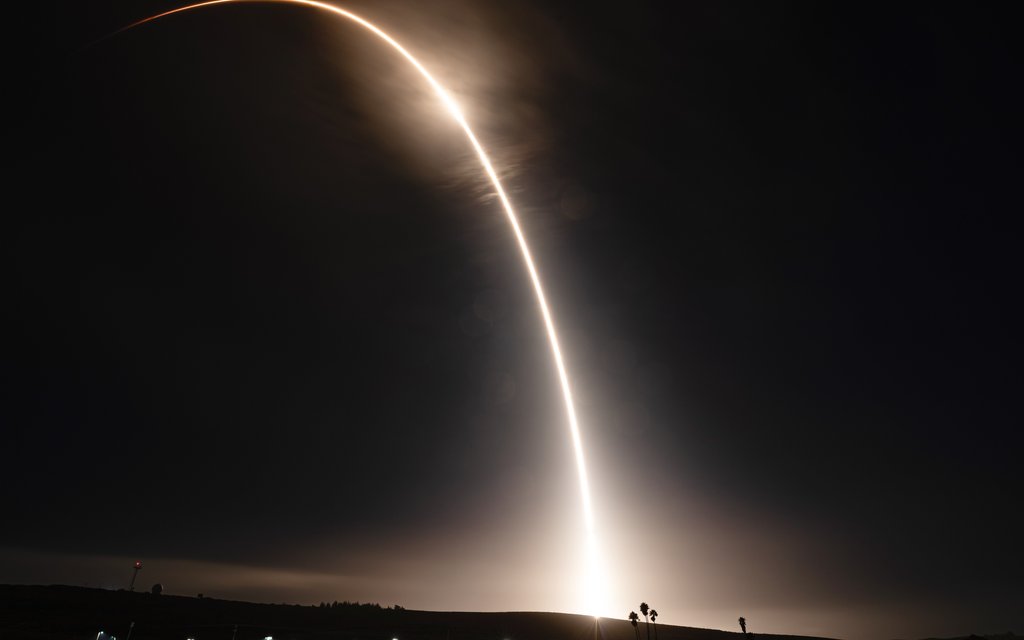
The launch occurred in November 2021 from Vandenberg. Italy’s space agency added LICIACube, a small CubeSat, to photograph the impact.
The mission cost $324.5 million. DART spent ten months traveling. It looped around Earth, then fired its thruster to escape and accelerate toward the asteroid.
Impact Day
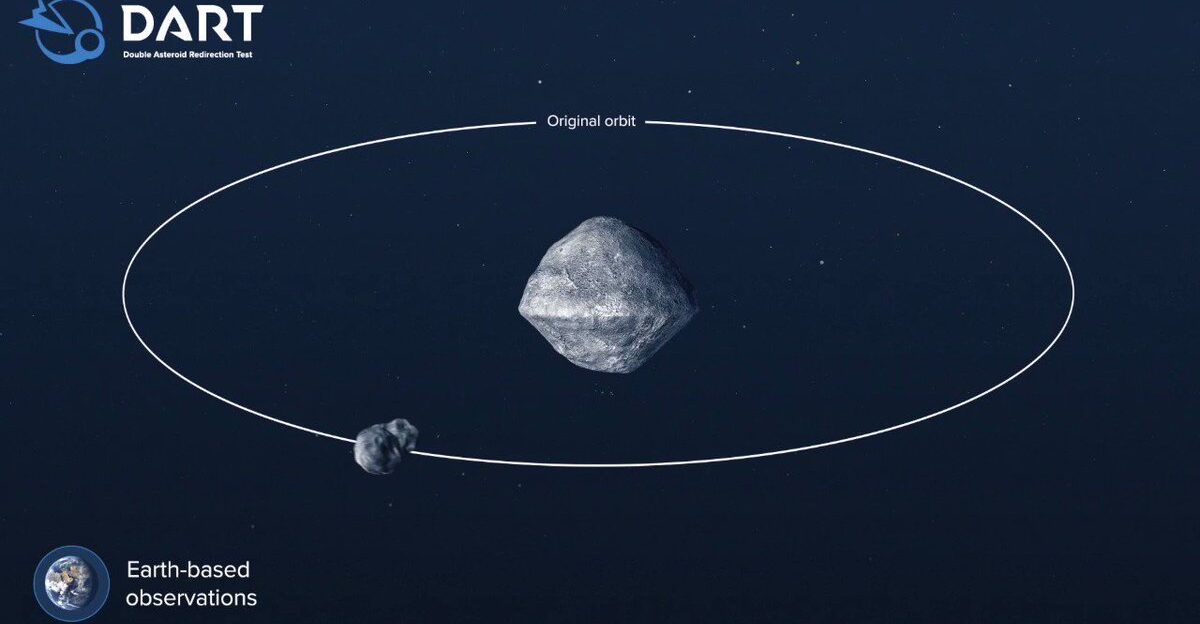
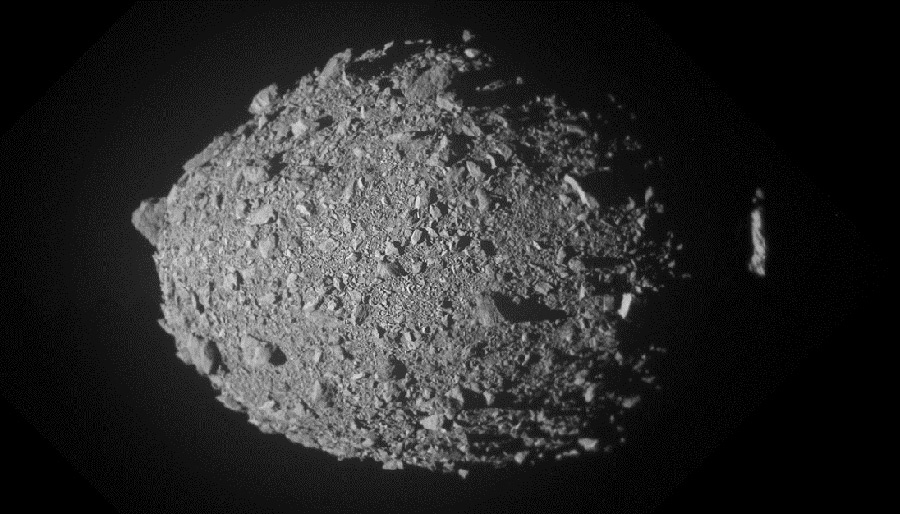
September 26, 2022, 7:14 p.m. EDT—DART reached its moment. The spacecraft slammed into Dimorphos at 14,000 mph with the force of 8,000 metric tons of TNT. This collision marked the first time humans deliberately changed a celestial body.
Four hours before impact, DART switched to autopilot. Its DRACO camera and SMART Nav software steered it to Dimorphos. LICIACube captured images of the impact plume erupting into space.
The Results Exceed Expectations
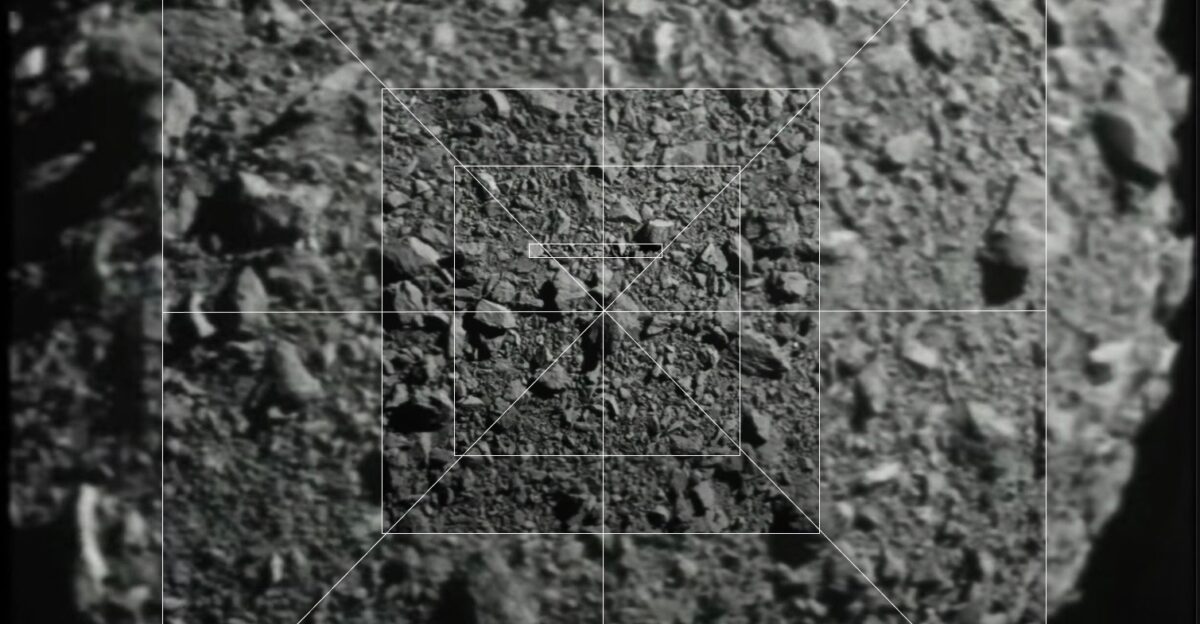
Earth telescopes tracked Dimorphos after the impact. The moon’s orbit shortened by 32 minutes—from 11 hours 55 minutes to 11 hours 23 minutes. This crushed NASA’s goal of 73 seconds. The deflection proved 26 times larger than required.
Later observations refined the number to 33 minutes 15 seconds. Bill Nelson, NASA’s chief, called it “a watershed moment for planetary defense” on October 11, 2022. Success exceeded everyone’s dreams.
Why the Ejecta Mattered
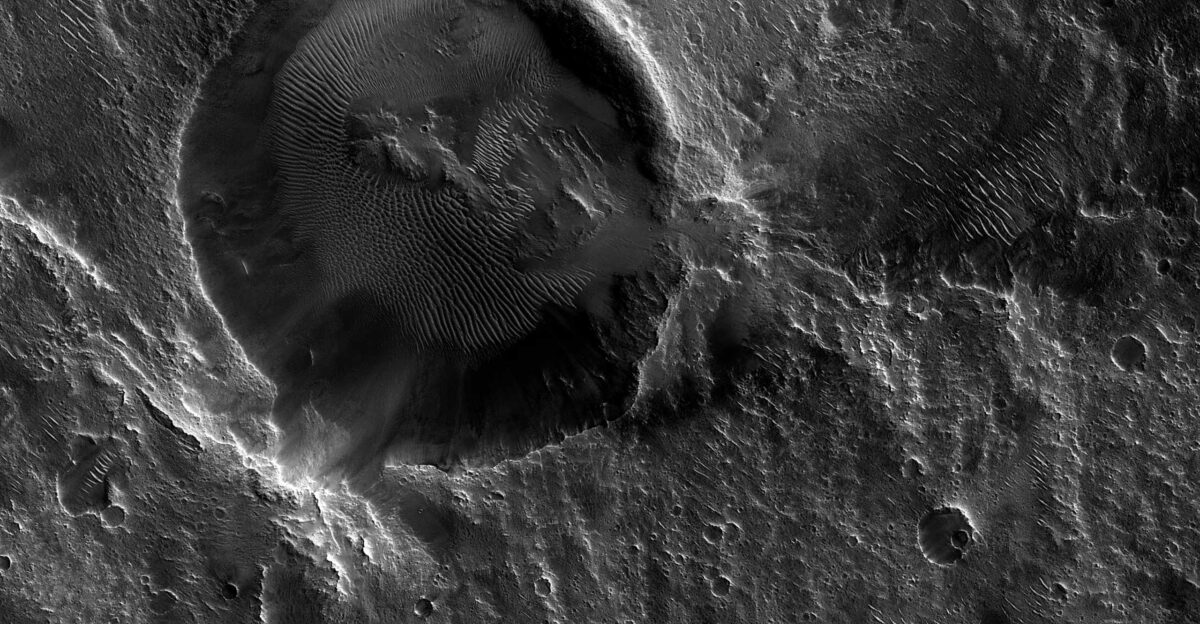
DART’s success relied on “momentum transfer amplification.” The spacecraft imparted momentum to Dimorphos. But it also ejected 1.1 million pounds of rocky debris at high speed. This debris acted like a microscopic rocket, propelling the asteroid forward with greater force.
Scientists calculated that the debris amplified the momentum change 2.2 to 4.9 times. Without debris, deflection would total 3 to 8 minutes. With debris, it reached 33 minutes. This proved kinetic impact worked far better than theory predicted.
Global Observation Network
Astronomers worldwide watched Dimorphos orbit Didymos. Telescopes on every continent—North America, Europe, Asia, Africa—tracked brightness dips as the moon passed its primary. Observers carefully measured timing changes over several weeks.
The James Webb and Hubble Space Telescopes added imaging data, revealing the dust plume. This global effort has proven that asteroid defense requires international teamwork. No single nation can defend Earth alone.
Transforming Theory into Capability
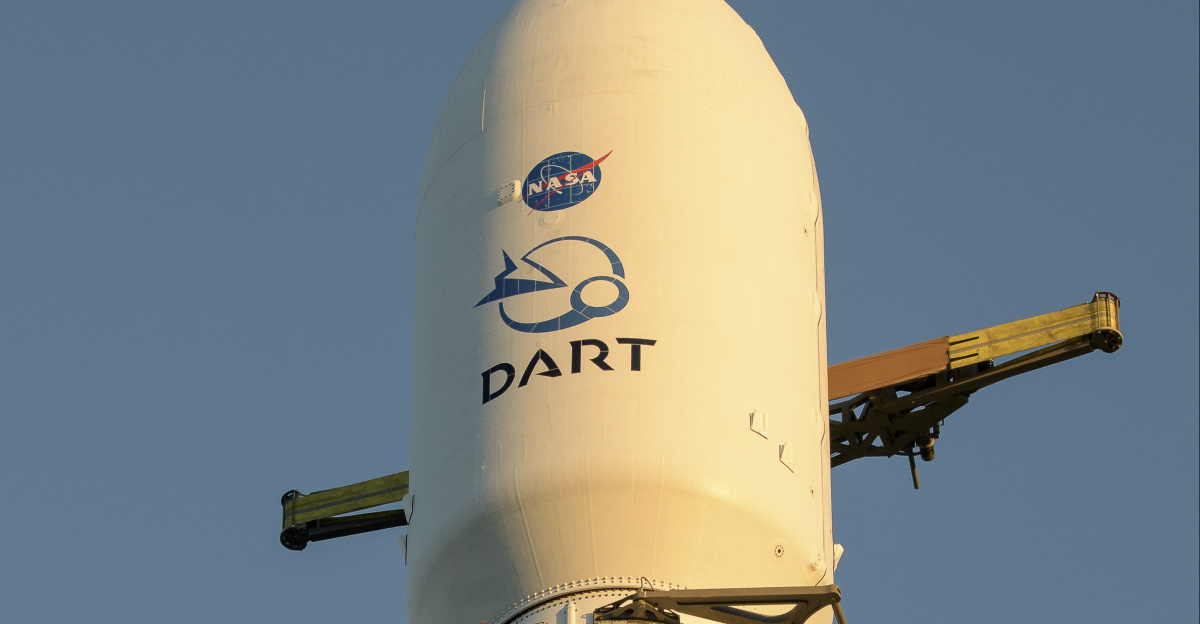
Before DART, kinetic impact existed only on paper. Scientists published equations and ran simulations. But no spacecraft ever hit an asteroid. DART proved the concept works in real life. The mission showed that spacecraft can navigate autonomously, collide with targets, and produce measurable changes.
This turned planetary defense from academic theory into operational capability. Nature published four detailed studies. Governments and space agencies are now planning how to utilize this new power to protect Earth.
The Unexpected Discovery
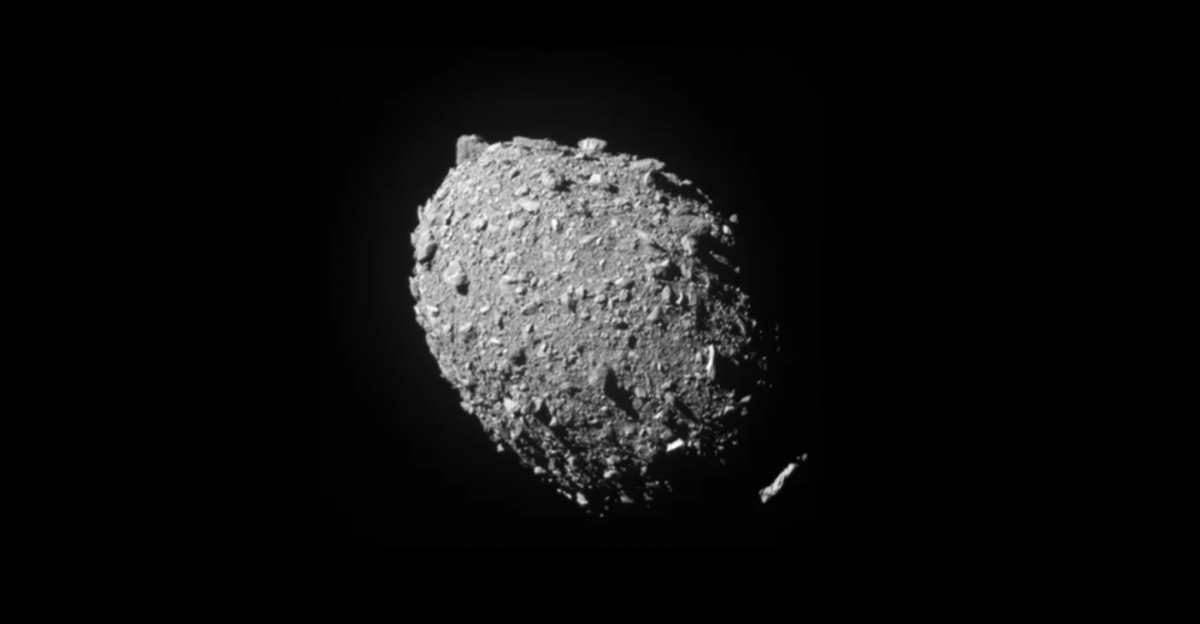
Scientists learned stunning secrets from the impact. Dimorphos’s shape and internal structure revealed its history. For the first time, humans deliberately triggered an impact on a small body and studied the results in detail.
DART activated the asteroid in unprecedented ways, causing material ejection and measurable deformation. This first observation of impact-induced asteroid activation validated decades of predictions from crater researchers studying Earth’s geology.
The Hera Follow-Up Mission
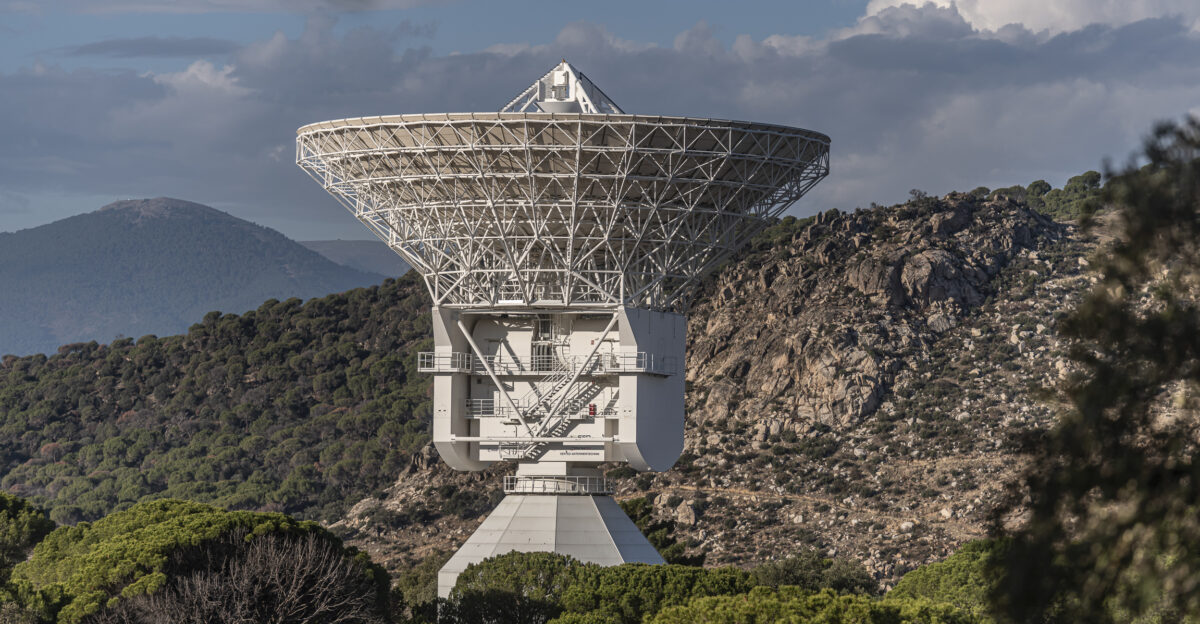
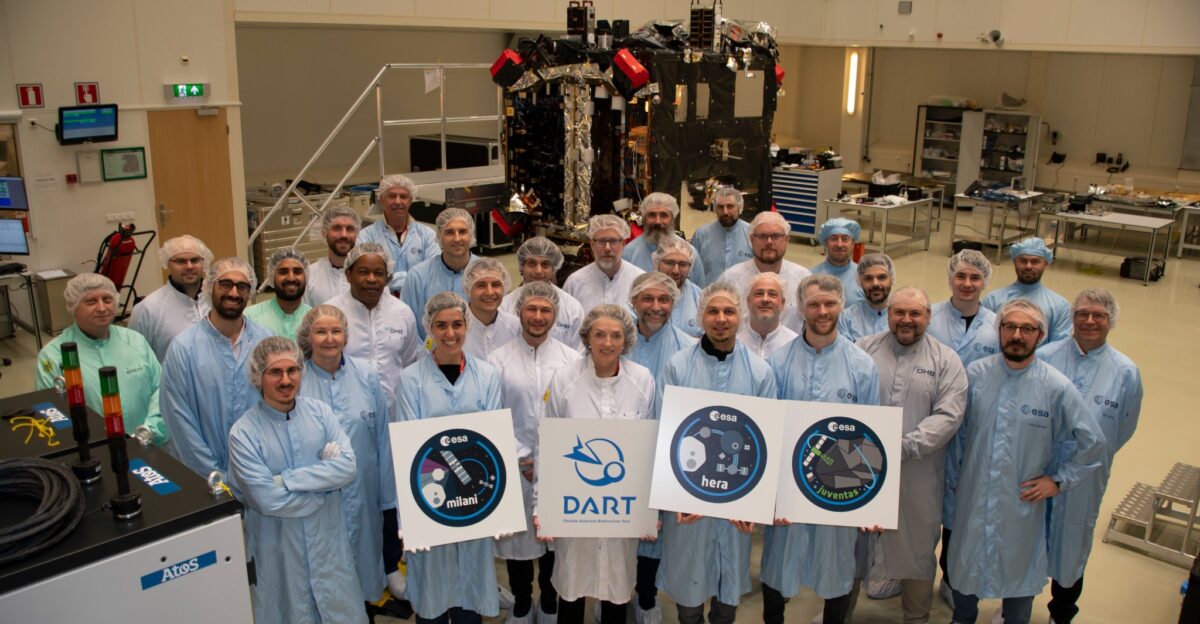
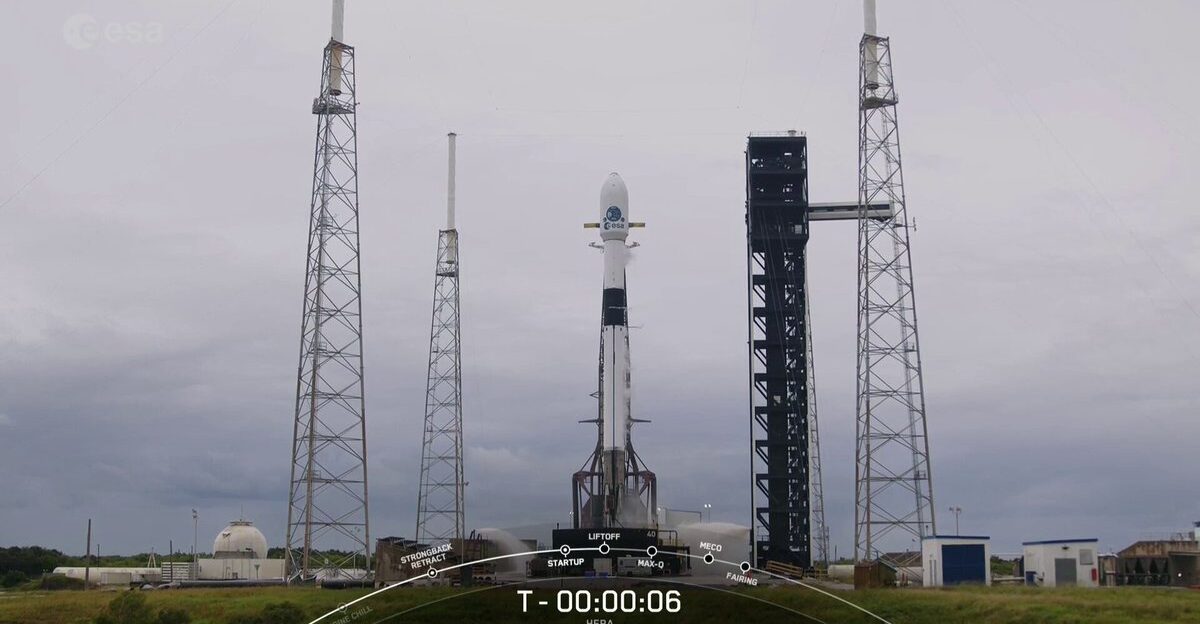
One mission couldn’t tell the whole story. The European Space Agency launched Hera in October 2024 as a dedicated follow-up. Hera will meet Didymos and Dimorphos in autumn 2026.
Upon arrival, it conducts high-resolution imaging, measures the masses of both asteroids, analyzes the impact crater, and studies the consequences of the collision.
Hera carries two CubeSats (Milani and Juventas) for close-range investigations, including radar scans of asteroid interiors.
Measuring Dimorphos’s Mass
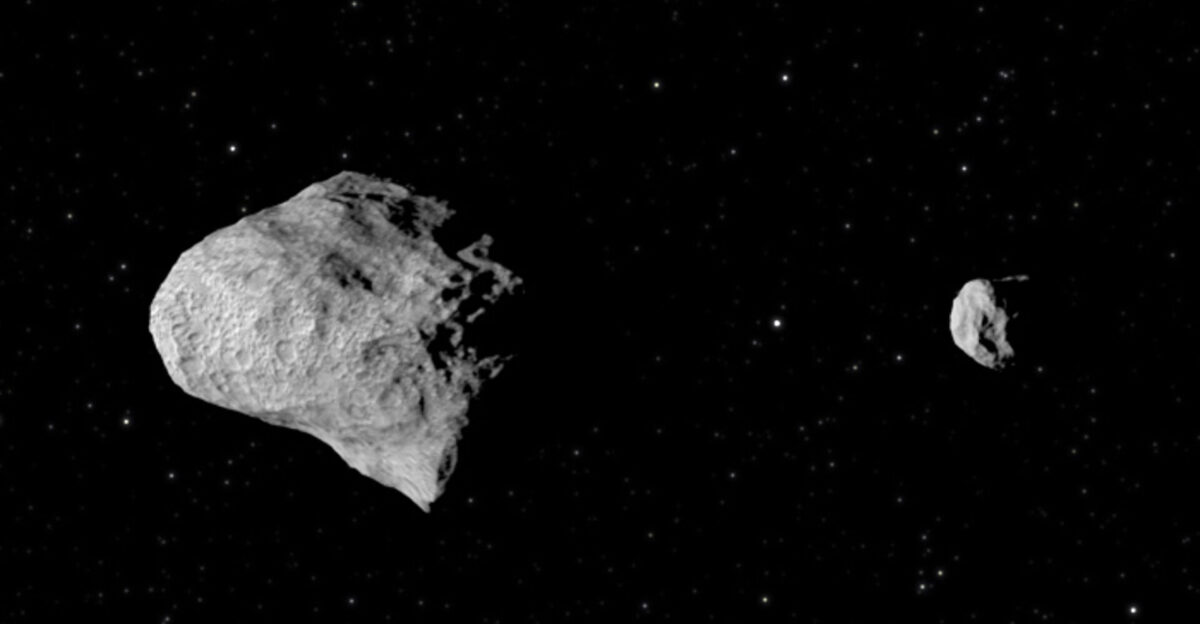
Measuring Dimorphos’s mass matters greatly. Mass determines how much velocity changes from impact. DART’s impact data, combined with Hera’s precise mass measurements, helps scientists build better models.
These models predict impact effects on asteroids with different sizes, compositions, and structures. Scientists need this knowledge. When a real Earth-threatening asteroid appears, they’ll use DART-Hera data to calculate exactly how powerful an impactor must be to deflect it safely.
Implications for Future Threats
DART and Hera create a template for defending Earth. The process now follows proven steps: detect threats early using ground and space telescopes; characterize the size, mass, and trajectory; design a deflection mission; launch with years of warning; and monitor the results globally.
DART proved step four works. Hera will refine the science. Future missions will test the full plan on a genuine threat to Earth.
The Budget Evolution
NASA spent rising money on planetary defense. In 2009, funding totaled less than $4 million yearly. By 2019, budgets reached $150 million—a 40-fold jump. Growth accelerated after 2010 when leaders pushed for funding increases.
It accelerated again after the 2013 Chelyabinsk meteor released 500 kilotons of force. Congress approved increases repeatedly, showing bipartisan support. Still, planetary defense draws only 0.7 percent of NASA’s total budget—a modest investment for protecting Earth.
Detection: The First Line of Defense
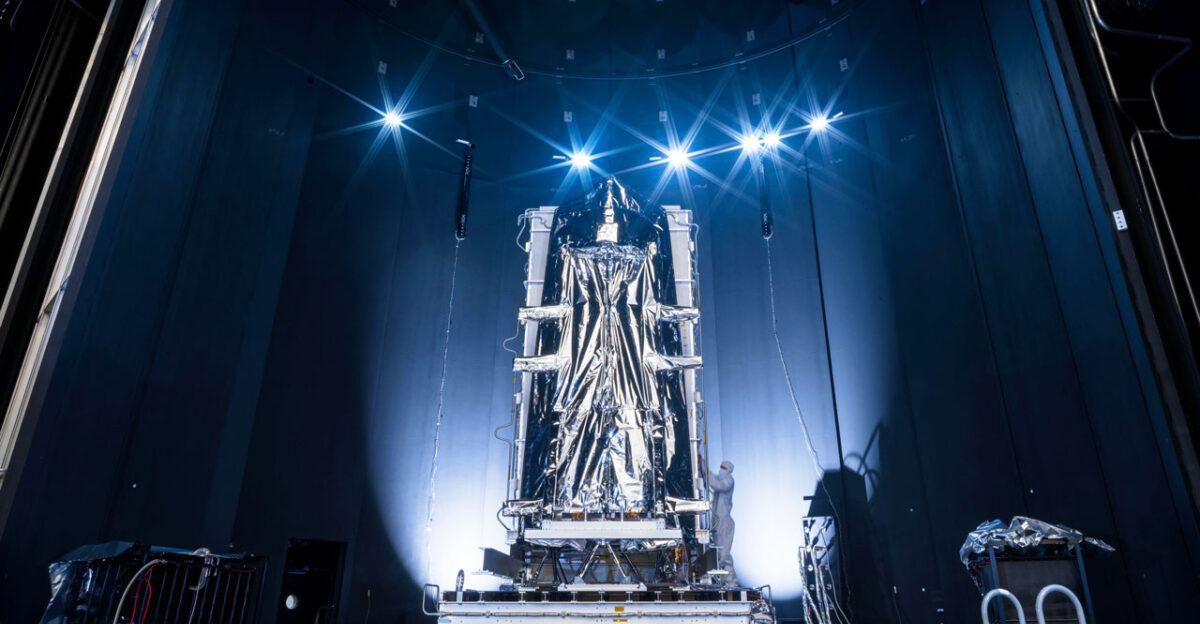
DART’s success doesn’t eliminate the need for detection. It increases the urgency for finding dangerous asteroids years in advance. NASA’s PDCO dedicates $150 million yearly to detection surveys using ground telescopes.
The agency plans to launch NEO Surveyor, an infrared space telescope, by June 2028. NEO Surveyor will spot asteroids invisible to current equipment, especially those approaching from the Sun’s direction. Early warning gives humanity time to build and launch deflection missions.
Regulatory and Policy Developments
DART sparked policy discussions worldwide. In 2022, the United Nations Office for Outer Space Affairs formalized guidelines for asteroid deflection. These ensure operations follow space law and don’t harm other nations.
The U.S. State Department and NASA created planetary defense protocols. The International Astronomical Union named DART a major milestone. These frameworks ensure that future deflection missions operate transparently, coordinate internationally, and verify that deflection creates no new risks.
Ripple Effects Across Industries
DART’s success inspired industries beyond space science. The kinetic impact technique demonstrated autonomous navigation, precision targeting, and collision dynamics, all of which are useful for satellite servicing, debris removal, and deep-space mining. Private companies expressed interest in commercial deflection spacecraft.
The European Space Agency incorporated DART lessons into its Space Situational Awareness program. Japan’s JAXA contributed thermal imaging to Hera and plans asteroid missions. China announced deflection mission plans. DART energized global planetary defense industries.
Public Perception and Misinformation
DART’s dramatic story—crashing into an asteroid—captured public imagination but created false ideas. Some viral posts claimed DART deflected an incoming asteroid threatening Earth. NASA and ESA clarified that Dimorphos poses no threat to Earth and that DART was purely a test.
Misinformation spread false claims about asteroid weapons or changes to Earth’s trajectory. Scientists explained: Dimorphos orbits Didymos, not Earth. About 40 percent of online mentions contained inaccurate information despite expert corrections.
Historical Precedent and Future Missions
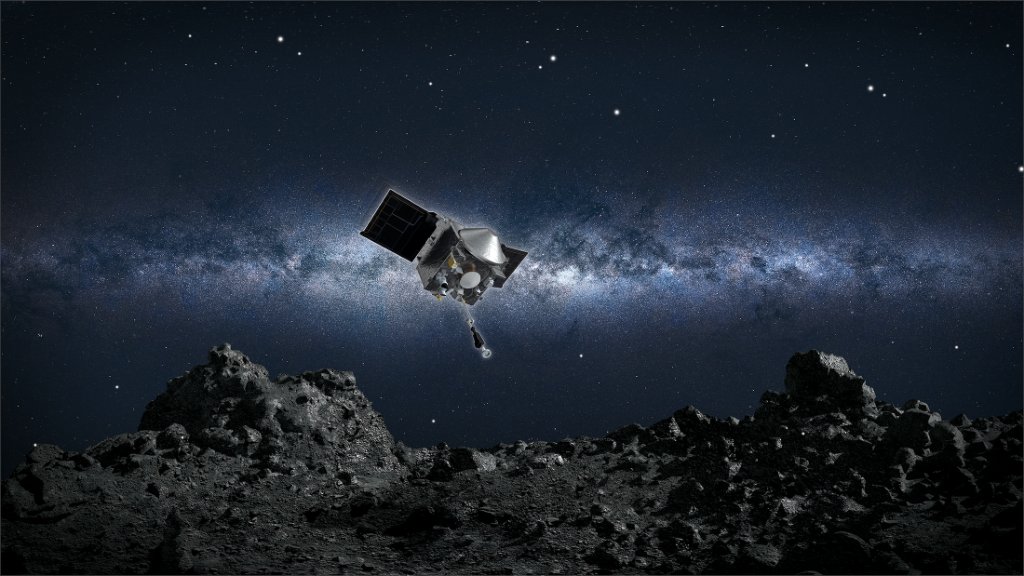
DART marks the first intentional asteroid deflection, but not the first asteroid interaction. Hayabusa and OSIRIS-REx studied asteroids and collected samples. Japan’s Hayabusa2 conducted a controlled impact experiment on asteroid Ryugu in 2019.
The Rosetta mission orbited comet 67P. Each mission refined the techniques DART employed. Looking ahead, China plans an asteroid deflection mission. India develops planetary defense capabilities. ESA’s planned NEOMIR telescope enhances detection. DART proved the concept; future missions will improve the methodology.
The New Era of Planetary Protection
DART marks humanity’s shift from watching asteroids to actively defending Earth. For centuries, we have tracked asteroids and calculated their paths, but we couldn’t change their outcomes. DART has proven that we now possess the capability and knowledge to deflect asteroids.
This power demands responsibility, including detection systems, characterization missions, protocols, and international coordination. The total investment appears large when compared to the undefended impact cost: over $1 trillion in direct and indirect damages.
DART shows planetary defense is operational, tested, and ready to protect Earth.