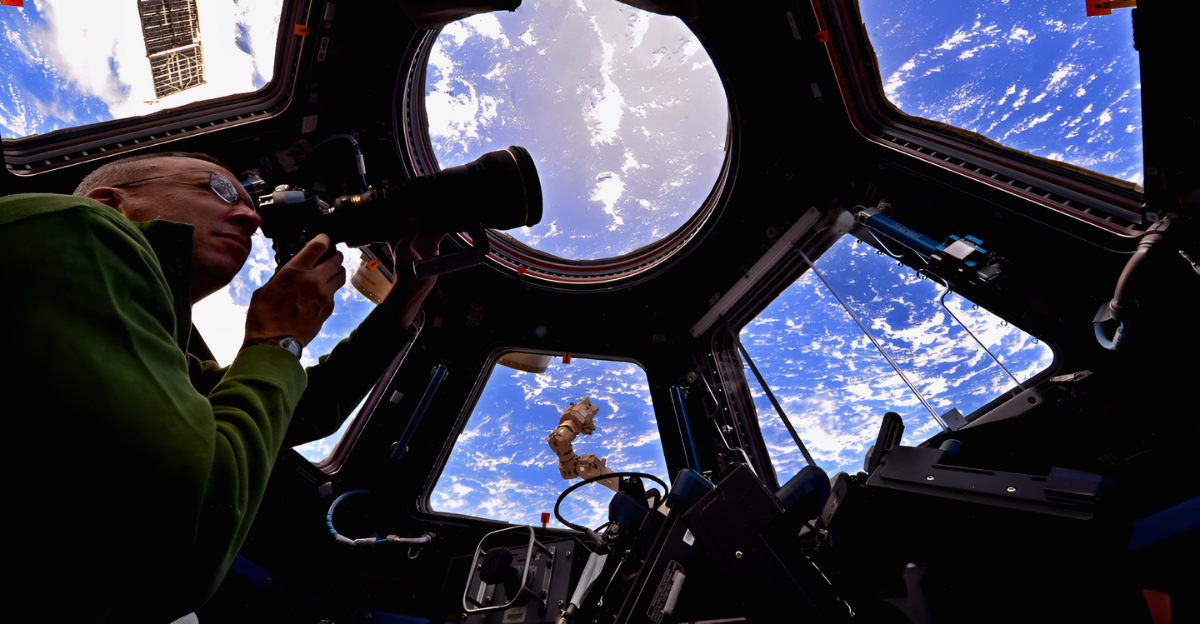
In July 2025, astronomers worldwide were stunned by the confirmed discovery of Comet 3I/ATLAS—a mysterious giant object from beyond our solar system.
According to Reuters, this marks only the third interstellar visitor ever spotted in our cosmic neighborhood.
“Every time we discover something new, it’s particularly interesting,” says John Tonry, an ATLAS survey designer and University of Hawaii professor. All eyes are now trained on this fast-moving comet as it nears the Sun.
Early Warnings

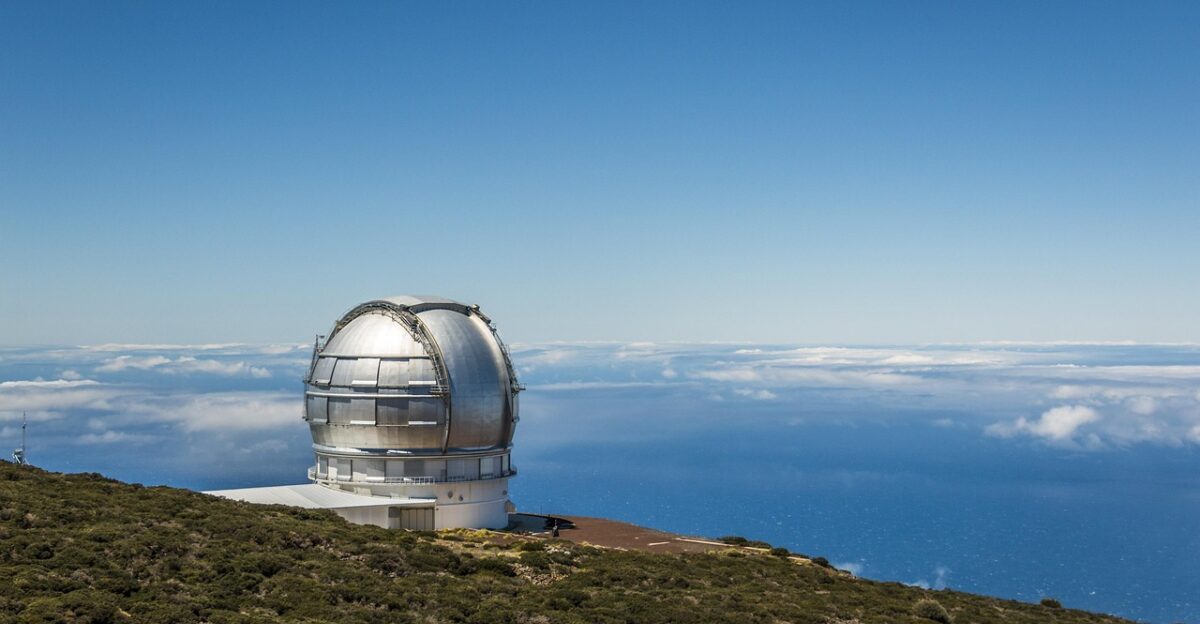
The ATLAS survey telescopes in Chile and Hawaii first detected the faint point of light cutting across dense star fields near the galactic center. NASA’s initial data revealed unusual velocity, leading experts to suspect an interstellar origin.
“Initial observations were consistent, and late that night it looked like we had the real thing,” explained Larry Denneau, ATLAS team member. Anticipation grew with each passing hour.
Precedent for Rarity
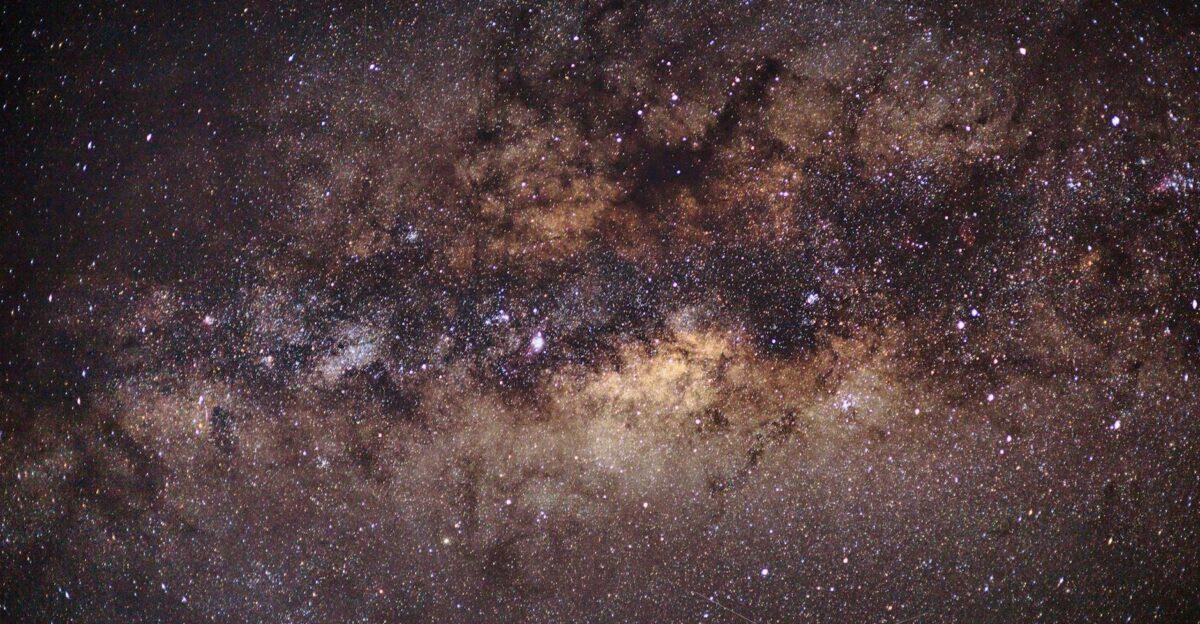
Interstellar objects are rare: only ‘Oumuamua in 2017 and Borisov in 2019 have ever crossed into our solar system before. This detection immediately sparked excitement and urgency among planetary defense teams globally.
Researchers understand that each new visitor offers insights not available elsewhere. “We activated observing time on major facilities… for high-quality data,” shares Karen Meech, faculty chair, University of Hawaii.
Building Pressure
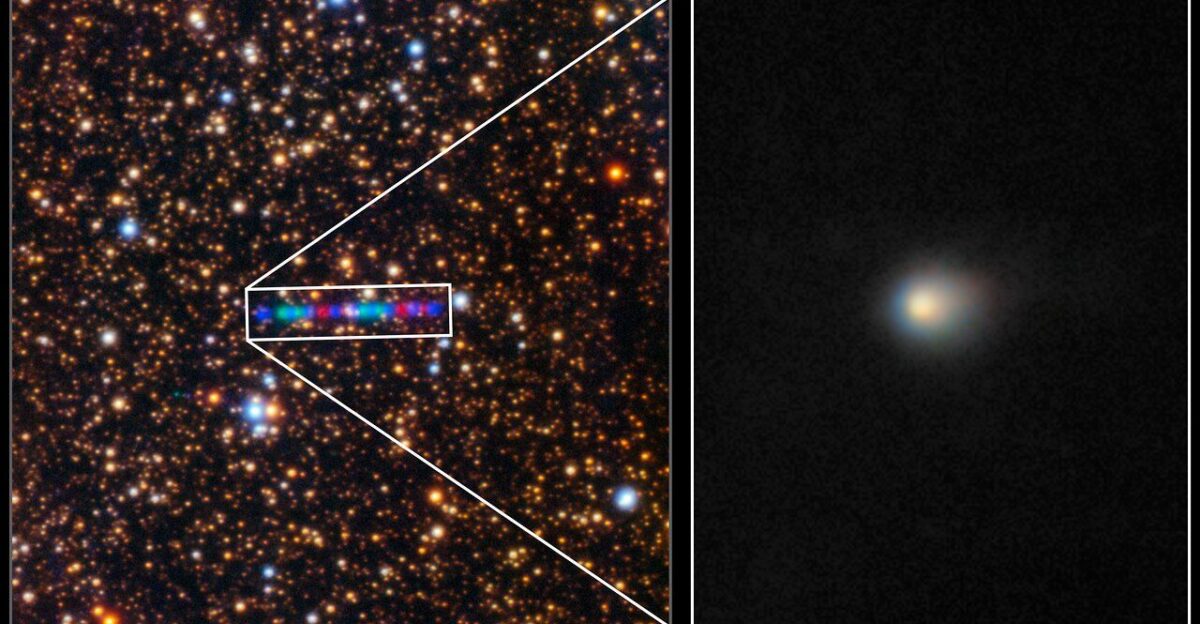
As images confirmed a hyperbolic trajectory—meaning 3I/ATLAS was not gravitationally bound to the Sun—institutions worldwide mobilized overnight.
Telescope schedules were overhauled to capture its brief passage near Earth. MSU’s Darryl Seligman noted, “We have data coming in from across the globe.” Speed was of the essence; missed opportunities would mean lost science for years.
Biggest Yet
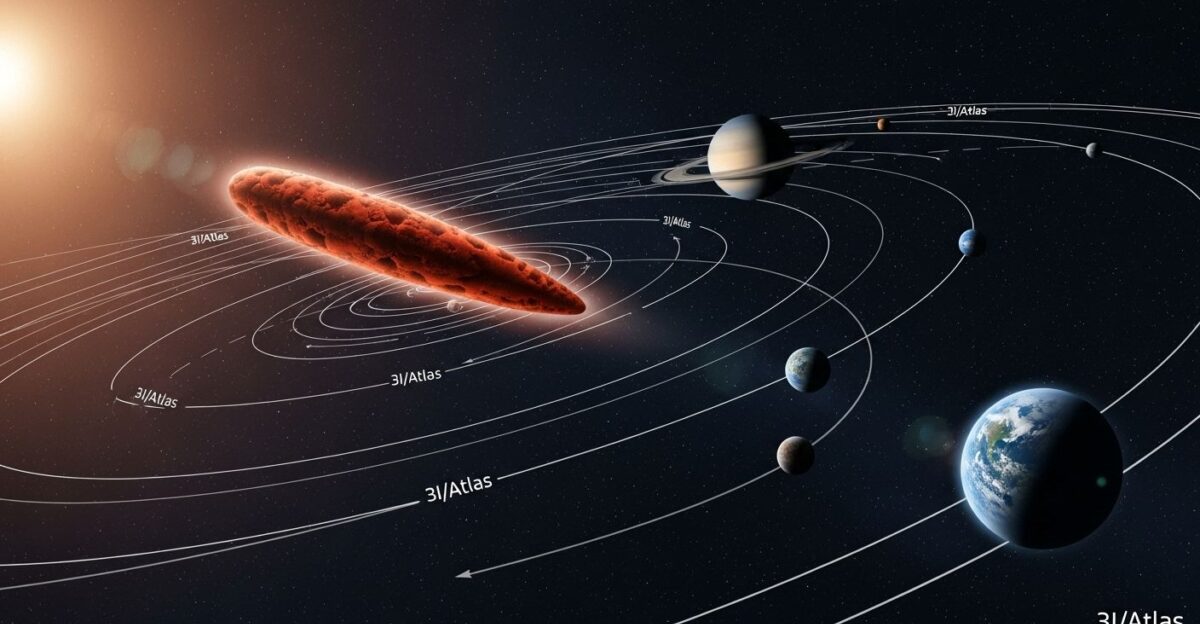
On July 1, 2025, NASA announced 3I/ATLAS as the largest interstellar object ever observed—estimated up to 7 miles wide.
Live Science reports its discovery followed confirmation by the Minor Planet Center and International Astronomical Union.
“This comet has been traveling for millions of years from another star system,” Tonry emphasized. Its scale dwarfs previous known interstellar bodies.
Regional Responses
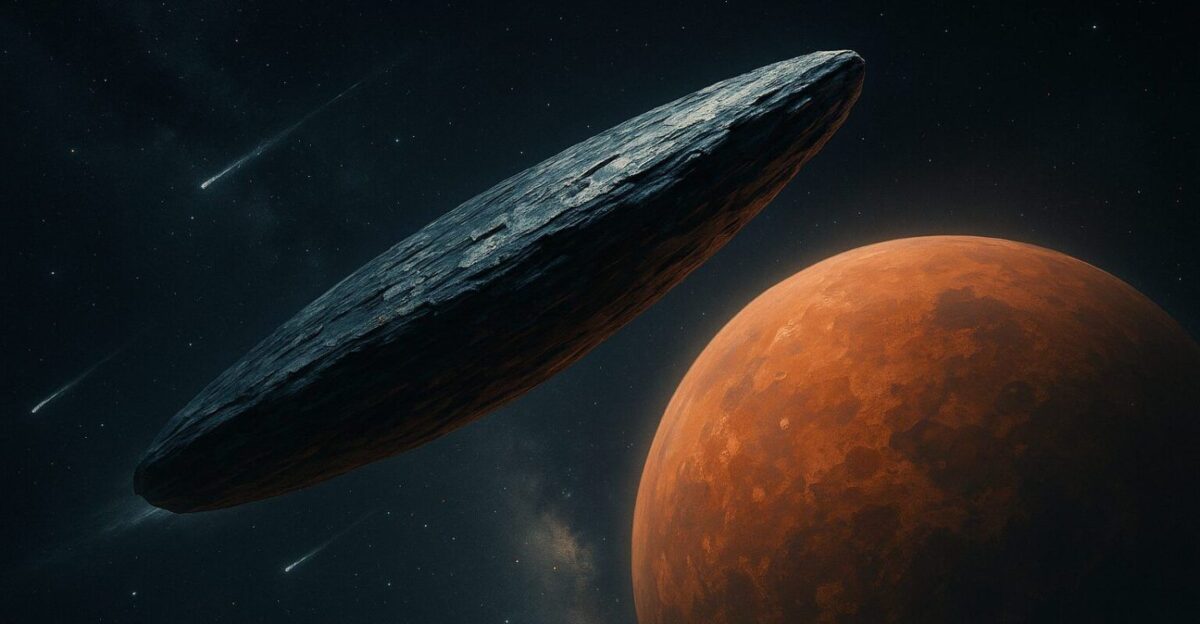
Observatories in South Africa, Australia, and Europe scrambled for exclusive early looks. Chile’s European Southern Observatory contributed vital readings to refine the comet’s orbit and size.
“Most surveys don’t look near the Milky Way’s center, making this even more challenging,” said Denneau, reflecting on the technical hurdles faced. Collaboration and rapid data sharing proved essential.
Scientist Voices

For astronomers, this is a dream come true—and a logistical challenge. “It’s gratifying our hard work surveying the sky discovers something new,” said Tonry.
Other experts described teamwork between NASA, ESA, and research universities as “unprecedented.” Tension built as global teams raced against the object’s fleeting visibility.
Imaging Breakthroughs
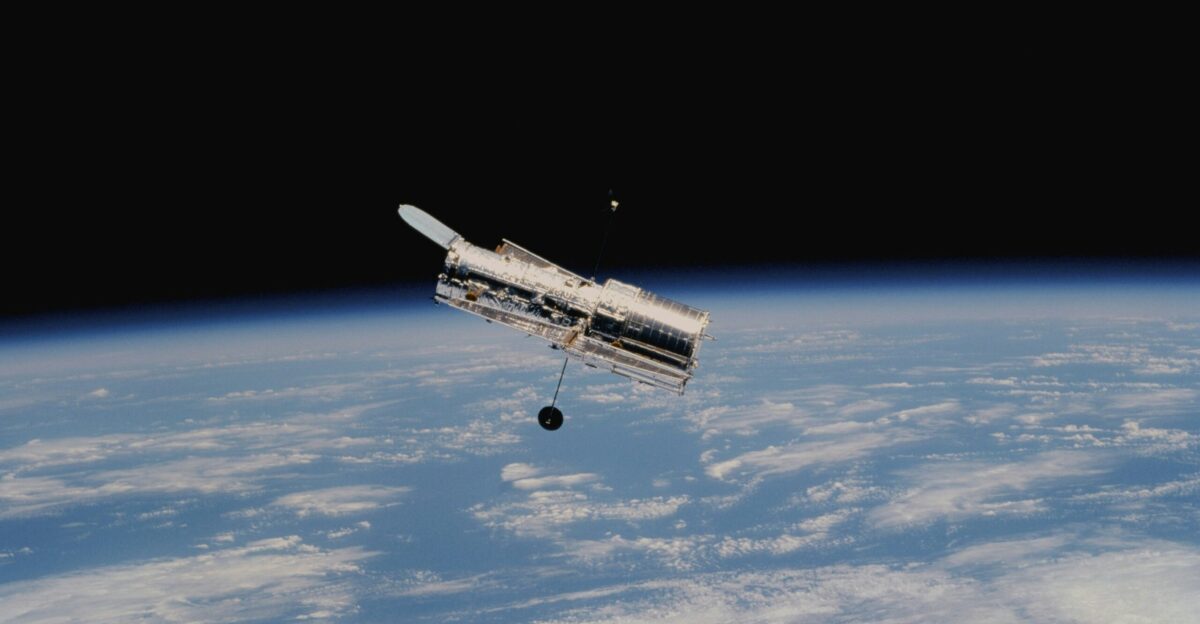
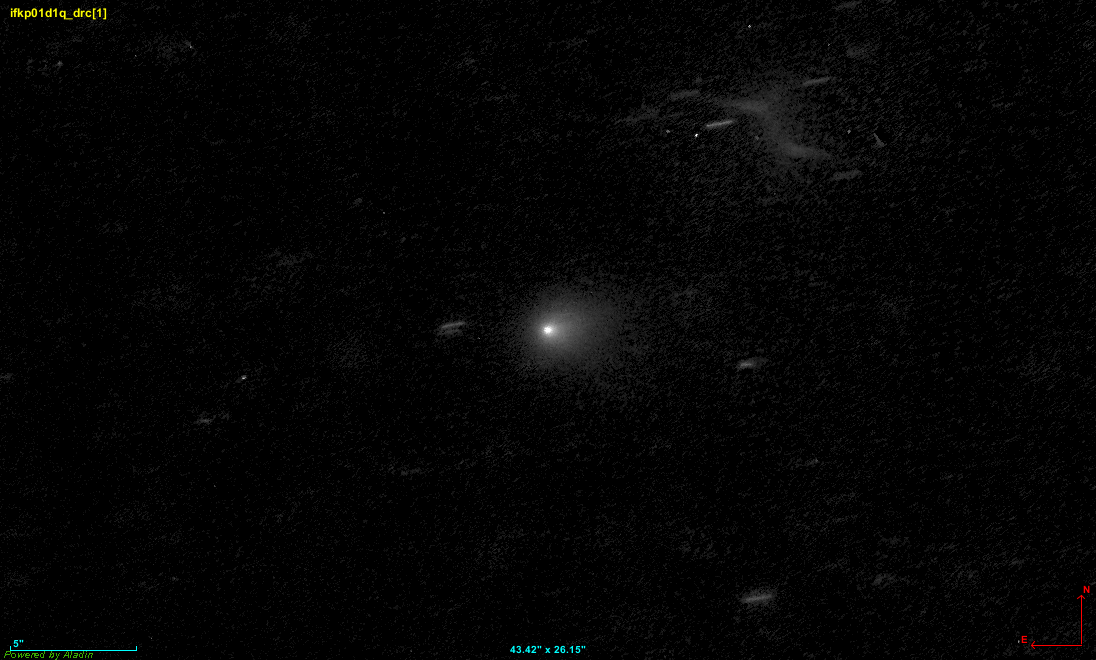
The Hubble Space Telescope delivered the sharpest images yet, revealing a bright icy coma and a dusty tail forming as 3I/ATLAS approaches the Sun.
“Hubble’s exceptional resolution allows us to estimate how much material is being lost,” explained Dr. David Jewitt, UCLA. Vera C. Rubin Observatory’s size measurements confirmed this is a “giant” among comets.
Galactic Context
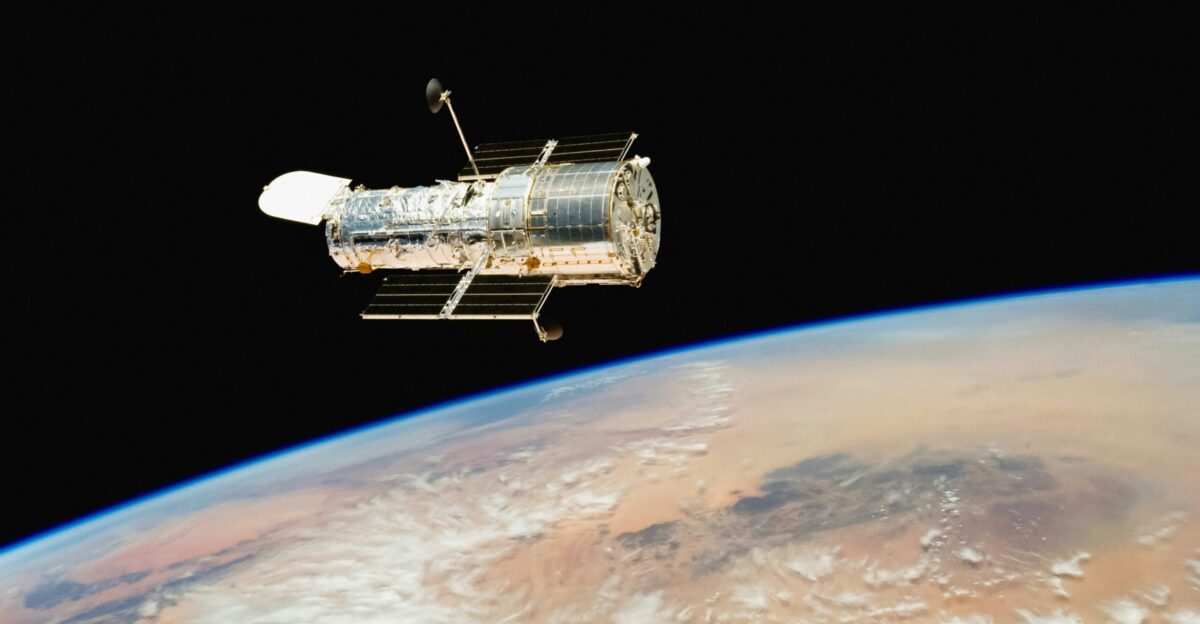
3I/ATLAS is passing four times farther from the Sun than Earth’s orbit. Its approach promises clues about the distribution of materials across planetary systems and the dynamics of objects from entirely different stars.
“It’s a rare glimpse into the chemistry and structure of other solar systems,” said Dr. Ariel Graykowski, SETI Institute.
Age Surprise

Scientists estimate 3I/ATLAS may be nearly twice as old as our solar system. According to the Times of India, its icy surface contains clues to ancient interstellar chemistry, sparking heated debate about comet formation. UCLA’s Jewitt described its age as “extraordinary” and something that raises fresh scientific questions.
Competition Issues
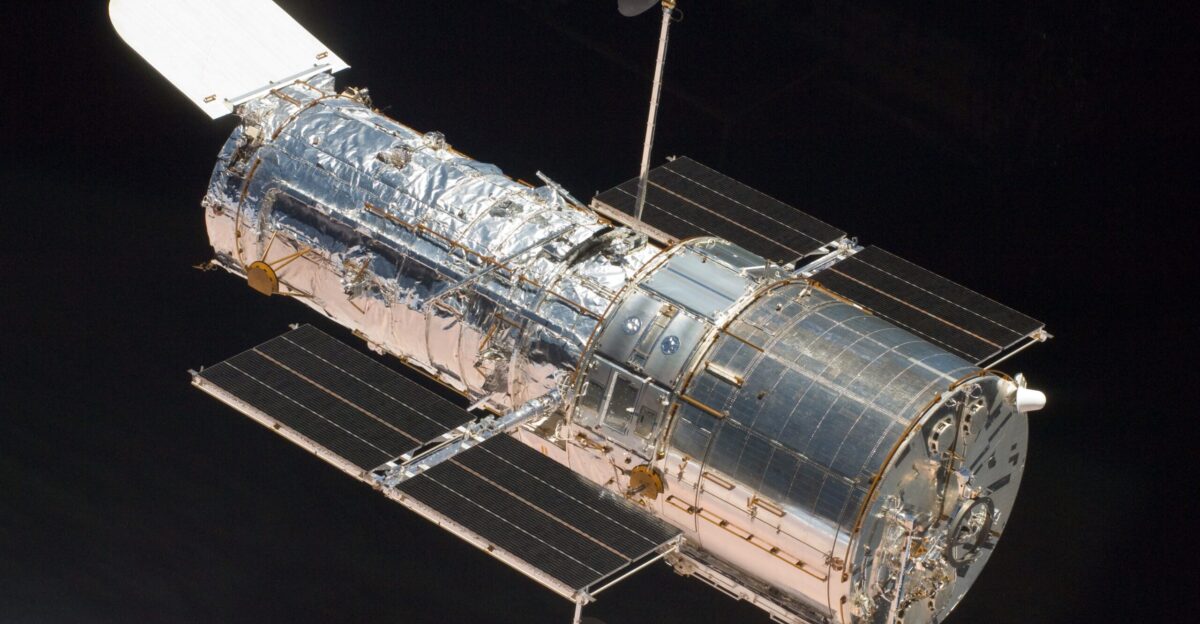
Global teams competed for observation time—with some losing out to weather or equipment glitches. “Frustrating when clouds block a window you’ll never have again,” admitted one European Southern Observatory astronomer. NASA coordinated efforts to optimize schedules and data flow, trading exclusivity for broader scientific gain.
Leading Institutions

International Astronomical Union and NASA led the naming and classification, designating the comet as 3I/ATLAS. Their involvement ensured quick, verifiable documentation and standardized communication worldwide. “Clear definition helps scientists align efforts quickly,” commented John Tonry.
Adjusting Tactics

NASA and its partners revised alert systems, using new algorithms and global coordination to monitor 3I/ATLAS in real time.
European and Japanese observatories contributed crucial data to model its unpredictable path. “Rapid response is vital,” says Karen Meech.
Expert Caution
Top researchers warn that observing interstellar visitors remains complex. “Each new object prompts more questions than answers,” said Dr. Maria Kwon, Caltech.
Uncertainties persist about 3I/ATLAS’s true composition and long-term effects. Yet, hope runs high for impactful discoveries from this rare encounter.
Future Science
Astronomers are developing enhanced detection methods based on lessons from 3I/ATLAS. Their goal: spot future cosmic travelers earlier, with greater precision.
“We’re building networks to be ready for the next visitor,” said Dr. James Davenport, University of Washington.
Policy Shifts
As a result of this event, science agencies worldwide are revisiting rapid response and confirmation protocols for interstellar bodies.
The urgency surrounding 3I/ATLAS calls for even deeper collaboration on future planetary defense and research. “Cooperation is becoming the norm, not exception,” commented Meech.
International Reach
Partners in Europe, Asia, and South Africa have all shared telescope data to help NASA track 3I/ATLAS. Joint protocols now model best practices for global rapid discovery, setting precedents for future teamwork. Other agencies look to replicate this integration.
Defense Lessons
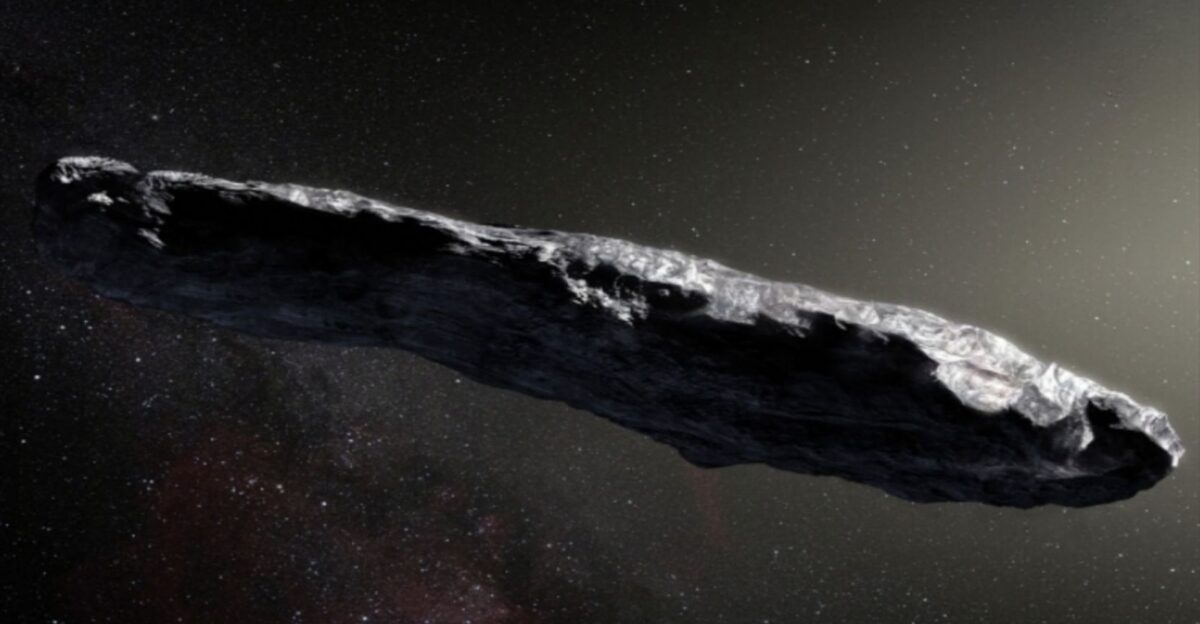
Interstellar comets still fascinate—and challenge—planetary defense experts. NASA’s Office of Planetary Defense is using 3I/ATLAS’s passage to test emergency preparedness. “Each new object helps us refine protocols,” said office director Lindley Johnson.
Public Fascination
Online forums, education campaigns, and documentaries have made 3I/ATLAS a sensation. Meteor and astronomy societies report record engagement. “The public loves the sense of cosmic mystery and adventure we’re sharing,” noted Karen Meech.
Final Reflection
The passage of 3I/ATLAS reminds us how vast and mysterious our universe remains. As it speeds toward the Sun and eventually back into interstellar space, its fleeting presence inspires new curiosity and scientific ambition. “These rare encounters force us to rethink everything,” concluded Tonry.