NASA has temporarily stopped its most ambitious search yet for signs of alien life, after two years of picking apart data from the James Webb Space Telescope (JWST). The mission focused on K2‑18b, a distant “super‑Earth” that once seemed to show hints of a molecule usually made by life on Earth.
NASA officials say the pause is about preventing excitement from racing ahead of what the evidence can support, especially after inconsistencies appeared in the data. As one NASA explainer put it, Webb’s discoveries are a promising step but not yet proof of life anywhere beyond our planet.
A telescope built to change the game

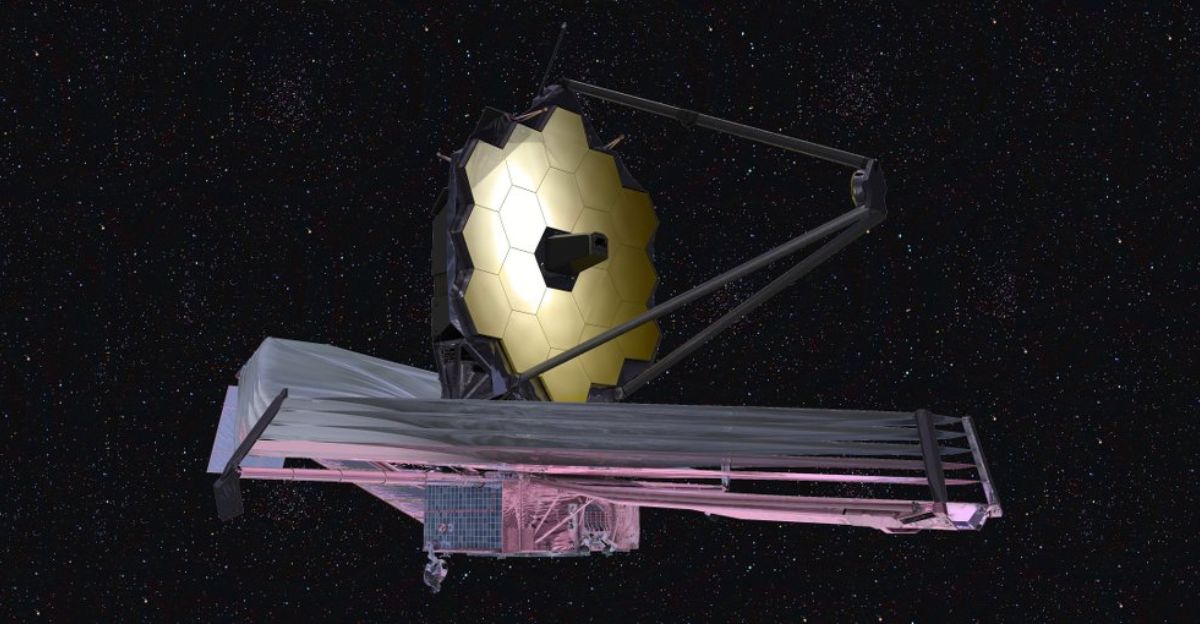
When JWST launched in 2021, it carried a price tag of about $10 billion and the weight of enormous expectations. The observatory was built to look back in time, studying some of the earliest galaxies, but it is also the most powerful tool ever aimed at the atmospheres of distant planets. Its infrared instruments can tease out the chemical makeup of worlds that orbit other stars.
“Our ultimate goal is the identification of life on a habitable exoplanet,” said astrophysicist Nikku Madhusudhan, who leads key work on K2‑18b. “Our findings are a promising step towards a deeper understanding of Hycean worlds in this quest.”
The intriguing ocean world candidate
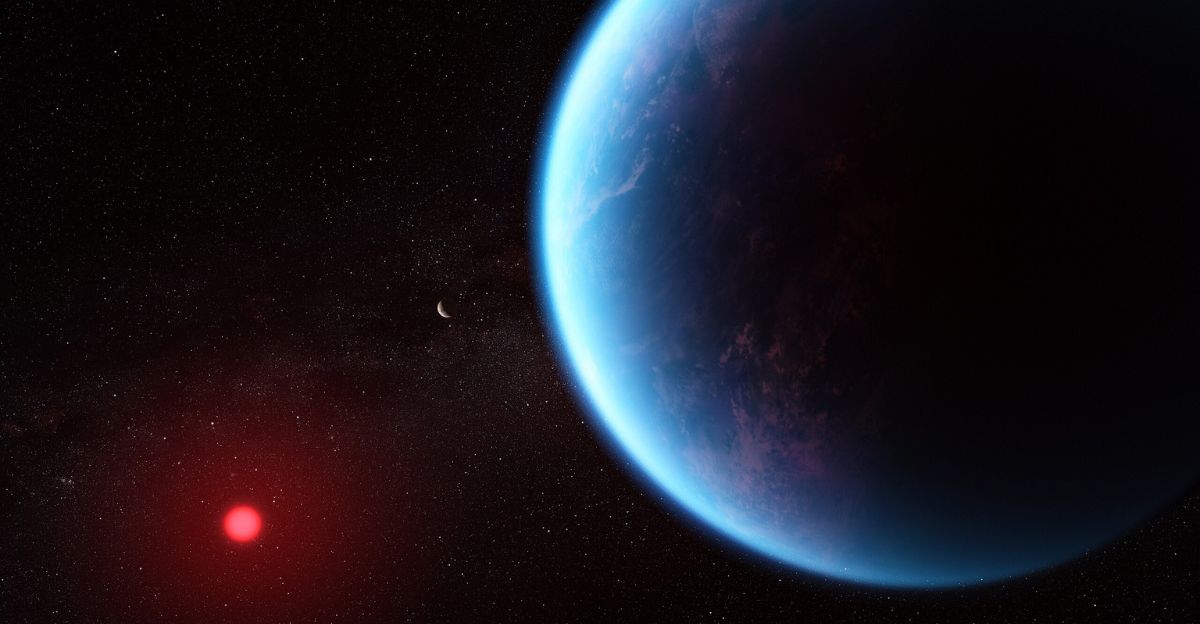
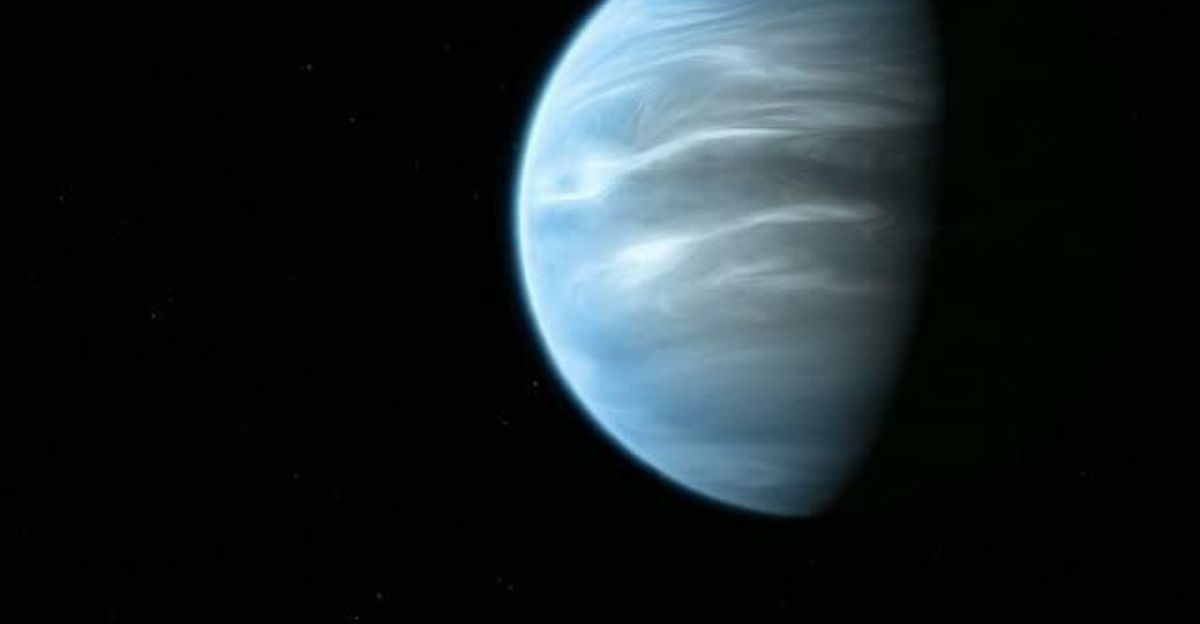
K2‑18b orbits a cool red dwarf star in the constellation Leo, roughly 120–124 light‑years from Earth. The planet is about 8.6 times Earth’s mass and 2.6 times its radius, making it larger than our world but smaller than Neptune. Its orbit places it in the “habitable zone,” where temperatures could allow liquid water to exist.
That has led scientists to classify it as a prototype Hycean planet: a world that might be covered by a deep ocean and wrapped in a hydrogen‑rich atmosphere. Researchers caution that K2‑18b may also resemble a mini‑Neptune, with high‑pressure ices deep inside, and that its oceans, if they exist, could be far too hot for life as humans know it.
The molecule that ignited global excitement
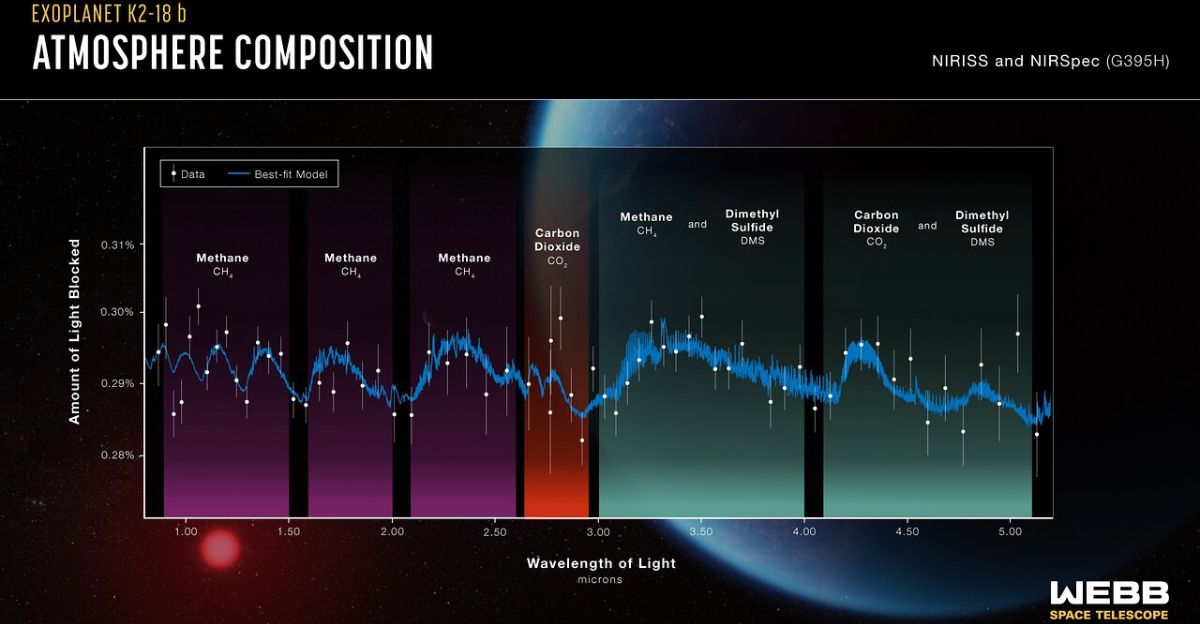
The frenzy began when researchers noticed signs of dimethyl sulfide (DMS) in K2‑18b’s atmosphere, a molecule that, on Earth, is produced almost entirely by marine life such as phytoplankton. In 2023 and again in 2025, a Cambridge‑led team using JWST reported tentative hints that DMS, or a related compound, might be present in amounts thousands of times higher than in Earth’s air.
“If the association with life is real, then this planet will be teeming with life,” Madhusudhan said during a public briefing. That kind of statement electrified the search for life but also raised the stakes, since even a small error in the analysis could turn a potential breakthrough into a false alarm.
A headline‑making but fragile detection
The 2025 study from NASA and Cambridge described the possible DMS signal as the strongest hints yet of biological activity beyond the solar system. Yet the signal itself was barely above JWST’s noise level, which meant the team could not rule out a statistical fluke.
In technical terms, the detection reached about the “3‑sigma” confidence level, roughly 99.7 percent certainty, but fell well short of the “5‑sigma” standard that many physicists demand before calling something a discovery.
Methane and carbon dioxide that changed the odds
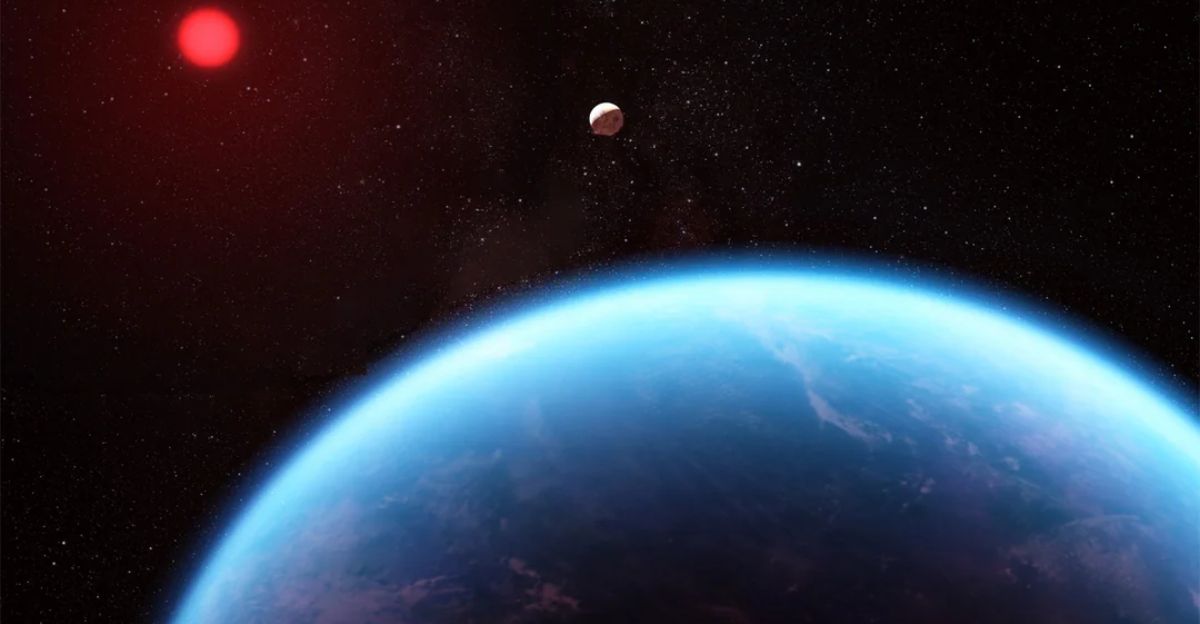
Even without a firm DMS detection, K2‑18b quickly stood out as an exceptional world. JWST clearly picked up methane and carbon dioxide in its atmosphere, along with a notable lack of ammonia, all in a hydrogen‑rich environment. Those signatures match theoretical models of Hycean planets that might harbor deep global oceans and, potentially, primitive life.
“Our findings underscore the importance of considering diverse habitable environments in the search for life elsewhere,” Madhusudhan said when the methane and carbon dioxide results were first announced. NASA has highlighted K2‑18b as a key target for follow‑up observations, noting that carbon‑bearing molecules in the habitable zone make it an especially compelling laboratory for astrobiology.
Modeling missteps, or just a modern “Martian canals” moment?
As other teams dug into the same JWST data, some of the optimism began to ebb. They found that small changes in how they modeled the planet’s atmosphere, like as adjusting cloud layers or temperature patterns, could make the DMS signal appear, vanish, or morph into something else. A later NASA‑led analysis concluded there was “no conclusive evidence” for DMS, downgrading the signal to about 2.7 sigma.
Astronomers compared the situation to past misinterpretations, from 19th‑century sketches of canals on Mars to mysterious radio bursts later traced back to microwave ovens on Earth. As one recent paper put it, the episode shows the challenges of interpreting such signals at the edge of detectability.
Enthusiasm is outpacing evidence
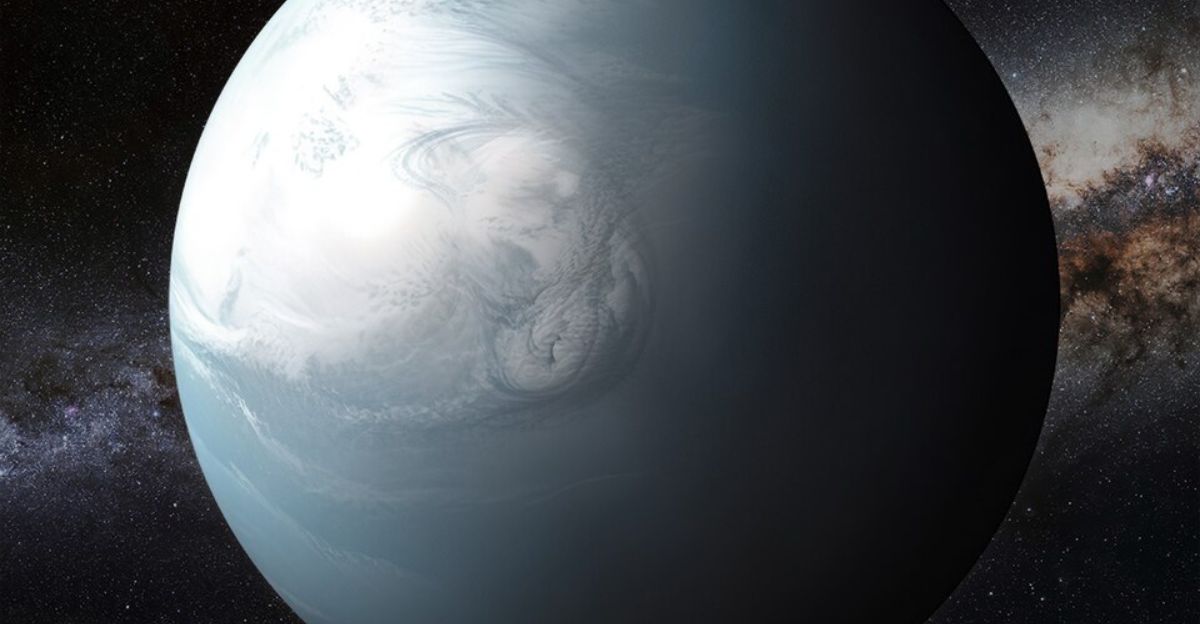
The authors of the report were warning that while some models favor a Hycean world, alternative explanations remain very much on the table. NASA’s advisory groups echoed the sentiment when they backed a pause in the focused biosignature investigation, stressing the need for caution rather than rejecting the possibility of life outright.
One senior astronomer not involved in the work, Chris Lintott, summed up the mood of many colleagues: “We’ve got to be very careful about claiming that this is ‘a moment’ in the search for life. We’ve had such moments before.”
Why NASA chose to hit pause
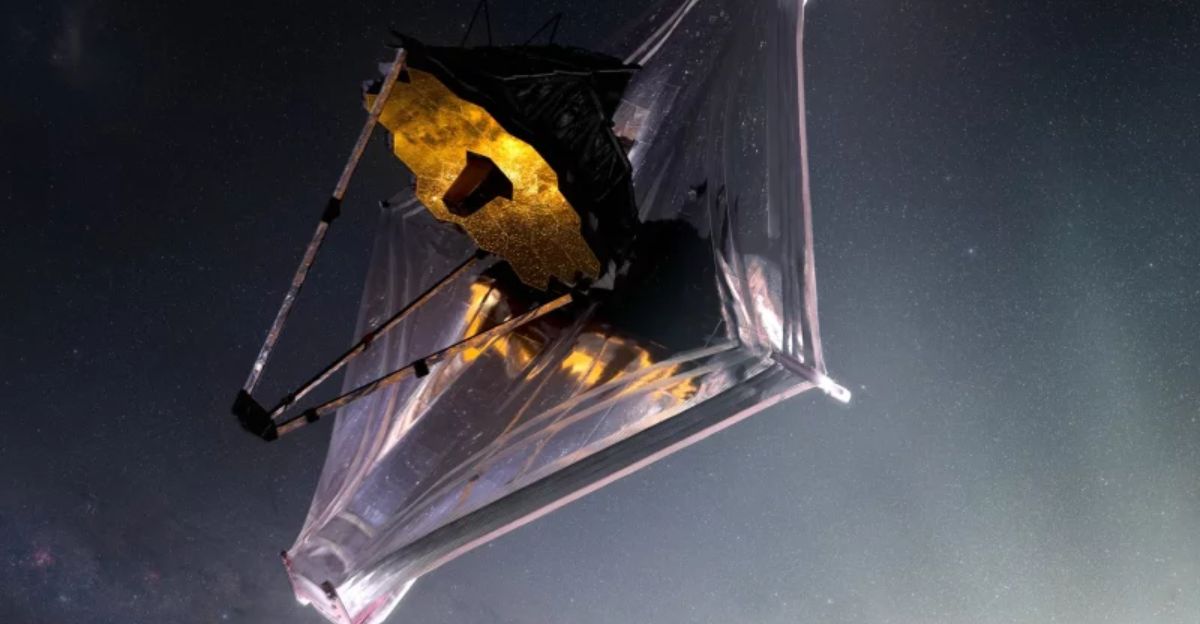
NASA’s decision to suspend the biosignature‑specific part of the K2‑18b program reflects how delicate these early measurements are. Webb’s instruments are so sensitive that even tiny calibration issues or incomplete models can masquerade as real molecules in a planet’s sky. Agency officials have emphasized that they are not throwing out the data; instead, they want more time to refine the methods and collect additional observations.
A NASA blog on Webb’s role in the life search explains that the telescope is designed to identify promising targets for possible biosignatures, but that claims about life must go through a long process of testing and confirmation. The goal, they say, is to guard public trust by avoiding overhyped announcements that later collapse.
A $10 billion observatory meets its limits
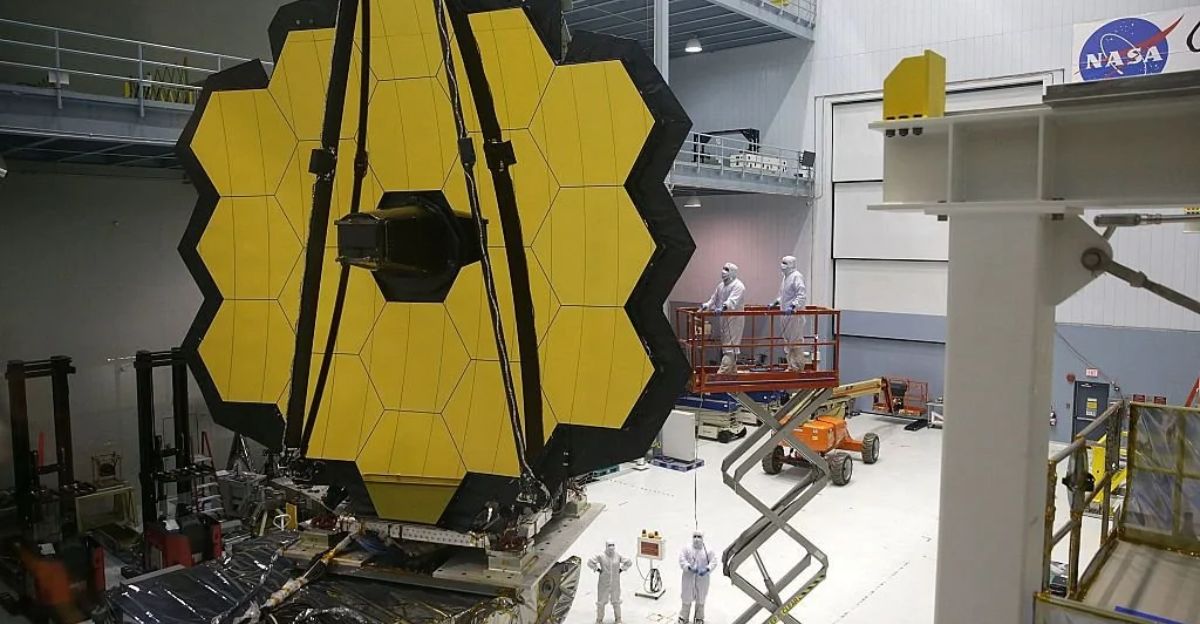
Ironically, the very power of JWST helped fuel the controversy. The telescope was optimized to see faint galaxies through cosmic dust and to measure the atmospheres of large exoplanets, not to deliver unambiguous biosignatures on borderline targets. The DMS saga shows that no instrument, however advanced, can replace careful statistical work and sober interpretation.
A NASA release on K2‑18b notes that the inference of DMS is less robust and requires further validation, pointing toward future observations rather than sweeping conclusions. Many researchers frame the aborted investigation not as a failure but as an early stress test for how science will handle the first truly ambiguous hints of life beyond Earth.
The Hycean idea still has momentum
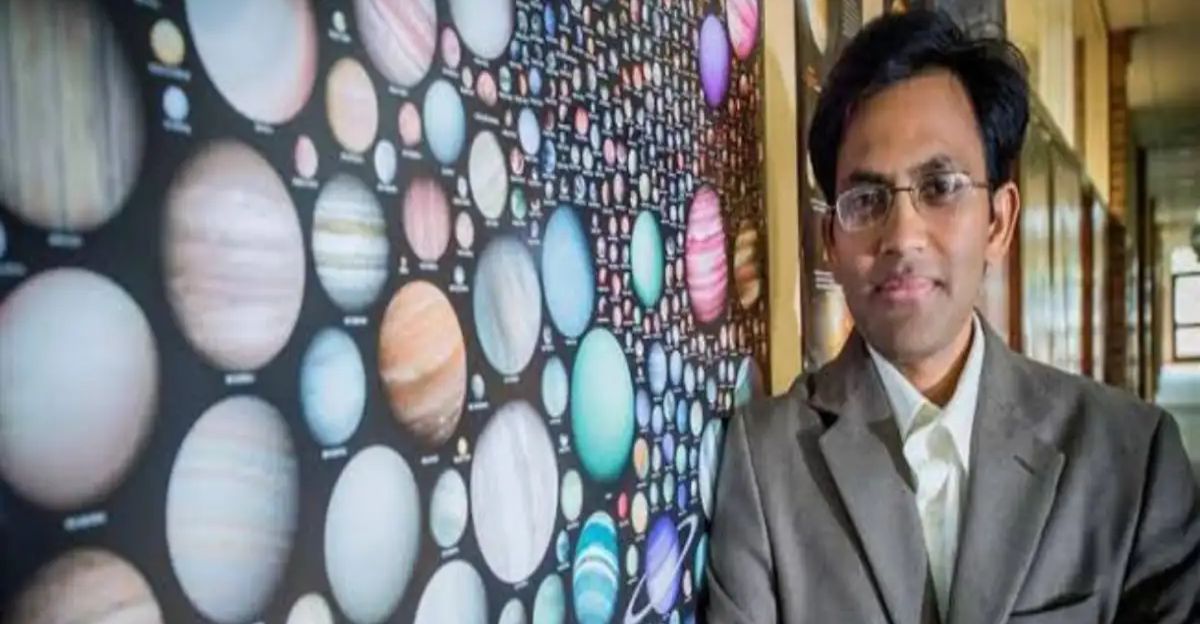
Even as the DMS claim weakens, the broader concept of Hycean worlds is gaining ground. Studies led by Cambridge astronomers suggest that planets with deep oceans and hydrogen‑rich atmospheres could be more common than Earth‑like rocky worlds. That would mean many potential habitats for life might look nothing like our own planet.
“Our findings underscore the importance of considering diverse habitable environments,” Madhusudhan has argued, urging colleagues not to focus only on Earth clones. K2‑18b, as the first well‑studied Hycean candidate, remains central to that shift in thinking, even if it ultimately turns out to be lifeless.
Data noise: the new cosmic adversary
For earlier generations of astronomers, the big worries were telescope failures, cosmic rays, or stray rocks smashing into spacecraft. Now the most dangerous threat may be statistical mirages buried in oceans of data. In the K2‑18b case, overlapping spectral lines, computer noise, and imperfect atmospheric templates combined to mimic the fingerprint of a life‑linked molecule.
Scientific American described the situation as a lesson in how taking the ‘bio’ out of biosignature sometimes means admitting that an apparent signal might be something else entirely. The DMS debate has quickly become a go‑to example in talks and papers about how easily complex models can turn random wiggles into seemingly meaningful patterns.
What this means for the hunt for life
Rather than a crushing disappointment, many experts see the K2‑18b reversal as a sign that astrobiology is finally maturing. Claims about life on distant worlds can now be tested, challenged, and refined on timescales of months instead of decades. A recent NASA overview stresses that Webb’s role is to support our search for life beyond Earth by narrowing down where to look and what to look for, not by delivering instant certainty.
Astronomer Catherine Heymans, who is independent of the K2‑18b team, told the BBC that even a very strong DMS detection would still leave open the question of what process created the gas. The new reality is that no single molecule will settle the life question on its own.
A quiet lesson in scientific humility

The choice to slow down on K2‑18b highlights a trait often overlooked in stories about discovery: restraint. From Galileo patiently tracking Jupiter’s moons to Charles Darwin delaying publication of his ideas, science has a long history of holding back until the evidence is overwhelming. “Suggesting life may exist on another planet is a big claim if true,” Madhusudhan told BBC Radio, explaining why his team is pushing for more data before drawing firm conclusions.
In this context, NASA’s pause looks less like backing away and more like taking a deep breath before the next step. Better to move carefully than to mistake noise for a message from another world.
The question that still hangs in the dark
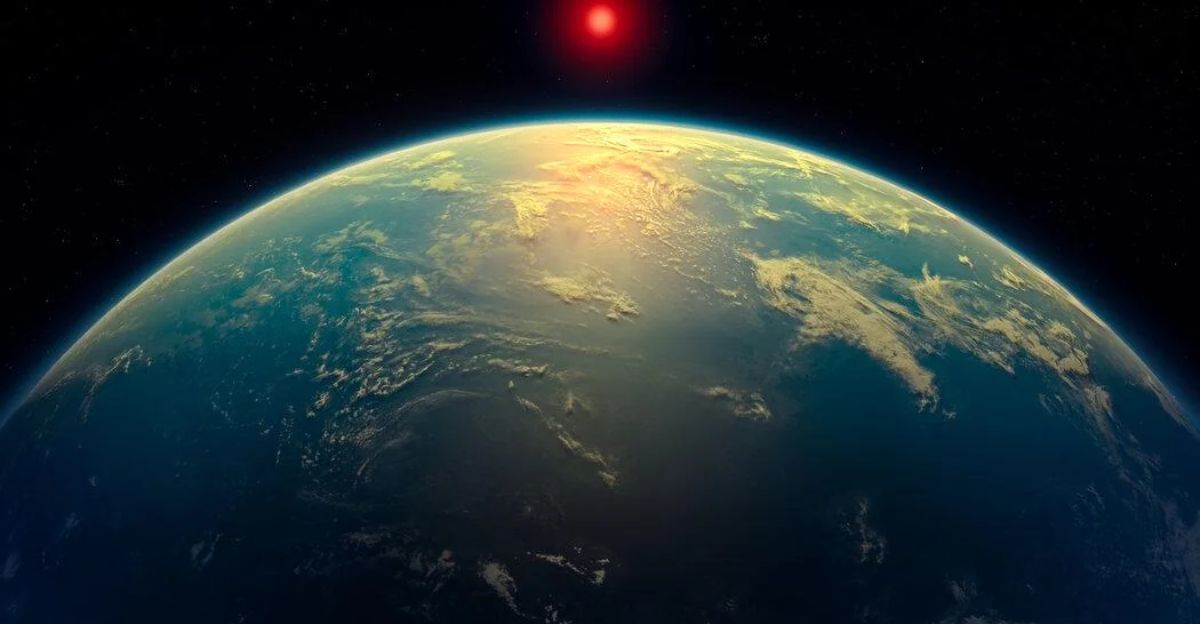
For now, K2‑18b remains what it has been from the start: a tantalizing, unresolved clue. The most powerful space telescope in history may have glimpsed the chemical aftermath of alien life, or just the quirks of complex physics and imperfect models. In an official statement, NASA notes that K2‑18b “lies in the habitable zone” and shows carbon‑bearing molecules, while warning that this does not necessarily mean that the planet can support life.
The world continues to circle its dim star, a faint point in Leo that embodies the question humans have asked for generations: Are we alone? The answer is still out of reach, but each contested signal brings that conversation closer to solid ground.
Sources:
NASA – Webb Discovers Methane, Carbon Dioxide in Atmosphere of K2-18 b – 10 September 2023
BBC News – Scientists find promising hints of life on distant planet K2-18b – 16 April 2025
NASA – How NASA’s Webb Telescope Supports Our Search for Life Beyond Earth – 17 April 2025
University of Cambridge – Strongest hints yet of biological activity outside the solar system – 16 April 2025
Scientific American – Is Dimethyl Sulfide Really a Sign of Alien Life? – 17 April 2025