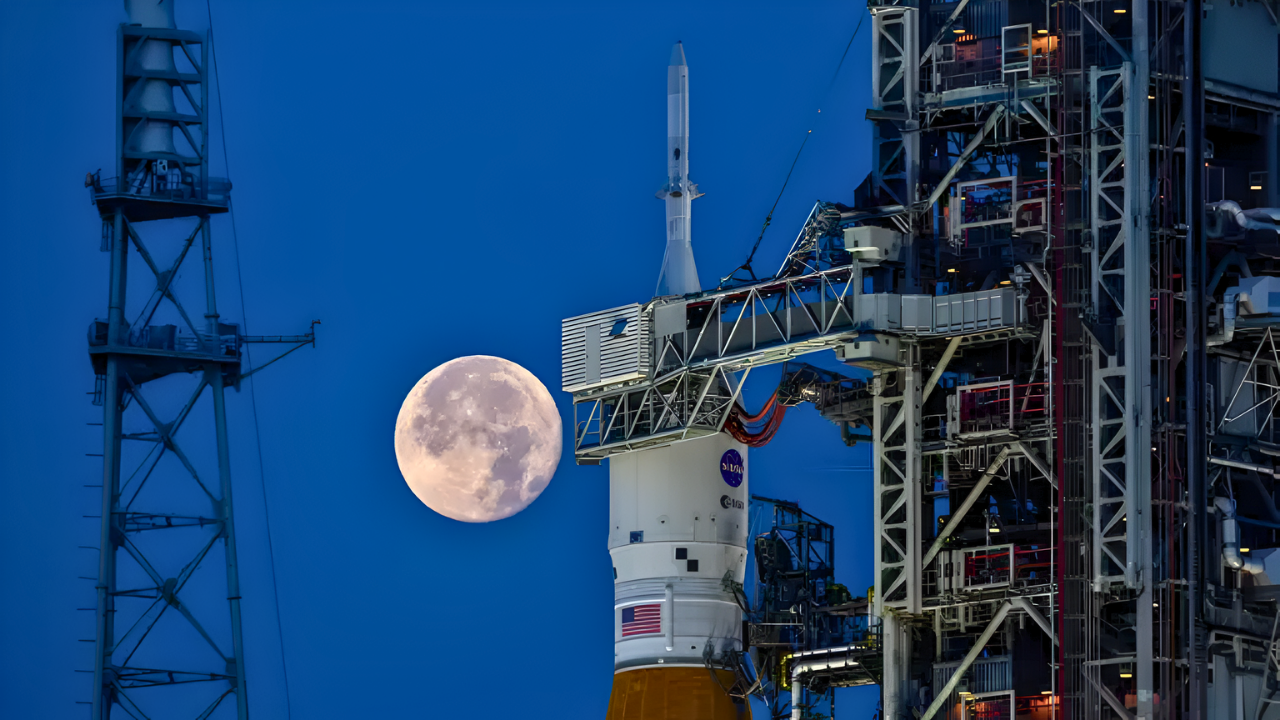
NASA accelerated humanity’s return to the Moon by two months in September 2025.
When Artemis II launches in February 2026, four astronauts will travel farther than any human before—beating Apollo 13’s 248,655-mile record from 1970.
Flight Director Jeff Radigan confirmed the crew will fly 5,000+ nautical miles past the Moon into space, where no rescue exists. This marks humanity’s first deep space journey in 53 years.
China’s Shadow

China plans to land astronauts on the Moon by 2030, marking the first Moon landing since Apollo 17 departed in December 1972.
NASA’s February 2026 target gives America a four-year head start. Acting NASA Administrator Sean Duffy referred to it as a “race against China” in October 2025.
The Senate Commerce Committee warned that international competition drives the accelerated timeline, framing lunar exploration as crucial for national security.
The 53-Year Gap
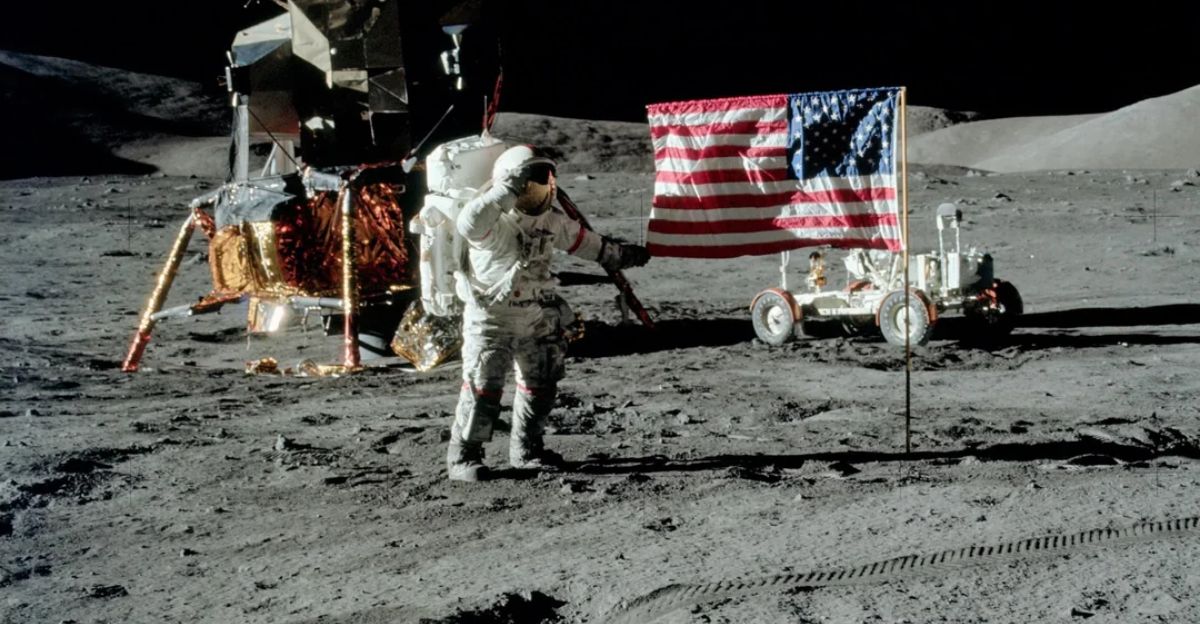
Apollo 17 astronauts Eugene Cernan and Harrison Schmitt left the Moon on December 14, 1972, after 75 hours on the surface.
Artemis II’s February 5, 2026 launch comes 53 years and 54 days later—longer than the gap between the Wright Brothers’ first flight in 1903 and Neil Armstrong’s Moon landing in 1969.
An entire generation grew up without seeing humans leave low Earth orbit. The International Space Station became humanity’s ceiling.
Political Lifeline
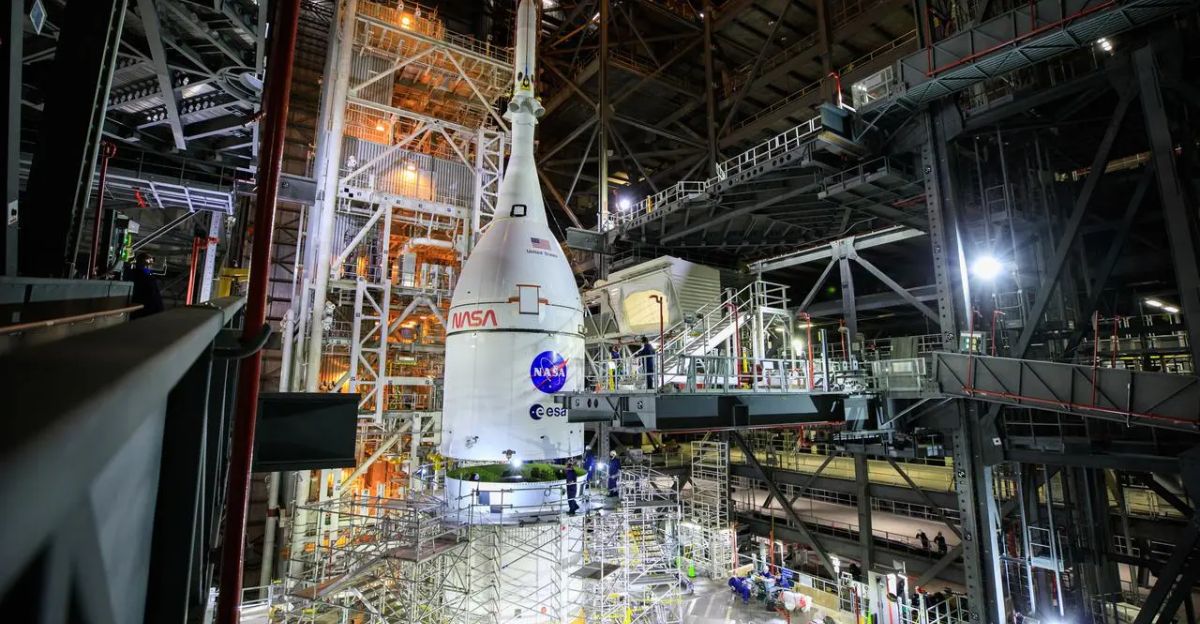
Artemis almost ended in 2025. President Trump’s May budget proposal included major cuts to NASA’s lunar program, targeting the Space Launch System rocket and the Orion spacecraft.
The Lunar Gateway station faced elimination. Congress saved the program in July 2025, negotiating funding that secured the development of Gateway, SLS, and Orion.
Senators and representatives from aerospace manufacturing states led the bipartisan rescue, preserving America’s timeline to beat international competitors back to the Moon.
Four Faces of History
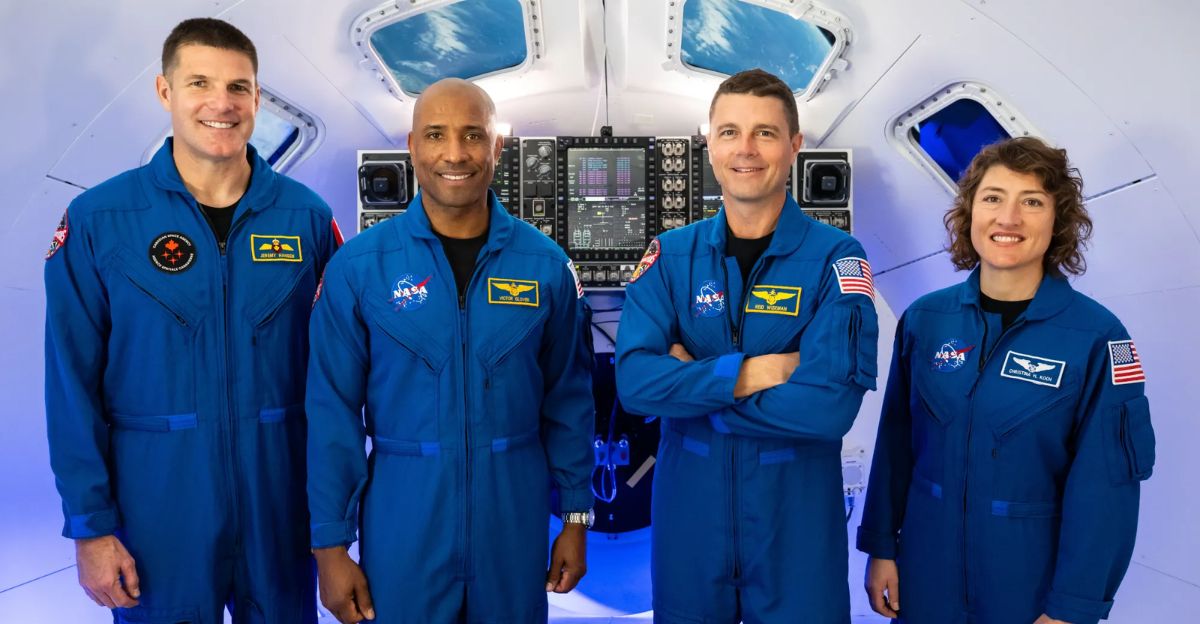
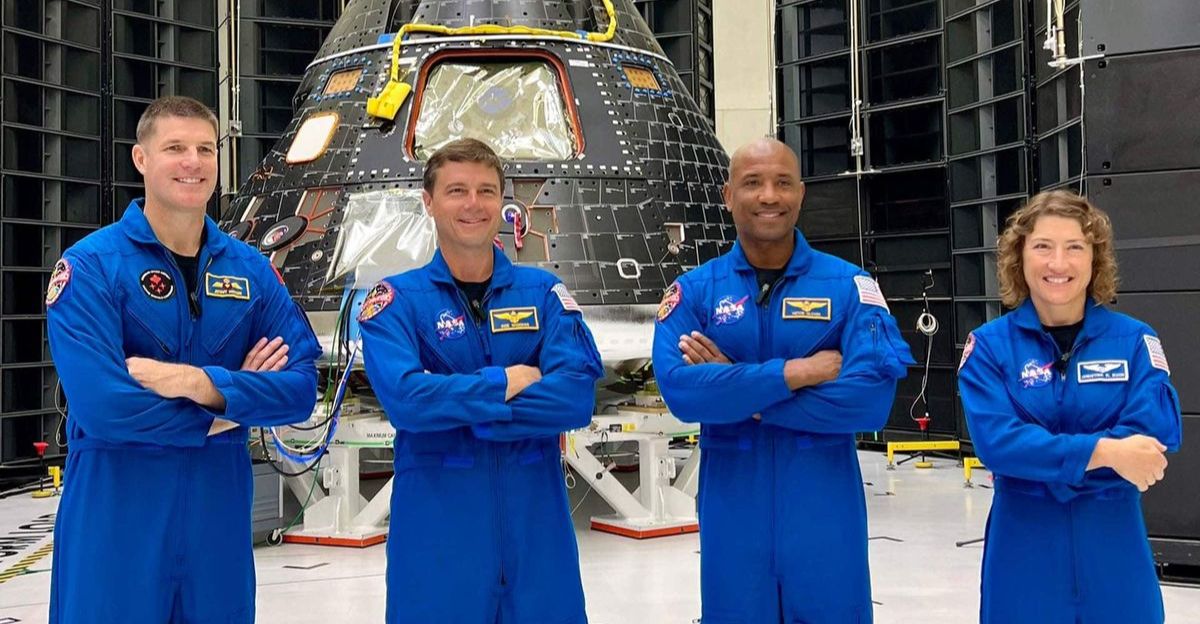
Artemis II carries NASA’s most historic crew. Commander Reid Wiseman, 49, leads pilot Victor Glover, the first Black astronaut to complete an extended space station mission in 2020.
Christina Koch holds the female spaceflight record at 328 days and joined the first all-female spacewalk in 2019.
Canadian Space Agency’s Jeremy Hansen becomes the first non-American to travel to the Moon, ending America’s 53-year lunar monopoly. They represent the diversity Apollo never achieved.
Glover’s Milestone
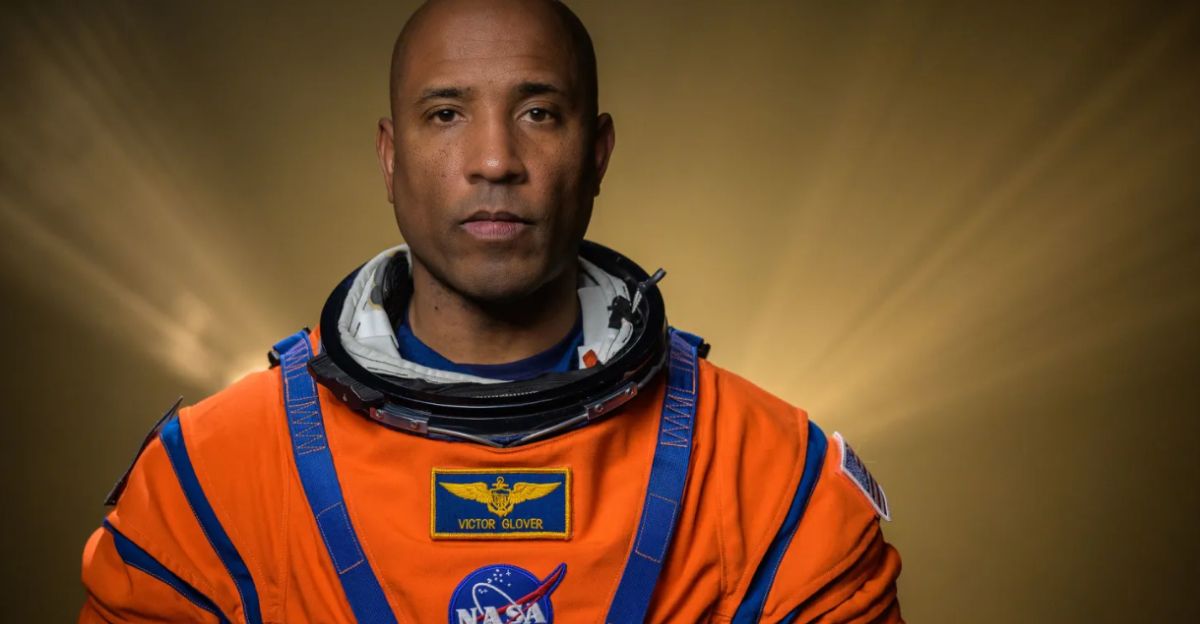
Victor Glover grew up in Pomona, California, dreaming of a career in flight. He became a Navy aviator, flying the F/A-18 Super Hornet by 1999.
NASA selected him in 2013 for an astronaut class that was 50% female—a first for the agency. He launched to the International Space Station in November 2020, spending 167 days there and completing four spacewalks.
His success reflects NASA’s push to diversify its astronaut corps. Artemis II will make Glover the first person of color beyond Earth’s gravity.
Koch’s Endurance
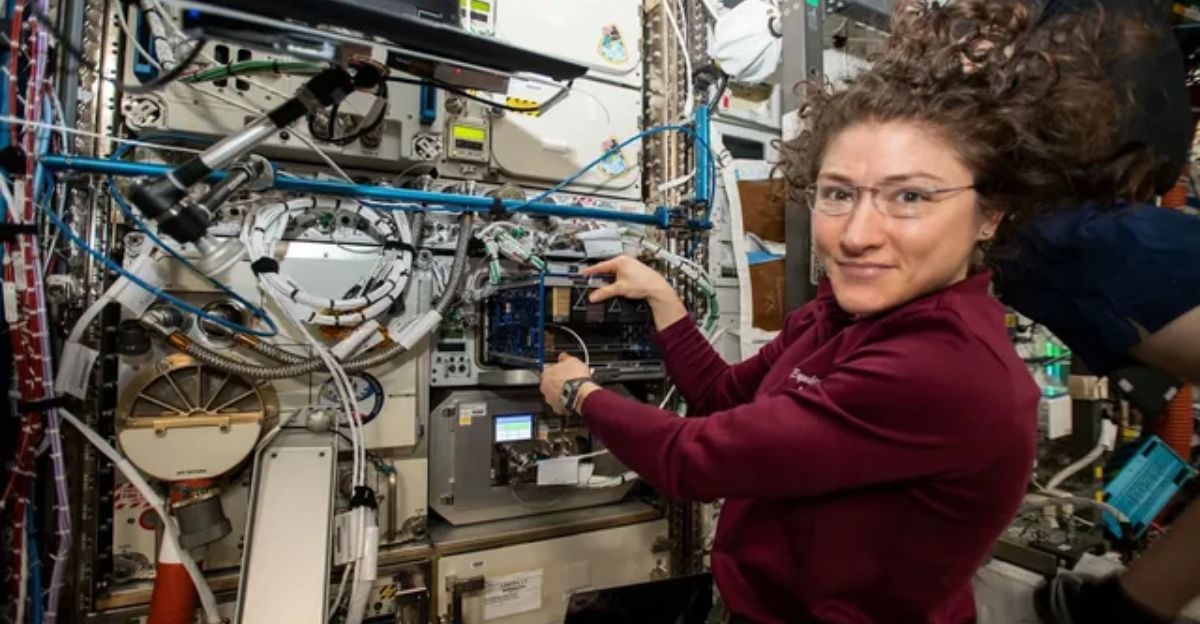
Christina Koch spent 328 days in orbit from March 2019 to February 2020—the female spaceflight record.
She and Jessica Meir performed the first all-female spacewalk in October 2019, fixing a power control unit for seven hours outside the space station.
Koch ran over 300 experiments studying how long space stays affects women’s bodies—data NASA needs for Moon and Mars missions. She brings that knowledge to Artemis II.
The Heat Shield Mystery
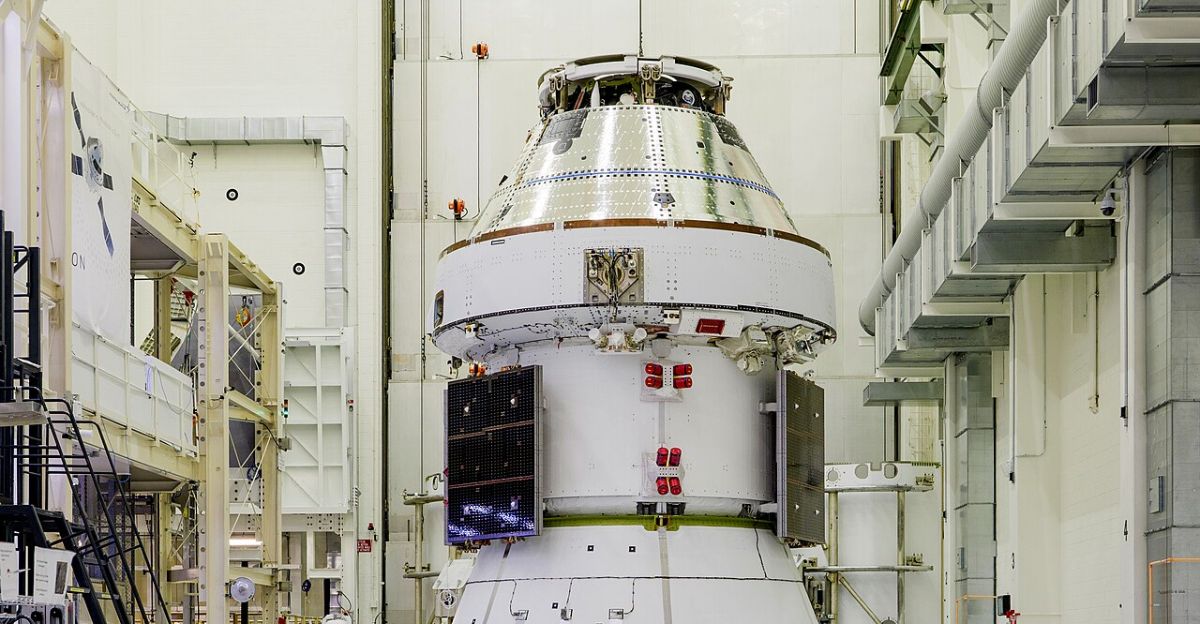
A thermal protection problem delayed Artemis II nearly two years. When Artemis I splashed down on December 11, 2022, after 25.5 days orbiting the Moon, engineers found heat shield damage in multiple spots.
The Avcoat material chars away to shed extreme heat, but gas pressure builds up during Orion’s skip-entry—bouncing through the atmosphere to slow down.
NASA spent months testing to find the cause and solutions.
The Workaround
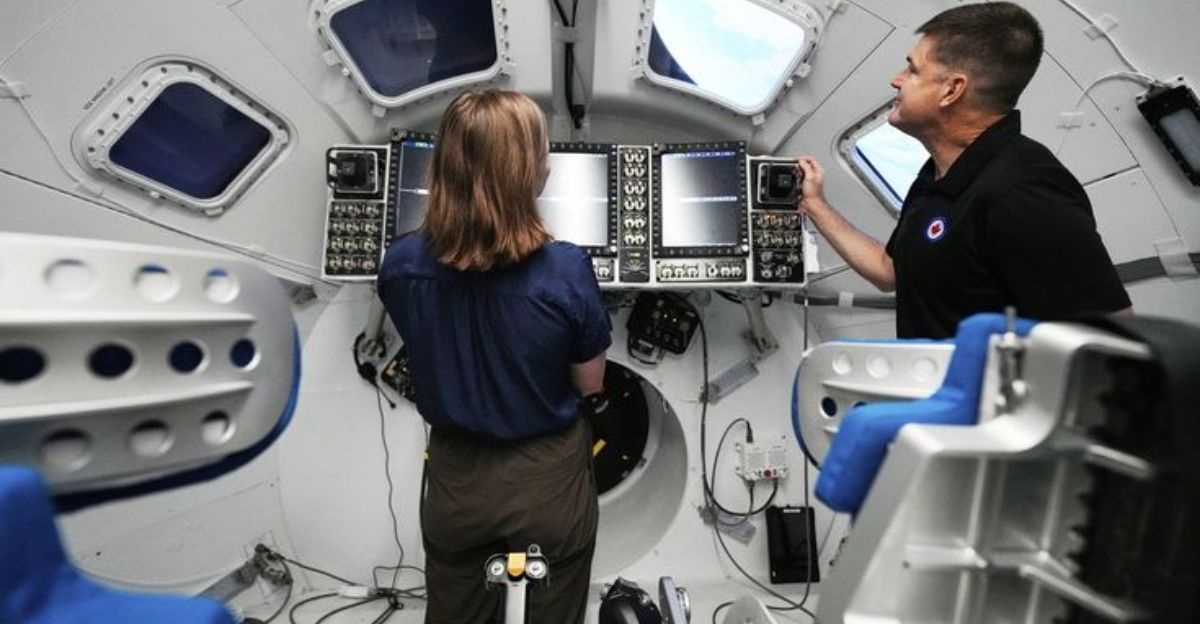
NASA chose to modify Artemis II’s reentry path instead of rebuilding the heat shield. Engineers traced problems to gases during the skip dwell phase when Orion lifts back through the atmosphere.
They designed a new trajectory to reduce peak pressures during reentry, addressing the root causes identified through testing.
Independent engineering reviews confirmed the modified approach meets safety standards. NASA selected this solution to keep the mission moving while maintaining safety margins.
The Cost of Ambition
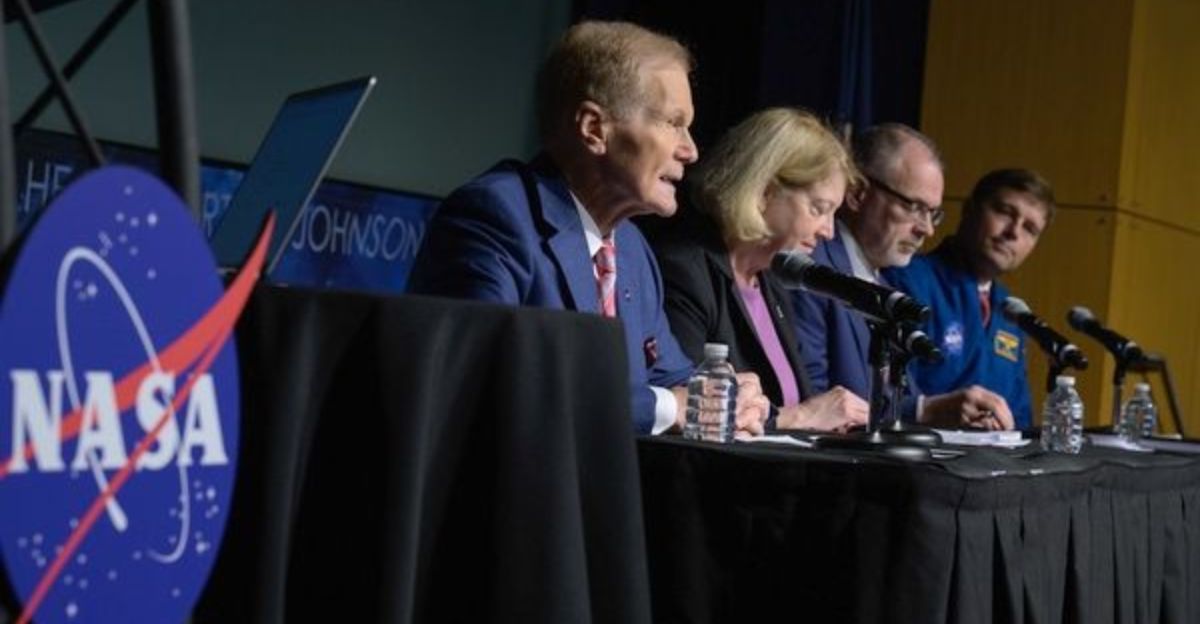
Each Artemis launch costs massive resources—among the most expensive human spaceflight operations in history. NASA has spent tens of billions on design, development, and testing since the 2010s.
The Space Launch System rocket stands 322 feet tall and generates 8.4 million pounds of thrust. Boeing builds the core stage, while Northrop Grumman manufactures the boosters.
Lockheed Martin’s Orion spacecraft carries four astronauts. Every component prioritizes reliability for deep space missions.
Gateway’s Uncertain Future
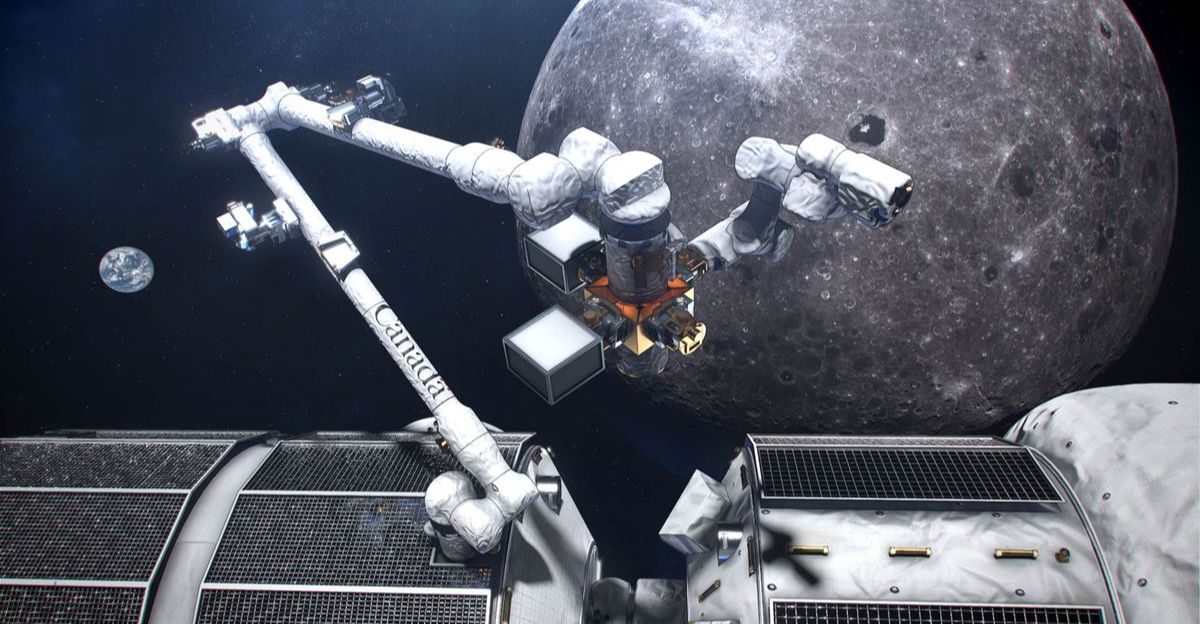
The Lunar Gateway space station represents Artemis’ largest infrastructure project and a significant political risk.
ESA builds habitat modules; Canada provides the Canadarm3 robot; Japan supplies life support; the UAE adds science airlocks. NASA’s Power and Propulsion Element is slated to launch on later Artemis missions.
Gateway funding survived 2025 budget scrutiny through congressional action. International partners now share costs and expertise for 21st-century space exploration.
The Canadian Investment
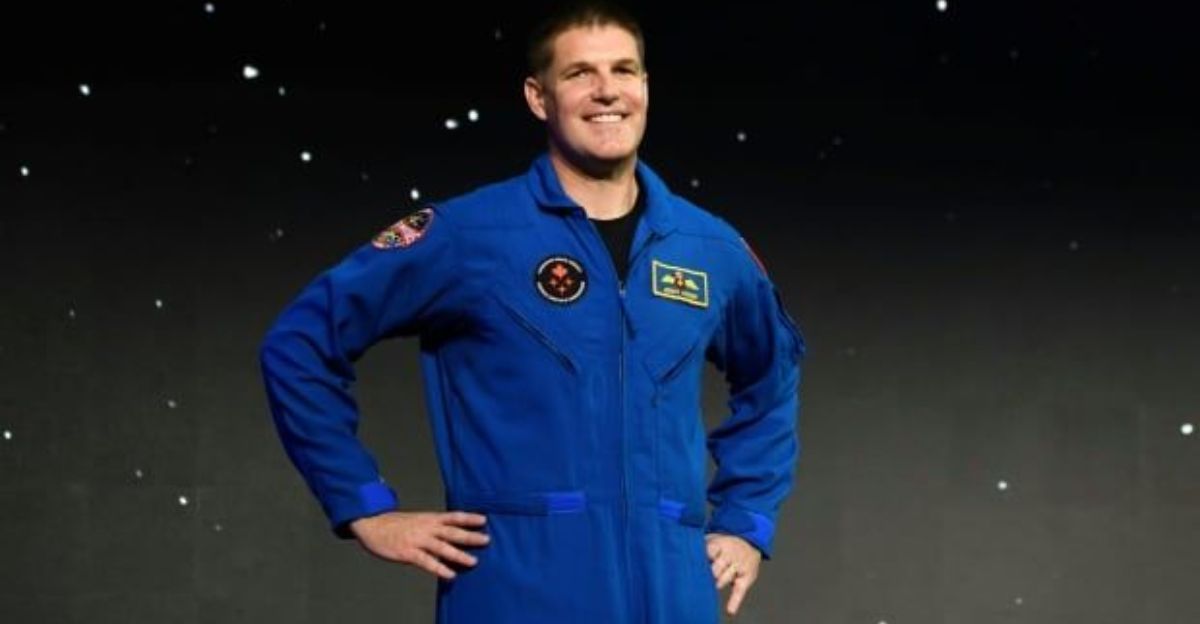
Jeremy Hansen’s Artemis II seat reflects Canada’s decades of space partnership. The Canadian Space Agency has provided robotic systems for every NASA human spaceflight program since the Space Shuttle.
Hansen, 48, joined NASA’s astronaut program in 2009 as a Royal Canadian Air Force colonel. He becomes Canada’s first representative beyond low Earth orbit—a milestone for a nation deeply integrated with NASA operations.
The Artemis Accords formalize the rules for international cooperation in lunar exploration.
Wiseman’s Command
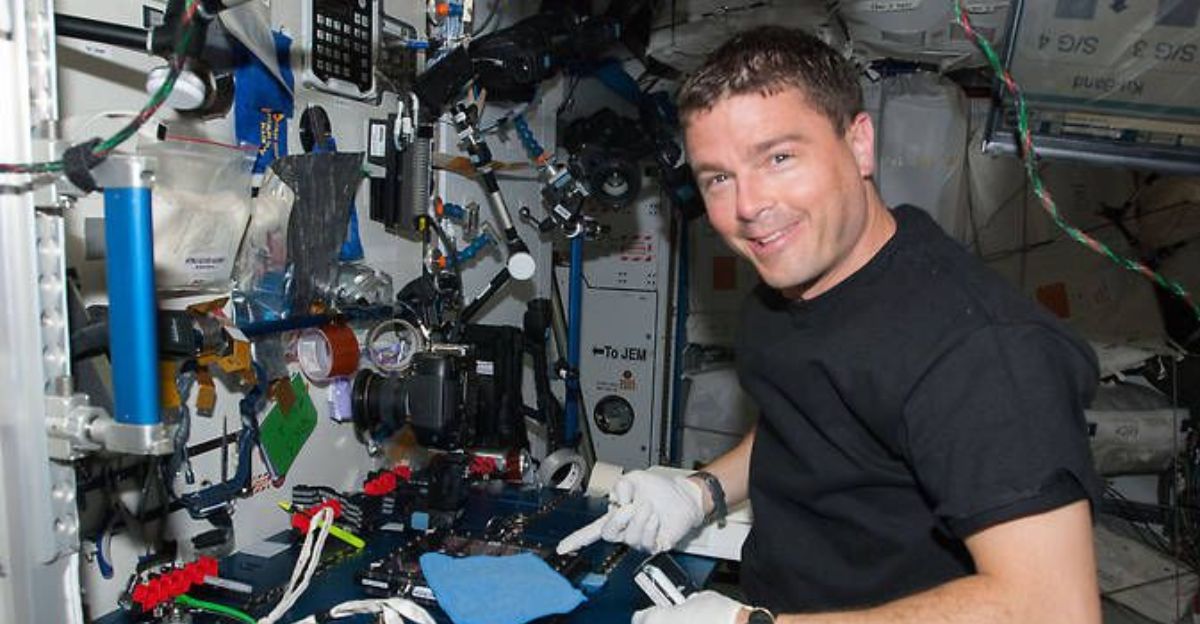
Reid Wiseman built his commander credentials through technical excellence. The Baltimore native flew Navy F-14 Tomcats before becoming a test pilot at Patuxent River, Maryland.
NASA selected him as an astronaut in 2009. His 165-day space station mission in 2014 included two spacewalks totaling 13 hours.
He led NASA’s Astronaut Office from 2020 to 2022, managing crew assignments and training. Now 49, he commands humanity’s deep space return.
The Recovery Plan
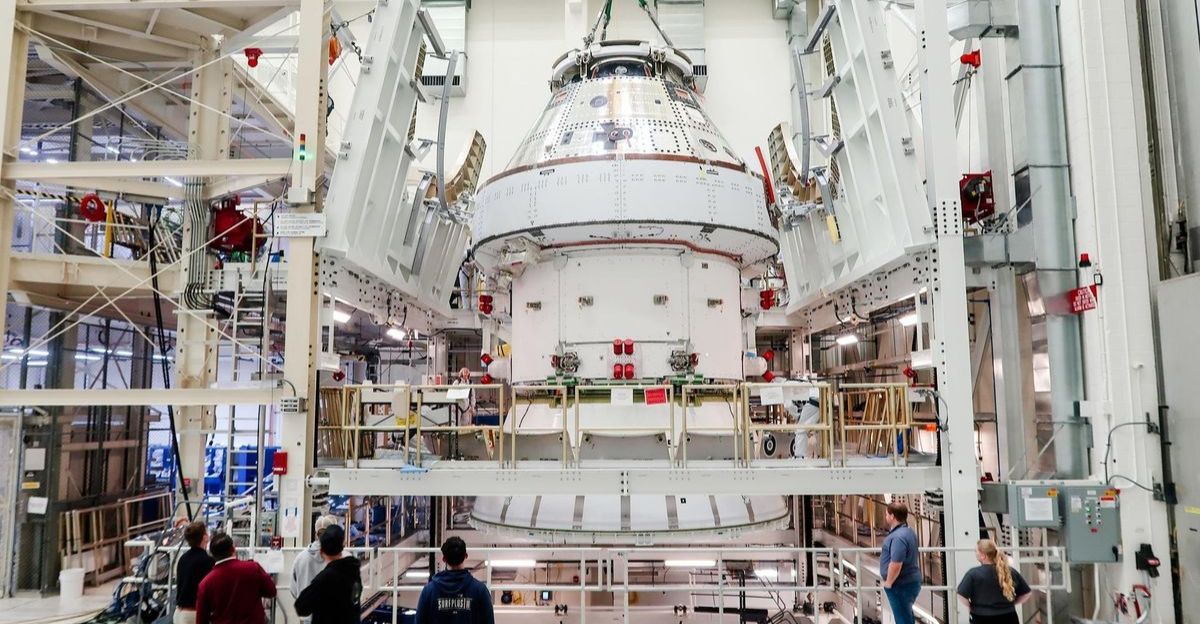
No rescue mission exists if Artemis II fails. The crew will orbit 4,700 miles beyond the Moon’s far side—roughly 268,000 miles from Earth.
Communication takes 1.3 seconds each way at that distance. Emergency response would need days to organize and weeks to execute.
Orion carries life support for extended autonomy, but emergency options shrink to hours in lunar space. NASA has practiced Pacific splashdown drills, but prevention remains the only real safety strategy.
Looking to 2027
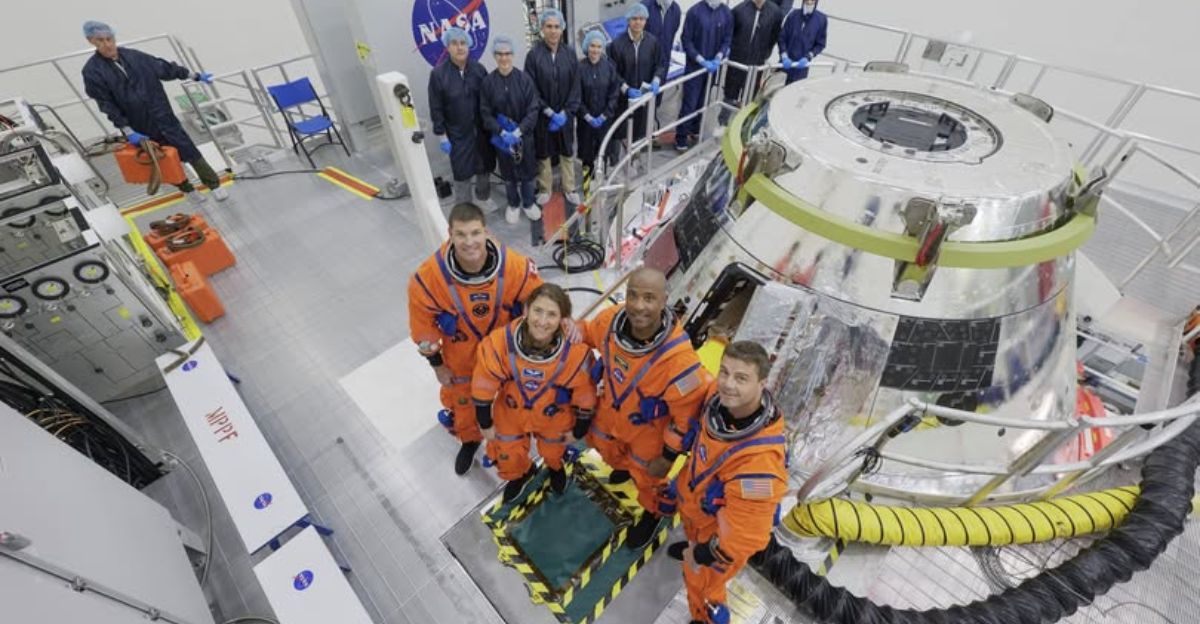
Artemis II is a practice. Artemis III targets mid-2027 for the first lunar surface landing since Apollo 17—if the landing system is ready.
SpaceX is building the Starship Human Landing System, which must be successful in in-orbit refueling and unmanned landing tests.
Program schedules indicate that these demonstrations will occur in 2026-2027, with surface missions following validation. Multiple commercial partners are developing lunar capabilities as backup options.
Reopening the Lander Contract

NASA Administrator Sean Duffy signaled in October 2025 that NASA is evaluating multiple approaches to lunar landings.
The agency maintains contracts with SpaceX and Blue Origin and can pursue additional proposals as needed. This flexibility ensures backup options and schedule protection.
Congressional discussions in 2025 emphasized the importance of schedule certainty in relation to China’s 2030 landing target and the strategic stakes for American space leadership.
Industry Ripple Effects
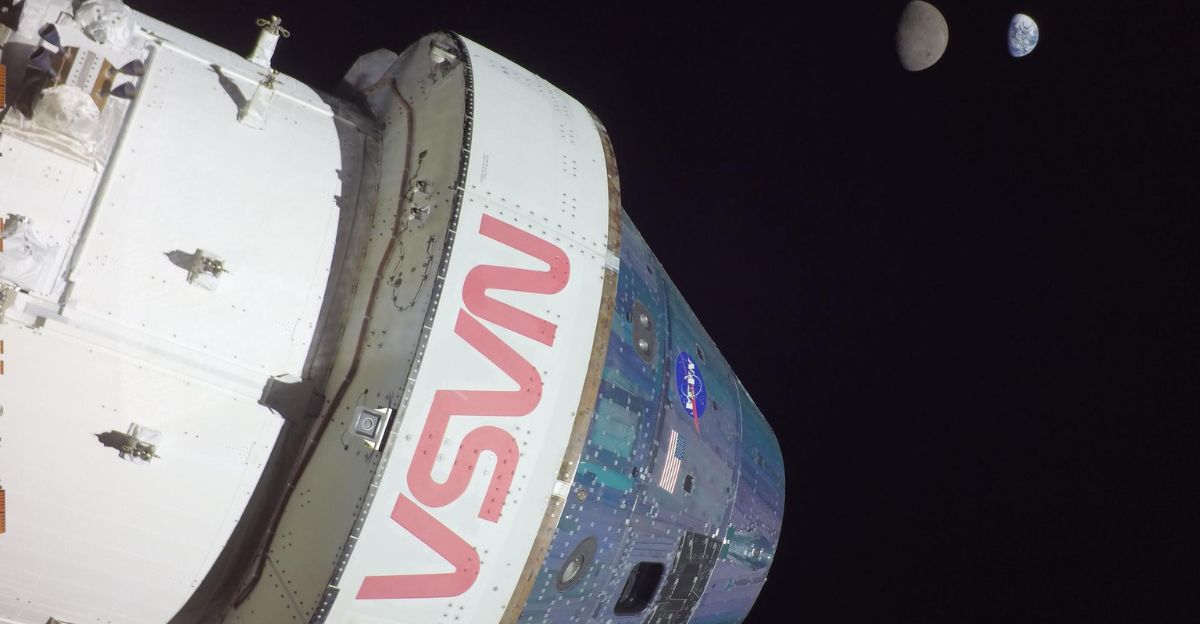
Artemis’ success impacts aerospace supply chains across America’s industrial base. Boeing, Northrop Grumman, Lockheed Martin, and Aerojet Rocketdyne employ thousands from the Gulf Coast to the Rocky Mountains.
ESA adds European depth, with Airbus providing spacecraft components from Germany. Trump administration budget proposals—ranging from major cuts to maintained funding—highlighted the program’s political sensitivity.
Industry advocates stress that deep space launch infrastructure took more than 15 years to develop.
Social Media and Misinformation

Artemis II faces skepticism fueled by the 53-year gap in deep space. Social media amplifies claims questioning America’s lunar capabilities and the authenticity of the Apollo missions.
Online discussions in 2024-2025 compared modern billion-dollar costs to 1960s Apollo budgets, while ignoring inflation and advances in capability.
Commander Reid Wiseman addressed misconceptions at the September 2025 press conferences, explaining how Artemis builds on Apollo’s legacy with modern materials and updated architecture.
Apollo 13’s Shadow
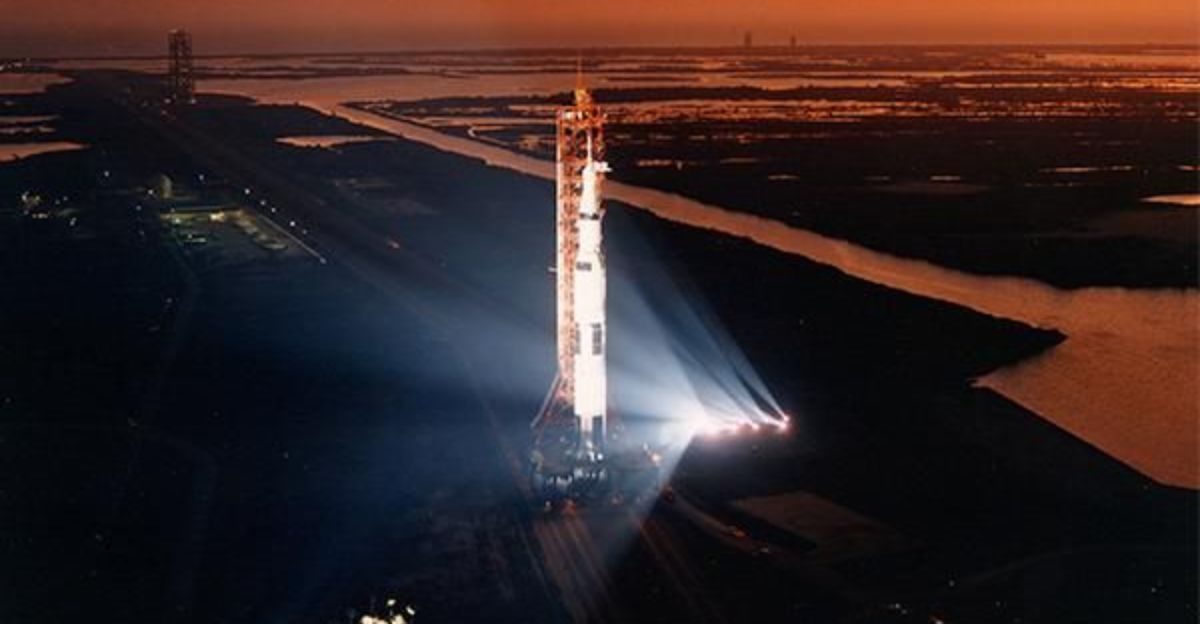
Apollo 13 haunts Artemis planners. An oxygen tank exploded on April 14, 1970, crippling the service module 200,000 miles from Earth.
Jim Lovell, Fred Haise, and Jack Swigert used the Moon’s gravity to return home safely. Their emergency path reached 248,655 miles from Earth—the human distance record until Artemis I beat it uncrewed in November 2022.
Apollo 13 succeeded due to its redundant systems and brilliant engineers. Artemis II must incorporate safety margins into its design before launch.
The Bottom Line
February 2026 tests whether 53 years of progress can return humans to deep space.
Four astronauts—a Navy commander, the first Black lunar pilot, a female record-holder, and Canada’s first Moon traveler—bet their lives on refined engineering and decades of preparation.
Success validates the path to Artemis III’s 2027-2028 landing attempt and proves American commitment to lunar exploration. Failure brings human loss and program consequences. The stakes couldn’t be higher.