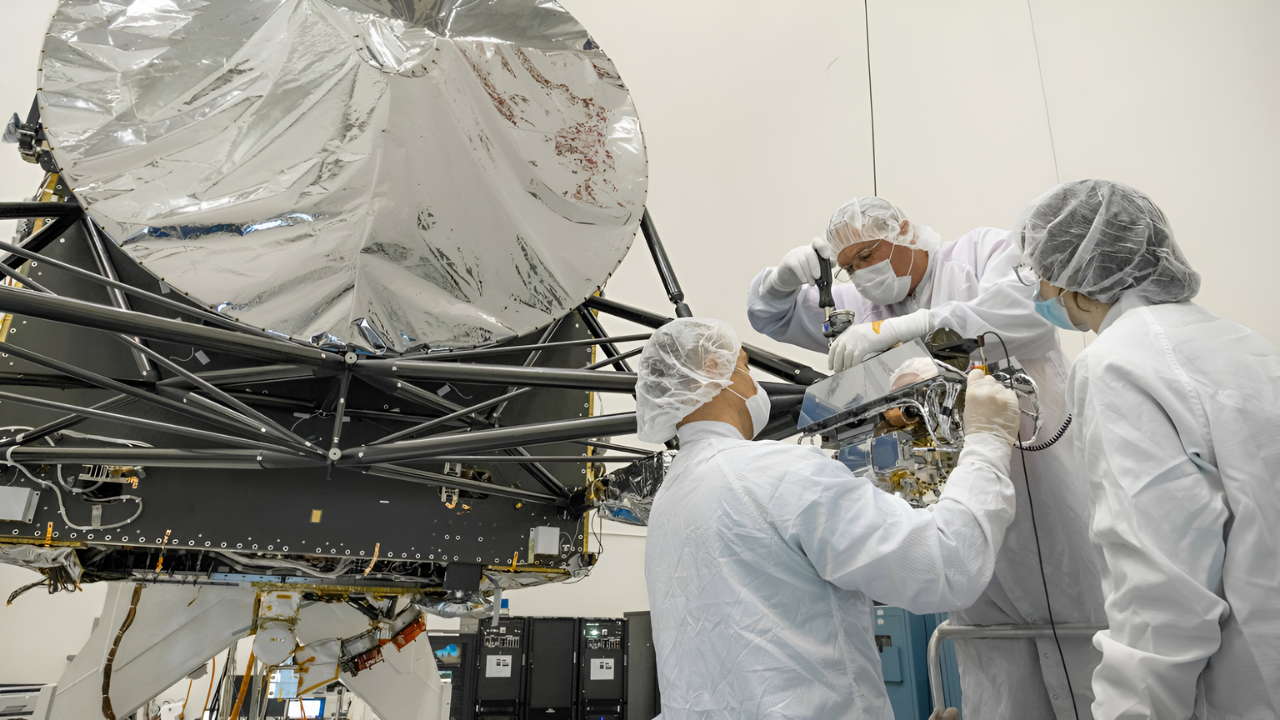
On July 1, 2025, NASA’s ATLAS telescope in Chile made history by detecting 3I/ATLAS, the third confirmed interstellar visitor to our solar system. This ancient wanderer, traveling at 68 kilometers per second, originated from a distant star system billions of years ago. Unlike its two predecessors, 3I/ATLAS arrived with unprecedented observational capacity waiting.
Scientists worldwide positioned themselves for study. Its approach promised answers about how distant star systems forge and transform planetary materials. The discovery marked a turning point: humanity had now detected three cosmic messengers in recorded history.
A Billion-Year Time Capsule
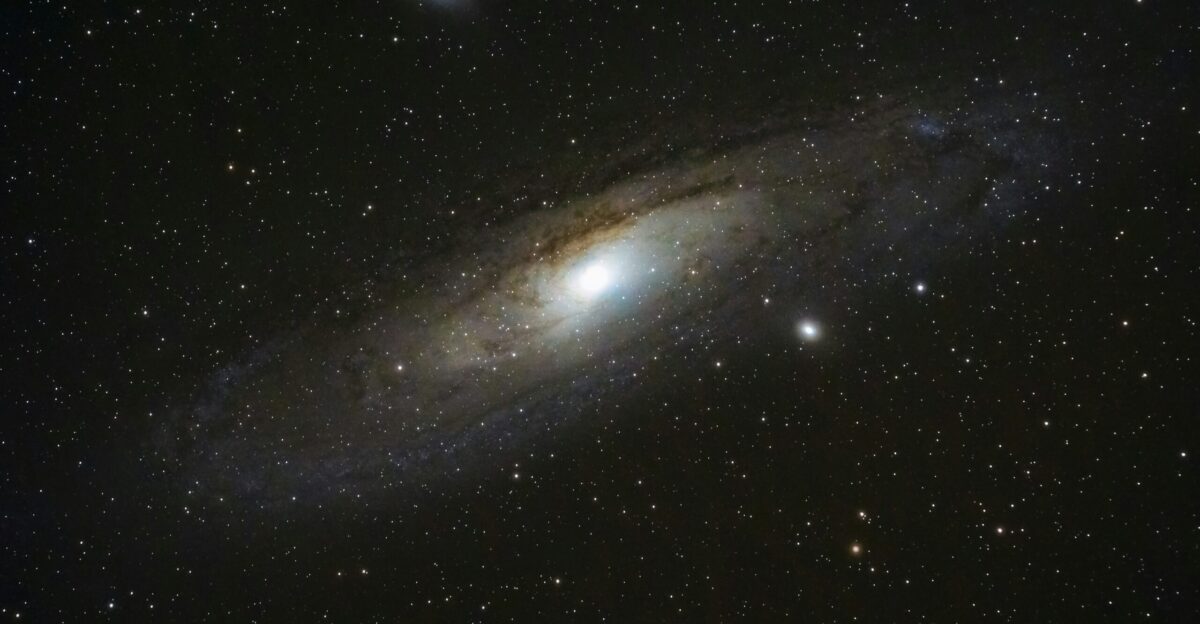
What makes 3I/ATLAS extraordinary isn’t just its origin; it’s what it carries. JWST measurements revealed an unusually high carbon dioxide-to-water ratio among the highest ever recorded in any comet. This suggests that the object spent roughly one billion years exposed to galactic cosmic rays, resulting in a processed outer crust.
Scientists now view 3I/ATLAS as a rare “time capsule” from an alien star system, preserving chemical signatures across cosmic ages. The composition fundamentally rewrites assumptions about how interstellar objects maintain and transform their chemical identity during millennia-long journeys through space.
Telescopes Fly Off Shelves
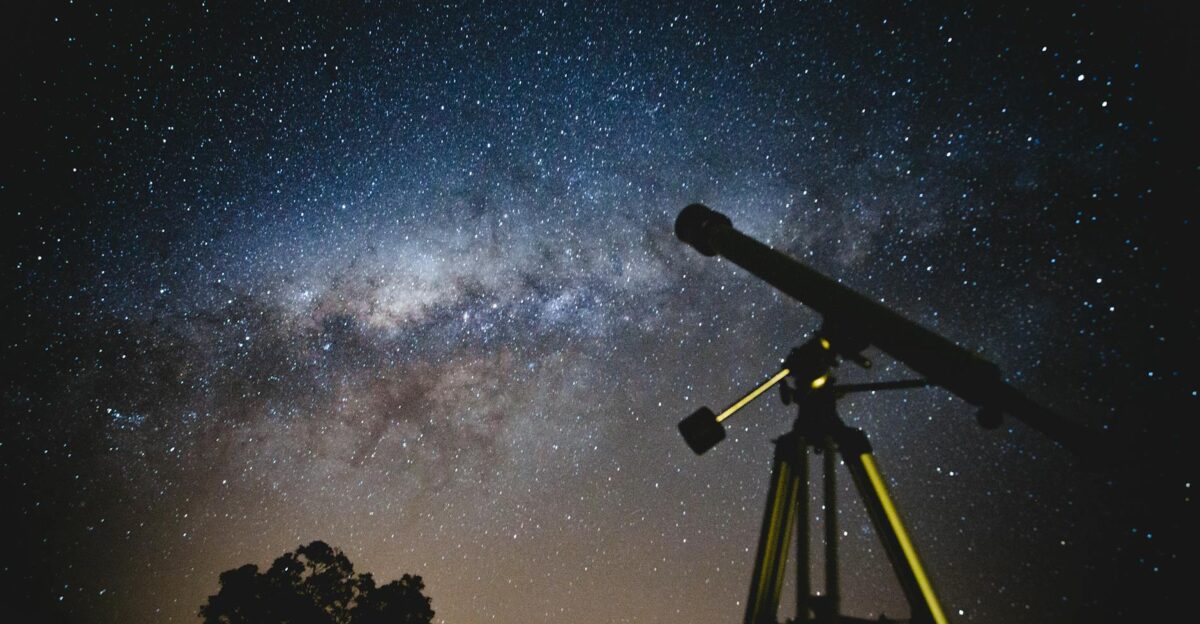
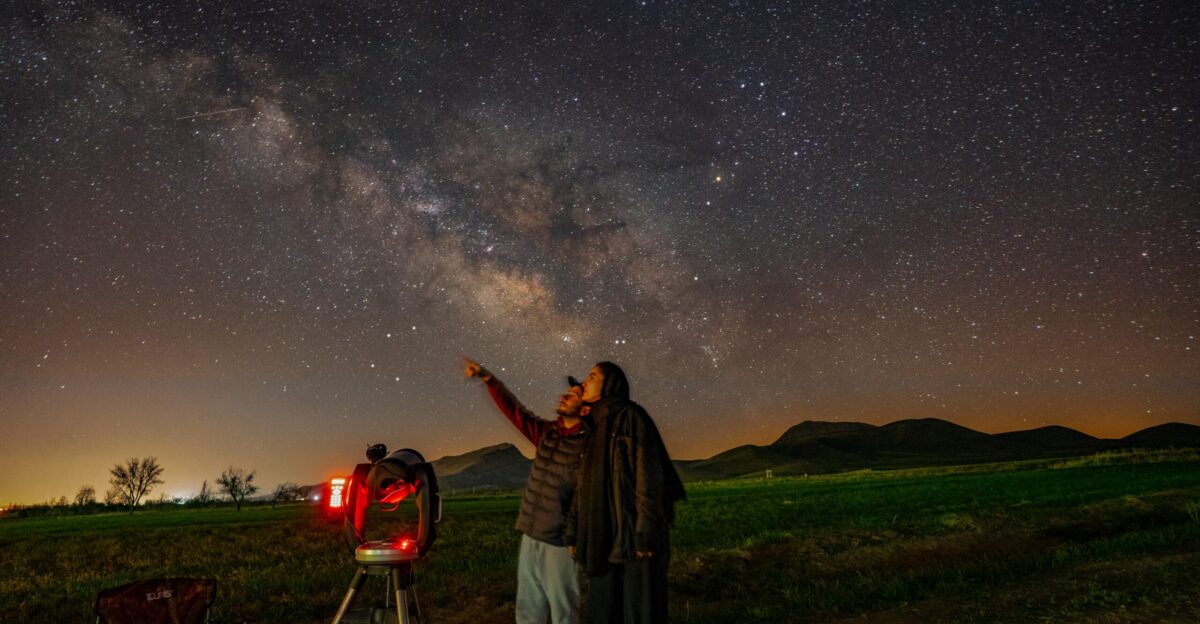
The moment 3I/ATLAS entered public consciousness, consumer demand exploded. Amateur astronomers and casual stargazers rushed to observe the comet, triggering a worldwide surge in telescope and binocular sales beginning in August 2025. Online astronomy forums exploded with activity.
Retail data showed a 40% increase in entry-level telescope searches as millions sought participation in what many called a “once-in-a-lifetime” astronomical event. The equipment required tiny decent binoculars or modest telescopes to suffice for viewing. Astronomy clubs reported exponential growth in membership inquiries. Supply chains are strained to meet demand.
Schools and Universities Pivot to Teaching Tool

Educational institutions worldwide recognized 3I/ATLAS’s potential as a teaching moment. The University of Texas at Arlington, Lowell Observatory, and dozens of universities launched public lectures and hands-on observation events. Planetariums added dedicated 3I/ATLAS shows to their rotations. Museums extended evening hours.
K-12 educators incorporated the comet’s discovery into physics, chemistry, and astrobiology curricula, reaching over 100,000 students by October 2025. Teachers recognized that this genuine discovery could spark authentic scientific curiosity in younger generations. The comet became a bridge between classroom abstractions and real-time cosmic events.
Citizen Science Goes Global Here’s Where It Gets Interesting
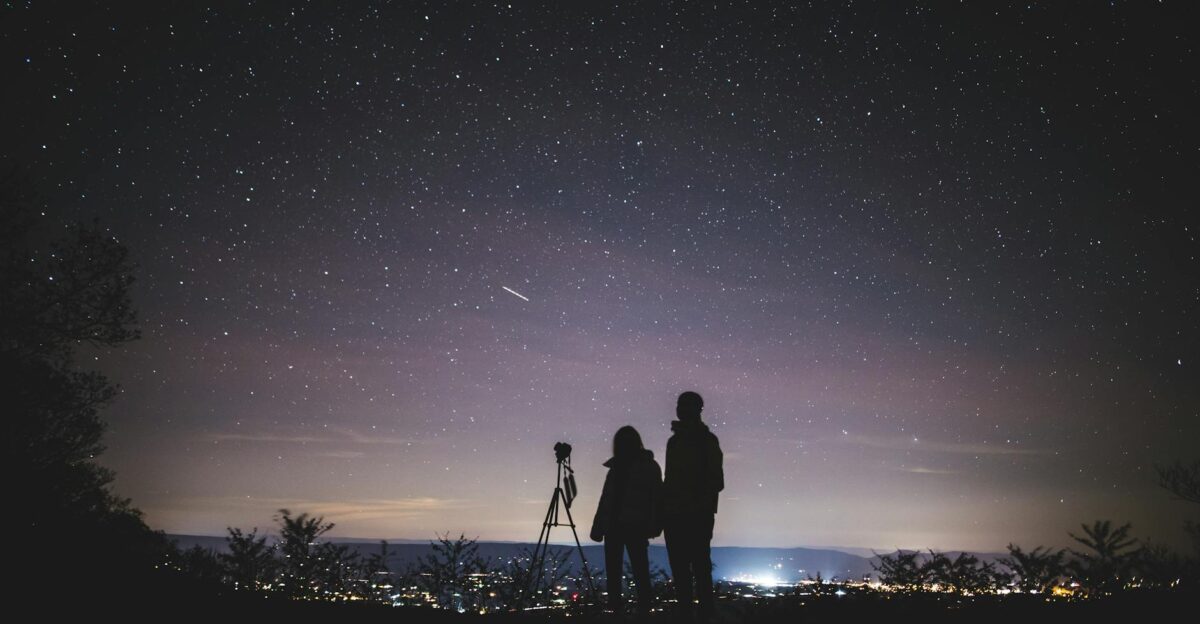
The International Asteroid Warning Network launched an unprecedented formal observational campaign from November 27, 2025, through January 27, 2026. Thousands of amateur astronomers and citizen scientists from more than 26 countries contributed astrometric and photometric measurements. Beginners and expert observers collaborated on shared databases.
This democratization of data collection marked the first time such a massive coordinated effort targeted an interstellar object, generating unprecedented datasets on comet behavior after perihelion. Participants uploaded observations to centralized repositories. Professional astronomers collaborated with amateurs, validating measurements and integrating their findings into peer-reviewed analyses.
Rival Space Agencies Unite
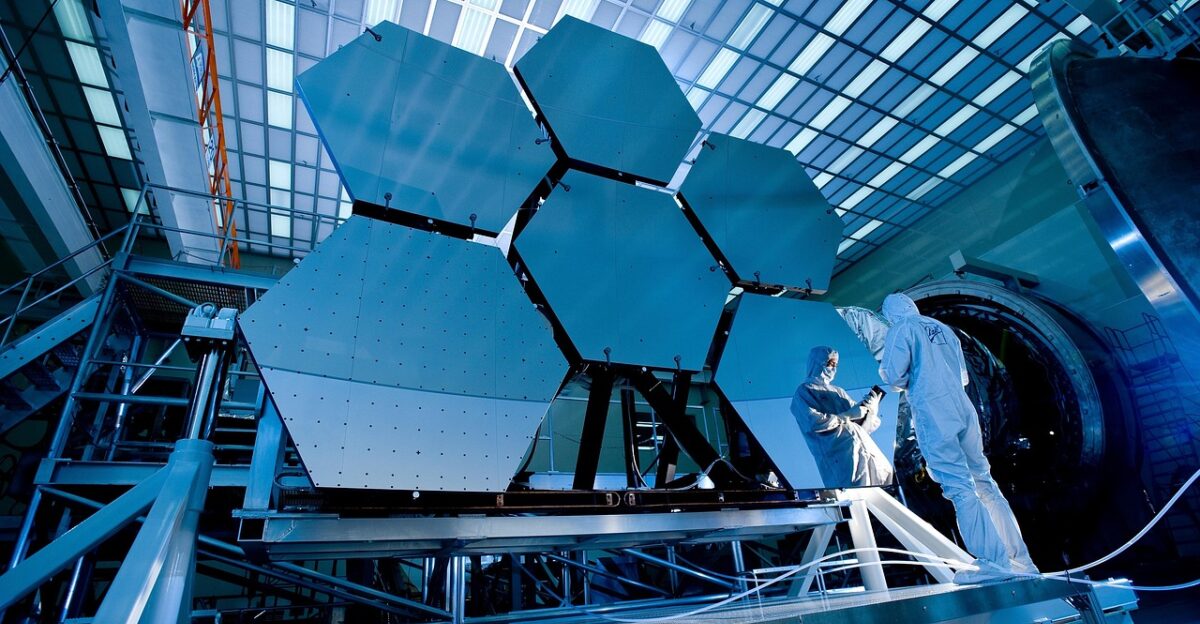
Meanwhile, rival space programs set aside competition to collaborate on 3I/ATLAS observations. NASA’s Europa Clipper and ESA’s Jupiter Icy Moons Explorer (JUICE) were repositioned in November 2025 to observe the comet using twin ultraviolet spectrographs. ESA’s Mars Express and ExoMars TGO conducted dedicated observations in October 2025.
This unprecedented coordination, generally reserved for crisis response, demonstrated how a single visitor could unite international space agencies in a shared scientific pursuit. Joint protocols established during this campaign would set templates for future studies of interstellar objects. Scientists from competing nations published collaborative findings.
Congress Demands Answers

By early November 2025, U.S. political pressure mounted. Representative Anna Paulina Luna (R-FL) sent a formal letter to NASA’s Acting Administrator demanding immediate release of all 3I/ATLAS imagery and data. Harvard astrophysicist Avi Loeb publicly criticized NASA for withholding observations. Luna’s office confirmed a congressional briefing was scheduled for November 12, 2025.
The confrontation signaled deep congressional interest in comet oversight and transparency around scientific data access. Questions arose: Who controls information about interstellar objects? Should all data be immediately public? These political ripples extended far beyond astronomy into debates on government accountability.
Media Frenzy—Speculation Meets Inquiry
Between October and November 2025, mainstream media outlets, including CNN and the BBC, ran speculative stories questioning whether 3I/ATLAS could be a technological artifact. Avi Loeb’s hypothesis, placing 3I/ATLAS at “4 on the Loeb scale” with a 30-40% chance of an artificial origin, went viral across social platforms.
Conspiracy theories and legitimate scientific inquiry merged indistinguishably online. Twitter, Reddit, and TikTok generated billions of impressions, mixing serious analysis with fringe speculation. Mainstream outlets amplified both perspectives equally, blurring lines between evidence-based reporting and sensationalism. The media landscape fragmented around interpretive authority.
Wall Street Takes Notice—Stock Surge
Financial markets responded swiftly to 3I/ATLAS. Aerospace and telescope manufacturing companies experienced notable stock price increases in mid-October 2025, following a peak in media buzz. Suppliers of observational instruments, planetarium software, and space detection technology reported pre-orders extending into 2026.
Investment analysts highlighted interstellar object studies as an emerging market segment worthy of capital allocation. Venture capital flows toward asteroid detection startups increased approximately 25% by November 2025. Fund managers recognized that discovery events, even ones without immediate commercial applications, could drive investor enthusiasm and reshape sectoral valuations.
Dark-Sky Tourism Booms Book Now, Observe Later

Hotels, planetariums, and tour operators in dark-sky locations capitalized on 3I/ATLAS fever. Premium “3I/ATLAS viewing packages” were advertised for the closest Earth approach in December 2025. Observatories offered ticketed observation nights. State parks extended evening access hours. Tourism boards marketed “interstellar comet destination” experiences to affluent travelers.
December bookings for dark-sky resorts increased 60% year-over-year in regions with optimal viewing angles. Travel companies bundled lodging, meals, and expert-led observation sessions. What began as pure scientific curiosity transformed into a tourism commodity, generating revenue streams for rural communities and hospitality operators worldwide.
Pentagon Issues UAP Assessment

Here’s where national security comes into play. The Pentagon’s All-domain Anomaly Resolution Office (AARO) formally assessed 3I/ATLAS and confirmed it posed no national security threat and was “not considered UAP” (unidentified anomalous phenomena).
However, Avi Loeb’s unclassified briefings to Congress on UFO and UAP topics, combined with his 3I/ATLAS speculation, prompted internal defense reviews. Questions arose: Should interstellar objects be subject to security protocols? Could future visitors pose threats? These deliberations extended UFO disclosure debates into official Pentagon channels, elevating bureaucratic attention to cosmic visitors.
Panspermia Theory Resurfaces, Academia Reignites Debate

3I/ATLAS’s anomalous composition and potential billion-year age revived academic interest in panspermia, the hypothesis that life-bearing microorganisms travel between star systems via comets or meteorites. Peer-reviewed paper submissions on astroviral contamination risks and biosignature detection in interstellar material surged in volume.
Universities expanded astrobiology funding requests, explicitly citing 3I/ATLAS’s implications for understanding how life might distribute across galaxies. Researchers proposed new telescopic surveys. The comet became justification for expanded exobiology research programs. Departments framed the discovery as validation for previously underfunded research directions.
Environmental Advocates Draw Climate Parallels

Environmental groups drew unexpected parallels between 3I/ATLAS’s billion-year cosmic-ray exposure and modern atmospheric radiation stress on Earth. Climate-focused NGOs used the comet as a metaphor for planetary resilience and time-scale awareness.
Some advocates argued that understanding how ancient comets withstand cosmic processing could contextualize human-induced climate change. Media outlets highlighted this angle during climate-focused news cycles in October and November 2025. The connection remained metaphorical rather than scientific, yet it expanded 3I/ATLAS’s cultural significance beyond astronomy into environmental consciousness.
Theologians and Philosophers Find Meaning
Religious leaders, theologians, and philosophers cited 3I/ATLAS in sermons, op-eds, and podcasts as evidence of the universe’s vastness and humanity’s existential place within it. Catholic, Protestant, Jewish, and Islamic scholars debated implications for faith traditions and the possibility of extraterrestrial intelligence.
Online spiritual communities interpreted December 19’s closest approach as symbolically significant. This ripple represented a cultural moment where empirical scientific discovery intersected deeply with humanity’s meaning-making impulses. The comet transcended scientific discourse to touch philosophical and spiritual inquiry.
Health Authorities Proactively Combat Misinformation
Amid online rumors about “cosmic contamination” and microbial threats, health authorities proactively issued reassuring statements. The CDC, WHO, and national health agencies coordinated messaging to confirm that 3I/ATLAS posed no biological threat to Earth.
This preventive approach established a new protocol: interstellar object detection now triggers automatic public-health reassurance communications. Officials recognized that scientific discovery in the age of social media required rapid, coordinated messaging to counter speculative fears. The response demonstrated institutional adaptation to the challenges of the information age.
Winners and Losers—Market Reshuffling
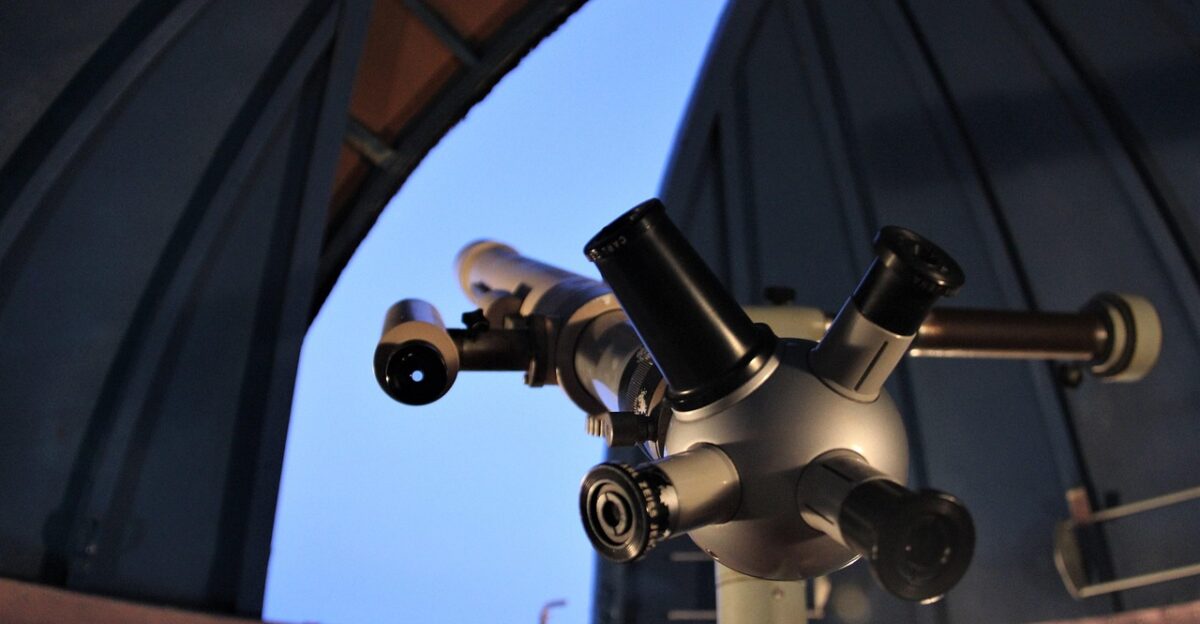
The 3I/ATLAS discovery created clear winners and losers. Winners included telescope manufacturers, planetariums, astronomy clubs (with membership increases of 40% or more), streaming services (a spike in space documentaries), and universities with strong astronomy programs (grant increases). Losers: misinformation-prone media outlets faced credibility hits as fact-checkers debunked false claims.
Fringe conspiracy sites lost advertiser support as platforms de-platformed false narratives. Conversely, peer-reviewed publishers and credible science communicators gained visibility and citation influence, reshaping information hierarchies around space science. Authority shifted toward evidence-based sources.
Cryptocurrency Markets Speculate—Betting on Cosmic Uncertainty

Online prediction markets and cryptocurrency communities created novel derivatives and wagers on 3I/ATLAS outcomes. Platforms offered bets: “Will it fragment?” (settled November 11), “Will December approach reveal artificial origin?” (pending). Ethereum-based smart contracts tied cryptocurrency payouts to post-December-19 observational data.
This financialization of scientific uncertainty extended into previously unexplored territory, demonstrating how decentralized markets attempt to price radical ambiguity. Traders wagered on cosmic physics, much like they would on sporting events, blending speculation with genuine astronomical interest.
Practical Guidance for Observers: What You Can Do
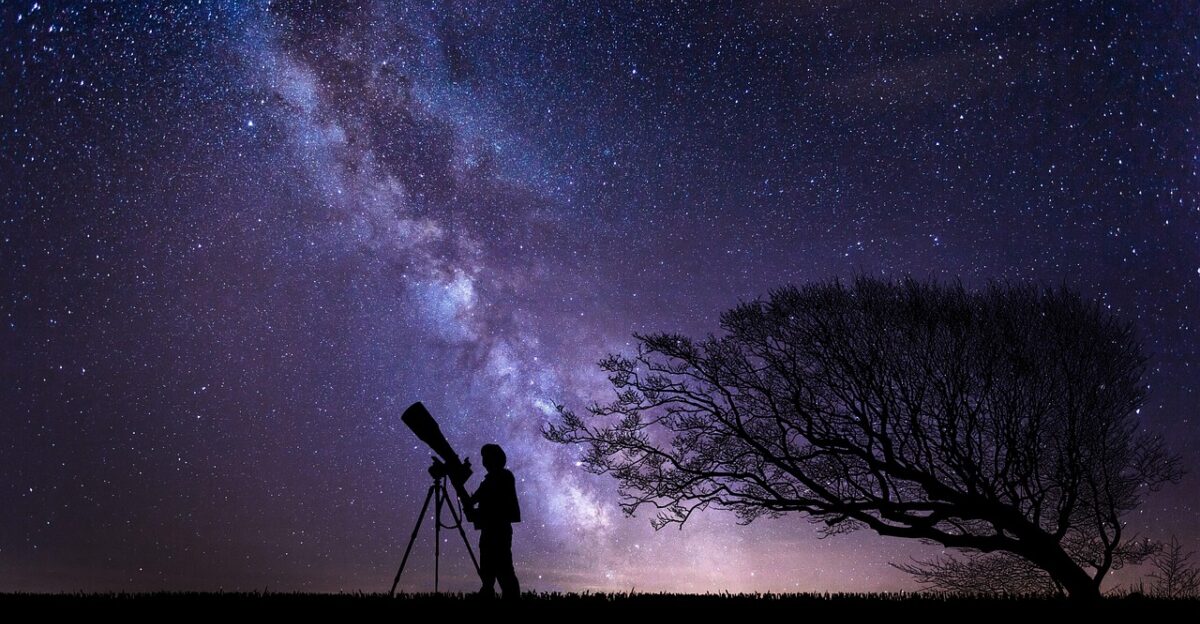
For amateur astronomers seeking to contribute, registration with the International Asteroid Warning Network remains valuable, even after the November 7 deadline has passed. Ongoing observations through January 27, 2026, retain scientific value. Binoculars (8×28 to 10×50) suffice in dark locations; telescopes enhance observational detail.
Use Stellarium or Pocket Sky Atlas software to locate the comet in the Virgo and Leo constellations through December. Critical safety reminder: never observe near the sun within 30 degrees of sunset or sunrise. December 19’s closest approach (269 million km from Earth) offers the final major observational window before 3I/ATLAS departs permanently into the outer solar system.
December 19 Humanity’s Final Observational Window

December 19, 2025, marks a critical date. At closest Earth approach, Hubble and JWST observations will attempt to resolve the fragmentation question definitively. Did 3I/ATLAS break apart after perihelion (confirming natural comet behavior), or did it maintain structural integrity (opening alternative hypotheses)? This date represents humanity’s last chance for definitive answers before the object drifts out of observation range and into the distant Oort Cloud.
Scientists, amateur astronomers, and the public await data that could fundamentally reshape understanding of interstellar messengers. The countdown to clarity has begun.
What One Comet Taught Humanity

3I/ATLAS demonstrated that a single interstellar visitor impacts science, politics, education, media, markets, philosophy, and culture simultaneously. The discovery demonstrated humanity’s capacity for unified scientific response while exposing vulnerabilities in data access, transparency, and information authority.
It accelerated STEM engagement globally and blurred productive lines between legitimate inquiry and speculation. Whether ultimately confirmed as a natural comet or a catalyst for broader cosmic consciousness, 3I/ATLAS redefined how humanity encounters the unknown. The object became a mirror reflecting our species’ curiosity, divisions, and capacity for wonder in an incomprehensibly vast universe.