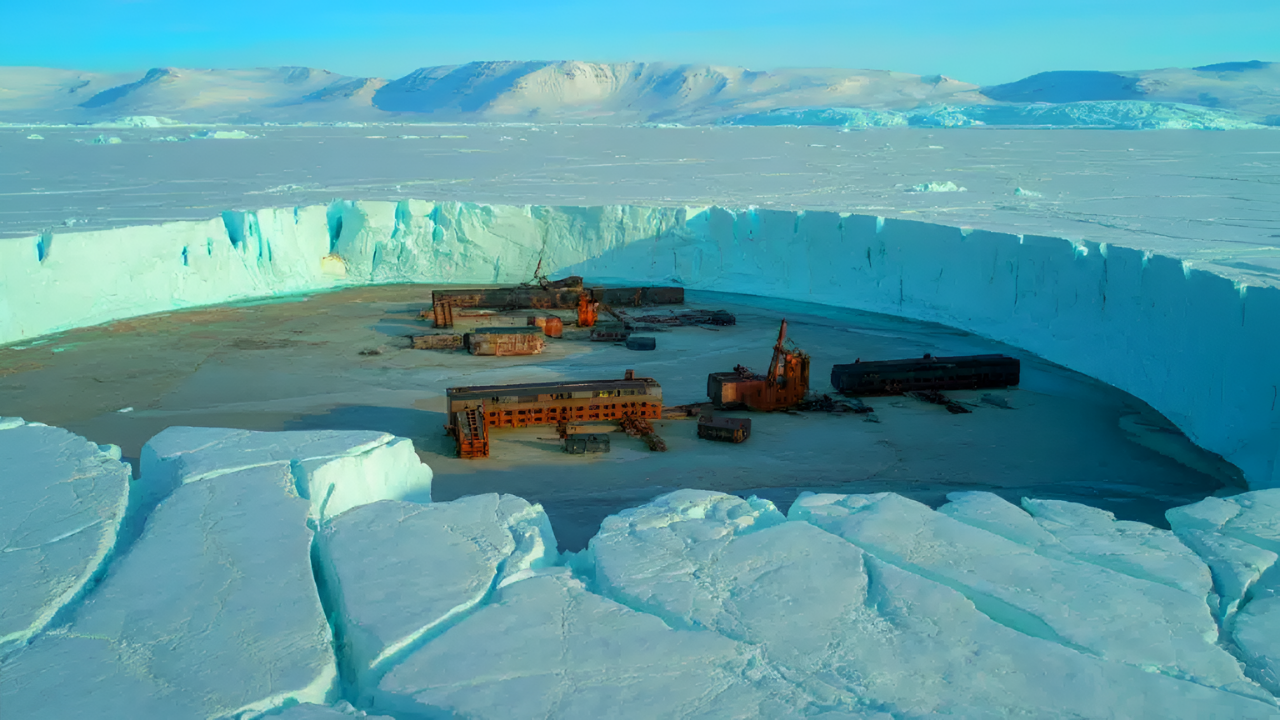
In April 2024, a NASA research jet flying over northern Greenland went searching for ice data and instead rediscovered a long-buried Cold War outpost called Camp Century. Hidden under the ice sits a toxic mix of old diesel, sewage, industrial chemicals, and low-level radioactive waste, material once assumed would stay frozen forever.
Scientists estimate the camp holds about 200,000 liters of diesel fuel and roughly 240,000 liters of wastewater, including sewage, plus polychlorinated biphenyls (PCBs) and radioactive coolant from its former nuclear reactor.
The Hidden Ice City
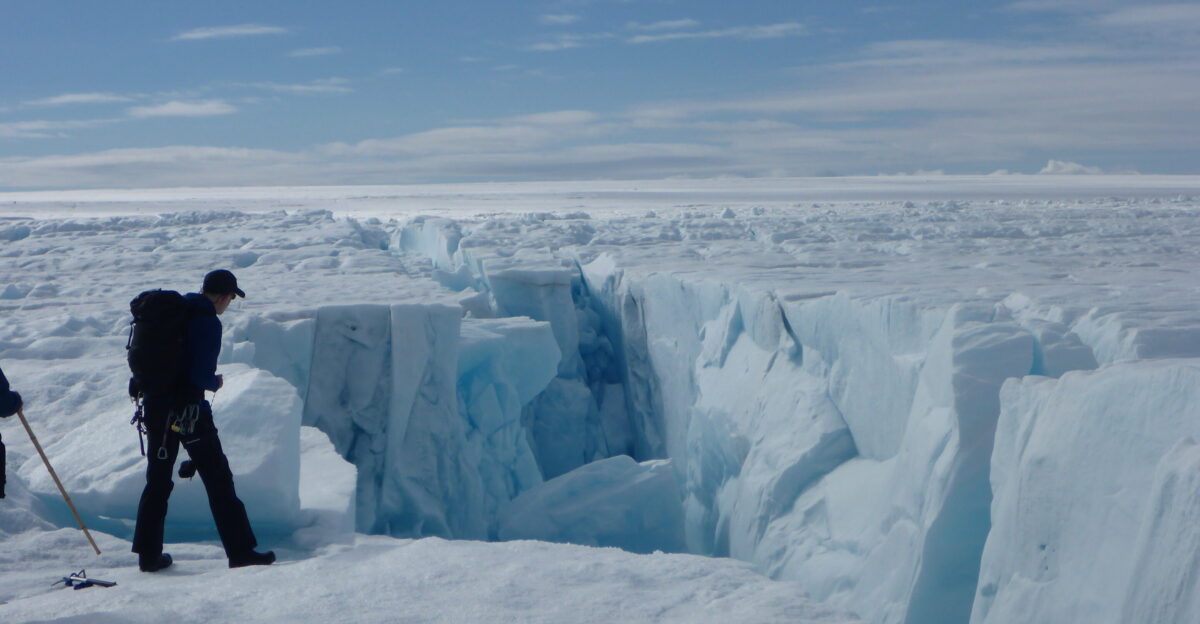
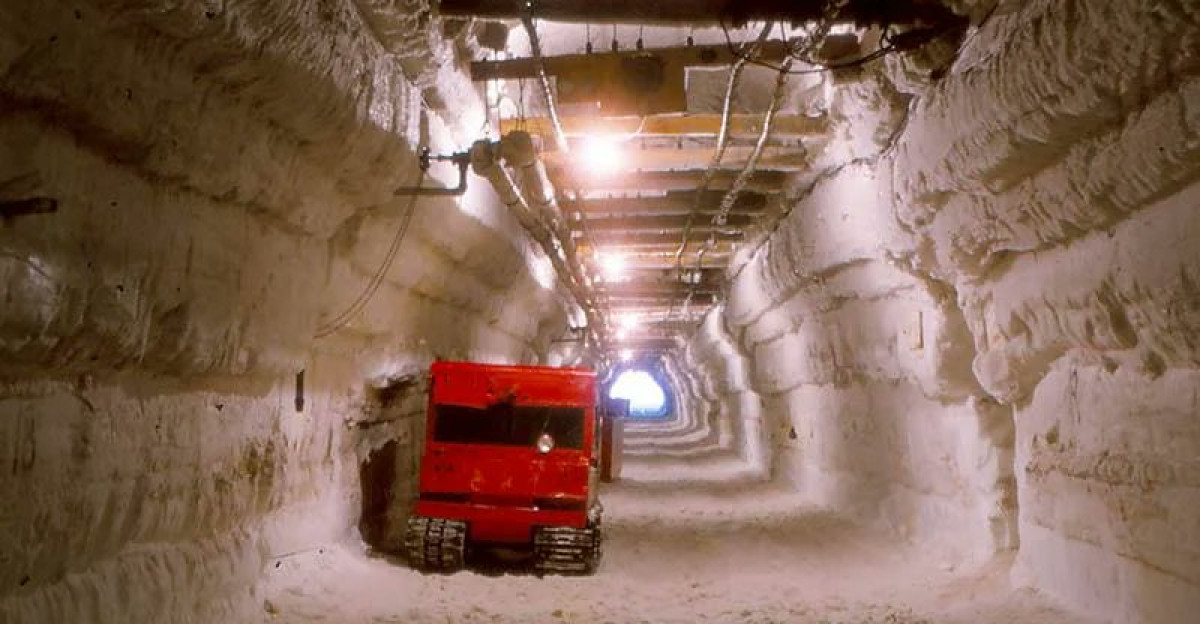
Camp Century was carved into the Greenland Ice Sheet in 1959, about 200 kilometers from the island’s northwest coast, and promoted as a bold experiment in polar living. Beneath the surface, U.S. Army engineers dug a network of snow tunnels covering about 55 hectares, roughly the size of 100 football fields, large enough to host laboratories, dormitories, a chapel, and even a barbershop. Soldiers and scientists lived and worked in those buried corridors, supplied by surface vents and tracked vehicles that disappeared into the snow.
Contemporary newsreels celebrated it as a futuristic “city under the ice,” a symbol of technological confidence at the height of the Cold War. But behind the upbeat public image, the base was also a strategic outpost in a world bristling with nuclear weapons.
A Secret Missile Plan Denmark Never Approved
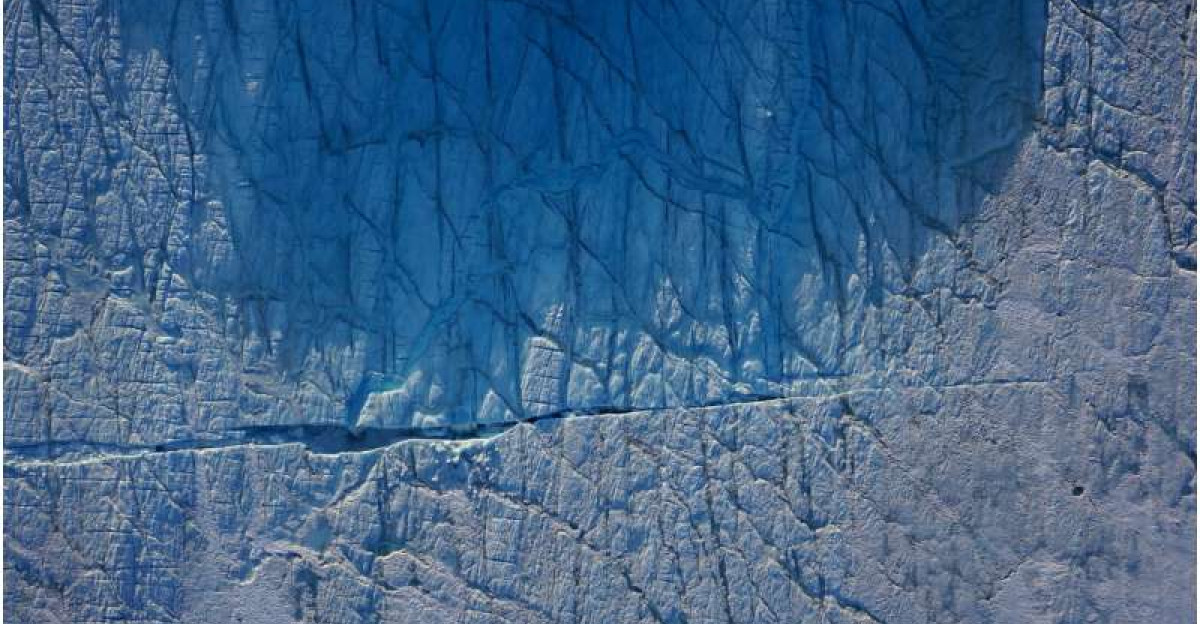
Behind Camp Century’s friendly research image was Project Iceworm, a secret U.S. plan to test whether nuclear missiles could be hidden and moved in tunnels beneath Greenland’s ice. The idea was to build thousands of kilometers of underground tracks and launch sites aimed at the Soviet Union, all located on Danish territory whose leaders were never fully told the nuclear purpose.
Documents declassified decades later revealed the scope of the scheme, stunning many Danish politicians and the public when they surfaced in the 1990s. The missile plan was ultimately abandoned as unworkable, but the base remained, along with its waste.
Built In A Rush, Left To The Ice
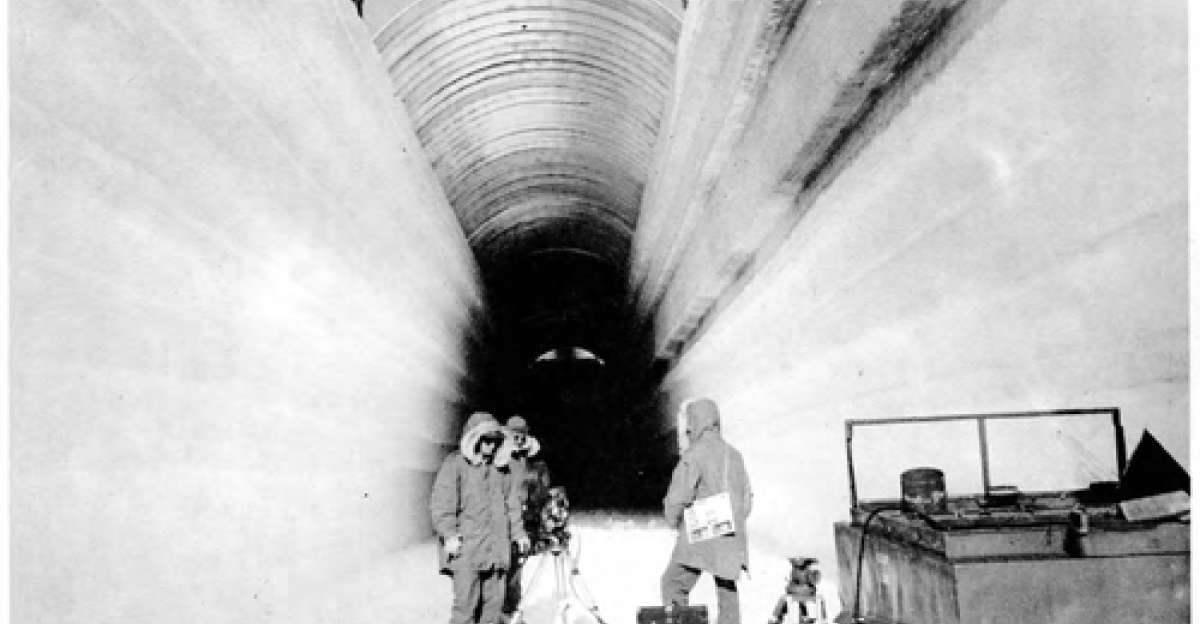
Construction of Camp Century moved quickly after 1959, turning a blank stretch of ice into a working underground base in just a few years. Engineers installed a compact nuclear reactor to power lights, heaters, and machinery below the snow, selling it as proof that the Arctic could host modern life. But the ice sheet was more unstable than planners had hoped; tunnels warped, ceilings sagged, and the constant movement of ice made long-term operation dangerous and expensive.
By 1964, the nuclear reactor had been dismantled and shipped out, and by 1967 the U.S. abandoned Camp Century altogether, leaving buildings, machinery, fuel, sewage, and residual radioactive coolant buried under accumulating snow.
What NASA’s Radar Found In 2024
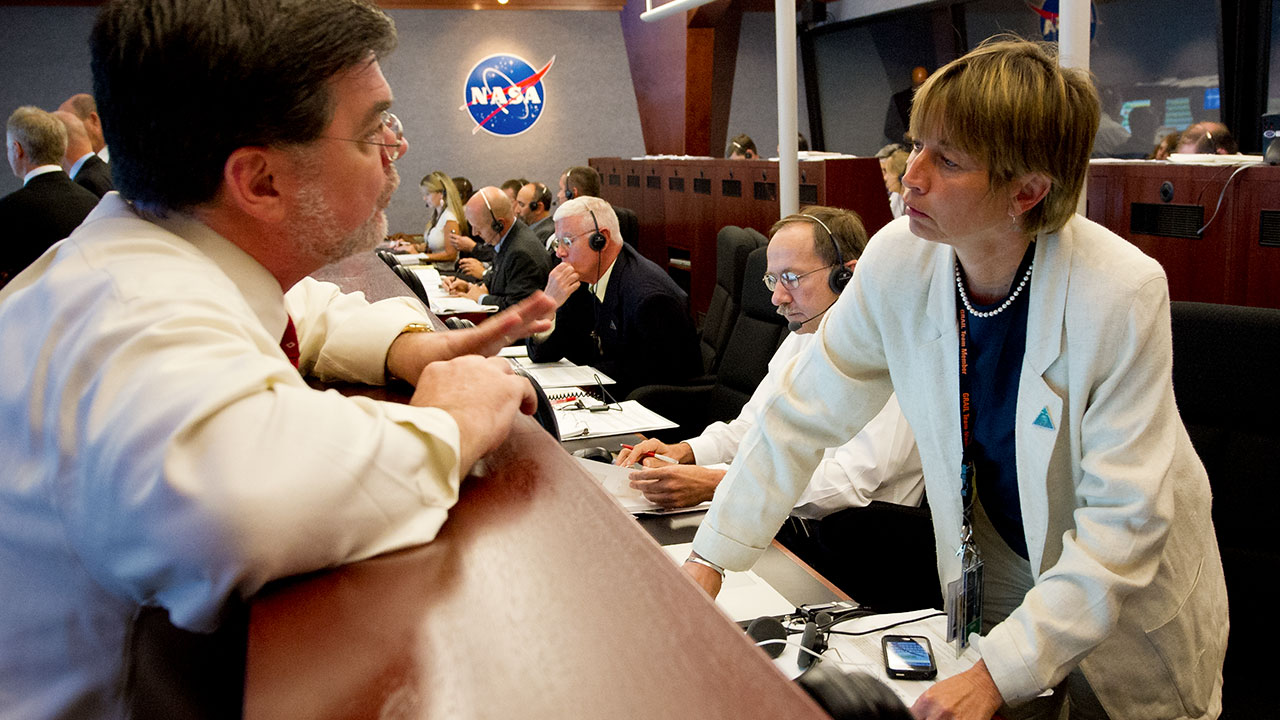
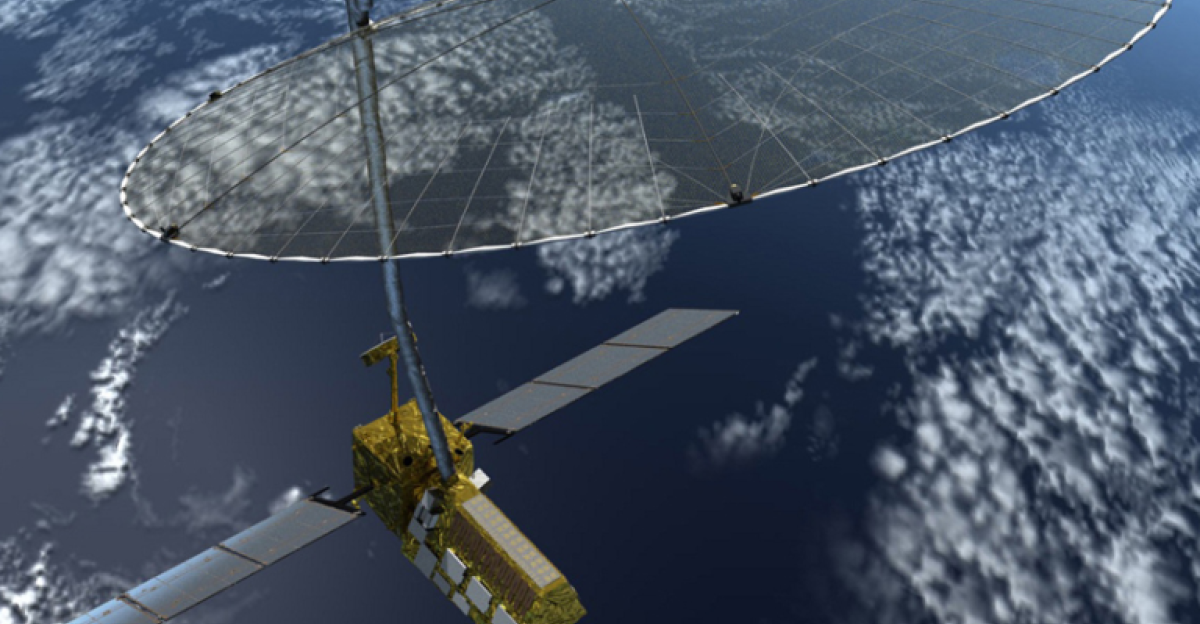
In April 2024, NASA scientists flew a Gulfstream III aircraft over northern Greenland, using a specialized instrument called the Uninhabited Aerial Vehicle Synthetic Aperture Radar, or UAVSAR, to map layers within the ice sheet. The team’s goal was to better understand how ice flows and how it rests on the bedrock below, information needed to forecast future sea-level rise.
When they studied the radar images later, they saw a cluster of reflections that didn’t look like natural ice, sharp shapes revealing the long-buried tunnels and structures of Camp Century. “We were looking for the bed of the ice and out pops Camp Century,” said NASA cryospheric scientist Alex Gardner, recalling the surprise.
How Much Toxic Waste Is Really There?
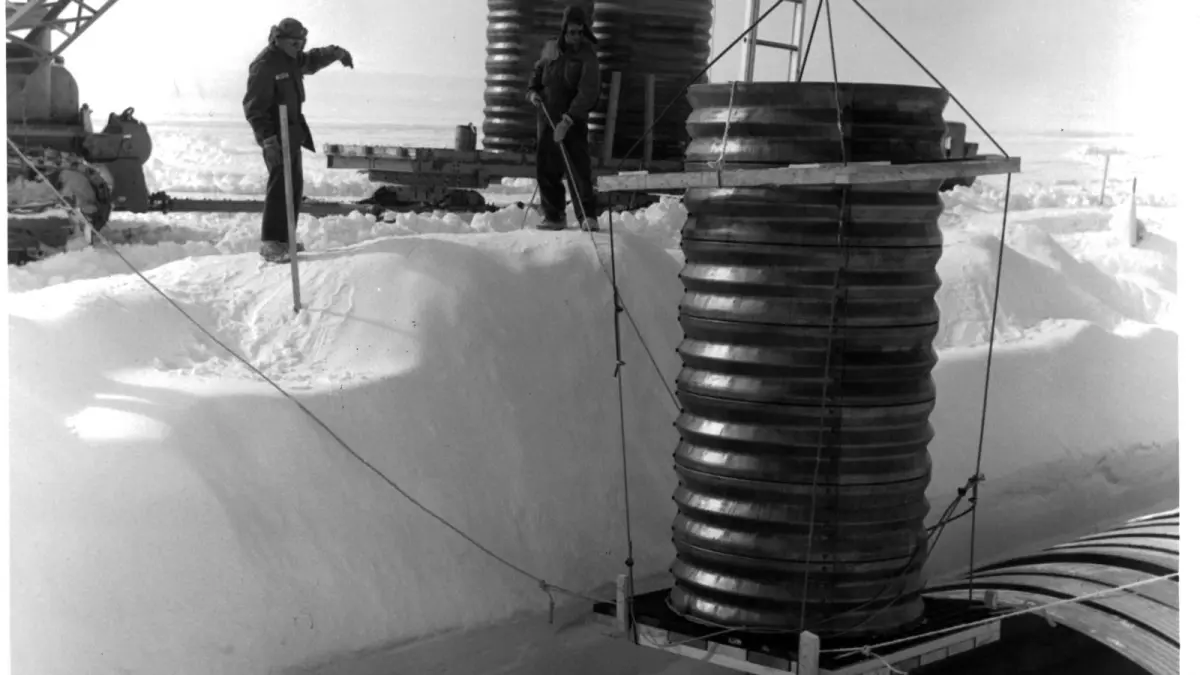
Scientists working with camp records and modern modeling estimate that when the U.S. walked away from Camp Century, it left behind roughly 200,000 liters of diesel fuel and about 240,000 liters of wastewater, including sewage. The site likely also holds polychlorinated biphenyls, or PCBs, a class of long-lasting industrial chemicals linked to cancer, immune problems, and developmental harm, plus an unknown volume of low-level radioactive coolant from the old nuclear reactor.
Beyond liquids, the camp’s footprint contains tons of solid debris: building materials, machinery, pipes, and contaminated snow and ice spread across its 55-hectare area. All of this material sits in a fragile environment that was never designed to hold a toxic legacy.
Buried Deep, But Not Forever
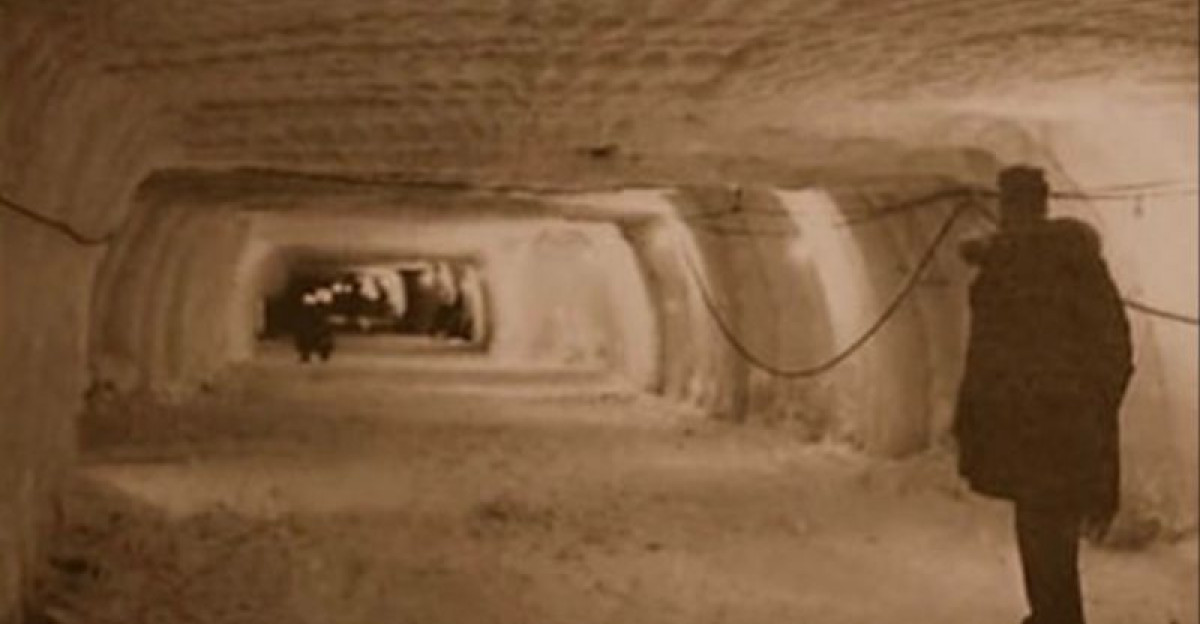
Today, Camp Century’s remains lie tens of meters below the ice, with estimates placing the waste between roughly 36 and 93 meters beneath the surface, depending on local ice thickness. When the base was abandoned, planners believed that steady snowfall and an ever-thickening ice sheet would push the site deeper each year, sealing it away from the atmosphere and people.
That belief effectively treated the ice as a permanent concrete lid. But climate change is reshaping Greenland’s ice: in many regions, it is thinning, melting, and flowing more rapidly toward the sea. As the ice surface drops and meltwater begins to cut channels, what was once safely buried can drift closer to daylight.
Climate Change Starts The Countdown
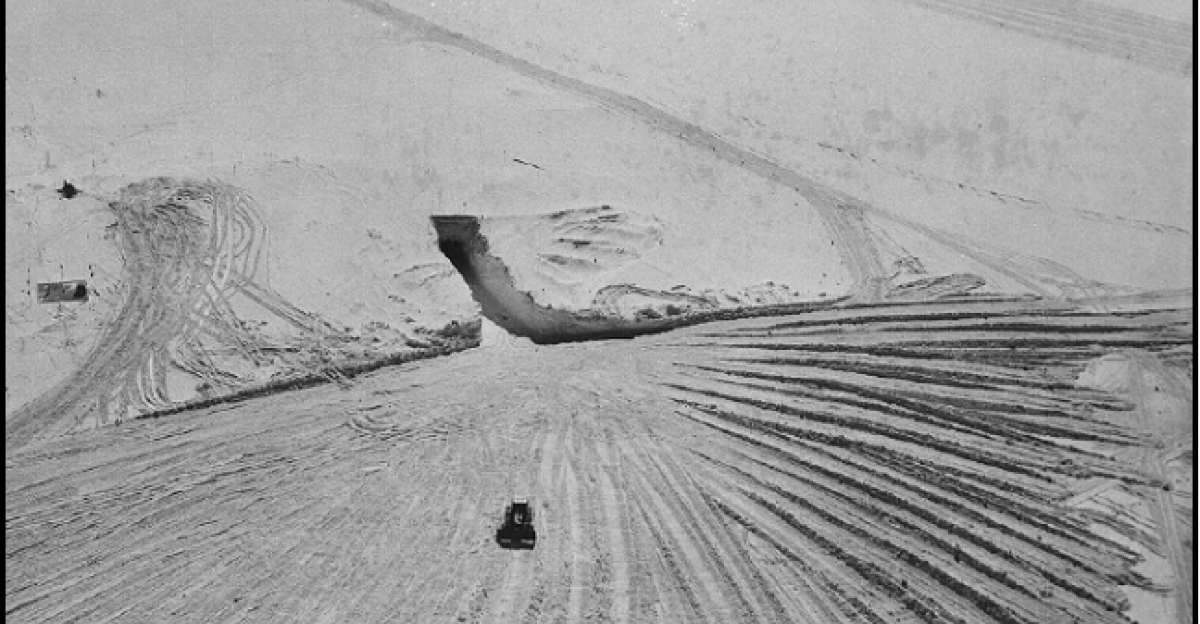
Climate models run under a high-emissions future, similar to what scientists call a “business as usual” scenario, suggest that by the 2090s, conditions around Camp Century could shift from net snow gain to net melt. That flip in the local surface mass balance would begin a slow but steady process of waste remobilization, as surface melting intensifies and ice above the camp thins.
Meltwater could eventually penetrate down to buried tunnels and debris, dissolving or carrying pollutants with it and moving them away from the site through the ice. The timeline is not precise, but the message is clear: the promise that the camp’s pollution was locked away forever has an expiration date.
When Pollution Travels From Ice To Ocean
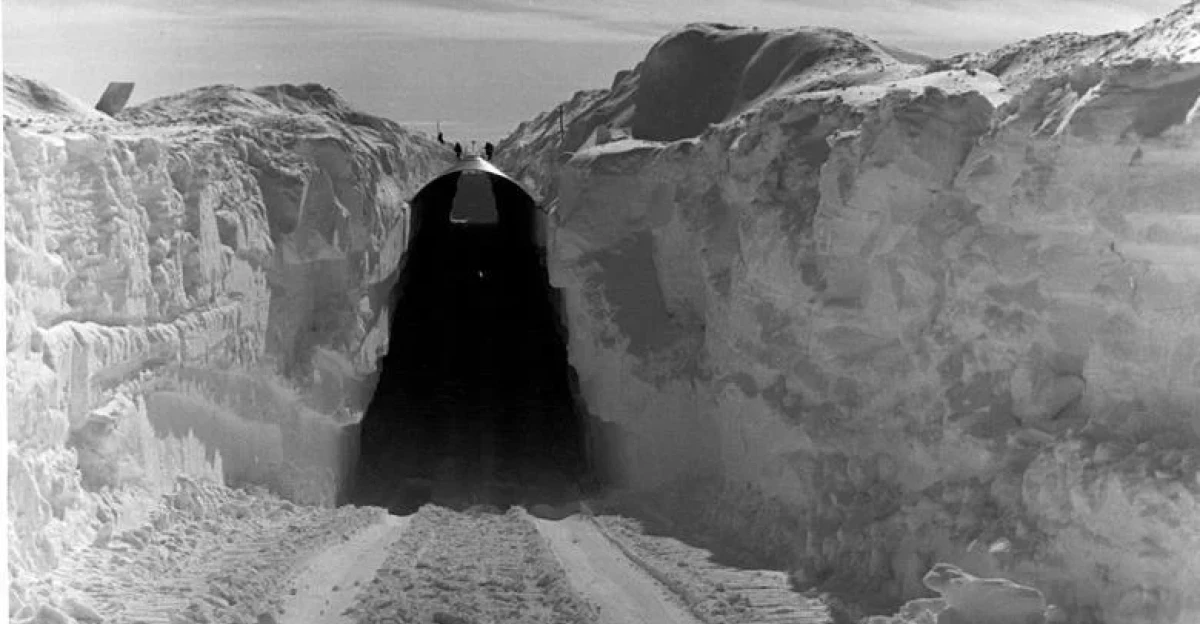
Once meltwater starts flowing around Camp Century’s buried waste, contaminants like PCBs and radioactive coolant will not stay put. Liquid water can move through cracks, channels, and porous ice, carrying pollutants downhill toward streams, fjords, and eventually the Arctic Ocean. Studies indicate that meltwater can transport PCBs deeper into the ice and farther away long before dramatic surface melting is visible, meaning the environmental effects could start quietly.
Over time, these substances can enter marine food webs, first accumulating in tiny plankton and fish, then concentrating in larger animals such as seals and whales. From there, pollutants can eventually reach human diets, especially in communities that rely heavily on seafood for nutrition and culture.
One Base Among Many Frozen Relics
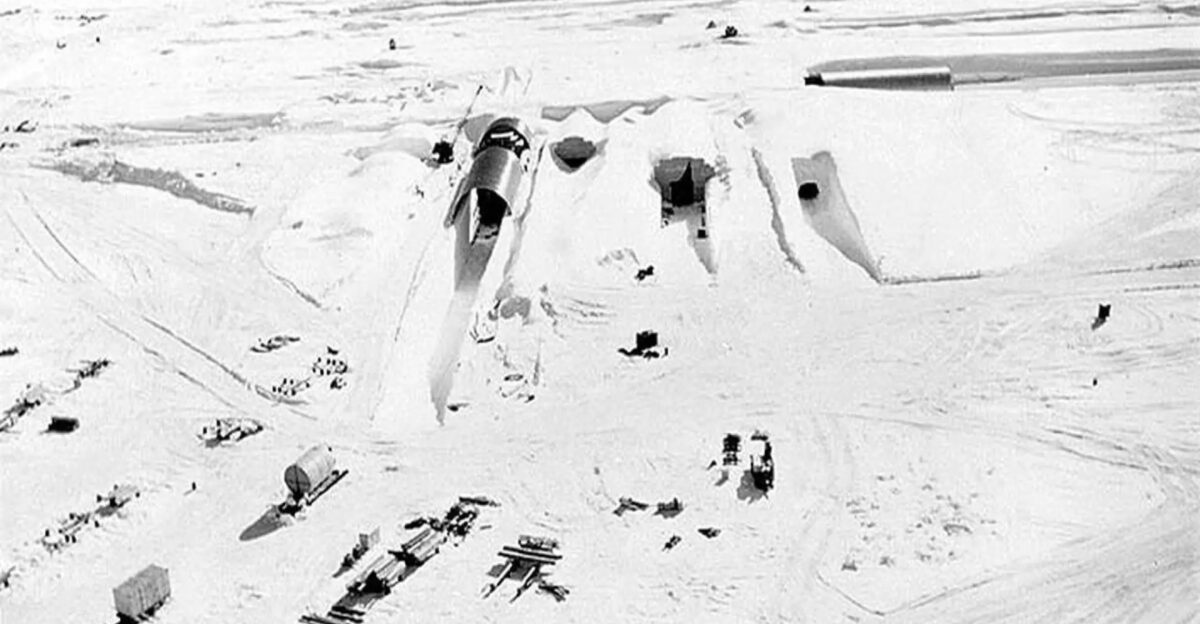
Camp Century is the most famous of several U.S. Cold War facilities scattered across Greenland, but it is far from the only one. Researchers point to at least five under-ice or ice-adjacent sites, Camp Century among them, where waste volumes and exact contents remain poorly documented.
Investigations at other abandoned U.S. installations in Greenland have uncovered rusting fuel barrels, derelict vehicles, asbestos-containing buildings, and even unexploded ordnance left in the landscape for Denmark and Greenland to deal with decades later. Scientists warn that, taken together, these legacy sites could hold millions of liters of Cold War-era pollutants that climate-driven melting may eventually mobilize.
A Legal Grey Area Frozen In Time
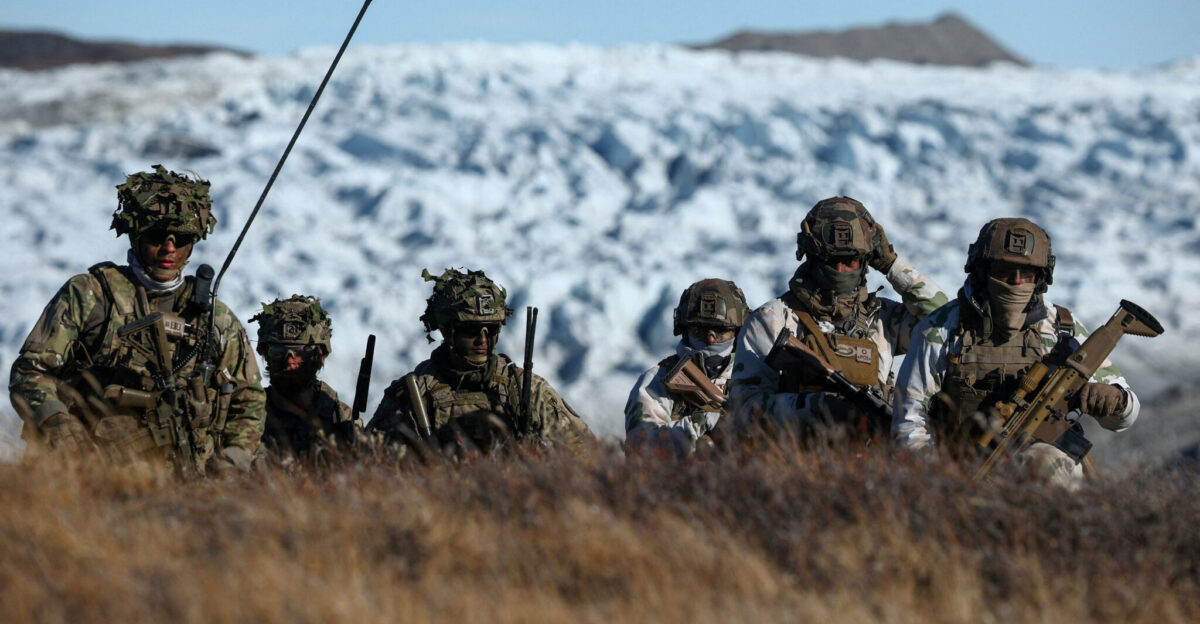
The rules governing U.S. military activity in Greenland trace back to the 1951 Defense of Greenland Agreement between the United States and Denmark. That deal allowed the U.S. to build bases and radar stations, but it did not clearly spell out who would be responsible for cleaning up after they closed.
Provisions have been read as allowing Washington to dispose of certain equipment and facilities in Greenland after consulting Danish authorities, complicating later claims that the U.S. must pay for full remediation. International law, experts say, is clearer about preventing new hazardous waste than about dealing with old waste that re-emerges decades later because of climate change.
Climate Change As An Unwanted Whistleblower
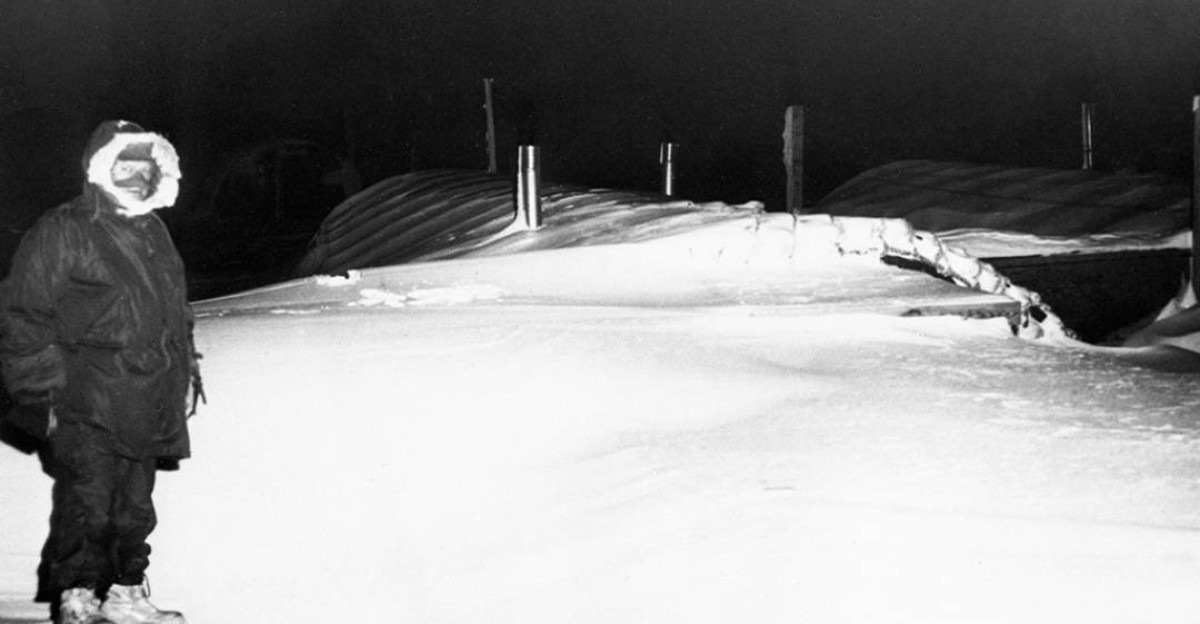
For years, much of what happened at Camp Century and under Project Iceworm was tucked away in classified documents and fading memories. Details surfaced slowly through declassification and investigative reporting, sparking controversy in Denmark and Greenland in the 1990s and 2010s. Now climate change itself is forcing the issue into the open: as the Greenland Ice Sheet responds to rising temperatures, it threatens to reveal structures and pollution that governments once assumed would stay hidden.
NASA’s recent radar images offer the clearest modern view yet of the base’s underground remains, visually linking Cold War secrecy to today’s environmental risk. In that sense, the warming Arctic is acting like a whistleblower, exposing choices that policymakers of an earlier era hoped the ice would quietly keep.
Downstream Communities and Fragile Ecosystems
Camp Century may sit far from cities, but distance does not guarantee safety. The real risk travels through water and living things rather than through collapsing buildings or evacuations. PCBs and other persistent pollutants can accumulate in Arctic marine species, fish, seabirds, seals, and whales, that are both ecologically crucial and central to Indigenous diets and cultural practices.
Over time, these chemicals can climb the food chain and reach people who have done nothing to create the problem, including communities thousands of kilometers away that depend on seafood. Scientists stress that this is not a looming disaster of sudden deaths, but a long-term threat of contamination, health impacts, and disrupted ecosystems.
Still No Cleanup Plan, or Price

Despite repeated scientific warnings and fresh, detailed images of Camp Century’s buried structures, there is still no specific, fully funded cleanup plan for the waste under the ice. Denmark and Greenland signed agreements in 2017 and 2018 to spend millions of kroner cleaning up abandoned U.S. military sites, but those deals do not yet cover Camp Century’s deep-ice pollution.
Experts caution that existing funds are likely too small and that the technical challenges of accessing and safely removing waste from within an active ice sheet are enormous.
A Warning From A City Under Ice
Camp Century’s story brings together three powerful themes: Cold War secrecy, the far-reaching effects of climate change, and the gaps in global rules for cleaning up military pollution. What once looked like an engineering triumph, a nuclear-powered city carved into ice, is now a cautionary tale about assuming that “out of sight, out of mind” will last forever on a warming planet.
The surprise NASA radar images, in which “out pops Camp Century” during a routine ice survey, have turned a forgotten base into a symbol of how the past keeps resurfacing. Researchers argue that the world must decide whether to act before melting ice begins to spread contaminants into Arctic waters and food webs.
Sources:
NASA – “Camp Century: Put on Ice, But Only for So Long” – October 23, 2025
Cooperative Institute for Research in Environmental Sciences (CIRES) – “Greenland and the Legacy of Camp Century” – May 29, 2024
Colgan et al. – “The abandoned ice sheet base at Camp Century, Greenland, in a warming climate” – August 16, 2016
Jeff D. Colgan – “Climate Change and the Politics of Military Bases” – January 31, 2018
Brown University / Jeff D. Colgan – “Study on climate’s impact on abandoned military base in Greenland” – October 13, 2016