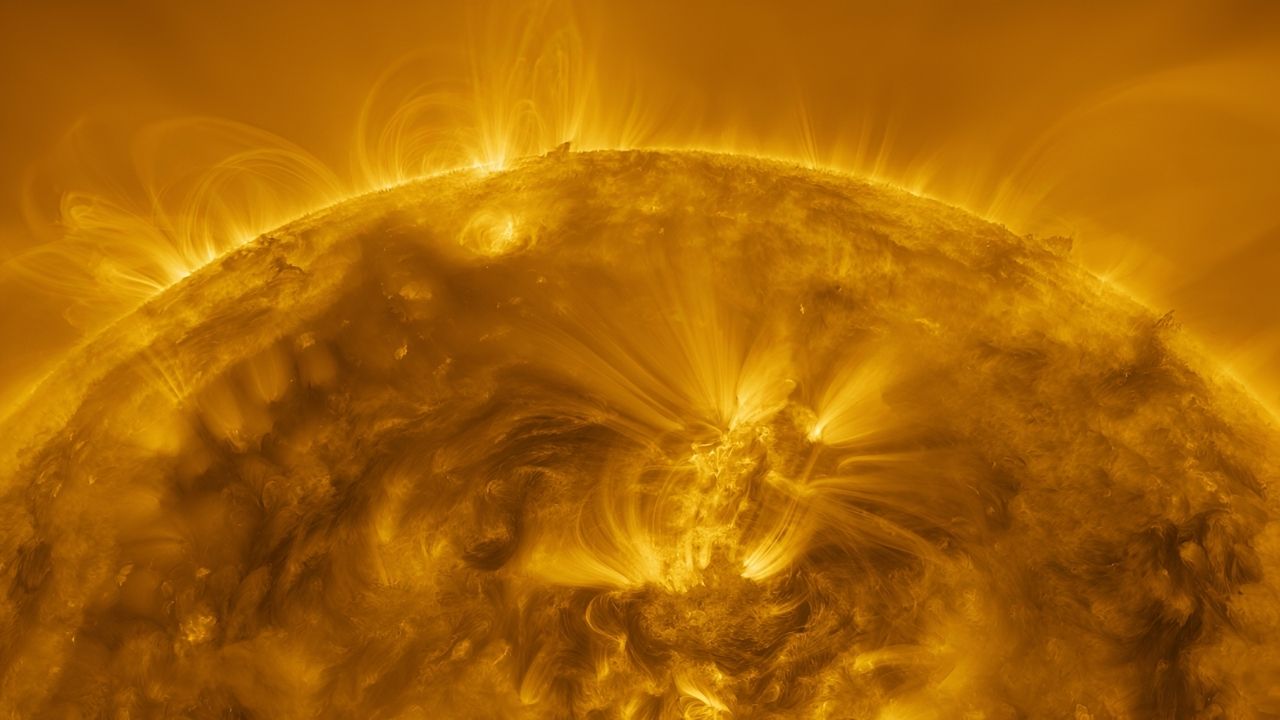
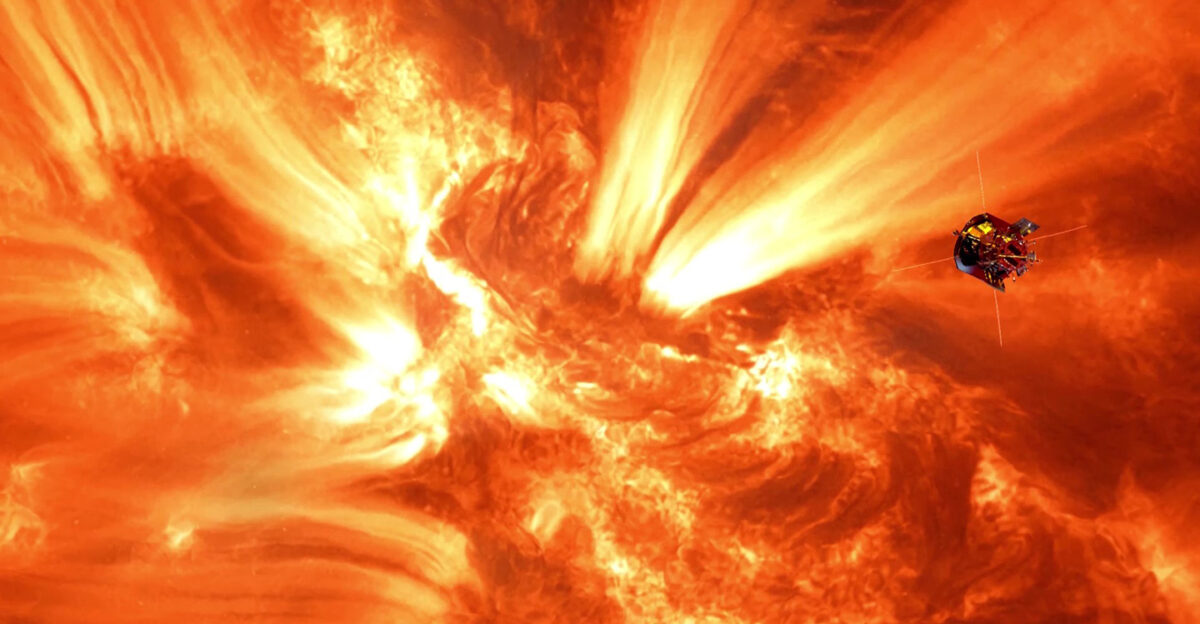
NASA has released the closest-ever images of the Sun’s corona, captured by the Parker Solar Probe during its December 24, 2024, flyby. The images, kept private for a period before release, reveal fine details of the corona that scientists had not observed up close before. Understanding the Sun’s behavior is crucial for protecting satellites and power grids on Earth, as solar activity can influence space weather that affects technology, navigation, and communications.
The new data provide valuable opportunities to test theories about how the Sun’s outer atmosphere behaves, particularly as the solar cycle moves toward its peak.
Close, Yet Critical
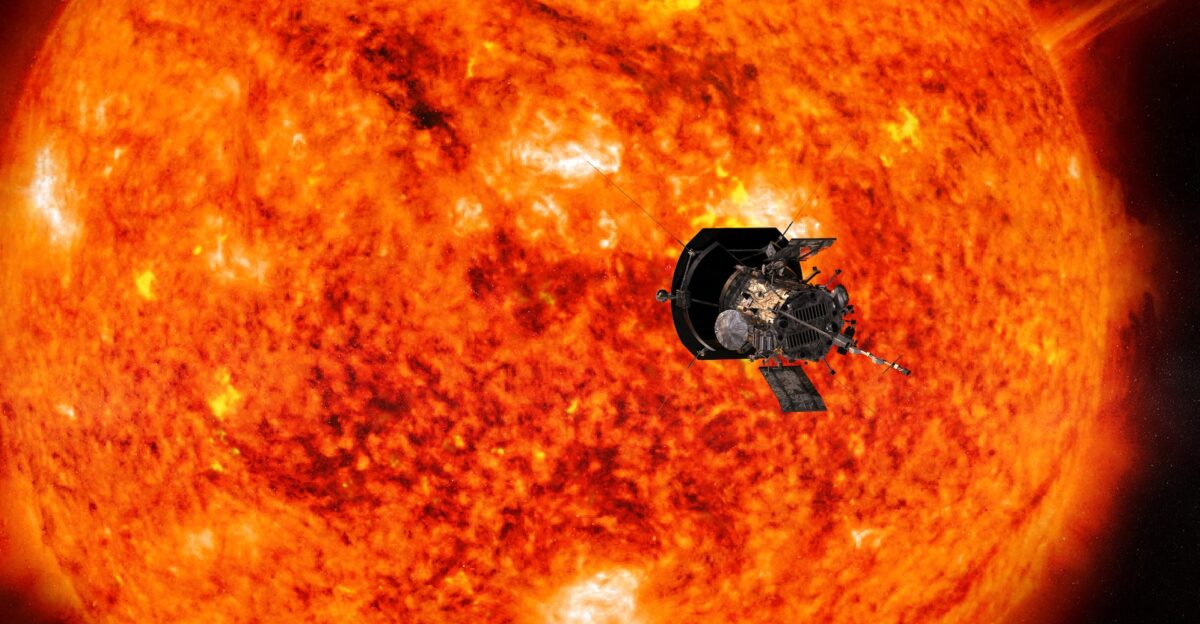
The Parker Solar Probe traveled within about 3.8 million miles of the Sun’s surface, setting a record for proximity. This extraordinary closeness allowed scientists to observe small-scale structures and rapid changes in the Sun’s outer atmosphere that are not visible from greater distances.
Solar activity can alter Earth’s magnetic environment and release energetic particles that pose a threat to satellites, radio communications, and navigation systems. Studying these near-Sun phenomena helps improve space weather forecasts, enabling operators to prepare for and mitigate disruptions to critical infrastructure, aviation, and telecommunications during solar storms.
How the Mission Began
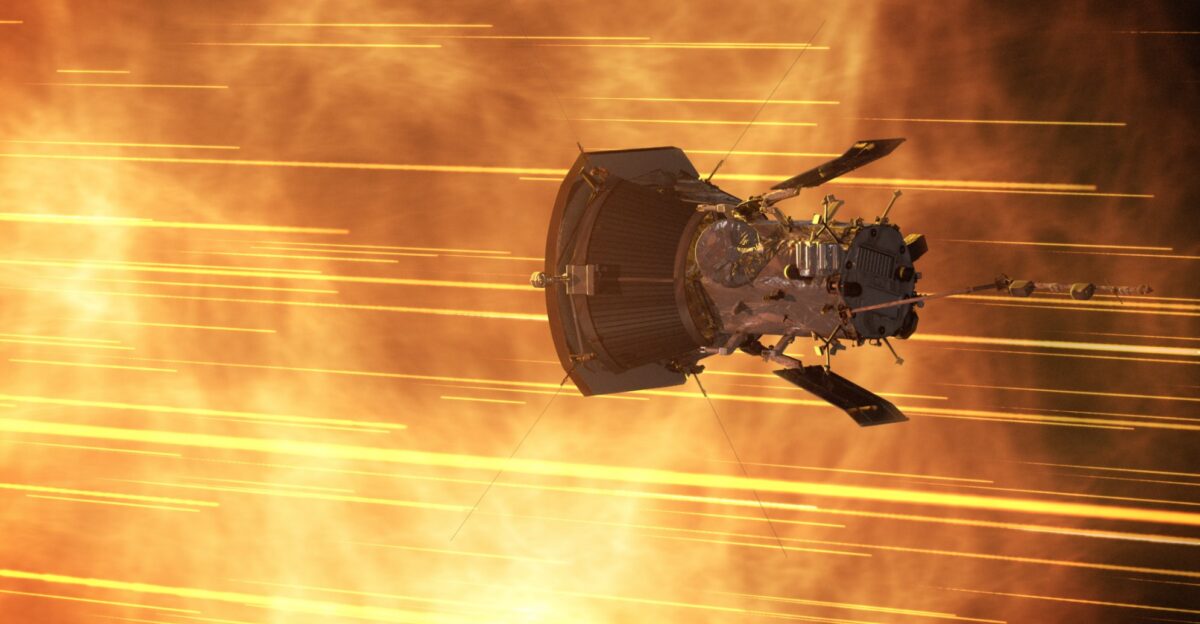
NASA launched the Parker Solar Probe in 2018 to unravel the mysteries of the Sun’s corona and the solar wind. The mission is managed by the Johns Hopkins Applied Physics Laboratory (APL), with key contributions from NASA’s Goddard Space Flight Center.
The team designed specialized heat shields and mission operations to withstand extreme conditions near the Sun, aiming to answer questions about how solar wind accelerates and how energy moves from the Sun’s surface into its outer atmosphere. The mission’s broader aim is to improve predictions of space weather that can affect technology and life on Earth and in space.
Rising Pressures
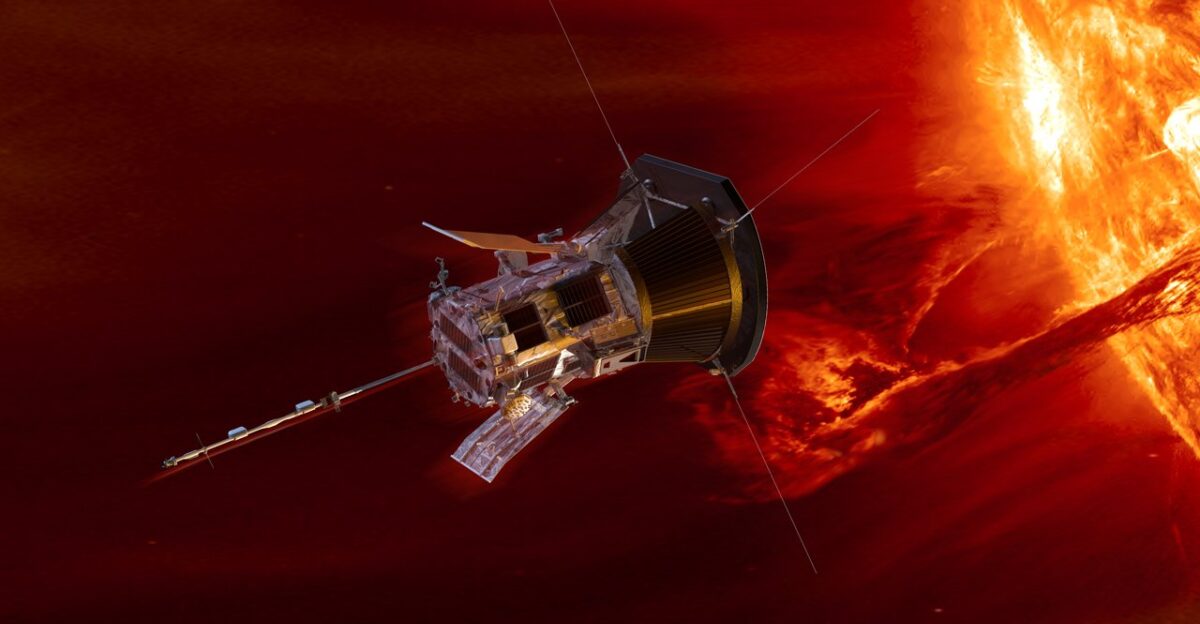
As solar activity climbs toward a solar maximum, the demand for real-time, high-resolution solar data grows. Satellite operators, power-grid managers, and researchers need reliable alerts to protect infrastructure from unpredictable solar storms.
The push for better early warning systems reflects the high stakes for communications networks, electrical grids, and aviation. Near-real-time observations and advanced models are essential to translate solar data into actionable guidance for operators and policymakers.
Historic Data Release
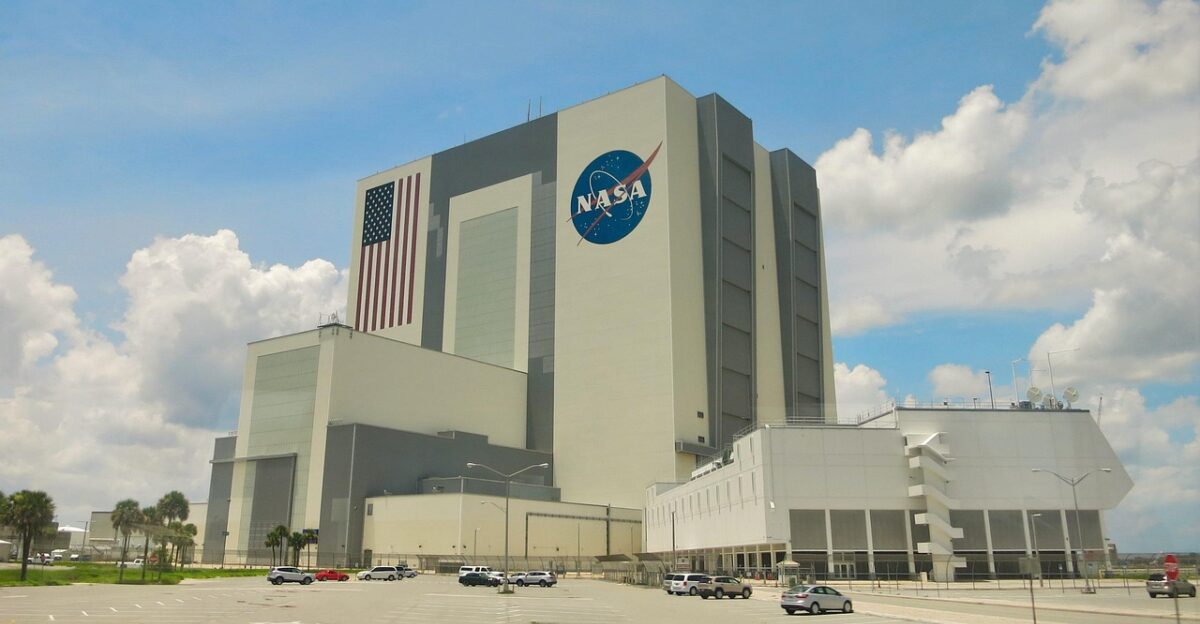
On July 10, 2025, NASA publicly released images and data from Parker Solar Probe’s December 2024 flyby. The probe’s Wide-Field Imager for Solar Probe (WISPR) captured high-resolution visuals of the Sun’s corona, revealing details never seen before.
This release marks a milestone in solar science and open data access, enabling researchers worldwide to test models of solar storms and compare observations with simulations. The move supports collaboration and verification across institutions and nations and underscores NASA’s commitment to sharing data to bolster space weather forecasting.
Global Impacts
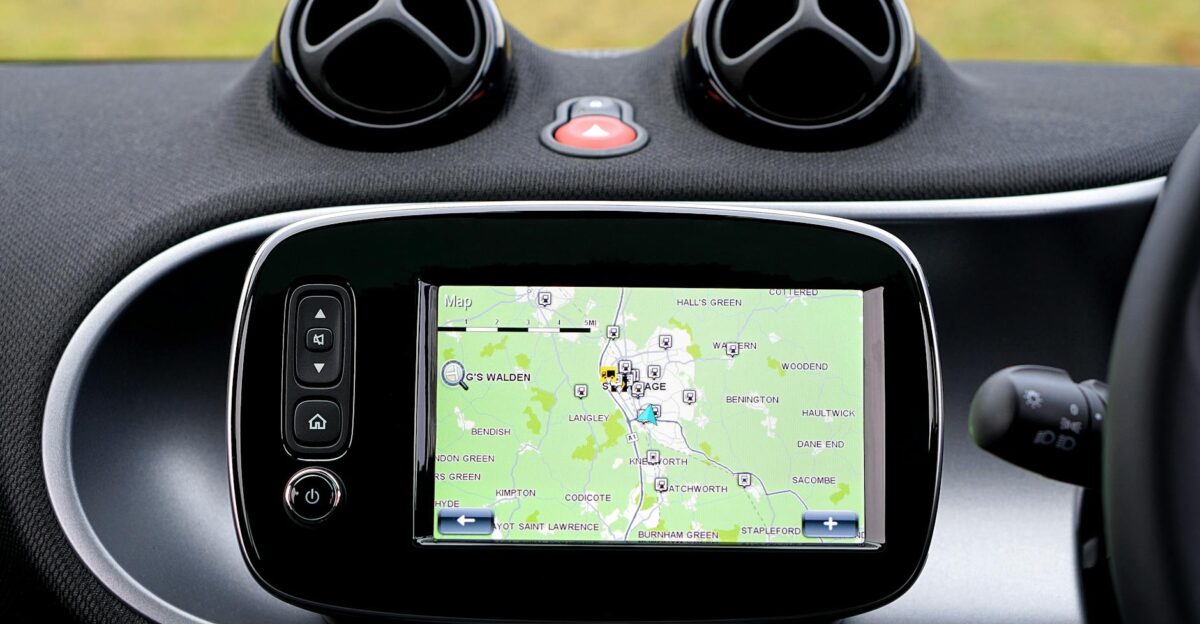
The newly released data are expected to sharpen models of solar storms, which can disrupt GPS, telecommunications, and airline routes. When solar activity sends charged particles toward Earth, satellites can malfunction, radio signals can fade, and high-frequency communications used in aviation and maritime contexts can be affected.
Regions at higher latitudes, such as parts of Scandinavia and Canada, are particularly vulnerable to geomagnetic disturbances that can influence power grids and navigation systems. Improved forecasts help operators reroute flights, protect satellites, and maintain resilient communications during solar events.
A Historic Achievement
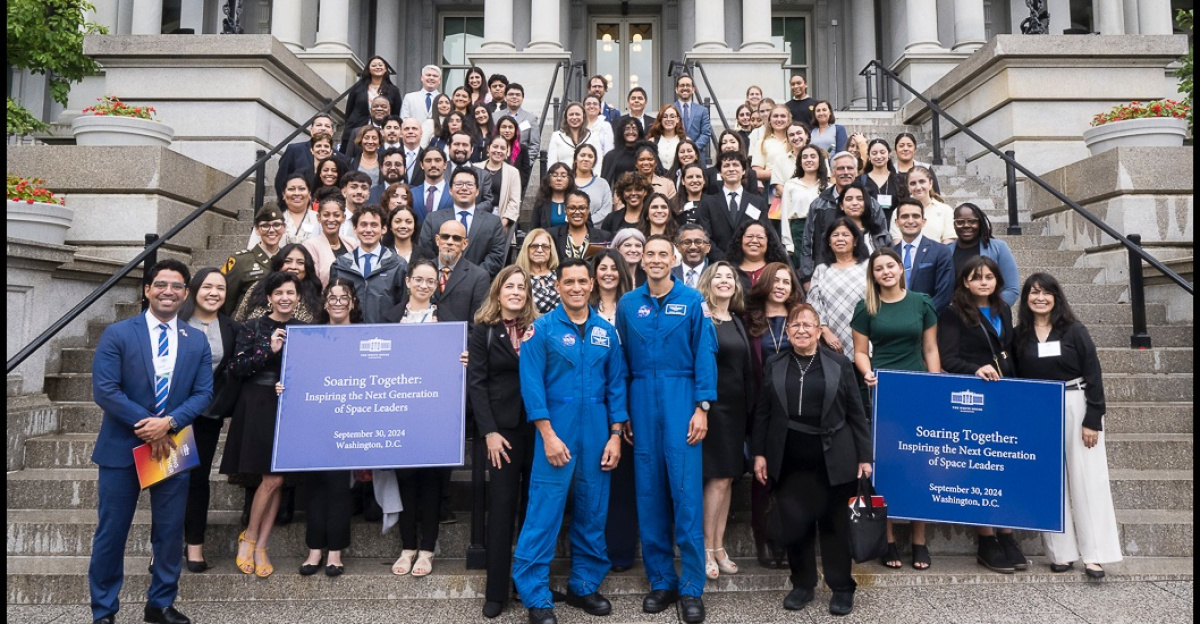
NASA leaders described the achievement as a historic moment in humanity’s ongoing exploration of a star. Scientists emphasized that the new images are crucial for understanding and predicting space weather, which can pose risks to astronauts and technology.
The human element includes the careful process of data release, balancing excitement with the need for accuracy and responsible communication. The collaboration of engineers, scientists, and mission controllers illustrates how large, interdisciplinary teams translate daring missions into practical benefits for society.
Competitor Response
Other space agencies have accelerated their own solar-observation efforts in response to NASA’s breakthroughs. For example, Europe’s Solar Orbiter collaboration involves data sharing with NASA to maximize scientific returns and improve global forecasting.
International cooperation helps build more robust models by combining different instruments and viewpoints, reducing duplication, and speeding up scientific progress.
Macro Trends
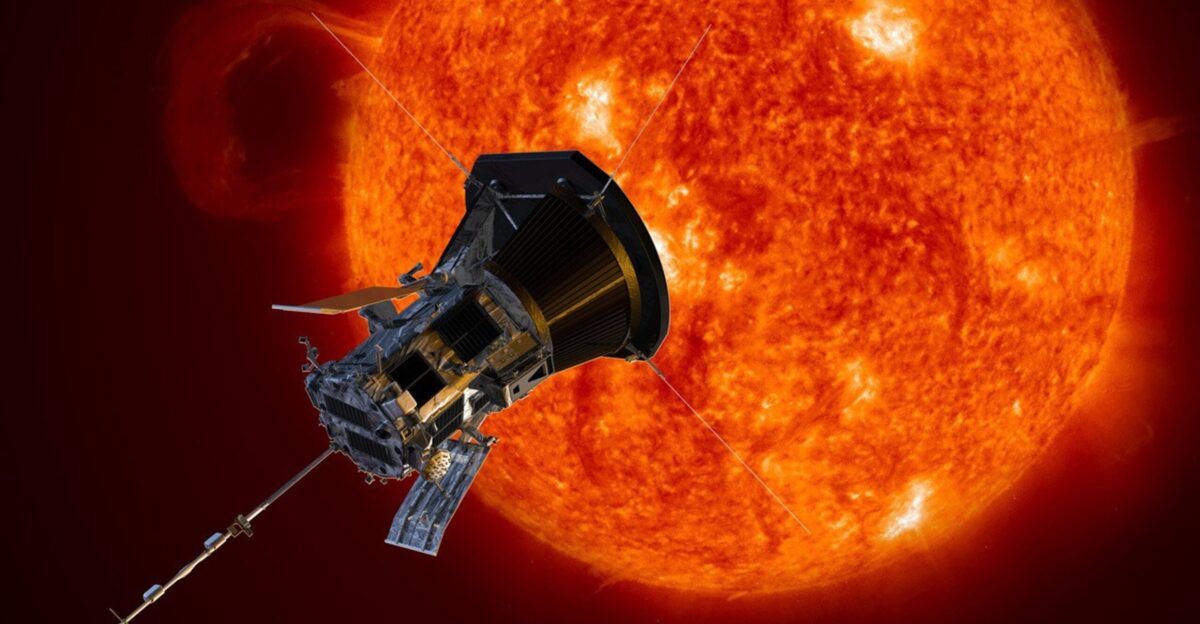
The Sun is approaching its solar maximum, a roughly 11-year cycle peak associated with more frequent and intense solar activity. This phase raises the importance of timely, high-quality data from missions like Parker Solar Probe.
Researchers monitor sunspots, solar flares, and coronal mass ejections to forecast storms and provide early warnings that help protect power grids, satellites, and astronauts.
CME Collisions
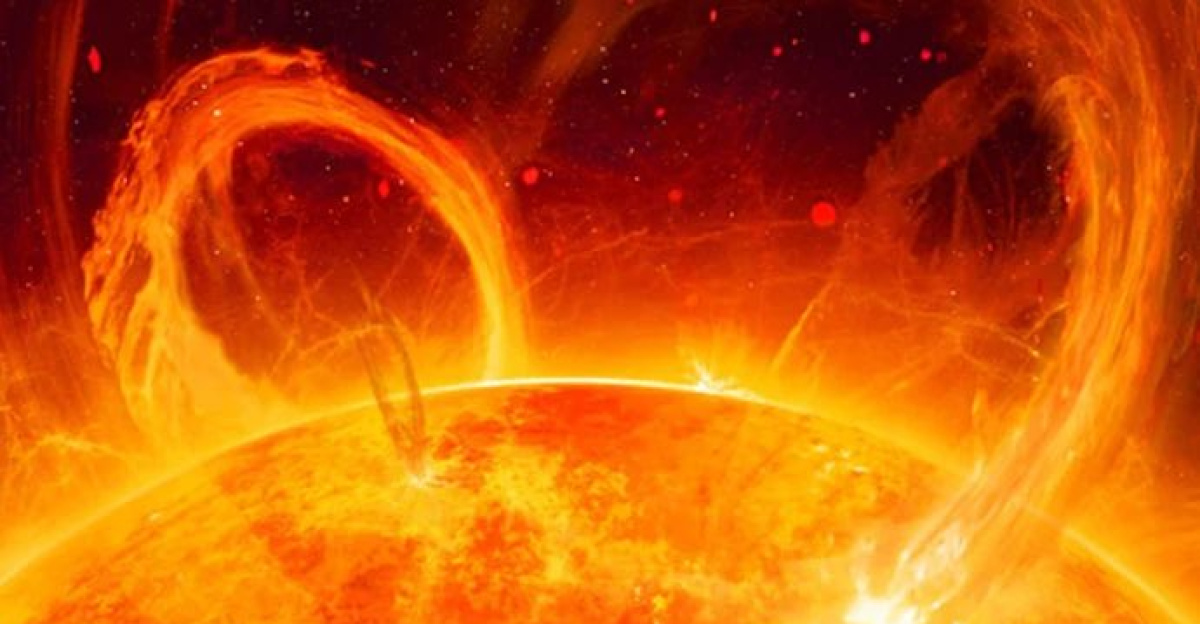
A key insight from the new images is the high-resolution observation of coronal mass ejection (CME) interactions in the corona. CMEs are large expulsions of solar plasma that can travel at high speeds, and their collisions can amplify magnetic disturbances that affect Earth’s magnetosphere.
Understanding CME dynamics improves forecasts, aiding planning for space missions and critical infrastructure during solar storms.
Internal Debates
Within NASA, a six-month review period before releasing the data sparked discussions about public access versus thorough vetting. Some scientists advocated for the immediate release, while others emphasized the need for careful analysis to ensure accuracy and prevent misinterpretation of preliminary findings.
The resulting data release balanced openness with scientific rigor, illustrating the tension between rapid sharing and rigorous verification in large, high-stakes research projects.
Leaders Behind the Mission
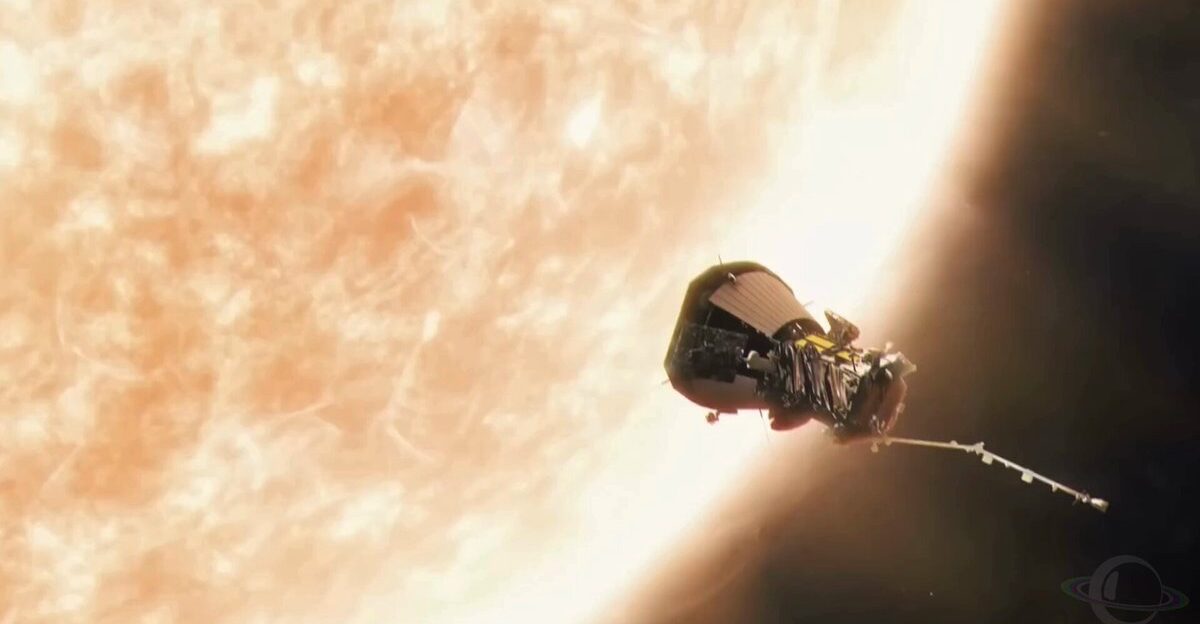
The Parker Solar Probe’s success is attributed to a leadership team that includes project scientists and mission scientists guiding the project through extreme conditions and complex data analysis.
Their coordination across institutions and disciplines ensured clear goals, effective risk management, and steady progress from design to execution to data release, transforming a bold concept into a functioning spacecraft that delivers meaningful solar observations.
Next Flybys Planned
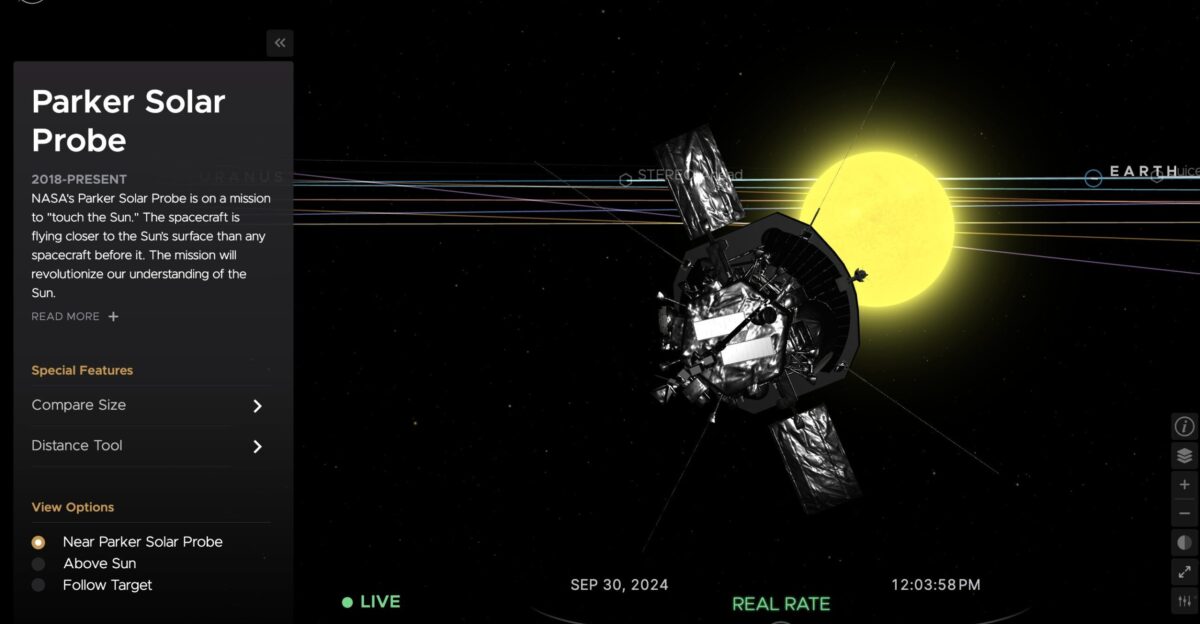
Following the data release, NASA outlined plans for additional Parker Solar Probe flybys, with subsequent close approaches anticipated in the years to come. Each pass is expected to yield even more detailed observations, refining space-weather models and improving forecasts.
The ongoing mission aims to build a continuous, high-resolution picture of solar activity, providing a richer dataset for researchers and stronger predictive capabilities to safeguard Earth’s technology.
Expert Snapshot
Mission scientists emphasized that while a final consensus on interpretations has not been reached, the new data are highly intriguing. Cautious optimism remains that these findings will soon translate into practical improvements for forecasting space weather.
The process involves comparing new observations with existing models, running simulations, and validating results through independent analyses to ensure reliability.
The Road Ahead

With the solar cycle peaking, researchers are racing to analyze the latest data before the next major solar storm arrives. The key question is whether new insights can translate into better protections for Earth’s critical infrastructure.
Turning observations into real-time forecasts, improving alert systems, and ensuring robust response plans across utilities and agencies are central goals, aiming to reduce outages and protect spacecraft, aviation, and communications during solar events.
Policy Updates

The U.S. government is reviewing space weather preparedness policies in light of the new data. Agencies such as NOAA and FEMA are updating contingency plans to better shield satellites, power grids, and communications networks from solar threats.
This policy work includes funding for improved observation networks, infrastructure hardening, and clearer procedures for alerts and coordinated responses during space weather events, with an emphasis on public preparedness and resilience.
Global Collaboration
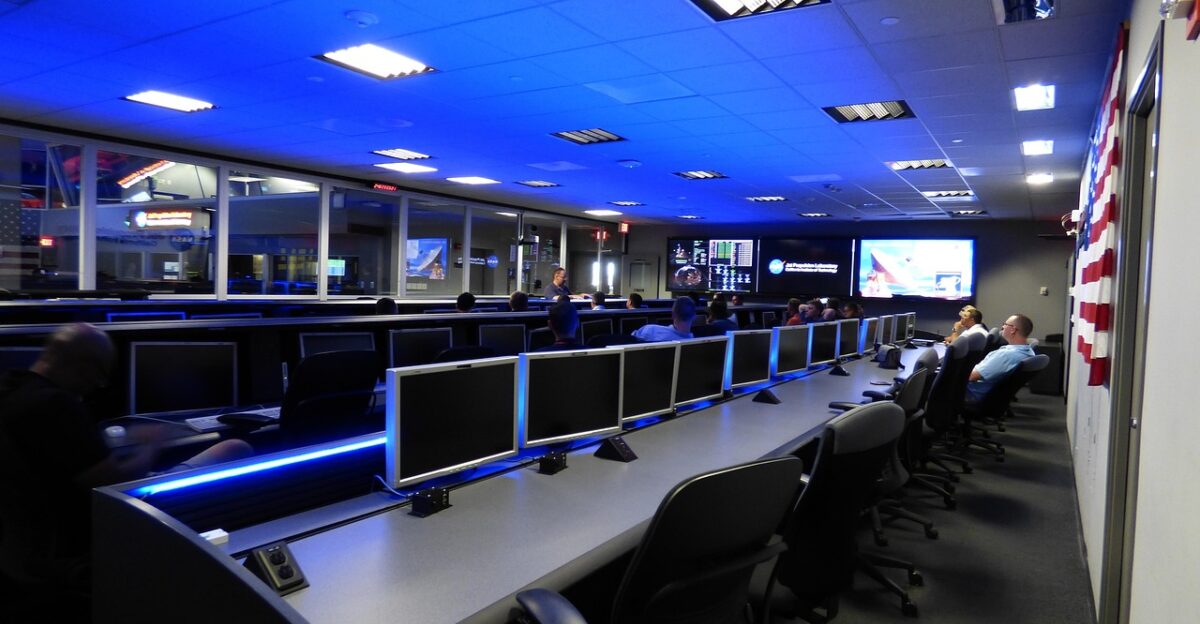
Countries relying on satellite navigation and timing, including Japan and many European Union members, are partnering with NASA to share data and develop joint response strategies for solar-induced disruptions.
This marks a new era of international cooperation in space weather, aiming to standardize data formats, improve interoperability, and strengthen resilience for travelers, businesses, and public services that depend on satellite-based systems.
Environmental and Safety Angle
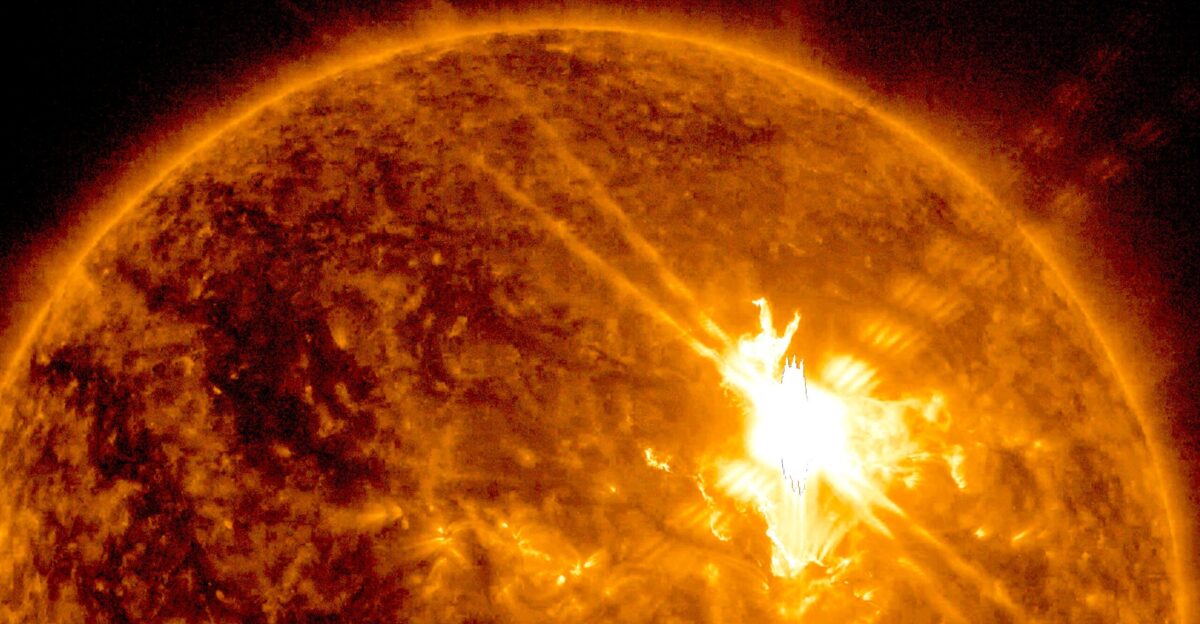
Solar storms can trigger stunning auroras but also pose risks to wildlife navigation and aviation. Airlines adjust their polar flight routes during periods of heightened solar activity to minimize radiation exposure for passengers and crew.
Wildlife, such as birds and marine species that rely on the Earth’s magnetic field for navigation, may experience subtle effects from geomagnetic disturbances. Understanding solar storms supports safer aviation, research flights, and ecological studies across polar regions.
Public Perception and Education
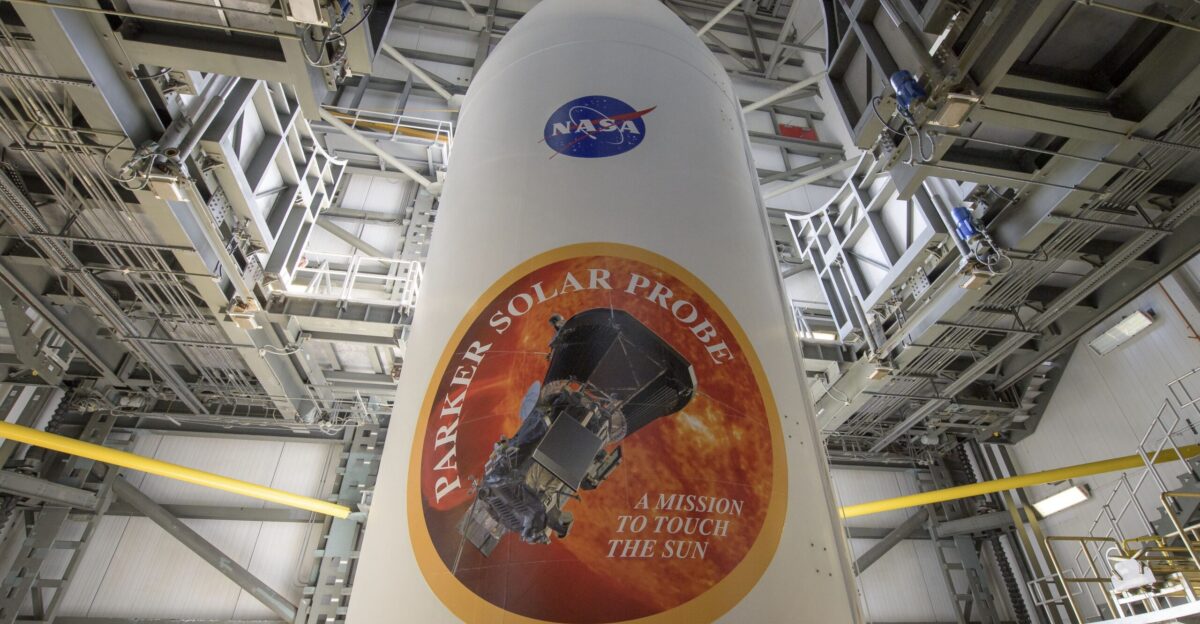
The Parker Solar Probe’s achievements are reshaping public perceptions of space science. Expanded educational programs and media coverage inspire students to pursue careers in astrophysics, engineering, and related fields.
The broader message emphasizes the value of fundamental research: curiosity about the universe can drive innovation, STEM skills, and economic opportunities, while helping protect modern life by improving space weather forecasting.
Big Picture Reflection
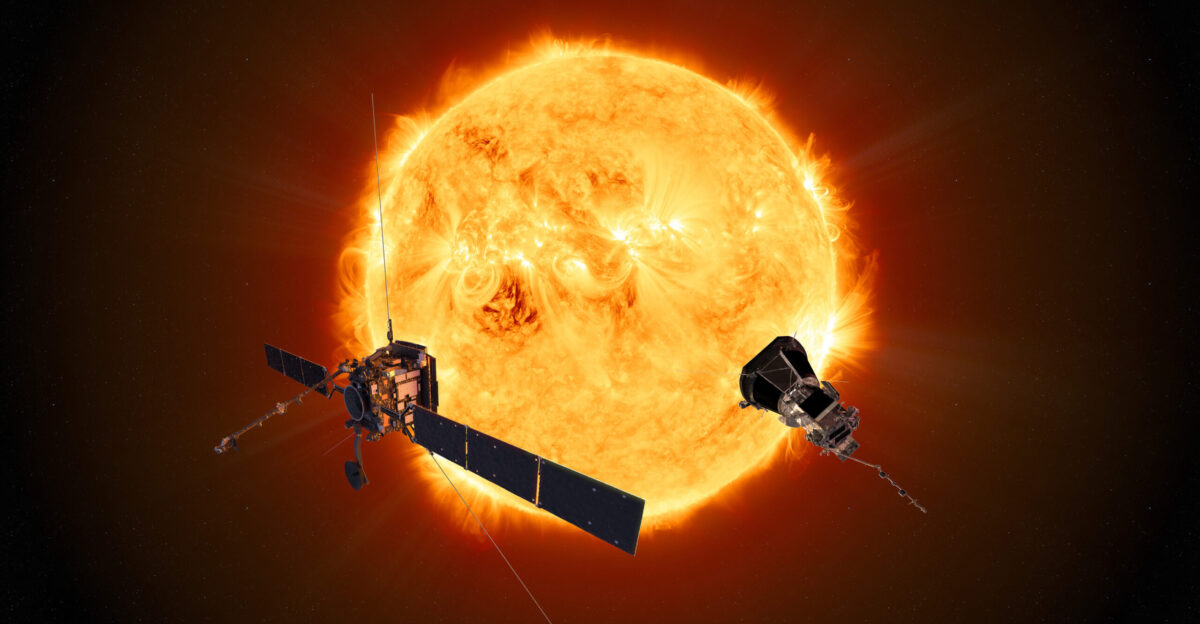
NASA’s release of Parker Solar Probe images signals a turning point in humanity’s quest to understand the Sun. As solar activity intensifies, the world watches how space weather can ripple through satellites, power grids, aviation, and communication networks.
The data and collaborations spurred by Parker Solar Probe illustrate the importance of long-term scientific exploration: investing in knowledge today can yield practical protections, smarter forecasting, and a more resilient society tomorrow.