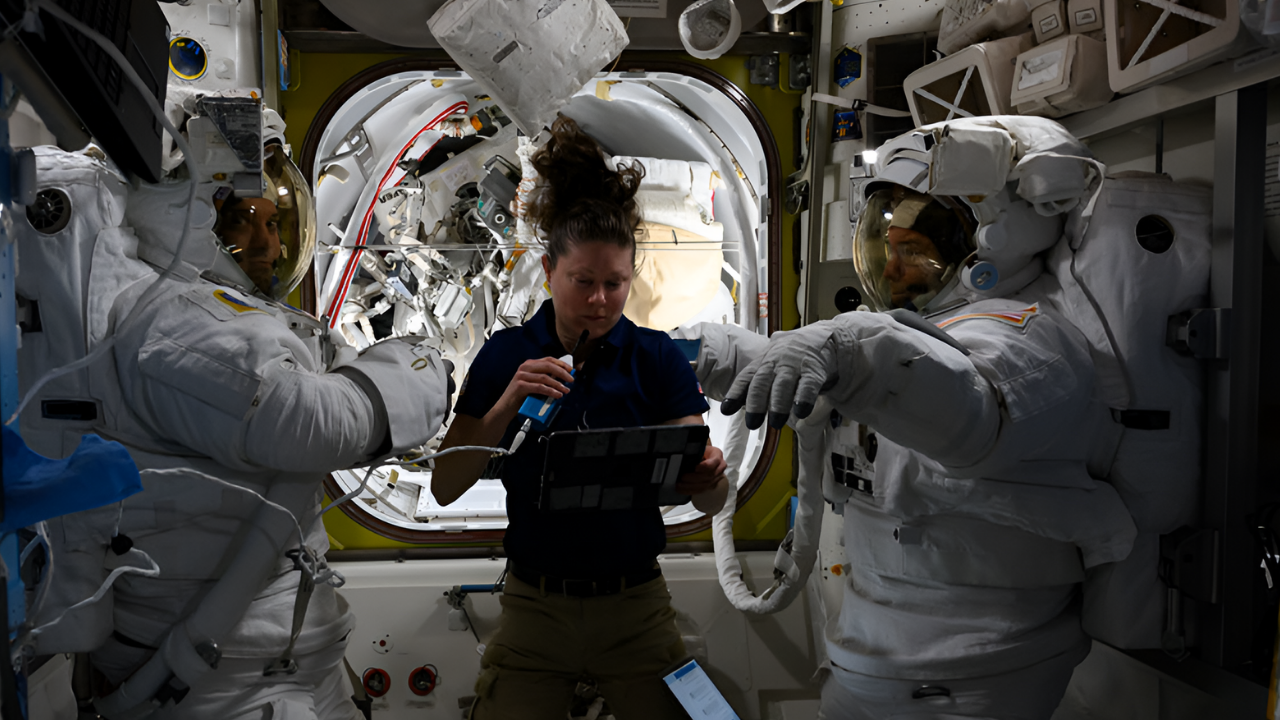
NASA has ordered an early return of all four astronauts from SpaceX Crew-11 following a medical emergency involving one crew member aboard the International Space Station on January 7, 2026. The astronaut is reported stable, but NASA determined that proper diagnosis and treatment require medical capabilities unavailable in orbit.
The crew will return together aboard the SpaceX Dragon Endeavour, marking the first medically driven early return in the station’s 25-year history.
What Makes This Decision Unprecedented
Since continuous habitation began in 2000, the ISS has never experienced a full crew evacuation for medical reasons. While astronauts have faced health issues before, all were managed onboard through telemedicine and in-orbit treatment.
This is the first time NASA has determined that returning an entire visiting crew was the safest course of action, underscoring the seriousness of the medical concern despite the astronaut’s stable condition.
Who Is Crew-11
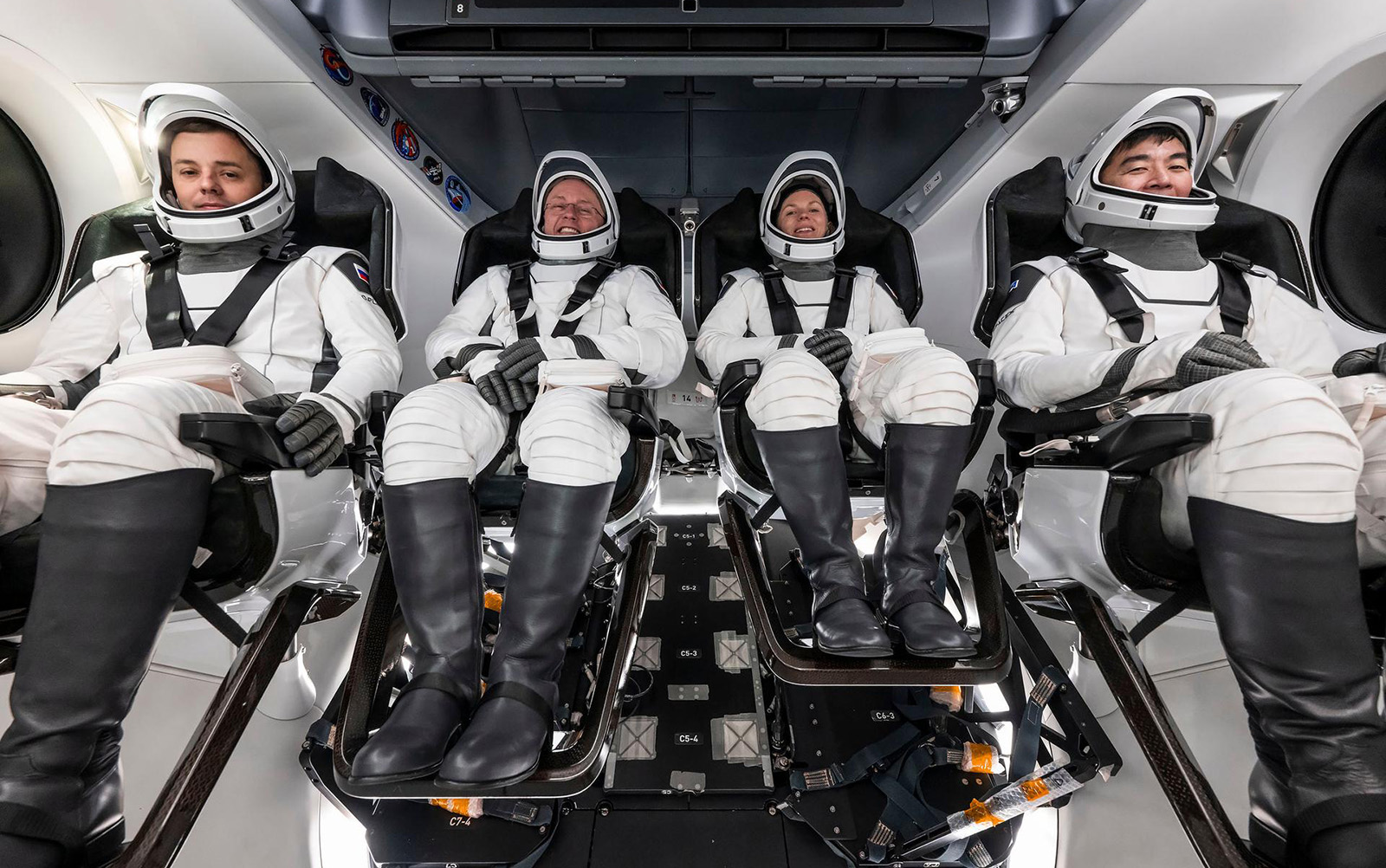
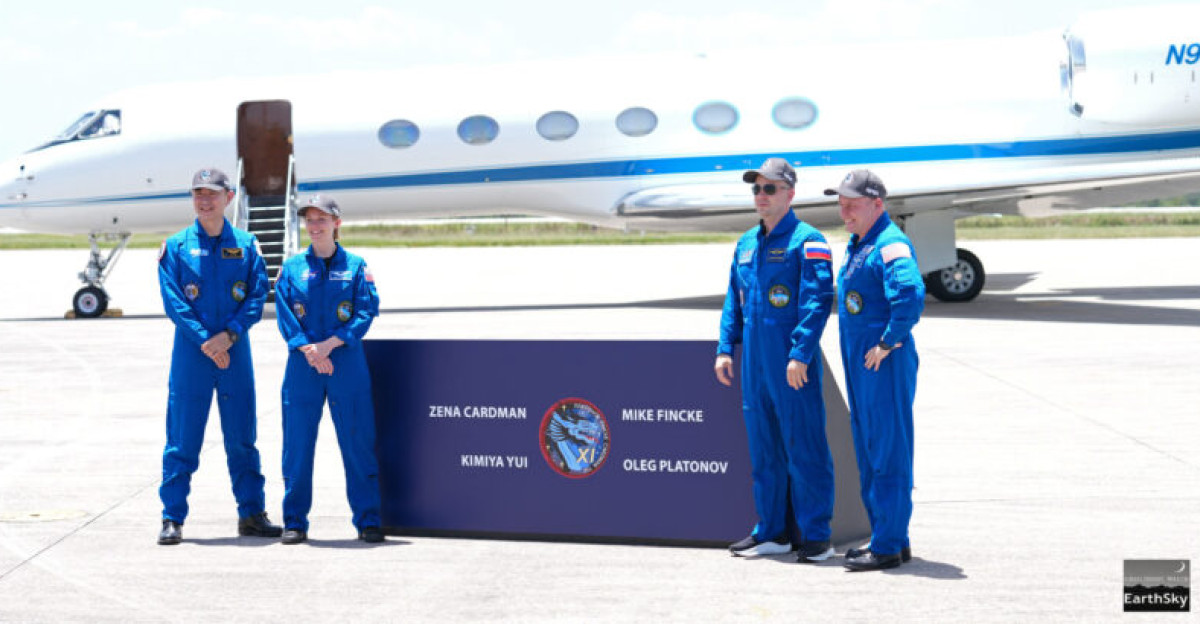
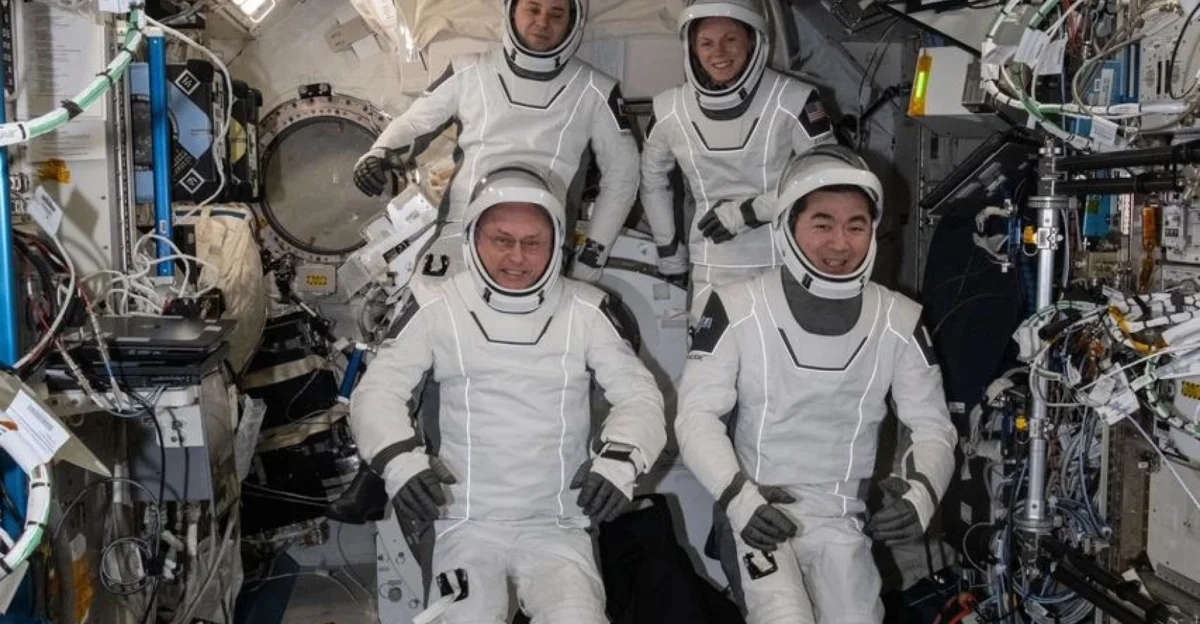
Crew-11 consists of Commander Zena Cardman, Pilot Mike Fincke, Japan Aerospace Exploration Agency astronaut Kimiya Yui, and Roscosmos cosmonaut Oleg Platonov. The multinational crew launched aboard Dragon Endeavour in August 2025 for Expeditions 73 and 74.
Their mission included scientific research, station maintenance, and technology demonstrations supporting future exploration missions beyond low Earth orbit.
Timeline of the Medical Event
NASA identified the medical issue on January 7, 2026, prompting immediate evaluation and precautionary operational changes aboard the ISS. Within 24 hours, agency leadership concluded that Earth-based diagnostics were necessary.
The decision was finalized shortly thereafter, with Crew-11 scheduled to undock in mid-January and splash down off the U.S. West Coast shortly after, weather permitting.
Why All Four Astronauts Are Returning

Although only one astronaut is affected, NASA elected to return the entire Crew-11 team together. This decision reflects operational safety protocols, spacecraft availability, and the importance of maintaining crew cohesion during reentry.
Returning together also ensures that no crew member remains without their full expedition team, minimizing operational risk during a sensitive transition period aboard the station.
Onboard Medical Capabilities and Limits
The ISS is equipped for routine and emergency care, including ultrasound imaging, medications, and real-time consultation with flight surgeons on Earth. However, it lacks advanced diagnostic tools such as CT scanners, MRI systems, and full laboratory testing.
NASA confirmed that the astronaut’s condition requires diagnostic resources that cannot be replicated in orbit, making a return to Earth medically necessary.
Health Risks of Long-Duration Spaceflight
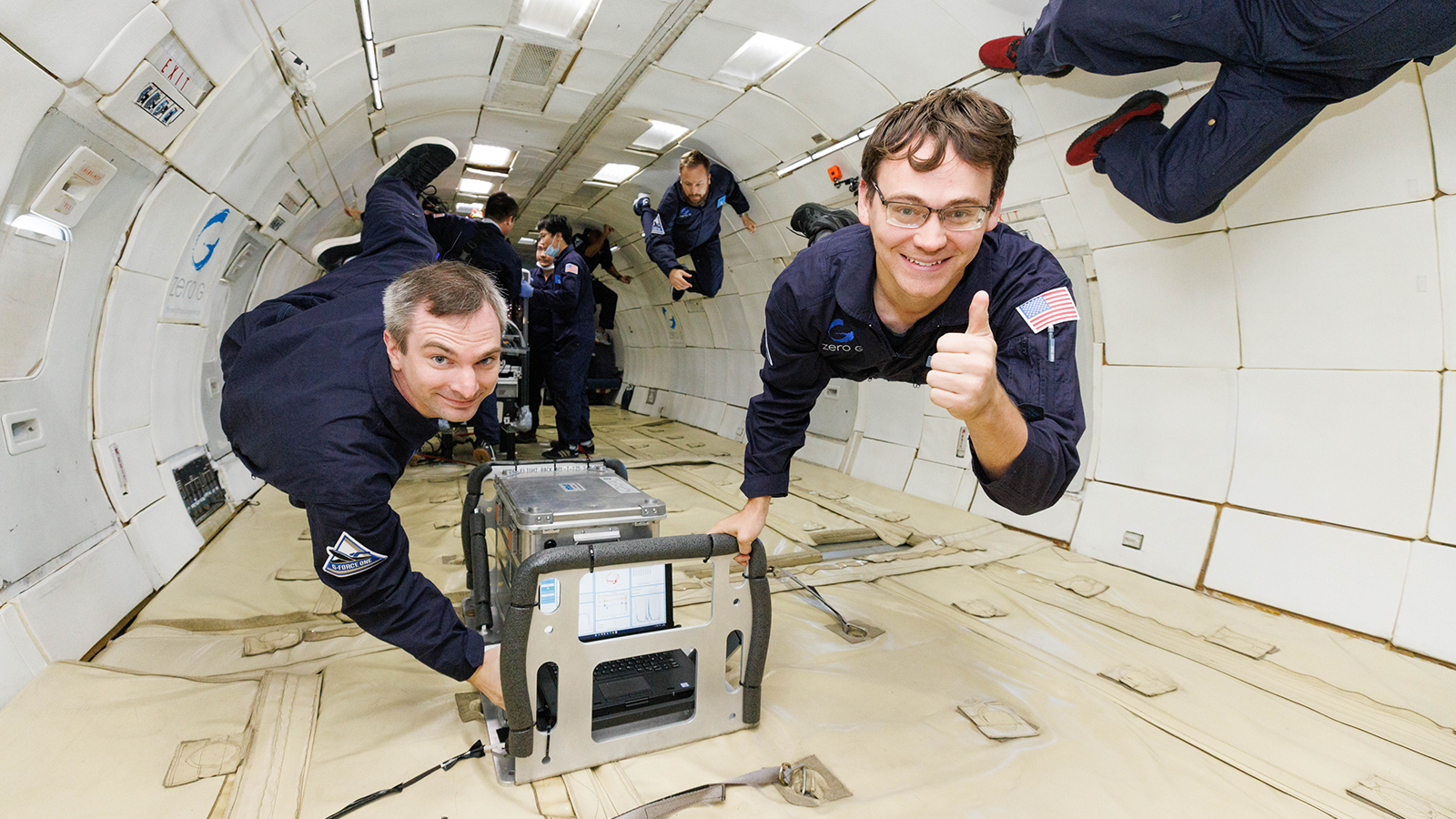
Extended stays in microgravity affect nearly every human body system. Astronauts experience fluid shifts toward the head, bone density loss, muscle atrophy, immune system changes, and altered cardiovascular function.
While these effects are well-studied and closely monitored, spaceflight can also exacerbate or reveal underlying conditions that require medical evaluation beyond the ISS’s onboard capabilities.
Radiation Exposure in Low Earth Orbit
ISS crews are exposed to higher radiation levels than people on Earth due to reduced atmospheric shielding.
Typical annual exposure aboard the station is several times higher than ground levels but remains within established safety limits. While radiation is a known long-term risk factor, NASA has not linked this medical event to radiation exposure and has not identified any threat to other crew members.
Operational Impact on the ISS

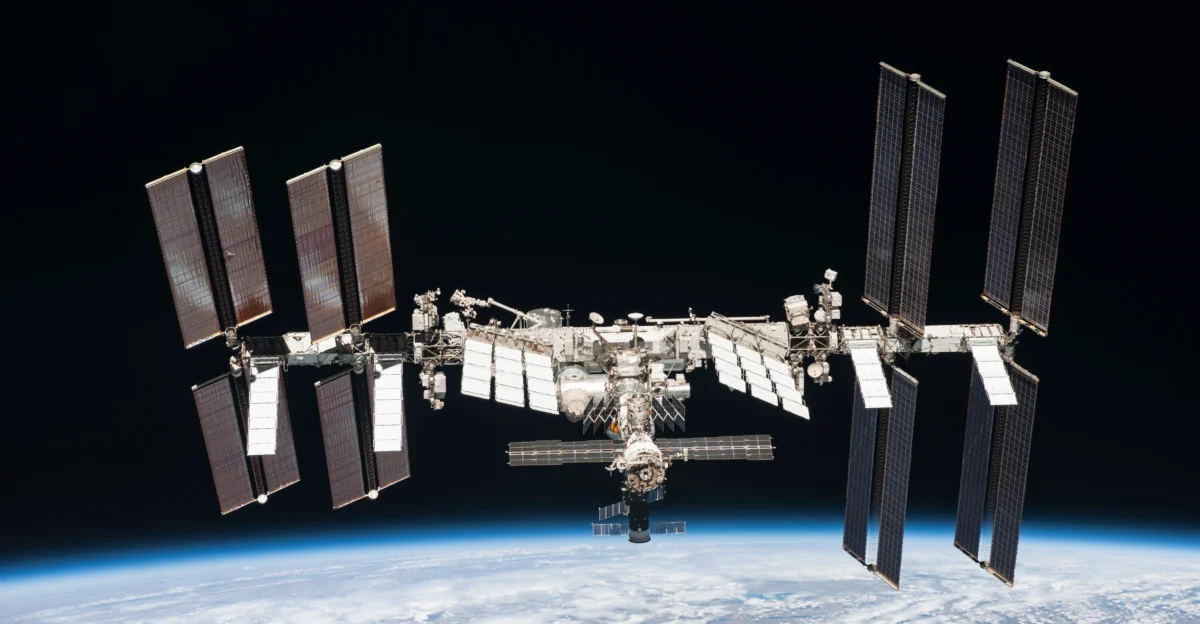
The early departure of Crew-11 temporarily reduces the station’s crew size from seven to three. Remaining astronauts will focus on essential station operations and safety tasks while certain research activities are paused or scaled back.
NASA emphasized that the ISS remains fully functional and safe, with contingency plans in place to maintain continuous operations until the next crew rotation.
Scientific Work Cut Short

Crew-11’s mission was expected to last six to eight months, but the early return shortens that timeline significantly. Several experiments designed to study human health, materials science, and technology in microgravity will be delayed or reassigned to future crews.
With the ISS scheduled for retirement later this decade, each lost research window represents data that may not be easily replaced.
NASA Leadership Response
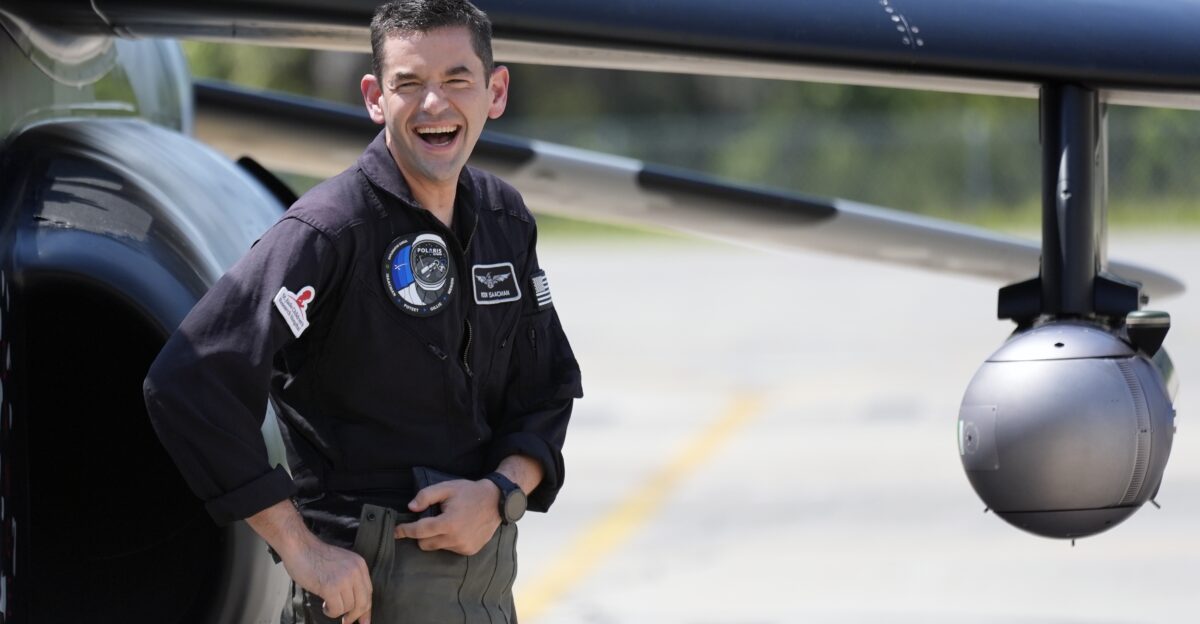
NASA Administrator Jared Isaacman described the decision as a “controlled medical return,” emphasizing that it was not an emergency evacuation but a precautionary measure driven by medical best practices.
Agency officials stressed that astronaut safety overrides all mission objectives and that the situation was handled methodically, without immediate danger to the crew or the station.
Astronaut Privacy and Medical Disclosure

NASA has not released details about the specific medical condition, citing strict astronaut medical privacy policies.
Officials confirmed only that the affected crew member is stable and able to participate in the return. This limited disclosure aligns with long-standing agency practice and avoids speculation while ensuring transparency about operational decisions.
International Cooperation Maintained

Crew-11 represents collaboration among NASA, JAXA, and Roscosmos during a period of broader geopolitical tension on Earth.
The joint handling of the medical situation highlights the continued commitment to cooperation aboard the ISS. All partner agencies supported the decision, reinforcing the station’s role as a rare platform for sustained international collaboration.
Historical Comparisons
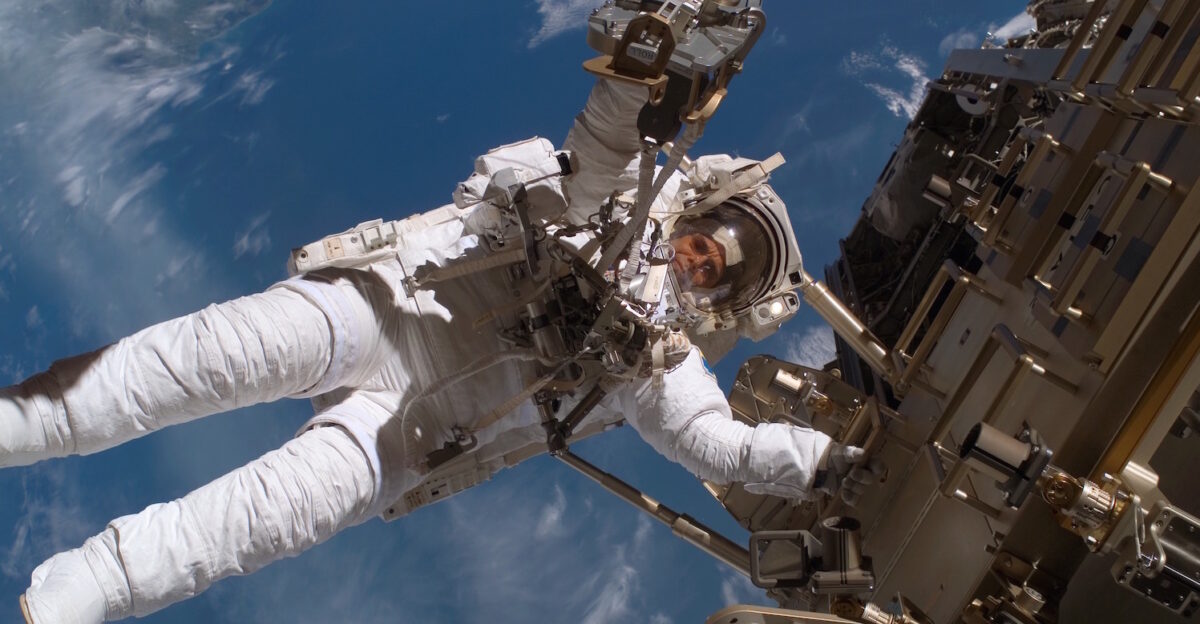
Previous medical incidents aboard the ISS include cases such as deep vein thrombosis, which was successfully treated in orbit without ending the mission. In contrast, this event exceeded the station’s diagnostic limits, setting it apart from prior cases.
Space historians have described the decision as extraordinary, given the ISS’s long record of managing health issues without evacuation.
Spaceflight Safety Philosophy
NASA’s response reflects decades of evolving risk management in human spaceflight. Rather than pushing crews to remain in orbit under uncertain medical conditions, modern protocols prioritize early intervention and conservative decision-making.
The Crew-11 return demonstrates how lessons from past missions have shaped a safety-first culture that favors prevention over endurance.
The Role of SpaceX Dragon
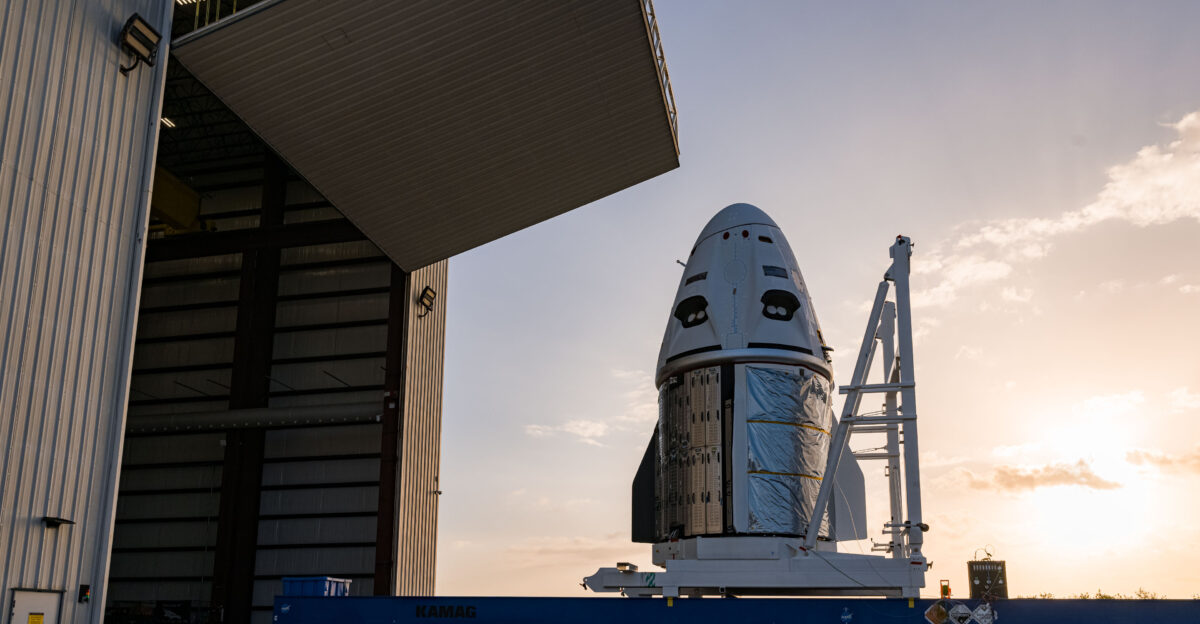
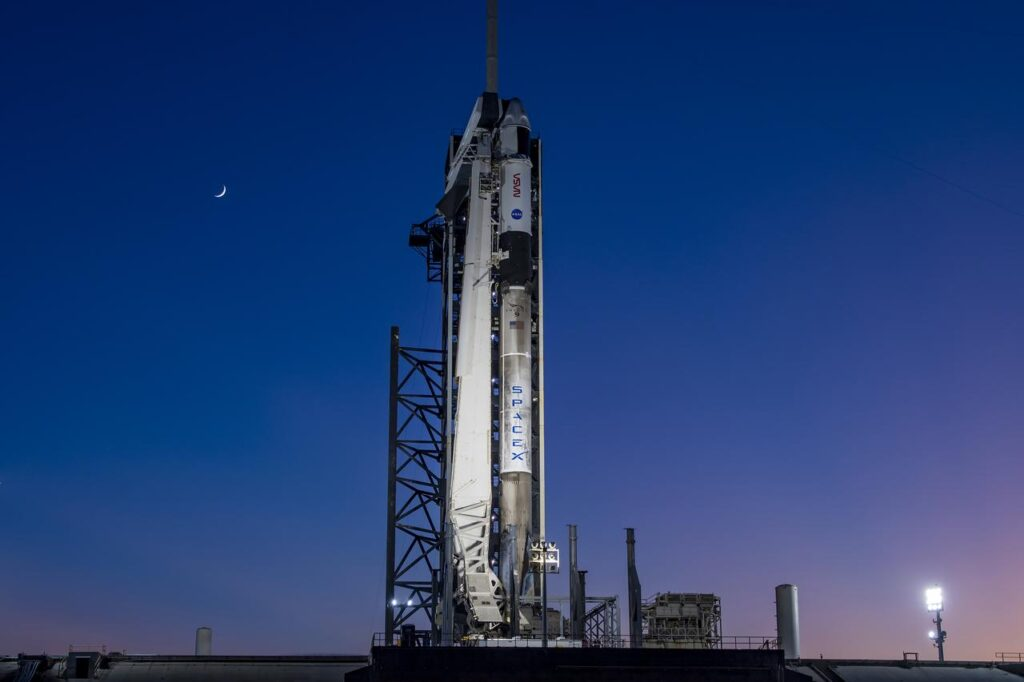
The SpaceX Crew Dragon Endeavour provides NASA with flexible return capability, allowing crews to come home independently of rigid schedules. This autonomy played a critical role in enabling the early return.
NASA credited the spacecraft’s design and readiness as key factors in executing a controlled, non-emergency medical return on short notice.
Life Aboard the ISS After Departure
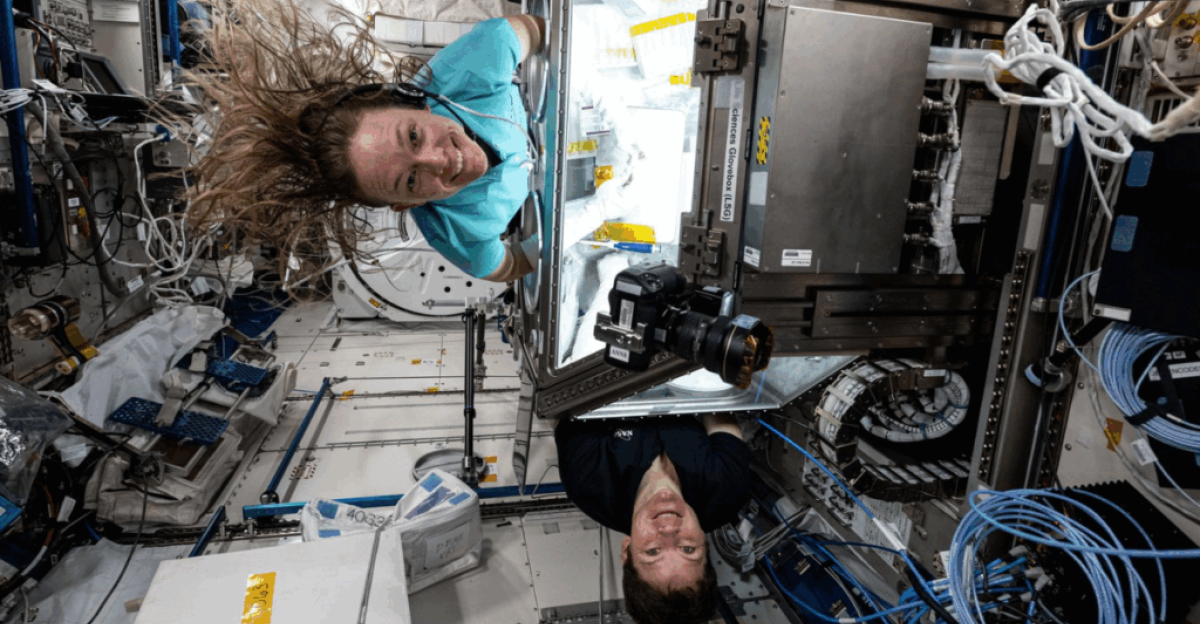
Following Crew-11’s return, three astronauts will continue maintaining the ISS, focusing on core systems, safety checks, and limited research.
NASA has stated that upcoming crew rotations remain on schedule and that no long-term disruption to station operations is expected. The reduced crew size is within established operational parameters.
The ISS Nearing Its Final Years

With the ISS planned for de-orbit around 2030, every mission carries increased significance. NASA and its partners are balancing continued research with preparations for future commercial stations and deep-space missions.
This event underscores the operational realities of maintaining a complex, aging orbital laboratory while ensuring crew health remains the top priority.
Implications for Future Missions
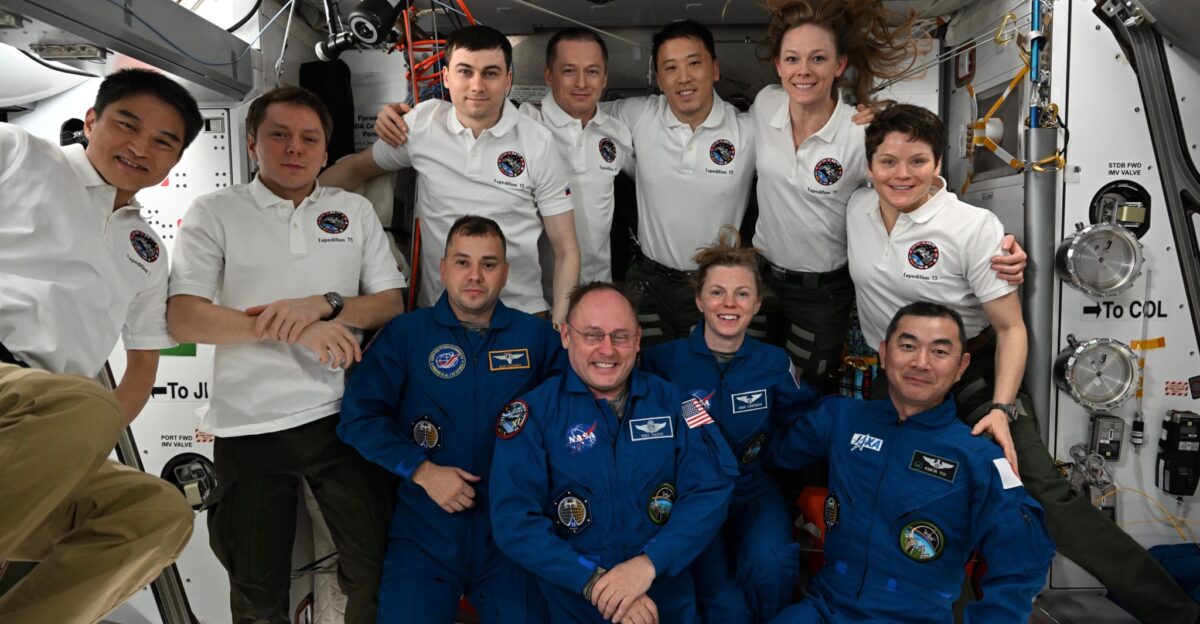
The Crew-11 medical return will inform planning for Artemis missions and eventual crewed journeys to Mars. Long-duration missions farther from Earth will require expanded onboard medical capabilities and new approaches to remote diagnosis.
NASA is expected to analyze this case closely as it refines health protocols for exploration beyond low Earth orbit.
A Defining Moment for ISS Operations
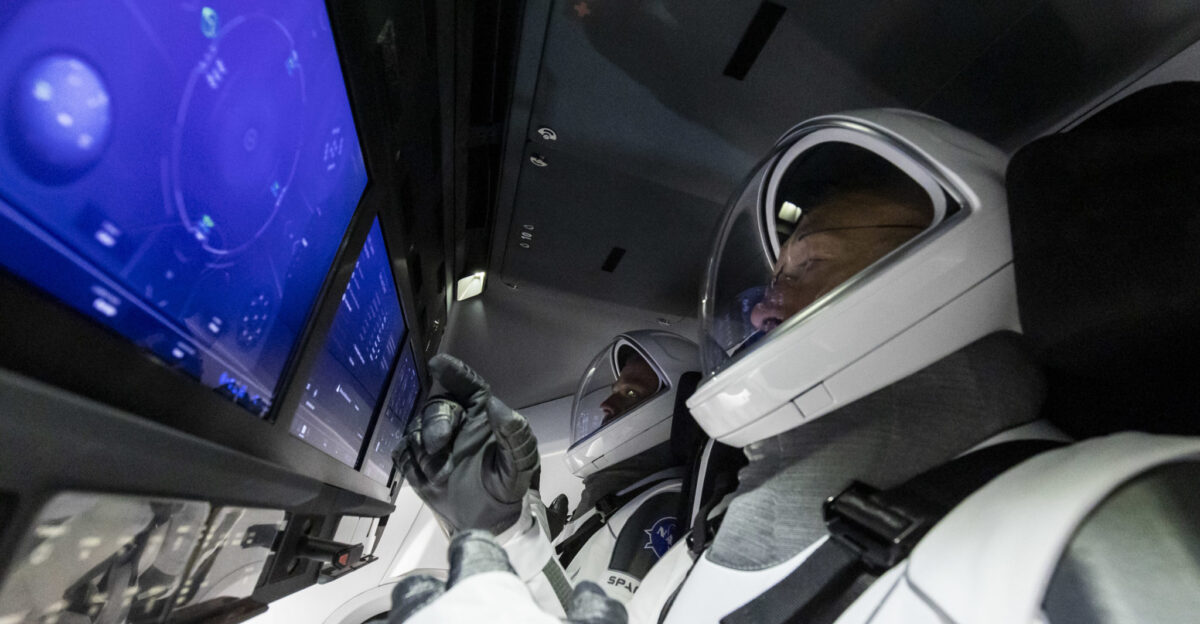
While not an emergency evacuation, the early return of Crew-11 represents a milestone in ISS history. It highlights both the limits of orbital medicine and the effectiveness of modern spaceflight safety systems.
As the station enters its final operational years, the decision reinforces a central principle of human spaceflight: no mission objective outweighs astronaut health and safety.
Sources:
- “NASA says targeting ISS medical evacuation for January 14”
- Space.com”ISS astronaut medical evacuation latest news: Crew-11 …”
- Times of India”NASA announces first-ever medical evacuation from the …”
- ABC News”NASA says a medical situation with an astronaut is ending ISS …”
- BBC”Astronaut’s ‘serious medical condition’ forces Nasa to end …”
- New Scientist”NASA is performing an unprecedented medical evacuation …”