
NASA and the U.S. Postal Service have abandoned electric vehicles from startup Canoo, signaling cracks in the federal government’s push for fleet electrification amid production delays and financial woes.
This move, coupled with setbacks in a multibillion-dollar USPS truck program, underscores the hurdles facing ambitious climate goals tied to Biden administration initiatives.
The Scale of the Crisis
The USPS’s $9.6 billion modernization effort with Oshkosh Defense aimed to deliver 45,000 battery-electric mail trucks by 2028, part of a larger 106,000-vehicle fleet upgrade. As of November 2024, only 612 battery-electric vehicles had arrived, far below targets. Oshkosh’s production crawls at about one truck per day, against a goal of 80, representing a 96.9% shortfall on expected battery-electric NGDVs—93 delivered instead of 3,000. Engineering flaws, like water intrusion from ill-fitting windows, compound delays, raising safety concerns and taxpayer cost worries.
Origins of the Push
The program began in February 2021 with a $2.6 billion USPS contract to Oshkosh for up to 165,000 Next Generation Delivery Vehicles, including EV variants. In December 2022, the Inflation Reduction Act contributed $3 billion to prioritize electrification, targeting at least 45,000 battery-electric NGDVs out of 60,000 total NGDVs, plus 21,000 commercial off-the-shelf battery-electric vehicles, for a combined 66,000 battery-electric units out of 106,000 vehicles by 2028. These steps positioned federal fleets as cornerstones of national climate action, but manufacturing realities have derailed progress.
Canoo’s Rapid Fall

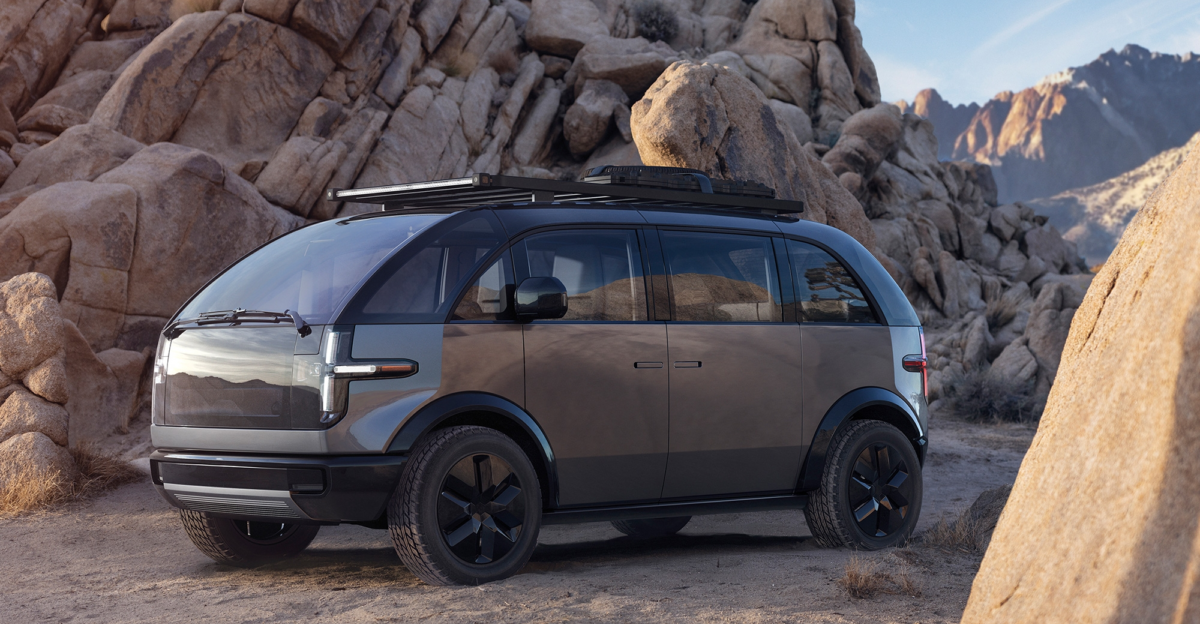
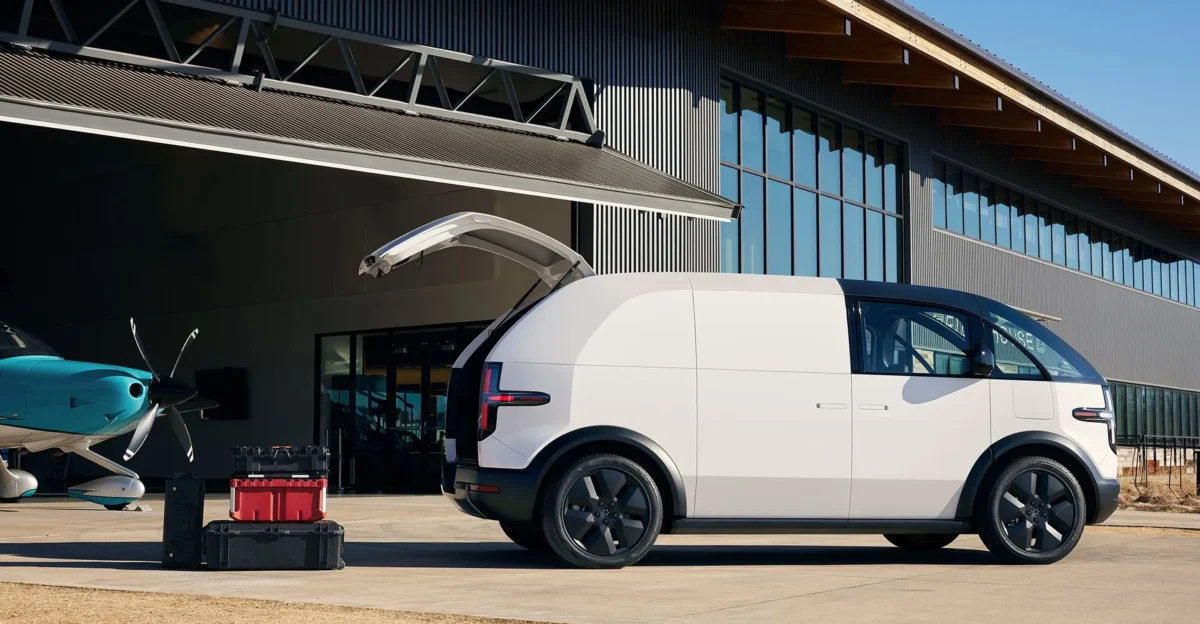
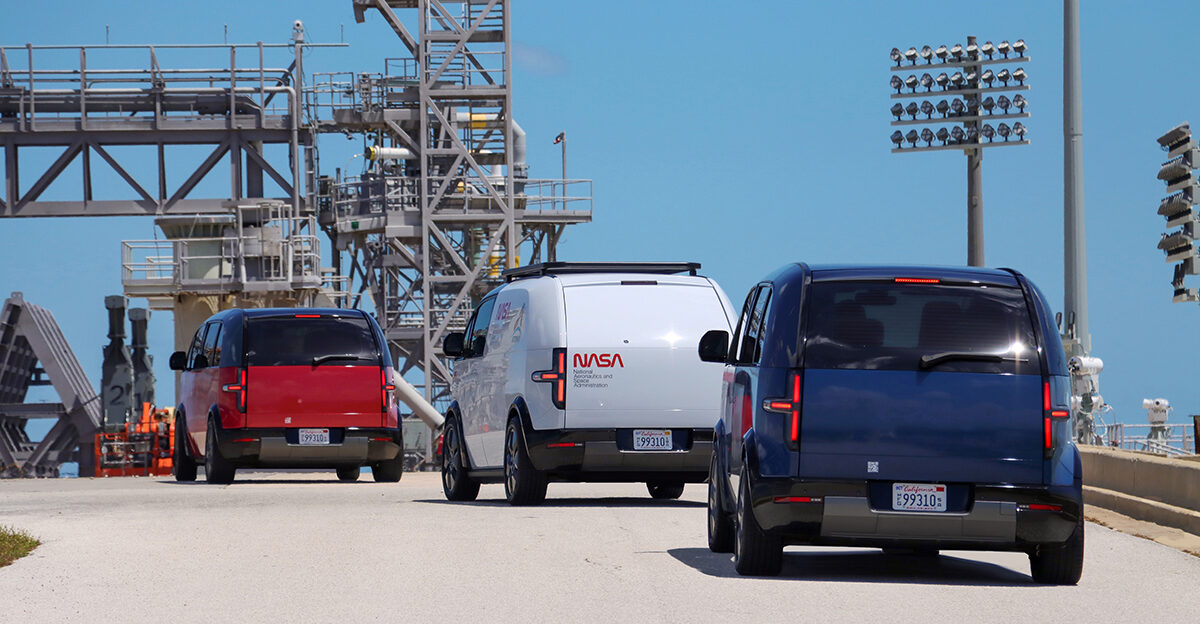
NASA bought three Canoo Lifestyle Delivery Vehicles in 2023 for testing, while USPS acquired six in 2024. By October 2024, NASA halted use, citing vehicles that no longer met mission needs. USPS followed in December 2024, declaring its units out of service with no further plans. Canoo filed for bankruptcy in January 2025; ex-CEO Tony Aquila bid $4 million for assets in March, approved in April, but agencies report no follow-up contact. NASA switched to a leased Boeing Astrovan, highlighting Canoo’s operational shortfalls.
Ripples Across Agencies
These decisions reflect broader federal procurement caution toward unproven EV makers. The nine scrapped Canoo vehicles signal reliability gaps, while Oshkosh struggles threaten the entire timeline. Postal workers and advocates express frustration over setbacks to environmental aims and fleet dependability. Public reaction mixes disappointment with calls for better vetting, as delays erode trust in green initiatives.
Path Forward and Stakes
Federal agencies now face reevaluation of partners and contracts, potentially turning to proven manufacturers. Heightened congressional oversight looms, with lawmakers questioning spending and timelines. Success could affirm procurement reforms; prolonged failures risk funding cuts and policy reversals. The outcome will shape EV adoption across government, balancing climate urgency against demands for performance and accountability.
Sources:
TechCrunch, NASA and USPS stop using Canoo EVs despite CEO’s pledged support
NY Post, USPS electric vehicle fleet behind schedule with $3B in taxpayer funds spent and only 612 trucks built
USPS Official Newsroom, USPS Awards Contract to Launch Multi-Billion Dollar Modernization of Postal Delivery Vehicle Fleet
Ford Authority, Ford Powered Oshkosh USPS Mail Trucks Way Behind Schedule
Federal Times, How a military vehicle contractor plans to make a USPS truck that lasts almost as long as the one it replaces
Reuters, U.S. Postal Service chief defends plan to buy rising number of EVs