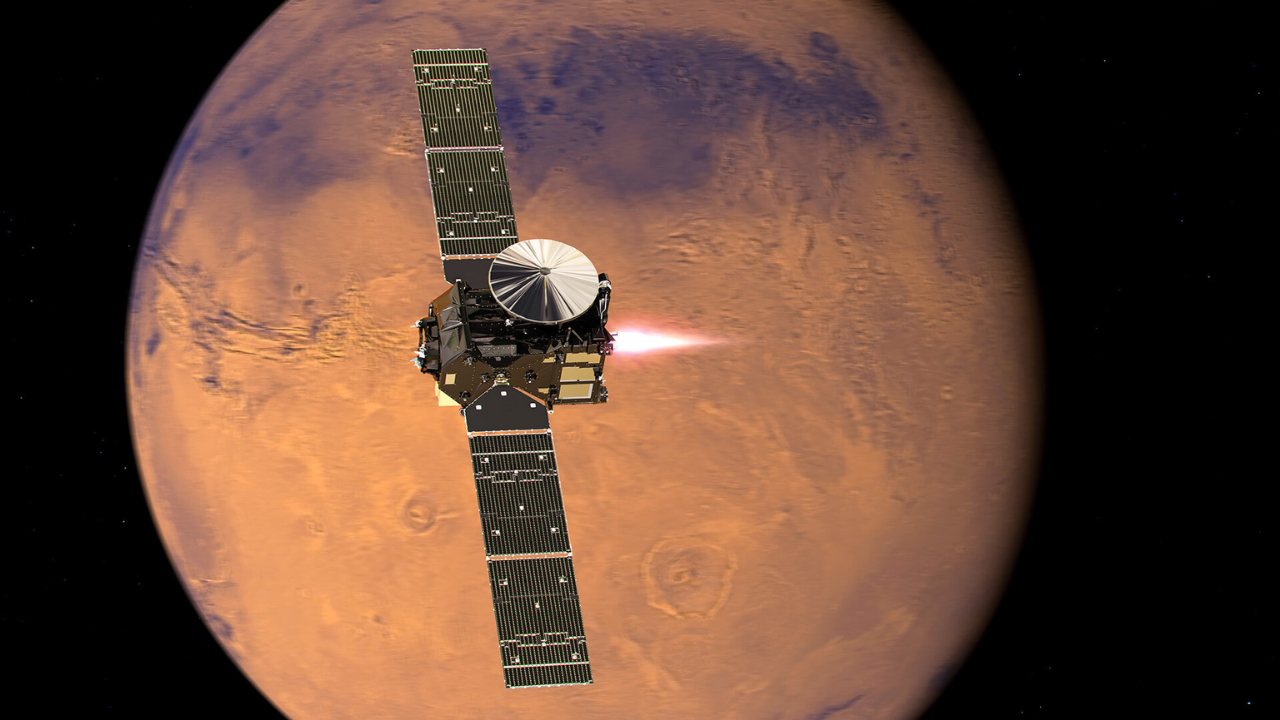
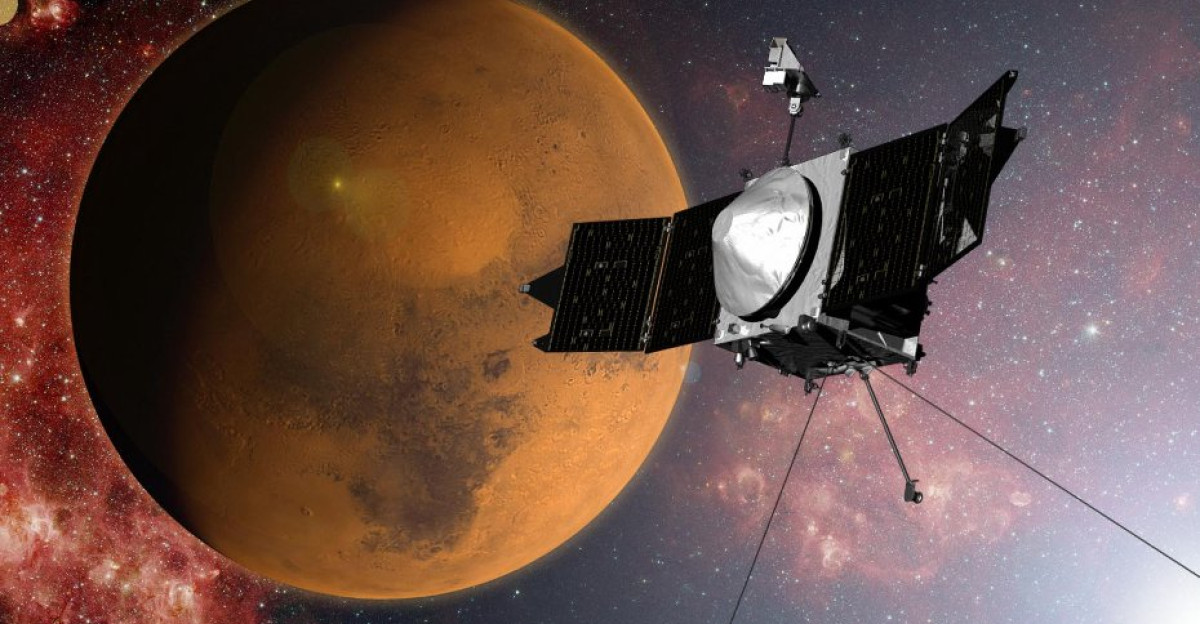
NASA’s MAVEN spacecraft has captured the first direct observation of atmospheric sputtering on Mars, confirming how the planet transformed from a potentially habitable blue world into today’s barren red desert.
The discovery, published in Science Advances in May 2025, reveals that solar wind bombardment has been systematically stripping Mars’s atmosphere into space for over four billion years at rates far exceeding previous predictions.
Solar Wind Acts Like Cosmic Sandblaster
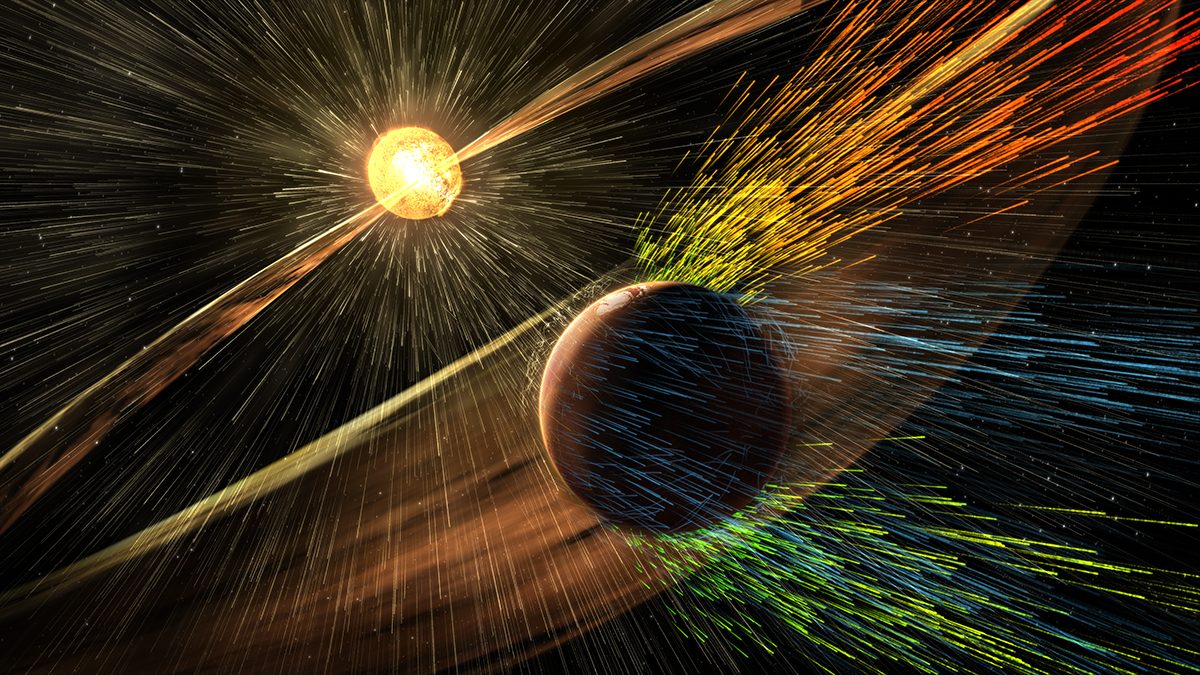
The sputtering process works like “doing a cannonball in a pool,” explains Shannon Curry, MAVEN principal investigator at the University of Colorado Boulder. Heavy ions from the solar wind crash into Mars’s upper atmosphere at 350-400 kilometers altitude, transferring energy that splashes neutral atoms into space.
Without a protective magnetic field, this relentless bombardment has operated continuously since Mars lost its global magnetosphere more than four billion years ago.
Discovery Required Nine Years of Data
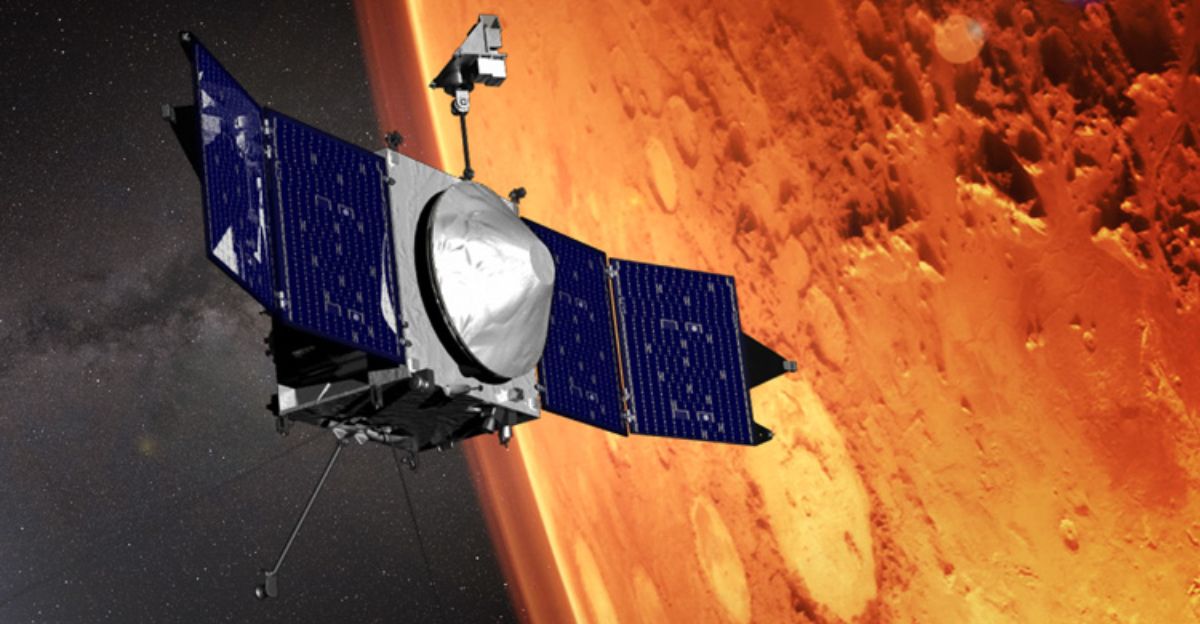
Curry’s team analyzed more than nine years of MAVEN observations from 2014 to 2024, using three instruments simultaneously to capture the elusive measurements. The breakthrough came from tracking argon-40, an inert noble gas that serves as an ideal tracer.
Researchers detected a 9.8-fold increase in argon density at high altitudes where energetic particles precipitate, with escape rates reaching 2.1×10²³ atoms per second—four times higher than theoretical models predicted.
Solar Storms Amplify Atmospheric Loss
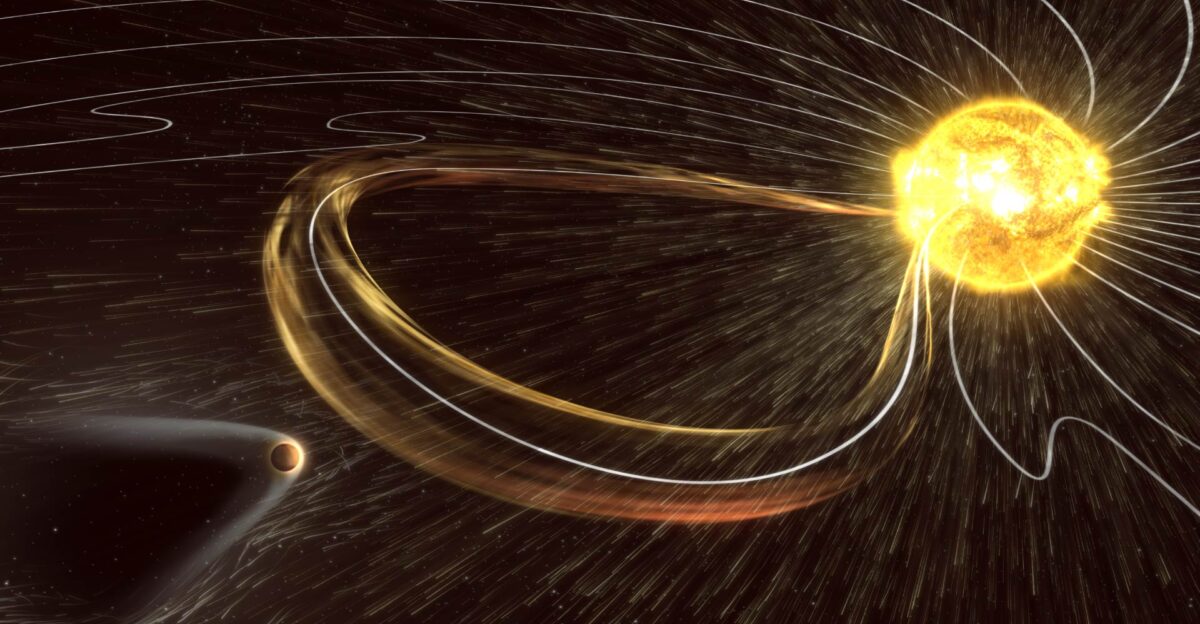
During solar storms, atmospheric stripping intensifies dramatically. When an interplanetary coronal mass ejection struck Mars in January 2016, MAVEN recorded argon density enhancements exceeding 100-fold normal levels.
This observation provides crucial insight into conditions four billion years ago when the young Sun’s activity was substantially more violent, suggesting early Mars experienced relentless atmospheric bombardment that accelerated the planet’s transformation into a frozen wasteland.
Ancient Mars Harbored Vast Water Reserves
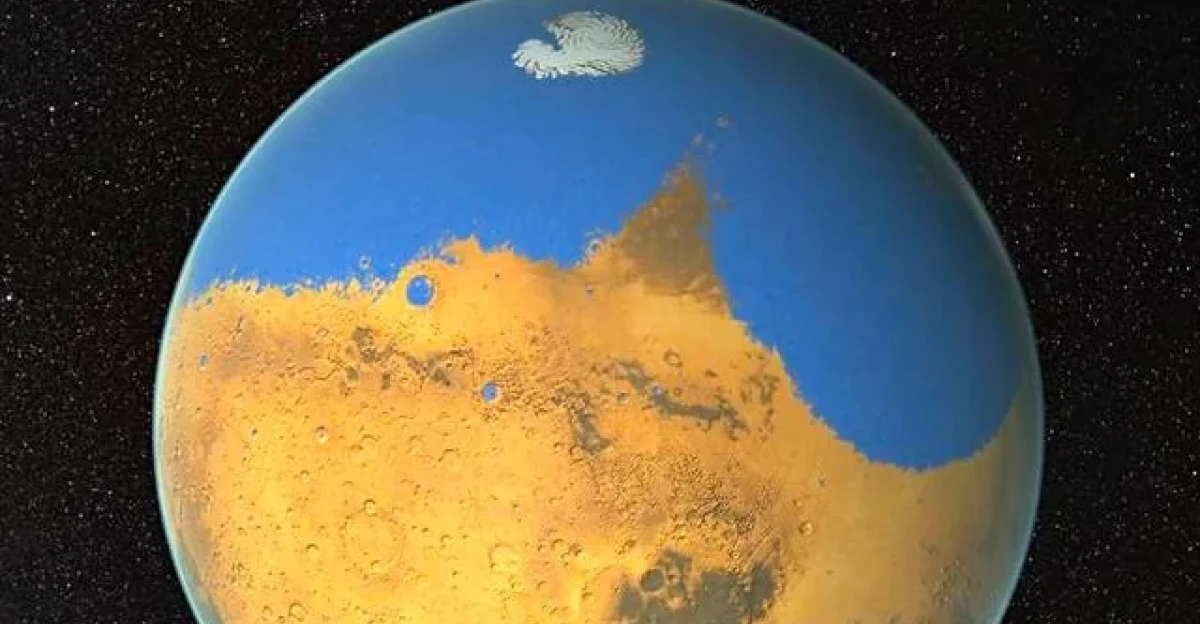
Four billion years ago, Mars possessed enough water to cover the entire planet in an ocean 100-1,500 meters deep—roughly half the Atlantic Ocean’s volume.
This water likely pooled in northern lowlands, creating Oceanus Borealis covering 36% of the planetary surface. Isotopic analysis reveals Mars has lost at least 6.5 times more water than currently locked in polar ice caps, with deuterium enrichment proving massive atmospheric escape occurred over billions of years.
Rovers Discover Ancient Lake Environments
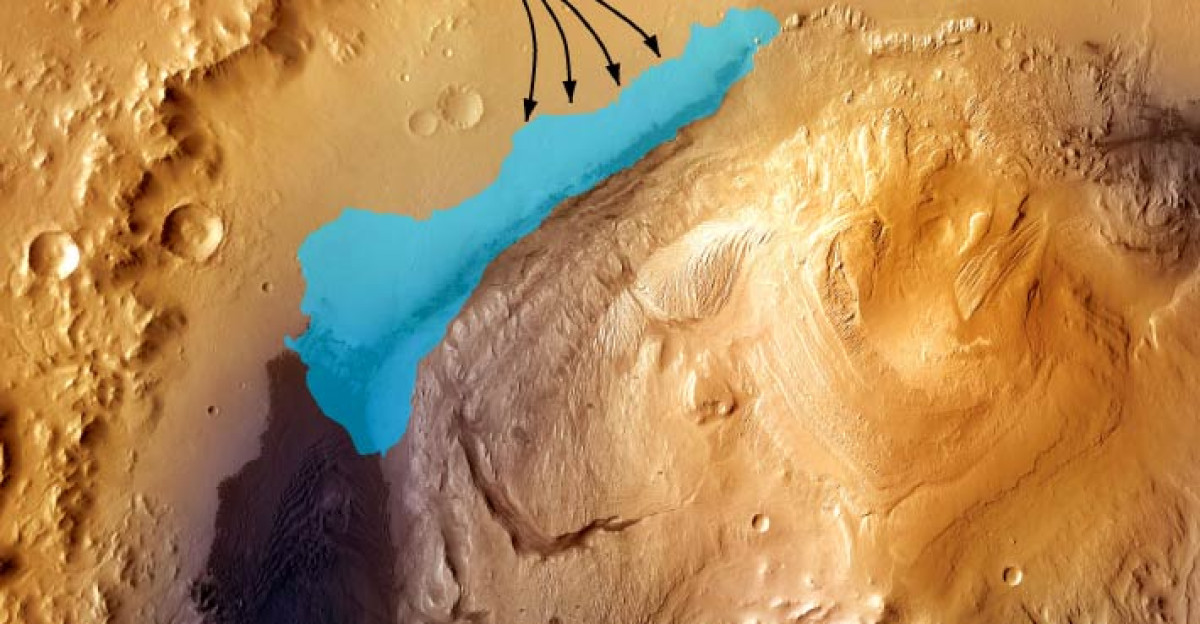
NASA’s Curiosity rover found compelling evidence of long-lived ancient lakes in Gale Crater’s Yellowknife Bay. The 3.5-3.8 billion-year-old mudstones record neutral pH water with low salinity and chemical ingredients suitable for simple microbial life.
Layered sediments reveal repeated wet-dry cycles spanning potentially hundreds of millions of years, suggesting stable environmental conditions persisted long enough for hypothetical life to emerge and evolve on the red planet.
Perseverance Explores River Delta System
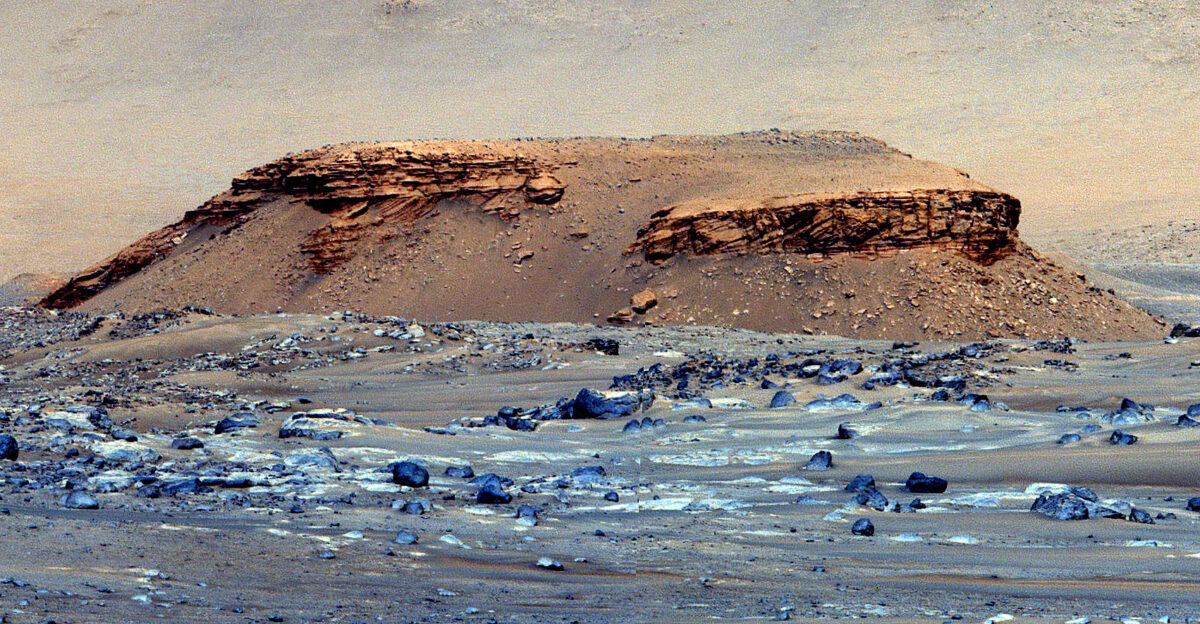
The Perseverance rover is currently investigating Jezero Crater’s ancient river delta, where a substantial river once fed a crater lake.
Scientists selected this site because deltas trap organic molecules and preserve fine-grained sediments that could harbor biosignatures from past microbial life. Exposed stratigraphy reveals sustained hydrological activity that transitioned into episodic high-energy floods as Mars dried out, recording the planet’s environmental decline in rock layers.
Magnetic Field Collapse Sealed Mars’s Fate
Mars lost its global magnetic field more than four billion years ago, though debate continues about precise timing. Recent meteorite analysis suggests the field may have persisted until 3.9 billion years ago in some regions. Without magnetic protection, the upper atmosphere became exposed to direct solar wind bombardment.
Earth’s magnetic field deflects these charged particles, but Mars’s vulnerability triggered a cascade of atmospheric loss that lowered surface pressure below thresholds for stable liquid water.
Valles Marineris Records Water’s Ancient Power
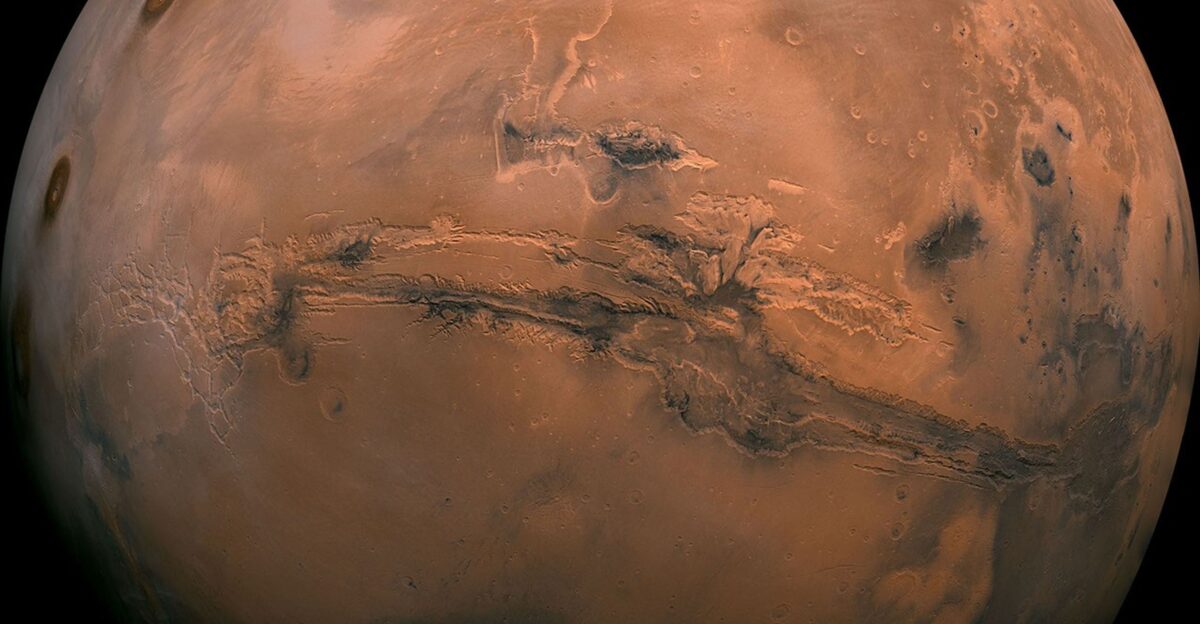
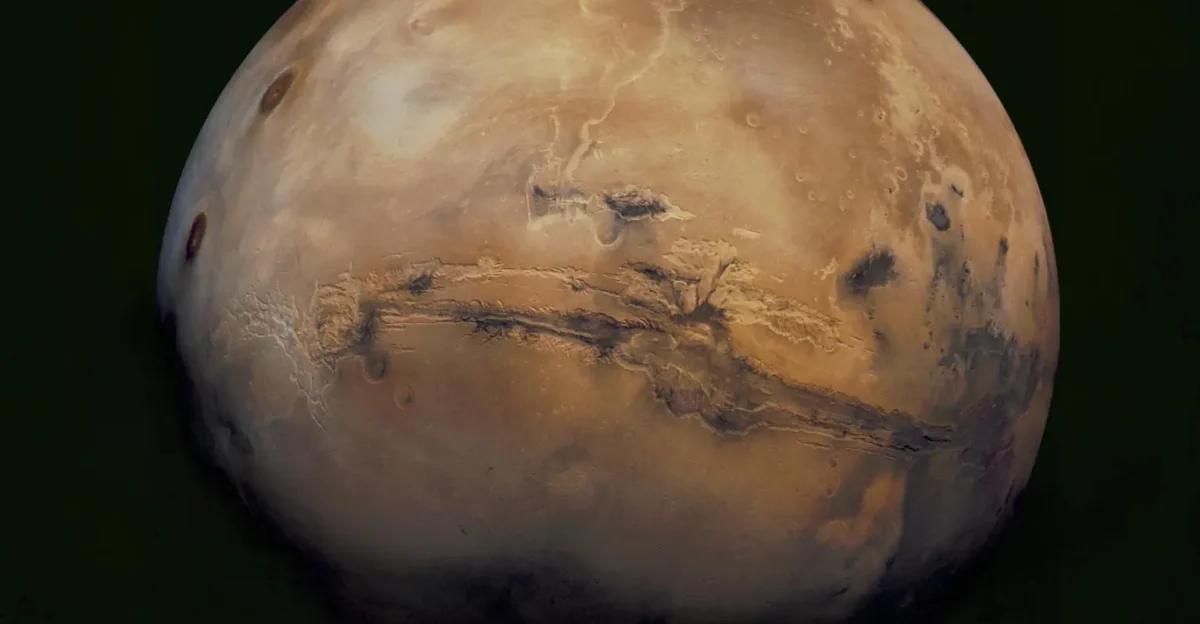
Orbital imagery reveals ancient river valleys, lake basins, and Valles Marineris—a canyon system stretching over 3,000 miles across Mars’s equator. At 4,000 kilometers long, 200 kilometers wide, and up to 7 kilometers deep, this massive scar dwarfs Earth’s Grand Canyon by factors of ten.
These geological features provide overwhelming evidence that substantial surface water once carved dramatic testimony into the Martian crust during the planet’s wetter past.
Modern Mars: Extreme Temperature and Thin Air
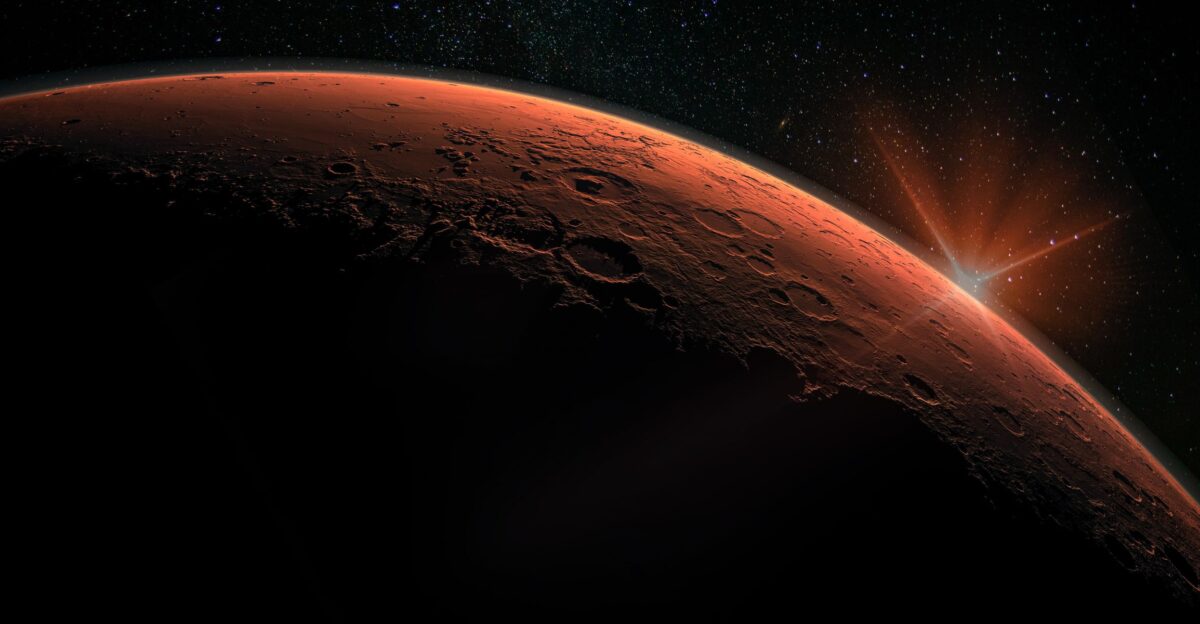
Today’s Mars presents a hostile environment with temperatures ranging from 70°F at the equator to -225°F at the poles, averaging -81°F globally. The atmosphere consists of 95% carbon dioxide at less than one percent of Earth’s surface pressure—just 6-7 millibars.
This extreme thinness provides virtually no insulation, creating bizarre thermal gradients where ground-level temperatures might reach 75°F while head-height air remains frozen during equatorial summer afternoons.
Habitability Window Lasted Hundreds of Million Years
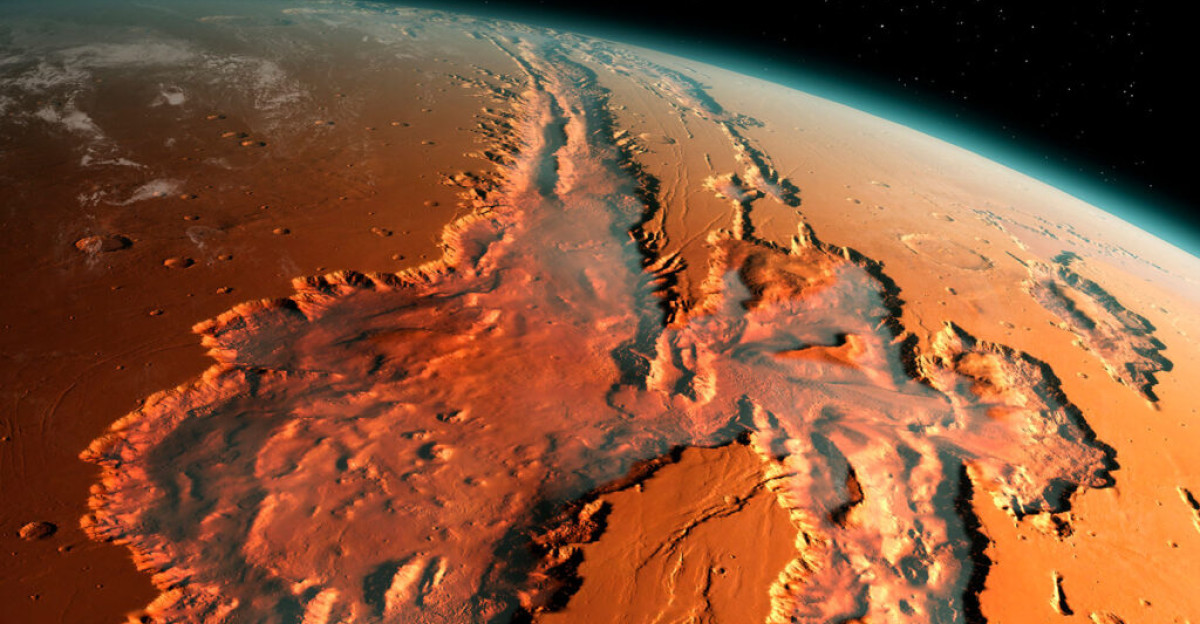
Evidence suggests Mars maintained potentially habitable conditions from 4.45 billion years ago through approximately 3.5 billion years ago—a window spanning nearly one billion years. Zircon crystals show water was present within the first 100 million years of planetary formation.
By 3.5 billion years ago, atmospheric pressure dropped below thresholds for stable surface water, though recent discoveries suggest localized habitable niches may have persisted until 2-3 billion years ago.
Discovery Has Profound Implications for Exoplanets
The MAVEN findings provide a sobering case study for evaluating potentially habitable worlds beyond our solar system. A planet can possess liquid water, organic chemistry, and energy sources for life yet lose these conditions if magnetic shielding fails and stellar activity strips away the atmosphere.
This realization suggests magnetic field strength and longevity may prove as critical to sustained habitability as orbital distance within a star’s habitable zone.
MAVEN Spacecraft Faces Communication Crisis
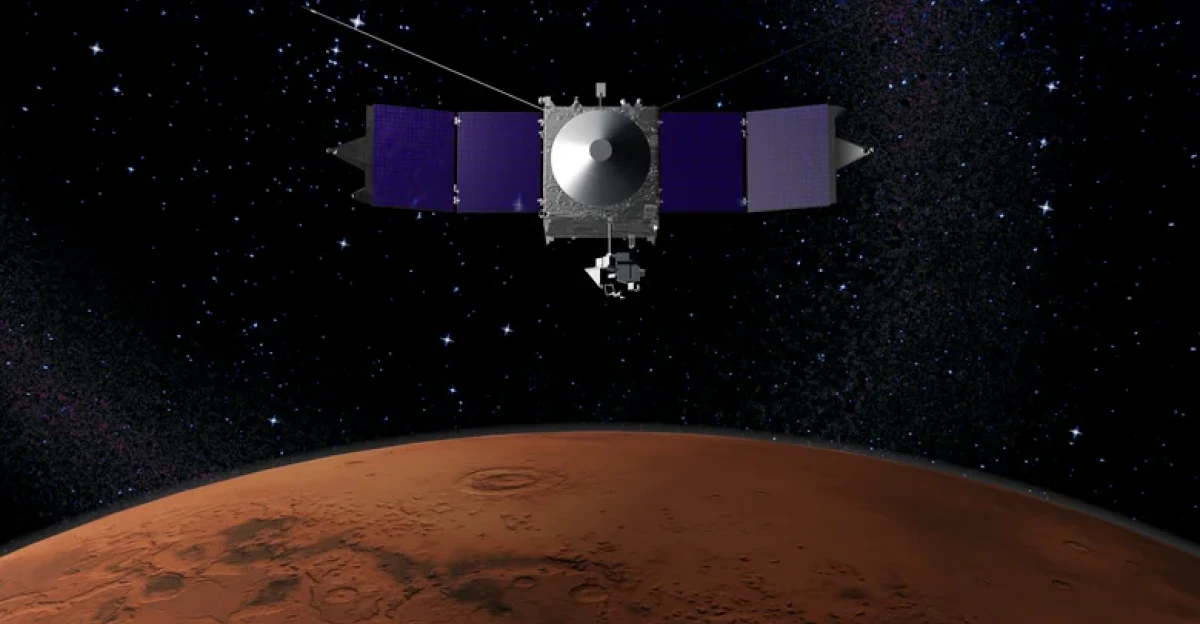
The MAVEN spacecraft that achieved this landmark discovery lost contact with Earth on December 6, 2025, after orbiting behind Mars during a routine communications blackout. Fragmentary tracking data indicates the spacecraft entered an unexpected tumble with a possibly altered orbit.
Mars solar conjunction—when Mars and Earth lie on opposite sides of the Sun—has prevented recovery attempts through January 16, 2026, leaving the mission’s fate uncertain.
Statistical Confidence Eliminates Random Chance
Chi-square statistical testing confirmed the enhanced argon concentrations couldn’t result from random distribution, with only a 0.79% probability of coincidence—providing 99.21% confidence in the sputtering observations. This rigorous analysis validates decades of theoretical modeling and establishes sputtering as a confirmed mechanism of planetary atmospheric destruction.
The quantitative constraints will shape future Mars research and refine estimates of the planet’s initial atmospheric mass before loss began.
From Blue World to Red Desert
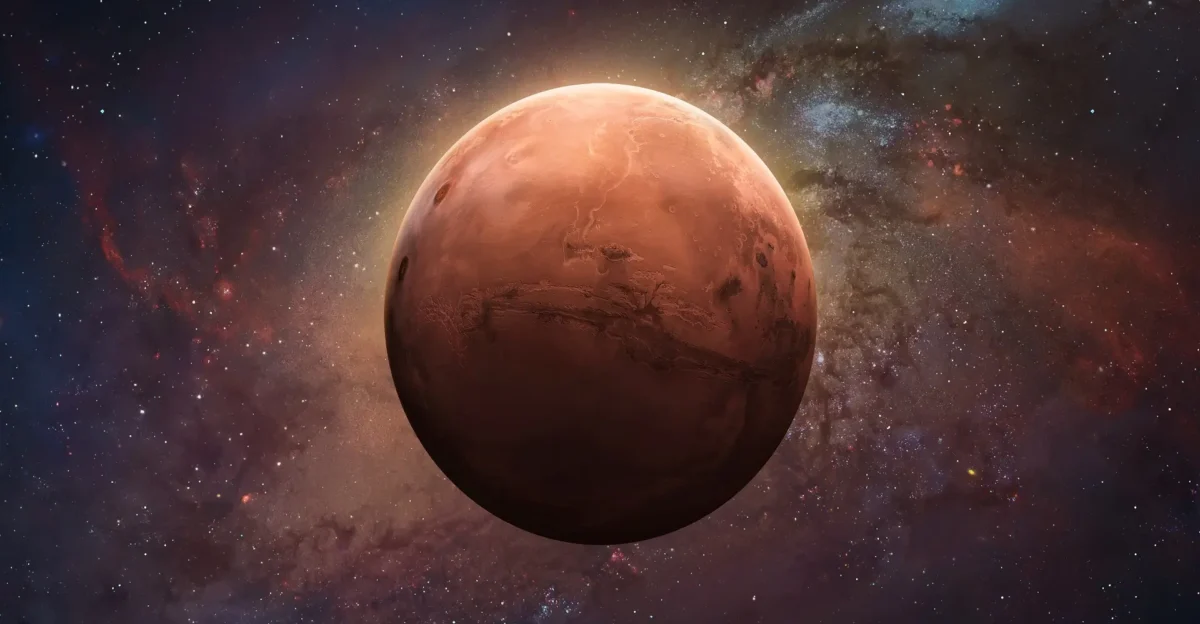
“These results establish sputtering’s role in the loss of Mars’ atmosphere and in determining the history of water on Mars,” Curry stated, linking atomic processes in the upper atmosphere to dramatic climate changes recorded in dried valleys far below.
Ancient Egyptians called Mars “Her Desher”—the red one—but billions of years ago they might have seen a different color entirely: a blue world with rivers, lakes, and perhaps life that gradually died as the Sun murdered its protective atmosphere.
Sources:
“First direct observations of atmospheric sputtering at Mars.” Science Advances, May 2025.
“NASA’s MAVEN Makes First Observation of Atmospheric Sputtering at Mars.” NASA Science, May 2025.
“Mars Curiosity rover finds evidence of ancient lakes in Gale Crater.” Science Magazine, Dec 2014.
“Perseverance rover reveals an ancient delta-lake system and flood deposits at Jezero crater, Mars.” Science Magazine, Oct 2021.
“Revisiting timeline that pinpoints when Mars lost its dynamo.” Harvard Gazette, Nov 2023.
“NASA loses contact with MAVEN, Perseverance continues sample collection.” NASA Spaceflight, Dec 2025.