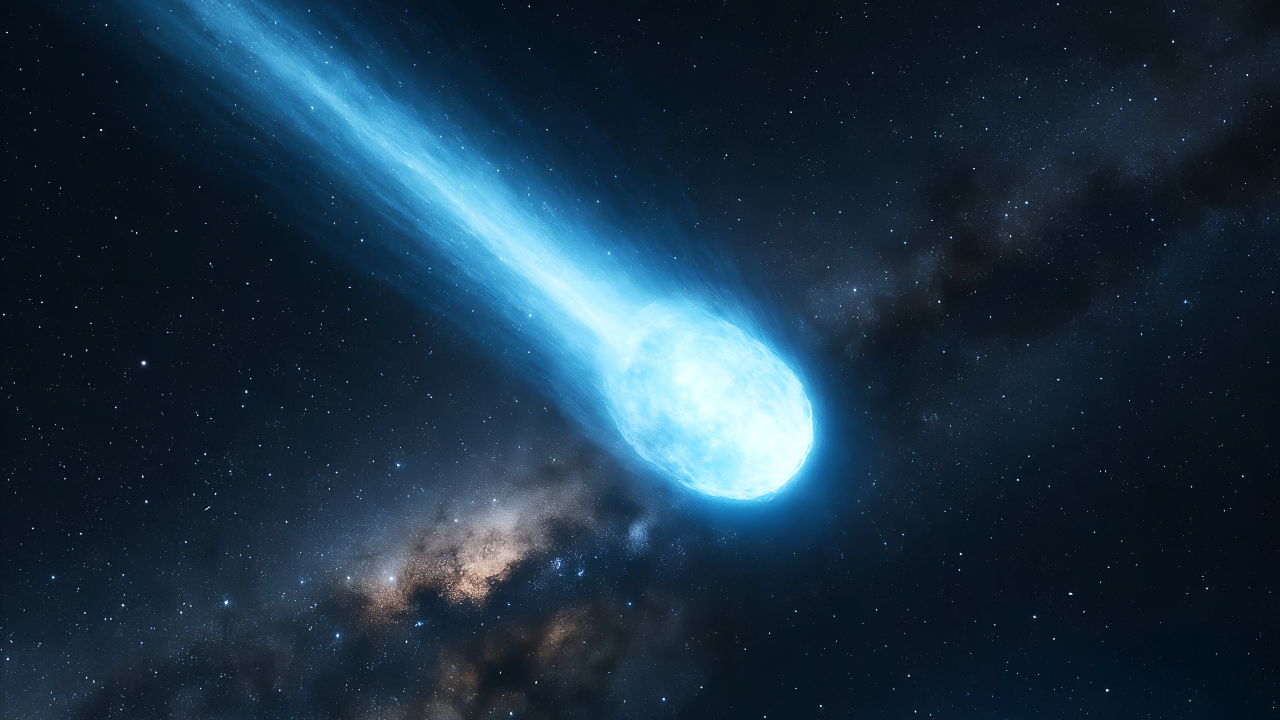
An object from beyond our solar system has shattered speed records, traveling at an astonishing 130,000 miles per hour through our cosmic neighborhood. NASA’s Hubble Space Telescope captured unprecedented images of this interstellar visitor, known as 3I/ATLAS, during its closest approach to the Sun on October 30, 2025.
This comet’s velocity surpasses anything previously documented among interstellar travelers, prompting scientists to reevaluate its origins and composition. Its remarkable speed not only affirms NASA’s capabilities but also highlights the extraordinary nature of celestial phenomena that traverse our solar system. This announcement marks a groundbreaking moment in astrophysics.
Unprecedented Mobilization
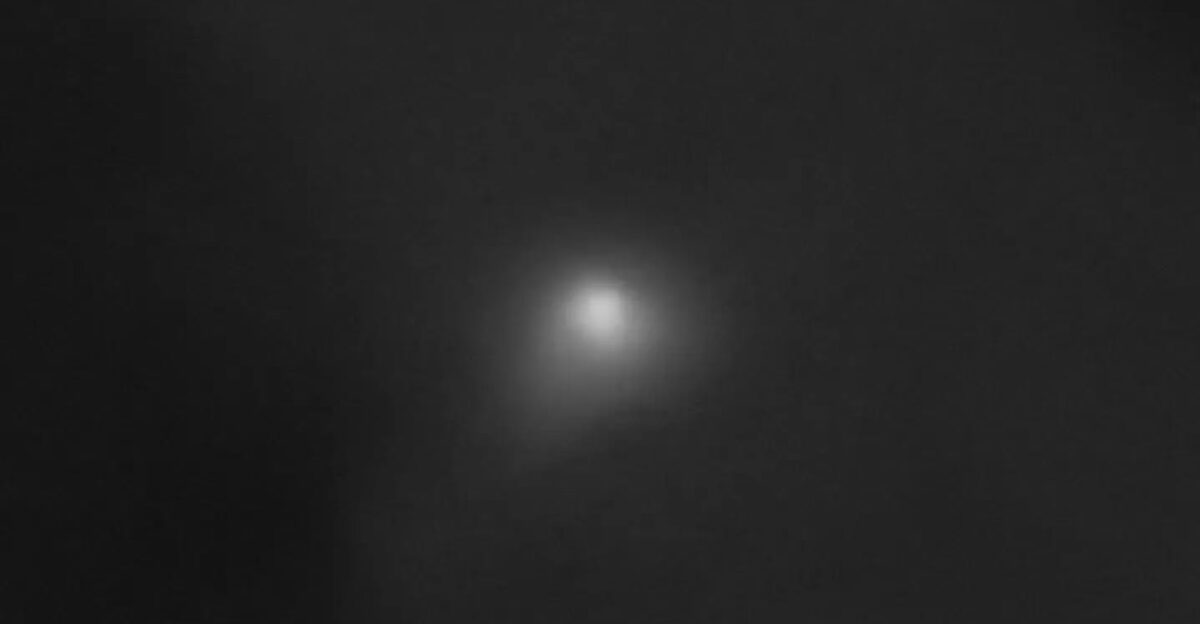
To study 3I/ATLAS effectively, NASA mobilized fifteen separate missions, reconfiguring their instruments to track the comet’s rapid movement. This effort involved pushing scientific equipment beyond its designed capabilities, as stated by Associate Administrator Nicky Fox, who confirmed that the agency “pushed scientific instruments beyond their normal capabilities.”
The orchestration of such a massive response underscores the rarity of interstellar visitors, with only three confirmed in recorded history. The combined efforts of NASA’s global observatories are a testament to the collaborative spirit in the scientific community, as they aim to uncover the secrets of these celestial wanderers.
Historic Context
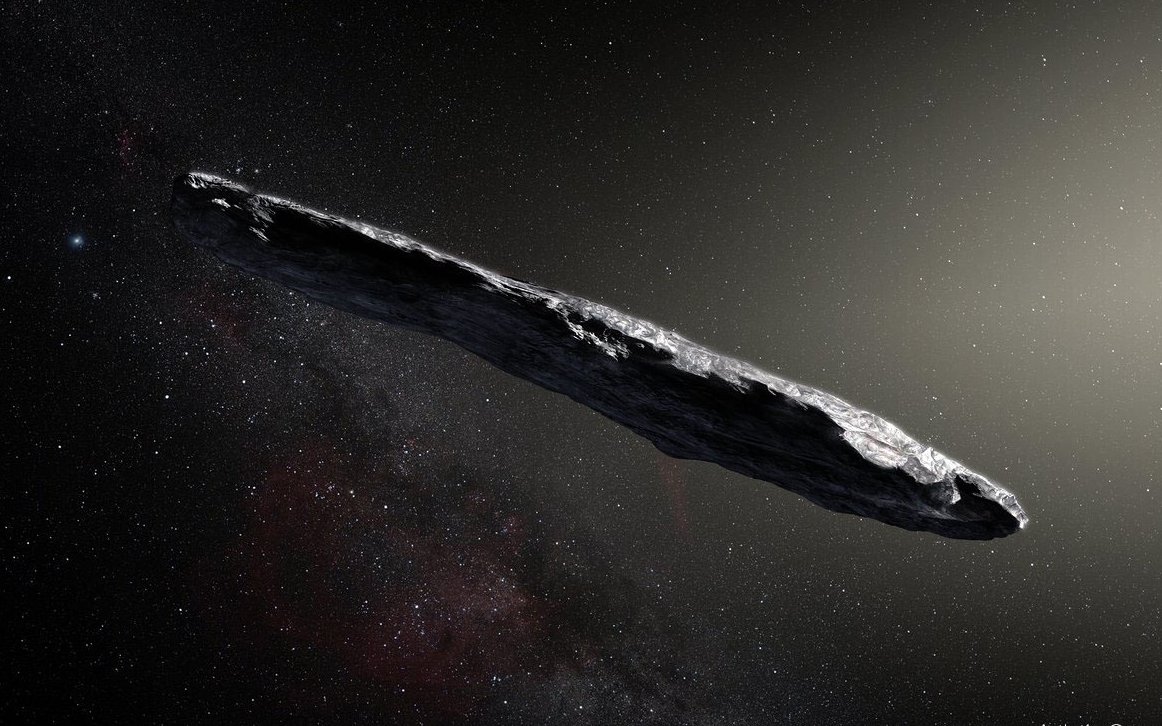
The intrigue surrounding interstellar objects began with the first confirmed discovery, 1I/‘Oumuamua, in 2017, which surprised astronomers by traveling at 58,900 mph. This was followed by 2I/Borisov in 2019, traveling at 72,200 mph, confirming that such visits were not anomalies.
Each interstellar object offers crucial insights, refining our understanding of their origins beyond the gravitational influence of our solar system. 3I/ATLAS now joins this lineage, showcasing a dramatic increase in speed that challenges previous notions of interstellar phenomena. As scientists analyze these trajectories, they continue to expand the field of astronomy, delving into the mysteries of the cosmos.
Detection Challenges
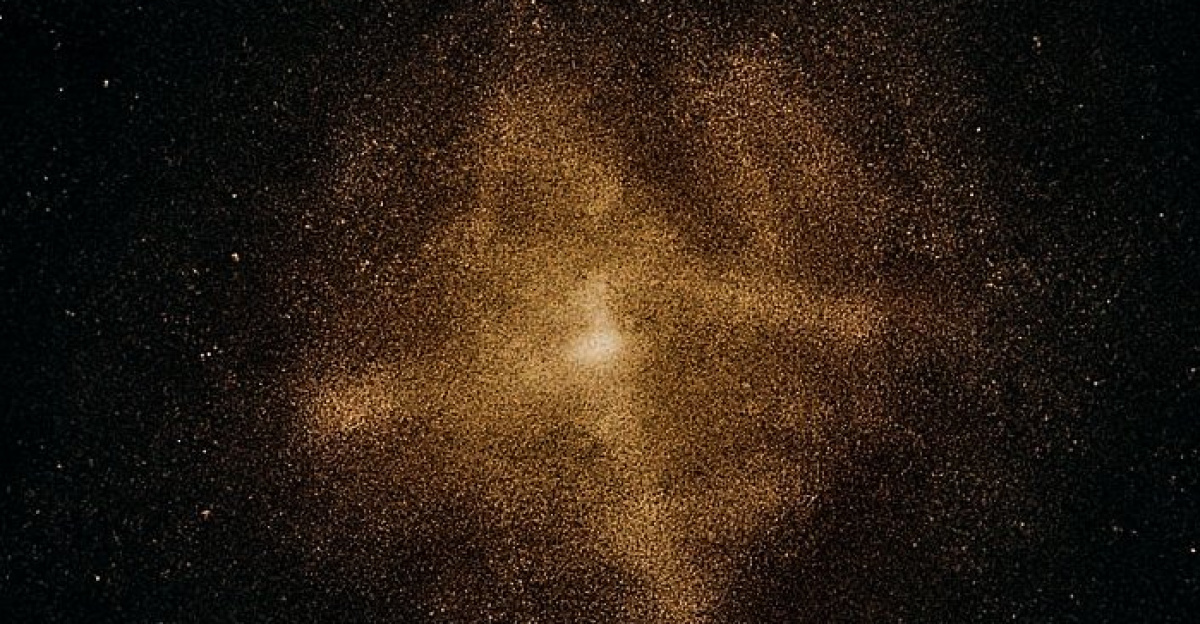
The ATLAS survey first identified 3I/ATLAS on July 1, 2025, but its extreme speed posed significant challenges for characterization. Ground-based telescopes initially struggled to gather data due to the comet’s rapid approach and immense distance. Scientists faced a critical observation window as the object sped toward the Sun at nearly double the velocity of earlier interstellar visitors.
This urgency required swift coordination among global observatory networks, exemplifying the collaborative effort inherent in scientific research. Such challenges highlight the complexity of tracking fast-moving celestial objects, pushing the boundaries of current astronomical technology and methodologies.
Speed Revelation
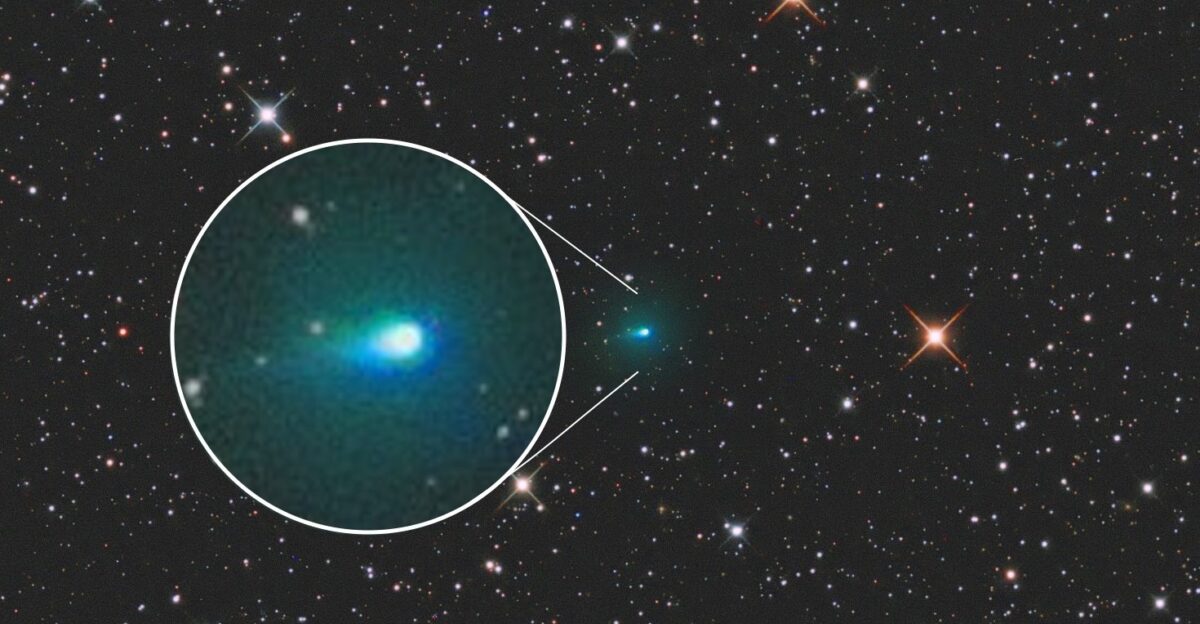
NASA has officially confirmed that 3I/ATLAS travels at a remarkable 58 kilometers per second, marking it as the “highest velocity ever recorded for a solar system visitor.” This astonishing speed places it at 2.2 times faster than ‘Oumuamua and 1.8 times faster than Borisov.
The designation “3I” formally categorizes it as the third confirmed interstellar object, solidifying its significance in the study of cosmic travelers. Hubble’s precise observations provided the critical velocity measurements that established a new benchmark for the speeds of interstellar visitors. This revelation opens exciting avenues for further research into the nature of these enigmatic objects.
Perihelion Mystery

During its perihelion on October 30, 3I/ATLAS exhibited an unexpected non-gravitational acceleration that deviated from anticipated orbital patterns. JPL scientist Davide Farnocchia noted acceleration characteristics that defied explanations based solely on the Sun’s gravitational influence. The acceleration coincided with the closest approach, suggesting an active response to solar heating.
However, the extent of this acceleration exceeded typical cometary outgassing models, sparking a debate among scientists regarding the underlying physics. Understanding this anomaly is crucial to developing a comprehensive model of interstellar comet behavior.
Blue Anomaly
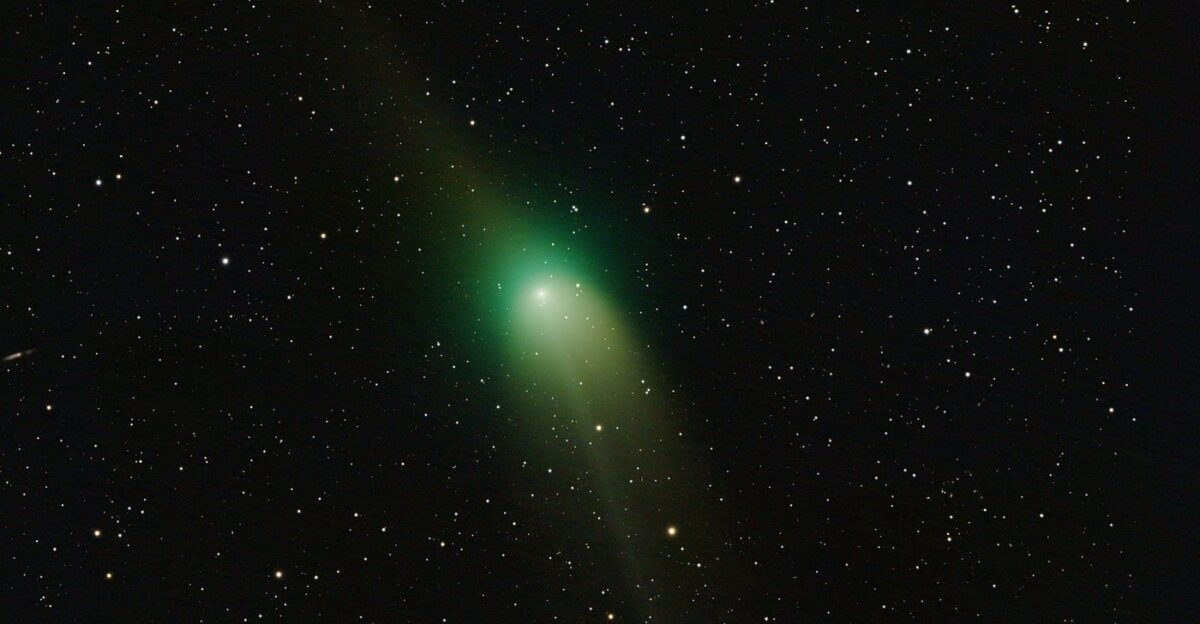
3I/ATLAS offered a striking visual departure from typical white or yellow comets, presenting a distinctive blue coloration indicative of exotic volatile ices. Observations from radio telescopes detected hydroxyl radicals, marking the first time water molecules have been observed breaking apart from an interstellar object.
The blue hue, noted by researchers, persisted even after perihelion, suggesting an unusual chemical composition likely originating from a distant stellar system. This colorful observation adds yet another layer of intrigue to the comet’s profile and hints at the complexities many comets may hide.
NASA’s Verdict

At a press conference on November 19, Associate Administrator Amit Kshatriya provided NASA’s official assessment, firmly stating, “This object is a comet. It looks and behaves like a comet, and all evidence points to it being a comet.” This declaration put to rest weeks of speculation surrounding 3I/ATLAS’s nature and potential origins.
NASA also released new images showcasing a visible coma and tail, standard indicators of cometary activity, captured by multiple spacecraft. This consensus from a leading agency adds significant weight to the scientific community’s understanding of interstellar phenomena.
Outgassing Explanation
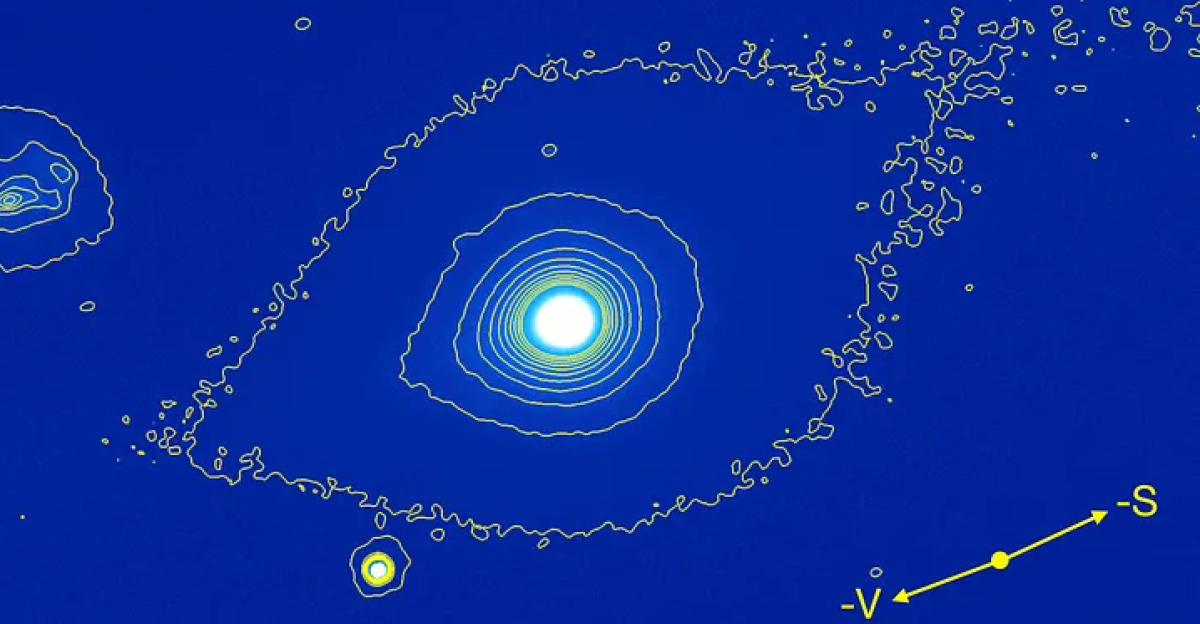
Mainstream astronomers suggest that the observed acceleration is due to asymmetric sublimation, where sunlight vaporizes ices unevenly on the comet’s surface, creating jet-like thrusts. During perihelion, seven distinct jets were observed emanating from 3I/ATLAS’s nucleus.
This natural rocket effect, which has been recorded in solar system comets for decades, marks a significant milestone in interstellar research. The precision of measurements on 3I/ATLAS sets a new standard and strengthens the argument for these sublimation-driven jets traveling at extraordinary speeds.
Loeb’s Challenge

Harvard astrophysicist Avi Loeb has cast doubt on NASA’s interpretations, asserting a “40% chance” that 3I/ATLAS could be of alien origin. Loeb challenged the traditional views on non-gravitational acceleration, suggesting that there may be an intelligent design behind the object.
His controversial stance has sparked debates within the scientific community, generating both intrigue and skepticism regarding NASA’s findings. This divergence in opinion exemplifies the nature of scientific discourse, where extraordinary claims often warrant extraordinary evidence. The ongoing discussions ultimately enrich the field of astronomy.
Community Response
As news of 3I/ATLAS spread, the scientific community reacted with a mix of amazement and skepticism. Many astronomers expressed eager excitement to analyze the data, while others voiced concerns about potential biases in interpretation. Dr. Patel from the University of Maryland stated, “We need to ensure rigorous processes in analyzing interstellar data.
This object could change everything.” Public interest has surged, sparking discussions that extend beyond the academic realm. With amateur astronomers also joining in, the comet’s discovery underscores a timeless human fascination with the cosmos, inspiring a new generation to look up at the sky.
Future Research Directions
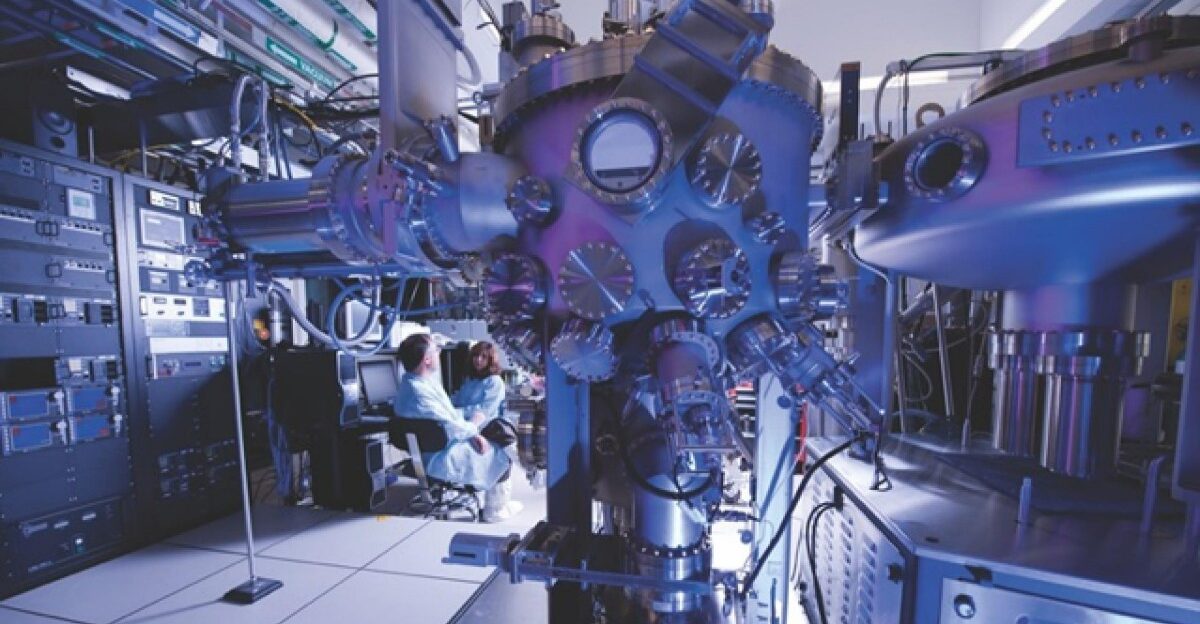
The unprecedented findings related to 3I/ATLAS present new avenues for research in astrophysics. Scientists are eager to study the object’s composition further, aiming to unravel the mysteries behind its unusual features and origins. Collaboration among global observatories will become increasingly crucial, as ongoing observations and data collection are essential to enhancing understanding.
The data from 3I/ATLAS could refine predictive models for future interstellar travelers, enabling astronomers to make more accurate assessments of celestial bodies entering our solar system.
The Cosmic Implications
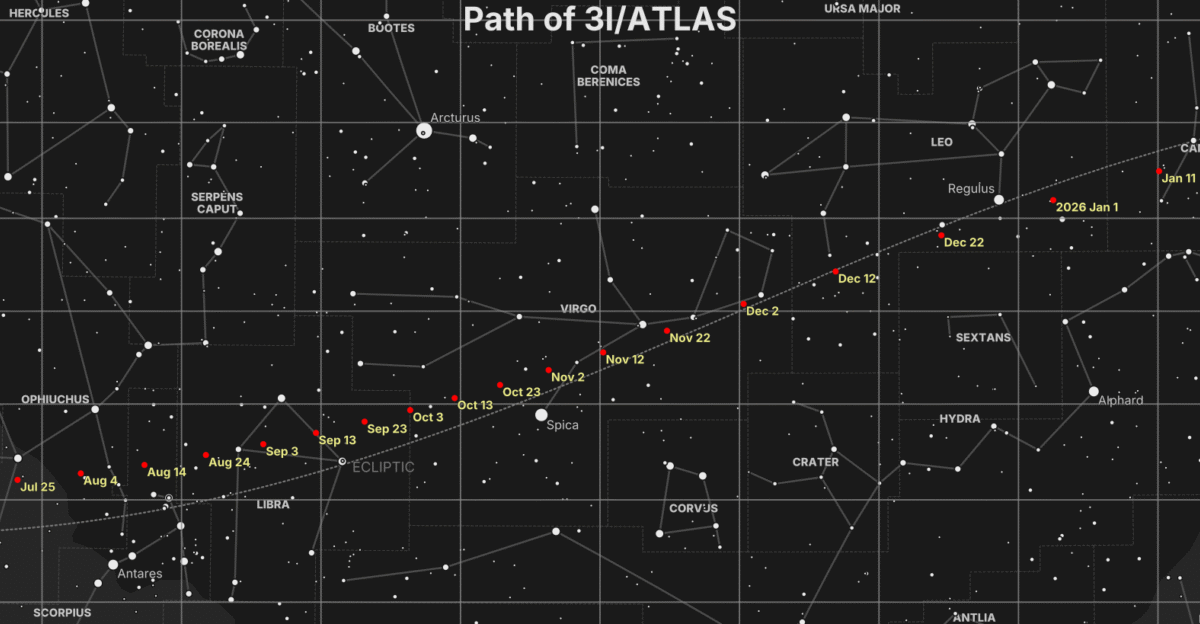
The discovery of 3I/ATLAS has far-reaching implications for our understanding of the universe. It raises questions about the formation of the solar system, the environment of distant stellar systems, and the exchange of materials between these systems.
As researchers analyze the comet’s properties, implications regarding the potential for life beyond Earth also emerge. Each finding contributes to the broader narrative of our place in the cosmos, highlighting the interconnected nature of celestial bodies and the shared origins of matter throughout the universe.
Debates on Origins
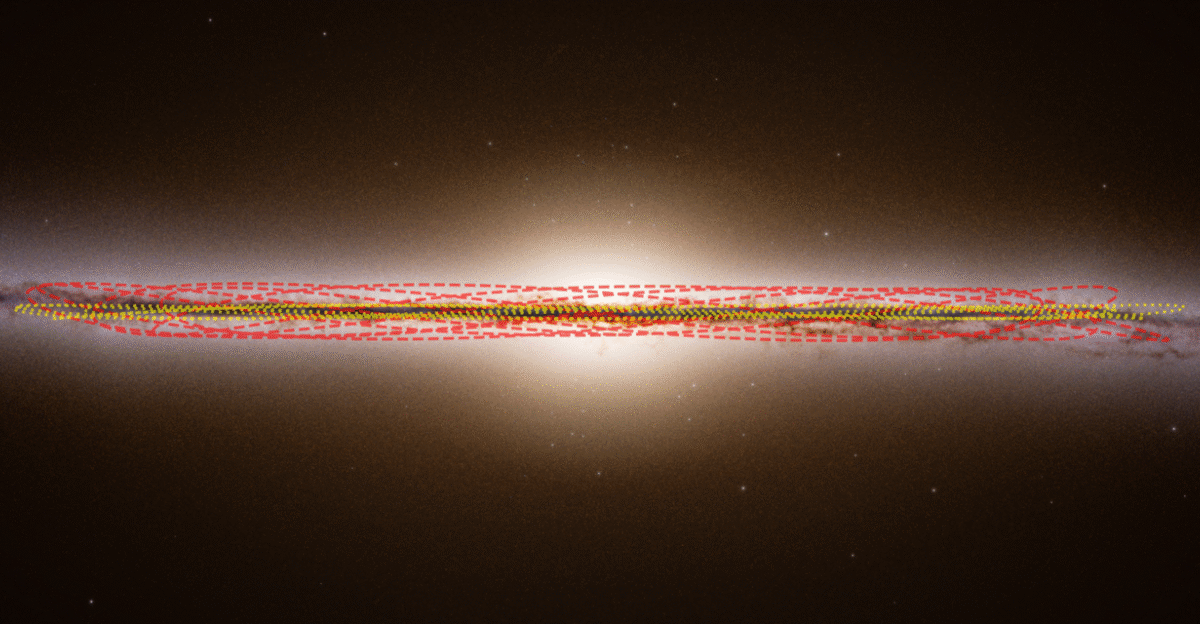
As speculation intensifies surrounding the origins of 3I/ATLAS, debates take center stage regarding whether it is purely a natural comet or an artificial construct. Experts encourage discussion on the possibility of manufactured objects crossing interstellar space.
This dialogue may lead to a reconsideration of what constitutes extraterrestrial phenomena. While many support traditional comet formations, the emergence of new theories demonstrates the vitality of scientific exploration, prompting astronomers to remain open to possibilities that defy existing paradigms.
Broader Public Interest
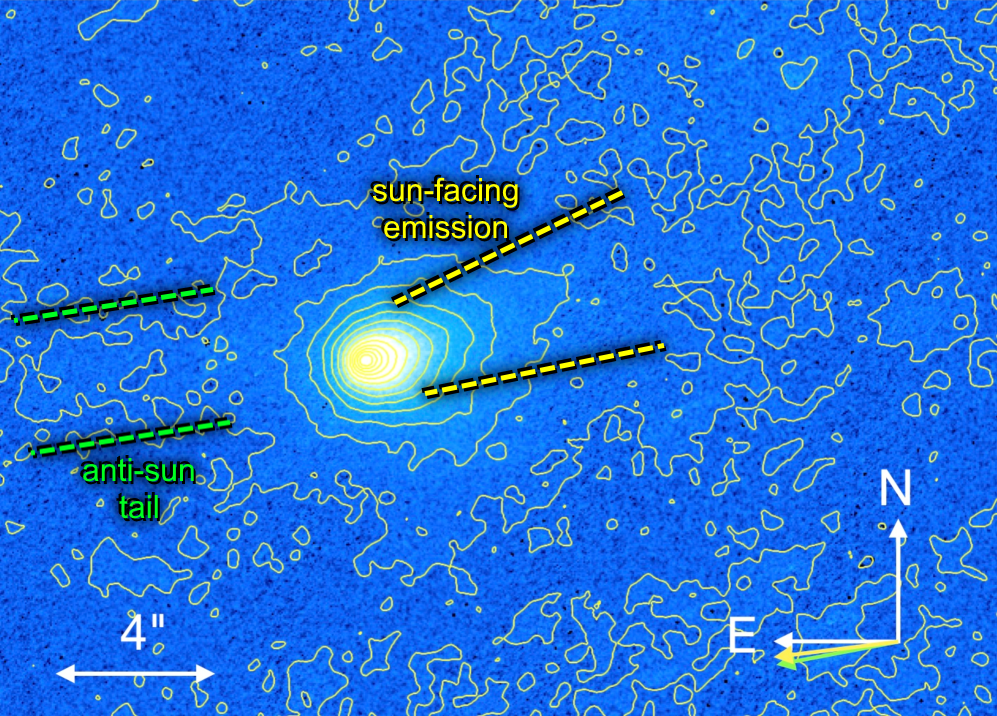
The excitement surrounding 3I/ATLAS has captured public imagination, transcending scientific circles into mainstream media. This interest is evident in the surge of articles, documentaries, and online discussions about the comet.
Dr. Rachel Tan, a Science Communicator, notes, “This comet is more than data; it’s a story that connects us all to our universe.” As curiosity spreads, outreach programs are likely to evolve, aiming to inspire future explorations in space science and bridge the gap between academia and the public.
Educational Opportunities
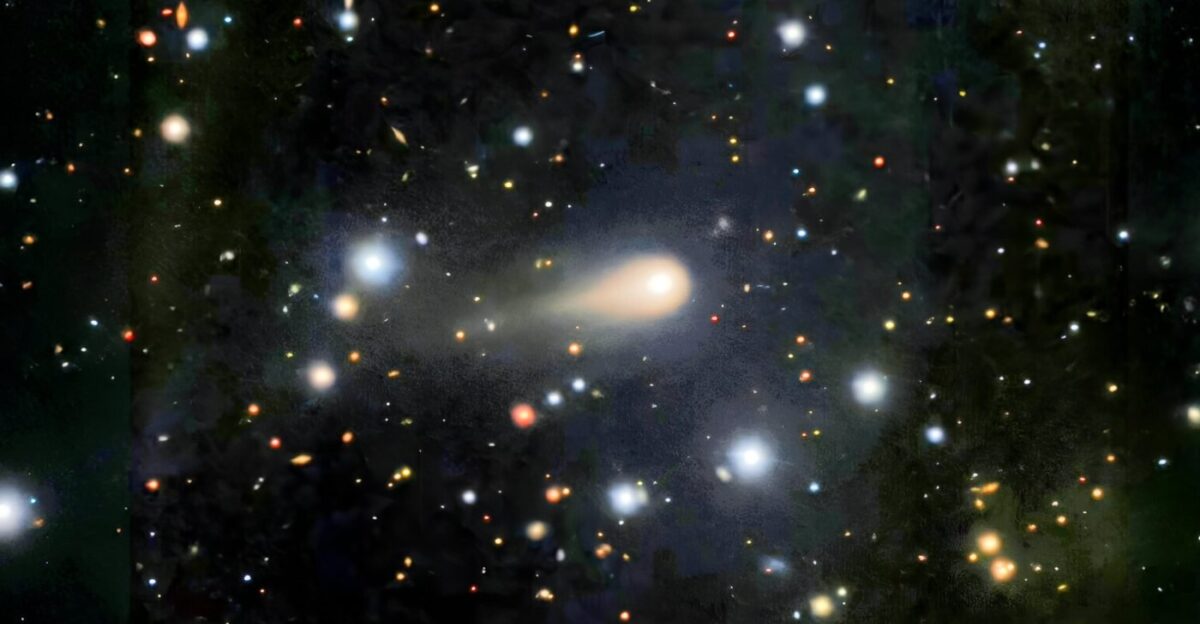
3I/ATLAS serves as a powerful educational tool for schools and universities worldwide. Educators leverage the comet’s discovery to ignite students’ interest in STEM fields, fostering a new generation of scientists. Scholarly discussions surrounding its unique properties can inspire innovative projects, experiments, and research papers.
Programs designed to engage students with real-time data analysis and interactive learning opportunities will help cultivate skills essential for future careers in astronomy and other scientific disciplines.
Technological Advances
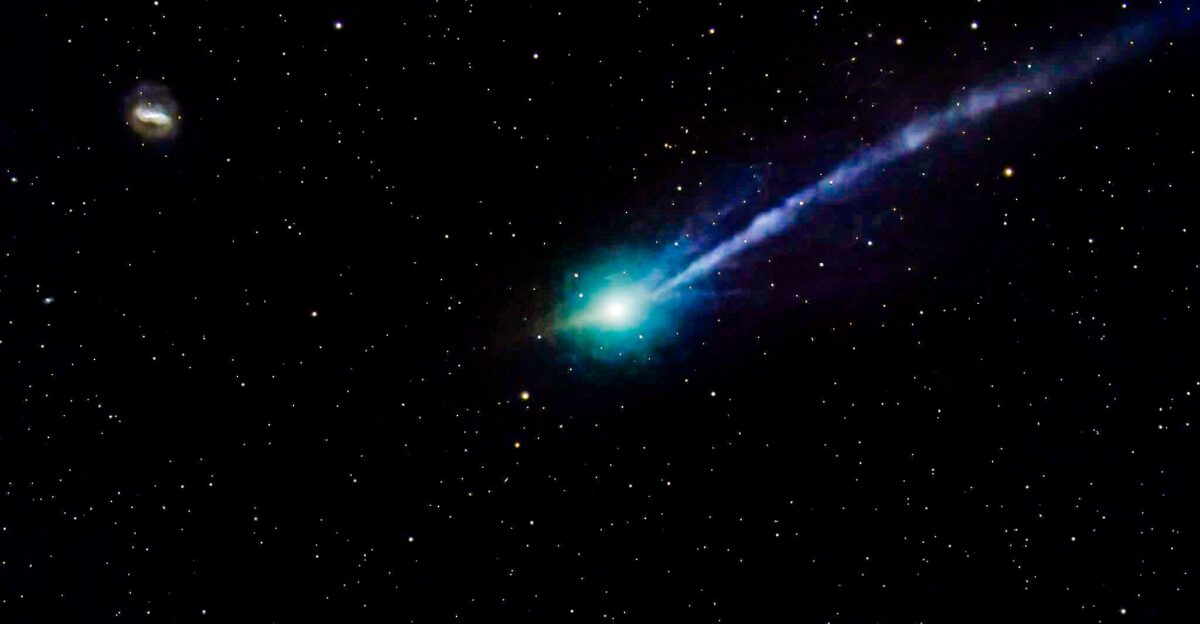
The study of 3I/ATLAS is likely to encourage technological advancements in the design and calibration of astronomical instruments. As scientists work to track and analyze objects moving at unprecedented speeds, there will be a push for enhanced observational capabilities.
Innovations in imaging techniques, computing power, and data analytics are expected, leading to broader applications across the field of astronomy. This drive for technological improvement could heighten our overall capacity to explore the cosmos more effectively.
Interstellar Exploration
The lessons learned from monitoring 3I/ATLAS could pave the way for future interstellar exploration missions. Insights gained from observing its composition, trajectory, and behavior may inform the design of spacecraft intended to visit other stellar systems.
Researchers recognize that understanding our solar system’s visitors can provide the groundwork needed for humanity’s eventual interstellar aspirations, fueling dreams of exploration beyond immediate cosmic neighbors.
The Ongoing Journey
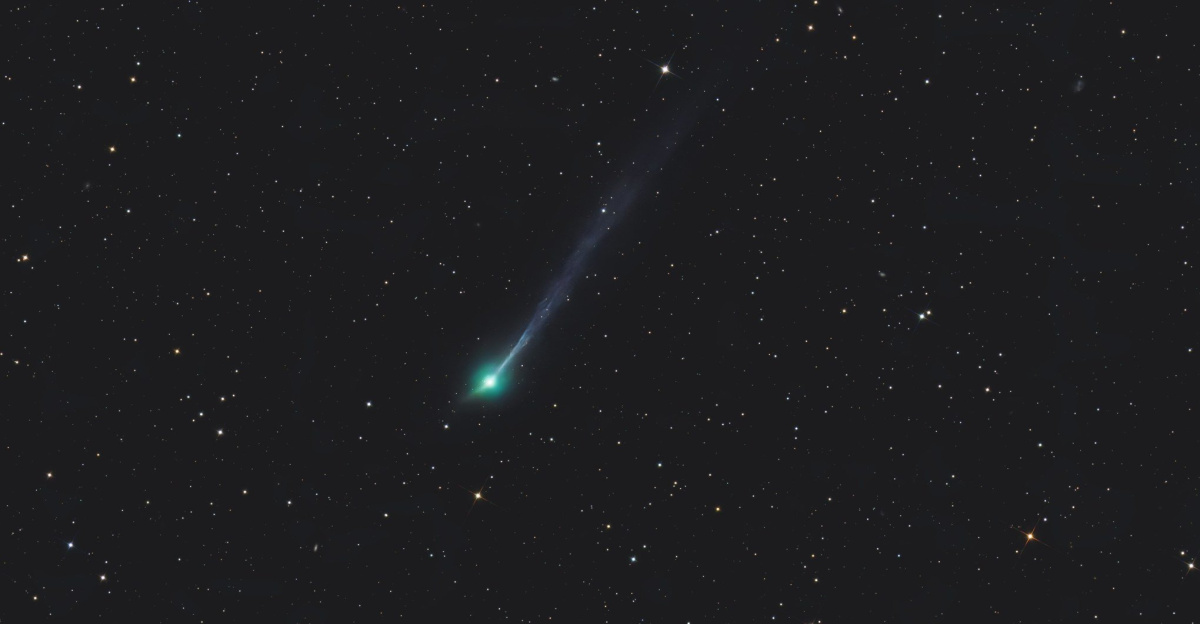
As the scientific community continues to analyze data from 3I/ATLAS, the journey of understanding this interstellar visitor is just beginning. Observations will likely evolve as new theories emerge and additional evidence comes to light.
NASA’s future missions are set to expand, allowing astronomers to capture more data about other interstellar objects that could enter our solar system. This ongoing journey embodies the spirit of inquiry and discovery that defines science itself.
The Great Discovery
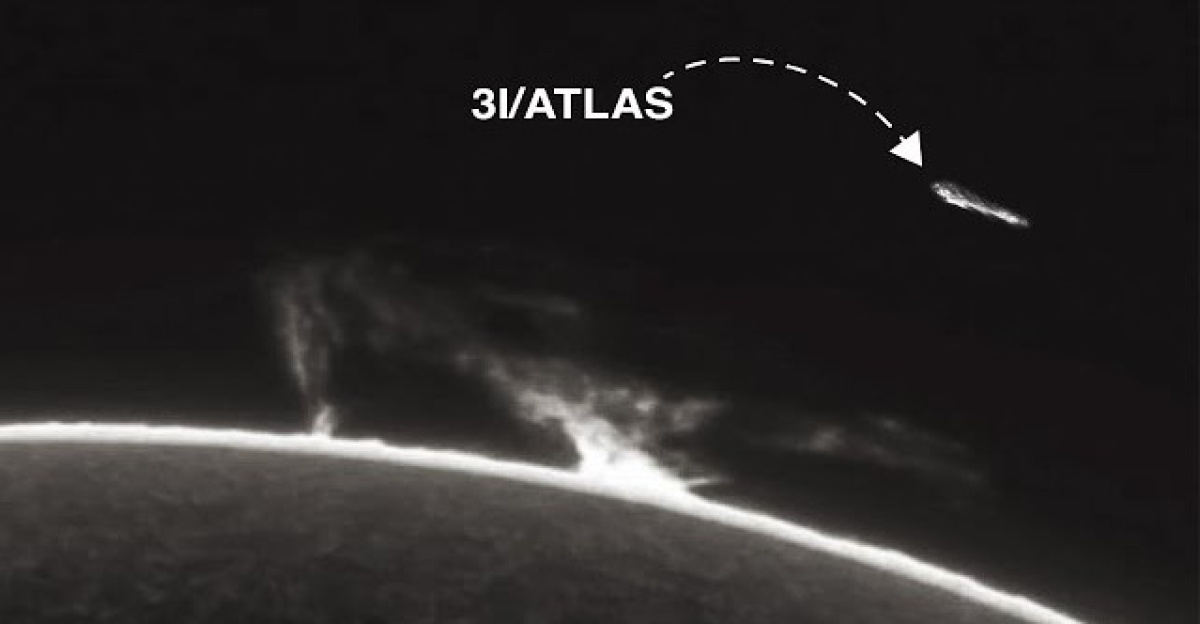
The discovery of 3I/ATLAS signifies a monumental moment in astronomy. Marking the fastest interstellar comet ever recorded, its characteristics challenge established scientific notions while fostering dialogue among experts and enthusiasts alike.
The future of research surrounding 3I/ATLAS holds immense potential, yielding insights that may alter humanity’s understanding of the universe. As this saga continues, the excitement surrounding 3I/ATLAS rejuvenates interest in the field of astronomy, encouraging exploration, inquiry, and collaboration amidst the celestial wonders.