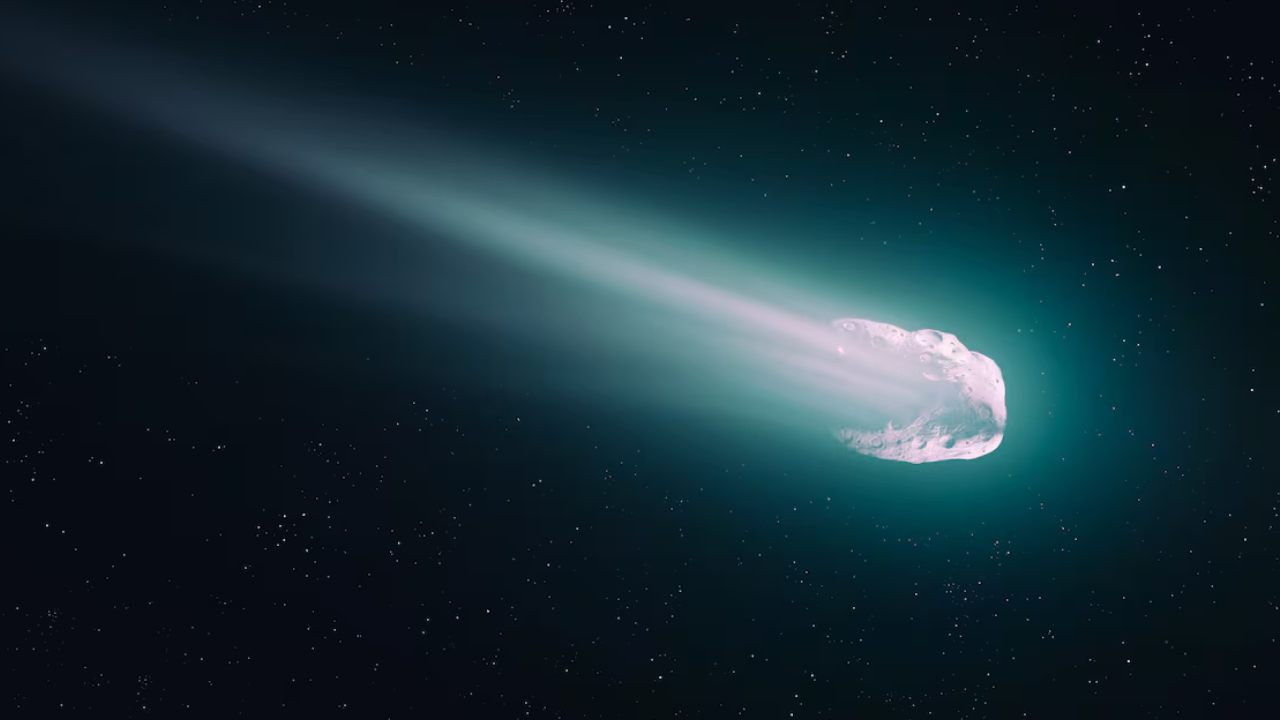
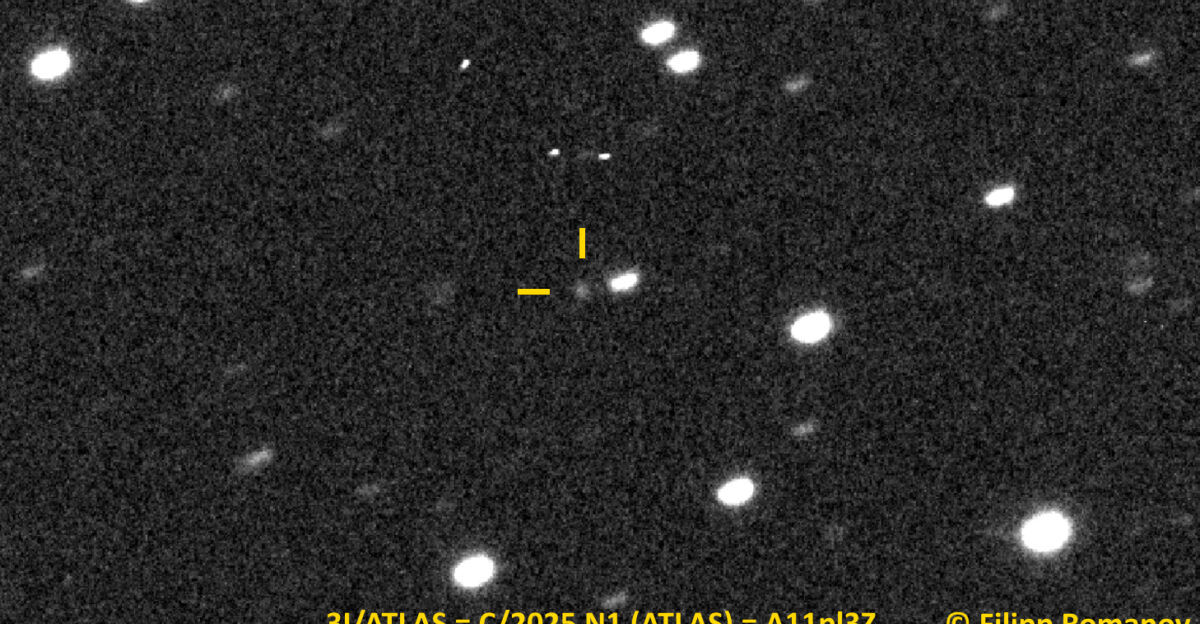
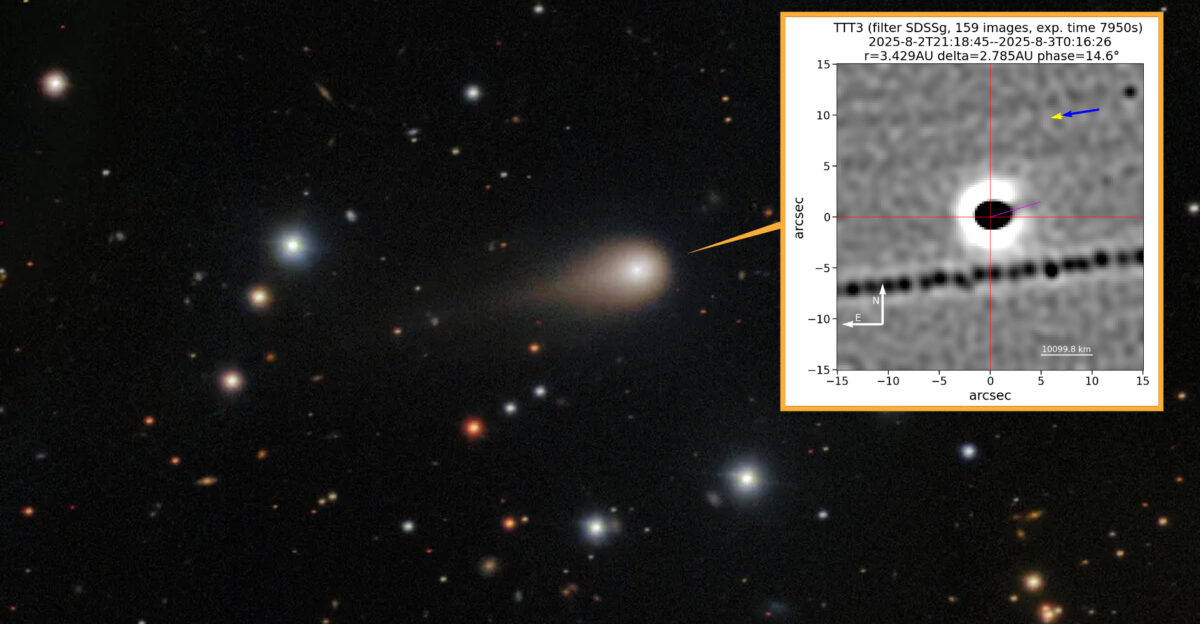
On July 1, 2025, astronomers at the ATLAS telescope facility in Rio Hurtado, Chile, made a groundbreaking discovery of an unusual comet named 3I/ATLAS, or C/2025 N1. This interstellar visitor, the third of its kind documented in history, originated from beyond our solar system and carries fascinating secrets from a distant star system that may have existed for billions of years.
The excitement surrounding this discovery was palpable, and the announcement garnered significant attention from both the scientific community and the public, marking a crucial milestone in our understanding of the cosmos.
Anomaly Detected
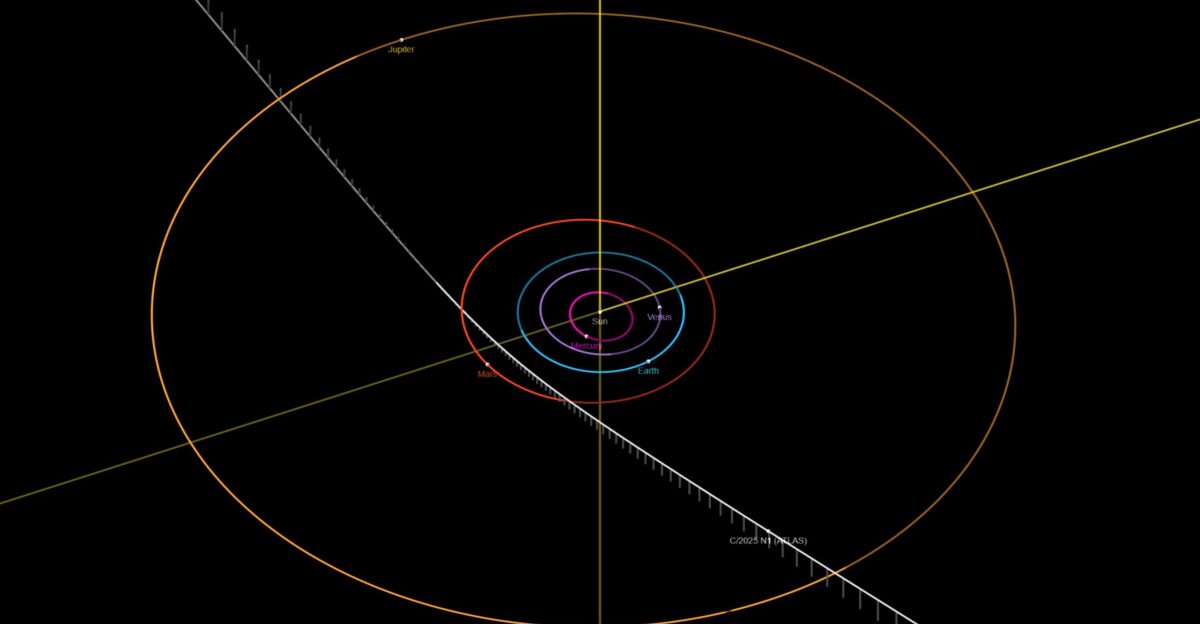
As 3I/ATLAS approached perihelion later in October 2025, a remarkable anomaly was detected. Observations from the Atacama Large Millimeter/submillimeter Array (ALMA) revealed a significant four-arcsecond deviation from the expected trajectory of the comet.
This deviation was notable because it suggested that forces beyond gravity were influencing the comet’s motion. The implications of such a discovery raised urgent questions in the scientific community: What could cause an interstellar object to shift course so dramatically as it neared the Sun? Researchers were eager to explore the factors at play.
Rarity of Interstellar Objects
Before the discovery of 3I/ATLAS, humanity had documented only two interstellar objects passing through our solar system: 1I/’Oumuamua in 2017 and 2I/Borisov in 2019. This means that these objects represent a mere 0.00003% of all comets ever observed in recorded history, only about three out of over 10 million observations.
Each detection of an interstellar object provides astronomers with invaluable insights into the formation conditions and chemical makeup of distant planetary systems. Despite its fleeting visit, 3I/ATLAS was expected to reveal a wealth of information.
Unusual Brightness and Color Shift
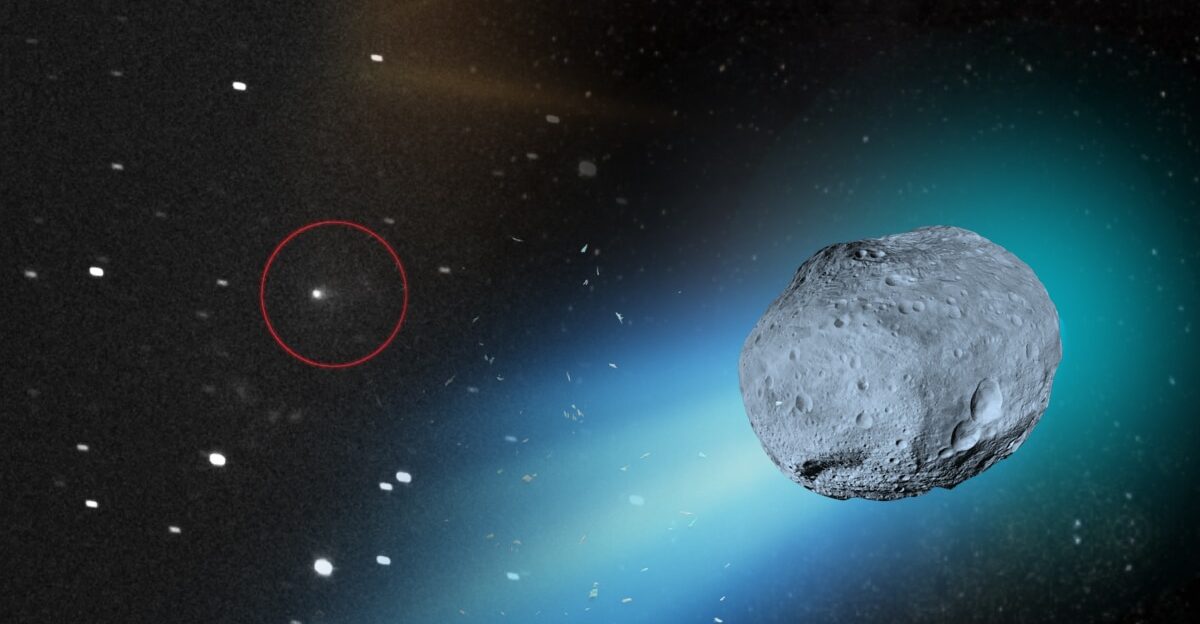
As 3I/ATLAS approached its perihelion on October 30, 2025, astronomers noticed extraordinary behavior from the comet. Its brightness surged exponentially, exceeding typical cometary increases by a factor of eight. This behavior was particularly puzzling, as cometary bodies usually reflect sunlight in reddish hues.
However, 3I/ATLAS exhibited a distinctive blue glow, adding to the mystery surrounding its composition and behavior. Such anomalies prompted extensive study by NASA’s Hubble Space Telescope, the James Webb Space Telescope, and a range of terrestrial observatories, all focused on unlocking the comet’s secrets.
NASA’s Historic Confirmation

On November 6, 2025, NASA’s Jet Propulsion Laboratory navigation engineer Davide Farnocchia confirmed expectations: 3I/ATLAS displayed measurable non-gravitational acceleration. JPL’s precise measurements indicated a radial acceleration of 135 kilometers per day squared away from the Sun and transverse acceleration of 60 kilometers per day squared relative to the Sun’s direction.
This marked the first official acknowledgment by NASA of an interstellar object exhibiting such acceleration, suggesting that unexplained forces were at play and requiring fresh scientific explanations and studies.
Global Astronomical Collaboration

The discovery of 3I/ATLAS mobilized astronomical teams worldwide. Initial detection was made by Chile’s ATLAS telescope, followed by tracking from ALMA, which monitored the deviation. The Pan-STARRS telescope in Hawaii contributed additional observations, while South Africa’s MeerKAT radio telescope detected chemical signatures from the comet’s activity.
Space-based infrastructure, notably NASA’s Hubble and JWST, provided detailed imaging that enriched understanding. This coordination exemplified how monumental celestial events encourage international collaboration, with the observation timeline limited due to the comet’s trajectory behind the Sun for late November 2025.
The Significance of Scientific Truths

As the analyses of 3I/ATLAS progressed, scientists underscored the vast unknowns of our galaxy. Avi Loeb, a prominent astronomer, characterized the four-arcsecond deviation as statistically significant, highlighting the rarity of observing real-time velocity changes in interstellar bodies.
The comet presented a unique opportunity for researchers, who would only have limited time to gather irreplaceable data about conditions in distant star systems before 3I/ATLAS exited our solar system for good, a once-in-a-lifetime moment for scholars and astronomers alike.
Questions of Outgassing and Acceleration

The unusual acceleration of 3I/ATLAS sparked a blend of awe and debate within the astronomical community. Researchers, including Avi Loeb, proposed several hypotheses, one of which included the possibility of the comet ejecting gas or dust, termed ‘outgassing’, which could create noticeable thrust.
This suggestion intrigued experts, as it diverged dramatically from traditional cometary behavior. The idea of outgassing influencing an interstellar object’s trajectory opened doors to new avenues of understanding and investigation, positioning 3I/ATLAS at the forefront of astronomical research.
Theories and Implications

Many experts speculated that the unusual acceleration seen in 3I/ATLAS might indicate some exotic phenomena. Fellow astronomers have raised the radical notion that the comet could be utilizing a form of propulsive mechanism or even might be influenced by an artificial construct.
While these hypotheses stretch the bounds of current understanding, they invite discussions among researchers about the nature of celestial mechanics and what differentiates interstellar bodies from others. This debate highlights the importance of scientific inquiry and underscores the need for continued observation and analysis.
Pushing Scientific Boundaries

As scientists delve deeper into the mysteries of 3I/ATLAS, the excitement surrounding this interstellar visitor reflects human curiosity at its finest. Avi Loeb pointed out, “The comet serves as a reminder that we know so little about the universe.” Such observations challenge existing paradigms and prompt fresh perspectives on our understanding of celestial mechanics.
Each recorded event from the comet, from its discovery to its eventual exit, will contribute to the ever-evolving narrative of space exploration, bridging theoretical models with practical discoveries.
The Role of Public Interest
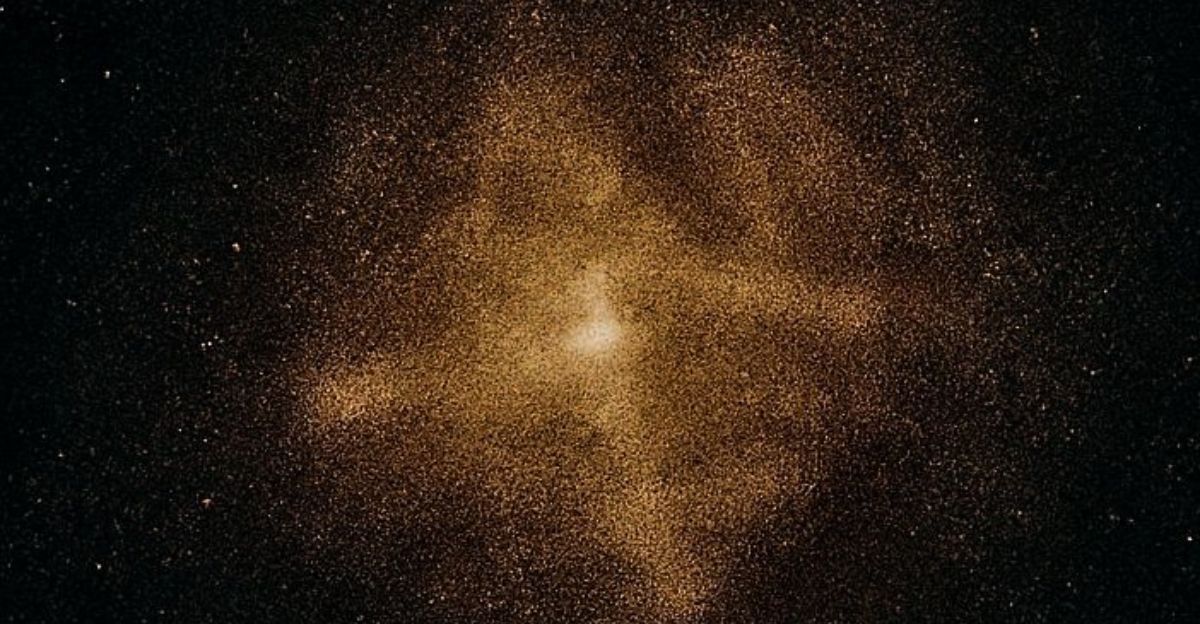
The global fascination with 3I/ATLAS extends beyond academia, igniting public interest in space phenomena. Enthusiasts and casual observers alike flocked to social media to share thoughts, theories, and excitement surrounding the comet.
Events like NASA’s press conferences fueled engagement, enabling the public to participate in the journey of exploration and understanding. Commenting on the public’s response, one space advocate noted, “This is a unique moment in space history where we see collective curiosity uniting people worldwide.”
A Window to the Past
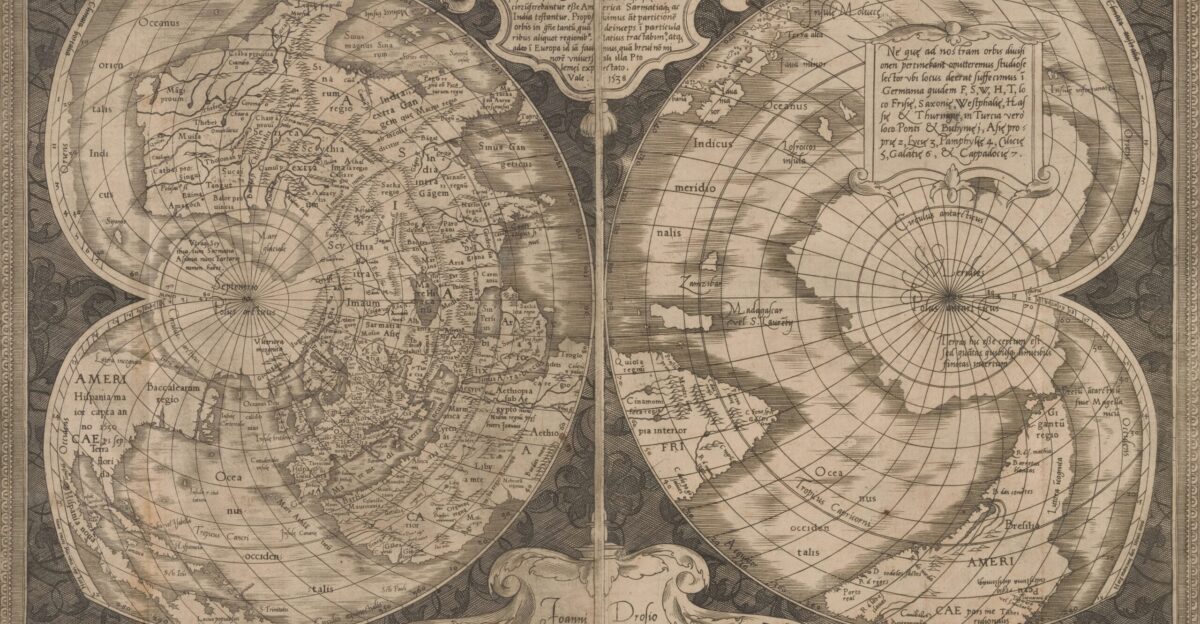
The impending departure of 3I/ATLAS from our solar system also serves as a window to the past, allowing scientists to glimpse the conditions of planetary formation elsewhere in the galaxy.
By analyzing the composition and behavior of the comet, researchers hope to unravel clues about the existence of other planetary systems, potentially shedding light on the early formation processes of the Milky Way. The interstellar comet, despite its brief visit, stands as a beacon of knowledge for generations to come.
Implications for Future Research

The unexpected findings associated with 3I/ATLAS have broad implications for future research in astronomy and planetary science. Understanding the nature of non-gravitational forces acting on such interstellar bodies will influence how scientists approach future detections of these objects.
The unique characteristics exhibited by 3I/ATLAS may require new modeling techniques and encourage further exploration of similar objects on the periphery of our solar system, reshaping theories about cosmic trajectories and interactions.
The Mystery of Blue Comets
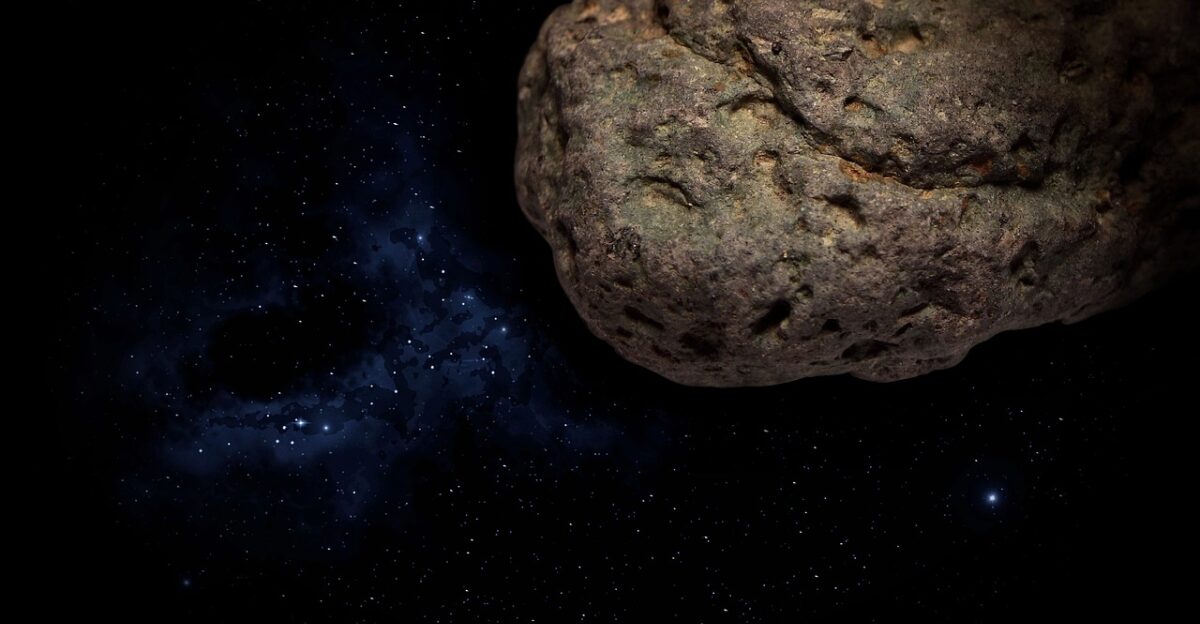
The blue hue observed in the trailing coma of 3I/ATLAS adds another dimension to its enigma. This unusual coloration raises questions about the properties of the materials involved in its outgassing process.
Investigations into the comet’s composition may reveal specific compounds responsible for this spectacular color shift, further enriching the narrative around 3I/ATLAS. The search for answers not only satisfies scientific curiosity but also enhances storytelling in the realm of astronomical wonders.
Continuing Observations
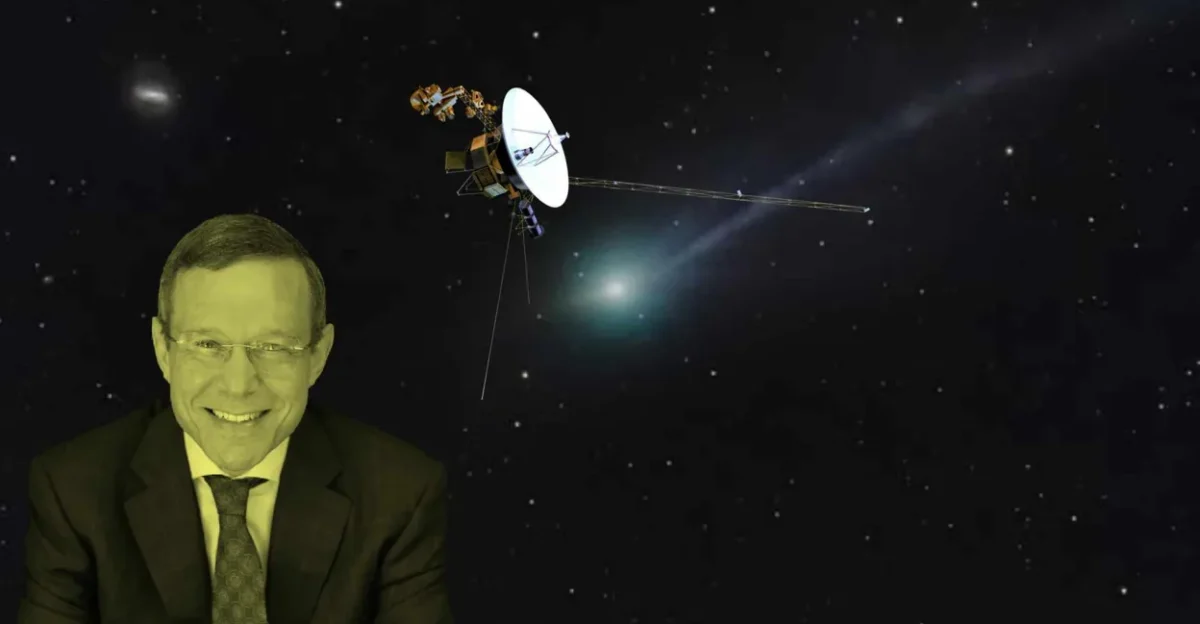
As 3I/ATLAS continues its journey beyond our solar system, various observatories remain committed to monitoring its path. Astronomers emphasize the importance of meticulous documentation of the comet’s behavior, both to fuel existing research and to inspire future exploration initiatives.
The challenges posed by its high speed and trajectory require a concerted effort from international astronomical communities. Continuous observation may yield significant insights and enhance our collective understanding of similar celestial phenomena in future encounters.
Engaging with the Unknown
The excitement surrounding 3I/ATLAS highlights the innate human desire to explore the unknown. It reminds humanity of the larger universe that exists beyond our immediate surroundings, rekindling a passion for exploration and discovery.
Quotes from scientists echo this sentiment, with one remarking, “Events like these reignite our curiosity, pushing the boundaries of knowledge and understanding.” Such moments foster collaboration and open dialogue among diverse fields, thereby bridging the gaps between research and the broader public.
Broader Scientific Community Response

The intriguing findings from 3I/ATLAS have elicited responses from the broader scientific community, with many advocating for interdisciplinary cooperation in space research. The extraordinary circumstances provided by 3I/ATLAS could catalyze new projects that utilize diverse scientific expertise.
By opening channels of communication among astronomers, physicists, and planetary scientists, the comet has the potential to reshape research methodologies as scientists collaboratively dissect the underlying principles of cosmic behavior.
The Next Generation of Researchers
Fascination with 3I/ATLAS continues to inspire the next generation of scientists and astronomers. As research institutions report on the comet’s discoveries, many student groups and young science advocates actively engage with the data and participate in discussions about its implications.
One student remarked, “Watching these discoveries unfold feels like stepping into a new era of exploration.” These budding researchers are fueled by the passion to contribute to humanity’s understanding of the universe, thereby solidifying the comet’s legacy as a beacon of inspiration.
Inspiring Future Expeditions
The journey of 3I/ATLAS reinforces the importance of investing in space exploration and research technologies for the future. Scientists argue that each interstellar visit enhances understanding and underscores the importance of continued funding in scientific endeavors.
The urge to explore beyond our solar system speaks volumes about human ambition, driving us to make innovative discoveries. As we glean knowledge from 3I/ATLAS, there is consensus in the scientific community: The exploration of the cosmos is essential to our future.
Continued Curiosity
In conclusion, the story of 3I/ATLAS intertwines discovery, curiosity, and collaboration, shaping our quest to understand the universe. As scientists digest the implications of its trajectory and behavior, we are reminded of the importance of inquiry and exploration.
Each aspect of this comet’s journey, from the anomalous acceleration to the stunning visual anomalies, serves as a testament to human ingenuity and the enduring quest for knowledge. Though 3I/ATLAS may soon vanish from our view, its legacy has just begun, fueling curiosity and research for years to come.