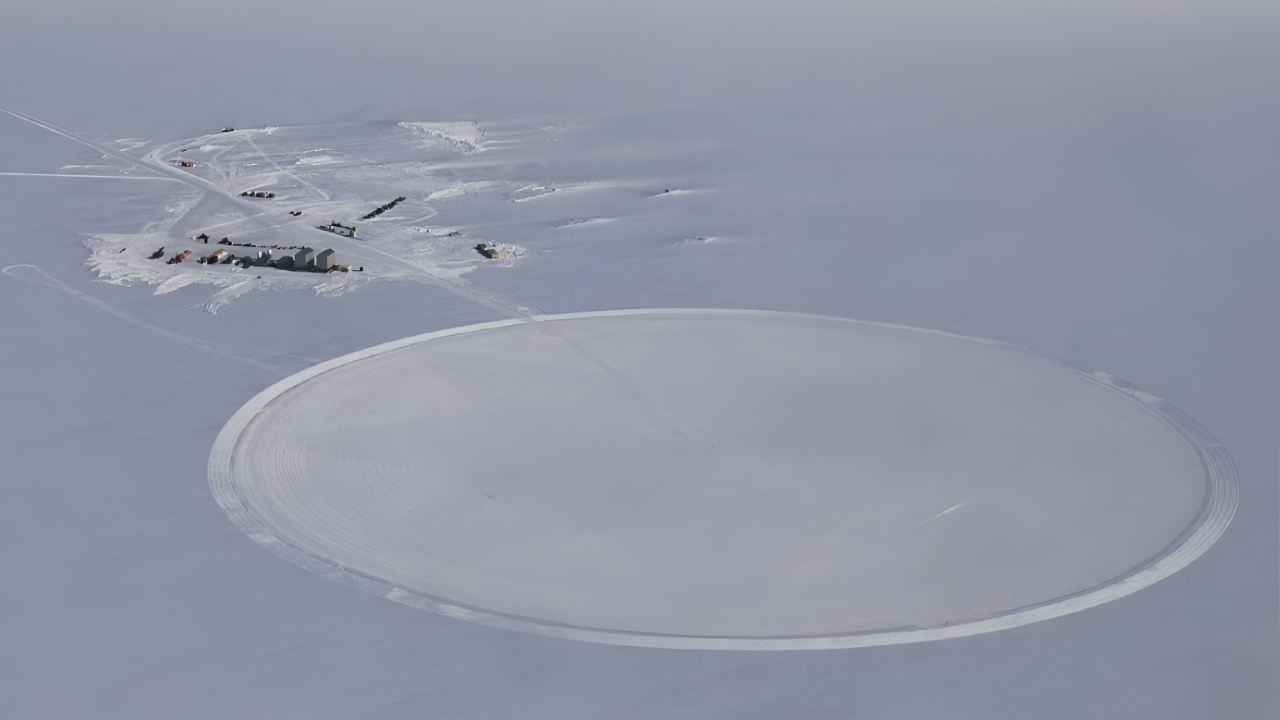
Dark matter is a form of matter inferred from its gravitational effects, accounting for most of the universe’s total mass, yet it does not emit or absorb light. Because it cannot be observed directly, scientists search for indirect signatures produced if dark matter particles decay or annihilate.
NASA’s Antarctic balloon missions are designed to detect rare cosmic particles, including antimatter and neutrinos, that could help constrain dark matter models under exceptionally clean measurement conditions.
Why Balloons Matter in Modern Astrophysics

High-altitude scientific balloons provide a unique platform between ground-based detectors and space missions. Flying above most of Earth’s atmosphere, they dramatically reduce background interference while remaining recoverable and upgradeable.
This makes balloon missions far less expensive than satellites while still capable of addressing frontier physics questions. NASA’s Scientific Balloon Program has increasingly positioned long-duration Antarctic flights as frontline observatories rather than experimental testbeds.
Antarctica as a Natural Laboratory
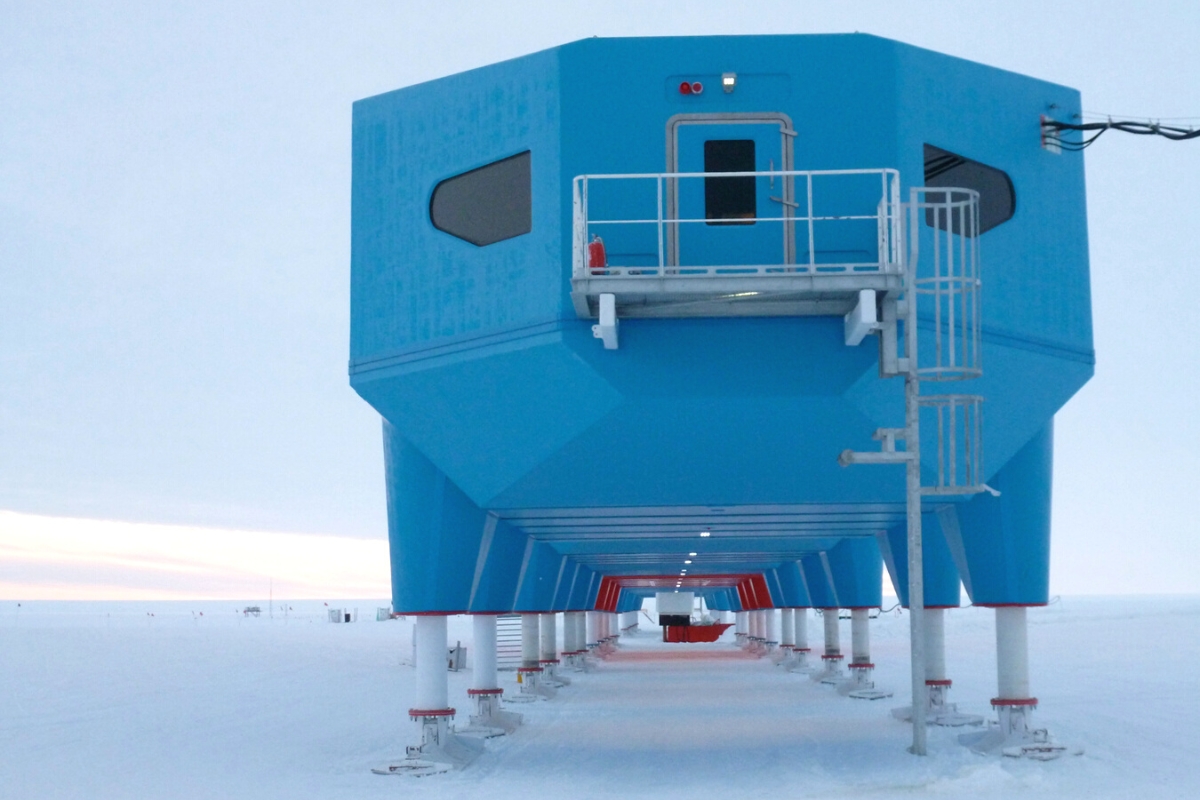
Antarctica offers conditions unmatched elsewhere on Earth for stratospheric science. The continent’s isolation minimizes human-generated radio noise, while stable summer wind patterns allow balloons to circle the pole for weeks.
Continuous daylight enables uninterrupted solar power. These factors combine to create an environment well suited for experiments that require long exposure times to observe extremely rare cosmic events.
The 2025–2026 Antarctic Balloon Campaign
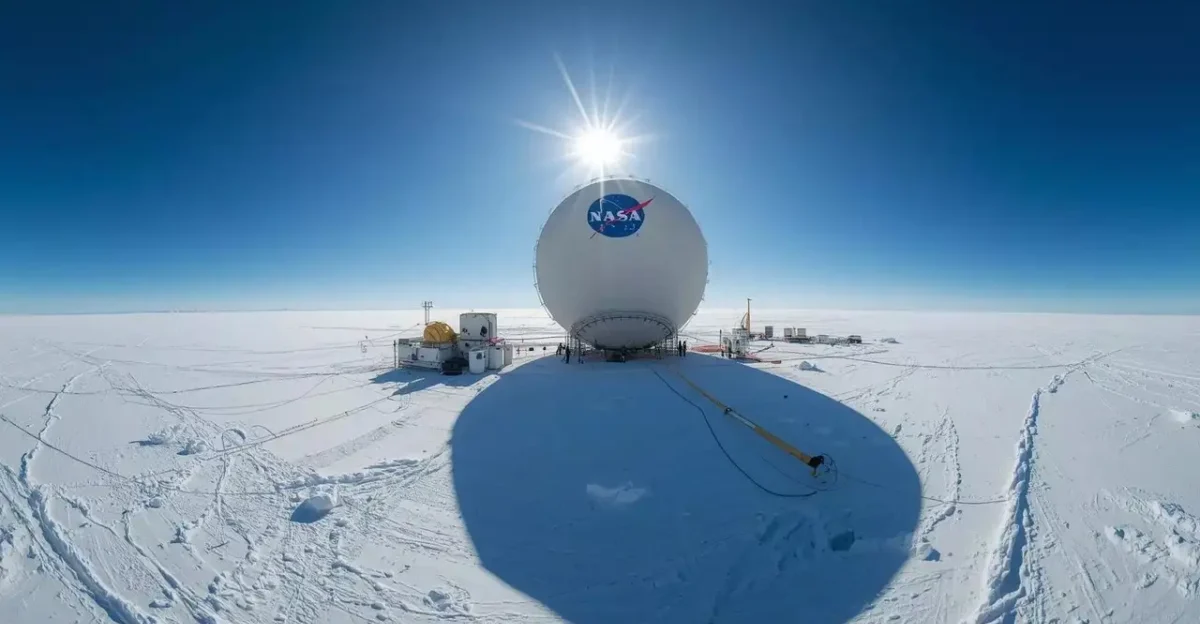
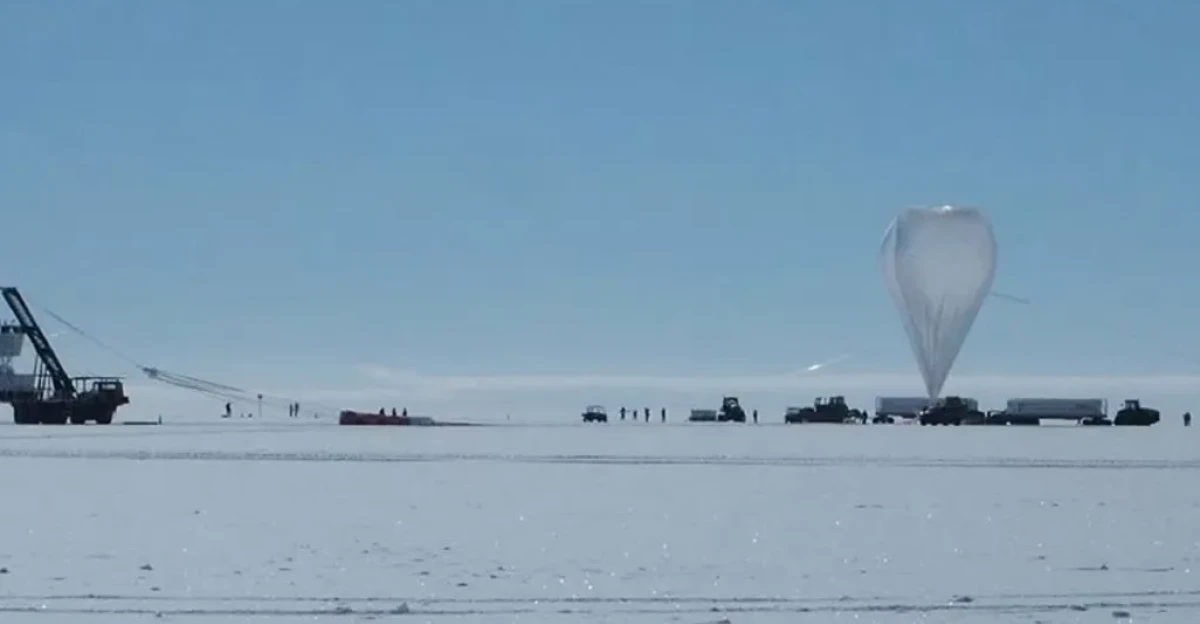
During the 2025–2026 season, NASA conducted a coordinated Antarctic balloon campaign featuring multiple long-duration flights.
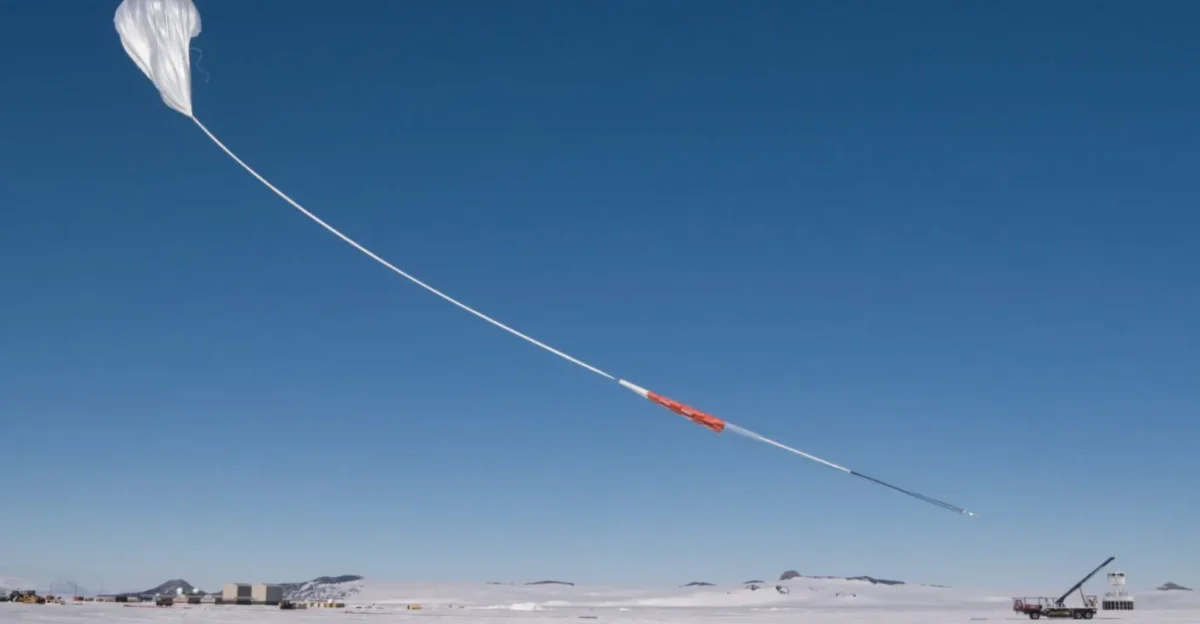
The effort ran from early December through January and included both full science payloads and calibration instruments. At one point, four large scientific balloons were airborne simultaneously over Antarctica, marking a significant operational milestone for the program.
GAPS — Searching for Antimatter Signatures
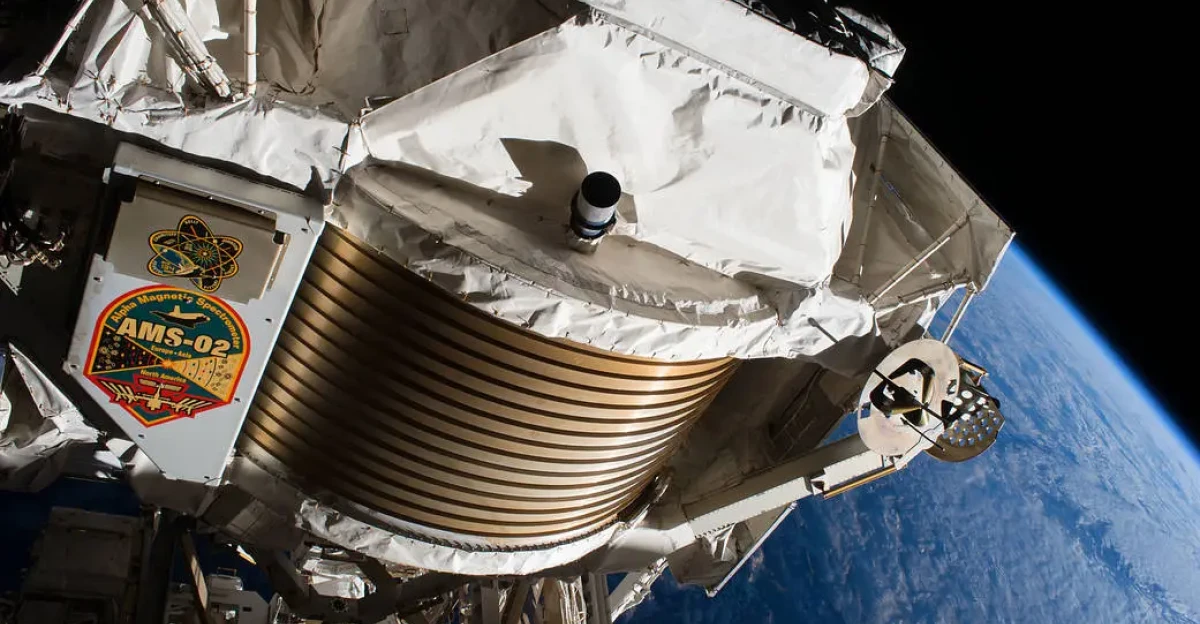
The General Antiparticle Spectrometer (GAPS) is a NASA-funded mission designed to search for low-energy cosmic antimatter, particularly antiprotons and antinuclei such as antideuterons.
These particles are of interest because some dark matter models predict they could be produced in detectable quantities through annihilation or decay. GAPS does not confirm dark matter directly but tests whether predicted antimatter signatures are present.
GAPS Flight Performance and Instrumentation

GAPS completed its first long-duration Antarctic flight during the 2025–2026 campaign, remaining aloft for more than 25 days before landing on the ice in January 2026.
The payload uses layered silicon detectors and time-of-flight systems to reconstruct particle interactions. This design allows researchers to distinguish rare antimatter candidates from the far more abundant background of ordinary cosmic rays.
Why Antideuterons Matter
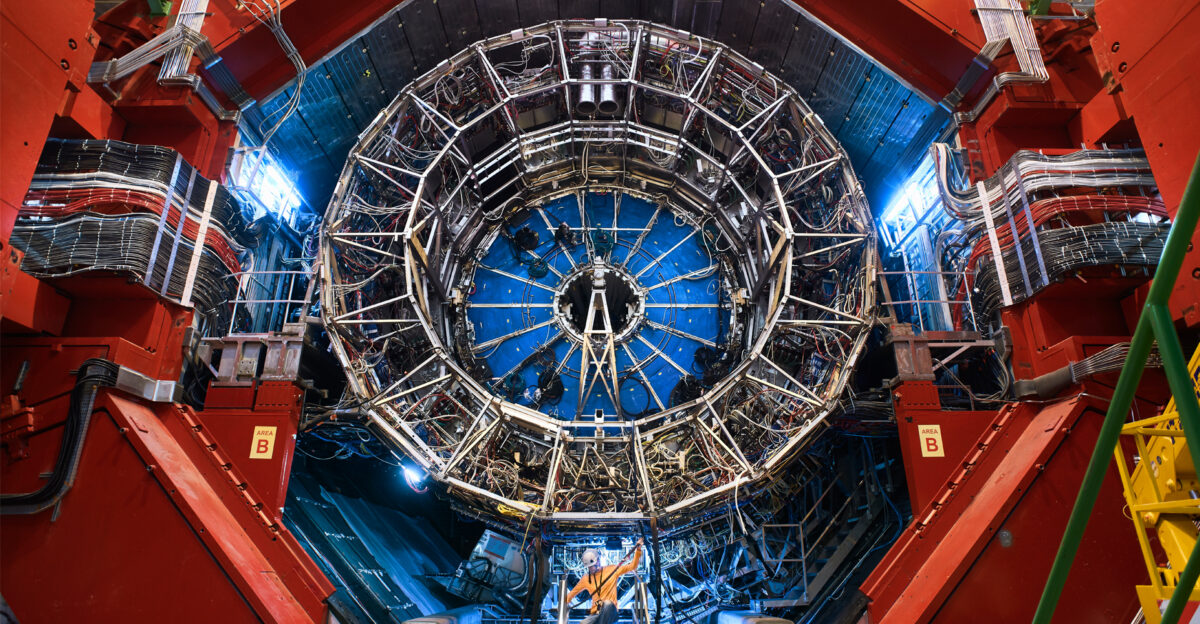
Low-energy antideuterons are considered a particularly clean probe because conventional astrophysical processes are expected to produce them at extremely low rates.
Detecting even a small number could strongly constrain or challenge existing models. Conversely, a lack of detections is equally valuable, allowing scientists to rule out dark matter scenarios that predict higher antideuteron fluxes than observed.
PUEO — Observing Ultrahigh-Energy Neutrinos
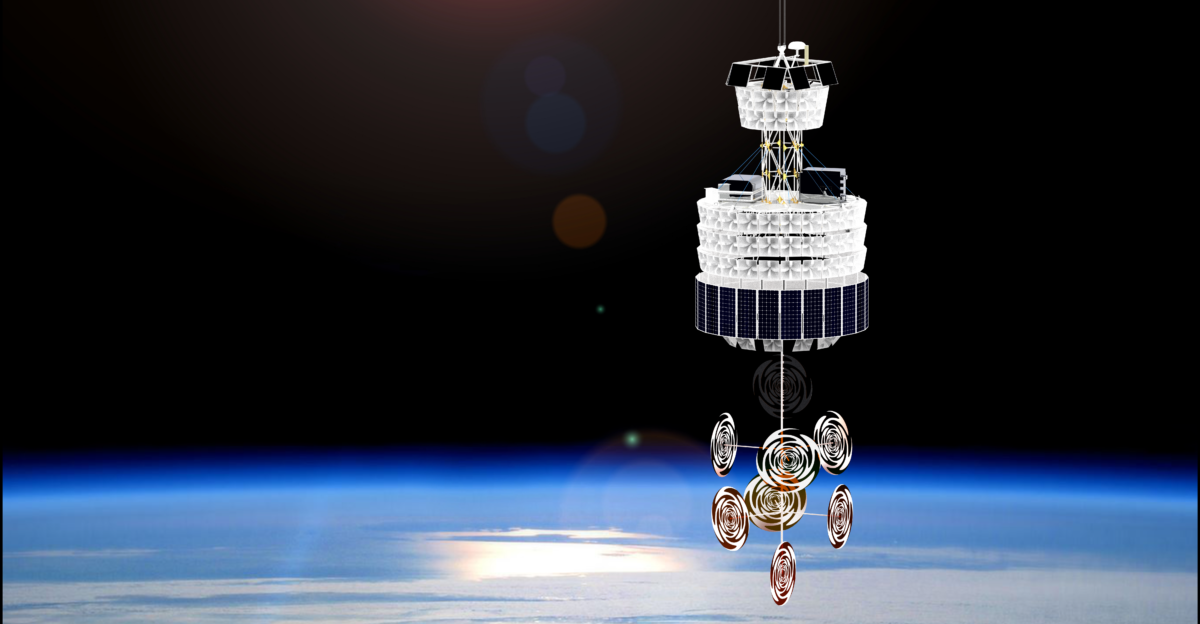
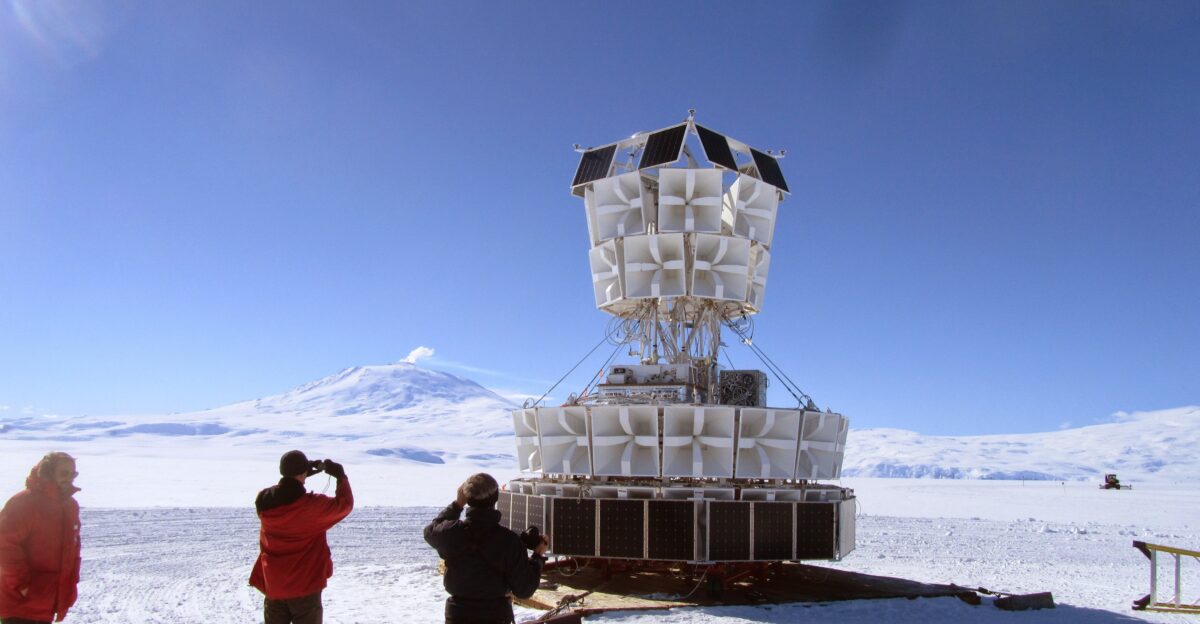
The Payload for Ultrahigh Energy Observations (PUEO) is designed to detect radio signals produced when ultrahigh-energy neutrinos interact with Antarctic ice. These neutrinos originate from extreme cosmic environments and carry information inaccessible through light alone. PUEO expands on techniques pioneered by earlier Antarctic balloon experiments, using improved sensitivity and calibration.
PUEO Flight Duration and Calibration
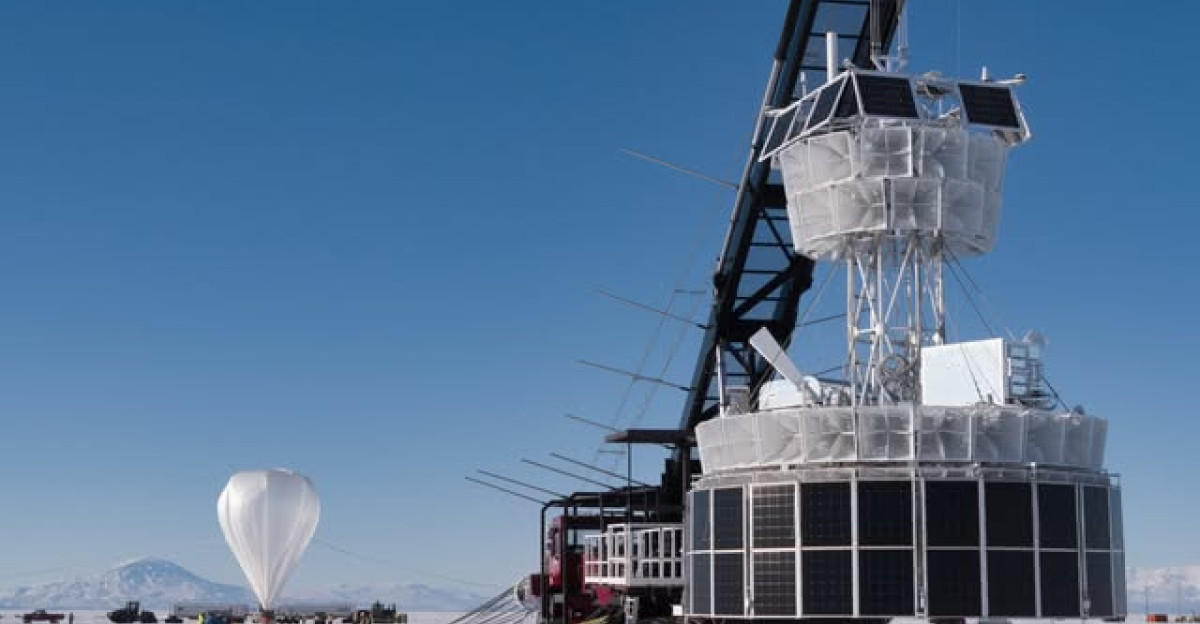
Launched in December 2025, PUEO remained aloft for more than 23 days, making it one of the longest neutrino-focused balloon flights to date.
Two HiCal calibration balloons flew during the campaign, transmitting known radio signals that allowed researchers to verify instrument performance and improve event discrimination. This calibration is essential for separating genuine neutrino candidates from background noise.
Simultaneous Flights — A System-Level Experiment
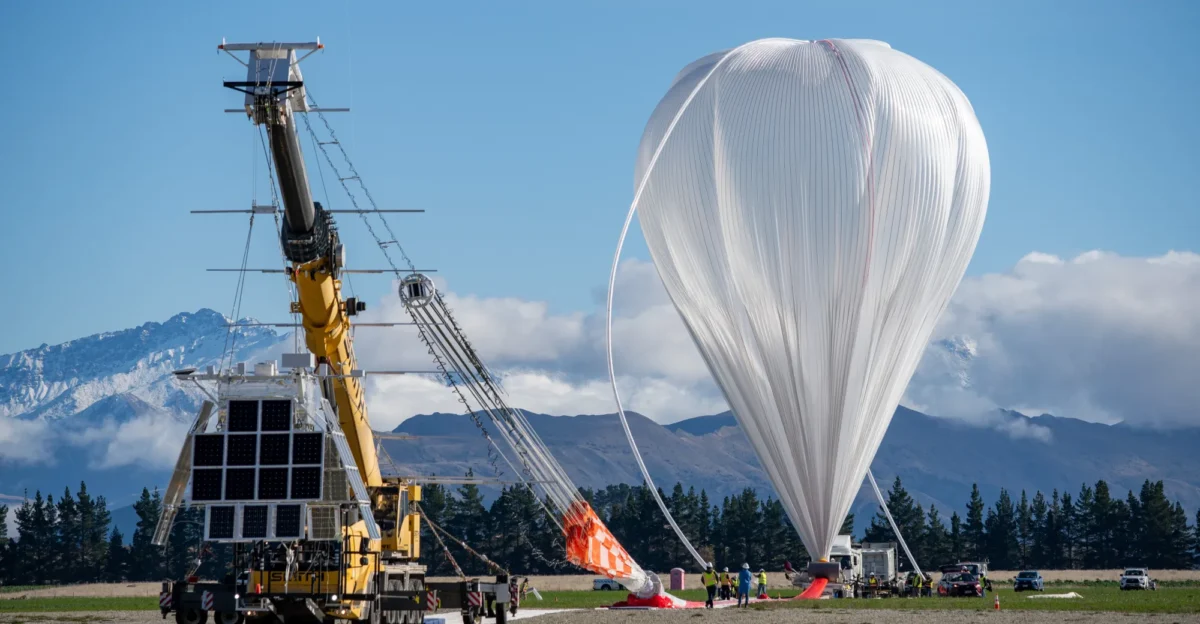
Flying multiple balloons at once allowed scientists to cross-validate measurements and identify systematic effects more efficiently.
Calibration signals could be compared across payloads, and environmental conditions were shared in real time. This coordinated approach improves confidence in the data and reduces the risk that unusual signals are misinterpreted as new physics.
Revisiting the ANITA Anomalies
Earlier Antarctic balloon missions, particularly ANITA, reported unusual upward-going radio events that are difficult to explain using standard neutrino interactions alone.
These events remain unexplained and controversial. While they do not constitute evidence of dark matter, they have motivated new experiments like PUEO to collect higher-quality data that may clarify whether such signals arise from rare physics or unaccounted-for backgrounds.
Sterile Neutrinos as a Hypothesis

Some theoretical work has explored whether hypothetical sterile neutrinos could explain ANITA-like events under certain conditions.
Sterile neutrinos remain unconfirmed and speculative, but Antarctic balloon data can test whether observed signals are consistent with such scenarios. These investigations link neutrino physics and dark matter research without claiming a confirmed connection.
Cosmic Rays and Model Constraints
Balloon experiments also contribute to understanding high-energy cosmic rays. Precise measurements of particle spectra help determine whether observed features can be explained by known astrophysical sources alone.
If dark matter contributes at any level, its effects must be consistent with these observations. Balloon data therefore serve primarily to constrain, rather than confirm, dark matter involvement.
Gravitational Lensing as a Complement
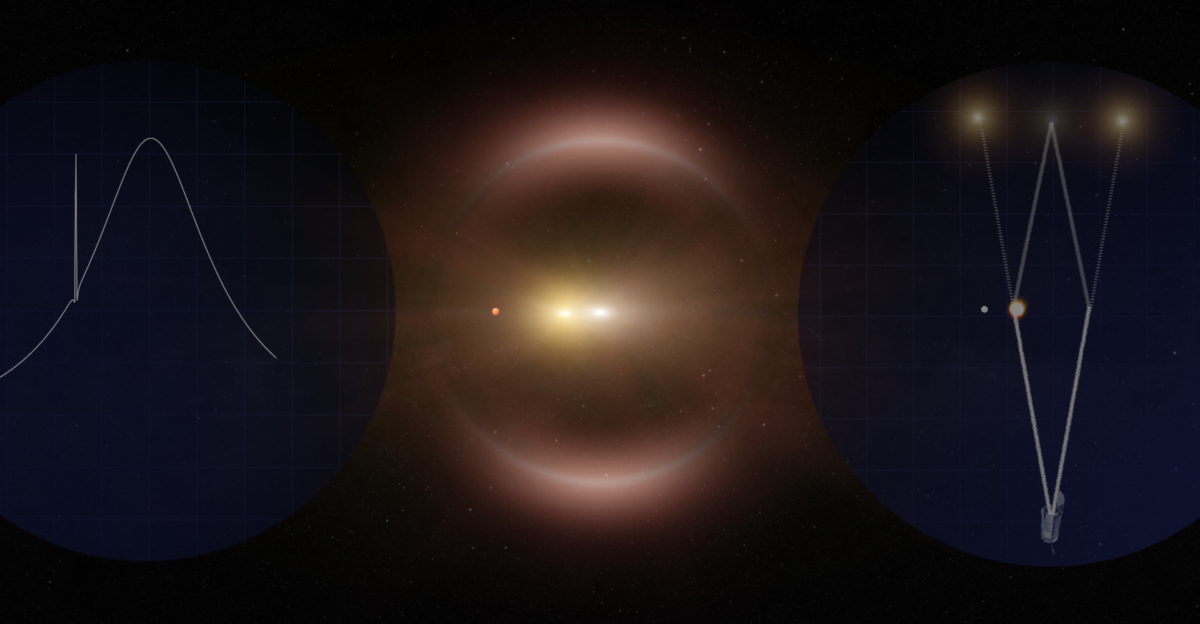
Other balloon missions, such as SuperBIT, study dark matter indirectly through gravitational lensing. By observing how massive structures distort light from distant galaxies, scientists can map where dark matter is concentrated.
Particle-based searches like GAPS complement these observations by testing whether candidate particle signals align with known dark matter distributions.
Data Analysis and Parameter Space Reduction
The primary scientific output of the 2025–2026 campaign is data that narrows the viable parameter space for dark matter models. Some theoretical scenarios are ruled out because they predict signals stronger than those observed. Others remain plausible.
This iterative process is central to progress in dark matter physics, even in the absence of a definitive detection.
Engineering at the Edge of Space

Operating at altitudes of 115,000–160,000 feet places extreme demands on instrumentation. Payloads must function reliably in low pressure, extreme cold, and elevated radiation levels.
Advances developed for Antarctic balloon missions improve detector stability and precision, with potential applications in other scientific and engineering fields.
Cost Efficiency Compared to Satellites
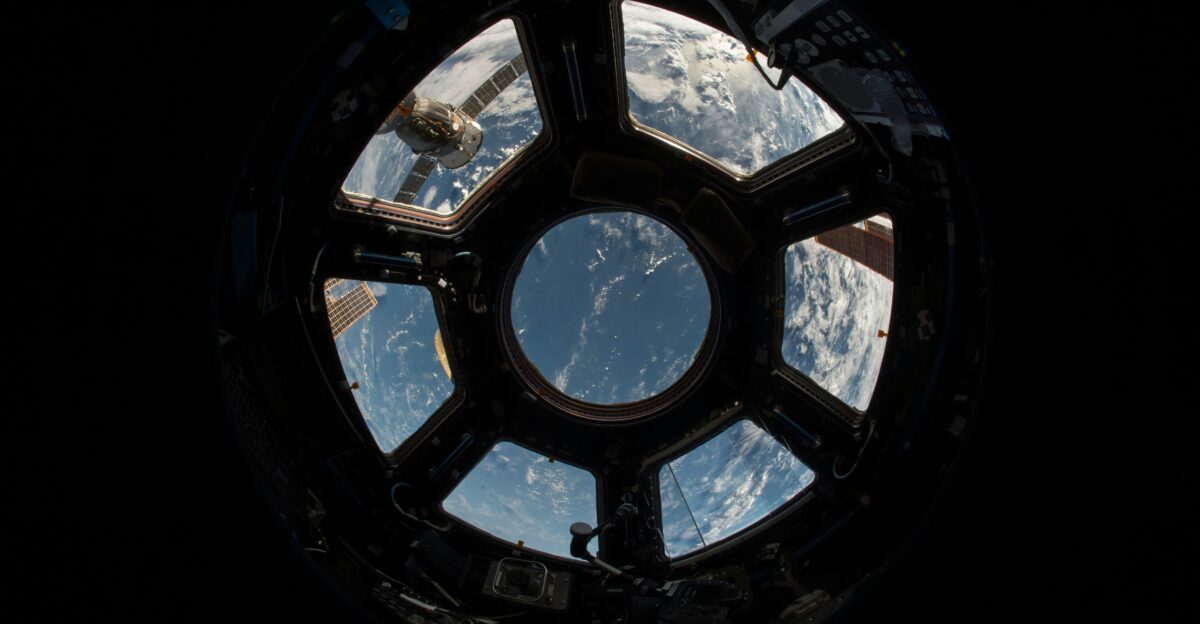
NASA emphasizes that long-duration balloon missions cost orders of magnitude less than large space observatories.
Because payloads are recoverable, instruments can be upgraded and reflown. This flexibility allows scientists to respond quickly to new theoretical developments without committing to decades-long satellite programs.
Integration with Global Observatories
Antarctic balloon results are compared with data from other facilities, including ground-based cosmic-ray detectors and neutrino observatories.
This multi-instrument ecosystem allows researchers to test whether unusual signals appear across different platforms. Independent verification is essential before any claim of new physics can be considered credible.
Public Engagement and Scientific Literacy
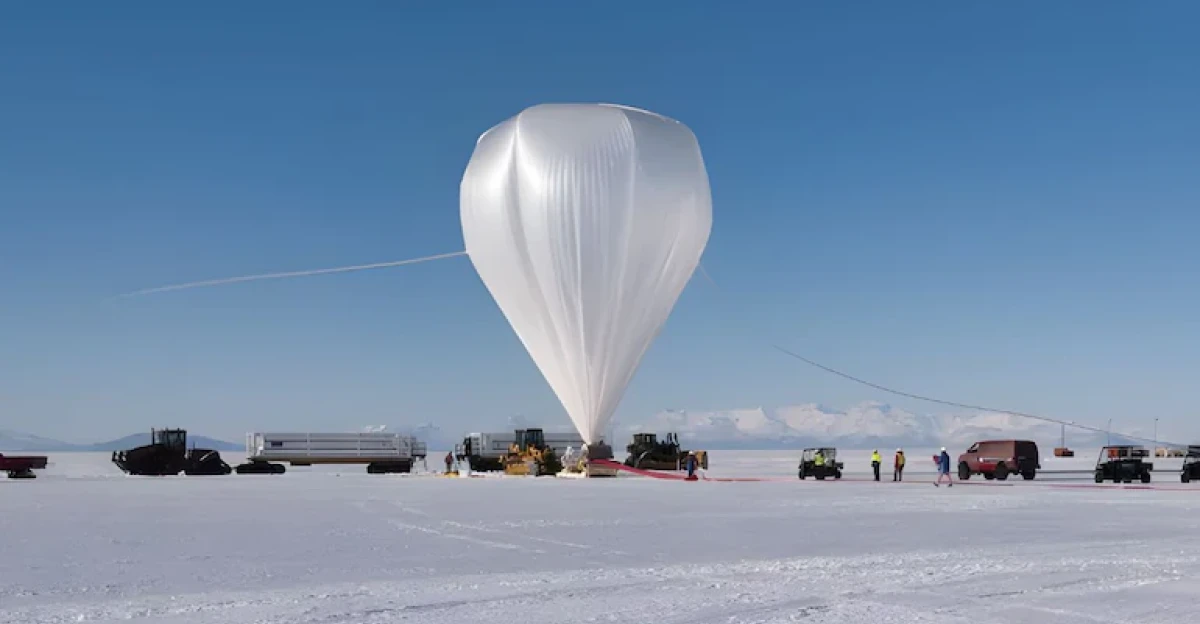
The visual and conceptual appeal of stadium-sized balloons operating at the edge of space has helped draw public attention to fundamental physics.
Coverage of these missions introduces complex topics such as antimatter and neutrinos in an accessible way, supporting broader understanding of why dark matter research matters.
What the Balloons Really Tell Us

NASA’s Antarctic balloon missions have not detected dark matter directly, but they are delivering some of the most precise constraints yet on how dark matter could behave.
By combining long-duration flights, clean measurement environments, and coordinated instrumentation, these experiments are systematically narrowing the field of possibilities—bringing scientists closer to understanding what most of the universe is made of.
Sources:
“NASA Completes Latest Scientific Balloon Campaign From Antarctica” – NASA (Wallops Flight Facility blog)
“General AntiParticle Spectrometer” – Wikipedia / referenced via GAPS collaboration page
“GAPS” – GAPS Collaboration (UCLA-hosted project site)
“Football-field-sized balloon takes flight over Antarctica in search of antimatter” – Phys.org
“Football-field-sized balloon takes flight over Antarctica in search of antimatter” – University of Hawaiʻi News / INFN-linked coverage (mirrored title)
“Antarctica: GAPS takes flight in search of antimatter” – INFN (Istituto Nazionale di Fisica Nucleare)