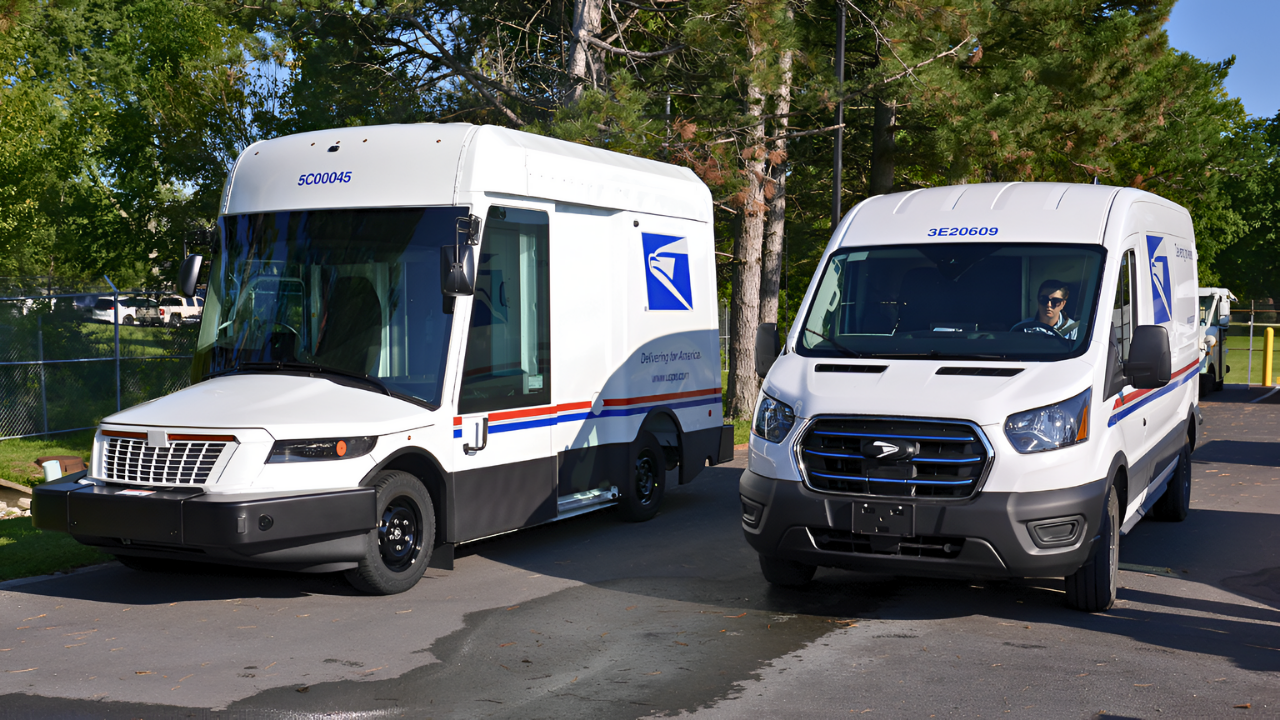
In December 2025, NASA and the U.S. Postal Service (USPS) made headlines by ceasing their use of electric vehicles (EVs) from startup Canoo. This decision raised concerns about the viability of President Biden’s ambitious goals for electrification.
Small fleets that were expected to contribute to federal delivery and space missions have now been abandoned, casting doubt on the future of a massive $10 billion commitment to EVs. The pivotal question remains: Can the government’s electrification efforts survive amid manufacturing challenges and the reality of failed promises from emerging companies?
The Scale of the Problem
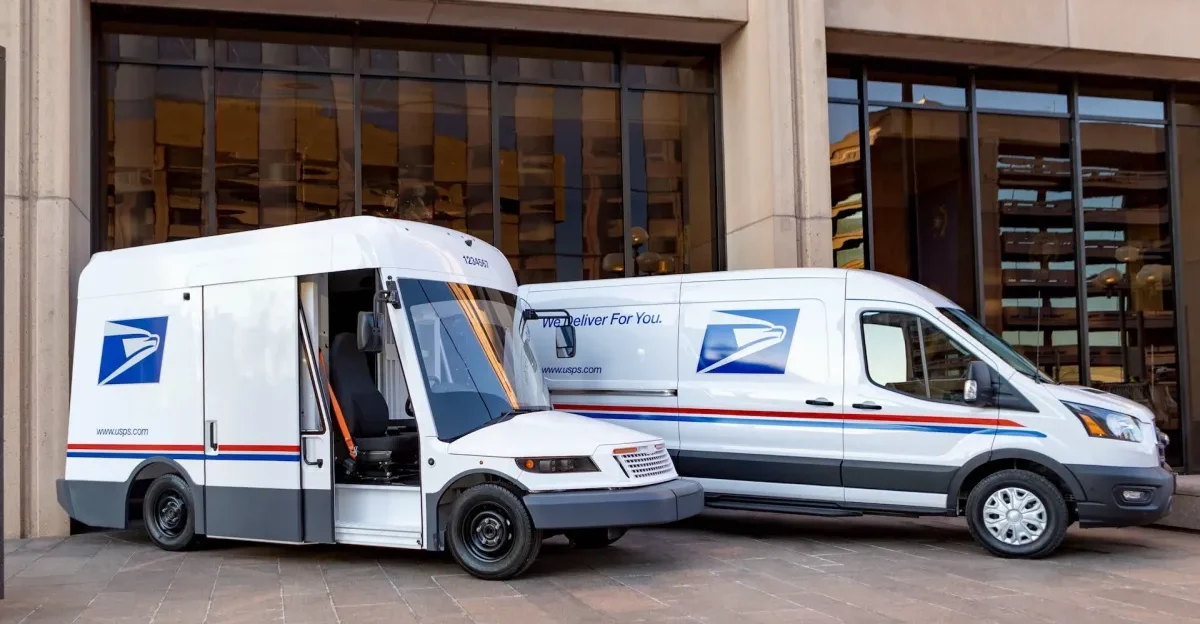
The difficulties with Canoo’s vehicles are merely the surface of a larger crisis within the USPS’s $9.6 billion modernization program. Partnering with Oshkosh Defense, tasked with building 35,000 electric mail trucks by 2028, the USPS has seen major setbacks.
As of November 2024, only 612 battery-electric vehicles had been delivered, falling drastically short of expectations. The timeline of this ambitious project is being disrupted, as production stalls and costs spiral, raising alarms about the potential waste of taxpayer funds amid promises of modernization and environmental responsibility.
Origins of Ambition
The roots of this EV initiative date back to February 2021, when USPS awarded a $2.6 billion contract to Oshkosh Defense to replace its aging fleet. This ten-year contract aimed to deliver up to 165,000 Next Generation Delivery Vehicles (NGDVs), including EV options, celebrated as a remarkable step toward climate action.
In 2023, President Biden enhanced the program with an additional $3 billion from the Inflation Reduction Act for EV electrification. However, ambitious plans quickly fell prey to the challenges of production and timelines, jeopardizing the original vision for greener postal operations.
The Crunch of Expectations
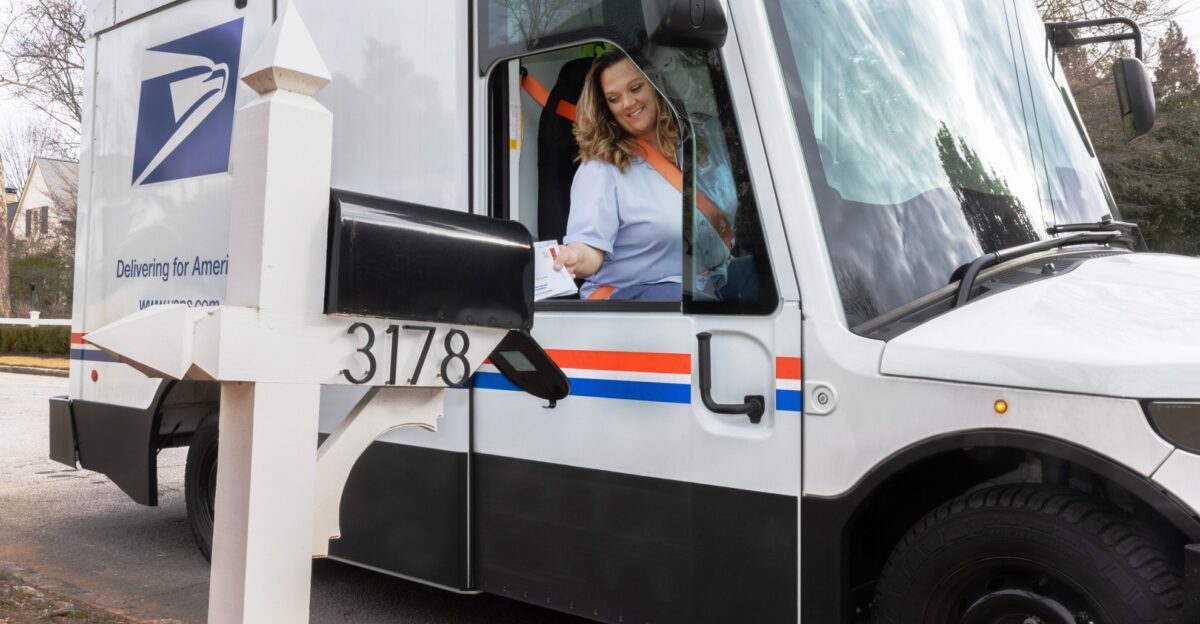
With the 2028 deadline looming, Biden’s climate agenda heavily relied on federal fleets transitioning to EVs. USPS had committed to acquiring at least 66,000 battery-electric vehicles out of a total order mix of over 106,000 units. The $3 billion from the Inflation Reduction Act created both opportunities and immense pressure for USPS.
Success would validate federal procurement processes; failure would expose climate policies to harsh scrutiny, escalating political tensions in an already divided landscape. These stakes make the recent setbacks even more alarming for advocates of federal electrification.
The Canoo Pivot
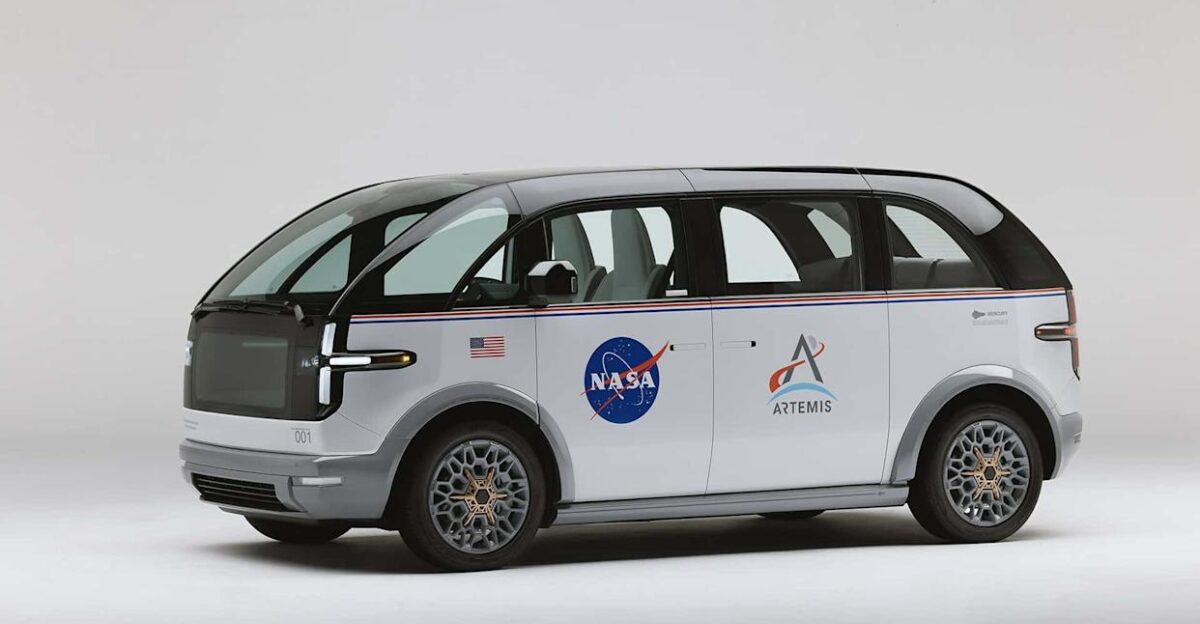
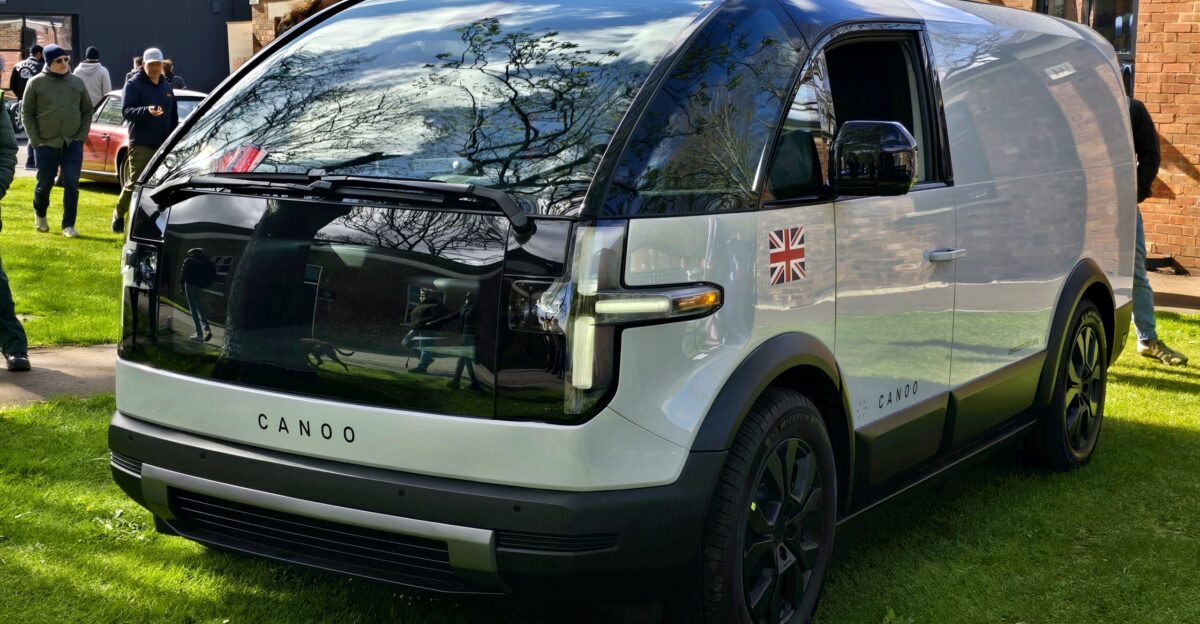
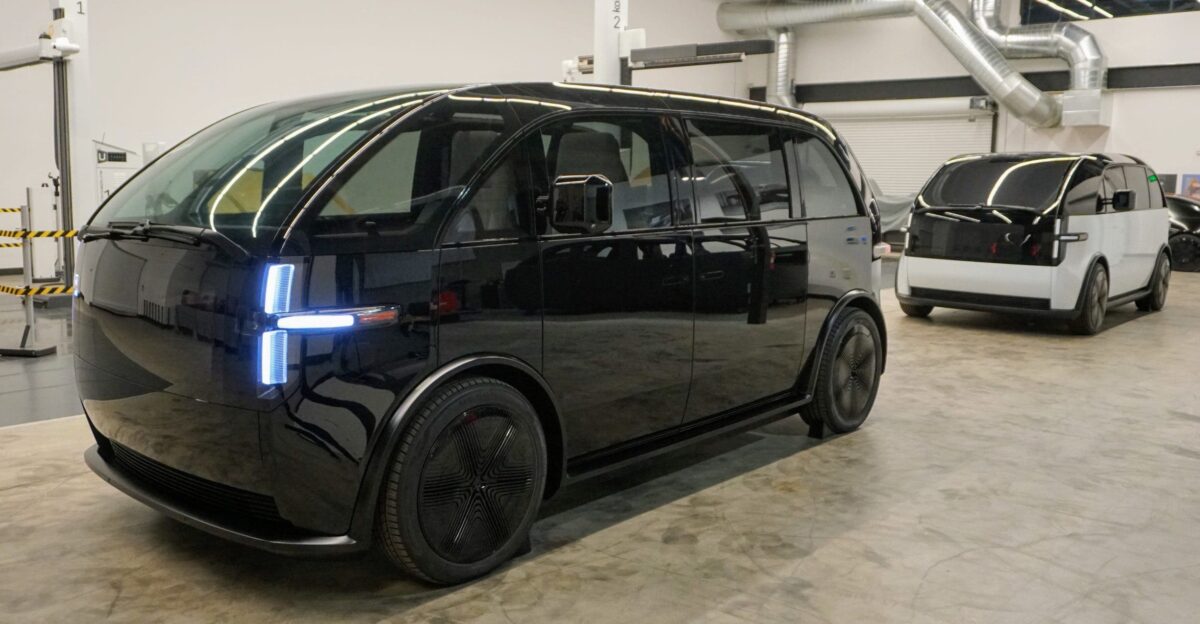
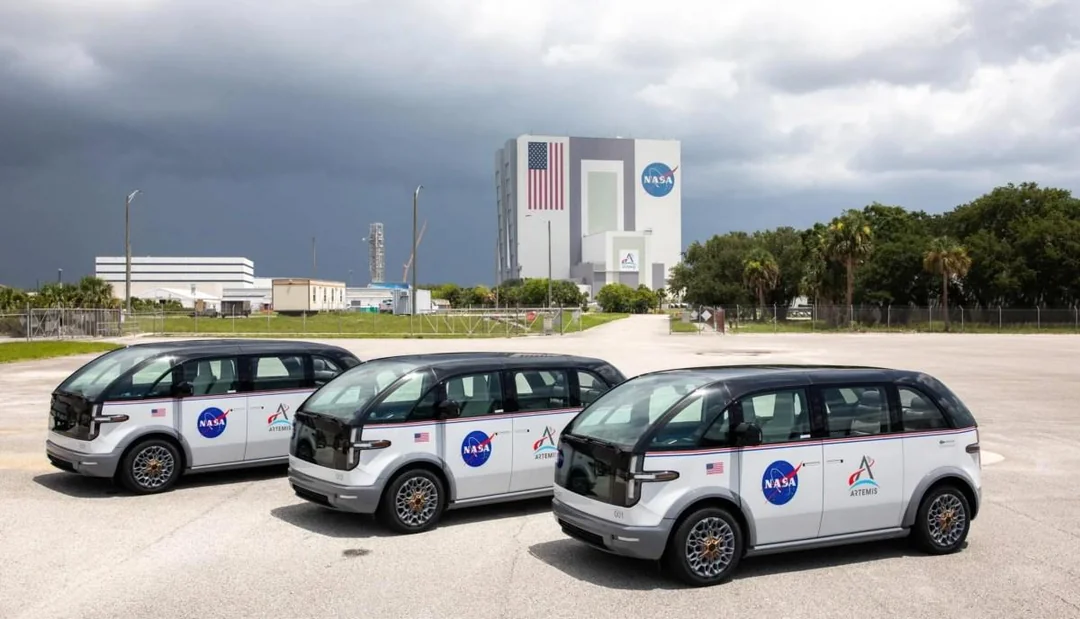
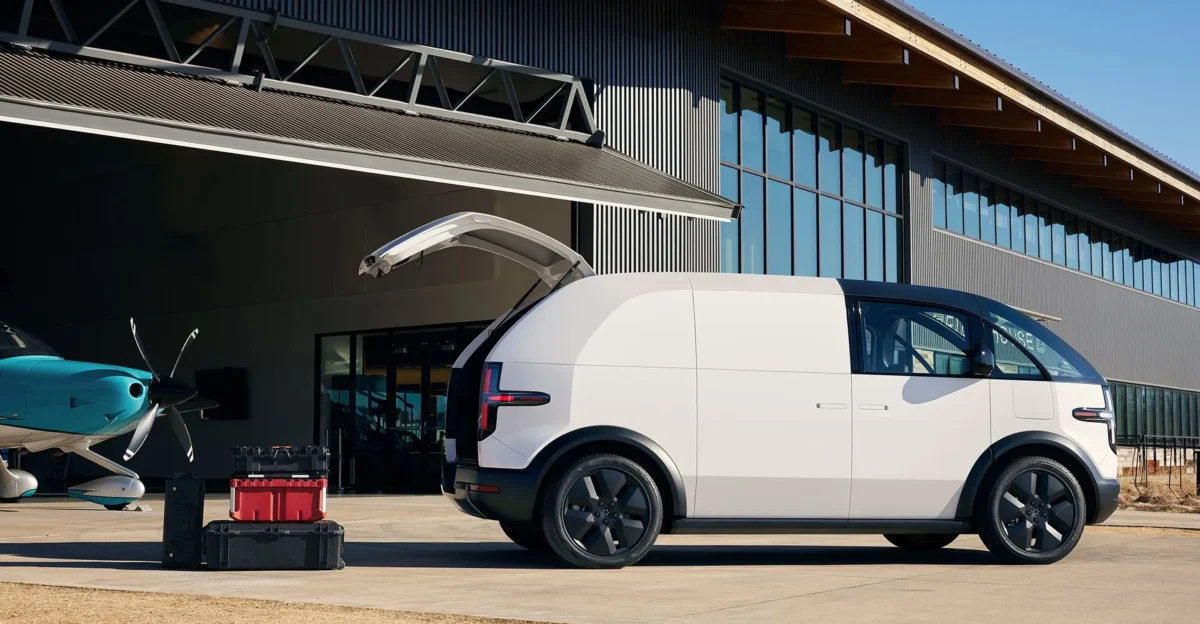
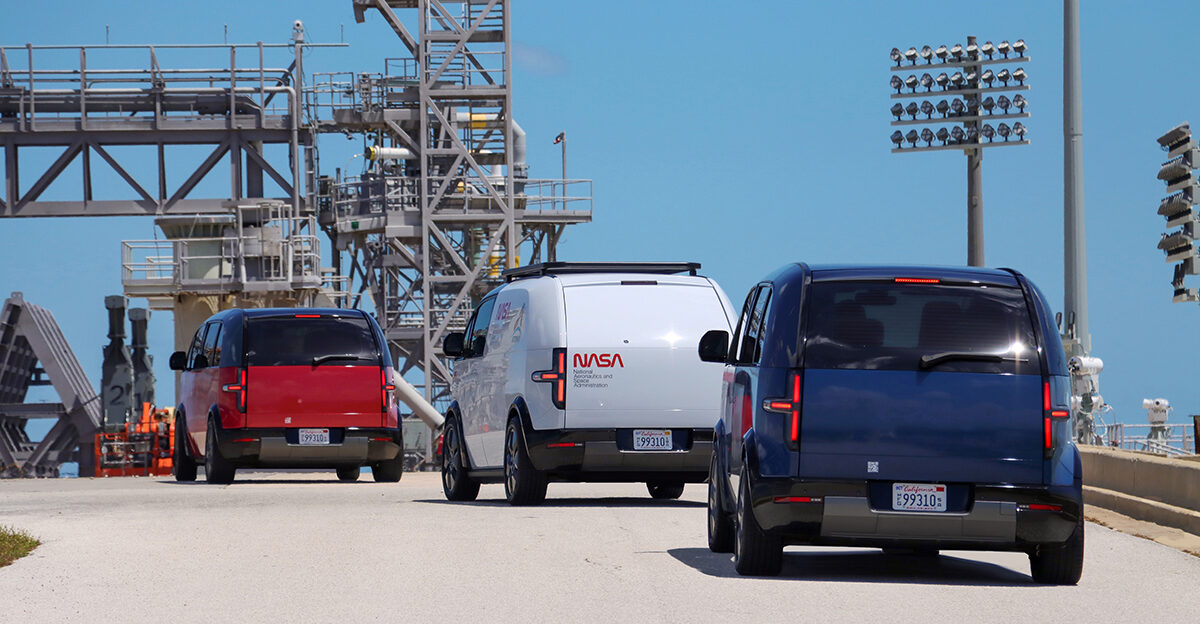
In an early effort to evaluate innovative delivery solutions, NASA acquired three Canoo Lifestyle Delivery Vehicles in 2023. Simultaneously, USPS opted to evaluate six Canoo vehicles in 2024. Despite these purchases being experimental, the small-scale pilots were a sign of optimism.
However, by October 2024, NASA discontinued its Canoo fleet, stating the vehicles “were no longer able to meet our mission requirements.” This alarming rejection highlights significant deficiencies in Canoo’s capabilities and foreshadows larger challenges ahead for both agencies.
Impact Across Federal Agencies
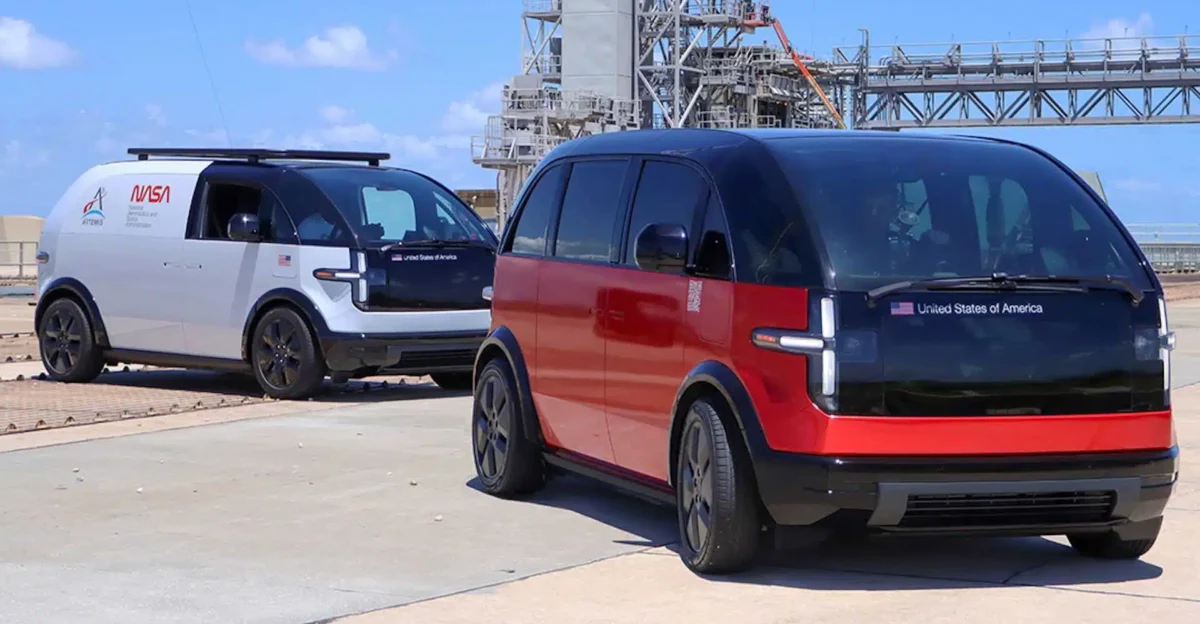
NASA’s decision to replace its Canoo shuttles with a leased Boeing-built “Astrovan” underscores the challenges faced by the startup. Similarly, USPS announced in December 2025 that its six Canoo evaluations were “no longer in use,” indicating a completed evaluation but no plans for further investment.
This move reflects a broader trend within federal procurement, establishing that Canoo’s vehicles could not fulfill critical operational needs. The abandonment of nine vehicles sends a stark message to federal agencies about the reliability and trustworthiness of this emerging manufacturer.
A CEO’s Last Gamble
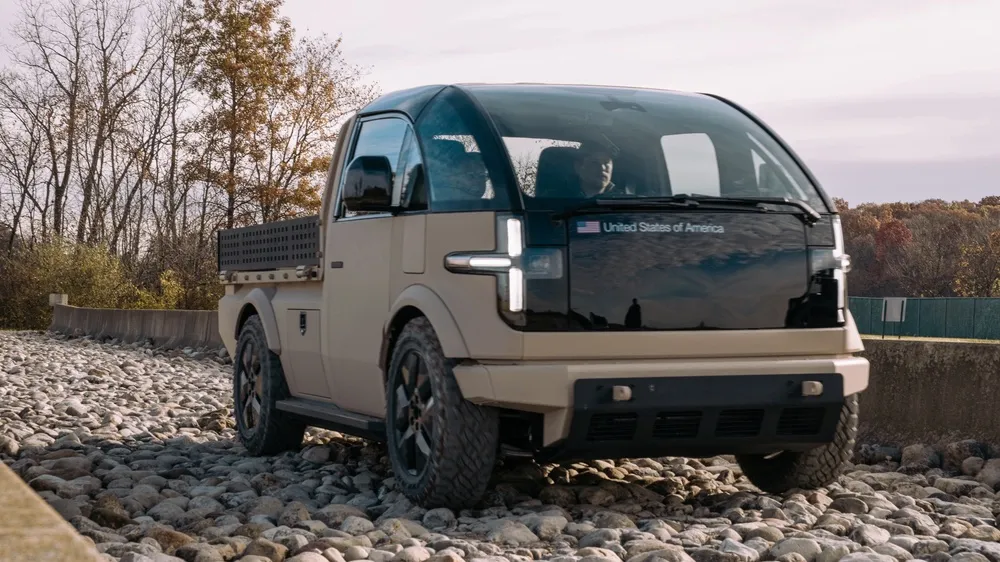
In January 2025, Canoo’s financial struggles culminated in a bankruptcy filing, further intensifying pressures surrounding federal EV commitments. In a surprising twist, former CEO Tony Aquila made a $4 million bid for the bankrupt company’s assets in March 2025, claiming his desire to uphold Canoo’s commitment to government programs.
A bankruptcy judge approved this acquisition in April 2025. Yet, both NASA and USPS reported having no further correspondence from Aquila, raising questions about what the future holds for Canoo’s lingering promises.
Challenges with Oshkosh
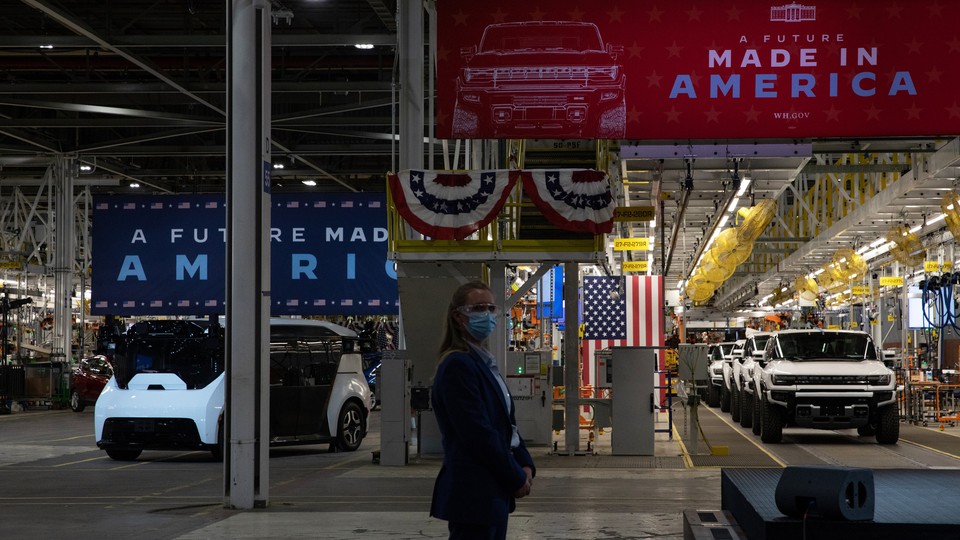
While Canoo’s vehicle failures created headlines, the more significant threat to the entire federal EV timeline lies with Oshkosh Defense. Currently, Oshkosh is producing the NGDV at a dismal rate of approximately one truck per day, which is significantly below the anticipated target of 80 trucks per day.
By November 2024, Oshkosh had only delivered 93 battery-electric NGDVs when 3,000 were expected, resulting in an astonishing 99.3% production miss that complicates the entire project and raises critical questions about the ability and resources.
Engineering Challenges Exposed
Oshkosh’s inability to meet production goals exposes engineering and manufacturing defects that financial resources cannot easily rectify. Quality control failures, such as issues with water intrusion due to improperly sized windows, have compromised vehicle integrity.
Such defects not only add financial strain but also threaten the safety and durability of the vehicles intended for long-term use. Concerns abound about whether Oshkosh can address these issues effectively or if further complications are on the horizon.
Political and Economic Implications
Beyond the manufacturing failures, the implications for federal climate policy are profound. Experts argue that delays in EV fleet modernization may slow the overall transition to greener technologies. “It’s a matter of political will and public safety now,” said a postal worker advocacy representative.
“Taxpayer money is on the line, and decisions made today will echo for years in both policy and public trust.” As production hurdles mount, increasing scrutiny from Congress and the public could threaten future funding and support for federal electrification initiatives.
Public Sentiment and Advocacy
Public response to the cessation of Canoo’s vehicle use has been mixed, with frustration surfacing among postal workers and environmental advocates. “We deserve a reliable fleet that contributes to environmental goals,” expressed a USPS employee.
“When these programs fail, it feels like a setback for our climate commitments.” This voice adds weight to the narrative, highlighting the potential fallout from failures that were anticipated to be pivotal in the shift toward sustainable practices within federal agencies.
Back to the Drawing Board
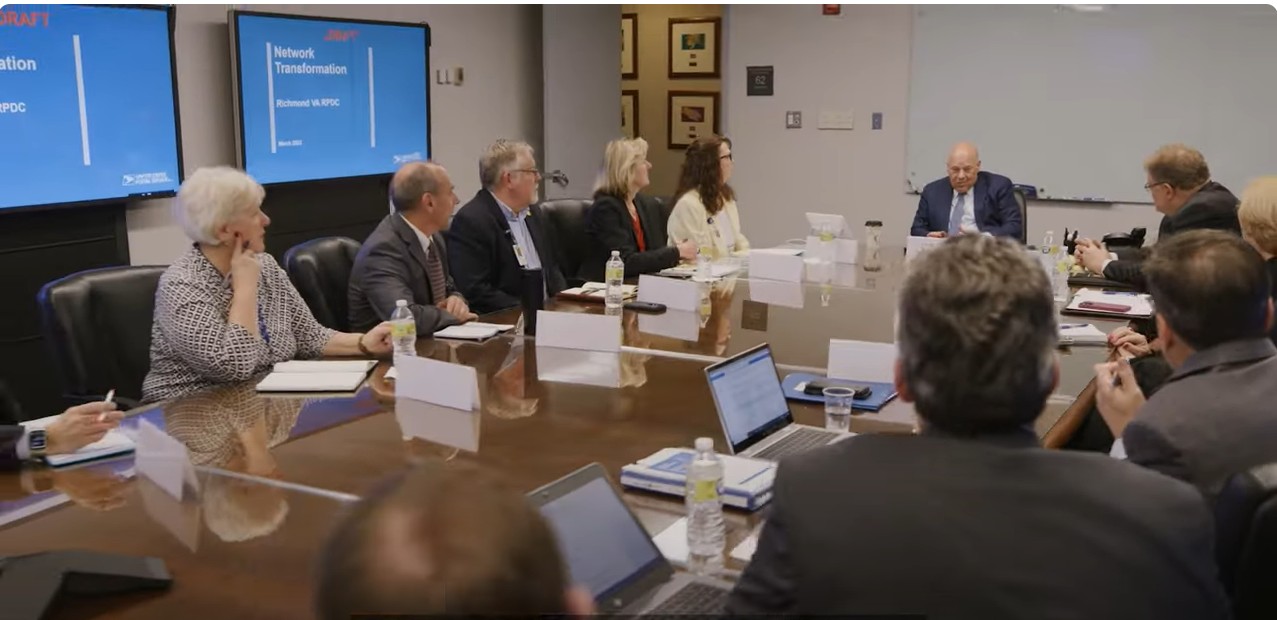
As the USPS grapples with these crises, the path forward remains tenuous. Agency officials emphasize the need for a reevaluation of strategies and partnerships, considering whether to seek alternative manufacturers or revisit existing contracts.
The urgency to modernize federal fleets looms larger as missed deadlines and failed projects bind them to escalating scrutiny. “We must learn from these setbacks to ensure that we don’t compromise on future commitments,” stated an executive from USPS, indicating a renewed focus on accountability and performance.
Broader Implications for Electric Vehicles
The struggles faced by NASA and USPS serve as cautionary tales for other entities attempting to transition into electric vehicle fleets. Industry analysts emphasize the importance of robust vetting and reliable partnerships to safeguard public investments.
“These failures should remind all stakeholders that transitioning to electric vehicles requires more than just intention; it requires rigorous planning,” stressed an automotive expert. The implications of these setbacks could reshape future procurement decisions across various sectors, impacting the overall market for EVs.
Legislative Fallout
The political landscape surrounding the commitment to electrification has begun to shift due to the problems faced by the USPS and others. Some lawmakers are calling for increased oversight of electric vehicle contracts, coupled with heightened scrutiny on spending taxpayer money.
Senators have voiced concerns regarding the credibility of federal contracts and environmental goals, which could lead to legislative reexaminations of funding for similar initiatives. The fallout from these high-profile failures may catalyze a significant impact on future federal energy agendas.
A Call for Accountability

Calls for accountability resonate strongly as stakeholders reevaluate the feasibility of ambitious EV programs. Advocacy groups are urging the federal government to implement more stringent oversight for contracts and programs involving public funds.
“We need transparency in where our money is going,” said a representative from an environmental advocacy organization. As scrutiny mounts, these appeals echo a broader desire for stricter measures to guide spending and delivery on sustainability commitments, ensuring that previous mistakes are not repeated.
Moving Forward with Caution
As the dust settles on the failures of the Canoo EV program, the path ahead must be tread with caution. Learning from setbacks is essential for both NASA and USPS as they reassess their partnerships and strategies. Future contracts might necessitate more rigorous performance benchmarks and contingency plans to mitigate risks.
“The focus must now be on reliability and integrity,” stated an industry analyst, underscoring the importance of thoughtful decision-making in the face of renewed challenges for federal electrification efforts.
The Future of Federal EV Initiatives
Despite the setbacks, there is still potential for recovery and progress in securing reliable electric vehicle partnerships. Collaborations with established manufacturers or innovators who display proven success may pave the way for practical federal electrification.
The efficacy of federal fleets could hinge on lessons learned from these missteps, shaping a trajectory toward sustainable operational practices rooted in reliability and efficiency.
A Legacy of Lessons
The situation surrounding NASA and USPS pivoting away from Canoo sheds light on the complexities of implementing electrification initiatives at the federal level. The mixed outcomes in both the pilot program and large-scale vehicle acquisitions highlight the challenges associated with evolving technology, reliability, and accountability.
The hope remains that these lessons will guide future decision-making, fostering a more dependable approach that can withstand scrutiny while meeting ambitious climate goals.
The Stakeholders’ Responsibility

As federal entities strive to create greener fleets, responsibility lies with stakeholders at every level, from contractors to policymakers. Ensuring transparent communications and productive collaborations is crucial in building trust around major electrification initiatives.
The commitments made today will significantly impact the landscape for generations to come, requiring sustained effort and mindfulness from all parties involved in these transformative projects.
Charting a Path Forward
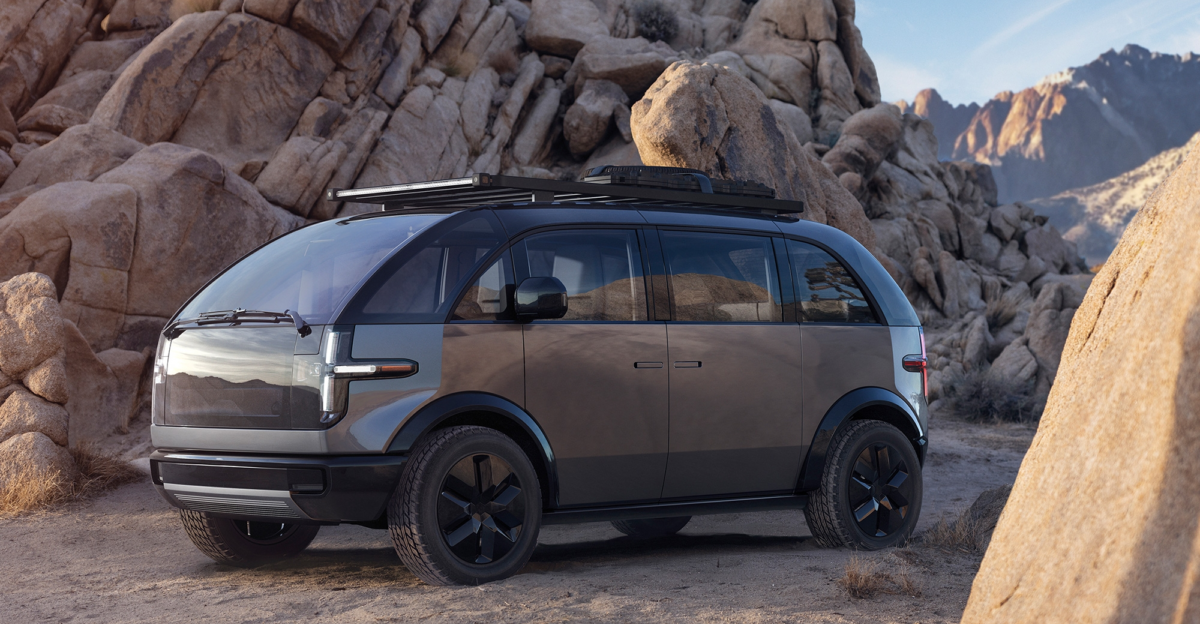
Moving forward, the lessons learned from the aborted Canoo EV program must serve as a compass for future federal electrification efforts. Enhancements in planning, execution, and oversight can create opportunities for more resilient partnerships that could successfully advance the goal of sustainable transportation.
Amid ongoing scrutiny and challenges, the path may not be easy, but it is essential for establishing a credible and practical approach to environmental stewardship via electric vehicle integration.
Sources:
TechCrunch, NASA and USPS stop using Canoo EVs despite CEO’s pledged support
NY Post, USPS electric vehicle fleet behind schedule with $3B in taxpayer funds spent and only 612 trucks built
USPS Official Newsroom, USPS Awards Contract to Launch Multi-Billion Dollar Modernization of Postal Delivery Vehicle Fleet
Ford Authority, Ford Powered Oshkosh USPS Mail Trucks Way Behind Schedule
Federal Times, How a military vehicle contractor plans to make a USPS truck that lasts almost as long as the one it replaces
Reuters, U.S. Postal Service chief defends plan to buy rising number of EVs