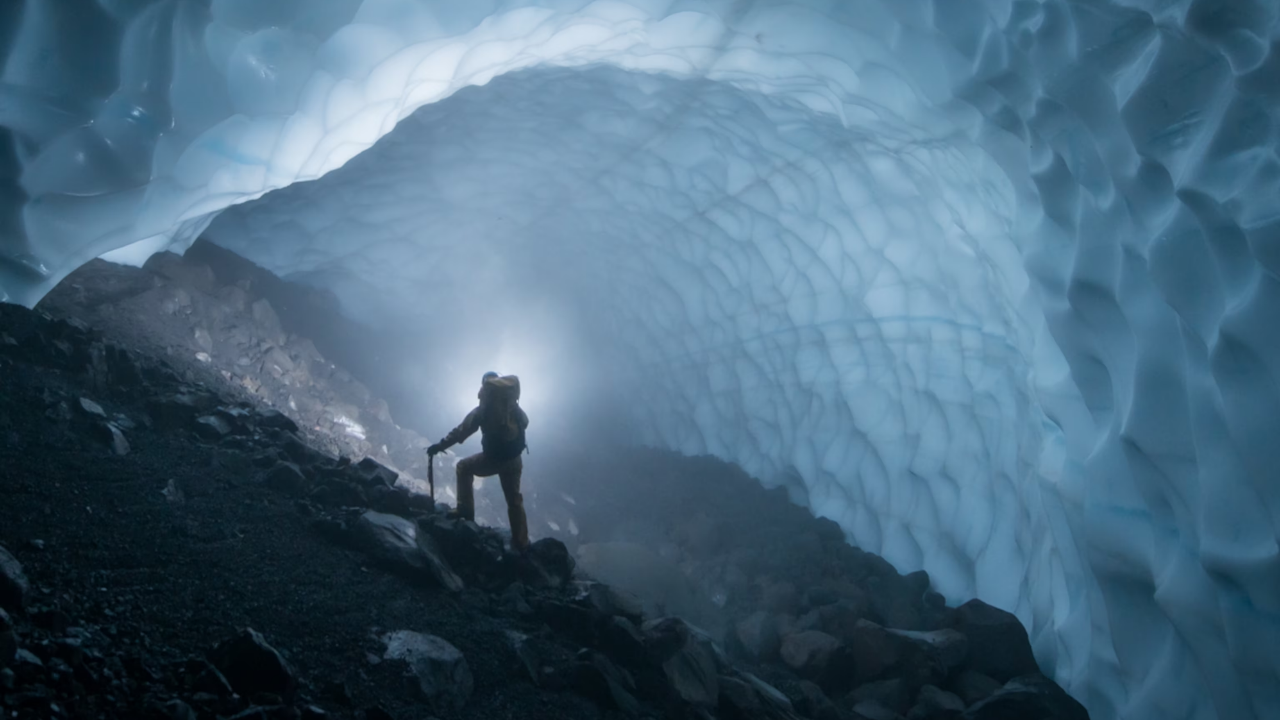
A decade after a mysterious crater appeared in Siberia’s frozen ground, a team of Russian scientists braved subzero temperatures to descend into its depths, seeking answers about the Arctic’s rapidly changing landscape.
Their expedition marked the first direct exploration of a phenomenon that has come to symbolize the urgent challenges facing the region—and the world—as climate change accelerates.
Discovery and Growing Concern
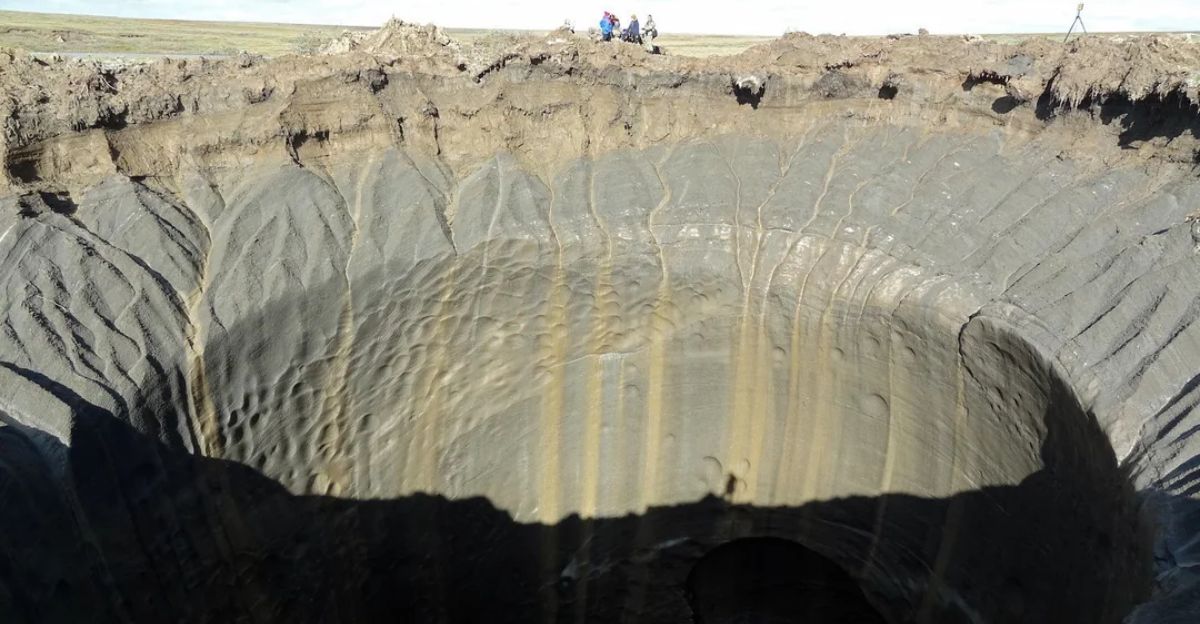
The story began in July 2014, when a helicopter pilot captured dramatic aerial images of a massive, circular crater on the Yamal Peninsula in northern Siberia. Measuring about 20 meters across, the crater’s sudden appearance sparked global curiosity and scientific investigation.
Over the next ten years, researchers tracked the site remotely, using satellite imagery and field observations. As more craters were identified across Siberia’s permafrost, it became clear that this was not an isolated event but part of a broader, troubling trend.
By 2024, advances in technology and mounting climate concerns prompted a Russian scientific team to descend into the original crater. Their mission: to collect soil and ice samples, measure depths, and document the subsurface environment.
The expedition, led by Vladimir Pushkarev of the Russian Centre for Arctic Exploration, required specialized equipment and careful planning to withstand temperatures that plunged to -11°C.
Unraveling the Geological Mystery
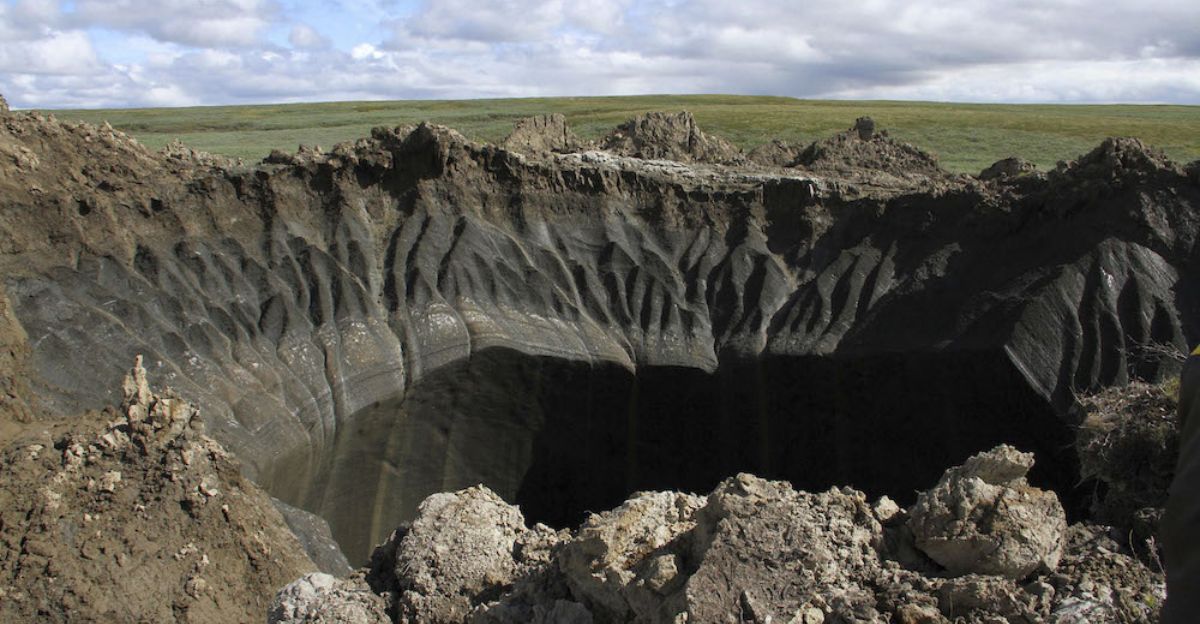
The Yamal Peninsula, once considered geologically stable, has seen dramatic changes in recent decades. Analysis of satellite data reveals no evidence of such large craters prior to the 21st century. The sudden emergence of these features has puzzled scientists, raising urgent questions about the stability of Arctic permafrost.
Researchers believe the craters are linked to the thawing of permafrost—a layer of permanently frozen ground that covers a significant portion of Siberia. As global temperatures rise, permafrost is melting at unprecedented rates, threatening to release vast quantities of methane gas that has been trapped beneath the surface.
Methane is a potent greenhouse gas, with a warming effect 80 times greater than carbon dioxide over a 20-year period. The possibility of rapid ground collapse and methane blowouts has alarmed scientists, who warn that these events could accelerate global climate change through powerful feedback mechanisms.
The expedition team’s descent revealed a hidden frozen lake at the crater’s bottom, extending at least 10.5 meters deep and contributing to a total cavity depth of about 26.5 meters.
This unexpected discovery suggests complex hydrogeological dynamics and persistent cold conditions, despite the detection of temperature anomalies at depth.
Infrastructure and Environmental Risks
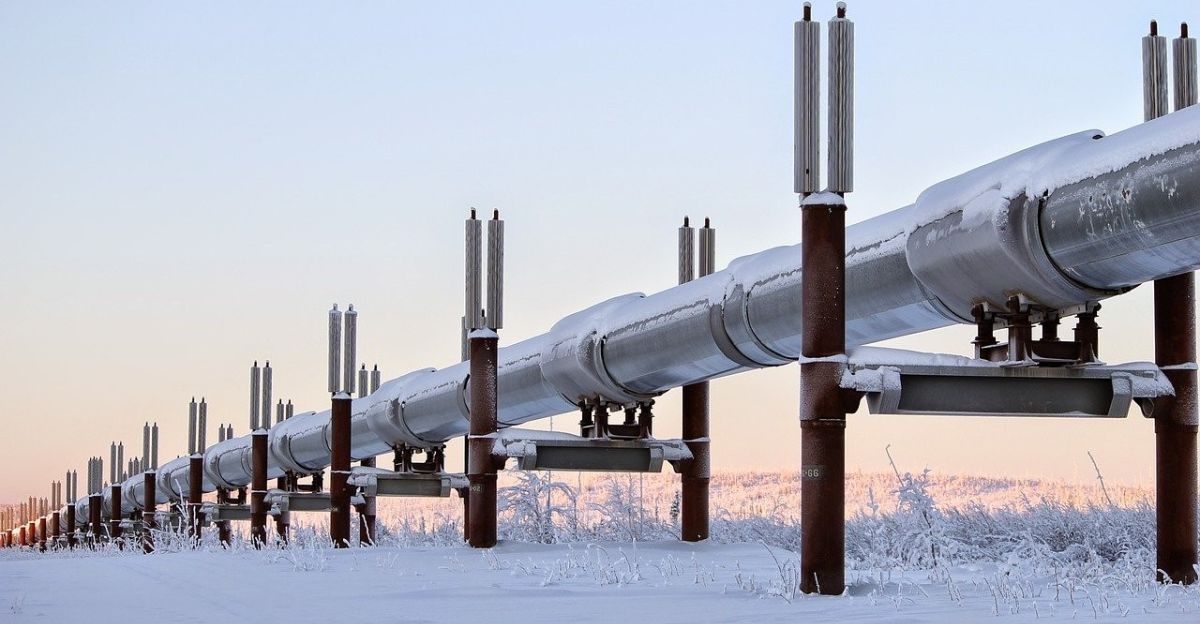
The implications of these craters extend beyond scientific curiosity. The Yamal Peninsula is home to critical infrastructure, including pipelines, roads, settlements, and energy facilities, all of which are built atop permafrost.
Sudden ground collapse and methane release could devastate these structures, disrupt energy supply chains, and endanger Arctic communities already vulnerable to climate-related hazards.
Researchers have identified methane pockets beneath the crater, raising concerns about the potential for more widespread collapse of permafrost. Additional pressure zones could trigger similar formations across vast Siberian regions, threatening the stability of infrastructure and the safety of local populations.
International Response and Ongoing Debate
The Russian expedition has spurred international scientific collaboration, with teams from multiple countries deploying drones, remote sensors, and satellite monitoring to track crater formation and analyze subsurface conditions. Enhanced monitoring protocols have been established to detect early warning signs of permafrost instability, enabling emergency response before catastrophic failures occur.
Despite growing evidence, scientists continue to debate the origins of these craters. Leading theories include the destabilization of gas hydrates due to warming, the collapse of Arctic ice mounds known as pingos, and pressure from deep methane pockets.
Some experts emphasize the role of chemical reactions, geological movements, and hydrological processes interacting with thermal dynamics. The complexity of Arctic permafrost systems necessitates multidisciplinary investigations that combine geology, chemistry, hydrology, and climate science.
Global Stakes
The discovery of Siberian craters has prompted a reassessment of Arctic policy and research priorities. Russian authorities are funding multi-year projects to study crater formation and mitigate infrastructure risks, while international climate agreements are increasingly incorporating permafrost dynamics and methane emissions into their policy frameworks.
The full geographic extent and number of these formations remain uncertain, complicating risk assessment and climate modeling.
Permafrost destabilization is not limited to Russia; Alaska, Canada, Scandinavia, and Greenland face similar threats. Oil, gas, and mining interests must reassess project viability as ground stability becomes increasingly unpredictable, leading to shifting investment and development strategies across the circumpolar Arctic.
Thawing permafrost also disrupts riverbanks, wildlife habitats, and indigenous communities, accelerating global warming and challenging traditional ways of life. The Siberian craters serve as early warning signals of rapid Arctic change and climate system disruption.
As international research intensifies, scientists are racing to understand these mysterious formations, knowing that their findings could fundamentally reshape models of Arctic stability and the future of the Earth’s climate.