
SpaceX has taken unprecedented action against transnational crime, disabling over 2,500 Starlink terminals powering scam operations in Myanmar.
These satellite kits fueled a sprawling network linked to human trafficking, forced labor, and cyber-fraud, spanning more than 30 fortified compounds along the Thai-Myanmar border. Americans alone lost $10 billion to such scams in 2024, and thousands of victims endured brutal conditions.
“We are committed to ensuring the service remains a force for good and sustains trust worldwide,” said Lauren Dreyer, head of Starlink business operations, on Wednesday last week. Let’s look into how this unprecedented action unfolded.
The Criminal Architects Behind Myanmar Scams

Chinese syndicates dominate scam operations along the Myanmar-Thailand border. Wan Kuok-koi, alias “Broken Tooth,” invested in compounds like KK Park and Dongmei Park through Hong Kong’s Dongmei Investment Group, sanctioned by the U.S. in December 2020. Myanmar militias, including the Karen National Army, provide armed protection and profit-sharing.
Key developers include She Zhijiang, whose Yatai New City transformed farmland into fortified scam cities generating billions annually. U.S. sanctions in September 2025 targeted his company, Yatai International Holdings Group, highlighting the global reach and sophistication of these criminal networks.
Trafficking Victims Across Continents
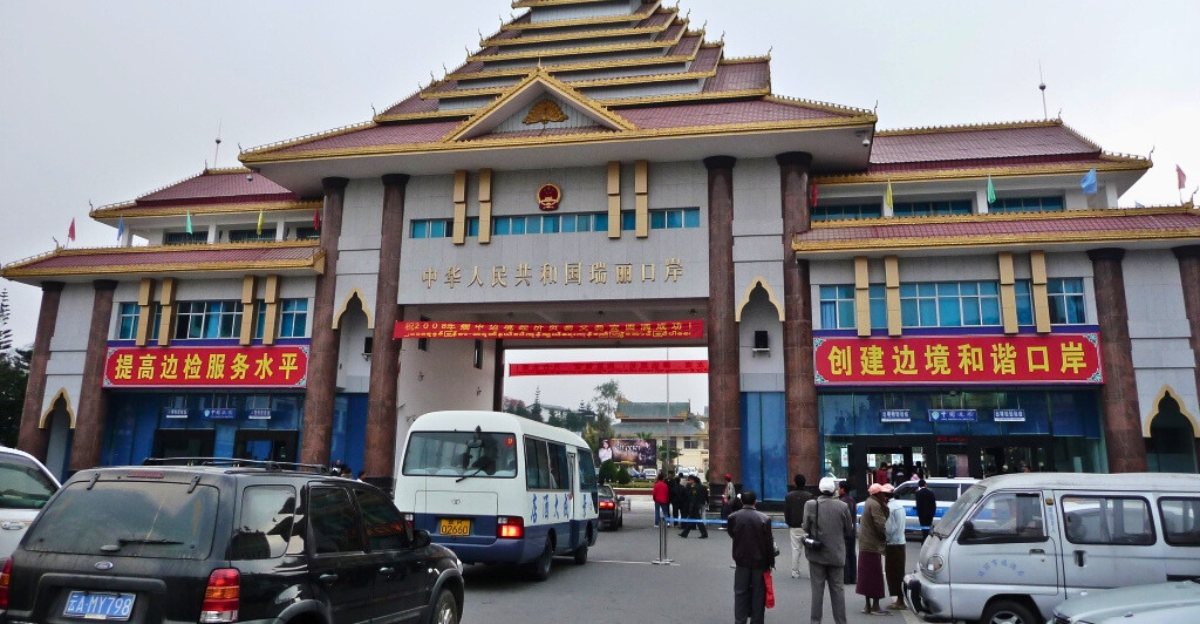
Over 200,000 people are estimated to be forced into scam operations globally. UN reports from August 28, 2023, cite 120,000 in Myanmar and 100,000 in Cambodia, enduring brutal 17-hour workdays, beatings, and starvation. Victims hail from Africa, China, India, Vietnam, and Southeast Asia.
West African nationals are lured with false job offers. Chinese authorities report 36 scam gangs employing over 100,000 workers in border compounds. These operations blend human trafficking with organized cybercrime, making them both lucrative and horrifying.
American Losses Skyrocket

In 2024, Americans lost $10 billion to Southeast Asia-based scams—a 66% jump from 2023’s $3.5 billion. Treasury Secretary Scott Bessent stated on October 14, 2025, that total U.S. losses now exceed $16.6 billion. Individual victims, like Erika DeMask of Illinois, lost life savings, sold homes, and faced total financial devastation.
FBI estimates reveal pig butchering scams alone stole nearly $4 billion in 2023. The average victim loses $160,000, highlighting the staggering human and economic toll of these criminal networks.
SpaceX Steps In

Lauren Dreyer, Starlink VP, announced on October 22, 2025, that SpaceX disabled over 2,500 Starlink kits near suspected scam centers in Myanmar. This is the company’s first major action against criminal misuse of its satellite internet service, following months of pressure from U.S. lawmakers and human rights groups.
SpaceX emphasized that their service must remain “a force for good,” balancing connectivity with protections against exploitation by organized crime.
U.S. Sanctions Campaign
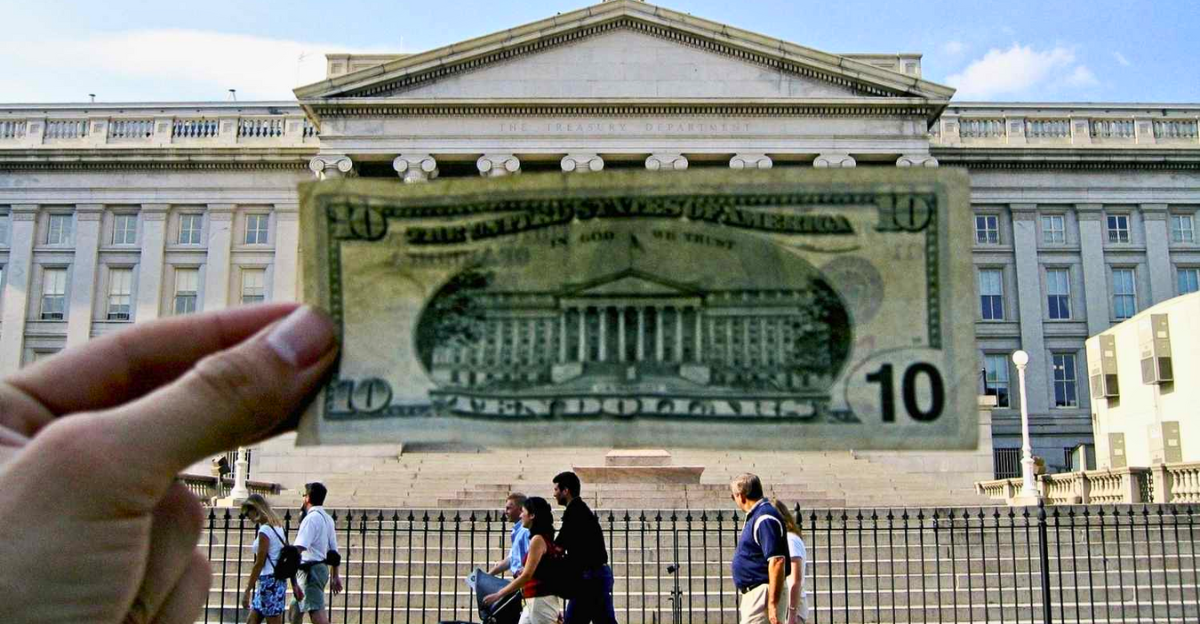
The U.S. Treasury led sanctions targeting Southeast Asian scam networks. On May 4, 2025, the Karen National Army and its leaders were sanctioned. On September 8, 2025, 19 individuals and entities in Myanmar and Cambodia faced restrictions for forced labor and violence.
October 14, 2025, saw the largest coordinated U.S.-U.K. action against cybercrime, with 146 people and organizations sanctioned. FinCEN severed Cambodia’s Huione Group from the U.S. financial system, marking the most aggressive enforcement to date.
Thailand Cracks Down

Thailand cut electricity, internet, and fuel to five border areas in Myanmar on February 4–5, 2025. Interior Minister Anutin Charnvirakul explained the measures targeted scam, drug, and call center operations. The disruption cost Thailand nearly $18 million in annual electricity revenue but failed to halt operations.
Satellite imagery revealed rapid rebuilding and mass Starlink deployment within weeks, showing the adaptability of criminal networks despite governmental action.
Myanmar Military Raids KK Park
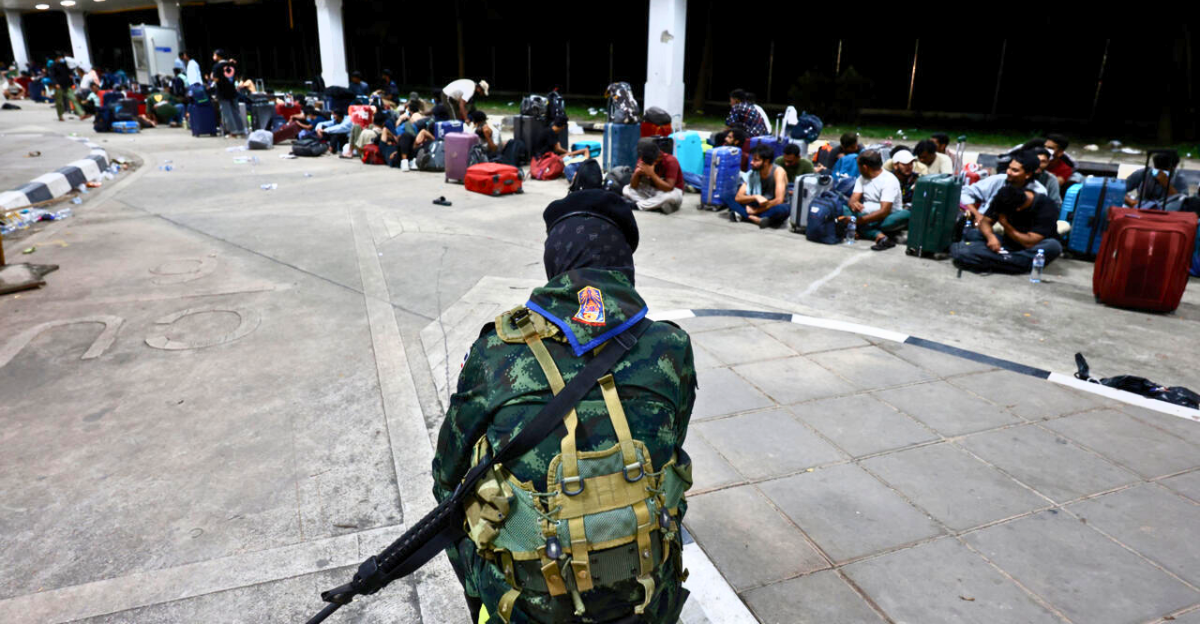
Myanmar’s military conducted raids at KK Park between October 16–21, 2025. Authorities arrested 2,198 people (445 women, 1,645 men, 98 security personnel) and confiscated 30 Starlink terminals from 210-hectare compounds. Explosions demolished buildings on October 24, witnessed across the Thai border.
Over 1,000 people fled, many later apprehended in Thailand, including 1,198 individuals crossing illegally between October 24–26, primarily Indian nationals, followed by Chinese and Vietnamese.
The Epicenter: Myawaddy and the Border
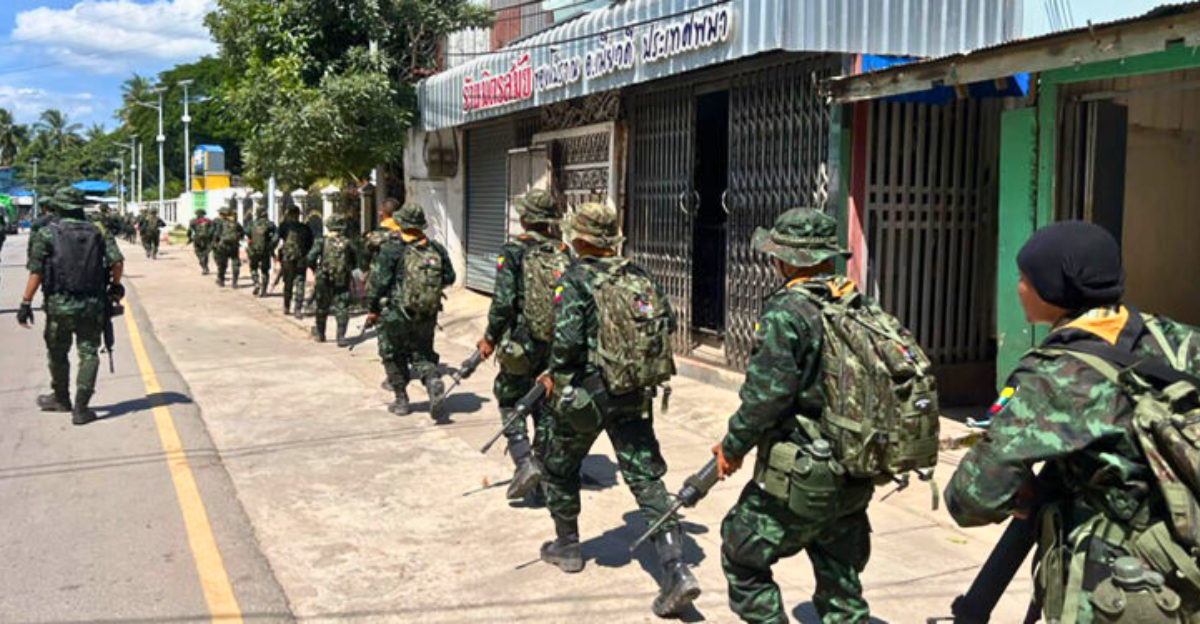
Myawaddy Township in Myanmar’s Kayin State is the hub of scam operations, lying across the Moei River from Mae Sot, Thailand. KK Park occupies a 210-hectare complex visible from Thailand, while Shwe Kokko (Yatai New City) rose from empty farmland into fortified compounds.
Additional sites include Dongmei Park, Yulong Bay Park, Apollo Park, Huanya Park, and Tai Chang, forming a sprawling network from Myawaddy to the Three-Pagodas Pass.
Scam Infrastructure and Starlink
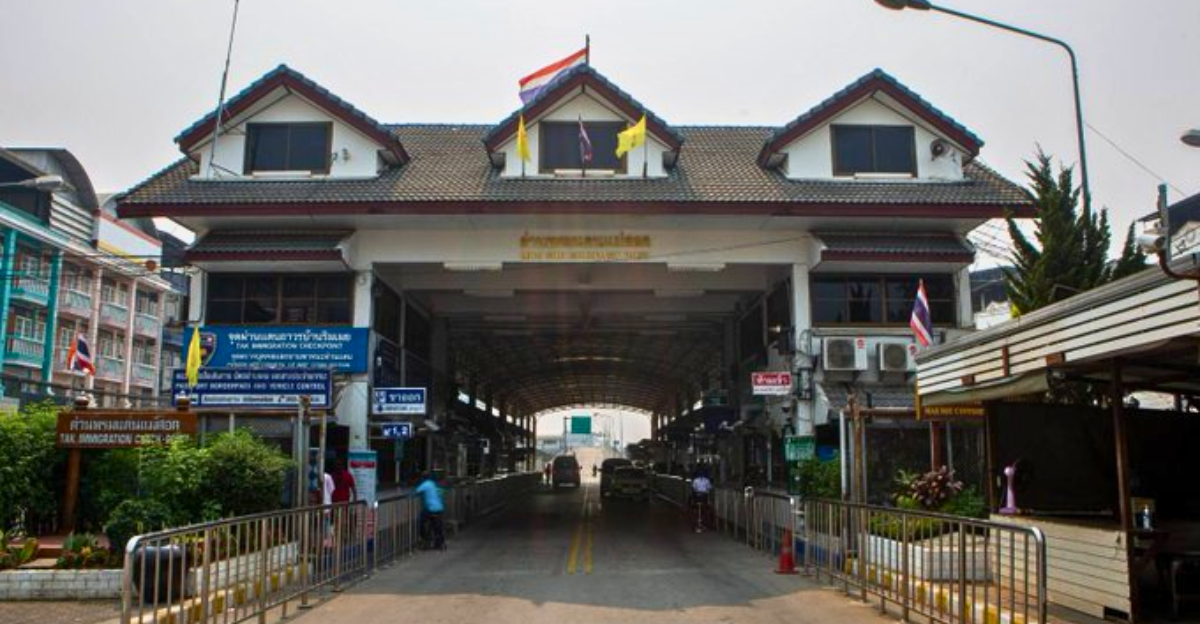
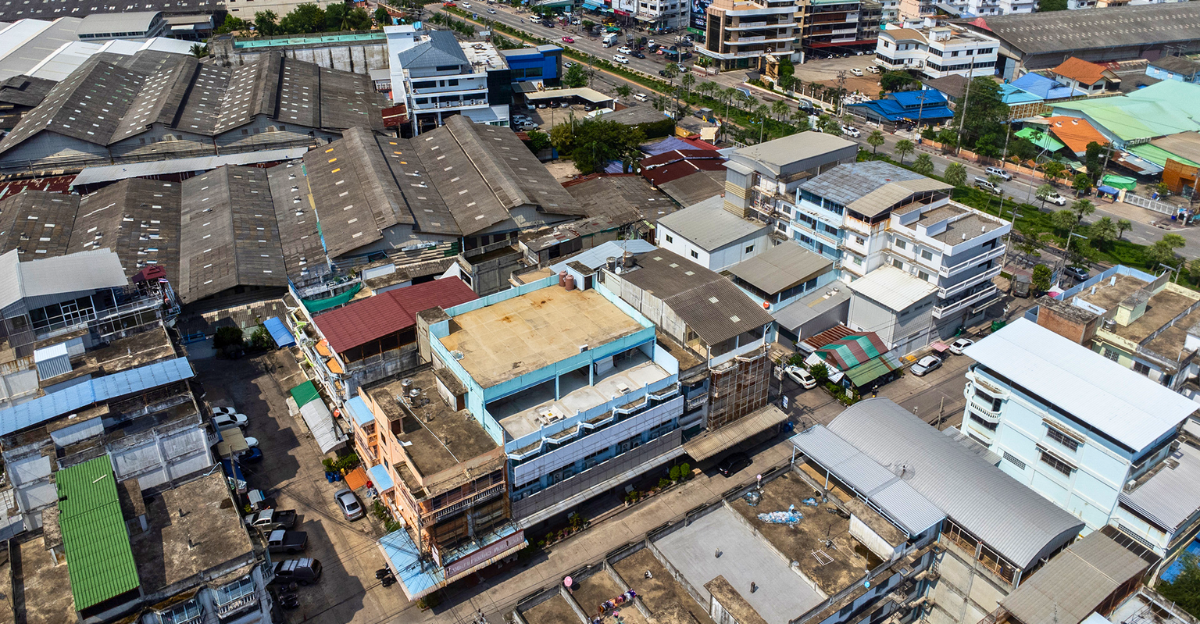
Over 30 fortified compounds operate along the Thai-Myanmar border, featuring fences, watchtowers, hospitals, and hotels. KK Park alone has 250 buildings over 210 hectares, with 80 Starlink dishes on a single rooftop.
Starlink became the primary internet provider after Thailand’s February 2025 cable cuts, appealing for its independence from ground infrastructure, enabling continuous operations even during local blackouts.
The Pig Butchering Method

“Pig butchering” scams involve cultivating trust with victims via social media or dating apps over weeks, then coaxing them into fake cryptocurrency investments. Victims experience constant surveillance, beatings, and starvation while forced to execute scams under brutal conditions.
Passports are confiscated, and leaving requires inflated “contract termination fees.” The operations generate between $18–37 billion annually from East and Southeast Asian victims, part of a $64 billion global industry.
Cryptocurrency Flows Finance Crime
Deutsche Welle traced stolen funds from victims to KK Park-controlled crypto wallets, then to overseas Chinese businesspeople, including Wang Yi Cheng, vice president of the Thai-Asia Economic Exchange Association. His wallets received tens of millions of dollars directly from KK Park operations.
Cryptocurrency’s decentralized nature enables multi-jurisdiction laundering, making recovery challenging despite blockchain tracing efforts by companies like Chainalysis.
Timeline: From Coup to Crackdowns
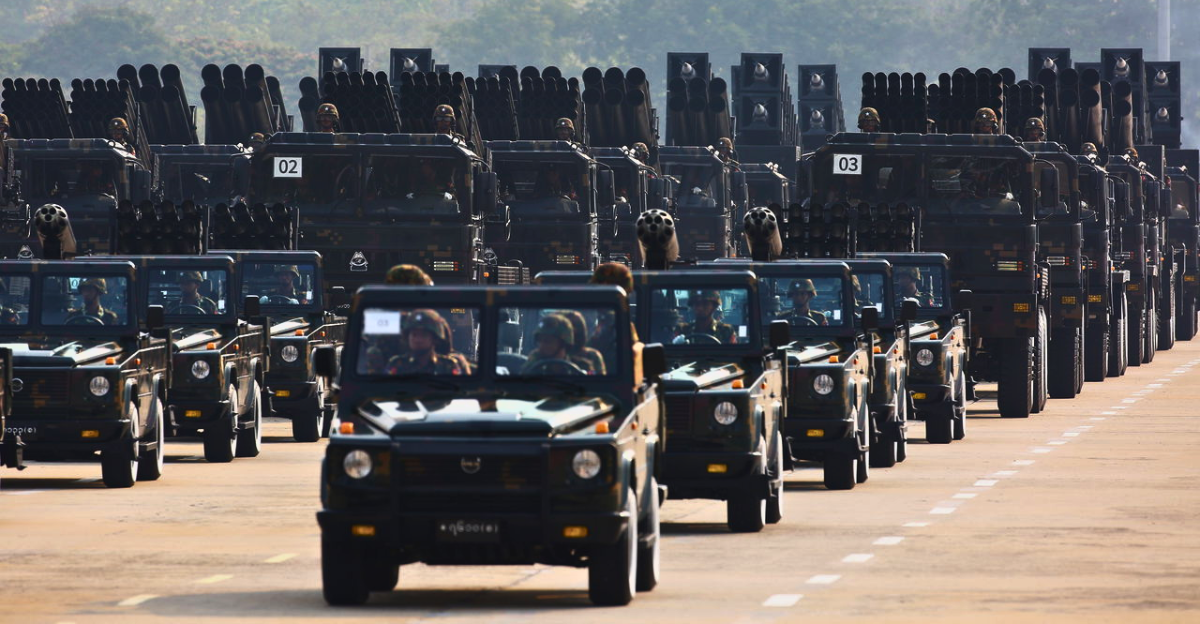
Myanmar’s 2021 military coup created lawless zones for criminal syndicates. Compounds grew from 11 to 30 by 2025, expanding roughly 13.5 acres per month. The January 3, 2025, kidnapping of actor Wang Xing sparked international outrage, pushing Thailand and China to act.
By February, Thailand cut electricity and fuel to border areas. U.S. sanctions escalated mid-2025, culminating in October raids and SpaceX’s disabling of Starlink kits.
Recruitment and Victim Targeting

Victims encounter scam job ads on platforms like Facebook, Telegram, and WeChat. They are flown to Bangkok, then transported six to eight hours to Myanmar compounds, often unaware they crossed borders. Amy Miller explained on NPR, March 9, 2025, that escape is nearly impossible once at the border.
Targeted individuals include educated, multilingual young men, deceived by legitimate-looking interviews, contracts, and housing, ultimately trapped in exploitative labor.
Detection and Disruption Mechanics

SpaceX remotely disabled Starlink terminals using unique device IDs and geofencing. Lauren Dreyer noted on October 22, 2025: “SpaceX continually works to identify violations… On the rare occasion we identify a violation, we take appropriate action, including working with law enforcement agencies around the world.”
Law enforcement used satellite imagery, mobile phone tracking, and blockchain analysis to map networks, revealing 2,492 Starlink connections across eight compounds in April 2025.
FBI Offers Practical Scam Prevention Tips
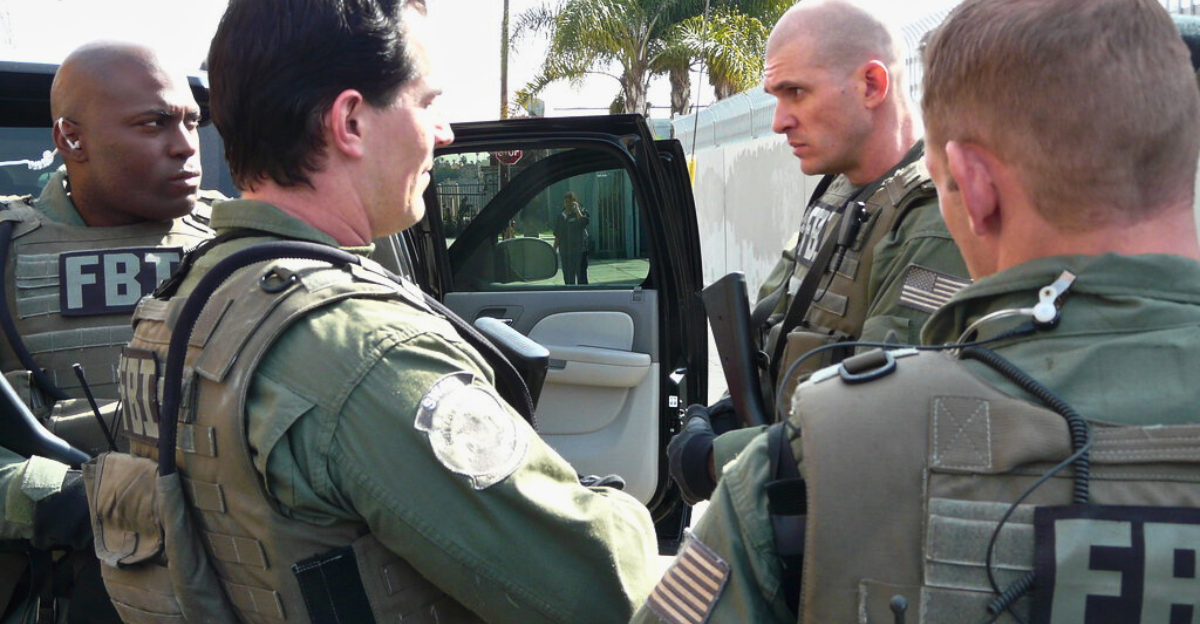
The FBI urges people to verify identities using reverse-image searches on social media and warns against sending cryptocurrency to advisers met solely online. In 2024, romance scam victims lost $1.3 billion, averaging $15,000 per victim. The agency stresses: “Don’t send cryptocurrency to or take advice from someone you’ve never met in person.”
Awareness and vigilance remain essential. Businesses must also develop strategies to protect customers from increasingly sophisticated fraud schemes.
Business Strategies To Combat Satellite-Enabled Fraud
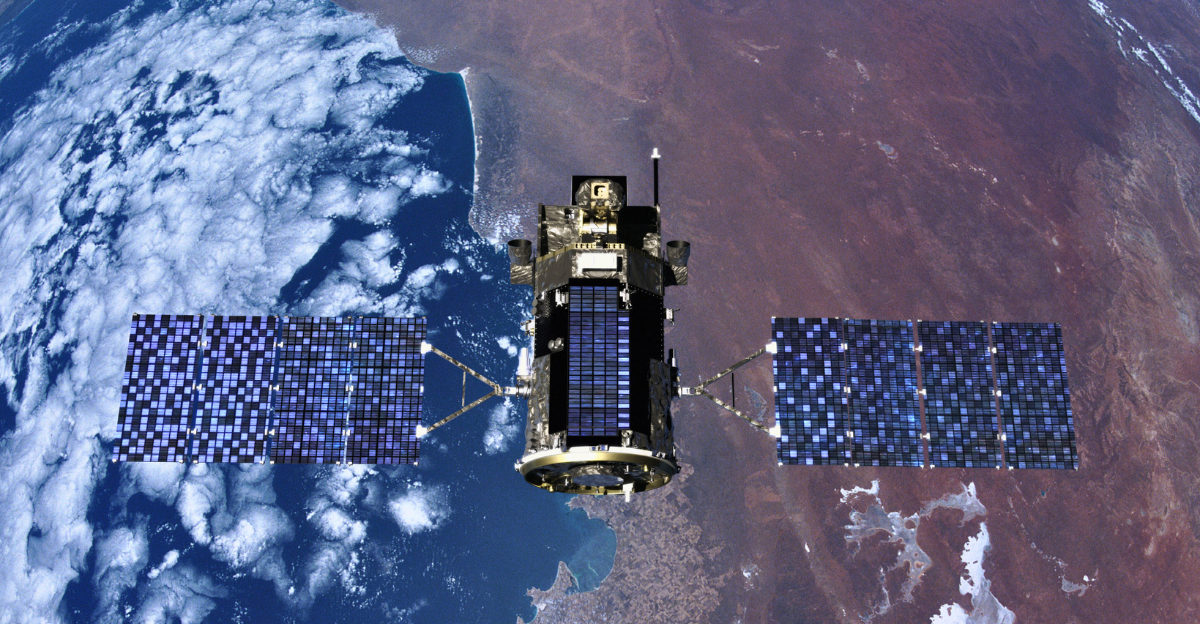
Companies are advised to audit satellite communications and apply rigorous due diligence for high-volume international transactions. SpaceX’s October disabling of over 2,500 Starlink kits marked the first major tech crackdown on satellite-enabled organized crime.
Experts highlight the importance of continuous monitoring of emerging technologies exploited by criminal networks. New regulatory frameworks are expected to follow this watershed moment.
Challenges Ahead

Despite raids and sanctions, at least 30 other scam compounds remain operational. ASPI and Justice For Myanmar documented continued expansion in 2025. Erin West emphasized on October 23, 2025: “KK Park is a small portion of the number of compounds in the world that are doing this dirty business.”
Relocation and rapid rebuilding, combined with militia protection, leave tens of thousands of victims trapped. NGOs continue to call for systematic intervention addressing root causes.
A New Era For Satellite Technology Accountability

SpaceX’s disabling of 2,500+ Starlink devices launched a cascade of regulatory, enforcement, and industry reforms. Lauren Dreyer emphasized, “We remain committed to ensuring Starlink is a force for good,” marking a shift toward provider accountability.
This landmark intervention has changed the landscape for satellite internet and global fraud prevention.