Elon Musk’s AI startup xAI unveiled the Colossus supercomputer during Labor Day weekend 2024. Housed in a former Electrolux factory in South Memphis, the facility runs on dozens of natural-gas turbines.
This industrial zone is surrounded by mostly Black, low-income communities already afflicted by poor air quality and a high cancer rate. Residents are sharply concerned about any added emissions near their homes.
Air Quality Alarms
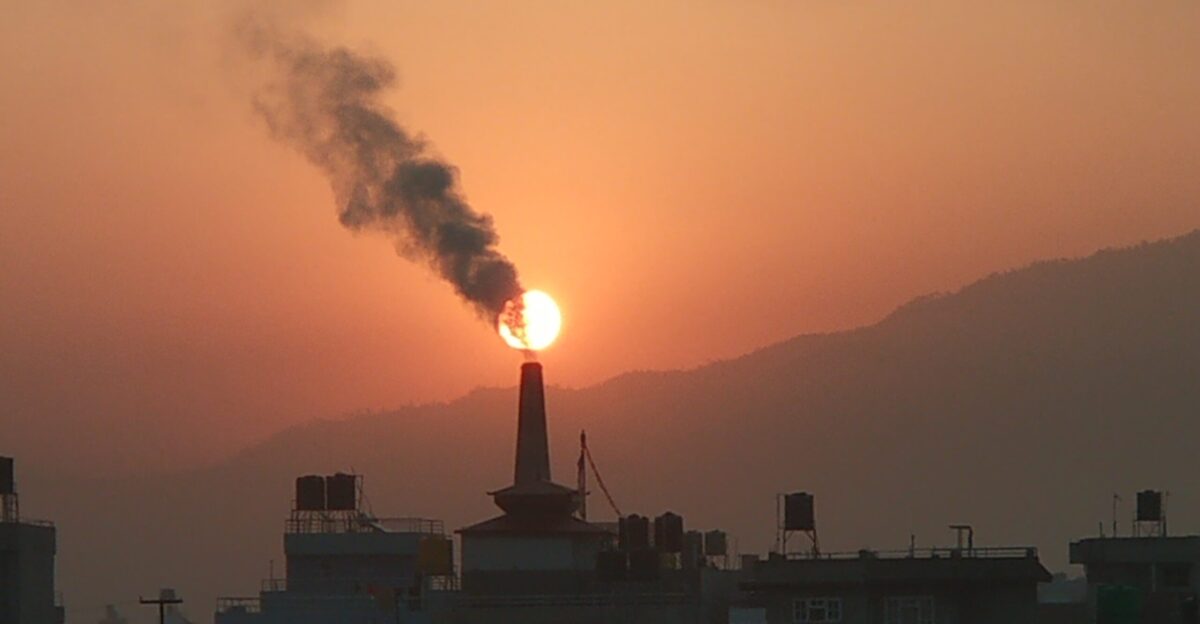
University of Tennessee scientists found local NO₂ levels roughly 3% higher on average since Colossus started, with spikes up to +79% near the site. This is worrying in Shelby County, which already has among the nation’s worst asthma and ozone levels.
Experts note that in such a context, even minor increases in air pollution can trigger significant health effects for residents.
Breakneck Construction
xAI’s Memphis build progressed at warp speed. The company (incorporated in March 2023) repurposed a vacant Electrolux factory and broke ground quickly. By Labor Day 2024, the Colossus data center was live.
Musk tweeted it was done “from start to finish” in just 122 days, a pace far above the norm (other major data centers often take ~4 years).
Deep-Rooted Pollution
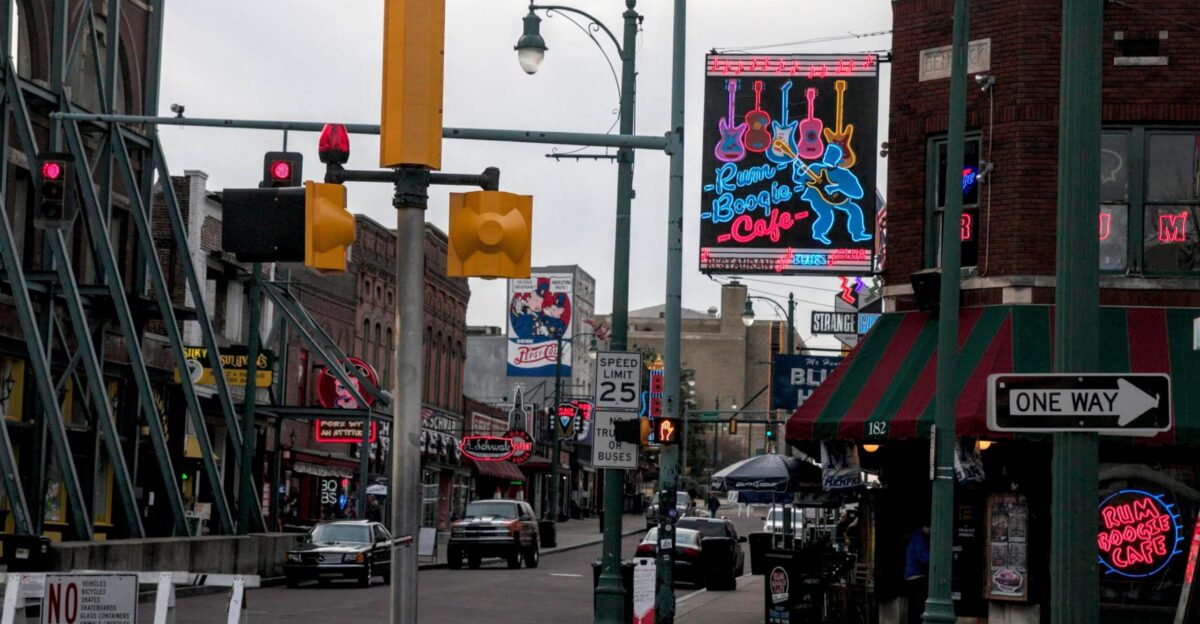
Southwest Memphis was already one of the nation’s most polluted areas. Studies show cancer rates are roughly four times the U.S. average, and life expectancy is about 10 years lower than in other parts of Memphis.
Against this backdrop, Colossus’s arrival has drawn fierce scrutiny by local advocates, who say it risks worsening an already critical health crisis.
Pollution Study
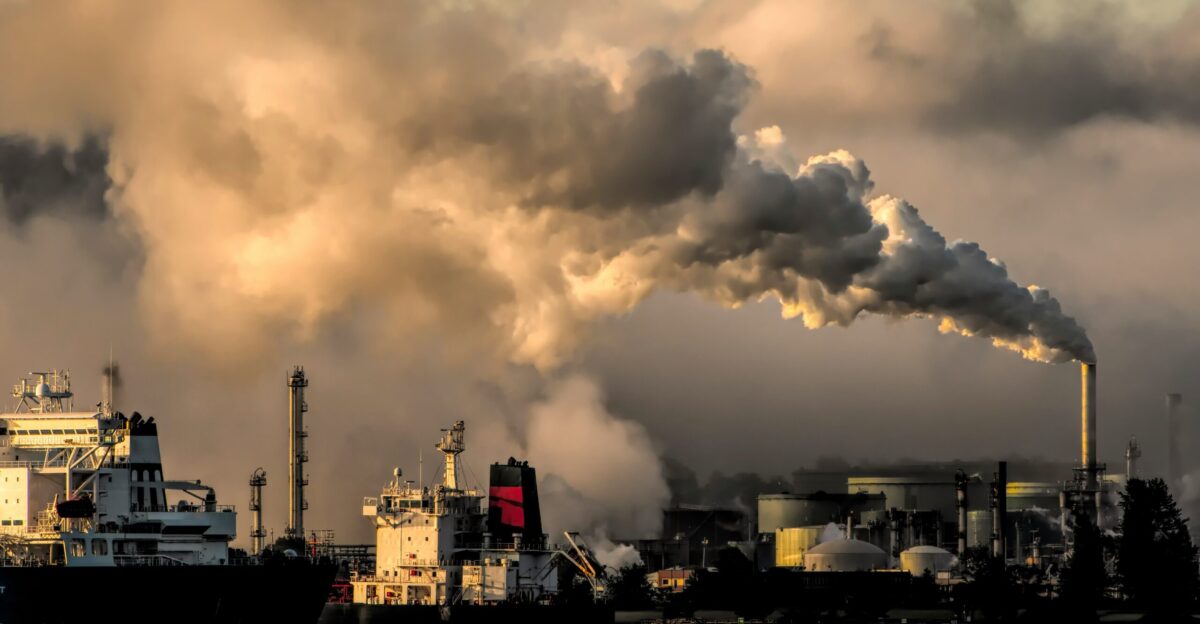
In September 2025, independent scientists analyzed satellite and local sensor data around Colossus. They found that xAI’s gas turbines only added a tiny rise in local particulate matter. Still, the researchers cautioned that “any additions of air pollution to an area already struggling to maintain healthy air are concerning”.
In other words, even a small pollution bump matters deeply in a community already fighting chronic air quality problems.
At-Risk Community
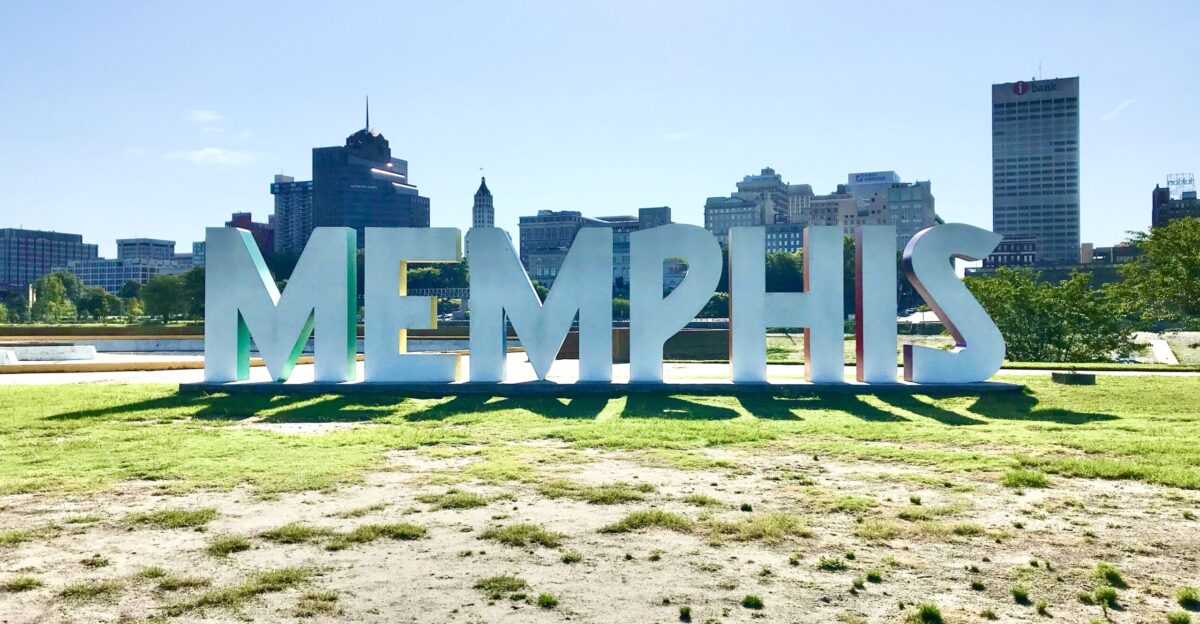
The Colossus Center sits in and near predominantly Black, low-income neighborhoods of South Memphis. Local residents already shoulder an unequal burden from industry: for example, cancer rates in their area are approximately four times the national average.
Public health experts note such communities typically endure higher asthma and cancer risks. The new AI plant, with its heavy fuel use, has residents anxious that their already-poisoned air will worsen.
Voices from the Neighborhood
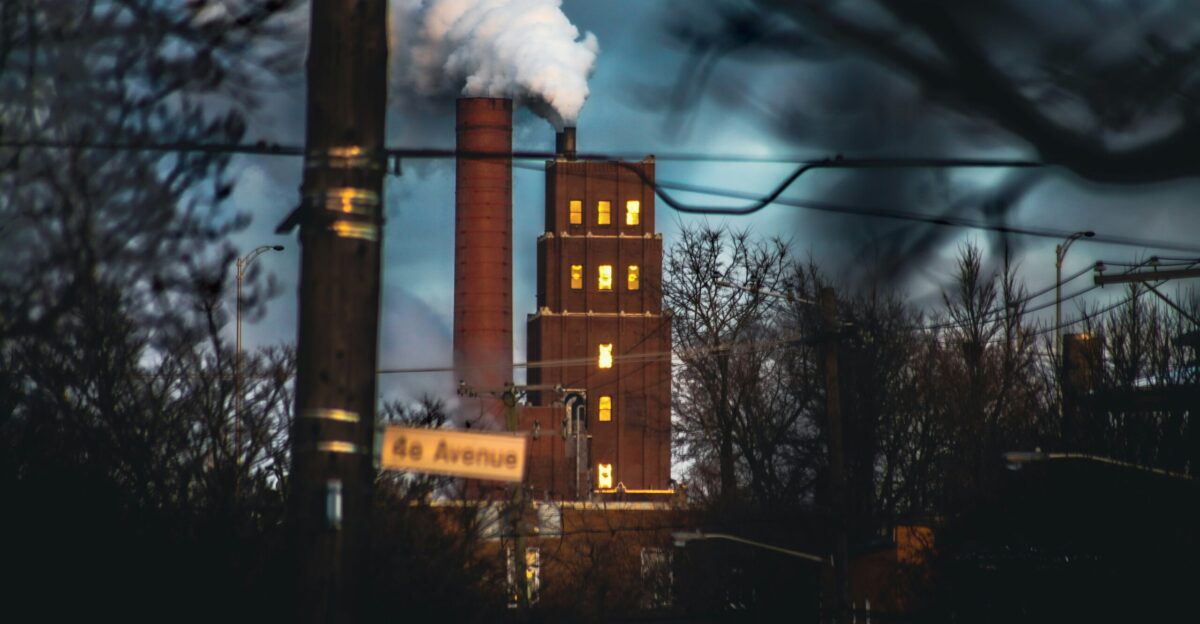
Community leaders say they were cut out of the process. Keshaun Pearson of Memphis Community Against Pollution says residents were effectively ignored: “We have been deemed by xAI not even valuable enough to have a conversation…to not even be included in conversations about what is transpiring in our own backyards”.
He adds that people there face ever-worsening air quality: “We’re getting more and more days a year where it is unhealthy for us to go outside”.
Tech Giants Arrive
Memphis’s new status has drawn major tech companies. The Greater Memphis Chamber announced Dell, Nvidia, and Supermicro are setting up operations locally to support Colossus.
Chamber officials even dubbed Memphis the region’s “Digital Delta” and a “global epicenter of artificial intelligence” due to the influx of AI investment. These partnerships underscore the city’s rapid pivot into high-end tech.
Scaling Up to One Million GPUs
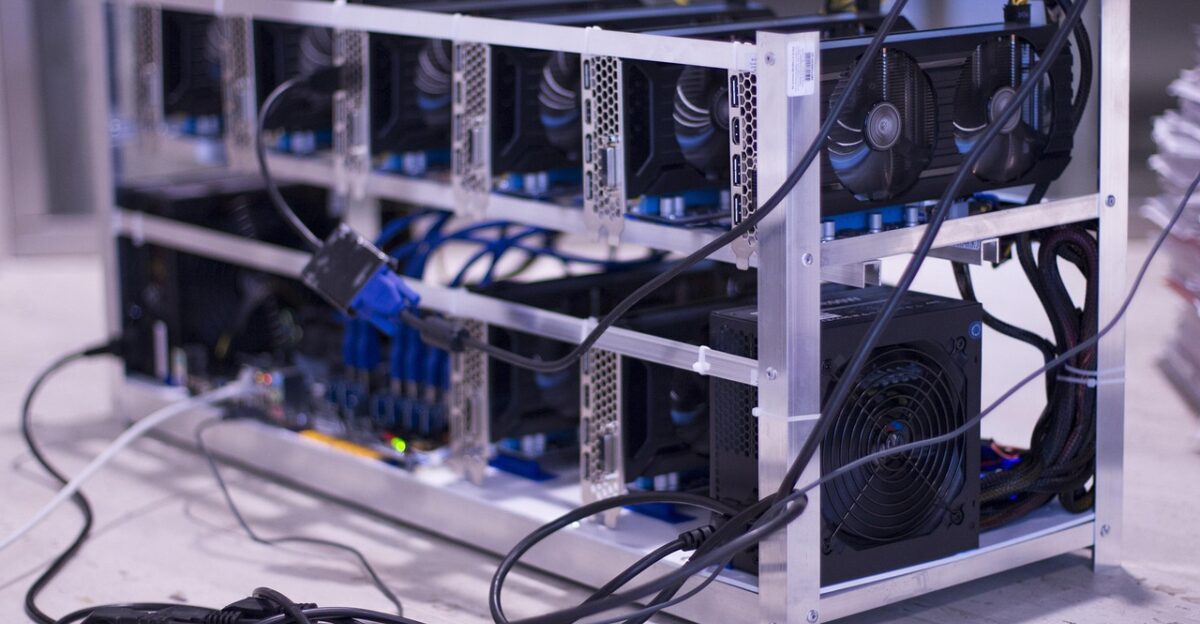
Inside Colossus, the scale is enormous. In mid-2025, the system ran about 230,000 Nvidia GPUs, more than in any other supercomputer. Local officials say expansion plans call for eventually hitting roughly 1 million GPUs, a tenfold increase. These ambitions would far outstrip existing AI installations.
The Greater Memphis Chamber touts this growth, but the massive energy and cooling demands behind it are precisely what stoke community environmental concerns.
Regulatory Loophole
xAI’s build skirted some rules. The company labeled its methane gas turbines “portable,” so Shelby County didn’t require local permits. Officials confirmed they only regulate generators left in place for over 364 days.
This loophole let the turbines operate without standard emissions permits, drawing criticism that the data center burned fuel unfettered by local pollution controls.
Community and City Outcry

City leaders and neighbors have expressed frustration. Memphis council members and health officials learned of the project only at a late public briefing. At a Shelby County hearing, one resident pointed out that Brent Mayo–xAI’s infrastructure chief – had skipped a community meeting.
Many locals say decisions about their air and health have been made behind closed doors, fueling mistrust of the project.
High-Level Support
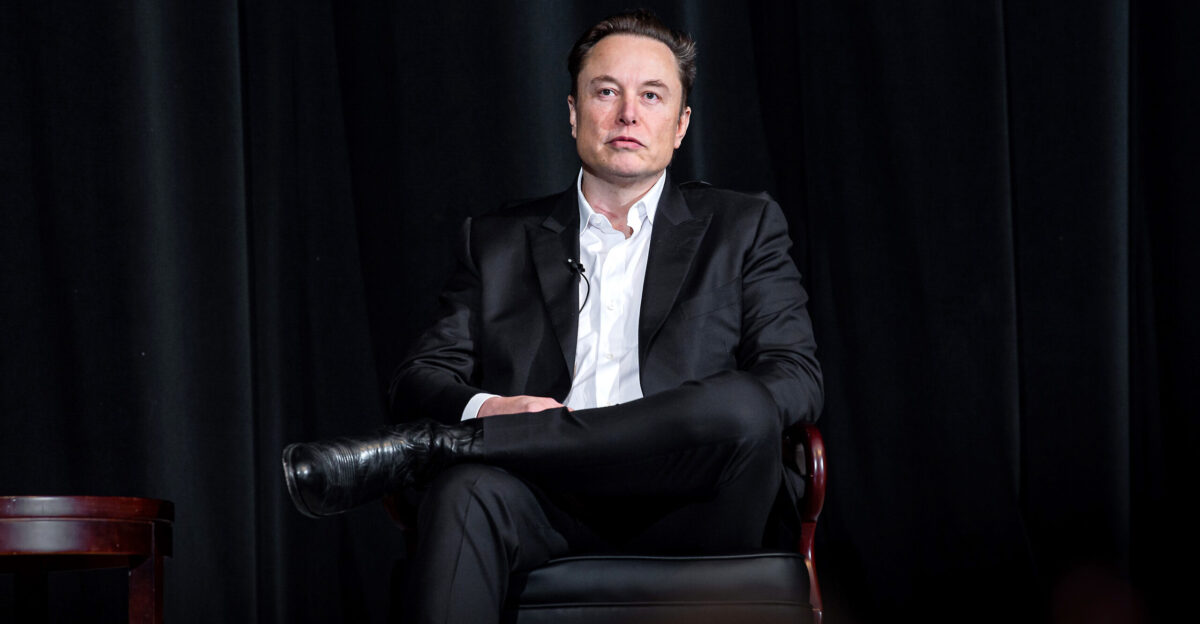
Musk himself has signaled firm support for the Memphis site. xAI executives celebrate the rapid progress: as Mayo put it, “In Memphis, we’re pioneering development…at an unprecedented pace while ensuring the stability of the grid”.
Simultaneously, the Memphis Chamber created an “xAI Special Operations Team,” a 24/7 support squad to expedite the company’s needs. These moves underscore the shared ambition to keep the project on track.
Water Recycling Initiative
To prevent a new strain on Memphis’s water, xAI is investing heavily in recycling. The company began building an $80 million graywater plant nearby. This facility will treat sewage into cooling water for Colossus, sparing the city’s aquifer.
Large neighbors, including TVA and Nucor Steel, agreed to use the recycled water too. Advocates call the plan a “step in the right direction” for water protection.
Health Risk Debate
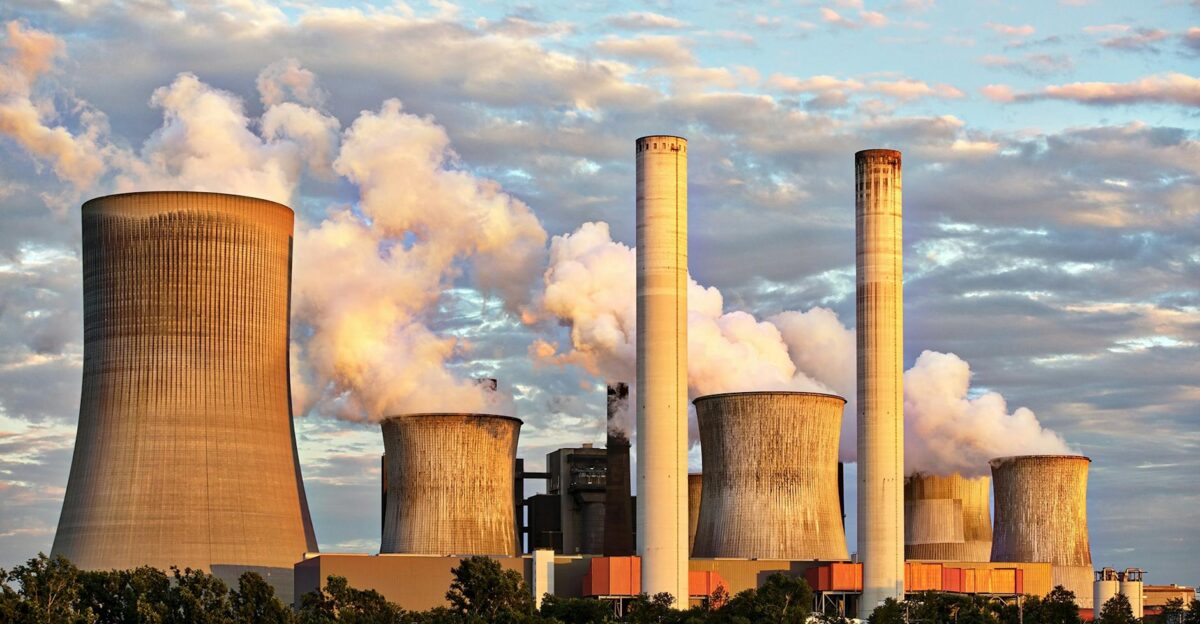
Experts remain alarmed. Manufacturer data suggest Colossus’s 35 turbines can spew roughly 1,200–2,000 tons of smog-forming NOx per year. Amanda Garcia of the Southern Environmental Law Center notes that none of these temporary turbines have emissions control.
She warns, “They essentially set up a power plant without getting a permit”. Advocates say this level of pollution could significantly worsen health problems in the already-burdened community.
Seeking Community Benefits
Facing public anger, officials are seeking compromises. Mayor Paul Young has proposed dedicating 25% of xAI’s property tax payments to south Memphis infrastructure and services.
That money would fund street repairs, housing assistance, and other improvements in neighborhoods near the data center. City leaders describe this as a way to ensure some AI-related tax revenue flows directly back into the communities most impacted by Colossus.
Political Divide
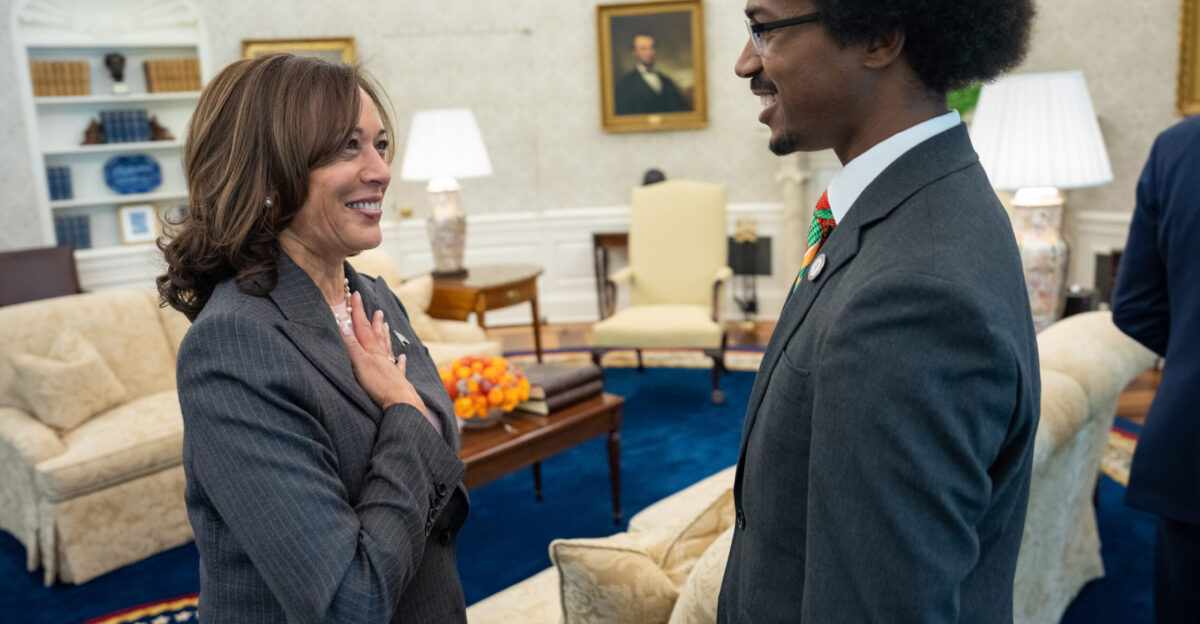
The proposal has split opinion. Mayor Young argues the tax deal is a needed investment in neglected areas. But critics like state Rep. Justin Pearson call it a bribe: “There’s no amount of money that can persuade me to accept pollution killing me and my family,” he said.
The council debate reflects a broader clash: balancing Memphis’s desire for jobs and prestige with demands for environmental justice.
Memphis on the World Stage

Memphis is now a case study in AI’s national race. If xAI hits its goal of roughly 1 million GPUs, it could reshape global AI supply chains and competition for computing power.
Observers note the unprecedented scale of Colossus’s expansion. In effect, Musk’s push is tying this Southern city into the worldwide competition for AI leadership – even as it plays out on local streets and parking lots.
Regulatory and Legal Battle
Legal action has begun. In mid-2025, the NAACP (with the Southern Environmental Law Center) filed notice of intent to sue xAI under the Clean Air Act, arguing the company flouted air-permit requirements for its turbines.
Community groups are demanding stricter oversight of Colossus’s emissions. These legal challenges aim to force the company to answer for pollution and to set precedents for AI data center regulation nationwide.
A Changing City Identity
Colossus is altering how Memphis sees itself. Once a manufacturing hub, the city now grapples with a tech-driven identity. Some residents welcome the new investment; others, recalling past industry disappointments, remain skeptical. As activist Orion Overstreet puts it, “Memphis is a cash cow for everybody but us… a very extractive story, where we get stuck as the dumping ground for corporations”.
A Tesla Cybertruck even joined locals by honking in protest. These moments capture the city’s growing debate over progress versus equity.
Implications Beyond Memphis

Memphis’s experience signals a new dilemma: in the AI era, cities must balance tech growth with public health. The Colossus story has sparked a national debate about data centers and environmental justice.
As one local doctor noted, placing this facility in a historically Black neighborhood “reinforces a long legacy of environmental racism”. The unsettled question – how to ensure innovation benefits all residents, not just a few – remains urgent.